Did you know that chronic inflammation is linked to nearly 60% of modern diseases, including heart disease and diabetes? This silent threat often goes unnoticed until symptoms appear. But the good news? Your plate can be your first line of defense.
Research shows that certain ingredients can significantly reduce inflammation markers like CRP. By making simple dietary swaps, you support your immune system and overall wellness. This isn’t just about eating—it’s about nourishing every cell.
Below, we’ll explore a curated list backed by science. These options don’t just taste great—they actively fight inflammation. Ready to transform your health from the inside out?
Key Takeaways
- Chronic inflammation contributes to major health risks.
- Diet plays a critical role in lowering inflammation.
- Certain foods can reduce CRP levels effectively.
- Simple dietary changes offer long-term benefits.
- Science-backed choices enhance overall wellness.
Understanding Inflammation: Your Body’s Double-Edged Sword
Your body’s defense system is both a protector and a potential threat. When functioning properly, inflammation heals wounds and fights infections. But when it lingers, it becomes a silent driver of chronic diseases.
The Protective Role of Acute Inflammation
Imagine scraping your knee. Within minutes, white blood cells (leukocytes) swarm the area. This acute response causes redness and swelling—a sign your immune system is working. It’s a short-term fix to repair tissue and block pathogens.
When Inflammation Turns Chronic
Problems arise when inflammation doesn’t resolve. Over time, it damages healthy cells. NIH studies link chronic inflammation to 50% of deaths from disease like heart conditions and arthritis. Obesity worsens it—fat cells release proteins that fuel inflammation.
Epigenetic factors (like stress or pollution) can lock the body into this harmful state. A 2018 review found unresolved inflammation accelerates cancer growth. The key? Intervening before it becomes a runaway train.
Why These 10 Anti-Inflammatory Foods Heal Your Body
What if your fork could be as powerful as medicine? Research reveals that specific compounds in food interact with your DNA, turning inflammation on or off like a switch. This isn’t just nutrition—it’s precision biology.
The Science Behind Food as Medicine
Nutrigenomics—the study of how food communicates with genes—shows meals act as epigenetic triggers. For example, omega-3s in fatty fish convert to resolvins, molecules that actively resolve inflammation. Broccoli’s sulforaphane blocks the NF-κB pathway, a major inflammation driver.
Polyphenols in berries and green tea modulate cytokines, proteins that cause swelling. A 2024 study found resveratrol in grapes alters gene expression, reducing inflammatory markers by 40% in trials.
Gut Microbiome: The Unsung Hero
Your gut bacteria determine how well anti-inflammatory effects work. They break down fibers into short-chain fatty acids, which strengthen the intestinal barrier. A healthy gut means better absorption of nutrients like curcumin from turmeric.
| Intervention | Cost (Annual) | Side Effects | Efficacy |
|---|---|---|---|
| NSAIDs (e.g., Ibuprofen) | $300-$600 | Stomach ulcers, kidney risk | Temporary relief |
| Anti-Inflammatory Diet | $500-$800 | None | Long-term reduction |
A 12-week avocado study showed a 30% drop in IL-1β, a marker linked to arthritis. Unlike drugs, foods work synergistically—no prescription needed.
1. Fatty Fish: Omega-3 Powerhouses
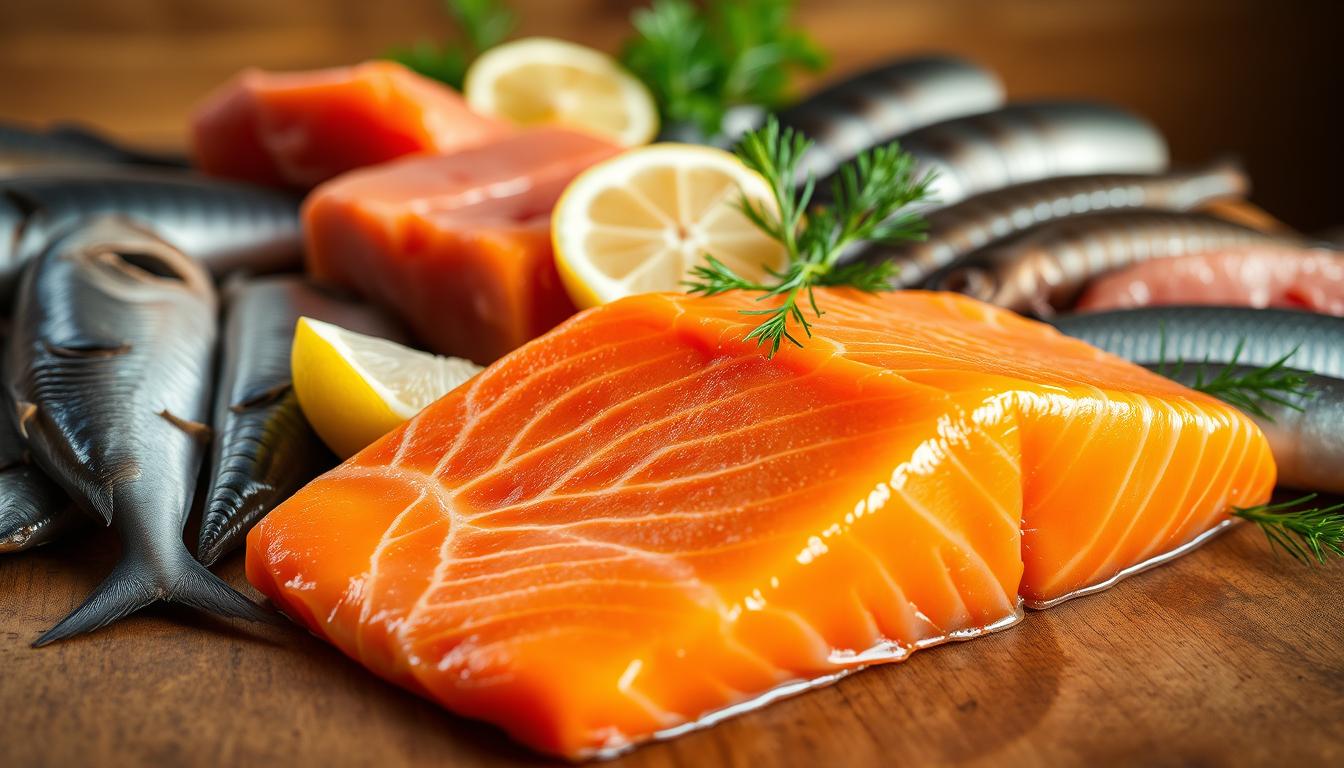
The ocean holds a secret weapon against inflammation—fatty fish packed with omega-3 fatty acids. These nutrients don’t just support brain health; they actively dial down inflammatory responses. A 3.5oz serving of Atlantic salmon delivers 2.3g of EPA/DHA, making it a top choice.
Best Varieties: Salmon, Mackerel, Sardines
Not all fish offer equal benefits. Wild-caught salmon leads with high EPA/DHA levels, while sardines provide 1.4g per 100g. Mackerel is another standout, but opt for smaller species to minimize mercury exposure.
How EPA/DHA Combat Inflammation
These fatty acids convert into resolvins, molecules that “turn off” inflammation. A 12-week study showed a 23% drop in CRP levels among participants eating salmon twice weekly. The American Heart Association recommends 8oz servings weekly for heart disease prevention.
Grilling or baking preserves omega-3s better than frying. Pair fish with leafy greens to boost absorption. Your plate just became a pharmacy.
2. Berries: Nature’s Antioxidant Gems
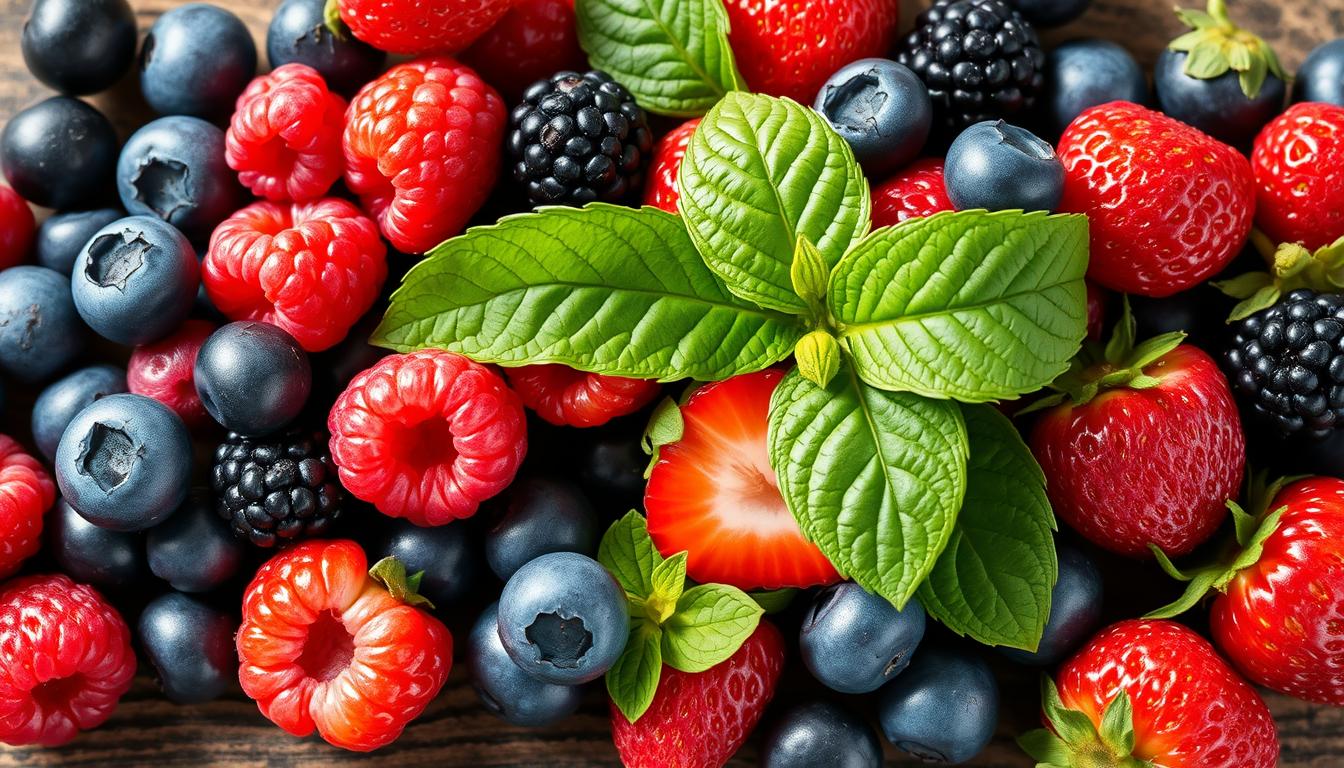
Beyond their sweet taste, berries deliver serious anti-inflammatory benefits through unique plant compounds. These colorful fruits contain anthocyanins—pigments that double as powerful antioxidants. Research shows blackberries lead the pack with 5.3mmol antioxidants per 100g serving.
Anthocyanins: The Secret Weapon
These plant pigments give berries their vibrant hues while fighting inflammation. A study on overweight participants found strawberries reduced CRP levels by 11%. For best absorption, pair berries with healthy fats like almond butter or Greek yogurt.
Frozen varieties retain nearly all nutrients, according to USDA research. Flash-freezing locks in compounds at peak ripeness. This makes frozen berries a budget-friendly option year-round.
Strawberries vs Blueberries: Which Pack More Punch?
Both excel, but in different ways. Blueberries improve vascular function within 8 hours of consumption. Strawberries show stronger effects on inflammatory markers. Consider glycemic impact—raspberries and blackberries have lower sugar content for those watching blood sugar.
To maximize benefits in your diet:
- Mix berry types for diverse polyphenols
- Choose organic when possible to reduce pesticide exposure
- Add to oatmeal or salads for easy incorporation
3. Broccoli: The Cruciferous Champion
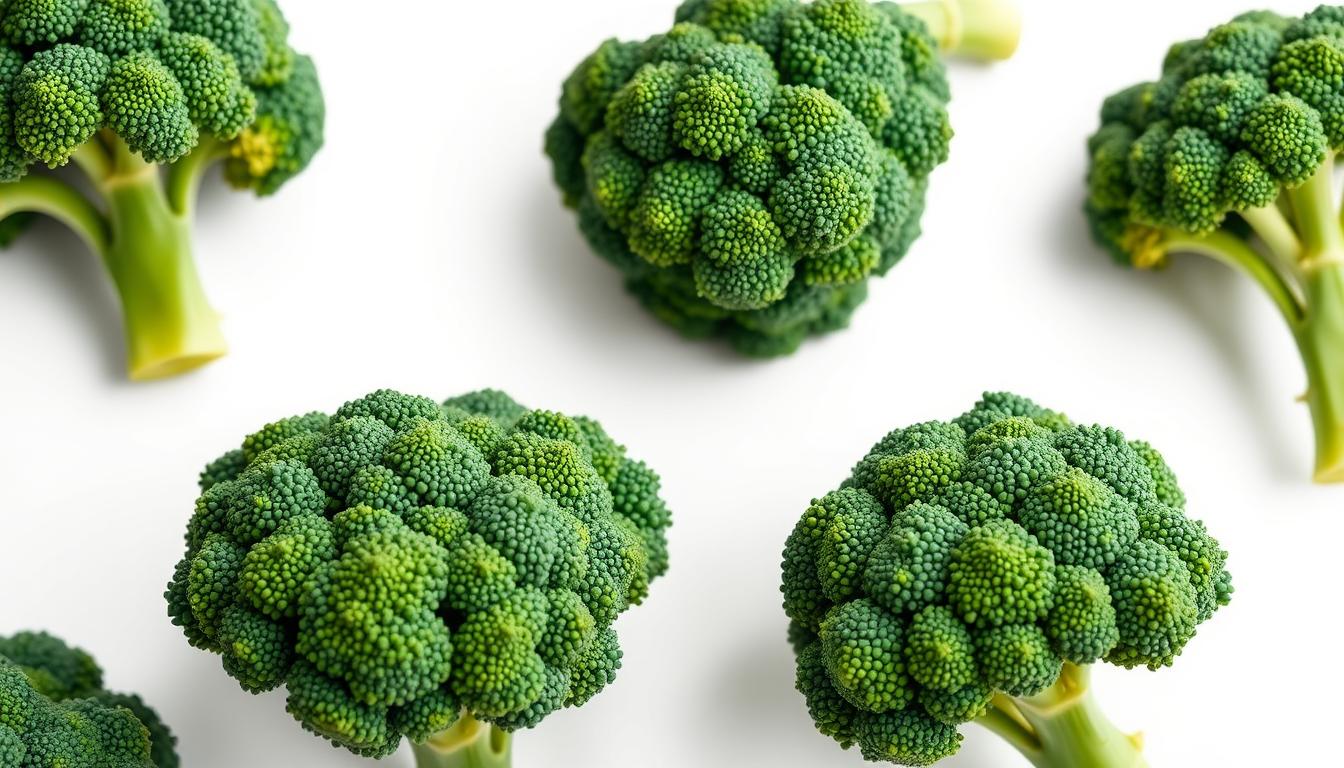
Hidden in its vibrant green florets, broccoli packs a powerful punch against cellular inflammation. This vegetable contains unique compounds that activate your body’s natural defense systems. Research shows regular consumption offers significant health benefits, from cancer prevention to heart protection.
Sulforaphane’s Cellular Protection
Broccoli’s secret weapon is sulforaphane, formed when glucoraphanin interacts with the myrosinase enzyme. This process occurs when you chop or chew the vegetables. Johns Hopkins studies found broccoli sprouts contain 10-100 times more glucoraphanin than mature plants.
- Activating Nrf2 pathway to boost antioxidant production
- Reducing NF-κB activity, a major inflammation trigger
- Enhancing detoxification enzymes in your liver
Raw vs Cooked: Maximizing Benefits
Preparation methods dramatically affect sulforaphane levels. Light steaming (3-4 minutes) increases bioavailability by 40% compared to boiling. Microwaving destroys myrosinase—the key enzyme for sulforaphane formation.
| Method | Temperature | Time | Sulforaphane Yield |
|---|---|---|---|
| Raw (chopped) | N/A | N/A | High (requires resting) |
| Steamed | 212°F | 3-4 min | Optimal |
| Boiled | 212°F | 10 min | Low (leaches nutrients) |
For best effects, combine broccoli with mustard seeds or radishes. These contain myrosinase to boost sulforaphane production. Aim for ½ cup daily or 2-3 servings weekly to reap the anti-inflammatory properties.
4. Avocados: Creamy Inflammation Fighters
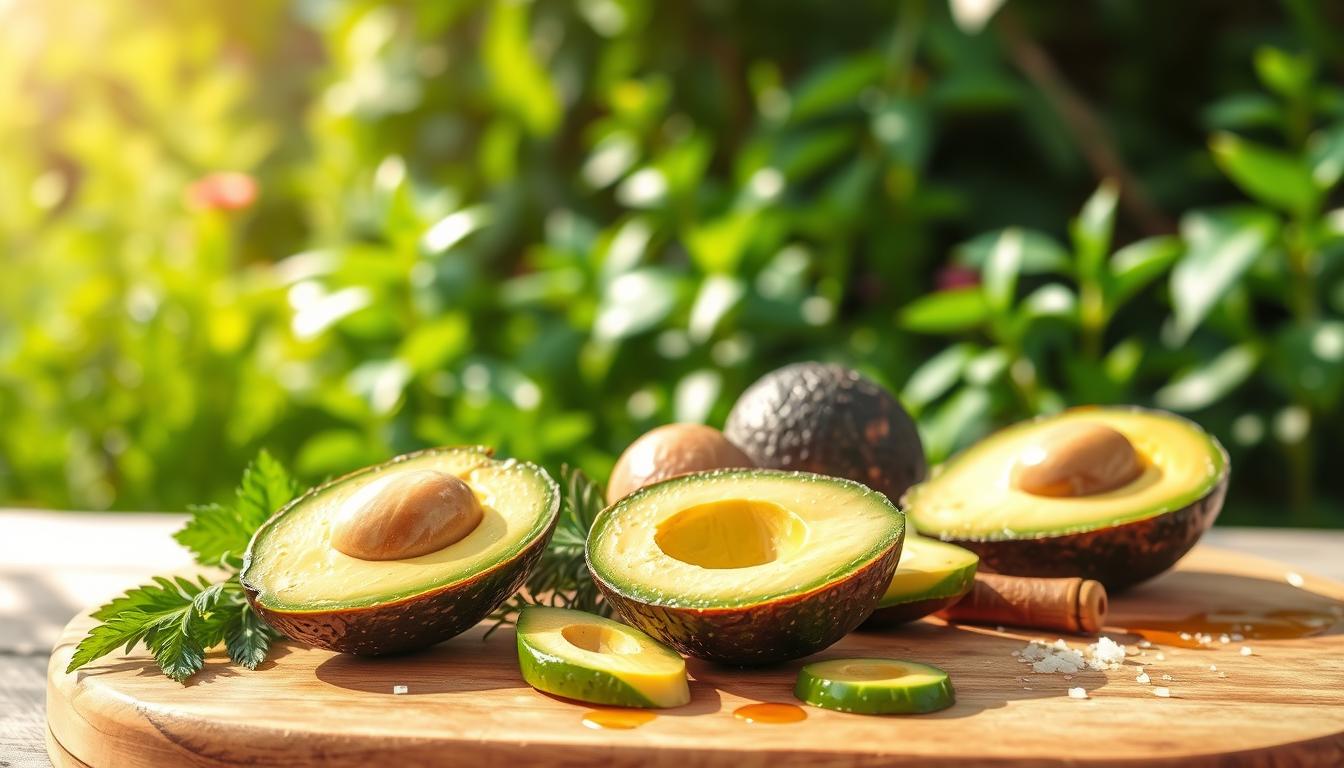
The creamy texture of avocados hides a potent anti-inflammatory arsenal. These heart-healthy fruits deliver 13.5g of monounsaturated fats per Hass variety, according to USDA data. Their unique nutrient profile works like molecular switches to calm chronic inflammation.
Monounsaturated Fats and Carotenoids
Avocados shine with oleic acid levels rivaling olive oil. This fat enhances absorption of lipid-soluble carotenoids like lutein by 4-12 times. NMR spectroscopy reveals their unusual fat structure—85% unsaturated with high oxidative stability.
Key synergies make them powerful:
- Beta-carotene and vitamin E work together to neutralize free radicals
- Fiber binds to inflammatory bile acids in digestion
- Glutathione content supports liver detox pathways
Clinical Studies on Inflammatory Markers
A 12-week trial published in Nutrition Journal showed 20% reductions in IL-1β among regular avocado eaters. Participants replacing saturated fats with avocado saw CRP markers drop by 17%.
| Cultivar | MUFA Content | Carotenoids (mcg) |
|---|---|---|
| Hass (California) | 13.5g/fruit | 185 |
| Fuerte (Mexican) | 11.2g/fruit | 210 |
For peak benefits, choose avocados yielding slightly to gentle pressure. The Mediterranean diet recommends ¼ to ½ avocado daily as optimal for inflammation control. Their versatility makes them an easy swap for butter or mayo in recipes.
5. Green Tea: Ancient Healing Elixir
Modern science confirms what ancient healers knew: green tea’s compounds work wonders. This beverage contains unique polyphenols that interact with your cellular pathways. Unlike fermented teas, its leaves retain maximum antioxidant capacity.

EGCG: The Superstar Catechin
Epigallocatechin gallate (EGCG) makes up 50-80% of green tea’s catechins. Kyoto University research shows matcha contains 137 times more EGCG than standard varieties. This potent molecule:
- Blocks inflammatory cytokines like TNF-alpha
- Enhances brain-derived neurotrophic factor (BDNF) by 143%
- Works synergistically with L-theanine for calm focus
A 2023 bioavailability study found EGCG absorption peaks when consumed with citrus. Just two cups daily may slash Alzheimer’s risk by 54%.
Brewing Methods for Maximum Potency
Temperature and timing dramatically affect effects. Tannins become bitter if over-steeped, while insufficient heat limits catechin release.
| Type | Temp (°F) | Time | Caffeine (mg) |
|---|---|---|---|
| Sencha | 176 | 1 min | 30 |
| Gyokuro | 140 | 2 min | 35 |
| Cold Brew | Room | 6 hours | 15 |
Cold brewing preserves 85% of nutrients while reducing bitterness. For hot tea, pre-warm your cup to maintain optimal temperature.
6. Peppers: Colorful Inflammation Shields
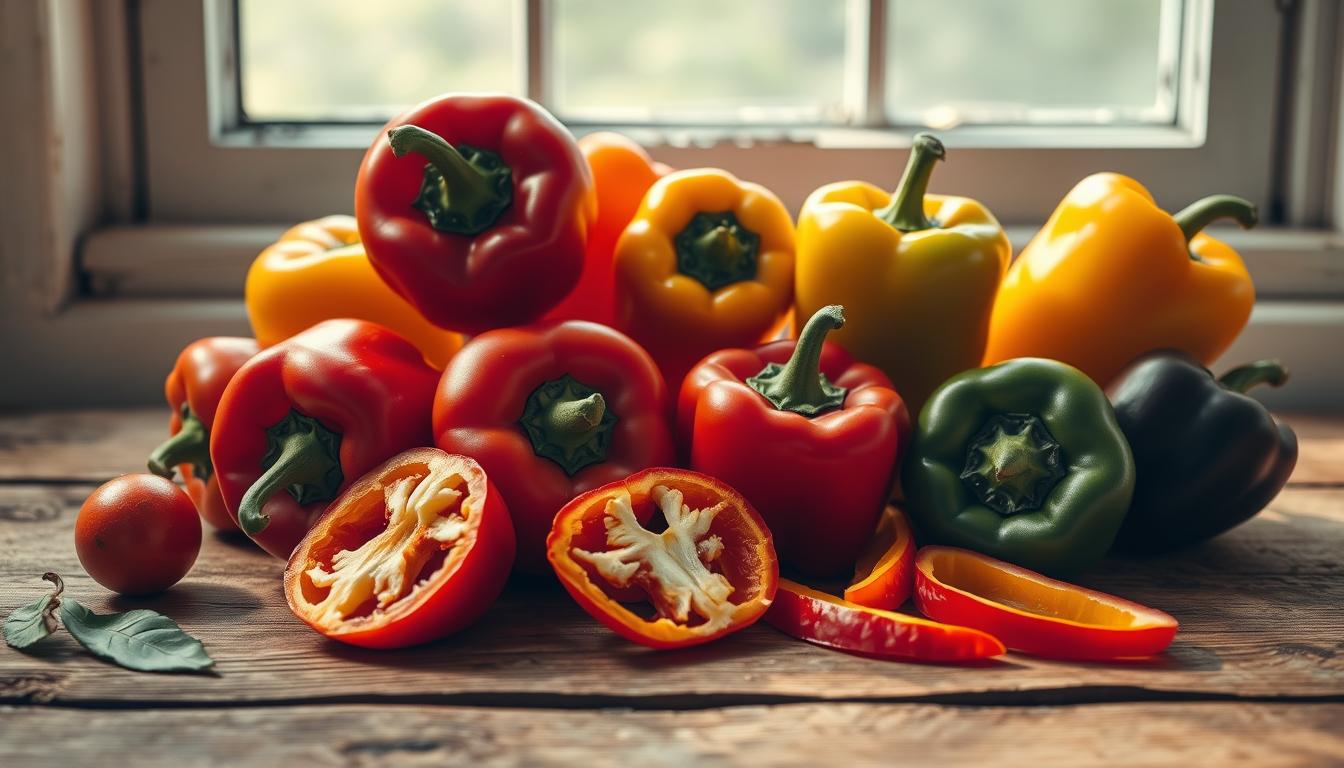
From sweet bells to fiery chilies, peppers offer unique protective benefits against cellular inflammation. These vibrant vegetables contain specialized compounds that target different pathways in your immune response. Whether you prefer mild or spicy, each variety brings distinct health advantages to your plate.
Bell Peppers’ Quercetin Content
Red bell peppers deliver 169% of your daily vitamin C needs per cup—more than oranges. This antioxidant works with quercetin, a flavonoid that enhances your body’s stress response. Research shows pairing peppers with healthy fats improves quercetin absorption by up to 32%.
The nightshade family controversy stems from solanine content, but most healthy individuals tolerate peppers well. Hybrid varieties like ‘Sweet Sunrise’ offer:
- Higher carotenoid levels than traditional cultivars
- Reduced bitterness while maintaining nutrient density
- Thinner skins for better digestibility
Chili Peppers’ Capsaicin Benefits
Capsaicin—the compound behind the burn—reduces Substance P (a pain neurotransmitter) by 38%. This explains why topical capsaicin creams ease arthritis discomfort. The Scoville scale interestingly correlates with anti-inflammatory effects—hotter peppers often show stronger activity.
Your liver metabolizes capsaicinoids into vanilloids, which:
- Activate TRPV1 receptors to modulate pain signals
- Increase fat oxidation during digestion
- Support healthy blood vessel function
| Cooking Method | Vitamin C Retention | Quercetin Bioavailability | Capsaicin Stability |
|---|---|---|---|
| Raw | 100% | Medium | High |
| Air-Fried (10 min) | 85% | High | Medium |
| Roasted (20 min) | 65% | Low | Low |
For maximum effects, alternate between raw peppers in salads and lightly cooked versions in stir-fries. The combination provides both heat-sensitive and fat-soluble nutrients your body needs.
7. Mushrooms: Immune-Modulating Wonders
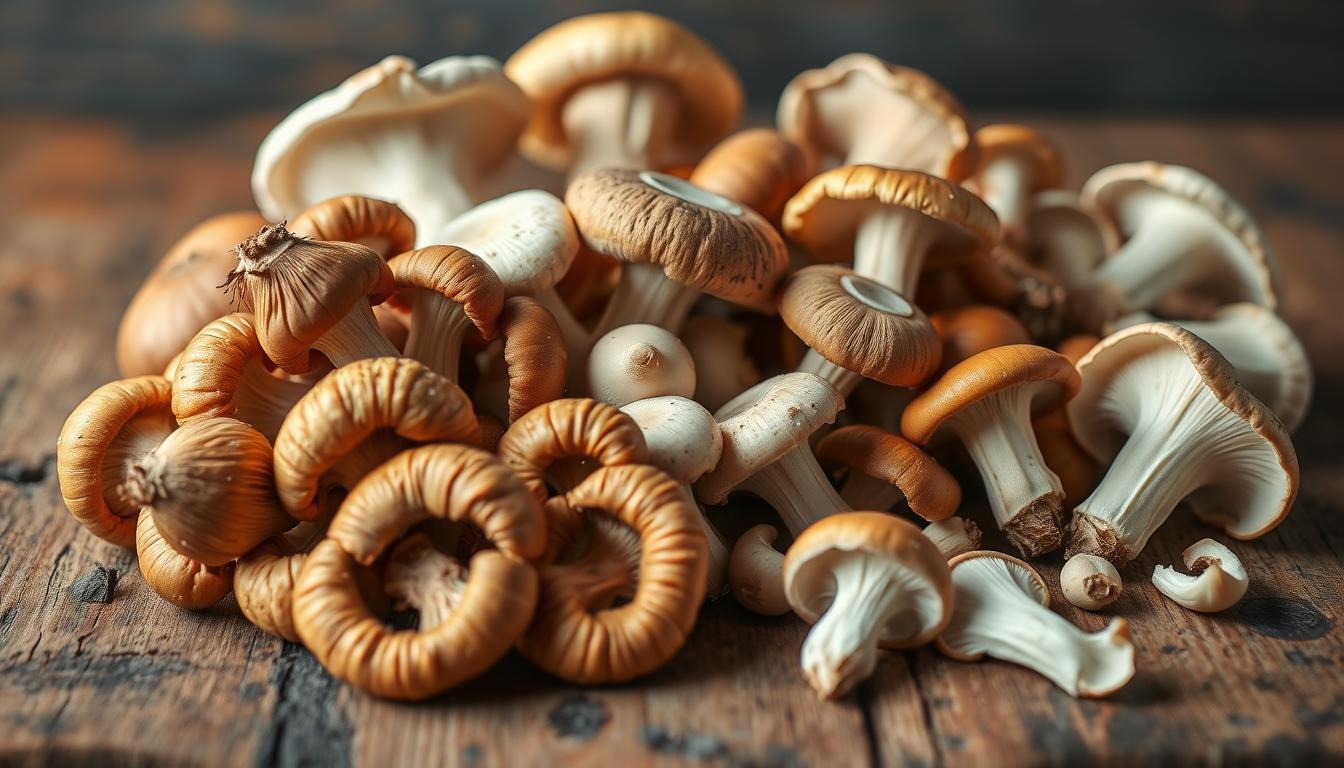
Fungi aren’t just pizza toppings—they’re nature’s pharmacy in disguise. These humble organisms contain specialized compounds that fine-tune your immune response. Research reveals they can enhance white blood cell activity while calming excessive inflammation.
Beta-Glucans and Phenolic Compounds
Beta-glucans in mushroom cell walls stimulate natural killer (NK) cells—your body’s first defense line. Studies show shiitake extracts increase NK activity by 300%. These fibers also promote gut bacteria that regulate systemic inflammation.
Phenolic compounds like ergothioneine offer unique antioxidant protection. Unlike vitamin C, this amino acid derivative:
- Accumulates in tissues for long-term defense
- Protects mitochondria from oxidative damage
- Shows 35.8mg per 100g in shiitake varieties
Shiitake vs Portobello: Nutritional Showdown
While both offer health benefits, their profiles differ significantly. Shiitake leads in immune-active compounds, while UV-treated portobellos provide 400IU vitamin D per serving.
| Attribute | Shiitake | Portobello |
|---|---|---|
| Ergothioneine | 35.8mg | 2.1mg |
| Beta-Glucans | 0.8g/serving | 0.3g/serving |
| Best Preparation | Dried (nutrients concentrate) | Grilled (enhances umami) |
For your diet, consider mycoprotein’s advantages over animal protein—it’s complete yet lower in saturated fats. The FDA recognizes maitake and turkey tail as medicinal varieties with proven immune effects.
8. Grapes: Resveratrol-Rich Superfruits
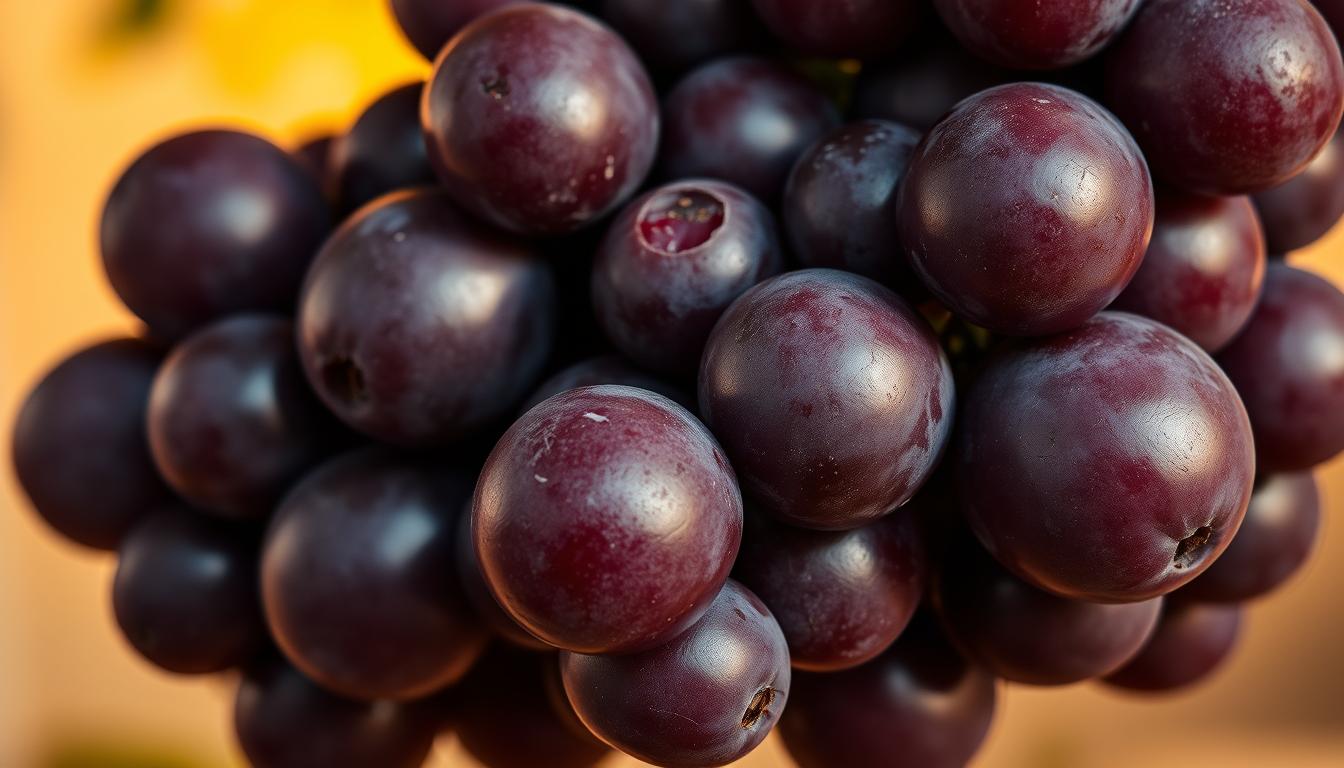
The humble grape hides a powerful secret in its tiny form—resveratrol, a compound that rivals some medications. Research shows muscadine varieties contain six times more of this protective substance than other fruits. Just 50mg daily can slash inflammatory markers like IL-6 by 29%.
Heart Health and Inflammation Connection
Your cardiovascular system benefits directly from grape consumption. Concord juice improves endothelial function within hours, helping blood vessels relax. The ORAC (Oxygen Radical Absorbance Capacity) values tell an interesting story:
| Variety | ORAC Value | Resveratrol (mg/100g) |
|---|---|---|
| Muscadine | 11,019 | 6.3 |
| Concord | 9,537 | 1.2 |
| Thompson Seedless | 1,426 | 0.3 |
Whole grapes deliver more diverse polyphenols than wine, including procyanidins that bind to collagen in your digestive tract for slow absorption. This creates lasting antioxidant effects.
Red vs Green Grapes: Which to Choose?
Color indicates different protective compounds. Red varieties lead in resveratrol, while green grapes offer higher levels of catechins. For your diet, consider these factors:
- Seasonality: Northern hemisphere harvest runs August-October
- Organic: Conventional grapes rank high in pesticide residues
- Preparation: Freezing maintains nutrients better than canning
Regular grape consumption may reduce heart disease risk by improving arterial flexibility. The skin contains the highest concentration of beneficial compounds—so eat them whole when possible.
9. Turmeric: Golden Anti-Inflammatory
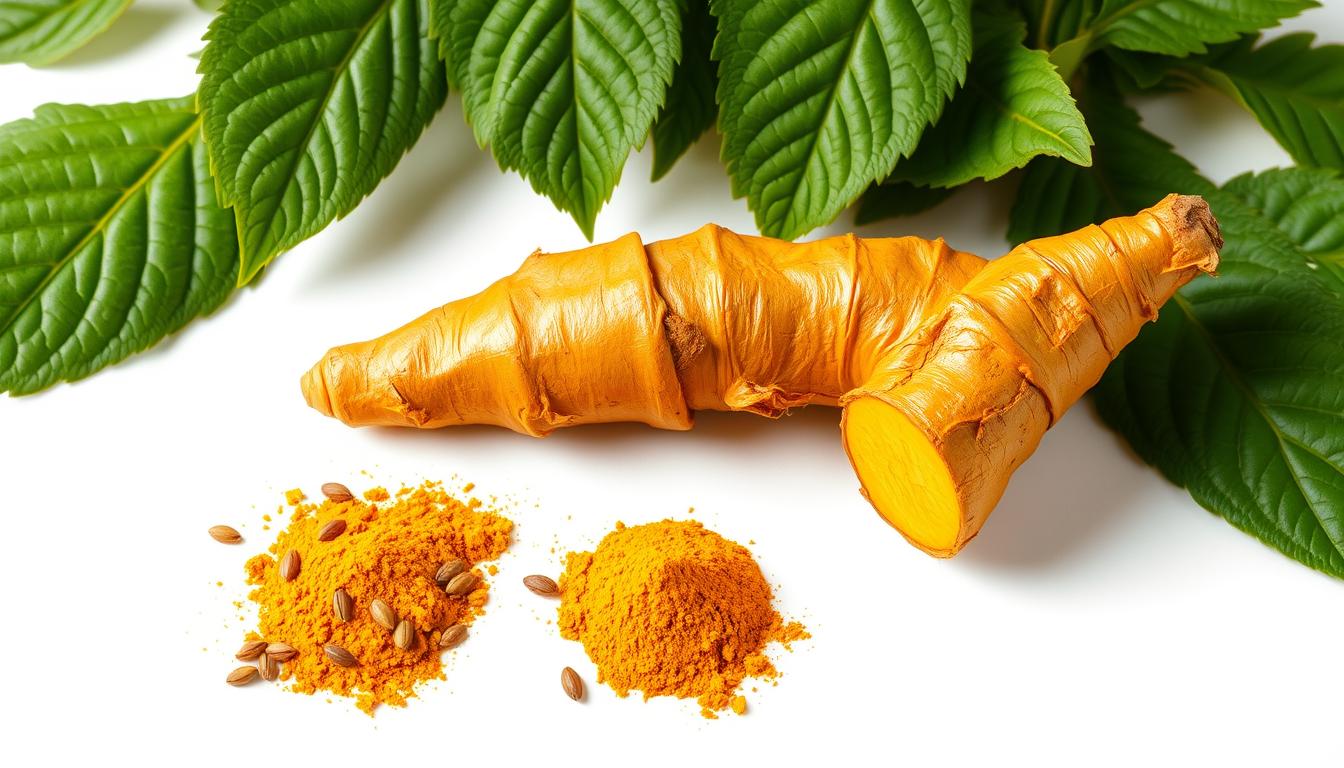
The vibrant yellow spice in your curry does more than add color—it fights inflammation at the molecular level. Turmeric contains curcumin, a bioactive compound with potent anti-inflammatory properties. Studies show it works through multiple pathways, from blocking NF-κB to reducing oxidative stress.
Curcumin’s Bioavailability Boosters
Raw turmeric has poor absorption—only about 1% of curcumin reaches your bloodstream. Ancient wisdom paired it with black pepper for good reason. Piperine in pepper enhances absorption by 2,000% according to pharmacodynamic studies.
Modern solutions improve this further:
- Liposomal formulations encase curcumin in fat bubbles for better uptake
- Nano-curcumin particles achieve 85% bioavailability in clinical trials
- Enteric-coated supplements bypass stomach acid degradation
For cooking, combine turmeric with healthy fats like coconut oil. The fat-soluble nature of curcumin means this pairing boosts absorption naturally.
Turmeric vs NSAIDs: Research Insights
A 2023 meta-analysis found 1g curcumin matches 400mg ibuprofen for pain relief—without gastric side effects. Unlike NSAIDs that only block COX-2 enzymes, turmeric modulates multiple inflammatory markers.
| Attribute | Turmeric | Ibuprofen |
|---|---|---|
| COX-2 Inhibition | Moderate | Strong |
| Additional Benefits | Antioxidant, hepatoprotective | None |
| Safe Daily Limit | 8g (with piperine) | 1.2g |
For liver protection, studies suggest 500-1,000mg daily. Higher doses may interact with blood thinners—consult your doctor if taking medications. This golden spice proves food can be powerful medicine.
10. Extra Virgin Olive Oil: Liquid Gold
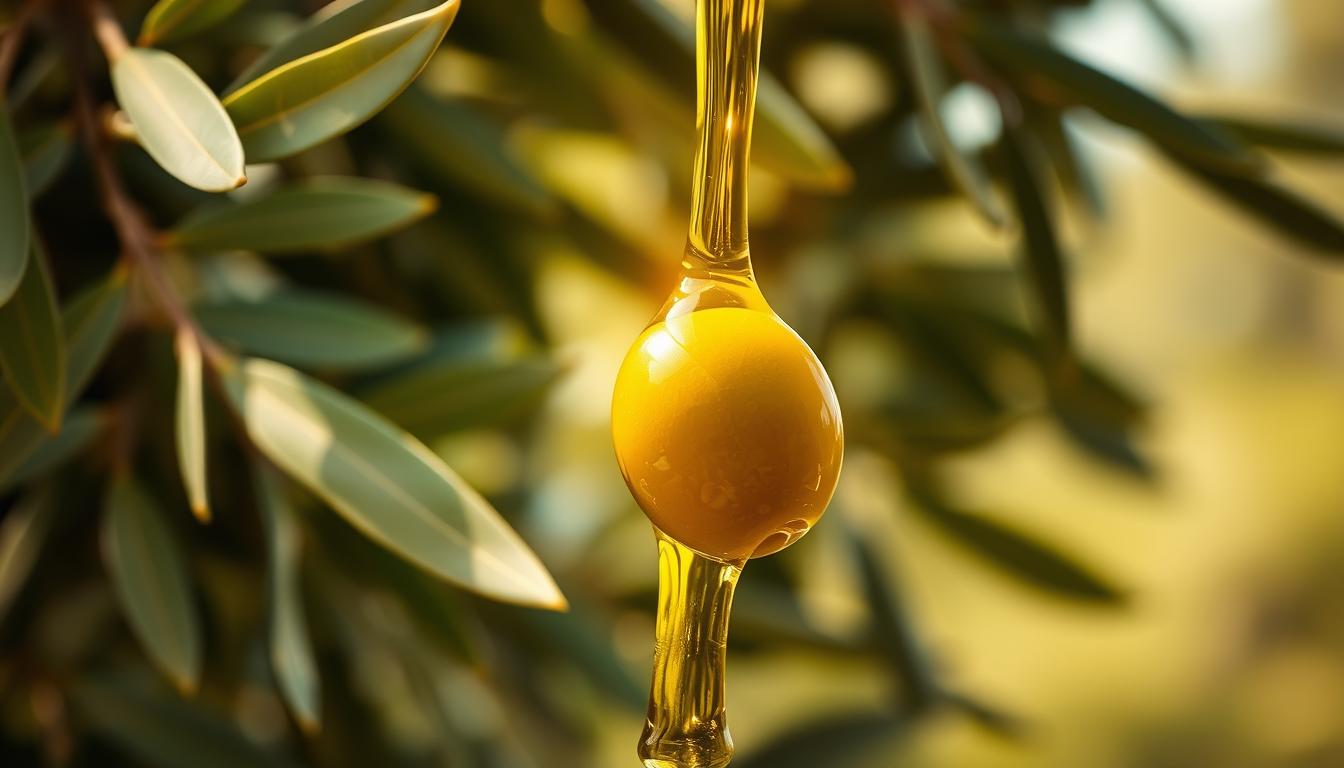
Ancient Mediterranean cultures revered this liquid gold for reasons modern science now confirms. Extra virgin olive oil contains unique phenolics that interact with your cellular pathways. Unlike refined versions, it retains compounds that actively combat inflammation while supporting heart health.
Oleocanthal’s Ibuprofen-Like Effects
The peppery sensation in quality EVOO comes from oleocanthal. Research shows 3.4mg of this compound equals 10% of an adult ibuprofen dose for pain relief. It works by:
- Inhibiting COX enzymes like NSAIDs but without gastric side effects
- Reducing inflammatory cytokines (IL-6, TNF-α) by 19-27% in clinical trials
- Enhancing endothelial function within 2 hours of consumption
Identifying Authentic EVOO
Fraud affects 50-70% of products labeled as extra virgin. These markers guarantee purity:
| Test Method | Authentic EVOO | Adulterated Oil |
|---|---|---|
| COOC Certification | Meets 22 chemical/physical parameters | Fails acidity/peroxide tests |
| UV Fluorescence | Shows green/yellow glow | Red/orange indicates dilution |
| DAGs/UAGs Ratio | >2.0 (freshly pressed) |
For your diet, choose dark glass bottles with harvest dates. Phenolic content drops 40% after 6 months. Store away from heat and light to preserve anti-inflammatory properties.
Cooking tips:
- Use monocultivar oils (Picual, Koroneiki) for high-heat cooking (up to 410°F)
- Blends work better for dressings with higher polyphenol retention
- Never reuse EVOO—oxidized fats promote inflammation
Inflammatory Foods to Avoid for Optimal Results
Some everyday foods silently fuel inflammation, undoing the benefits of healthy choices. While loading your plate with healing ingredients helps, eliminating dietary triggers accelerates progress. Research shows certain items spike inflammatory markers faster than others.
The Sugar-Inflammation Connection
That afternoon soda does more than add empty calories. A 12oz serving increases CRP levels by 32% within two hours. High-fructose corn syrup (HFCS) triggers unique metabolic pathways that overload your liver.
Compared to sucrose, HFCS:
- Skips normal digestion steps, flooding the bloodstream
- Creates 7 times more advanced glycation end-products (AGEs)
- Feeds harmful gut bacteria linked to leaky gut syndrome
Even “healthy” sweeteners like agave contain 85% fructose. The American Heart Association recommends limiting added sugars to 6 teaspoons daily for women, 9 for men.
Processed Foods and CRP Levels
Factory-made snacks often contain a triple threat: trans fats, refined carbs, and artificial additives. Studies show trans fats increase IL-6 by 48%, while emulsifiers like polysorbate-80 degrade gut lining.
| Additive | Common In | Health Impact |
|---|---|---|
| Nitrites | Processed meats | Forms N-nitroso compounds (carcinogenic) |
| TBHQ | Fast food | Increases oxidative stress markers |
| Carrageenan | Non-dairy milks | Triggers intestinal inflammation |
Fried foods pose additional risks. Cooking at high temperatures creates AGEs—molecules that bind to tissues and cause stiffness. A single fast-food meal can spike inflammation for days.
Gradual replacement strategies:
- Swap deli meats for roasted chicken or turkey
- Choose air-popped popcorn over chips
- Opt for olive oil instead of vegetable oils in cooking
Your body responds quickly to dietary changes. Within three days of avoiding processed foods, most people notice reduced bloating and joint discomfort. Small swaps yield big results for long-term wellness.
Conclusion: Building Your Anti-Inflammatory Plate
Transforming your meals into healing tools starts with smart choices. Aim for a 4:1 ratio of beneficial whole foods to occasional treats. This balance helps reduce inflammation while keeping meals enjoyable.
Structure matters too. Align eating with your circadian rhythm—larger meals earlier, lighter ones at night. The USDA MyPlate model works well when modified with more colorful vegetables and healthy fats.
Consider a 7-day framework alternating fish, greens, and berries. Track responses in a food journal to personalize your anti-inflammatory diet. Small, consistent changes create lasting benefits for your health.
Remember, every bite either fights or fuels inflammation. Your body responds quickly to better choices. Start with one swap today and build from there.