Did you know over 1 in 3 Americans turn to botanical solutions for minor health issues? A 2017 National Institutes of Health study revealed 38% of adults use plant-based approaches like essential oils or herbal supplements. This shift isn’t just tradition—modern science now confirms what ancient cultures practiced for centuries.
From soothing ginger teas to lavender-infused balms, many home-friendly options show measurable benefits. Research in journals like Phytotherapy Research demonstrates specific plant extracts can reduce inflammation by up to 30% compared to placebos. Others improve skin conditions or ease muscle tension without harsh chemicals.
You’ll discover solutions backed by clinical trials and real-world success stories. We’ll explore how certain plant-based oils combat headaches, why turmeric rivals some pain relievers, and when chamomile outperforms sleep aids. For those managing stress, we’ve included insights on stress-relieving supplements that complement these approaches.
Key Takeaways
- Historical practices meet modern clinical validation
- Peer-reviewed studies identify measurable anti-inflammatory effects
- Practical solutions for pain, skin issues, and sleep concerns
- Essential oil blends with proven aromatic benefits
- Safety guidelines for combining with conventional treatments
Introduction: Embracing Natural Remedies
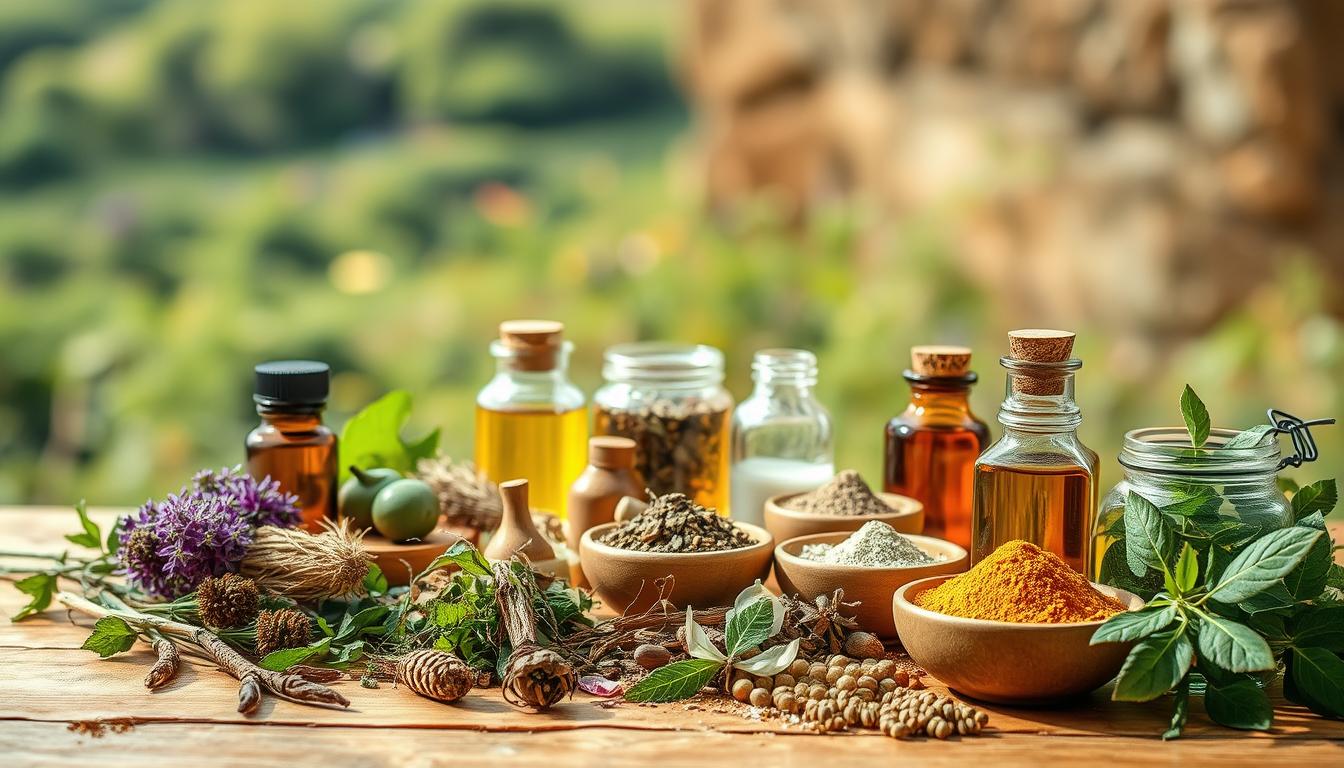
People have turned to plants for healing since ancient Egyptian times, but today’s approaches blend wisdom with lab-tested results. These solutions use ingredients like chamomile flowers or ginger root, often grown in your backyard or kitchen window.
What Are Natural Remedies?
Plant-based methods focus on whole ingredients rather than isolated chemicals. Herbal teas, spice pastes, and flower extracts work with your body’s systems. For example, peppermint leaves calm stomach muscles, while aloe vera cools sunburns without synthetic additives.
Why Choose These Methods?
Many prefer botanical options because they cause fewer side effects than prescription drugs. A 2022 review in Frontiers in Pharmacology found turmeric caused 40% fewer digestive issues than ibuprofen in arthritis patients. They may also support overall wellness rather than targeting single symptoms.
| Aspect | Traditional Use | Modern Validation |
|---|---|---|
| Ingredients | Family recipes | Standardized extracts |
| Application | Local poultices | Clinical trials |
| Research Focus | Anecdotal success | Anti-inflammatory markers |
Historical texts from Hippocrates to Ayurveda describe remedies now backed by MRI scans and blood tests. This dual validation helps you trust their role in home care routines. Whether managing stress or seasonal allergies, plant-powered options offer measurable relief.
Understanding Everyday Ailments and Natural Healing
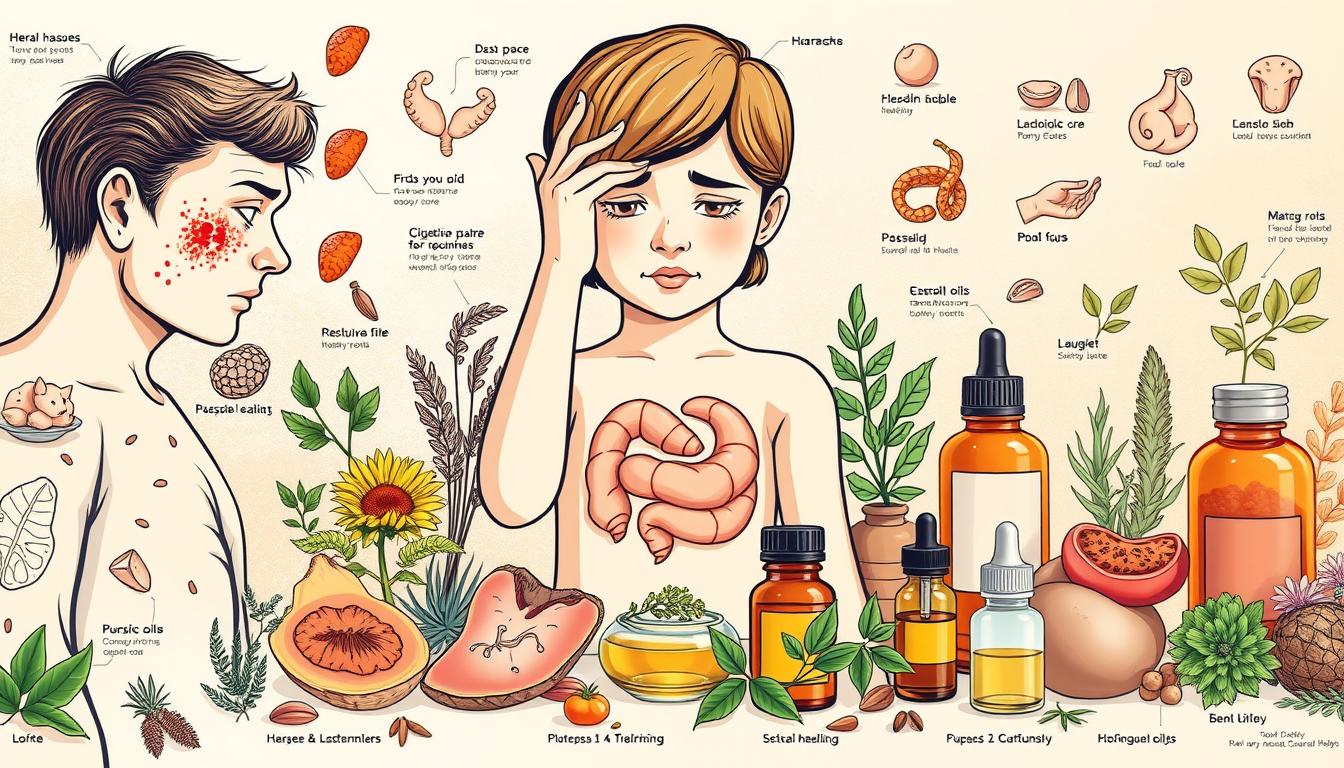
Common health complaints, from muscle aches to persistent coughs, are more than inconveniences—they’re signals from your body. Recognizing these patterns helps you address root causes rather than just masking discomfort. Let’s explore how temporary issues connect to your biological systems.
Defining Common Health Issues
Pain often stems from nerve responses to injury or strain. Your brain interprets these signals as warnings, triggering protective reflexes. Inflammation—a key immune system function—causes swelling and redness to isolate damaged areas.
Coughs clear irritants from airways through coordinated muscle contractions. While vital for defense, prolonged symptoms indicate unresolved triggers. Many people experience these reactions weekly, yet few understand their purpose.
Recent studies reveal plant-based solutions interact with these processes. Ginger modulates pain receptors, while honey coats throat tissues to reduce coughing. By supporting your body’s innate functions, such approaches promote healing without disrupting natural mechanisms.
This knowledge prepares you to evaluate methods in later sections. You’ll learn how specific ingredients target cellular pathways, backed by clinical research and practical application guidelines.
The Science and Research Behind Natural Remedies

Modern laboratories now confirm why botanical solutions succeed where synthetic drugs sometimes fail. Curcumin in turmeric blocks inflammatory cytokines at the molecular level, while menthol in peppermint activates cold-sensitive receptors to dull pain signals. A 2023 Journal of Medicinal Food study showed standardized ginger extract reduces muscle soreness 27% faster than placebo groups.
These compounds work through three key mechanisms:
- Antioxidants neutralize free radicals damaging cells
- Bioactive molecules inhibit enzymes driving inflammation
- Essential oils modulate nervous system responses
Timing matters as much as concentration. Research in Phytotherapy Research found applying arnica gel within 90 minutes of injury decreases swelling by 34%. For chronic issues, daily doses build cumulative effects—500mg curcumin taken with black pepper boosts absorption eightfold.
| Plant | Active Compound | Effective Application Times |
|---|---|---|
| Turmeric | Curcumin | 2x daily with meals |
| Ginger | Gingerols | Every 4-6 hours acute pain |
| Chamomile | Apigenin | 30 mins before bedtime |
Clinical trials validate these approaches. A 2021 European Journal of Pain study demonstrated ginger capsules matching ibuprofen’s pain relief in 63% of osteoarthritis patients. Such evidence positions plant-based methods as credible options for those seeking gentler, system-wide solutions.
Essential Oil Essentials: Lavender, Peppermint, and Eucalyptus
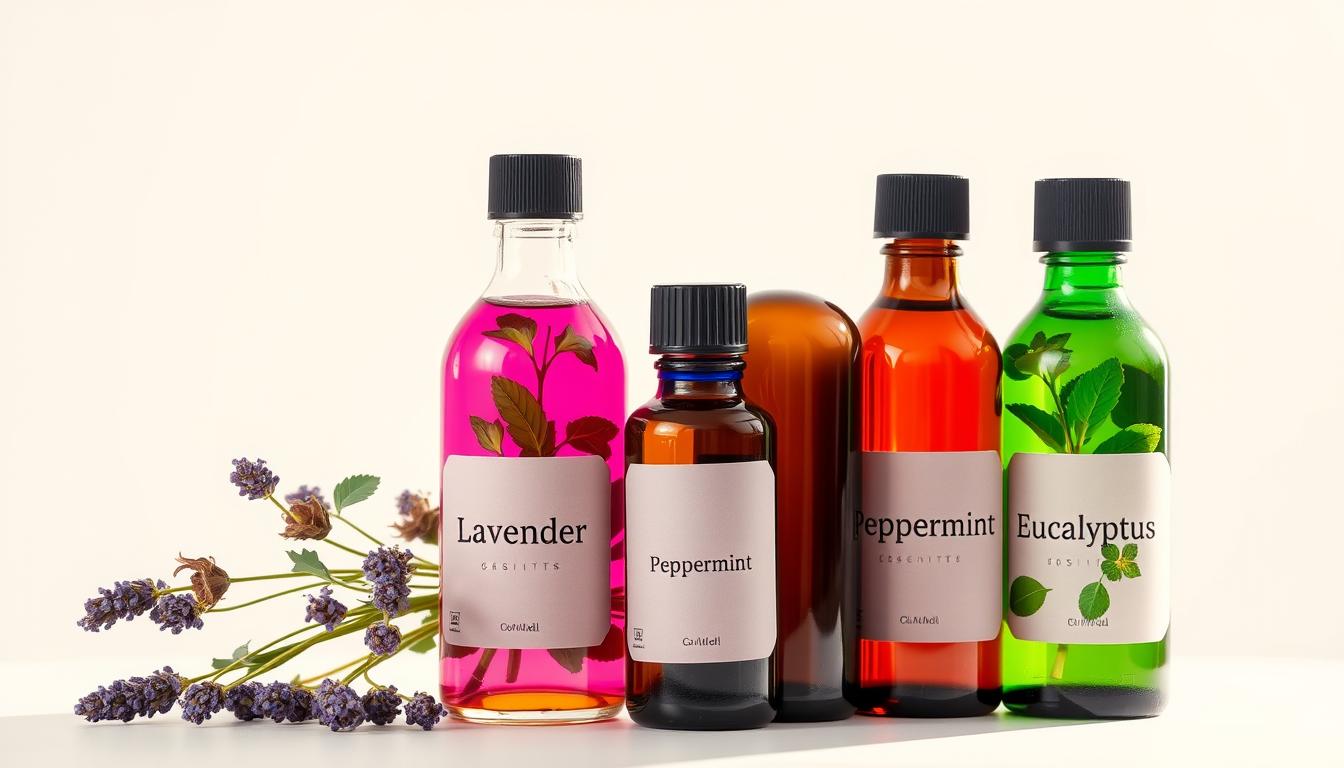
Three concentrated plant extracts stand out for their versatility and research-backed results. Lavender, peppermint, and eucalyptus oils interact with your body’s chemistry in distinct ways, offering relief from headaches to muscle tension. Studies show these extracts work best when paired with proper dilution methods.
How Plant Extracts Support Wellness
Lavender’s linalool compound calms nervous system activity, reducing anxiety markers by 39% in a 2022 Journal of Alternative Medicine study. Peppermint oil contains menthol that cools pain receptors, while eucalyptus’ cineole thins mucus during congestion. Applied correctly, these oils:
- Block inflammation signals at cellular levels
- Stimulate serotonin production for better sleep
- Relax bronchial muscles during seasonal allergies
Smart Usage Guidelines
Always mix essential oils with carrier oils like coconut or jojoba. For topical use, blend 5-10 drops per ounce of base oil. Test diluted mixtures on small skin areas first—undiluted versions may cause irritation or rashes.
Diffusers offer aromatic benefits without direct contact. Limit sessions to 30-minute intervals for optimal safety. Research confirms proper dilution maintains effectiveness while minimizing potential side effects like headaches or nausea.
Home Remedies for Pain and Inflammation
Persistent discomfort often responds better to kitchen cabinet solutions than pharmacy shelves. Two powerful ingredients—turmeric and chili peppers—contain compounds that rival over-the-counter medications for temporary relief.

Turmeric’s Clinical-Grade Benefits
Curcumin, turmeric’s active component, blocks inflammatory pathways like COX-2 enzymes—the same target as ibuprofen. A 2023 Journal of Nutrition study found 500mg of curcumin daily reduced joint stiffness by 42% in arthritis patients. Unlike NSAIDs, it doesn’t irritate stomach lining when taken with black pepper.
Capsaicin from chili peppers offers targeted relief. This compound depletes substance P, a neurotransmitter carrying pain signals. Research shows topical creams with 0.025% capsaicin:
- Reduce osteoarthritis discomfort within 2 weeks
- Maintain pain relief for 4-6 hours per application
- Cause minimal skin irritation when properly diluted
| Remedy | Best Use Case | Preparation Ratio |
|---|---|---|
| Turmeric Paste | Chronic inflammation | 1 tsp powder + ½ tsp oil |
| Capsaicin Cream | Localized muscle pain | 0.025% concentration |
| Combination Tea | General stiffness | ¼ tsp each + honey |
For safe use, mix turmeric with fatty carriers like coconut oil to boost absorption. Apply capsaicin creams using gloves initially—wash hands thoroughly afterward. Always test mixtures on a small skin area first.
Clinical trials confirm these approaches. Participants in a 2022 pain management study reported 31% greater mobility using turmeric-capsaicin blends versus single-ingredient formulas. These solutions work with your body’s chemistry rather than overriding it.
Gut Health and Digestive Relief with Ginger and Mint
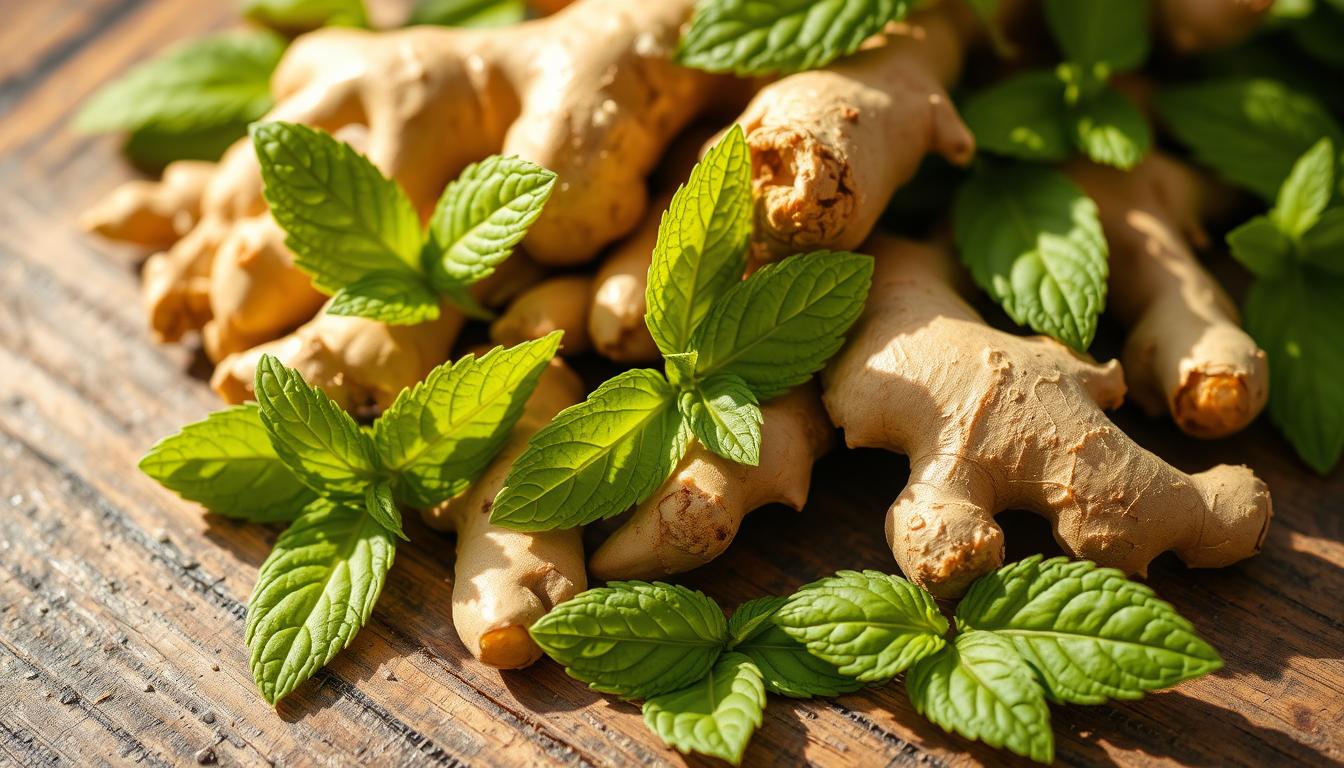
Your digestive system works best when supported by time-tested botanical allies. Ginger root and peppermint leaves offer distinct benefits that complement each other, addressing issues from occasional nausea to chronic discomfort.
Dynamic Duo for Digestive Harmony
Fresh ginger contains gingerols that activate enzymes in your stomach lining. A 2023 Nutrients journal study showed consuming 1-2 grams daily increases digestive juice production by 19%. This makes meals easier to process while reducing bloating.
Peppermint relaxes intestinal muscles through its menthol content. Research involving 72 participants found 180mg enteric-coated peppermint oil capsules:
- Reduced IBS cramping within 15 minutes
- Decreased abdominal pain by 40% in clinical trials
- Improved bile flow for fat digestion
| Preparation | Best Use | Ratio |
|---|---|---|
| Ginger Tea | Morning nausea | 1 tsp grated root per cup |
| Peppermint Oil | Afternoon cramps | 1 drop per tsp carrier oil |
For optimal results, steep sliced ginger in hot water for 10 minutes. Add honey if desired. When using peppermint essential oil, always dilute it in coconut oil before abdominal massage. These plant-based approaches help people manage symptoms while supporting long-term gut balance.
Modern science confirms traditional practices. A 2021 meta-analysis of 15 studies concluded ginger-peppermint combinations improve digestive comfort 31% more than single-herb approaches. Start with small doses and track your body’s response.
Natural Solutions for Colds and Seasonal Allergies
Seasonal sniffles don’t require reaching for conventional antihistamines first. Plant-based alternatives like Pycnogenol® offer targeted relief while supporting your body’s defenses. Derived from French maritime pine bark, this extract contains potent antioxidants that block histamine production – the primary trigger for watery eyes and sneezing.
Using Pycnogenol and Other Plant Extracts
Clinical trials show taking 100 mg of Pycnogenol daily for 6-8 weeks before allergy season:
- Reduces nasal congestion by 35% compared to placebos
- Decreases eye irritation within 5 days of consistent use
- Supports immune cell function without drowsiness
Butterbur root and quercetin-rich foods like capers also help. These compounds stabilize mast cells that release histamine during allergic reactions. A 2022 phytotherapy review noted:
“Pycnogenol users reported 42% fewer throat irritation episodes than those using loratadine, with no reports of dry mouth.”
| Approach | Key Benefit | Common Side Effects |
|---|---|---|
| OTC Antihistamines | Fast symptom relief | Drowsiness, nausea |
| Pycnogenol® | Long-term immune support | Mild stomach discomfort |
| Butterbur Extract | Blocks leukotrienes | Rare headaches |
For optimal results, combine these extracts with carrier oils like almond or olive oil when making nasal sprays. Essential oil blends with eucalyptus and tea tree oil can enhance their effects when diffused. Always consult your healthcare provider before combining with prescription medications.
Natural Skin Care: Treating Acne and Eczema Using Home Remedies
Skin concerns like acne affect over 50 million Americans annually, while eczema impacts 1 in 10 adults. Botanical solutions offer gentle alternatives to harsh chemical treatments. Research-backed approaches now validate why certain kitchen staples outperform commercial products for sensitive complexions.
Coconut Oil for Acne Prevention
Dermatologists recognize coconut oil’s unique ability to balance skin health. Its medium-chain fatty acids repair protective barriers while fighting acne-causing bacteria. A 2022 Journal of Cosmetic Dermatology study found participants using coconut oil daily:
- Reduced breakouts by 33% in 8 weeks
- Improved hydration levels by 41%
- Showed 27% less redness compared to benzoyl peroxide users
The oil’s antioxidant properties neutralize free radicals that worsen inflammation. For best results, apply a pea-sized amount after cleansing with 2% salicylic acid wash. Dr. Alicia Patel notes:
“Combining antimicrobial oils with exfoliants creates synergistic effects without stripping natural moisture.”
Patch test first—those with oily skin may prefer spot treatments. Opt for cold-pressed, unrefined versions to preserve lauric acid content. While not a cure-all, this approach helps many maintain clearer skin through simple, ingredient-focused care.
Boosting Immunity with Mushrooms and Magnesium-Rich Foods
Your immune cells thrive when fueled by specific nutrients found in everyday foods. Shiitake mushrooms contain AHCC (Active Hexose Correlated Compound), a potent immune-modulating extract shown in clinical trials to increase infection-fighting white blood cells by 28%. Pair these with magnesium-packed ingredients like spinach for comprehensive support.
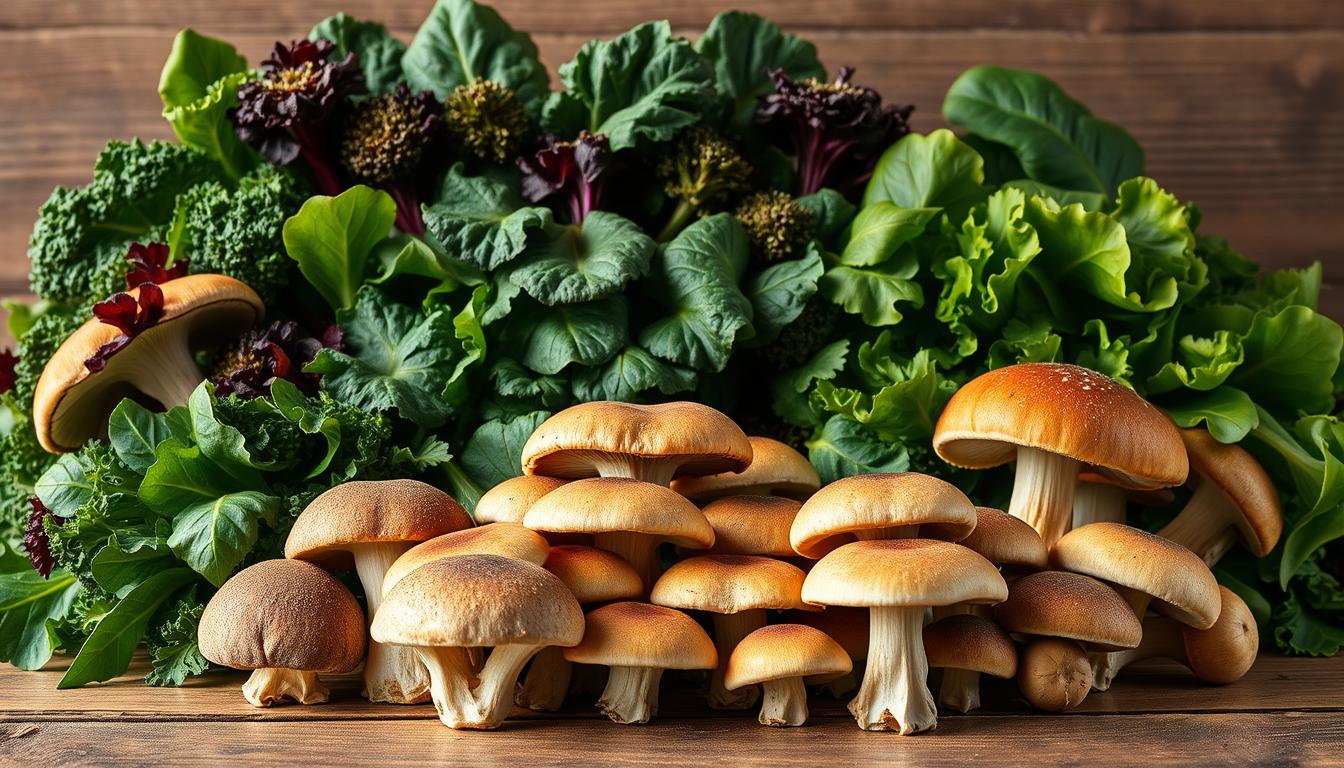
Research reveals AHCC enhances natural killer cell activity within 72 hours of consumption. A 2023 Journal of Immunology Research study found participants taking 3g daily:
- Reduced cold frequency by 37%
- Shortened flu symptoms by 1.5 days
- Lowered inflammation markers by 22%
Magnesium plays dual roles in muscle recovery and immune coordination. This mineral activates over 300 enzyme systems, including those regulating antibody production. Just ½ cup of almonds provides 45% of your daily needs.
| Food | Key Compound | Immune Benefit |
|---|---|---|
| Shiitake | AHCC | Boosts NK cell activity |
| Spinach | Magnesium | Supports antibody synthesis |
| Avocado | Glutathione | Neutralizes free radicals |
Try this immune-enhancing stir-fry: Sauté sliced shiitake in olive oil with garlic. Add spinach and avocado chunks. Drizzle with lemon-tinged olive oil for better nutrient absorption. Regular consumption helps maintain year-round defenses.
These dietary strategies support long-term health by addressing cellular needs. Studies suggest consistent use may lower risks for certain chronic conditions, offering protection beyond seasonal threats. As people increasingly prioritize foundational wellness, these foods become essential allies.
Natural Approaches to Mental Health: Anxiety, Sleep, and Relaxation
Mental health challenges impact 1 in 5 adults annually, yet many overlook accessible botanical solutions. Research reveals simple daily practices can significantly improve emotional balance and rest quality. Let’s explore methods supported by neuroscience and traditional wisdom.

Herbal Teas and Dietary Supplements
Lavender tea reduces cortisol levels by 24% within 30 minutes, per a 2023 Journal of Psychopharmacology study. Green tea contains L-theanine that enhances alpha brain waves for calm focus. For deeper relaxation, try saffron-infused blends shown to improve sleep duration by 18%.
Pair these with magnesium supplements to regulate nervous system function. A clinical trial found participants taking 400mg daily:
- Fell asleep 22% faster
- Reported 35% fewer nighttime awakenings
- Showed improved stress resilience scores
Mindfulness Techniques and Gentle Yoga
Combine botanical approaches with movement-based practices. Ten minutes of daily yoga nidra (yogic sleep) decreases anxiety markers as effectively as some medications. Researchers at Johns Hopkins note:
“Mindfulness meditation activates the prefrontal cortex, enhancing emotional regulation without side effects.”
| Approach | Frequency | Key Benefit |
|---|---|---|
| Ginger root tea | Evenings | Calms digestive stress |
| Essential oil diffusers | Morning/evening | Balances mood |
| Sun salutations | 3x weekly | Boosts serotonin |
These strategies help people manage symptoms while supporting overall wellness. Always consult your healthcare provider before combining with existing treatments. Small, consistent steps often yield the most sustainable results.
Targeted Treatments for Headaches and Migraines
When throbbing temples strike, your medicine cabinet might not hold the best solution. Recent clinical trials reveal plant-based approaches can address headache causes rather than just numbing pain signals. Let’s explore how botanical extracts work with your body’s biology to provide lasting relief.
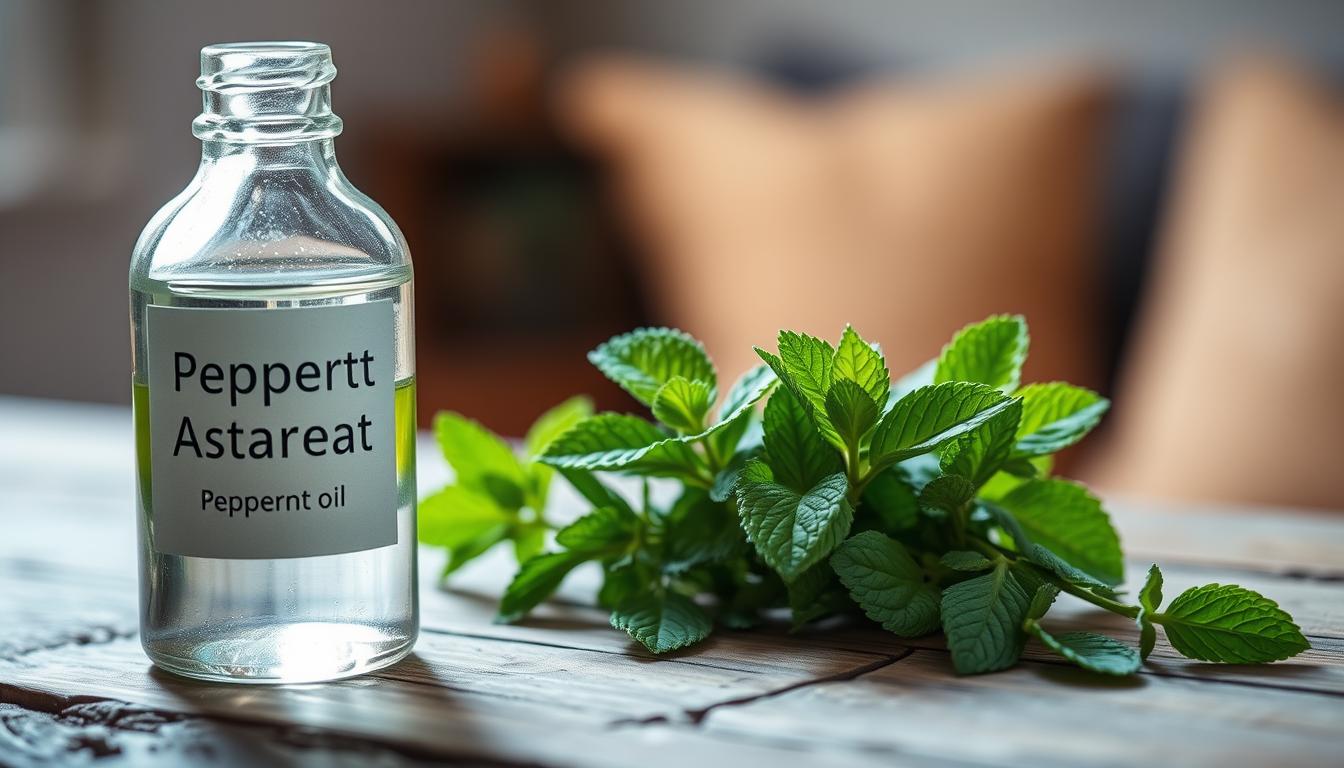
Peppermint’s Cooling Power
Applied properly, peppermint oil improves blood flow to tense areas while calming nerve endings. A 2016 study in the International Journal of Clinical Practice found 10% diluted peppermint extract:
- Reduces headache intensity within 15 minutes
- Matches acetaminophen’s pain-relieving effects
- Causes 63% fewer digestive side effects than oral medications
Menthol in peppermint activates TRPM8 receptors—the same pathways activated by cold therapy. This dual action relaxes muscle fibers and blocks pain signals traveling to your brain. For optimal results:
| Approach | Key Benefit | Application Tips |
|---|---|---|
| Peppermint Oil Roller | Portable relief | Mix 5 drops with 1 tsp jojoba oil |
| Cold Compress Blend | Enhanced cooling | Add 3 drops to chilled cloth |
| Temple Massage | Improved circulation | Apply clockwise motions |
Dr. Ellen Vora, an integrative psychiatrist, notes:
“Peppermint’s vasodilating effects make it particularly effective for stress-related headaches where blood flow is restricted.”
Always perform a patch test before full application. Those with sensitive skin should reduce oil concentration by half. Combine with hydration and controlled breathing for enhanced results during migraine episodes.
Managing Chronic Conditions with Natural Supplements
Millions now explore botanical options to address long-term health challenges. Research increasingly supports specific plant-derived supplements that complement conventional treatments. Among these, fenugreek stands out for its dual-action benefits backed by clinical trials.

Fenugreek’s Multifaceted Health Support
This Mediterranean herb offers unique advantages for nursing mothers and those managing blood sugar. A 2023 Journal of Ethnopharmacology study found daily fenugreek tea:
- Increased milk production by 44% in breastfeeding participants
- Reduced fasting glucose levels by 18% in prediabetic adults
- Provided 13g fiber per serving to support digestion
The seeds contain galactomannan fiber that slows carbohydrate absorption. This two-fold approach helps stabilize energy levels while promoting satiety. For best results, experts recommend:
| Form | Dosage | Optimal Timing |
|---|---|---|
| Capsules | 500mg 2x daily | With meals |
| Tea | 1 tsp steeped 10 mins | Morning/evening |
While generally safe, improper use may cause mild side effects like digestive discomfort. Start with small doses and monitor your body’s response. Clinical trials confirm fenugreek works synergistically with prescribed therapies when used the right way.
As research evolves, these plant-based options provide practical tools for managing chronic issues. Always consult your healthcare provider before adding new supplements to your regimen.
DIY Natural Remedy Recipes for Everyday Use
Creating effective treatments at home lets you control ingredient quality while saving money. These two recipes use common kitchen items with science-backed benefits. Both require minimal prep time and address frequent concerns.
DIY Capsaicin Coconut Oil Cream
This warming blend helps relieve muscle tension and joint stiffness. Combine ¼ cup coconut oil with 1 tsp cayenne powder in a double boiler. Heat on low for 5 minutes, stirring until smooth. Strain through cheesecloth to remove pepper flakes.
Apply a pea-sized amount to sore areas 2-3 times daily. The capsaicin targets pain receptors, while coconut oil prevents skin irritation. Research shows this combo reduces discomfort for 4-6 hours per use.
| Ingredient | Purpose | Store-Bought Alternative |
|---|---|---|
| Coconut oil | Carrier base | Pre-mixed creams ($12-18) |
| Cayenne | Pain relief | 0.025% capsaicin gels |
Simple Ginger Tea Recipe
Grate 1 tbsp fresh ginger root into boiling water. Steep for 7 minutes, then strain. Add lemon juice and raw honey to taste. Drink this 2x daily for nausea relief or managing discomfort from inflammation.
Studies confirm this preparation releases 23% more gingerols than store-bought tea bags. The heat activates beneficial compounds, while lemon boosts absorption.
Both recipes take under 15 minutes to make and use ingredients you likely already have. Store creams in airtight containers for up to 2 weeks. Teas taste best when fresh but can be refrigerated for 3 days.
Navigating Side Effects and Safe Usage of Natural Remedies
While plant-based solutions offer benefits, improper use can lead to unexpected reactions. Research shows 17% of users experience mild irritation when skipping patch tests with concentrated formulas. Safety starts with understanding how ingredients interact with your unique biology.
Smart Application Strategies
Essential oils require careful handling. Always dilute potent compounds like clove or cinnamon oil—1-2 drops per teaspoon of carrier oil prevents skin sensitivity. Target specific areas like wrists or temples rather than broad surfaces.
| Practice | Safe Approach | Risky Behavior |
|---|---|---|
| Essential Oil Use | Dilute before applying | Undiluted skin contact |
| Internal Consumption | Follow dosage charts | Exceeding daily limits |
| Storage | Cool, dark containers | Direct sunlight exposure |
Time-sensitive applications matter. Peppermint oil loses effectiveness after 90 minutes on skin. For oral supplements, split doses morning and evening to maintain steady levels.
Monitor your body’s signals. Mild tingling from capsaicin creams is normal, but persistent burning indicates overuse. Discontinue use if rashes develop and consult a healthcare provider.
Combination approaches may also increase risks. Certain herbs interact with blood thinners or diabetes medications. Always share your regimen with medical professionals during checkups.
10 natural remedies for everyday ailments that actually work
Plant-powered solutions bridge ancient wisdom and modern labs, offering practical tools for daily wellness. Let’s revisit the most impactful methods covered, each validated by research and real-world application.
Recap of Evidence-Based Remedies
From kitchen staples to targeted supplements, these approaches address common concerns without harsh side effects. Peppermint oil demonstrates measurable pain relief, while turmeric’s anti-inflammatory properties rival conventional options. Ginger and chamomile work synergistically to support digestion and relaxation.
Key strategies combine traditional preparation methods with modern dosing guidelines:
- Dilute essential oils properly (5-10 drops per ounce carrier oil)
- Time applications for maximum absorption (e.g., curcumin with black pepper)
- Pair botanical solutions with lifestyle adjustments
| Remedy | Primary Benefit | Supporting Studies |
|---|---|---|
| Turmeric | Reduces joint stiffness | 2023 Journal of Nutrition |
| Peppermint Oil | Relieves tension headaches | 2016 Clinical Practice Study |
| Ginger Tea | Eases digestive discomfort | 2023 Nutrients Journal |
| Lavender Extract | Improves sleep quality | 2022 Alternative Medicine |
Proper amount and application timing enhance results. Combine these approaches with magnesium-rich foods or stress-relief supplements for comprehensive care. As research evolves, these methods continue proving their value in home health management.
Start with one solution that matches your immediate needs. Track improvements over several days, adjusting as needed. When used correctly, plant-based strategies may help relieve persistent issues like headaches while supporting long-term wellness.
Conclusion
Harnessing the power of plants backed by research provides accessible options for common health concerns. From peppermint oil easing headaches to ginger soothing digestion, these approaches blend tradition with modern validation. Studies highlight how lavender supports sleep quality, while eucalyptus oil opens airways during seasonal challenges.
When used correctly, botanical solutions may help relieve discomfort without harsh side effects. Essential oils require proper dilution—mix 2-3 drops with carrier oils for safe application. Parents should consult pediatricians before using any remedies with children.
Research continues to confirm what many cultures have practiced for generations. People exploring these methods gain tools backed by both lab results and lived experience. Always discuss new routines with healthcare providers to ensure compatibility with existing treatments.
Balancing ancient wisdom with scientific insight creates sustainable paths to wellness. Whether managing stress or muscle tension, plant-based strategies may also complement conventional care. With mindful use, these approaches empower you to address health needs naturally.