Did you know that nearly 40% of adults in the U.S. struggle with weight management? Many people face challenges like slow metabolism and persistent hunger, making it harder to achieve their goals. The good news is, there are practical and scientifically-backed solutions that don’t require extreme measures.
Certain dietary choices can naturally support your body’s ability to manage weight. These options are not only effective but also safe alternatives to supplements. By incorporating them into your routine, you can address common issues while improving your overall health.
This article explores seven actionable choices you can start using today. Each option is supported by research and designed to fit seamlessly into your lifestyle. Whether you’re looking to boost your metabolism or curb cravings, these foods can make a significant difference.
Key Takeaways
- Certain foods can naturally support weight management.
- These choices are backed by scientific research.
- They address common challenges like slow metabolism and hunger.
- Incorporating these foods is practical and easy.
- They are safe alternatives to supplements.
Introduction to Fat-Burning Foods
Understanding how your body processes nutrients can unlock weight management success. Certain foods are scientifically proven to enhance your ability to lose weight by supporting your metabolism and reducing hunger. Unlike risky supplements, these options are safe and effective.
Macronutrients like protein play a key role. They increase the thermic effect of food by 15-30%, meaning your body burns more calories digesting them. This process naturally supports your diet goals without extreme measures.
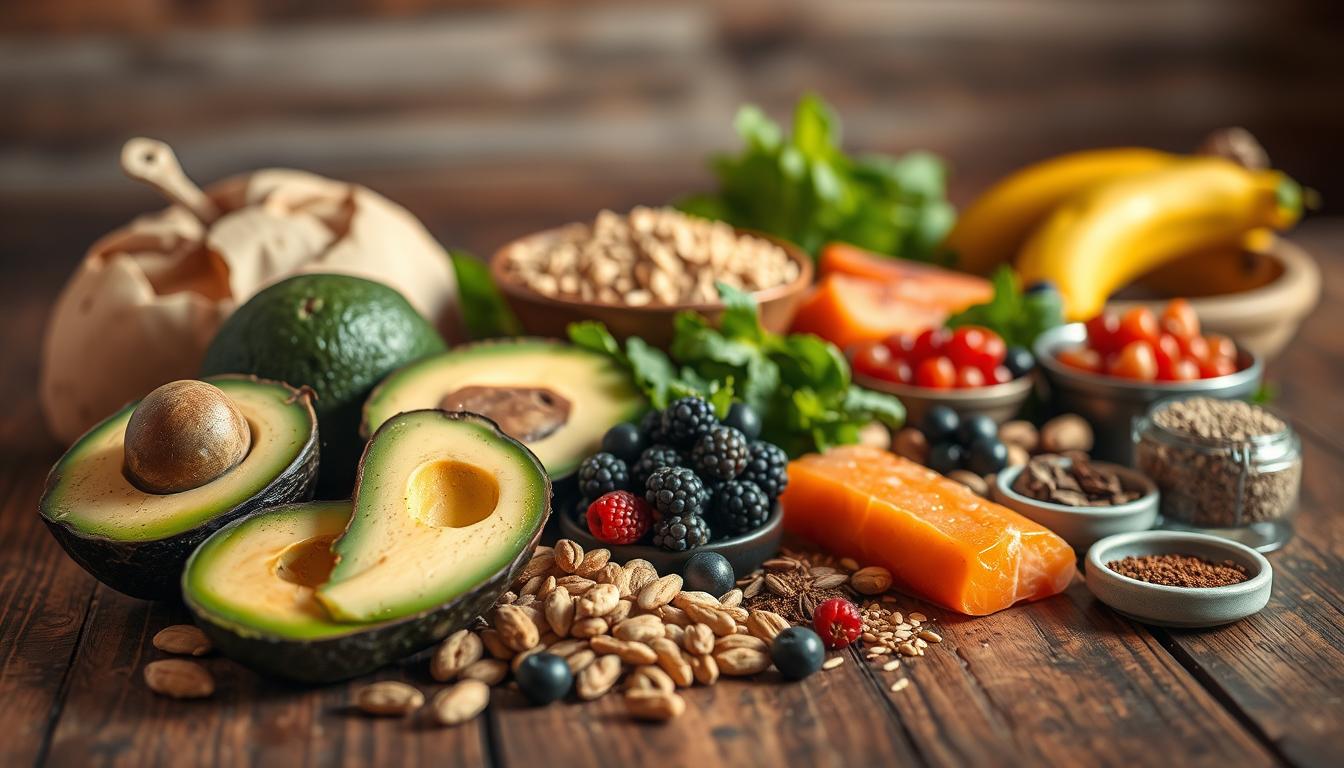
Your metabolic rate is responsible for burning 70-80% of daily calories. Foods rich in omega-3s, protein, and antioxidants can boost this rate. For example, caffeine in coffee enhances metabolism, making it a great addition to your routine.
High-fiber and high-protein foods also promote satiety, keeping you fuller for longer. This reduces the temptation to overeat, helping you stay on track with your diet. Whole foods offer these health benefits without the risks associated with many supplements.
In the following sections, we’ll explore specific foods and their biological mechanisms. These choices are practical, easy to incorporate, and designed to support your weight management journey.
1. Fatty Fish: A Powerhouse of Omega-3s
Rich in omega-3s, fatty fish offers unique benefits for your health. These essential fatty acids, particularly EPA and DHA, play a crucial role in reducing cortisol levels. Lower cortisol helps minimize belly fat storage, making fatty fish a smart addition to your diet.
According to the NIH, consuming 3-ounce servings of fatty fish twice weekly is ideal. A 2017 study found that this habit can reduce hunger by up to 16%. Additionally, the protein in fish increases the thermic effect of food, helping your body burn more calories during digestion.

Why Fatty Fish Helps Burn Fat
Fatty fish like salmon, mackerel, and sardines are packed with omega-3s. These nutrients not only support heart health but also enhance your metabolism. By reducing inflammation and improving insulin sensitivity, they help your body manage weight more effectively.
Studies show that omega-3s can also suppress appetite. This makes it easier to stick to your dietary goals without feeling deprived. Including fatty fish in your meals is a practical way to support your weight management journey.
How to Incorporate Fatty Fish into Your Diet
To preserve nutrients, opt for baking or grilling instead of frying. These methods retain the omega-3 content while keeping the dish healthy. For meal prep, try salmon poke bowls—they’re quick, nutritious, and delicious.
If you’re concerned about mercury, choose low-risk species like sardines or wild-caught salmon. These options are safe and provide the same health benefits. By incorporating fatty fish into your routine, you’re taking a step toward better health and weight management.
2. MCT Oil: The Metabolism Booster
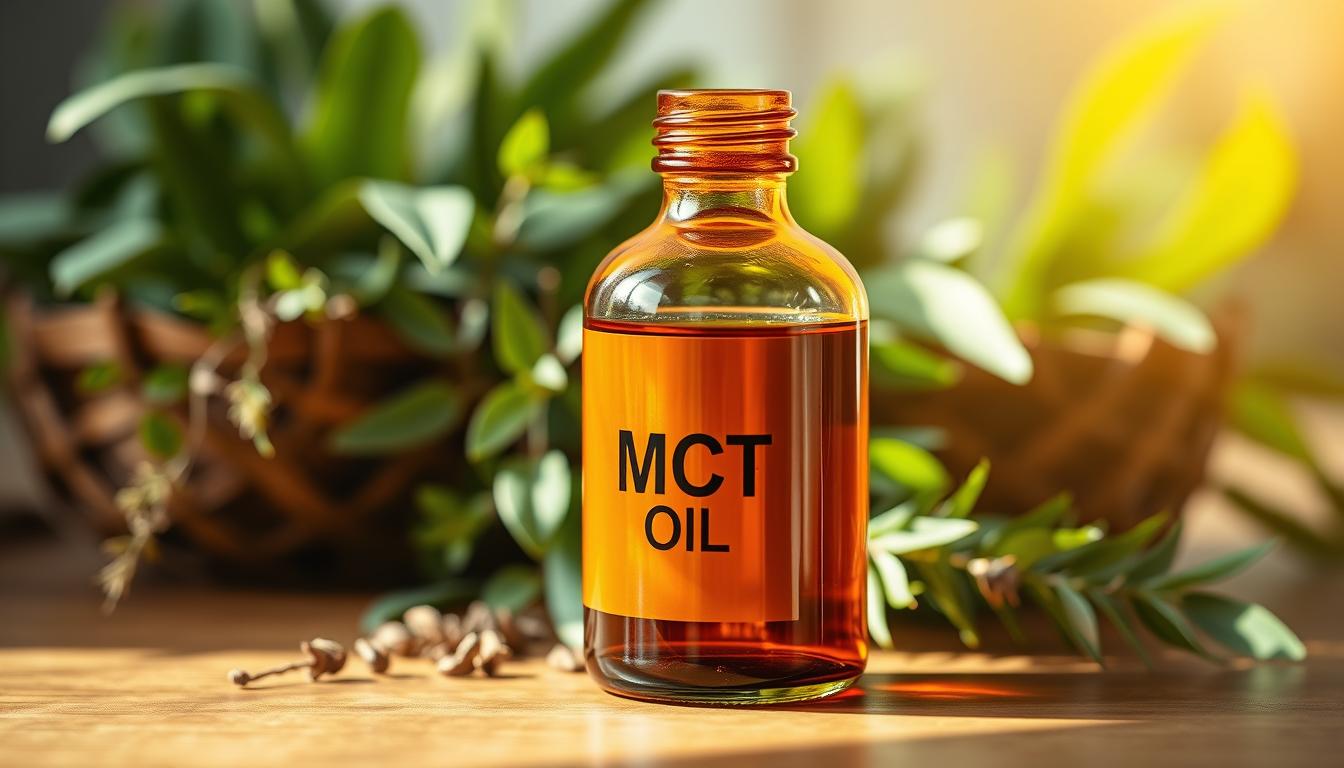
Derived from coconut or palm oil, MCT oil offers unique metabolic benefits. Unlike long-chain triglycerides found in typical diets, MCTs are rapidly metabolized by the liver. This process provides quick energy and supports fat oxidation, making it a powerful tool for weight management.
What Makes MCT Oil Unique
MCT oil contains medium-chain triglycerides, primarily C8 and C10 chains. These are absorbed and processed faster than long-chain fats, converting directly into energy. This rapid hepatic metabolism can boost your calorie burn and enhance physical performance.
Studies show that consuming 1.5-2 tablespoons daily can significantly increase fat oxidation. This makes MCT oil an excellent addition to your diet, especially if you’re looking to manage weight effectively.
Practical Tips for Using MCT Oil
Start with 1 teaspoon daily to avoid gastrointestinal discomfort. Gradually increase to 1-2 tablespoons as your body adjusts. Blend it into your morning coffee or smoothies for a quick energy boost.
Avoid overheating MCT oil, as it has a low smoke point. Pair it with fiber-rich foods to mitigate any laxative effects. Incorporating MCT oil into your meals is simple and can yield noticeable results over time.
3. Coffee: Your Morning Fat-Burning Drink
Starting your day with coffee can do more than just wake you up—it can also support your weight loss goals. Caffeine, the active ingredient in coffee, plays a key role in enhancing your metabolism and promoting fat oxidation.

The Role of Caffeine in Fat Loss
Caffeine works by blocking adenosine receptors in your brain, which helps increase alertness and energy levels. This process also stimulates the release of norepinephrine, a hormone that triggers lipolysis—the breakdown of fat cells. Studies show that caffeine can increase lipolysis by 10-16%, making it a powerful ally in your weight management journey.
Timing is crucial when it comes to maximizing caffeine’s effects. Consuming coffee 30 minutes before a workout can enhance fat mobilization, allowing your body to burn more calories during exercise. This strategy not only supports weight loss but also improves physical performance.
How Much Coffee is Too Much?
While coffee offers numerous benefits, moderation is key. The European Food Safety Authority recommends a daily caffeine limit of 400mg, equivalent to about 4-5 cups of coffee. Exceeding this amount can lead to side effects like jitteriness, increased heart rate, and disrupted sleep.
For those sensitive to caffeine, alternatives like decaf coffee or herbal teas can provide similar health benefits without the stimulating effects. Cold brew and espresso have varying caffeine concentrations, so choose the option that best suits your tolerance and preferences.
By understanding the science behind caffeine and its impact on your body, you can make informed choices that support your health and weight management goals.
4. Eggs: A Nutrient-Dense Fat Burner
Eggs are a versatile and nutrient-packed option for supporting your weight management goals. They’re rich in high-quality protein, which helps keep you full and supports muscle maintenance. Plus, they’re easy to incorporate into your daily meals.

Why Eggs Are Effective for Weight Loss
Eggs are a powerhouse of nutrients, including choline, which plays a role in lipid metabolism. The protein in eggs increases satiety by up to 25%, helping you avoid unnecessary snacking. This makes them a smart choice for managing hunger and calorie intake.
Contrary to outdated beliefs, eggs don’t negatively impact heart health when consumed in moderation. A 2020 JAMA meta-analysis found that eating up to 3 eggs weekly can actually reduce the risk of cardiovascular disease. This debunks the myth that eggs are harmful due to their cholesterol content.
How to Enjoy Eggs Without Overdoing It
Pairing eggs with fiber-rich veggies is a great way to enhance their benefits. Try a veggie omelet for a balanced meal that keeps you full longer. For a quick snack, hard-boiled eggs are portable and easy to prepare in advance.
If you have dietary restrictions, such as IBS, be mindful of the sulfur content in eggs. Opt for pasture-raised eggs, which often have a better nutrient profile compared to conventional options. By incorporating eggs into your diet thoughtfully, you can enjoy their benefits without overdoing it.
5. Green Tea: The Antioxidant-Rich Fat Burner
Green tea has been celebrated for centuries for its numerous health benefits, particularly its ability to support weight management. Packed with antioxidants, it’s a natural choice for those looking to enhance their metabolism and reduce body fat.

The Science Behind Green Tea and Fat Loss
Green tea contains a powerful antioxidant called epigallocatechin gallate (EGCG). Studies show that EGCG can increase fat oxidation by up to 17%, making it a key player in weight management. Catechins, another compound in green tea, inhibit the COMT enzyme, which helps break down fat more efficiently.
L-theanine, an amino acid found in green tea, reduces cortisol levels. Lower cortisol means less stress-related fat storage. This combination of compounds makes green tea a holistic solution for those aiming to manage their weight effectively.
Optimal Consumption of Green Tea
To maximize the health benefits of green tea, steep it below 80°C. This preserves the EGCG content, ensuring you get the most out of every cup. Drinking 2-3 cups daily is optimal for fat loss and overall well-being.
For a creative twist, try matcha lattes. Matcha is a powdered form of green tea that retains all its nutrients. It’s a delicious and convenient way to incorporate green tea into your day.
Be mindful of timing. Avoid drinking green tea with meals, as it can interfere with iron absorption. Instead, enjoy it between meals or as part of your morning routine.
| Component | Effect on Fat Loss |
|---|---|
| EGCG | Increases fat oxidation by 17% |
| Catechins | Inhibits COMT enzyme, enhancing fat breakdown |
| L-theanine | Reduces cortisol, minimizing stress-related fat storage |
6. Whey Protein: The Muscle-Preserving Fat Burner
Whey protein is a popular choice for those aiming to preserve muscle while managing weight. It’s packed with essential amino acids that support muscle repair and growth. Additionally, it helps curb hunger, making it easier to stick to your dietary goals.

How Whey Protein Suppresses Appetite
Whey protein stimulates the release of hormones like PYY and GLP-1, which signal fullness to your brain. This reduces cravings and helps you avoid unnecessary snacks. Studies show that consuming 20-40g of whey protein can significantly decrease appetite, supporting weight loss efforts.
For those with lactose intolerance, lactose-free whey options are available. These alternatives provide the same benefits without causing digestive discomfort. Choosing the right type of whey protein ensures you get the most out of its appetite-suppressing effects.
Incorporating Whey Protein into Your Routine
Post-workout is the ideal time to consume whey protein. This window maximizes muscle synthesis and recovery. Blend it with avocado for a creamy texture and added healthy fats. This combination not only enhances taste but also boosts nutrient absorption.
For those practicing intermittent fasting, timed consumption is key. Consuming whey protein during your eating window ensures you meet your daily protein needs without breaking your fast. The ISSN recommends consuming whey protein within 30 minutes of exercise for optimal results.
| Type | Bioavailability | Best For |
|---|---|---|
| Isolate | High | Low-calorie diets |
| Concentrate | Moderate | General use |
7. Apple Cider Vinegar: The Ancient Fat Burner
Apple cider vinegar has been used for centuries as a natural remedy for various health concerns. Its ability to support weight management is backed by modern science, making it a valuable addition to your diet. The key component, acetic acid, plays a significant role in enhancing fat loss and improving metabolic health.

The Role of Acetic Acid in Fat Loss
Acetic acid, the active compound in apple cider vinegar, activates AMPK (AMP-activated protein kinase). This enzyme boosts energy production and promotes fat oxidation. A 2018 study published in Diabetes Care found that acetic acid improves insulin sensitivity, helping regulate blood sugar levels. This mechanism makes it particularly beneficial for those with prediabetes or type 2 diabetes.
Consuming 1 tablespoon of apple cider vinegar daily, diluted in water, can reduce HbA1c levels by 0.5% in prediabetics. This simple habit supports long-term weight management and overall health.
How to Use Apple Cider Vinegar Safely
While apple cider vinegar offers numerous benefits, it’s essential to use it correctly to avoid potential risks. Here are some practical tips:
- Dilute it: Always mix 1 tablespoon of apple cider vinegar in a glass of water to prevent enamel erosion.
- Use a straw: Drinking through a straw minimizes contact with your teeth, protecting them from acid damage.
- Incorporate into meals: Add it to salad dressings or marinades for a palatable way to enjoy its benefits.
Be cautious if you’re taking diuretics, as apple cider vinegar may interact with these medications. Consult your healthcare provider before making it a regular part of your routine.
“Apple cider vinegar’s ability to improve insulin sensitivity and support fat loss makes it a powerful tool for weight management.”
By understanding how to use apple cider vinegar safely, you can harness its benefits without compromising your health. Incorporate it into your daily routine to support your weight management goals effectively.
8. Chili Peppers: The Spicy Fat Burner
Chili peppers bring more than just heat to your meals—they can also support your weight management goals. The compound responsible for their spiciness, capsaicin, has been shown to boost your metabolism and enhance fat oxidation. Adding chili peppers to your diet is a simple yet effective way to support your body’s ability to burn calories.

Capsaicin and Its Fat-Burning Effects
Capsaicin activates the TRPV1 receptor, which plays a key role in thermogenesis—the process of heat production in your body. This activation can increase your metabolic rate by up to 135% after consumption. A 2021 study published in the Nutrients journal found that capsaicin also reduces appetite, making it easier to stick to your dietary goals.
The thermogenic dose-response curve shows that even small amounts of capsaicin can have a significant impact. For example, cayenne pepper, which contains about 30,000-50,000 Scoville Heat Units (SHU), is a popular choice for those looking to add a metabolic boost to their meals.
Adding Chili Peppers to Your Meals
If you’re new to spicy foods, start with milder peppers like jalapeños or bell peppers. Gradually increase the heat level as your tolerance builds. Infused oils are another great option for adjusting the spiciness of your dishes without overwhelming your palate.
For those sensitive to capsaicin, dairy products like milk or yogurt can help neutralize the heat. Incorporating chili peppers into your meals doesn’t have to be complicated—try adding them to soups, stir-fries, or even as a topping for your favorite snack.
| Pepper Type | Scoville Heat Units (SHU) |
|---|---|
| Bell Pepper | 0 |
| Jalapeño | 2,500-8,000 |
| Cayenne | 30,000-50,000 |
| Habanero | 100,000-350,000 |
By understanding how capsaicin works and experimenting with different pepper varieties, you can make chili peppers a flavorful and effective part of your weight management strategy.
9. Oolong Tea: The Dual-Action Fat Burner
Combining the best of green and black tea, oolong tea is a dual-action fat burner. Its unique partial oxidation process gives it a distinct edge in supporting weight loss. This process enhances its polyphenol content, which works alongside caffeine to boost your metabolism.

Studies show that oolong tea can increase fat oxidation by 12% compared to a placebo. This makes it a practical choice for those looking to manage their weight effectively. Its dual-action benefits stem from its ability to combine the antioxidant richness of green tea with the robust flavor of black tea.
Polyphenols and Caffeine in Oolong Tea
Oolong tea is rich in polyphenols, particularly catechins and theaflavins. These compounds work synergistically with caffeine to enhance fat oxidation. Caffeine stimulates the nervous system, increasing energy expenditure, while polyphenols improve insulin sensitivity.
Compared to other teas, oolong tea has a moderate theanine content. This amino acid promotes relaxation without drowsiness, making it a great addition to your day. GABA oolong, a specific variety, is particularly effective in reducing stress, which can further support weight management.
How to Drink Oolong Tea for Maximum Benefits
To get the most out of oolong tea, consider the gongfu cha brewing technique. This method involves multiple short steepings, which extract the full range of flavors and nutrients. Use water heated to 85-90°C for optimal results.
Taiwanese epidemiological studies suggest that drinking 2-3 cups daily can yield significant health benefits. For stress reduction, GABA oolong is an excellent choice. Pair it with a balanced diet and regular exercise for the best results.
10. Full-Fat Greek Yogurt: The Creamy Fat Burner
Full-fat Greek yogurt is more than just a creamy treat—it’s a powerful ally in weight management. With 23g of protein per 8oz serving, it keeps you full and supports muscle maintenance. Its rich content of conjugated linoleic acid (CLA) further enhances its fat-burning potential.
Why Full-Fat Greek Yogurt is Effective
Full-fat Greek yogurt is a nutrient powerhouse. The protein it contains increases satiety, reducing the urge to snack unnecessarily. CLA, a naturally occurring fatty acid, has been shown to support fat loss and improve body composition.
Probiotic strains like Lactobacillus and Bifidobacterium promote gut health, which is closely linked to weight management. A healthy gut microbiome enhances nutrient absorption and reduces inflammation, making it easier to maintain a healthy weight.
Choosing the Right Greek Yogurt
When selecting Greek yogurt, opt for varieties without added sugars. Look for options labeled “full-fat” to ensure you’re getting the benefits of healthy fats. Straining methods can affect whey content, so choose brands that retain maximum nutrients.
For those with digestive sensitivities, A2 beta-casein options are easier to digest. Savory toppings like za’atar and olive oil can add flavor without compromising health benefits. Incorporate Greek yogurt into your meals or enjoy it as a snack for a nutrient-dense boost.
“The Framingham Heart Study highlights the role of dairy in supporting metabolic health, making full-fat Greek yogurt a smart choice for weight management.”
By understanding its benefits and choosing wisely, you can make full-fat Greek yogurt a delicious and effective part of your diet.
Conclusion: Incorporating Fat-Burning Foods into Your Diet
Achieving sustainable weight loss is about making consistent, small changes to your diet. There are no magic pills, but the cumulative effect of these adjustments can lead to lasting results. Aim for a gradual loss of 1-2 pounds per week, which is both realistic and healthy.
To stay on track, follow the 80/20 rule—focus on nutrient-dense foods 80% of the time while allowing flexibility the other 20%. Keeping a food journal can help you monitor your progress and identify patterns in your metabolism.
Plan your meals weekly, incorporating at least five of the discussed options. Pair these dietary changes with increased non-exercise activity thermogenesis (NEAT), like walking or standing more during the day. This synergy enhances your overall health and supports your weight loss journey.
Start small and build gradually. Consistency is key to long-term success.