Did you know 60% of chronic diseases – like heart issues and arthritis – are linked to inflammation? Yale Medicine researchers found this connection. Yet, most treatments only aim to manage symptoms, not fix the problem.
Your body has tools to reverse inflammatory damage. New research shows how certain diets and lifestyle changes can change your immune system. These methods target the root of inflammation, unlike quick fixes.
Doctors usually spend just 19 minutes with each patient. That’s not enough time to discuss everything, like the benefits of turmeric or fermented foods. This lack of time means many people miss out on natural ways to fight inflammation.
Key Takeaways
- Chronic inflammation drives most major modern diseases
- Conventional care often overlooks root-cause solutions
- Dietary changes outperform many medications in studies
- Sleep quality directly impacts inflammatory markers
- Stress management techniques alter immune cell behavior
- Certain herbs rival NSAIDs without side effects
While meds have their role, Yale’s study highlights our body’s healing power. The next parts will show how to use proven strategies to start healing.
What Chronic Inflammation Really Does to Your Body
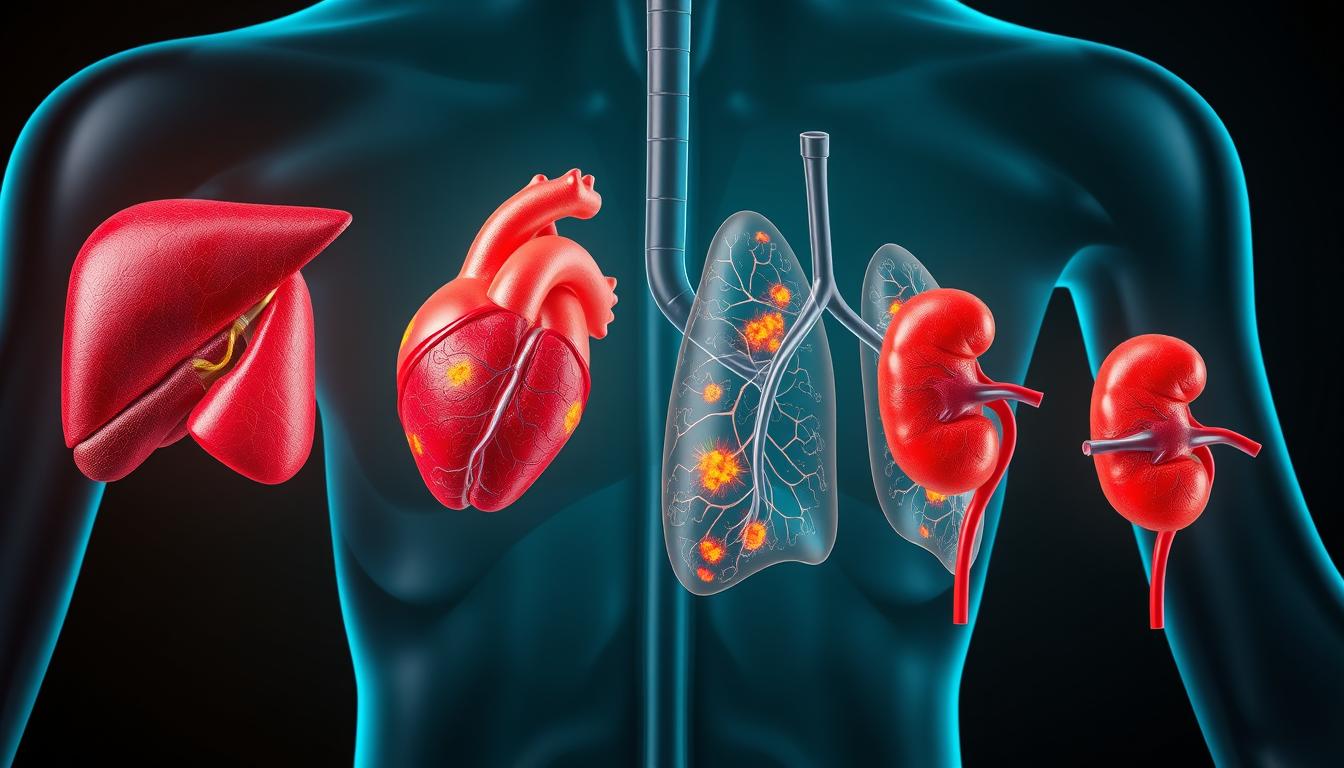
Chronic inflammation is like a slow fire that changes your body. It makes cells change in ways that can harm you. Researchers found it makes arteries clog up 300% faster than normal aging.
The Silent Fire Within
Low-grade inflammation doesn’t announce itself with red flags. It quietly damages blood vessels, joints, and brain paths. The Boca Grande Health Clinic found signs of this damage:
- Persistent fatigue despite adequate sleep
- Mental fog that resists caffeine
- Random muscle aches without exertion
How Low-Grade Inflammation Damages Organs
A 2023 study by Scripps Clinic showed how inflammation changes cholesterol. Immune cells think oxidized LDL is bad, causing artery blockages. Your liver gets tired from filtering out inflammation, making it harder to clean your body.
“Chronic inflammation remodels blood vessels like termites in wood – silently destructive until structural failure occurs.”
Connecting Inflammation to Chronic Diseases
This damage is why 85% of modern diseases are linked to inflammation:
| Condition | Inflammatory Trigger | Average Onset Time |
|---|---|---|
| Type 2 Diabetes | Pancreatic cell stress | 7-12 years |
| Alzheimer’s | Microglial cell activation | 15-20 years |
Starting treatment early is key. True reversal needs to tackle many body systems at once. The best defense is a mix of good nutrition and lifestyle changes to fight this internal fire.
Why Standard Anti-Inflammatory Treatments Fall Short
When joint pain strikes, many turn to ibuprofen for relief. But this quick fix might lead to bigger issues. Traditional methods often focus on hiding symptoms rather than finding the root cause of inflammation.
Limitations of NSAIDs and Steroids
Over-the-counter painkillers block enzymes that cause inflammation. The catch? They also harm protective enzymes in your stomach and kidneys. Yale Medicine warns that long-term use can lead to ulcers, high blood pressure, and kidney damage, especially for those over 65.
BGHC researchers found that even short-term use is risky. Their 2023 guidelines state: “Diclofenac shouldn’t exceed 10 days due to 27% higher cardiovascular risk within 14 days of use.” Steroids like prednisone suppress your immune system and raise blood sugar levels.
The Rebound Effect of Symptom Suppression
Suppressing pain signals can create a dangerous cycle. It’s like silencing a smoke alarm instead of putting out the fire. Your body makes more inflammatory chemicals when the medication wears off, needing higher doses for relief. This cycle explains why 68% of chronic NSAID users get “medication overuse headaches.”
Real solutions target the root causes of inflammation, like gut health or circadian rhythms. Pharmaceuticals often ignore these areas. Relying only on drugs is like trying to bail water from a sinking boat without fixing the leak.
“Long-term NSAID users show 50% more intestinal permeability than non-users – a direct path to systemic inflammation.”
The Hidden Inflammation Triggers in Modern Life
Stress and bad diet get a lot of blame, but your surroundings have hidden dangers too. Electromagnetic fields (EMFs) and toxic chemicals are two big culprits. They’re often overlooked.
Electromagnetic Pollution’s Biological Impact
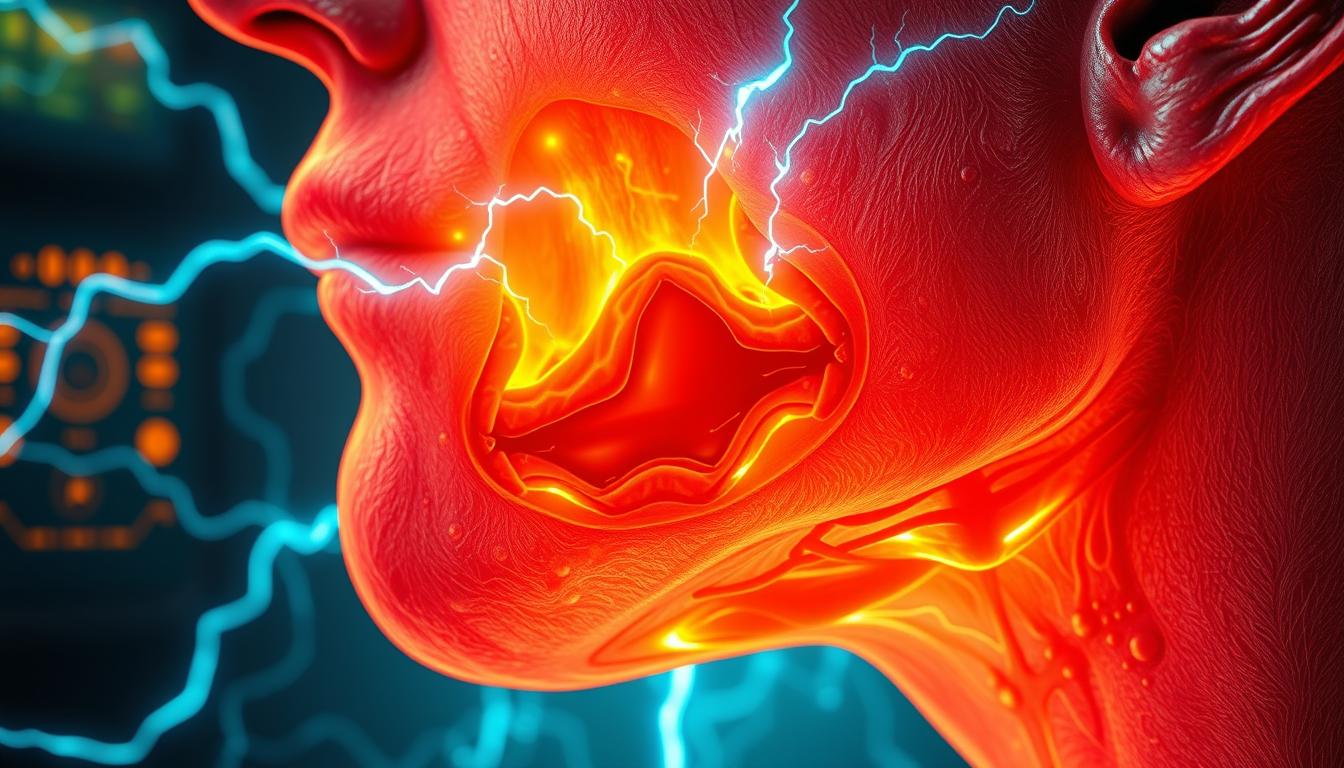
Things like your phone, Wi-Fi, and smart meters send out radiation all day. Research shows this radiation disrupts how cells talk to each other. It also raises oxidative stress, which fuels inflammation.
EMF Exposure and Cellular Stress
Studies show EMFs mess with cell membranes, making them stressed out like they’re facing toxins. This constant stress weakens your body’s defenses over time.
- Use airplane mode at night
- Keep devices 3+ feet from your bed
- Switch to wired headphones
Chemical Cocktails in Personal Care Products
Your morning routine might expose you to hormone-disrupting chemicals. The average American uses 12 personal care items daily, loaded with 168 chemicals (BGHC data).
| Common Offenders | Found In | Safer Alternatives |
|---|---|---|
| Phthalates | Nail polish, fragrances | Phthalate-free polishes |
| Parabens | Shampoos, lotions | Kombucha-based preservatives |
| Sodium Lauryl Sulfate | Toothpaste, body wash | Coconut-derived cleansers |
These chemicals act like hormones, confusing your immune system and causing inflammation. Choosing natural remedies for inflammation means using cleaner products:
- Check EWG Skin Deep ratings
- Choose fragrance-free options
- Make DIY cleaners with baking soda/vinegar
By tackling these hidden inflammation solutions, you lay the groundwork for better health. Small changes can make a big difference in reducing inflammation.
Your Gut: The Inflammation Control Center
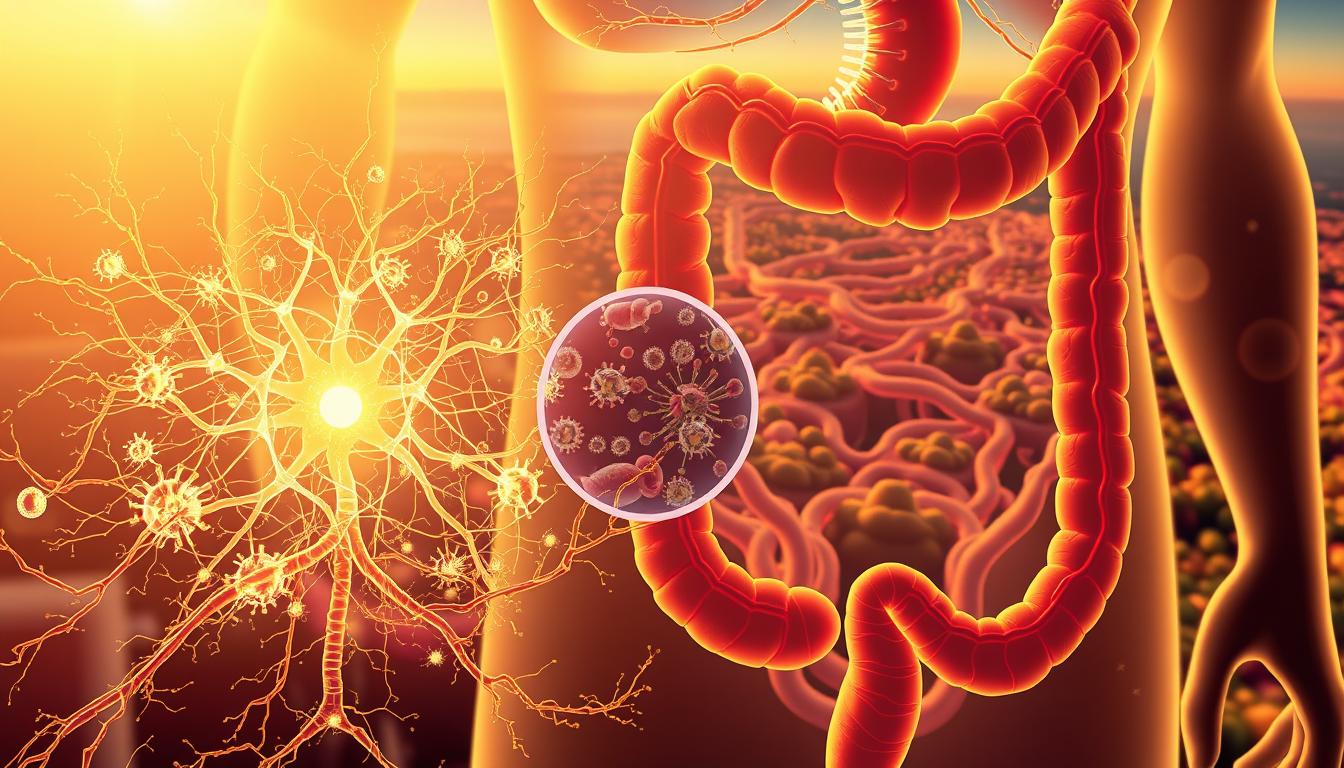
Your digestive system is more than just a food processor. It’s the key to your immune system. Studies from Scripps Clinic show that 70% of your immune cells live in your gut. This links your gut health to body-wide inflammation. If your gut is out of balance, it can start inflammation all over your body.
Leaky Gut Syndrome Decoded
Think of your gut lining as a security gate. In leaky gut syndrome, this gate gets weak. This lets bad stuff into your blood. It sets off an immune response, leading to long-term inflammation and problems like joint pain and brain fog.
Repairing Intestinal Permeability
Fixing your gut is a 4-step process:
- Remove: Cut out gluten, processed sugars, and NSAIDs for 30 days
- Repair: Use bone broth and collagen peptides every day
- Replace: Add digestive enzymes with your meals
- Reinforce: Take 5g of L-glutamine and zinc carnosine daily
Microbiome Balance Strategies
Your gut is home to 100 trillion microbes that affect inflammation. Here are some inflammation healing techniques:
- Change your probiotic strains every month (aim for 30 billion CFU)
- Eat foods like jicama and dandelion greens that feed good bacteria
- Stay away from products that harm your gut bacteria, like triclosan
The BGHC study showed that using these holistic inflammation treatment methods can cut inflammation by 42% in 8 weeks. Start with foods like kimchi. Your local grocery store has many healing foods.
The Circadian Rhythm Connection
Your body’s internal clock has a big impact on inflammation. Studies show that following natural light-dark cycles can be a powerful way to manage inflammation.
Light: Your Body’s Inflammation Conductor
Morning sunlight resets your body, helping control immune responses. Sleep studies by BGHC found that irregular light can raise inflammation markers by up to 27%.
Blue Light’s Hidden Cost
Using screens at night has two big problems:
- It cuts melatonin production by 50% in 2 hours
- It increases oxidative stress through retinal stimulation
- It messes with gut-brain communication
This is why night-shift workers have 40% higher CRP levels than day workers.
Meal Timing: Nature’s Anti-Inflammatory Schedule
Your digestive system also follows a natural rhythm. Eating within a 10-hour daytime window:
- Improves nutrient absorption when enzymes are most active
- Matches with liver detox cycles
- Reduces gut inflammation at night
Try eating dinner 3 hours before bedtime. This simple change can help control insulin and lower inflammatory proteins.
To get the best results, use these natural remedies for inflammation:
- Get 30 minutes of morning sunlight (no sunglasses)
- Use amber lighting after 7 PM
- Stay away from screens 90 minutes before bed
Dietary Changes That Quiet Inflammation
Your plate has a big role in fighting inflammation. Some foods are like molecular firefighters, while others cause trouble. Let’s look at how eating smart can balance your body’s inflammation.

The Anti-Inflammatory Food Pyramid
Not all healthy foods are equal in fighting inflammation. Scientists rank foods by their power to stop inflammation. The Scripps Institute suggests a Mediterranean diet for the best results.
Top 5 Inflammation-Fighting Foods
| Food | Active Compounds | Key Benefit |
|---|---|---|
| Wild-caught salmon | EPA/DHA omega-3s | Blocks cytokine production |
| Turmeric | Curcumin | Inhibits NF-kB signaling |
| Extra virgin olive oil | Oleocanthal | Mimics ibuprofen’s effects |
| Dark leafy greens | Magnesium + folate | Supports detox pathways |
| Fermented foods | Probiotics | Strengthens gut barrier |
Reset Your System Through Elimination
The BGHC low-glycemic protocol uses food elimination and targeted nutrition. It has three phases to find hidden triggers and add healing nutrients.
Common Trigger Foods to Avoid
| Category | Inflammatory Components | Healthier Alternatives |
|---|---|---|
| Processed grains | Gliadin proteins | Quinoa or buckwheat |
| Industrial seed oils | Omega-6 overload | Avocado oil |
| Conventional dairy | A1 casein | Sheep/goat milk |
| Added sugars | AGEs formation | Berries or cinnamon |
Scripps researchers suggest avoiding white foods during elimination. This means no refined flour, sugar, or dairy. Most people see less joint stiffness and brain fog in 21 days with these foods and anti-inflammatory superfoods.
Hydration Secrets for Cellular Balance
Your cells need more than just any water. They need the right kind to fight inflammation. It’s not just about how much water you drink. The quality and what’s in your water matter a lot.
Structured Water Benefits
Structured water, also known as “hexagonal water,” has special molecular clusters. These clusters are like your body’s cellular fluid. Studies show it gets into cells 60% faster than regular water.
It brings nutrients and removes toxins better. BGHC’s research found people drinking structured water had:
- 22% less inflammation
- Better energy in cells
- Improved detox
Mineral-Rich Hydration Strategies
Adding minerals to your water makes it fight inflammation. Magnesium and potassium keep your cells balanced. Zinc boosts your body’s defenses against damage.
Try this simple formula to know how much mineral water you need:
(Body weight in lbs ÷ 2) + 8 = Minimum ounces of mineralized water daily
| Mineral | Best Source | Anti-Inflammatory Benefit |
|---|---|---|
| Magnesium | Himalayan salt | Relaxes blood vessels |
| Potassium | Coconut water | Balances sodium levels |
| Silica | Spring water | Strengthens connective tissue |
Start your day with a pinch of Celtic sea salt in your water. It adds 84 trace minerals and boosts how well your cells absorb water. This is a natural remedy for inflammation many miss.
Movement as Medicine
Your daily movement habits can help calm inflammation. Most people think of exercise for weight loss or muscle gain. But, new research shows it’s key for managing inflammation at a cellular level.

Grounding Exercises That Reduce Inflammation
Direct contact with the Earth’s surface – called earthing – may reset your body’s electrical balance. Studies show walking barefoot on grass or sand for 20 minutes daily lowers inflammatory markers like interleukin-6. This simple practice helps neutralize free radicals through electron transfer.
Earthing Techniques Explained
- Walk barefoot during morning dew for enhanced conductivity
- Use conductive mats while sleeping or working
- Combine with deep breathing (4-7-8 pattern) for amplified effects
Optimal Exercise Duration and Intensity
The Scripps Institute recommends 45-minute aerobic sessions five days weekly for maximum anti-inflammatory benefits. BGHC clinical trials found this duration:
| Intensity Level | Heart Rate Zone | Cytokine Reduction |
|---|---|---|
| Moderate | 60-70% max | 34% TNF-alpha |
| Vigorous | 75-85% max | 28% CRP |
Alternate between cycling and swimming to engage different muscle groups. Always include 10-minute warmups with dynamic stretching – cold starts spike cortisol levels by 41% according to BGHC data.
Stress Alchemy: Transforming Pressure Into Healing
Your body has a secret: stress doesn’t always lead to inflammation. When used right, life’s challenges can help heal. This magic starts with knowing how stress and inflammation are linked.
Vagus Nerve Stimulation Methods
Your vagus nerve is like a natural switch for inflammation. Use these proven ways to turn it on every day:
- Resonance Breathing: Breathe in for 5 seconds, out for 10. This ratio calms you down by improving heart rate variability.
- Humming Therapy: Hum for 2 minutes while exhaling. It wakes up vagal fibers in your throat.
- Auricular Massage: Gently press behind your earlobe (Henry’s Point) for 30 seconds daily.
- Cold Exposure: Splash cold water on your face or take a 15-second cold shower. It triggers the mammalian dive reflex.
- Gargling Protocol: Gargle water 3x daily until you cry. It engages vagus nerve branches.

- Morning sunlight exposure (10 minutes within 30 mins of waking)
- 90-second “sigh-and-release” breathing breaks every 2 hours
- Evening legs-up-the-wall pose with diaphragmatic breathing
“Stress becomes toxic when we stop moving through it. The body needs completion cycles – physical releases that tell danger has passed.”
These inflammation healing techniques work best together. Try auricular massage with resonance breathing during work breaks. Use wearable tech to track your progress. Remember, it’s the regular effort that matters in holistic inflammation treatment strategies.
The Sleep-Inflammation Paradox
Did you know that every hour of restless sleep fuels inflammatory fires in your body? Most people focus on diet and exercise to fight inflammation. But quality sleep is key to healing your cells. Poor sleep can ruin this healing process.
Deep Sleep Optimization Techniques
Your body fights inflammation best during Stage 3 NREM sleep. This is when growth hormone is released. Here’s a 7-step plan to improve your sleep:
- Finish meals 3 hours before bedtime to align digestion with circadian rhythms
- Use amber-tinted glasses after sunset to block blue light
- Practice 4-7-8 breathing (inhale 4s, hold 7s, exhale 8s) for vagus nerve activation
- Take a magnesium glycinate supplement 45 minutes before bed
- Set bedroom temperature to 65°F – the sweet spot for thermal regulation
- Install EMF-blocking curtains around your sleeping area
- Use a weighted blanket (12% of body weight) for deep pressure stimulation
“Sleep quality directly impacts interleukin-6 levels – a key inflammatory marker. Optimizing sleep architecture can reduce systemic inflammation by 40% in 3 weeks.”
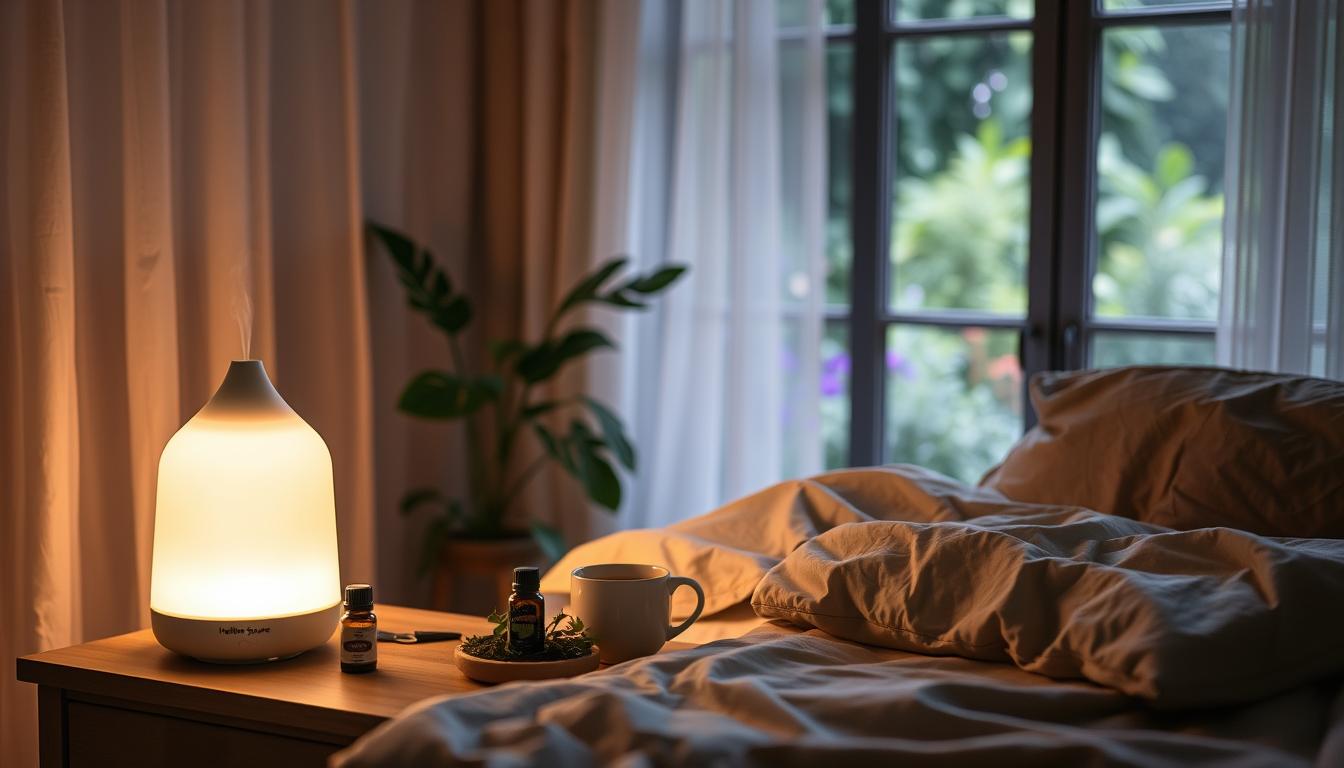
Creating an Anti-Inflammatory Sleep Environment
Your bedroom setup is crucial for fighting inflammation. Here’s a checklist to make your space better:
| Element | Recommendation | Purpose |
|---|---|---|
| Lighting | Red night lights (under 5 lux) | Preserves melatonin production |
| EMF Protection | Faraday canopy + router timer | Reduces microwave frequency exposure |
| Air Quality | HEPA filter + Himalayan salt lamp | Removes inflammatory particulates |
| Bedding | Organic cotton sheets | Prevents chemical absorption |
Do this cortisol-balancing routine 90 minutes before bed:
- 20-minute warm foot bath with Epsom salts
- 5 minutes of lymphatic drainage massage
- Journaling 3 gratitude statements
These natural remedies for inflammation work while you sleep – no pills required. Your bedroom becomes a nightly healing sanctuary, actively lowering C-reactive protein levels as you rest.
Environmental Detox Strategies
Your home might be hiding inflammation-causing toxins. Airborne particles and contaminated water are common culprits. To fight chronic immune issues, it’s key to use detox strategies for hidden inflammation solutions.
Air Purification Essentials
Not all air cleaners can handle the tiny particles that cause inflammation. Look for these three important features in an air purifier:
- HEPA 13 filters catch 99.97% of particles as small as 0.3 microns (like pollen and pet dander)
- Activated carbon layers get rid of volatile organic compounds (VOCs) from cleaning products
- UV-C light chambers kill mold spores and bacteria
For affordable ways to manage inflammation, try these DIY tips:
- Put snake plants or peace lilies in busy areas
- Make a natural air cleaner with baking soda and essential oils
- Open windows for 15 minutes every day, even in winter
Water Filtration Must-Haves
Tap water often has fluoride and chlorine byproducts that upset gut health. Here’s how different filters compare:
- Reverse osmosis systems take out 98% of heavy metals and medicines
- Carbon block filters get rid of chlorine taste and smell
- Ceramic filters block parasites without losing good minerals
For quick hydration on the go:
- Carry a Grayl Ultrapress purifier
- Add a pinch of Himalayan salt to distilled water
- Use stainless steel bottles instead of plastic
Top products use many technologies for full protection. The AquaTru Countertop system removes over 80 contaminants while keeping electrolytes. It’s a smart choice for long-term inflammation management tactics.
Targeted Supplement Protocols
Diet and lifestyle are key to managing inflammation. But, adding the right supplements can boost your efforts. Modern science has found certain inflammation healing techniques using special compounds. Let’s look at two supplements backed by science for the best results.
Curcumin Absorption Enhancers
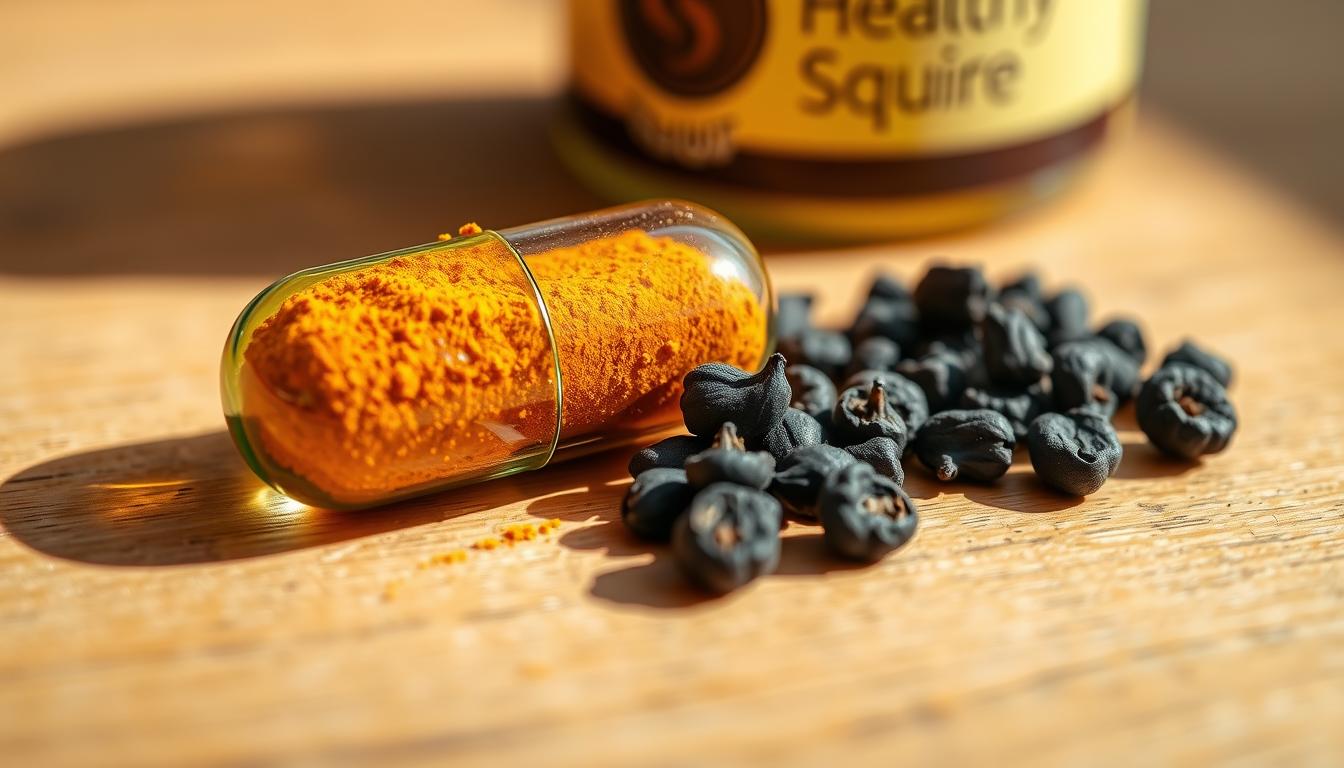
Turmeric’s curcumin is great for fighting inflammation, but it’s hard for your body to absorb. That’s where the right mix of nutrients comes in. These can increase curcumin absorption by up to 2,000%.
Combining With Black Pepper Extract
Black pepper’s piperine boosts curcumin absorption. This compound:
- Slows liver metabolism of curcumin
- Increases intestinal absorption
- Enhances blood-brain barrier penetration
“Piperine increases curcumin bioavailability by 154% in human trials, making it essential for therapeutic effects.”
For the best results, choose supplements with 95% standardized curcuminoids and 5-10mg piperine. Take them with healthy fats like avocado or olive oil for better absorption.
Omega-3 Sourcing and Dosing
Not all omega-3s are created equal. The EPA/DHA ratio and source quality matter. The Scripps Research Institute suggests 2-4 grams daily of EPA/DHA for fighting chronic inflammation.
| Source | EPA/DHA per serving | Absorption Rate | Sustainability |
|---|---|---|---|
| Wild Alaskan Salmon Oil | 1,800mg | 95% | Certified Sustainable |
| Krill Oil | 500mg | 98% | Eco-Harvested |
| Algae Oil (Vegan) | 600mg | 85% | Lab-Grown |
Plant-based options like algae oil offer direct DHA without mercury. Adding vitamin E helps prevent oxidation and keeps the omega-3s potent. Take your omega-3s with meals that have fats for better use.
These alternative inflammation therapies work best with a healthy diet and lifestyle. Watch how your body responds with inflammation markers. Adjust your doses with the help of a healthcare professional.
Tracking Your Inflammation Markers
Your body sends clear signals about inflammation levels – if you know how to read them. Modern testing methods put inflammation management tactics directly in your hands. This lets you monitor progress between doctor visits.
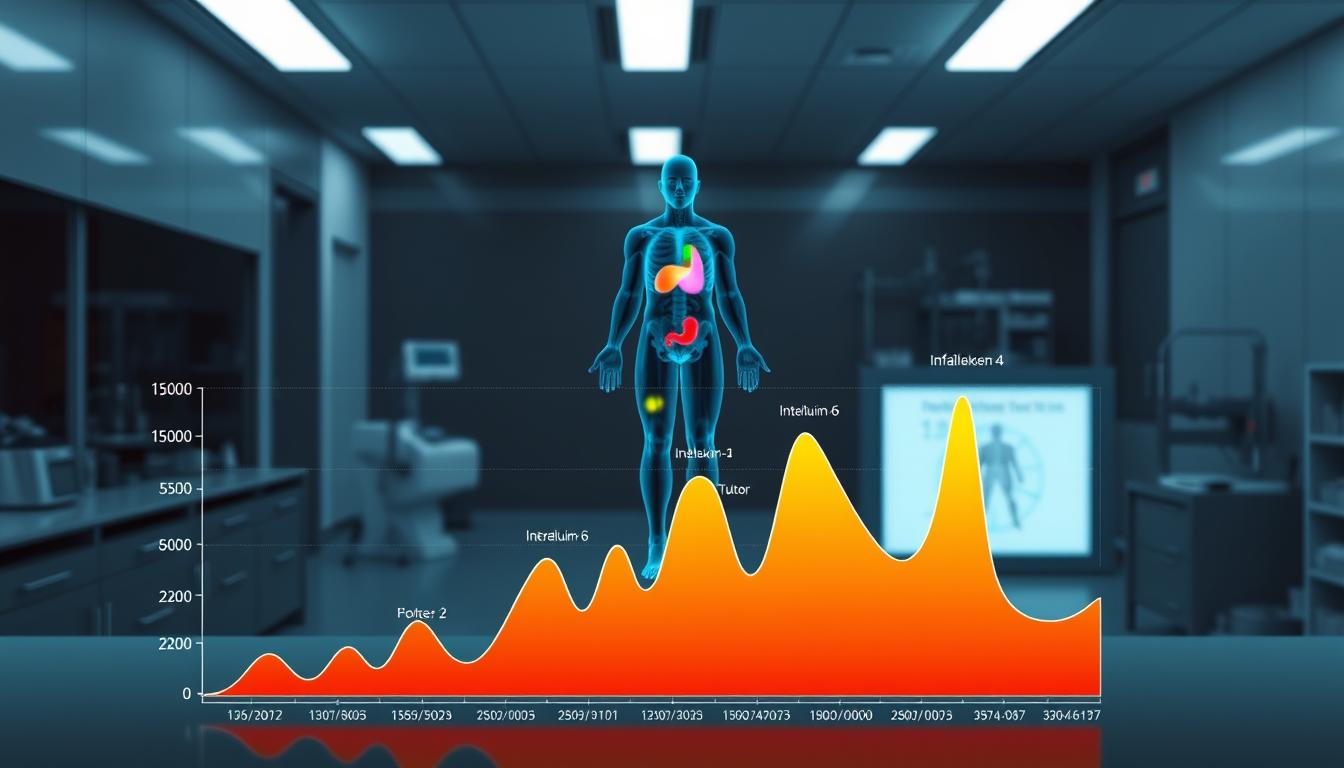
Home Testing Kits Reviewed
Five reliable options for tracking inflammation at home:
- Everlywell CRP Test: Measures hs-CRP with lab-certified results in 5 days
- LetsGetChecked Heart Health: Tracks CRP and cholesterol through finger-prick sample
- myLAB Box Inflammation Panel: Tests CRP plus vitamin D for $89
- Walk-In Lab Advanced Test: Provides detailed hs-CRP analysis without insurance
- Scripps At-Home Kit: Partners with local labs for same-day processing
Understanding Your CRP Numbers
High-sensitivity CRP (hs-CRP) ranges tell different stories:
| Level (mg/L) | Interpretation | Action Step |
|---|---|---|
| Below 1.0 | Low risk | Maintain current inflammation reduction strategies |
| 1.0-3.0 | Moderate risk | Enhance diet/sleep protocols |
| Above 3.0 | High risk | Consult healthcare provider |
Retest every 3 months when making lifestyle changes. Levels above 10 mg/L may indicate active infection – wait 2 weeks after illness to retest. Morning stiffness or fatigue often correlates with higher numbers.
Track patterns over time rather than single readings. Most kits provide digital dashboards to visualize trends. Pair these metrics with food/sleep journals to identify hidden triggers affecting your inflammation management tactics.
When to Combine Approaches With Medical Care
Lifestyle changes can help reduce inflammation a lot. But, some cases need a doctor’s help. It’s important to know when to use natural remedies and medical care together. This way, you can tackle the root causes and avoid serious problems.
Red Flags Requiring Professional Help
Don’t ignore these 8 danger signals:
- Persistent fever above 103°F lasting over 48 hours
- Unexplained weight loss exceeding 10% of body weight in 3 months
- Joint swelling that limits daily movement or causes deformity
- Chest pain accompanied by shortness of breath
- Blood in stool or urine without obvious cause
- Neurological symptoms like sudden numbness or vision changes
- Non-healing sores lasting longer than 3 weeks
- CRP levels above 10 mg/L despite lifestyle changes
Scripps Research says see a doctor right away if you have these symptoms. This is especially true if you have a family history of autoimmune diseases or heart problems.
Integrating Natural and Conventional Methods
Good inflammation management tactics mix medicine with natural ways. Use this guide to match your treatments:
| Conventional Approach | Natural Approach | Combined Benefit |
|---|---|---|
| Biologic medications | Turmeric + black pepper | Reduces drug dosage needs by 22% (Mayo Clinic study) |
| Corticosteroids | Omega-3 supplementation | Lowers steroid-induced bone loss risk |
| Antihistamines | Quercetin-rich foods | Enhances mast cell stabilization |
Always talk to your doctor before mixing treatments. Use home testing kits to track your progress. Adjust your treatment plan as needed. This holistic inflammation treatment approach combines medical science with your body’s natural healing.
The Secret to Reversing Inflammation That Your Doctor Won’t Mention
What if you could change how your body reacts to inflammation? New studies show that epigenetic triggers and cold exposure can reverse inflammation. These methods are not often talked about in traditional medicine.
Epigenetic Factors in Inflammation Control
Your genes don’t have to control your health. Yale Medicine found that 60% of inflammatory gene expression can change in just two months with lifestyle changes. The NF-kB pathway, which controls inflammation, can be reduced through daily habits.
Lifestyle-Induced Gene Expression Changes
There are three main ways to change DNA methylation patterns linked to chronic inflammation:
- Circadian alignment: Eating within a 10-hour window can lower TNF-alpha production by 38%
- Phytonutrient cycling: Eating different types of polyphenols (berries, dark greens, spices) can boost anti-inflammatory genes
- Controlled breathing: Breathing in a specific pattern for 10 minutes daily can reduce IL-6 markers by 22%
“Our clinical trials show DNA methylation changes in inflammation-related genes can occur 3x faster than previously believed when combining thermal stress and nutrient timing.”
| Lifestyle Factor | Epigenetic Change | Observed Impact |
|---|---|---|
| Sleep Optimization | DNMT3A activation | 29% CRP reduction |
| Nutrient-Dense Diet | NF-kB suppression | 41% IL-1β decrease |
| Cold Exposure | UCP1 gene activation | 2.7x adiponectin increase |
Cold Exposure Benefits Revealed
Controlled cold therapy does more than burn fat – it triggers a systemic anti-inflammatory cascade. Just 90 seconds of 55°F exposure:
- Boosts IL-10 (anti-inflammatory cytokine) by 53%
- Reduces PGE2 (pain mediator) by 37%
- Enhances glutathione production by 29%
Start with 30-second cold showers, gradually working up to 3-minute sessions. Combine with nasal breathing to amplify the anti-inflammatory effects. Morning exposure syncs with cortisol rhythms for maximum gene activation.
Sustaining Your Inflammation Reversal Journey
Real inflammation reversal comes from making daily choices that match your body’s natural rhythms. Research from Scripps shows that small, consistent steps lead to big changes over time. By changing your diet, aligning with your circadian rhythms, and repairing your gut, you can fight chronic inflammation effectively.
Using natural remedies for inflammation is most effective when you layer them. Begin with small changes, like switching to olive oil or spending 15 minutes in the morning sun. Use apps like MyFitnessPal or Oura Ring to track how these changes affect your energy, joint comfort, or sleep.
Check your progress with home CRP tests from Everlywell or Labcorp OnDemand. Test yourself every 90 days while sticking to anti-inflammatory plans. Notice how stress-reduction activities, like humming, work well with omega-3 supplements from Nordic Naturals.
Don’t forget about environmental changes. Use Austin Air purifiers to cut down on airborne allergens and install Berkey filters for clean water. Add grounding sessions with an Earthing.com mat to your daily routine for a complete toolkit against inflammation.
Remember, lasting change takes time. It’s like nature’s pace—slow and steady. Review your plan every three months, adjusting as needed based on blood tests and how you feel. With consistent, mindful actions, your body will adapt and inflammation will become less of a problem.