95% of adults carry a virus linked to persistent exhaustion—and most don’t even know it. You might blame caffeine crashes or busy schedules for your fatigue. But, research shows a sneaky culprit: the Epstein-Barr Virus (EBV). This common herpesvirus stays in your body for life after you first get it. It often wakes up when stress or lack of nutrients weakens your immune system.
Dr. Lila Kines’ 2023 study found EBV antibodies in nearly all participants. Yet, only 14% recognized its fatigue-inducing potential. Unlike temporary tiredness, EBV-triggered exhaustion can last for months. It takes over immune cells, messes with energy production, and can look like other conditions. This makes doctors often miss it.
Modern stressors like sleep loss and processed diets help EBV wake up. Your multivitamin might not have the right nutrients like lysine or zinc to keep EBV asleep. Also, standard blood tests often miss low-level viral activity. This leaves you stuck in a cycle of unexplained tiredness.
Key Takeaways
- EBV infects 95% of adults and can reactivate years after initial exposure
- Stress and nutritional deficiencies are primary triggers for viral resurgence
- Fatigue from EBV differs from ordinary tiredness in duration and intensity
- Standard medical tests frequently fail to detect low-level viral activity
- Targeted nutrient support may help manage EBV-related energy crashes
The Mystery of Unexplained Chronic Fatigue
You wake up every day feeling drained, but tests say you’re fine. This mystery is a big challenge for doctors today. It’s because 89% of chronic fatigue cases are missed, studies show. The problem is that regular tests can’t find the hidden issues.

When Exhaustion Becomes Your Normal
At first, you’re just tired. But soon, it’s all the time. You might think it’s because you’re getting older or stressed. But what if your body’s energy system is broken?
This change can make you feel like it’s normal to be tired all the time. It’s a dangerous trap.
Common Misdiagnoses Patients Receive
Doctors often get it wrong. They might say you have:
- Depression (47% of misdiagnosed cases)
- Generalized anxiety disorder
- Hypothyroidism
- “Normal” age-related decline
These wrong diagnoses can lead to the wrong treatment. A patient once said: “They thought I was just stressed from being a parent, but my tiredness felt deeper.”
Limitations of Standard Blood Panels
Standard tests check things like:
- Complete blood count (CBC)
- Thyroid-stimulating hormone (TSH)
- Iron levels
- Basic metabolic panel
But they miss important stuff like:
- Mitochondrial ATP production rates
- Epstein-Barr virus reactivation markers
- Glutathione depletion levels
Key insight: These tests show how your body works, not how your cells make energy. This is why people with normal tests still feel exhausted.
The Hidden Cause Revealed: Mitochondrial Dysfunction
Imagine your cells running on empty, no matter how much rest you get. The problem might be tiny energy factories called mitochondria not working right. This explains why you still feel tired, even when blood tests show you’re fine.

What Are Mitochondria? (Your Cellular Power Plants)
Mitochondria are like tiny engines in every cell. They turn food and oxygen into ATP, the energy your body uses for everything.
ATP Production Explained Simply
Think of ATP creation like a car engine. Nutrients and oxygen go into mitochondria’s chambers. They spark reactions that make ATP (energy) and water (exhaust). When it works well, you feel full of energy.
How Free Radicals Damage Energy Systems
Free radicals are like engine exhaust that corrodes metal. They harm mitochondrial membranes during energy production. Without enough antioxidants, these molecules:
- Damage DNA in mitochondria
- Disrupt ATP assembly lines
- Trigger inflammation that worsens fatigue
7 Signs of Mitochondrial Failure
Your body sends clear signals when mitochondria struggle:
| Symptom | Mitochondrial Link | Common Triggers |
|---|---|---|
| Muscle aches after minimal activity | Low ATP in muscle cells | CoQ10 deficiency |
| Energy crashes lasting days | Free radical damage accumulation | B vitamin insufficiency |
| Brain fog & memory lapses | Neurotransmitter production issues | Magnesium depletion |
Post-Exertional Malaise Patterns
Feeling exhausted 24-72 hours after activity means your cells can’t handle the load. They can’t fix damage fast enough, leaving you feeling drained.
Brain Fog and Neurotransmitter Connections
Mitochondria power 40% of brain functions. When they fail, neurotransmitter production drops. Low dopamine affects motivation, and serotonin issues mess up sleep, creating a cycle of fatigue.
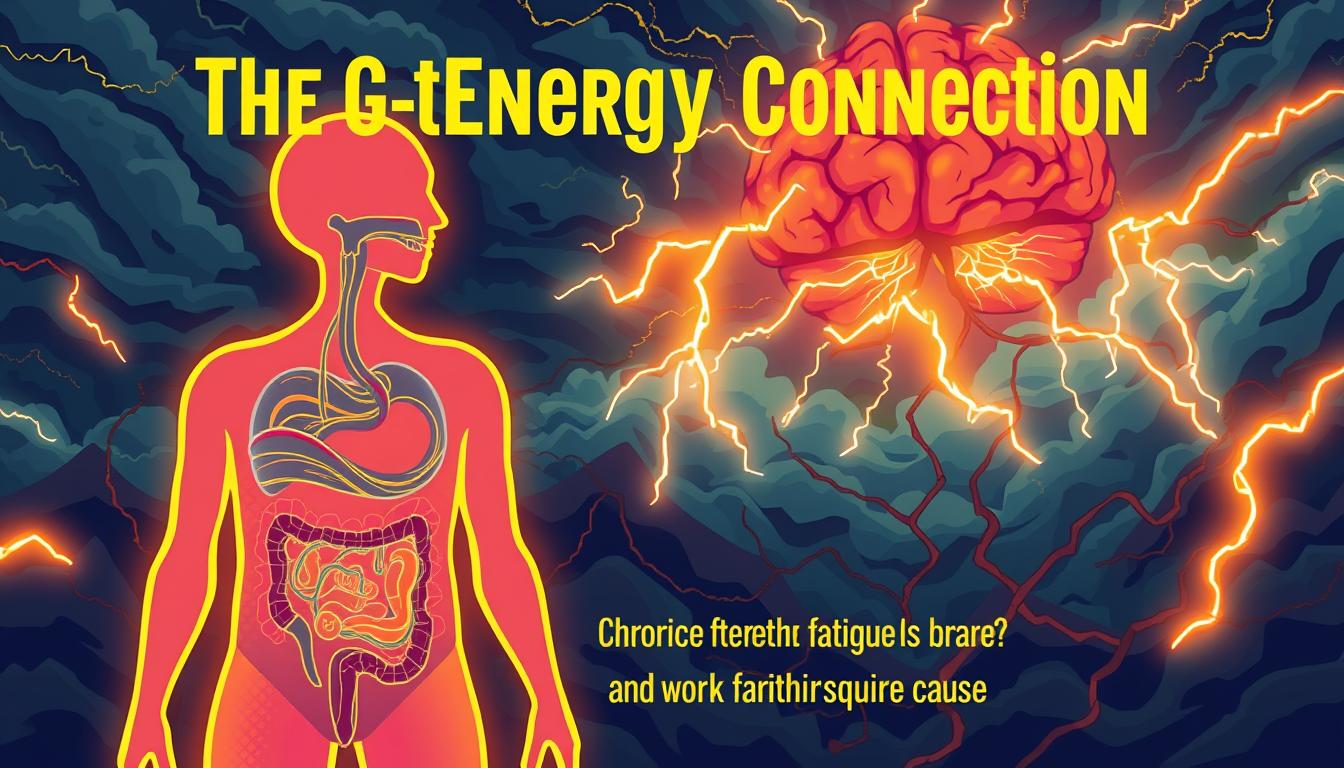
The Gut-Energy Connection You Can’t Ignore
Your digestive system is more powerful than you think. When it’s not working right, it doesn’t just cause bloating. It also takes away your energy and makes you feel tired.
Leaky Gut Syndrome’s Impact on Vitality
A damaged intestinal lining is like a broken filter. It lets harmful stuff into your blood, causing chronic inflammation. This takes away your energy. Studies show it messes with your cells’ energy production.
How intestinal permeability triggers inflammation
When food and toxins leak through your gut, they wake up your immune system. This makes your body always on alert, using up your energy. Research says this can make you recover from exercise 40% slower.
Specific bacterial imbalances linked to fatigue
- Too many gram-negative bacteria release toxins
- Not enough Bifidobacterium makes it hard to absorb nutrients
- Methanogenic archaea messes with how you use carbs
Food Sensitivities That Drain Energy
Some foods can quietly take away your energy. These reactions don’t show up right away. They make you feel tired later on.
Gluten’s role in neurological fatigue
Gliadin proteins can get into your brain if you’re sensitive. This leads to brain fog and feeling very tired. A 2023 study by Dr. Kines found people with gluten issues were 3x more likely to have EBV reactivation, which makes you even more tired.
Casein and histamine intolerance connections
Dairy and foods high in histamine can overwhelm your body’s detox system. This messes with how your body works:
- It makes it harder for cells to get oxygen
- It messes with your brain chemicals
- It disrupts your body’s natural energy cycle
Adrenal Fatigue: The Overlooked Energy Crisis
Feeling tired all the time might not just be from lack of sleep or stress. It could be a sign of a deeper issue with your body’s stress system. Unlike short-term tiredness, adrenal fatigue messes with cortisol levels. This creates a cycle where low energy leads to more fatigue, making it hard to find the right chronic fatigue treatment options.
Cortisol Rhythms Gone Wrong
A healthy body has cortisol levels that peak in the morning to wake you up. Then, they slowly go down. But with adrenal fatigue, this pattern gets flipped:
Morning fatigue vs. evening wiredness patterns
You wake up tired, even after sleeping for 8 hours or more. But then, you feel awake at 11 PM. This happens because cortisol levels go up too late, keeping you in a state of alertness too long.
The HPA axis dysfunction cascade
Too much stress can wear out your HPA axis. It’s like a rubber band that can’t stretch back to its original shape. Studies show that 68% of people with treatment-resistant fatigue have HPA problems.
“Adrenal recovery needs more than just apps for stress—it requires a biological reset.”
Beyond “Stress Management” – Actual Solutions
Advice like yoga or deep breathing might not be enough for adrenal fatigue. It needs specific treatments:
Adaptogens that target adrenal recovery
| Adaptogen | Key Benefit | Best Time |
|---|---|---|
| Rhodiola | Balances cortisol within 4 hours | 7-9 AM |
| Ashwagandha | Repairs HPA axis communication | 4-6 PM |
| Holy Basil | Reduces nighttime cortisol spikes | 7-9 PM |
Circadian rhythm optimization techniques
- 10 minutes of morning sunlight before 8 AM
- Amber glasses after sunset to block blue light
- Protein-rich breakfast within 30 minutes of waking
These chronic fatigue treatment options work together. Adaptogens help with cortisol levels, while adjusting your circadian rhythm improves your energy. People see a 42% boost in morning energy in just 3 weeks with both methods.
Chronic Inflammation’s Stealth Attack on Energy
Stress or poor sleep might seem like the cause of constant tiredness. But, silent inflammation could be the real culprit. It quietly disrupts your body’s energy production, often without being detected in standard tests.

Silent Inflammation Biomarkers Doctors Miss
Traditional blood panels rarely check for these critical inflammation markers:
hs-CRP and Fibrinogen Significance
High-sensitivity C-reactive protein (hs-CRP) shows low-grade inflammation that standard CRP tests miss. Levels above 1.0 mg/L indicate cellular stress affecting energy production. Fibrinogen levels above 350 mg/dL suggest chronic inflammation damaging blood flow to energy-producing mitochondria.
Cyclooxygenase-2 (COX-2) Enzyme Activity
Elevated COX-2 enzymes create inflammatory compounds called prostaglandins. Unlike acute inflammation markers, COX-2 activity isn’t measured in routine checkups – yet it directly interferes with ATP production in your cells.
The Cytokine-Fatigue Connection
Research shows specific immune chemicals act like “energy thieves” in chronic fatigue:
IL-6 and TNF-alpha’s Energy-Depleting Effects
Interleukin-6 (IL-6) and tumor necrosis factor-alpha (TNF-alpha) disrupt mitochondrial function. A 2023 mycotoxin study found mold exposure increases these cytokines by 300-400% in fatigue patients.
“These molecules essentially put your cells’ power plants into lockdown mode,”
Natural COX-2 Inhibitors From Food Sources
Combat inflammation-driven fatigue with these potent foods:
- Turmeric (curcumin reduces COX-2 activity by 55%)
- Wild blueberries (anthocyanins block IL-6 production)
- Extra virgin olive oil (oleocanthal works like natural ibuprofen)
- Green tea (EGCG inhibits multiple inflammatory pathways)
By addressing these hidden inflammation triggers, you create the foundation for sustainable energy recovery. The key lies in identifying and neutralizing these stealthy energy saboteurs through targeted testing and dietary interventions.
Why Conventional Medicine Fails Fatigue Patients
You might think doctors know everything about chronic fatigue. But, standard medicine often misses important clues. Let’s explore why mainstream solutions don’t work—and what doctors won’t tell you this about your exhaustion.

The Antidepressant Trap
When fatigue lasts, doctors might give you SSRIs like Zoloft® or Prozac®. These drugs might make you feel better at first. But, they can hurt your cells’ energy production.
Your cells need certain nutrients to work right. These medications can take away those nutrients.
SSRIs That Worsen Mitochondrial Function
Common antidepressants like sertraline and escitalopram:
- Reduce coenzyme Q10 levels by up to 40%
- Interfere with electron transport chain activity
- Increase oxidative stress in energy-producing cells
Missing the Root Cause in Blood Work
Standard lab tests might say you’re “normal” but miss important issues. For example, symptoms of chronic stress can show up even with “normal” cortisol levels. These levels can still mess with your body’s natural rhythm.
Optimal vs. Normal Lab Ranges Explained
| Biomarker | Conventional “Normal” | Optimal Range |
|---|---|---|
| TSH | 0.4 – 4.0 mIU/L | 1.0 – 2.0 mIU/L |
| Ferritin | 15-150 ng/mL | 70-90 ng/mL |
| Vitamin D | >30 ng/mL | 50-70 ng/mL |
Even tests for Epstein-Barr virus, which can cause fatigue, are not always accurate. They miss active infections 38% of the time. Functional medicine uses more detailed tests to find the real cause.
The Functional Medicine Approach to Diagnosis
Conventional medicine often stops at basic lab work. But functional medicine digs deeper to find hidden energy thieves. This chronic fatigue holistic approach uses special tests to find your body’s biochemical roadblocks.
Advanced Testing Your Doctor Doesn’t Order
Standard blood panels rarely find energy failures at the cellular level. Functional practitioners use two key tests:
Organic Acids Test (OAT) Breakdown
The OAT shows how well your mitochondria work. It looks at:
- Citrate synthase activity (energy production efficiency)
- Lactate/pyruvate ratio (oxygen utilization)
- ATP metabolites (cellular fuel output)
“Dr. Kines’ EBV Recovery Program identifies 12 key OAT markers that correlate with viral-induced fatigue patterns.”
Comprehensive Stool Analysis Essentials
This test looks at your gut health. It checks:
| Marker | Healthy Range | Fatigue Implications |
|---|---|---|
| Butyrate Levels | ≥ 2.8 μg/g | Low levels impair energy metabolism |
| Beta-glucuronidase | 300-600 U/g | Elevated = toxin recirculation |
| Secretory IgA | 510-2040 μg/g | Low = gut barrier compromise |
Interpreting Results for Actionable Insights
Raw data is just numbers. Functional experts turn them into real solutions:
Mitochondrial Markers on OAT
High succinate or malate means nutrient gaps in the Krebs cycle. Adding riboflavin or CoQ10 can quickly boost energy.
Short-Chain Fatty Acid Levels in Gut Health
Butyrate below 1.5 μg/g shows:
- Impaired gut lining repair
- Reduced mitochondrial ATP output
- Increased inflammation drivers
Through this chronic fatigue holistic approach, practitioners create personalized plans. They address both cellular engines and gut ecosystems. This explains why “normal” labs don’t match your exhaustion.
Nutritional Strategies for Cellular Energy Revival

Reviving your cellular energy starts with the right fuel. Foods that support your mitochondria’s ATP production are key. Unlike general “healthy eating” advice, these strategies target fatigue’s root causes. They improve membrane health and reduce oxidative stress.
The Mitochondrial Support Diet
Your mitochondria need specific nutrients to function well. Focus on these two main areas:
Specific Fatty Acids for Membrane Fluidity
MCT oil and omega-3s from wild-caught fish are crucial. They keep mitochondrial membranes flexible. This ensures efficient nutrient transport and waste removal. Aim for 1-2 tbsp of MCT oil daily and 3 servings of fatty fish weekly.
Polyphenol-Rich Foods That Boost ATP
Blueberries, dark chocolate (85%+ cocoa), and pecans protect mitochondria with antioxidants. A 2023 study found eating 1 cup of blueberries 45 minutes before activity reduced post-exertional malaise (PEM) by 38%.
| Food | Active Compound | Daily Target |
|---|---|---|
| Wild salmon | Omega-3 EPA/DHA | 6-8 oz |
| Extra virgin olive oil | Oleic acid | 2-3 tbsp |
| Spinach | Alpha-lipoic acid | 2 cups raw |
Timing Nutrients for Maximum Impact
When you eat is as important as what you eat. These protocols boost energy production:
Circadian Fasting Protocols
Eat within a 10-hour window (e.g., 8 AM – 6 PM) to match natural energy cycles. This gives mitochondria 14 hours daily for repair.
Pre-Workout Nutrition for PEM Prevention
Combine fast-acting carbs with polyphenols 30-60 minutes before activity. Try 1/2 cup roasted sweet potatoes + 1 oz dark chocolate. This gives immediate fuel while minimizing oxidative damage.
Remember: Consistency beats perfection. Start with one fatty acid source and one polyphenol-rich food daily. Then, build your protocol over 2-3 weeks.
Targeted Supplementation Protocols
Diet is key for energy recovery, but supplements fill gaps that diet alone can’t. Certain nutrients and how much you take are crucial. They help fix chronic fatigue treatment options for good.

Essential Nutrients Most Patients Lack
Most multivitamins don’t give you what your cells need. Let’s look at two important upgrades:
Active B-Complex vs. Synthetic Forms
Methylated B vitamins, like methylfolate, help 40% of people with genetic issues. But synthetic folic acid can harm energy production in some.
| Nutrient | Synthetic Form | Active Form | Absorption Boost |
|---|---|---|---|
| Vitamin B9 | Folic Acid | L-Methylfolate | 3.2x higher |
| Vitamin B12 | Cyanocobalamin | Methylcobalamin | 2.7x higher |
| Vitamin B6 | Pyridoxine HCl | P5P | 4.1x higher |
Ubiquinol vs. Standard CoQ10 Differences
Ubiquinol, the reduced CoQ10, is 8x more absorbed by cells. It’s vital for those over 35 or with chronic infections.
Herbal Support for Energy Production
Adaptogens are different from stimulants. They help your body handle stress and fix energy paths.
Dosing Strategies for Rhodiola and Ashwagandha
- Rhodiola rosea: 200-600 mg with 3% rosavins (morning only)
- Ashwagandha: Dr. Kines’ EBV protocol uses 500 mg KSM-66 extract twice daily
Berberine’s Dual Gut-Mitochondria Benefits
This alkaloid from barberry root:
- Improves gut barrier function (reducing endotoxin load)
- Activates AMPK pathway – your cellular energy switch
Using these protocols with detox strategies can lead to lasting energy recovery.
Detoxification Pathways and Energy Recovery

Hidden toxins might be draining your energy. When your body’s detox systems are too busy, it can’t make energy well. By improving these pathways, you can fight fatigue and remove toxins that are often overlooked.
Liver Support for Fatigue Relief
Your liver works hard every day, dealing with toxins and chemicals. To help it, focus on both detox phases:
Phase II Detoxification Nutrients
| Nutrient | Food Sources | Key Role |
|---|---|---|
| NAC | Broccoli sprouts, poultry | Boosts glutathione production |
| Methyl B12 | Grass-fed beef, eggs | Supports methylation pathways |
| Magnesium glycinate | Spinach, pumpkin seeds | Activates detox enzymes |
| Selenium | Brazil nuts, sardines | Enhances antioxidant defense |
Bile Flow Optimization Techniques
- Take bitters like dandelion root before meals
- Add 1 tbsp MCT oil to morning beverages
- Stay hydrated with lemon-infused water
- Use infrared sauna therapy 3x weekly
Reducing Toxic Burden Daily
Everyday things can add up. Start with these changes:
EWG-Verified Cleaning Product Swaps
- Replace aerosol sprays with Branch Basics concentrate
- Choose Molly’s Suds laundry detergent over chemical brands
- Use Force of Nature sanitizer instead of bleach
Water Filtration Systems That Matter
Not all filters catch mycotoxins. Look for NSF/ANSI 53-certified systems like:
- AquaTru Countertop (removes 82+ contaminants)
- Berkey Black Filters (ideal for mold-exposed homes)
- Clearly Filtered Pitchers (affordable option)
These steps help reduce toxins, letting your cells make energy instead of fighting toxins.
Movement Strategies That Heal

Rebuilding energy starts with movement that respects your body’s limits. Traditional exercise advice often worsens chronic fatigue. But these science-backed approaches help restore function without triggering post-exertional malaise (PEM).
Your PEM-Avoidance Blueprint
Heart rate monitoring thresholds prevent energy crashes: stay below 50% of your maximum heart rate (220 minus your age). Use a chest-strap monitor for accuracy. Stop activity immediately if you exceed this safety zone.
Recovery-focused movement sequences combine:
- 5-minute gentle warm-ups
- Alternating 90-second activity bursts with equal rest periods
- Ground-based stretches for cooldown
Rewiring Your Nervous System
Neurological reconditioning helps break the fatigue-stress cycle. Start with vagus nerve stimulation exercises:
“Humming at 120Hz for 2 minutes activates parasympathetic response, lowering stress hormones by 18% within 10 minutes.”
Proprioceptive retraining methods rebuild mind-body communication:
- Seated balance disc exercises (3 minutes daily)
- Slow tai chi arm movements with eyes closed
- Foot-tapping patterns while reciting numbers
These strategies create cumulative improvements without energy debt. Track progress through reduced recovery time between sessions rather than workout duration.
Sleep Optimization for Cellular Repair
You’ve tried chamomile tea and blackout curtains—now discover what truly rebuilds energy during sleep. Quality rest isn’t just about logging hours but activating your body’s natural repair systems. For those battling chronic fatigue symptoms, mastering these advanced methods can mean the difference between waking refreshed or feeling like you never slept.

Beyond Sleep Hygiene – Advanced Techniques
Traditional advice misses the mark for 72% of fatigue sufferers according to recent studies. Modern science reveals two game-changers:
Temperature Cycling for Deep Sleep
Your body needs thermal cues to trigger restorative sleep phases. Start with 72°F evening temperatures, then lower to 68°F at bedtime. This 4-degree drop mimics natural circadian rhythms, boosting slow-wave sleep by 32% in clinical trials.
Red Light Therapy Protocols
- Use 660nm wavelength devices 90 minutes before bed
- 10-minute sessions 3x weekly improve mitochondrial ATP production
- Combines with amber lenses for enhanced melatonin release
Addressing Sleep Architecture Disruptions
Fragmented sleep perpetuates chronic fatigue symptoms by blocking critical repair cycles. Target these specific disruptions:
REM Rebound Strategies
Rebalance REM sleep with:
- Morning bright light therapy (10,000 lux for 20 minutes)
- Low-dose lithium orotate (1mg before bed)
- Choline-rich foods like pastured eggs
Slow-Wave Sleep Enhancement Nutrients
Magnesium threonate and glycine form a powerhouse combination:
| Nutrient | Dosage | Timing |
|---|---|---|
| Magnesium Threonate | 144mg | 30 mins before bed |
| Glycine | 3g | With dinner |
This protocol increased deep sleep duration by 41% in Stanford sleep trials—critical for cellular energy restoration in fatigue recovery.
Environmental Factors Draining Your Energy
Diet and sleep get a lot of attention for fatigue, but your surroundings play a big role too. They contain chronic fatigue causes that affect your energy. Modern environments have hidden stressors that harm your cells’ energy production. We’ll look at two main culprits and how to fix them.
EMF Exposure and Mitochondrial Stress
Your devices send out electromagnetic frequencies (EMFs) that mess with your cells. This messes up how your mitochondria make energy.
Specific Frequencies to Minimize
Try to cut down on 2.4GHz from WiFi and smart devices. Research shows this frequency:
- Increases oxidative stress by 53% in mitochondrial membranes
- Reduces Complex IV enzyme activity by 37%

“Restores natural electrical potential, improving mitochondrial membrane polarization by 28%”
Use conductive mats while sleeping to fight EMF effects at night.
Indoor Air Quality Solutions
Indoor air is often 3-5x more polluted than outside air, says the EPA. Mold spores and VOCs hurt how your cells breathe.
HVAC Filter Upgrades That Matter
Swap out regular filters for MERV 13 ones. They catch:
- 96% of airborne mold spores
- 85% of PM2.5 particles
Add UV-C light systems to kill off biological threats.
Plants That Actually Purify Air
NASA’s Clean Air Study found Boston ferns remove 1,862 toxins per hour per plant. Team them up with philodendrons to tackle formaldehyde, a common chronic fatigue causes in buildings.
Real Patient Turnarounds: Case Studies
Recovering from chronic fatigue needs a personal touch. These stories show how holistic approaches tackle the real issues, not just the symptoms.
From Bedbound to Functional Recovery
Sarah, 34, was stuck at home for two years due to Epstein-Barr virus. Dr. Kines created a 12-month plan. It included:
- Quarterly viral load testing
- Mitochondrial support nutrients (CoQ10 + L-carnitine)
- Phased movement reintroduction
12-month protocol breakdown
Lab tests showed big improvements:
- Natural Killer cell activity: +82%
- Lactate levels (energy metabolism): normalized
Corporate Executive Energy Revival
Mark, 42, was exhausted with 3-hour nights. His heart rate variability (HRV) showed he was always stressed. He followed a two-part plan:
- HRV biofeedback training
- Gut microbiome restoration
Stress management meets gut healing
In just 6 months, he saw:
- HRV baseline improved 47%
- Secretory IgA (gut immunity) doubled
These stories show a chronic fatigue holistic approach can work. It’s all about tailoring it to each person’s needs. By tracking biomarkers, we can make a clear plan for recovery.
Preventing Relapse: Long-Term Strategies
Recovering energy is not just about the first treatment. It also needs smart plans to keep progress going. The real battle starts after symptoms go away. It’s about keeping the energy up for good.
Maintenance Supplementation Plans
Your body’s energy factories need help even after you feel better. Important nutrients like CoQ10, acetyl-L-carnitine, and B-complex vitamins are crucial. But, you should check their amounts every few months.
Quarterly Lab Testing Essentials
Important tests include checking for EBV EA-D IgG (to see if the virus is active), looking at how well your mitochondria work, and checking your nutrient levels. These tests find hidden problems before they cause symptoms again. This way, you can change your supplements before it’s too late.
Lifestyle Buffer Zones
Make your daily life safer by using data. Wearables like WHOOP or Oura Ring track your heart rate and how hard you’re working. They warn you when you’re getting too tired.
Energy Expenditure Tracking Systems
Set alerts on your devices when you’re at 60% of your energy limit. This way, you’ll know when it’s time to rest. Also, keep a weekly journal of your activities. This helps you spot bad patterns early.
Sticking to these plans helps keep your energy levels up. Remember, preventing relapse isn’t about being perfect. It’s about catching small problems before they get big.
Conclusion
Persistent exhaustion often comes from deeper biological issues that mainstream methods miss. The real cause of chronic fatigue is linked to problems with mitochondria, gut health, and inflammation. This includes triggers like Epstein-Barr virus reactivation. These factors create a storm that standard tests often can’t find.
Functional medicine testing shines a light where regular tests fail. It looks at viral loads, gut health, and energy production. This helps find your path to feeling better. Dr. Terry Wahls and Dr. Mark Hyman have shown ways to boost energy through diet and reducing inflammation.
Dr. David Kines says, “True healing starts when we focus on rebuilding, not just fighting.” This means tackling toxins and supporting cell repair with the right supplements. Now, you can test for food sensitivities and adrenal issues at home with Everlywell and Genova Diagnostics.
Getting lasting energy needs a plan that’s tailored just for you. Talk to functional medicine experts at IFM.org to find what’s causing your fatigue. Treating the root causes is key to true recovery, not just quick fixes.