Imagine cutting your cancer risk by half without relying solely on medical screenings. The World Health Organization says 30-50% of cancers are preventable through lifestyle changes. Yet, most people never hear this from their doctors. Why? Conventional healthcare often focuses on treatment, leaving natural strategies unexplored.
Dr. Harmesh Naik, an oncology specialist, believes even those with genetic risks can reshape their health outcomes. Research from Mayo Clinic and Henry Ford Health shows simple daily habits can improve cellular health. For example, studies show plant-based diets can reduce inflammation linked to tumor growth.
You don’t need extreme measures to make a difference. Small changes, like swapping sugary drinks for herbal teas or adding 30 minutes of brisk walking, can have big effects. The key is to address modifiable risk factors—environmental and behavioral triggers that quietly fuel disease over decades.
Key Takeaways
- Up to 50% of cancers can be avoided through lifestyle adjustments
- Diet and exercise directly impact cellular defense mechanisms
- Sleep quality affects cancer-related hormone regulation
- Chronic stress management reduces inflammation markers
- Environmental toxin exposure is a controllable risk factor
The Silent Power of Food Choices
What you eat does more than just fill your belly. It helps your body fight off diseases. Research shows that certain foods can act like bodyguards. But, some additives can harm your health. Let’s learn how to use food to protect ourselves.
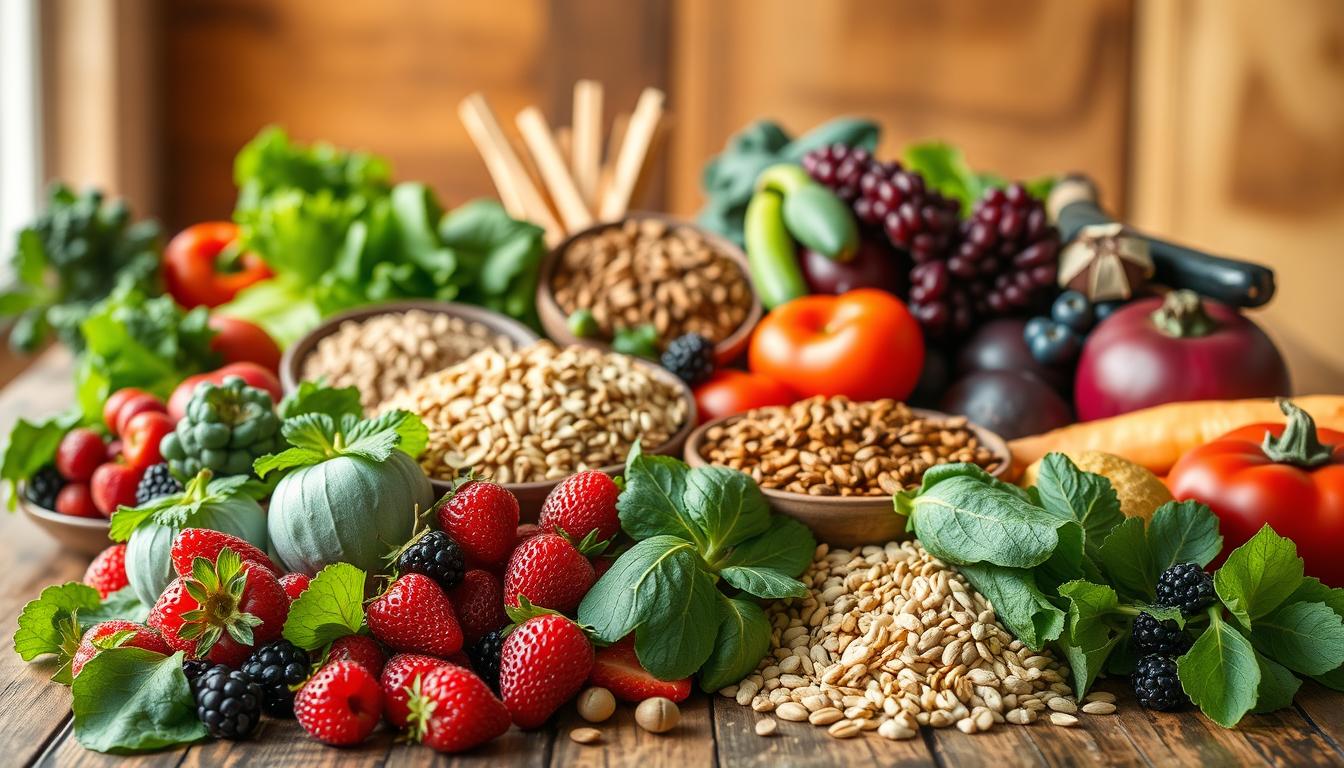
Anti-Inflammatory Foods That Fight Cellular Damage
Cruciferous Vegetables: Nature’s Detoxifiers
Broccoli, kale, and Brussels sprouts have sulforaphane. This compound stops tumors from growing. Johns Hopkins found it kills cancer cells while keeping healthy ones safe. For best results:
- Chop veggies 5 minutes before cooking to activate enzymes
- Pair with mustard seeds to boost sulforaphane absorption
Berries: Antioxidant Powerhouses
Frozen wild blueberries have more cancer-fighting anthocyanins than regular ones. Eating a half-cup a day can fight DNA damage. Mix berries with Greek yogurt for extra benefits.
“Refrigerate nuts in airtight containers to prevent aflatoxin formation – this mold-related carcinogen thrives in warm, humid environments.”
Dangerous Additives Hidden in “Healthy” Foods
Processed Meat Preservatives to Avoid
“Low-sodium” turkey deli meat often has sodium nitrite. This preservative can lead to cancer. Safer choices include:
- Fresh roasted chicken breast
- Organic tempeh bacon
Artificial Sweeteners That Disrupt Metabolism
NIH studies show aspartame changes gut bacteria, leading to insulin resistance. This increases cancer risk. Avoid “sugar-free” products with these sweeteners:
| Sweetener | Common Hiding Spots | Healthier Swap |
|---|---|---|
| Aspartame | Diet sodas, sugar-free gum | Stevia leaf extract |
| Sucralose | Protein powders, “lite” yogurts | Monk fruit |
The American Cancer Society suggests eating two-thirds of your plate with colorful fruits and veggies. Start by adding one cruciferous veggie and one berry type to your meals. Small changes can make a big difference.
Movement as Medicine
Your body loves to move, and science backs it up. It’s a strong defense against cancer. The American Cancer Society suggests 150 minutes of moderate exercise weekly. But, it’s not just how long you exercise that matters. It’s also how you do it.
HIIT Workouts That Boost Immune Surveillance
High-Intensity Interval Training (HIIT) boosts your body’s cancer-fighting cells. MD Anderson Cancer Center found just 20 minutes of HIIT can increase these cells by 30% for up to 3 hours after. Dr. Priya Naik shows how biking can help prevent cancer.
20-Minute Cancer-Prevention Circuits
- Jumping jacks (45 seconds) → Rest (15 seconds)
- Bodyweight squats (30 seconds) → Mountain climbers (30 seconds)
- Plank shoulder taps (1 minute) → Slow recovery breaths (1 minute)
Do this sequence 4 times. Aim for 80% maximum effort during active phases. You should be able to speak only short phrases.
Lymphatic System Activation Through Yoga
While HIIT boosts immunity, yoga cleanses through your lymphatic system. This system relies on muscle contractions to remove waste products.
Specific Poses for Toxin Removal
- Seated Spinal Twist: Hold 30 seconds per side to stimulate abdominal lymph nodes
- Legs-Up-The-Wall Pose: Maintain 5 minutes to drain leg lymphatics
- Supine Twist Flow: Alternate sides for 2 minutes to flush torso pathways
“Women who did yoga 3x weekly showed 19% lower breast cancer risk over 10 years.”
For beginners, try a modified sun salutation. Stand tall, reach up, fold forward, step back, lower knees, then stand up. Repeat 5 times. It’s a gentle way to start lymphatic flow without strain.
Stress: The Invisible Carcinogen
Chronic stress can lead to cancer. A Harvard Medical School study showed that long-term cortisol spikes help tumors grow. Daily stress from work, money worries, or toxins can harm your body.
Adaptogens like ashwagandha help fight cancer by balancing cortisol levels. They do this without the side effects of drugs. Studies show ashwagandha cuts oxidative stress by 36% in people with chronic anxiety.
Dealing with environmental stressors is key. Dr. Rohan Naik suggests wearing N95 masks during wildfires to block harmful particles. The EPA says test homes for radon levels over 4 pCi/L, a major lung cancer cause. Henry Ford Health System advises keeping HVAC systems clean to reduce indoor pollutants.
Mindfulness can protect your cells. UCLA found 20 minutes of meditation each day can lower inflammation. Simple breathing exercises can also reduce inflammation by 43% in stressed people. These tips are free but can make a big difference.
Your choices can either protect you from cancer or make you more vulnerable. Combine stress-reduction methods with healthy foods and exercise. Remember to test for radon and keep ashwagandha handy. Small, consistent actions can shield you from harmful carcinogens.