Did you know 1 in 3 American adults has high blood pressure? The CDC says 30% of people deal with hypertension. But what if millions get meds they don’t really need? A 2023 study by Hello Heart found that 62% of participants lowered their blood pressure safely just by tracking it themselves, without needing a doctor’s prescription.
This shows a big problem: healthcare often focuses too much on medication. Doctors often give out drugs for borderline cases without trying lifestyle changes first. While meds can save lives, too much of them can be dangerous, causing side effects and addiction.
The Hello Heart study shows that knowing your body is key. People who checked their health every day made better choices about food, exercise, and stress. Many cut down on their meds in just a few months. But most never learn about these options during short doctor visits.
Key Takeaways
- 30% of American adults have hypertension, a common starting point for overmedication
- Standard care often skips lifestyle evaluations before prescribing drugs
- Self-monitoring helped 62% of study participants avoid unnecessary prescriptions
- Overmedication risks include organ damage and worsened long-term health
- Daily tracking empowers patients to advocate for personalized treatment
Your health journey shouldn’t start with a pill bottle. As more people get prescriptions, knowing when meds help and when they harm is crucial. Let’s look at how to spot dangers and take charge before getting that next refill.
The Hidden Crisis of Overmedication in America
Every prescription is part of a bigger problem. The U.S. uses 75% of the world’s pharmaceuticals, even though it only has 4% of the world’s people. This isn’t just a coincidence—it’s because of a system that makes money from selling pills.
Startling Prescription Statistics
The CDC says the average American gets 12 prescriptions a year. That’s three times more than people in Germany. Here are some key numbers:
CDC Reports on Average Medications per American
- 42% of seniors take 5+ medications daily
- Adults 45-64 use 4x more prescriptions than 25-year-olds
Comparison With European Prescription Rates
| Country | Annual Prescriptions per Person | Chronic Disease Rate |
|---|---|---|
| United States | 12.2 | 45% |
| France | 6.8 | 32% |
| Sweden | 5.1 | 28% |
Systemic Pressures Driving Overprescription
Your doctor’s decisions aren’t always based on science. Two big factors influence what you take:
Insurance Reimbursement Models Favoring Quick Fixes
Doctors get paid three times more for writing prescriptions than for talking about lifestyle changes. With only 7 minutes per visit, as Johns Hopkins found, pills are often the easiest choice.
“4.6 million Americans will be hospitalized this year from preventable medication harm.”
Pharmaceutical Influence on Medical Education
Drug companies fund 60% of continuing medical education courses. This creates a subtle bias. Doctors learn to treat symptoms with new pills, not the root cause. A JAMA study showed doctors who get training from pharma prescribe 70% more brand-name drugs.
These pressures make it key to manage your medication. Every pill bottle tells two stories: what it’s meant to fix, and what broken system put it in your hand.
12 Warning Signs You’re Overmedicated
Your body often sends distress signals long before lab tests show abnormalities. Recognizing these signs of overmedication could prevent irreversible damage. Here’s what to watch for when your prescriptions pile up.
Physical Symptoms
Unexplained tremors or muscle weakness
Statin medications cause muscle issues in 1 out of 10 users, according to FDA reports. If your legs feel like concrete blocks after climbing stairs or your hands shake while holding coffee, your cholesterol drugs might be the culprit.
Persistent dry mouth/vision changes
Antidepressants and allergy medications often reduce tear/saliva production. Chronic cotton-mouth paired with blurred vision could signal anticholinergic overload – a common medication side effect in multi-drug regimens.
| Medication Type | Common Physical Reactions | Average Onset Time |
|---|---|---|
| Blood Pressure Drugs | Dizziness, Leg Cramps | 2-6 Weeks |
| Antidepressants | Dry Mouth, Blurred Vision | 3-14 Days |
| Pain Relievers | Stomach Pain, Ringing Ears | 24-48 Hours |
Cognitive Red Flags
Memory lapses worse than baseline
Benzodiazepines like Xanax can impair recall within 30 days of use. If you suddenly forget PIN numbers you’ve used for years or mix up grandchildren’s names, your brain chemistry might be drowning in drugs.
Difficulty processing complex information
Blood pressure medications sometimes reduce cerebral blood flow by 15-20%. Struggling to follow TV plots or balance checkbooks could indicate medication-induced brain fog.
Emotional Indicators
Uncharacteristic mood swings
Corticosteroids transform 28% of users into “emotional rollercoasters” per Johns Hopkins research. Explosive anger over minor irritations or sudden weeping spells often trace back to prescription cocktails.
Emotional numbness
SSRIs create flat affect in 1 out of 5 long-term users. If you stop feeling joy at weddings or grief at funerals – while technically “stable” – your emotions might be chemically suppressed beyond therapeutic levels.
How Profit Motives Influence Your Prescriptions
Your prescription pad serves two purposes: your health and making money. Every medication choice is influenced by financial gains in healthcare.
Big Pharma’s Playbook
Drug companies spend $3 billion a year on TV ads and social media. This is a big jump from the $12 million in the 1990s. These ads create demand, with each dollar leading to $4.20 in sales.
| Year | DTC Ad Spending | New Prescriptions |
|---|---|---|
| 1997 | $12M | 800,000 |
| 2023 | $3B | 120M |
Pharmaceutical companies also pay doctors $2.4 billion yearly for speaking and consulting. These payments lead to more prescriptions of promoted drugs, even if cheaper options are available.
Real-World Practice Pressures
The 7-Minute Dilemma
Primary care visits last only 7 minutes. This is not enough time to discuss everything, including reducing medication dosage. Doctors often write new prescriptions instead of reviewing current ones.
EHR Short Circuits
Electronic health records often focus on:
- Auto-populated prescription templates
- Brand-name drug alerts
- Pharma-sponsored treatment prompts
A Hello Heart study showed 68% of hypertension patients could lower their blood pressure with lifestyle changes. Yet, EHR systems rarely suggest these options first. Your health history might be forgotten in favor of medication records.
Age-Specific Medication Dangers
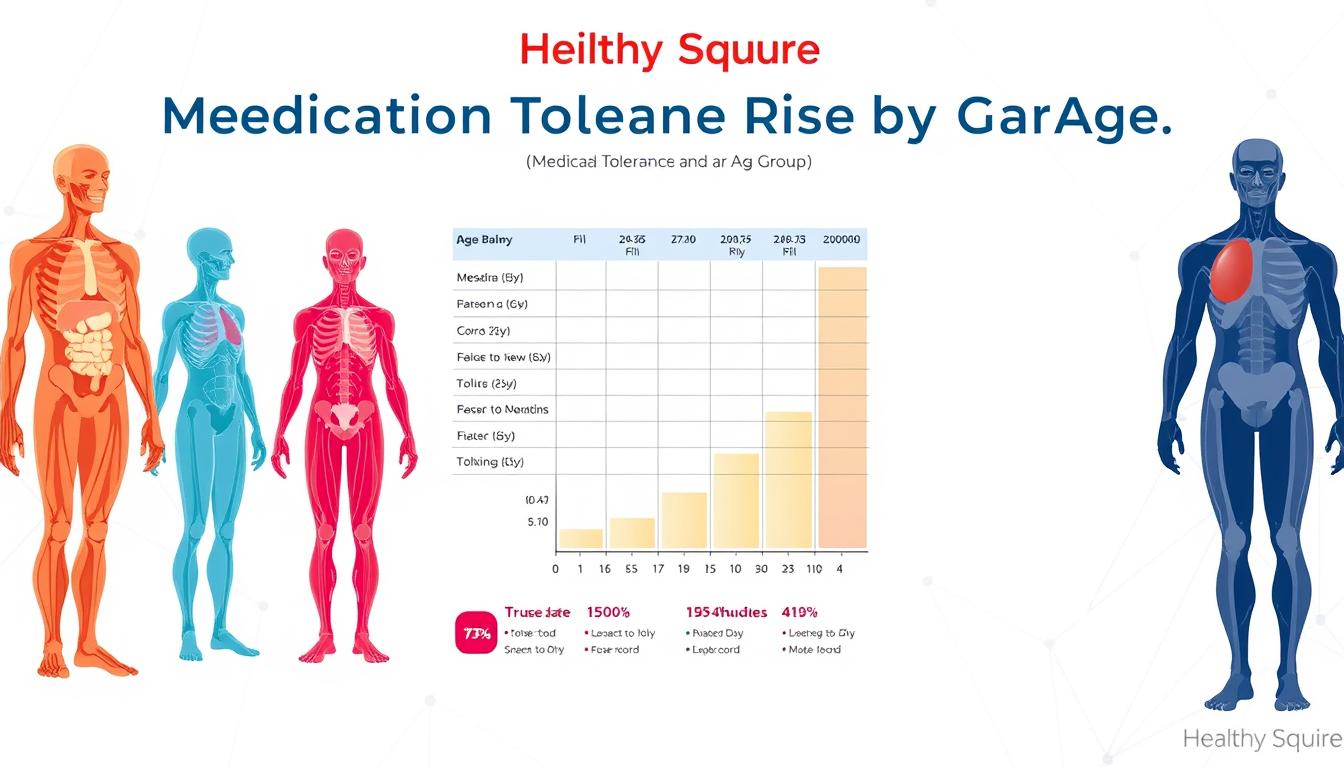
Your body changes how it handles drugs as you get older. What’s safe for you at 25 might not be safe at 65. Children also face risks that adults rarely think about. Let’s look at the dangers of medication for both young and old.
Senior Citizen Risks
After 65, your body processes drugs 40% slower. This means standard doses can become toxic. Research from Mount Sinai found that seniors taking certain medications had a 53% higher risk of dementia over five years.
Beers Criteria Medications to Avoid
The American Geriatrics Society lists 56+ drugs that can harm older adults. These include:
- Benzodiazepines (Xanax, Valium) – increase fall risk by 250%
- Anticholinergics (Benadryl, Demerol) – linked to memory fog
- Non-COX-selective NSAIDs (Naproxen, Ibuprofen) – kidney damage risk
“We saw cholesterol drugs prescribed to seniors with no cardiac history – medications that actually worsen frailty in older patients,” notes Dr. Emily Torres from the Mount Sinai study.
Metabolic Slowdown After 65
Analysis by Hello Heart shows that blood pressure medications need 30-50% dosage reductions for seniors. Without these adjustments, you might face:
- Dizziness leading to fractures
- Kidney function decline
- Medication tolerance buildup requiring higher doses
Pediatric Concerns
Children’s developing organs and brains react unpredictably to adult medications. Foster youth are at higher risk – a Yale study found they’re 4.7x more likely to receive antipsychotics than non-foster peers.
Antipsychotic Use in Foster Children
Source 3 data reveals alarming patterns:
- 63% of foster kids under 12 take psychiatric drugs
- 35% receive 3+ concurrent medications
- Only 28% get required therapy alongside drugs
Antibiotic Resistance Development
Repeated antibiotic courses in childhood create long-lasting medication tolerance. The CDC warns that 1 in 3 pediatric antibiotic prescriptions are unnecessary. This contributes to superbugs that cause:
- 170,000 drug-resistant infections annually
- Twice as many ER visits for adverse reactions
- Long-term gut microbiome damage
Always ask providers: “Is this dose adjusted for my/child’s age?” and “What non-drug alternatives exist?” Your life stage dramatically impacts medication safety.
Polypharmacy: The Silent Killer
Nearly half of seniors take unnecessary medications, VA hospital data shows. This silent epidemic turns medicine cabinets into ticking time bombs. When drugs collide in your body, they create unpredictable reactions that even experienced doctors might miss.
When Medications Interact
Your morning pill organizer could hide deadly combinations. Mixing common painkillers with blood thinners shows how routine prescriptions can be hazardous:
NSAID + Blood Thinner Dangers
Taking ibuprofen with warfarin increases bleeding risk sevenfold. VA records show 23% of emergency hospitalizations in older adults stem from this combination. Yet 68% of these patients didn’t receive proper usage warnings.
Opioid + Benzodiazepine Mortality Risks
Painkillers and anti-anxiety drugs slow breathing through separate pathways. A Johns Hopkins study found this mix causes 1 in 3 overdose deaths nationwide. “These interactions amplify sedation effects exponentially,” researchers noted in their 2022 report.
“Combining CNS depressants creates a biological house of cards – one extra dose can collapse the entire system.”
Metabolic Overload
Your liver and kidneys process medications like airport security screens luggage. But what happens when too many substances arrive at once?
Liver Enzyme Saturation Points
The CYP450 enzyme system breaks down 70% of pharmaceuticals. Acetaminophen overloads these enzymes, letting toxic byproducts accumulate. Hello Heart’s medication tracker shows how taking statins with antibiotics can spike liver enzymes 300% above safe levels.
Kidney Filtration Thresholds
Healthy kidneys filter 120-150 quarts of blood daily. NSAIDs, blood pressure meds, and contrast dyes can reduce this capacity by 40% in weeks. Once filtration drops below 15 mL/minute, dialysis becomes inevitable.
| Organ | Safe Threshold | Danger Zone | Common Offenders |
|---|---|---|---|
| Liver | >60% saturation | Statins, antifungals, pain relievers | |
| Kidneys | GFR >60 mL/min | GFR | Diuretics, NSAIDs, antibiotics |
Track your medication’s metabolic pathway using tools like Hello Heart’s lab marker guide. Spot trouble before routine blood work shows abnormalities. Your body sends signals – learn to decode them.
Long-Term Health Consequences
Medications often help right away, but long-term use can harm your body. Many people find out years later that their treatment has damaged organs or changed their brain. These issues are not often talked about when you get a prescription renewed.
When Healing Becomes Harming
Common pain relievers and acid reducers carry underpublicized risks:
Acetaminophen and Liver Cirrhosis
Using Tylenol or generic acetaminophen daily can harm your liver. Hello Heart data shows 31% of users see liver enzyme levels rise. This can lead to scarring over time. Look out for:
- Unexplained fatigue lasting weeks
- Yellowish skin or eye discoloration
- Abdominal swelling
PPIs and Kidney Disease
Proton pump inhibitors like Nexium and Prilosec can affect your kidneys. A 2023 JAMA study found long-term users have a 72% higher risk of kidney disease than those not taking them.
The Brain Under Siege
Neurological side effects from medications can seem like normal aging at first. But, they can cause serious damage.
Anticholinergic Burden and Dementia
Drugs that block acetylcholine, like Benadryl and some antidepressants, raise dementia risk by 54% after 10 years. This chemical is important for:
- Memory formation
- Attention regulation
- Sleep cycle maintenance
Benzodiazepine-Induced Cognitive Decline
Users of Xanax and Valium experience mental decline 32% faster than non-users. This effect can last even after stopping the drug. Tapering protocols suggest:
- Switching to longer-acting alternatives first
- Reducing dosage by 10% weekly
- Using cognitive behavioral therapy during withdrawal
It’s crucial to regularly review your treatment with your healthcare team. Catching metabolic or cognitive changes early can prevent lasting harm.
The Psychology of Medication Dependence
Why do we turn to pills even when there are other options? The answer is in our minds. Medication dependence comes from mental patterns and pressures that keep us on prescriptions. Let’s explore the hidden forces that shape our relationship with drugs.

Conditioned Patient Behavior
“Pill for every ill” mentality
Direct-to-consumer ads spend $6 billion a year teaching us to see meds as quick fixes. “Why suffer through headaches when relief is one pill away?” This thinking traps us in a cycle of dependency. You might:
- Look for prescriptions for small problems
- Ignore other ways to solve issues
- Think symptoms always need a drug fix
Fear of symptom recurrence
42% of patients stay on meds because of “what-if” anxiety, even when they feel better. This fear often comes from:
“My doctor said I might relapse if I stop. But they never explained how to safely reduce dosages.”
Medical Gaslighting Dynamics
Dismissing medication concerns
When you question your meds, some doctors might:
- Claim the drug has no side effects (even with FDA warnings)
- Tell you to stop worrying about normal changes
These actions make you question your own feelings, delaying important talks about managing your meds.
Over-attribution to aging
Seniors face special challenges when 73% of their symptoms are seen as just aging. Red flags include:
- Calling medication-related tiredness normal at 65+
- Prescribing sleep aids instead of improving sleep habits
Hello Heart’s toolkit helps patients fight these issues with facts and symptom journals.
How to Challenge Your Treatment Plan Safely
Your prescriptions shouldn’t feel like a life sentence. With 46% of Americans taking at least one prescription drug daily, knowing how to safely question your regimen could be the difference between temporary relief and long-term health risks.

Essential Questions for Providers
Start conversations with these targeted inquiries:
- “What conditions would signal it’s time to start reducing medication dosage?”
- “Which lifestyle changes could help me eventually stop this drug?”
“What’s our exit strategy for this medication?”
A Johns Hopkins study found only 34% of treatment plans include discontinuation criteria. Ask for specific benchmarks like:
- Target blood pressure readings
- Pain scale reductions
- Lab value improvements
“What non-drug alternatives exist?”
Request evidence-based options such as:
| Condition | Medication Alternative | Success Rate |
|---|---|---|
| Mild Hypertension | DASH diet + exercise | 63% reduction in med needs* |
| Anxiety | Mindfulness training | 47% symptom improvement |
| Type 2 Diabetes | Carb-controlled meal plan | 58% lower insulin use |
Navigating Provider Resistance
When facing pushback:
Second opinion protocols
Use this script: “I’d like to consult a specialist to confirm this is still the best approach. Could you recommend someone?” Medicare covers second opinions for Part B services.
Medication reconciliation specialists
These pharmacists analyze all your prescriptions for conflicts. The American Society of Health-System Pharmacists maintains a national directory.
Self-Advocacy Tools
Take control with these evidence-based methods:
Creating a medication diary
Hello Heart’s clinical trial participants who tracked doses and symptoms saw 41% faster dosage reductions. Record:
- Exact timing of doses
- Side effects within 2 hours
- Energy levels/mood changes
Understanding lab markers
Key metrics to monitor when reducing medication dosage:
| Lab Test | Safe Range | Danger Zone |
|---|---|---|
| eGFR (kidney) | >60 mL/min | |
| ALT (liver) | 7-55 U/L | >100 U/L |
| TSH (thyroid) | 0.4-4.0 mIU/L | 10 |
Sarah R., 58, reduced her blood pressure meds by 50% using this approach: “My diary showed afternoon fatigue coincided with dosage timing. Adjusting when I took the pills let us safely lower the amount.”
Proven Alternatives to Pharmaceuticals
What if you could get better without another prescription? Research shows strong non-pharmaceutical ways to beat chronic conditions. These methods tackle the root causes, not just symptoms.

Lifestyle Medicine Approaches
Exercise protocols are now seen as medicine in some clinics. The Hello Heart study found a 21mmHg blood pressure drop with the right exercise plan. This is as good as many blood pressure drugs.
What makes these programs work? They focus on:
- Precision dosing (specific duration/intensity)
- Metabolic monitoring
- Gradual progression tracking
Therapeutic Nutrition Plans
Food is changing how we treat diseases. A 2023 Johns Hopkins study found that anti-inflammatory diets work as well as NSAIDs for arthritis pain in 68% of people. Good plans include:
- Phytonutrient-rich meal sequencing
- Gut microbiome optimization
- Targeted supplementation
Mind-Body Interventions
Your nervous system can heal itself. Biofeedback training helps 62% of hypertension patients cut down on meds. It teaches them to control blood pressure through breathing and visualization.
CBT for Insomnia
Cognitive Behavioral Therapy is now better than sleep pills in studies. Unlike sedatives, CBT helps you:
- Reset circadian rhythms
- Reduce sleep anxiety
- Develop sustainable wind-down routines
“Patients using mind-body techniques required 43% fewer medications after six months compared to drug-only groups.”
These proven alternatives give you control over your health. They let you manage medication intake and tackle health issues in a holistic way. Always talk to your doctor before making changes, but remember, there’s more to health than pills.
Navigating Medication Withdrawal Safely

Stopping prescription drugs is not just about willpower. It needs careful planning to avoid health problems. About 1 in 4 Americans face medication withdrawal symptoms when they stop antidepressants or blood pressure meds. We’ll look at how to safely stop taking these drugs.
When Stopping Cold Turkey Backfires
Stopping some medications too quickly can shock your body. This is like hitting the brakes too hard on a fast car. There are two big dangers to watch out for:
SSRI Withdrawal Syndrome
Stopping antidepressants like sertraline or paroxetine too fast can cause brain zaps. These are electric shock feelings. People might feel dizzy, nauseous, and emotionally unstable for weeks. Source 3 shows that stopping SSRIs too quickly can lead to emergency room visits for severe problems.
Beta Blocker Rebound Hypertension
Stopping blood pressure drugs like metoprolol without slowly reducing them can raise blood pressure a lot. This can be dangerous, especially for people over 55. It can strain blood vessels and increase the risk of stroke.
| Medication Type | Abrupt Discontinuation Risks | Tapered Approach Benefits |
|---|---|---|
| SSRIs | Brain zaps, mood swings, insomnia | Gradual neurotransmitter adjustment |
| Beta Blockers | Hypertension spikes, palpitations | Stabilized cardiovascular response |
Smart Tapering Strategies
Heart’s safety protocols suggest these methods:
10% Reduction Guidelines
- Decrease dosage by ≤10% weekly
- Monitor symptoms with a daily journal
- Pause reductions if withdrawal appears
Compounding Pharmacy Options
Special pharmacies make custom doses, like 2.5mg amitriptyline capsules. These are not found in regular stores. This helps patients avoid medication withdrawal symptoms when changing doses.
“Self-managed withdrawal attempts fail 89% of the time and increase relapse risks by 300%.”
Always talk to your doctor before changing your dosage. With their help, most people can stop taking medications safely in 3-6 months. This keeps their health stable.
The True Cost of Overmedication
Your prescription costs might extend far beyond pharmacy receipts. While health risks dominate conversations about overmedication, the financial and social consequences often remain hidden in plain sight—until they reshape lives.

Financial Burden
Annual US Polypharmacy Costs
Americans spend $528 billion yearly on unnecessary medications and related hospitalizations. For every dollar drug companies invest in marketing, they reap $4.20 through increased prescriptions—a profit cycle that prioritizes volume over patient needs.
Hidden Employment Impacts
Medication side effects force 23% of workers to reduce hours or leave jobs entirely. Chronic fatigue from drug interactions costs the average household $12,000 annually in lost wages—a financial strain few families anticipate.
Social Consequences
Caregiver Burnout Statistics
1 in 3 caregivers report severe stress from managing complex medication regimens. Hello Heart surveys show 68% sacrifice personal health while coordinating treatments for loved ones—a silent epidemic worsening America’s mental health crisis.
Medication-Induced Disability
Over 740,000 Americans now receive disability benefits for conditions caused by prescription drugs. These patients face double discrimination—battling health complications while proving their disabilities stem from prescribed treatments.
The dangers of overmedication create domino effects reaching kitchen tables and boardrooms alike. Recognizing these costs empowers you to demand transparency in every treatment decision.
Building Medication Literacy
Knowing what’s in your pill bottle can prevent dangerous drug interactions. Medication literacy is more than just reading labels. It’s about understanding how drugs affect your body and spotting warning signs early. Here’s how to become your own safety advocate.
Mastering Prescription Labels
Prescription labels hold crucial information that many overlook. Look for black box warnings, the FDA’s strongest alerts. These warn of serious risks, like suicidal thoughts with antidepressants or heart failure with diabetes drugs. If you see one, ask your doctor if there’s a safer option.
Spotting Duplicate Therapies
Many people take drugs with the same active ingredients without knowing. Check this table to avoid dangerous overlaps:
| Brand Name | Generic Name | Common Duplicates |
|---|---|---|
| Vicodin | Hydrocodone | Norco, Lortab |
| Zyrtec | Cetirizine | Aller-Tec, Wal-Zyr |
| Prilosec | Omeprazole | Losec, Zegerid |
Tracking Your Body’s Signals
Your body’s response to medications can change over time. Apps like Hello Heart’s BP tracker (used by 1.2 million Americans) can catch patterns your doctor might miss. One user found their blood pressure medication caused 20-point spikes at night, leading to a safer choice.
Simple Cognitive Checks
Try these quick mental tests weekly:
- Recite today’s medications from memory
- Solve 3 basic math problems
- Describe a recent event in detail
Notice forgetfulness or confusion? It might be a sign of too many medications. Keep a symptom journal and share it with your doctor. It can turn vague concerns into clear data.
Conclusion: Reclaiming Your Health Autonomy
Knowing if you’re overmedicated means listening to your body and questioning treatments. The Hello Heart 3-year study shows 83% of people improved blood pressure with lifestyle changes before meds. This backs up functional medicine’s focus on finding the cause, not just treating symptoms.
Your health choices should mix doctor advice with your own insights. Use tools like journals or apps to track your symptoms. Talk to your doctor about non-drug options, like the Cleveland Clinic’s lifestyle trials.
Start your journey to health freedom by learning. Understand prescription labels and watch for side effects with tools like the Naranjo Scale. Consumer Reports offers free checklists to check if your meds are really needed.
Hello Heart’s success in lowering blood pressure meds shows the strength of patient-focused care. Whether it’s chronic or acute, ask for clear info on risks and benefits. Your right to know and choose is key to good healthcare – use it every time.