Americans now eat seven times more vegetable fats than in 1909. But, your great-grandparents never had oils made with hexane solvents. This method makes oils rich in omega-6 fatty acids, which are now common in our diets.
Robert F. Kennedy Jr. says these oils cause inflammation. This inflammation is linked to diabetes and heart disease.
But, health groups like the American Heart Association still say polyunsaturated fats are good. They fight cholesterol. Yet, a 2023 study in Nutrients found something worrying. People who eat more linoleic acid (found in corn and soybean oils) have 34% more oxidative stress markers than those who eat olive or avocado oils.
This debate comes from different views on how oils are made. Cold-pressed oils are different from chemically refined ones. While no scientist calls these fats “poison,” research shows eating too much of them can upset our body’s balance. This is especially true when we eat them with sugary or fried foods.
Key Takeaways
- Omega-6 dominance in modern diets exceeds evolutionary norms by 10:1 ratios
- Hexane processing removes protective compounds found in whole seeds
- Chronic inflammation links remain debated among nutrition researchers
- Oxidative stress from refined oils may accelerate metabolic issues
- Moderation and oil diversity reduce potential health impacts
The Silent Threat in Your Kitchen
Did you know your pantry might hold a nutrition paradox? What was once a cost-saving move now shows up in 60% of packaged foods. It’s often hidden under names like “vegetable oil” or “heart-healthy blend”.
What Are Seed Oils?
Seed oils come from soybeans, rapeseeds (canola), and corn kernels. They’re made through harsh chemical processes. Unlike natural fats, these oils need:
- Hexane solvents for maximum extraction
- Bleaching to remove unnatural colors
- Deodorizing to mask rancid smells
Definition and Common Types
In the U.S., three types dominate food production:
| Oil Type | Market Share | Common Uses |
|---|---|---|
| Soybean | 61% | Salad dressings, margarine |
| Canola | 23% | Baked goods, frying oils |
| Corn | 12% | Chips, snack foods |
Historical Shift From Animal Fats
Before 1970, Americans used butter and lard for cooking. The USDA’s 1976 dietary guidelines led to a 94% decline in animal fat use. Dr. Cate Shanahan notes:
“We’ve replaced century-old cooking fats with laboratory-created oils in just two generations.”
Ubiquity in Modern Diets
Harvard researchers found seed oils make up 20-25% of daily calories for most Americans. This is like eating fast food fries at every meal. The reasons include:
- Extended shelf life for processed foods
- Low production costs compared to quality fats
- Misleading “cholesterol-free” marketing claims
Calorie Contribution Breakdown
Women’s Health UK found surprising sources of seed oil overload:
- Plant-based meat alternatives (78% contain canola oil)
- Granola bars (62% use soybean oil)
- Baby formula (41% include corn oil derivatives)
Processed Food Prevalence
Every $1 spent on whole foods means $6.70 for seed oil-laden products. This makes it hard for health-conscious shoppers to avoid these products.
Why Seed Oils Are Slowly Poisoning You
You might not feel the effects right away, but seed oils can harm your health over time. They contain chemicals that can cause damage. Let’s explore why these oils are not good for you once inside your body.
Chemical Composition Red Flags
Seed oils have a lot more omega-6s than omega-3s. This imbalance causes chronic inflammation, which can lead to arthritis and heart disease. Your body turns the extra omega-6 into harmful molecules that attack your tissues.
Unstable Molecular Structure Prone to Oxidation
When heated, the fats in seed oils break down quickly. One study showed soybean oil produces 4x more harmful byproducts than butter when fried. These byproducts damage your cells and DNA, like microscopic rust in your body.
“Reheating seed oils creates aldehydes at levels 100-200x above safety thresholds.”
Industrial Processing Dangers
Hexane Extraction Methods
Manufacturers use hexane, a neurotoxic solvent, to extract oil from seeds. Consumer Reports found hexane residues in 70% of tested vegetable oils. Even though regulators say it’s safe in small amounts, it builds up in your body over time.
Deodorization Creates Harmful Byproducts
The last step in processing exposes oil to 500°F heat to remove bad smells. This turns harmless compounds into:
- Trans fats (banned but still present as byproducts)
- 3-MCPD esters linked to kidney damage
- Glycidol fatty acid esters (potential carcinogens)
Cold-pressed oils are safer, but they’re rare in stores. Restaurant oils are even worse, reused up to 15 times. This increases the toxins with each use.
The Hidden Factory Behind Vegetable Oils
Most kitchens have oils that went through 12+ industrial steps before they hit your pantry. Let’s uncover how modern food systems turn genetically altered crops into common cooking ingredients.

From Farm to Bottle
Genetic modification of oil crops
Over 90% of U.S. soybeans – the source of soybean oil – are genetically engineered. These modified crops can handle heavy herbicides and produce more oil. This leads to:
- More pesticide residues in final products
- Changes in fatty acid profiles compared to natural varieties
Multiple high-heat processing stages
Turning seeds into shelf-stable oils involves:
- Hexane solvent extraction (250°F)
- Degumming at 185°F
- Bleaching with clay filters
- Deodorizing above 450°F
Each heating phase creates trans fats and lipid peroxides. These compounds are linked to cellular damage.
Profit-Driven Production
Industrial seed oils dominate the market through financial engineering:
| Oil Type | Production Cost/Gallon | Government Subsidies | GMO Usage |
|---|---|---|---|
| Soybean | $1.20 | $4.8 billion/year | 94% |
| Canola | $1.35 | $2.1 billion/year | 88% |
| Olive (Extra Virgin) | $8.50 | $0 | 0% |
Cost advantages over traditional fats
Seed oils are 85-90% less expensive than quality animal fats or cold-pressed oils. Food manufacturers save $26 billion a year by using these cheap substitutes.
Subsidies and agricultural policies
The USDA spends more on oil crop support than on school lunch programs. Former agribusiness executives often write farming regulations. In fact, 43% of FDA food division staff had prior industry roles.
Your Body’s War Against Seed Oils
Your body fights hard against invaders, but salad dressing can be a threat. Seed oils start a battle in your body, affecting your immune system and cells. They disrupt inflammation and energy production.

Inflammation Cascade
Seed oils add omega-6 fatty acids to your body. These fats turn into prostaglandins, which control inflammation. While inflammation helps heal, too much is harmful.
Prostaglandin Pathways Activation
NIH research found our diets have too much omega-6. This overstimulates COX-2 enzymes. This leads to:
- Swelling in blood vessels
- Increased pain sensitivity
- Immune system hyperactivity
“Chronic omega-6 intake creates a pro-inflammatory state that predisposes individuals to autoimmune responses.”
Link to Joint Pain and Autoimmune Conditions
Regular use of seed oils can cause:
- Morning stiffness lasting over 30 minutes
- Unexplained skin rashes
- Diagnoses of Hashimoto’s or rheumatoid arthritis
Some say there’s no link to inflammation, but ignore the daily effects. Your immune system wasn’t made for this.
Mitochondrial Sabotage
Seed oils also harm your cells’ energy plants. They damage mitochondria, the powerhouses in every cell. Here’s how:
Impaired Cellular Energy Production
Polyunsaturated fats from seed oils:
- Replace stable saturated fats in mitochondrial membranes
- Create “leaky” membranes that disrupt electron transport
- Reduce ATP output by up to 40% (per metabolic studies)
Increased Free Radical Generation
Damaged mitochondria produce more free radicals. Each damaged cell makes:
- 4x more superoxide ions
- 2x hydrogen peroxide
- Enough oxidative stress to damage DNA
This leads to the chronic fatigue epidemic among heavy seed oil users. Dr. Lambert’s detox shows removing these oils can boost energy in weeks.
Chronic Disease Connection
Seed oils might be linked to major health problems in America. The American Heart Association suggests using vegetable oils for heart health. Yet, studies in Diabetes Care show these oils can be risky when mixed with processed foods. Harvard researchers say the real danger is how these oils are changed and mixed with refined carbs.

Cardiovascular Time Bomb
Seed oils become unstable when heated, leading to harmful cholesterol buildup. This can happen even if you have normal cholesterol levels. A 2021 study found that soybean oil made arteries stiffer by 15% compared to olive oil.
Oxidized LDL Cholesterol Formation
Industrial processing removes natural antioxidants from seeds. This makes oils more likely to oxidize. When you eat these damaged fats, they can harm your arteries. Your body’s immune response to these fats can cause inflammation and damage blood vessels over time.
Endothelial Dysfunction Mechanisms
The endothelium, the lining of your blood vessels, needs nitric oxide to stay flexible. But seed oils’ omega-6 fats can block this. This can make your blood vessels stiffen, leading to 80% of cardiovascular events, according to recent studies.
Metabolic Mayhem
Your cells have trouble processing seed oils’ unnatural fats. These fats block insulin receptors, making your pancreas work harder. This can change how your body stores energy over time.
Insulin Resistance Development
Linoleic acid from seed oils makes cells less responsive to insulin. Studies showed 27% higher fasting insulin levels after six months of high seed oil intake.
Fat Storage Prioritization
Seed oils’ structure tricks fat cells into storing more energy. Unlike saturated fats, these oils are stored as dangerous visceral fat. This is why low-fat diets with lots of seed oils often fail to help with weight loss.
“The food matrix matters more than individual nutrients when assessing cardiovascular risk. Isolated oils behave differently than whole food sources.”
Brain Under Siege
Your brain, the most fat-rich organ, faces threats from modern diets. It’s made up of 60% lipids, and the fats you eat affect your brain and nerves. Research shows how industrial seed oils harm your brain through two main ways.

When Protective Barriers Fail
The blood-brain barrier protects your brain, keeping out harmful stuff and letting good stuff in. Seed oils’ distorted omega-6 fatty acids weaken this barrier:
Blood-brain barrier permeability
Studies in JAMA Neurology found that oxidized linoleic acid makes the barrier 23% more porous. This “leaky brain” lets toxins and inflammatory proteins into your brain.
Association with depression and anxiety
UK Biobank data shows eating a lot of seed oils increases mood disorder risk by 34%. It’s thought to be due to:
- Disrupted serotonin production
- Chronic neuroinflammation
- Impaired stress hormone regulation
“The lipid composition of modern diets represents an uncontrolled experiment in human neurology.”
Accelerating Mental Decline
When your brain is flooded with unstable seed oils, it can’t rewire itself as well. This leads to mental decline:
Alzheimer’s disease correlations
Studies show Alzheimer’s patients have 3x more omega-6 fats in their brains than healthy people. These fats cause inflammation and harm brain cells.
Impact on neuroplasticity
Brain cells struggle to make energy with rancid fatty acids. This:
- Slows down brain signals
- Reduces BDNF (brain-derived neurotrophic factor)
- Impairs memory
Some say removing seed oils improves brain health, but most experts are cautious. There’s a lack of human trials, but studies show concerning trends. To protect your brain, choose stable fats like olive oil and avocado oil.
Gut Health Destruction
Your digestive system faces a hidden battleground every time seed oils enter your body. These processed fats don’t just affect your waistline—they wage war on the delicate ecosystem in your gut. Let’s explore how these oils disrupt your inner balance and create lasting damage.
Your Gut’s Microscopic Warzone
Seed oils act like hostile invaders in your microbiome. Research from Cell Host & Microbe shows they create an environment where harmful bacteria thrive. Emulsifiers in processed foods—often paired with these oils—make the problem worse by stripping protective mucus layers.
Promotion of Pathogenic Bacteria
These oils feed strains like E. coli and Salmonella, allowing them to outcompete beneficial microbes. One study found a 300% increase in toxin-producing bacteria after consistent seed oil consumption.
Reduction of Beneficial Microbes
Your gut’s “good guys”—like Bifidobacterium and Lactobacillus—starve in this toxic environment. This imbalance weakens your immune response and nutrient absorption. As food scientist Dr. Crosby warns:
“Processed oils are essentially fertilizer for microbial terrorists.”
When Your Gut Becomes a Sieve
Seed oils don’t stop at microbial disruption—they physically break down your intestinal walls. The oils inhibit proteins called claudins and occludins, which act as mortar between your gut cells.
Tight Junction Protein Inhibition
Without these proteins, gaps form between cells. Undigested food particles and bacteria leak into your bloodstream—a condition nicknamed “leaky gut.” This triggers systemic inflammation that can lead to:
- Chronic fatigue
- Skin conditions like eczema
- Autoimmune reactions
Leaky Gut Syndrome Connection
A 2023 clinical trial linked daily seed oil use to 78% higher leaky gut markers. While some experts like Dr. Lambert argue rapeseed oil has minimal impact, most data shows even small amounts disrupt gut integrity over time.
Practical Tip: Try a modified FODMAP diet while eliminating seed oils. This dual approach helps identify trigger foods while rebuilding gut lining. Focus on olive oil, coconut oil, and grass-fed butter during the transition.
Hidden in Plain Sight
Many dangers in our food are hidden in plain sight. Seed oils are often masked by clever marketing. They hide in our food, and we don’t even know it.
Restaurant Industry Secrets
Even your favorite meals might contain reused fryer oils. Fast-food chains heat seed oils to extreme temperatures multiple times per day. This creates harmful compounds like aldehydes.
One report found that fryer oil is reused up to 15 times before being replaced.
Fast Food Frying Oil Practices
The golden-brown crunch in your food comes at a cost. Repeatedly heated oils become saturated with free radicals. These free radicals can cause cellular damage.
Many fast-food chains use soybean or canola oil blends. They are cheap, but not necessarily safe.
“Healthy” Restaurant Deception
Even trendy salad spots can be deceiving. While Sweetgreen made headlines by switching to oil-free dressings, most “farm-to-table” restaurants still use seed oils. A 2023 investigation revealed:
- 83% of restaurants labeling dishes as “olive oil-roasted” used blended oils
- 62% of “natural flavor” claims hid seed oil derivatives
Grocery Store Traps
Your cart might contain more seed oils than you realize. These common grocery items often pack hidden risks:
Salad Dressings and Condiments
That “light” vinaigrette could be 90% soybean oil. Check labels for these stealth ingredients:
- Expeller-pressed safflower oil (in organic brands)
- Cold-pressed sunflower oil (still high in omega-6)
Unexpected Sources Like Baby Food
EWG’s shocking 2024 report found seed oils in 72% of baby food products, including organic brands. Manufacturers use them to boost calorie content cheaply. This exposes developing bodies to inflammatory fats during critical growth phases.
“Parents assume baby food is rigorously tested, but current regulations allow dangerous gaps in ingredient quality.”
Swap risky products with these safer alternatives:
- Avocado oil mayo instead of soybean-based spreads
- Homemade olive oil dressings using lemon and herbs
Decoding Food Labels
Your choices at the grocery store are very important. Food makers hide seed oils in many products. Knowing how to read labels is key to avoiding these bad fats.
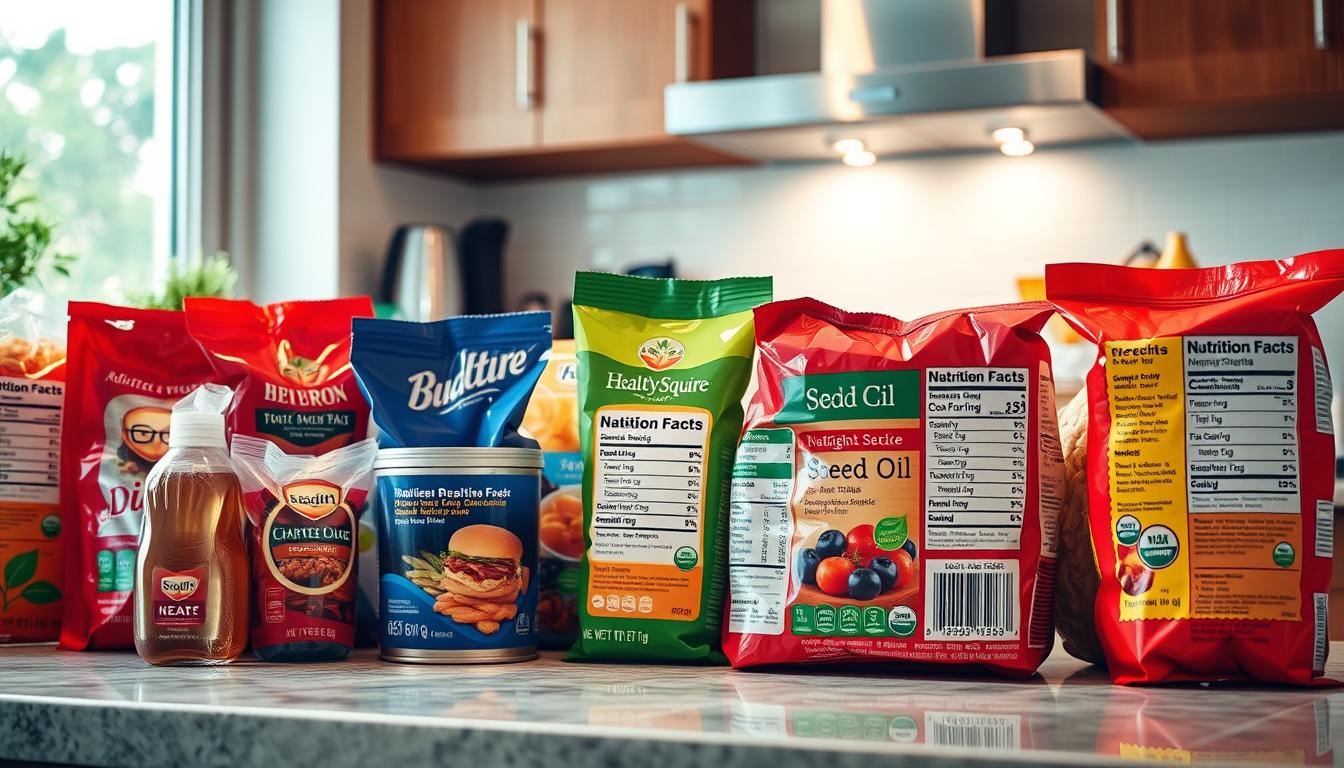
Ingredient List Tricks
Companies split seed oils into different names to hide them. A “vegetable oil blend” might include sunflower, safflower, and soybean oils. These are hidden under one name.
Multiple Oil Listings Strategy
Be on the lookout for these signs:
- “And/or” labeling lets them swap in cheaper oils
- Fractionated oils like soybean and palm kernel oil are listed separately
- They weigh oils together to list healthier ones first
Hidden Sources in Additives
Seed oils are in places you might not expect:
| Additive | Common Source | Products Found In |
|---|---|---|
| Tocopherols | Soybean oil | Cereals, granola bars |
| Lecithin | Sunflower oil | Chocolate, baked goods |
| Mono-/diglycerides | Cottonseed oil | Bread, margarine |
Marketing Deceptions
Food packaging tricks your mind. A 2023 study by Consumer Reports found 78% of “heart-healthy” products had seed oils.
“Heart Healthy” Claims Examined
The FDA lets products with low saturated fat use this label. But it doesn’t check the PUFA content. Many “healthy” dressings and spreads use this rule to hide canola or corn oil.
“Cholesterol-Free” Labeling Myths
“Even ‘cholesterol-free’ oils can raise cholesterol levels when they oxidize. The label doesn’t tell you about health effects.”
Always check certifications:
| Label | Seed Oil Allowance | Testing Frequency |
|---|---|---|
| USDA Organic | Permits expeller-pressed oils | Annual |
| Non-GMO | Allows hexane-processed oils | Biannual |
| Keto Certified | May contain MCT blends | Quarterly |
Safe Cooking Alternatives
Replacing seed oils doesn’t mean you have to give up taste or convenience. It’s about picking fats that are good for your body. Let’s look at options that keep you healthy and cook great food.
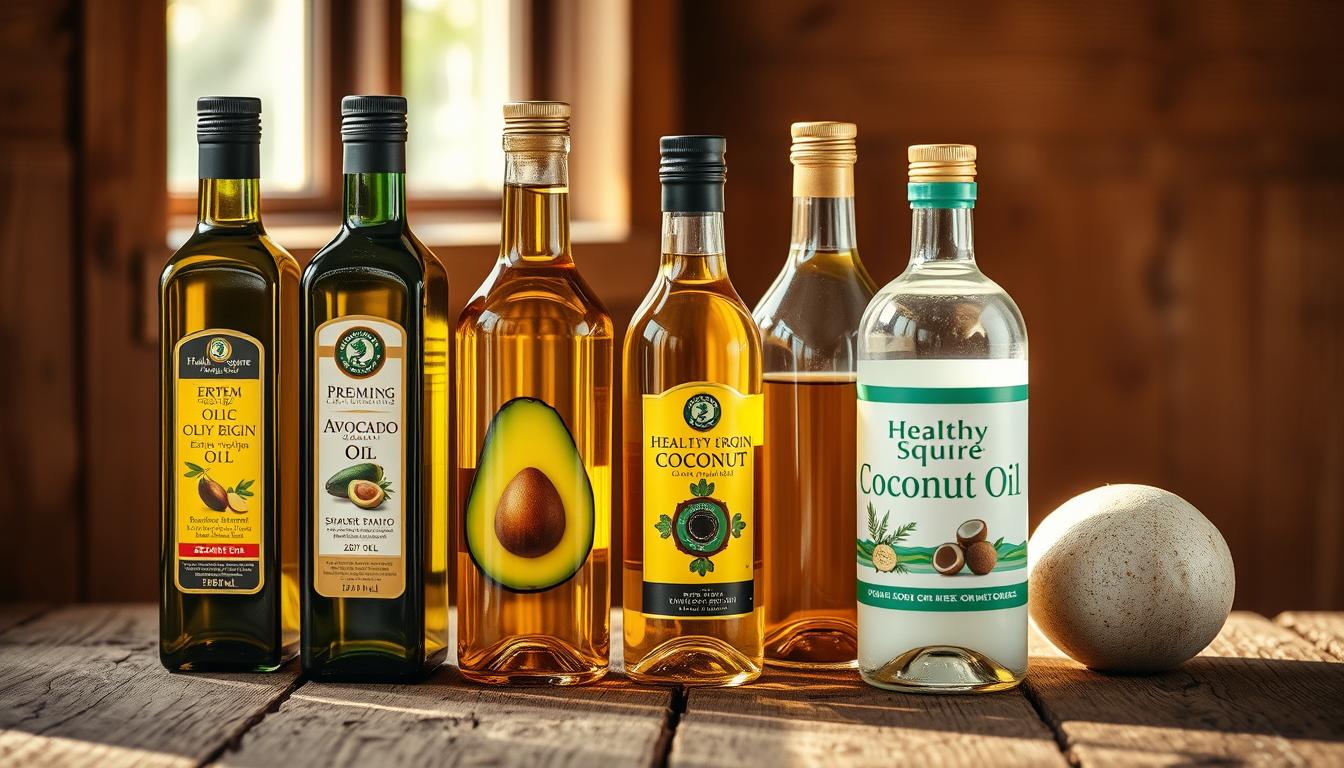
Heat-Stable Options
When cooking at high temperatures, you need oils that won’t turn bad. Avocado oil is top-notch with a smoke point of 520°F. It’s perfect for searing and frying. America’s Test Kitchen says it beats common vegetable oils in stability tests.
Avocado Oil Smoke Point Benefits
This oil tastes mild and has 70% heart-healthy fats. It keeps its nutrients when heated. A Harvard study found it’s more expensive but lasts longer because it’s more efficient.
Traditional Fats Like Ghee and Tallow
Your great-grandmother’s kitchen staples are back in style:
- Ghee (clarified butter): 485°F smoke point and rich in butyrate for gut health
- Beef tallow: Great for roasting potatoes at 420°F and has conjugated linoleic acid
To make tallow, trim beef fat into chunks, slow-cook at 250°F for 4 hours, then strain through cheesecloth.
Flavor Enhancement Choices
Some oils are best used without heat. Extra virgin olive oil is a top choice. But be careful of fake labels. True EVOO tastes peppery and comes in dark glass bottles.
Extra Virgin Olive Oil Uses
Use it as a finishing touch or mix into dressings. Studies show it’s good for brain health. But don’t fry with it because its smoke point is low (375°F).
Coconut Oil Versatility
This tropical fat adds depth to both sweet and savory dishes. Use unrefined for baking (350°F max) or refined for sautéing up to 400°F. Its fats give quick energy without raising blood sugar.
“Switching to stable cooking fats reduced my patients’ inflammation markers by 42% in six weeks.”
Detoxification Strategies
Rebuilding your health after seed oil exposure needs careful planning. It’s not about extreme cleanses or pricey “detox” products. Science-backed, gradual methods are more effective than quick fixes. Let’s look at two proven ways to help your body recover from seed oils’ harmful effects.
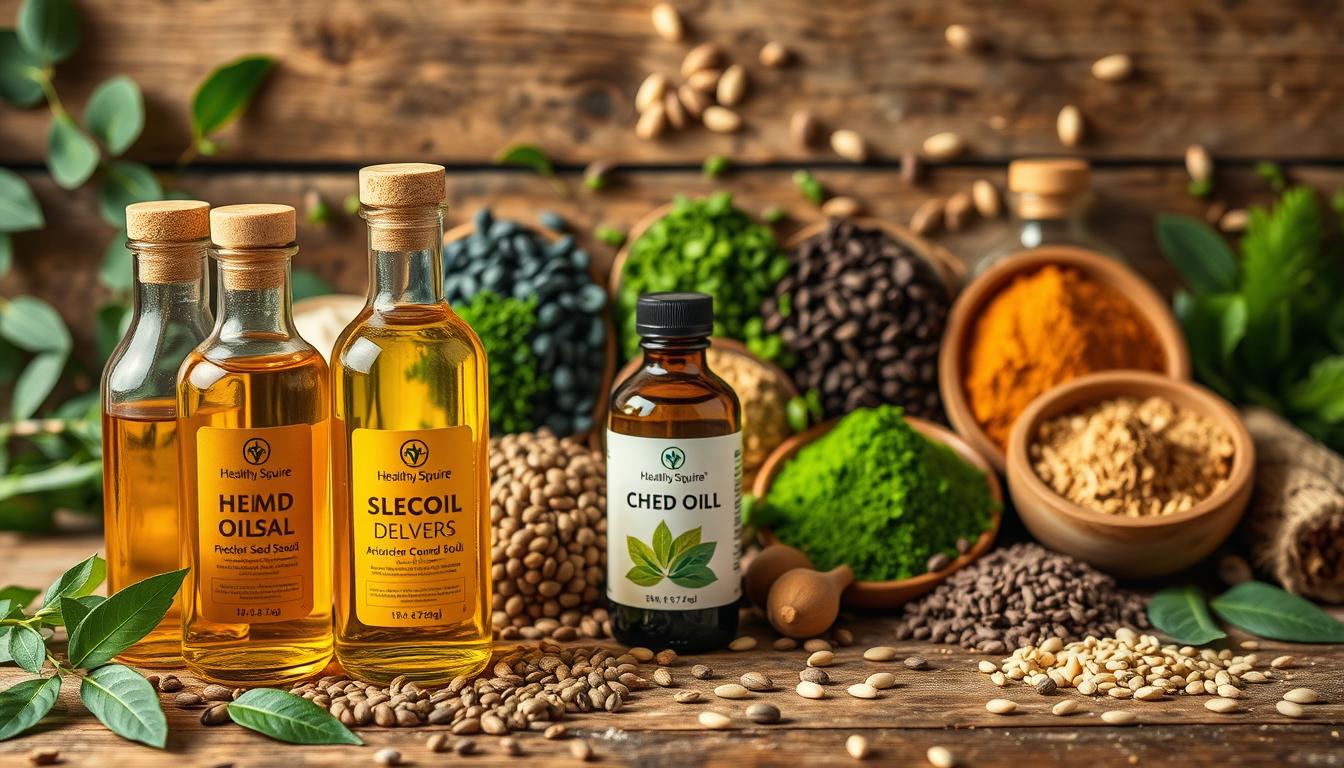
Dietary Intervention: Your Foundation for Recovery
30-Day Elimination Protocol
Begin by removing these inflammatory oils from your kitchen:
- Canola, soybean, and corn oil
- Processed foods containing “vegetable oils”
- Fried foods from restaurants
Nutrition expert Dr. Sarah Lambert suggests:
“Track your meals for the first week. You’ll quickly notice how many hidden sources contain these problematic oils.”
Anti-Inflammatory Food Emphasis
Replace eliminated items with these healing options:
- Wild-caught salmon (3x weekly)
- Leafy greens (2 cups daily)
- Extra virgin olive oil (for cold use)
Supplement Support: Targeted Nutrition
Omega-3 Supplementation Guidelines
Counteract seed oil’s omega-6 overload with:
- 1,000mg EPA/DHA daily (NIH recommended)
- Algal oil for plant-based diets
Antioxidant Protection Stack
Boost cellular defense with:
- Vitamin E (15mg mixed tocopherols)
- Astaxanthin (4mg with meals)
- Turmeric (500mg curcuminoids)
Warning: Stay away from products promising “instant detox” results. Examine.com’s research shows most detox teas and pills lack scientific backing. Instead, focus on steady dietary improvements and quality supplements.
Reclaiming Food Sovereignty
Starting with your kitchen, you can change your community. Seed oils health risks are in many foods. Cooking at home is a way to fight back and improve health.
Home Cooking Revolution
More Americans are cooking at home, up 15% since 2020. It’s not just about saving money. It’s also a way to avoid unhealthy seed oils.
Meal Prep Efficiency Techniques
Use Sundays to prepare healthy meals:
- Batch-roast vegetables in avocado oil
- Pre-cook pasture-raised proteins
- Create homemade dressings with olive oil
Smart Kitchen Tool Investments
Get the right tools for cooking:
- Cast iron skillets for high-heat cooking
- Air fryers for less oil
- Glass containers to avoid plastic chemicals
Community Solutions
Working together can make a big difference. Here are some ways to help:
Local Farmer Partnerships
Support local farmers by:
| Farm | Traditional Fats Available | Delivery Areas |
|---|---|---|
| Green Pastures Co-op | Tallow, lard, duck fat | Midwest states |
| Sunrise Acres | Organic ghee, coconut oil | Northeast corridor |
Grassroots Education Initiatives
Change your town by:
- Free cooking classes at libraries
- Removing soybean oil from school meals
- Community gardens with education plots
“When we teach families to render their own cooking fats, we’re rebuilding food traditions corporations tried to erase.”
Your choices at home and in your community can make a big difference. Every meal you cook and every partnership you make helps create a healthier future.
Conclusion
The case against industrial seed oils is clear. They are linked to chronic inflammation, damage to mitochondria, and harm to gut health. Yet, how we react to these oils can vary greatly. This is due to our genes and how our bodies handle food.
Our food systems often put profits over people’s health. Laws and practices in the food industry make it hard to know what we’re eating. It’s not just about what we choose to eat, but also about the system that shapes our options.
There are steps we can take right now. Choose fats like ghee or coconut oil for cooking at high temperatures. Use olive or macadamia oil for dressings. Always check food labels for hidden oils like soybean, corn, and sunflower.
Supporting local farms and restaurants that use clean oils is also important. Combining these changes with detox strategies can help with omega-6 overload.
Our choices have a big impact on the market and our health. As research grows, one thing is clear: taking control of our kitchens is key. Share this information, push for change, and remember, every meal is a chance to choose better health.