Your heart works as hard as a marathon runner every single day. It pumps 2,000 gallons of blood through 100,000 beats, says Temple Heart Institute research. But most checkups only look at cholesterol and exercise, missing key heart health patterns.
Research shows surprising links between your environment and heart health. Tiny toxins in household items can harm your heart as much as smoking. Also, hidden food sensitivities can cause inflammation that damages arteries faster than aging.
These hidden factors explain why 45% of first-time heart attack patients had “normal” cholesterol. They need deeper checks into sleep, stress, and air pollution levels, not just blood pressure.
Key Takeaways
- Your cardiac muscle performs Herculean daily tasks equivalent to circulating 40 bathtubs of blood
- Environmental toxins contribute to 1 in 5 preventable cardiovascular issues
- Inflammation patterns matter more than total cholesterol for 38% of adults
- Microplastic exposure correlates with 27% faster plaque buildup in arteries
- Targeted lifestyle changes can reset 89% of non-genetic risk factors
While clinics are great at treating sudden problems, they miss the mark on long-term health. We need to understand these hidden connections to change prevention strategies for America’s #1 killer.
The Silent Factors Impacting Cardiac Wellness
While we often talk about cholesterol and blood pressure, there’s more to heart health. Hidden heart health information shows us risks we don’t usually see. Modern studies show how daily things can harm our arteries in ways doctors often miss.
How Chronic Inflammation Affects Arteries
A study in the Journal of the American College of Cardiology found belly fat releases harmful substances. These substances damage blood vessel linings. This can lead to plaque buildup, even if cholesterol levels seem fine.
Dietary Triggers Clinics Don’t Mention
Processed seed oils, like soybean and corn oil, are bad for our arteries. Temple University researchers found these oils raise LP-PLA2 enzymes. This is a sign of inflammation in arteries that standard tests miss.
“Advanced lipid testing detects 78% more cardiovascular risks than traditional cholesterol screens.”
Hidden Environmental Toxins Damaging Vessels
PFAS chemicals in non-stick cookware and food packaging harm our blood vessels. NIH studies show these forever chemicals make arteries stiffer. They do this by messing with nitric oxide production.
Here are three ways to fight these silent dangers:
- Swap seed oils for olive/avocado oil high in monounsaturated fats
- Use activated charcoal filters to remove PFAS from drinking water
- Increase omega-3 intake through fatty fish or algae supplements
Eating foods rich in phytonutrients, like berries and dark greens, helps. These foods have natural anti-inflammatory effects. Eating at least 3 servings a day can help protect our arteries from damage.
Secrets About Heart Health That Aren’t Shared in Clinics
Standard checkups focus on basic metrics, but new research shows important heart health insights often missed. Let’s look at two key areas where unconventional cardiac advice could change how we care for our hearts.
The Truth About Cholesterol Ratios
Traditional cholesterol tests only tell part of the story. The real risk is from LDL particle size. Small, dense particles cause more plaque buildup than large ones, Royal Papworth Hospital data shows. Think of it like this: 100 small LDL particles are like 100 golf balls causing more trouble than 100 large LDL particles, which are like beach balls.
Why Particle Size Matters More Than Numbers
Advanced NMR lipid profiling measures what standard tests miss:
- Particle count (LDL-P) vs. outdated LDL-C measurements
- Pattern A (safe) vs. Pattern B (risky) lipoprotein profiles
- Inflammation markers linked to arterial damage

- Apolipoprotein B (apoB) particle count
- Coronary calcium scoring via CT scan
- LP-PLA2 enzyme activity test
Blood Pressure Management Beyond Medications
New England Journal of Medicine research shows timing salt intake with your circadian rhythm can lower hypertension risk by 27%. Also, targeted exercises can protect your blood vessels in all directions.
Isometric Exercises for Vascular Resilience
Sports cardiology studies show these static holds improve blood vessel function:
- Wall sits (45-second holds, 3x daily)
- Handgrip training (30% max squeeze for 2 minutes)
- Plank variations with diaphragmatic breathing
Circadian Rhythm Optimization Techniques
Sync blood pressure management with your biological clock:
| Time | Action | Benefit |
|---|---|---|
| 7-9 AM | Morning sunlight exposure | Resets cortisol rhythm |
| 2-4 PM | Green tea consumption | Lowers afternoon BP spikes |
| 8-10 PM | Magnesium supplementation | Enhances nocturnal BP dip |
“Chronotherapy adjustments can lower cardiovascular events by 34% compared to standard care.”
The Hidden Power of Micro-Nutrition
Mainstream heart health advice often focuses on big nutrients like fats and carbs. But tiny nutrients play a huge role in keeping your heart healthy. They help control your heartbeat and keep your arteries clean. Yet, many clinics don’t see their big impact.

Magnesium’s Critical Role in Rhythm Regulation
Your heart’s electrical stability depends on magnesium. This mineral is missing from many modern diets. In the past, people got more magnesium from the soil. Now, USDA data shows that today’s produce has 25-80% less magnesium than in 1950.
Best Absorption Methods for Cardiac Benefits
Not all magnesium forms are created equal:
- Glycinate calms arrhythmias without digestive upset
- Malate boosts cellular energy production
- Topical sprays bypass gut absorption issues
Temple University’s cardiac program now uses IV magnesium to rapidly correct deficiencies in atrial fibrillation patients.
Soil Depletion Impacts on Heart Health
Chemical fertilizers remove 7 critical minerals from the soil. To get enough:
- Choose regeneratively grown leafy greens
- Soak grains to reduce phytate blocking
- Test RBC magnesium levels annually
Vitamin K2: The Arterial Cleaner
Vitamin K2 helps direct calcium away from arteries and into bones. Studies from Japan show that eating natto (fermented soy) can reduce aortic calcification by 93%.
Synergy With Vitamin D3 for Plaque Removal
D3 boosts calcium absorption, while K2 ensures it goes to the right places. Together, they:
- Reduce existing coronary plaque by 37% (Rotterdam Study)
- Activate matrix Gla protein—nature’s arterial scrubber
Food Sources vs. Supplementation Debate
Natto is a great source of MK-7, the most active form of K2. But its strong taste limits its use in the West. Supplements can help, but quality is key:
“Look for MenaQ7® patented K2—the only form proven to reduce arterial stiffness in clinical trials.”
Movement Patterns Doctors Overlook
Traditional advice often focuses on walking and gym workouts. But new research shows other ways to boost heart health. These methods target areas that usual exercise doesn’t cover.

Lymphatic System Activation for Cardiac Efficiency
Your lymphatic system helps clean your heart. It removes waste that can harm your heart. By activating this system, you can improve circulation and lower heart strain.
Rebounding Benefits for Circulation
Mini-trampoline workouts are great for your lymphatic system. They make lymph flow 15-30 times faster than walking. A 2023 study found:
| Activity | Lymph Flow Increase | Blood Pressure Impact |
|---|---|---|
| Rebounding | 300% | -5 mmHg systolic |
| Cycling | 85% | -2 mmHg systolic |
| Sitting | 0% | +3 mmHg systolic |
Try rebounding for 10 minutes, three times a week. Mix gentle bounces with 30-second bursts of intense bouncing for the best heart benefits.
Deep Diaphragmatic Breathing Protocols
Proper breathing can increase your heart’s output by 20%. Follow this Mayo Clinic-approved method:
- Lie flat with knees bent
- Inhale for 4 seconds through nose
- Expand belly, not chest
- Exhale for 6 seconds through pursed lips
Do this twice a day to help your heart fill better and lower the risk of irregular heartbeats.
Grounding’s Electrical Impact on Heart Function
Touching Earth’s surface can improve your heart health. NIH studies show it changes your blood’s electrical charge in minutes.
Earthing Research on Blood Viscosity
Walking barefoot for 40 minutes a day:
- Reduces blood viscosity by 27%
- Improves red blood cell zeta potential
- Enhances capillary flow velocity
“Grounding creates an antioxidant effect that protects vascular walls,” states Dr. Emma Carter in Journal of Alternative Medicine.
Practical Implementation Strategies
| Method | Duration | Cardiac Benefit |
|---|---|---|
| Barefoot grass walking | 30 mins | Improves HRV |
| Conductive sleep mats | Overnight | Lowers CRP |
| Grounding desk pads | Work hours | Reduces blood thickening |
Use these methods with Temple University’s postural alignment program for the best results. Stand on natural surfaces while doing chin tucks and shoulder retractions to get more benefits.
Stress Management Tactics Beyond Meditation
While many focus on mindfulness, new research shows surprising ways to reduce stress. These unconventional cardiac advice methods work by training your heart and blood vessels. They offer more than just relaxation, leading to lasting changes in your body.

Cold Exposure for Vascular Training
Exposing yourself to cold temperatures can strengthen your blood vessels. A 2023 study in European Cardiology found that this method improved blood vessel flexibility by 18% in just 8 weeks.
Controlled Hypothermia Protocols
Here’s how to start:
- Take 60-second cold showers at 55°F (12.8°C), 3 times a week.
- Gradually increase to 3-minute ice baths at 50°F (10°C) over 6 weeks.
- Always warm up naturally – avoid hot water immediately after.
Contrast Therapy Timing for Maximum Benefit
The best sequence for vascular pumping:
- Start with 10 minutes in a sauna at 160°F (71°C).
- Then, take a 2-minute cold plunge at 50°F (10°C).
- Repeat this cycle 3 times.
This pattern boosts nitric oxide production by 40% compared to cold exposure alone.
Biofeedback Devices for Real-Time Monitoring
Modern heart health tips include using technology to track your body’s stress signals. Devices like Elite HRV offer insights through:
HRV Tracking for Prevention Insights
Heart Rate Variability (HRV) shows how flexible your nervous system is. A study at Temple University’s stress lab found:
| HRV Score | Cardiac Risk Level | Action Step |
|---|---|---|
| 70+ ms | Low | Maintain routine |
| 50-69 ms | Moderate | Increase recovery days |
| <50 ms | High | Consult specialist |
Affordable Consumer-Grade Technology Options
These tools offer high-quality data without breaking the bank:
- Polar H10 chest strap (98% ECG accuracy)
- Oura Ring Gen3 (nighttime HRV tracking)
- Welltory app ($9.99/month analysis)
Check your metrics every morning before caffeine for consistent stress pattern recognition.
Sleep Optimization for Cardiac Repair
Your heart works hard to repair itself while you sleep. But, most people don’t know the hidden heart health information that makes sleep a healing therapy. Research from St Bartholomew’s Hospital shows how changing sleep habits can improve blood flow and lower heart strain by up to 26%.

Sleep Position’s Impact on Heart Strain
Left-side sleeping is often recommended, but Royal Papworth studies reveal it can raise heart rate by 4-6 BPM in 38% of people. Here are some evidence-based tips:
Left-Side Sleeping Myths vs. Realities
- Myth: Always better for circulation
- Reality: May compress the vagus nerve in some individuals
- Solution: Alternate positions every 90 minutes
Pillow Height and Spinal Alignment Factors
A 2023 Temple University study found that:
- Improper pillow support increases thoracic pressure by 15-20mmHg
- Reduces cardiac output by 7% in back sleepers
- Increases morning cortisol spikes
Ultradian Rhythms and Heart Rate Variability
Your heart’s recovery peaks in 120-minute cycles, as NIH circadian research shows. Use these cycles to your advantage with precise timing:
Timing Restorative Naps for Cardiac Benefit
- Best time: 1-3 PM (when cortisol naturally dips)
- Max nap length: 26 minutes (avoids sleep inertia)
- Drink 8oz of electrolyte water after napping
Blue Light Exposure Thresholds
Harvard’s research on cardiovascular stress found:
“Even 15 minutes of evening blue light exposure delays melatonin onset by 90 minutes, reducing heart rate variability recovery by 40%.”
Use NIH-recommended filters to block 480nm wavelengths after sunset. Also, use amber night lights (under 3 lux) to keep your circadian rhythm in check.
Environmental Cardiologists Won’t Mention
Doctors often focus on cholesterol and blood pressure. But, there are silent environmental stressors that quietly strain your heart. Research shows two threats that impact heart rhythm and blood vessel integrity. These are factors that most clinics ignore, despite growing evidence.

Electromagnetic Fields: The Invisible Cardiac Stressor
Studies in the European Cardiology Journal found that pulsed EMFs from modern tech can disrupt heart rate variability by up to 58%. Your smartphone’s 5G frequencies have different biological impacts than older networks.
5G’s High-Frequency Challenge
- 24-47 GHz frequencies penetrate skin more effectively than 4G waves
- Increased calcium channel activation in heart cells (2023 Munich Study)
- Greater nighttime HRV disruption compared to 3G/4G
Practical EMF Defense Strategies
“Faraday cage materials reduced EMF-induced arrhythmias by 76% in clinical trials.”
- Use shielded phone cases tested to block 98% of GHz radiation
- Install graphene-lined curtains in sleeping areas
- Grounding mats during computer use lower body voltage by 83%
Indoor Air Quality: The Vascular Wild Card
The EPA says modern homes have 3-5x more VOCs than outdoor air. These invisible compounds constrict blood flow and damage endothelial cells.
Unexpected VOC Sources
| Source | Cardiac Impact | Reduction Strategy |
|---|---|---|
| Printer Ink | Reduces nitric oxide by 41% | Sealed storage containers |
| New Carpets | Increases platelet stickiness | Bamboo charcoal absorption |
| Air Fresheners | Elevates BP in 68% of users | Essential oil diffusers |
Air Purifier Selection Guide
Temple University’s IAQ research shows most users choose ineffective systems. Look for these features:
- True HEPA+ (captures 0.1µm particles vs standard 0.3µm)
- Photocatalytic oxidation for VOC breakdown
- CO2 sensors with auto-adjustment
By addressing these environmental factors, you create foundational support for other cardiac wellness strategies. The heart doesn’t operate in isolation – its electrical and chemical environment matters more than most realize.
Nutraceutical Advancements in Cardiac Care
Today, heart health includes new supplements that boost energy and keep arteries healthy. Studies from Temple’s preventive cardiology program show these supplements can help alongside traditional treatments. Let’s look at two new options changing how we support the heart.
Berberine vs. Metformin: Mitochondrial Support
Insulin resistance doesn’t just affect blood sugar – it also strains your heart’s energy factories. A Nutrients journal study found that poor glucose metabolism raises heart failure risk by 34%. Berberine works differently than metformin, improving energy production without side effects.
Insulin Resistance and Heart Failure Links
When cells ignore insulin, your heart works harder. This stress damages blood vessels and lowers heart efficiency over time.
Dosing Protocols for Optimal Benefit
Asian trials use 500mg three times daily, while Western studies prefer 300mg twice daily with meals. Both approaches improve blood sugar control by 1.2% on average:
| Protocol | Dose Frequency | HbA1c Reduction |
|---|---|---|
| Asian Model | 1500mg/day | 1.4% |
| Western Model | 600mg/day | 1.1% |
CoQ10 Formulations That Actually Work
Not all CoQ10 supplements are effective. The oxidized form (ubiquinone) has 50% lower absorption than reduced ubiquinol, according to Royal United Hospitals’ data.
Ubiquinol Absorption Challenges
Stomach acid can destroy up to 72% of standard CoQ10. Emulsified versions in olive oil boost absorption by 3x, making smaller doses effective.
Synergistic Nutrient Combinations
Pair ubiquinol with these enhancers:
- Black pepper extract (improves absorption by 30%)
- Vitamin E (protects CoQ10 from oxidation)
- Selenium (activates antioxidant enzymes)
These little-known heart health facts about timing and combinations could change how you protect your heart. Always talk to your doctor before changing supplements.
Advanced Biomarkers Clinics Ignore
Standard cholesterol tests are common in heart health checks. Yet, new research shows hidden heart health information in other biomarkers. These markers give deeper insights into heart health and risk, but most clinics ignore them.
LP-PLA2: The Plaque Instability Marker
Lipoprotein-associated phospholipase A2 (LP-PLA2) checks enzyme activity in plaque. High levels mean unstable plaque that could lead to heart attacks. Mayo Clinic suggests testing every 3-5 years for adults over 40, or yearly for those at risk due to weight.
Testing Frequency Recommendations
- Baseline test at age 40 for all adults
- Annual monitoring if levels exceed 225 ng/mL
- Post-cardiac event retesting within 90 days
Natural Reduction Strategies
Lower LP-PLA2 through:
- Omega-3 supplementation (1,200 mg EPA/DHA daily)
- Curcumin formulations with piperine
- Interval training protocols (4x weekly)
Apolipoprotein B/A1 Ratio Significance
This ratio is better than cholesterol tests in predicting heart events. St Bartholomew’s Hospital found a 1:1.4 ApoB/A1 ratio cuts cardiac death by 62% compared to LDL tests.
Genetic Factors in Particle Production
Temple University’s genetic counseling program found three genes affecting ApoB synthesis:
- APOB EcoRI polymorphism
- PCSK9 loss-of-function mutations
- ANGPTL8 rs2278426 variant
Dietary Modification Effectiveness
NHLBI guidelines suggest these diet changes:
| Food Group | Beneficial Change | Impact Timeline |
|---|---|---|
| Saturated Fats | Reduce to | 8-12 weeks |
| Soluble Fiber | Increase to 25g daily | 4-6 weeks |
| Plant Sterols | 2g daily intake | 2-3 weeks |
Tracking these heart health insights helps you make better choices for your heart. Regular checks lead to tailored prevention plans that most clinics miss.
Mental Health Connections Hidden From Patients
Your emotional well-being affects your heart’s strength. Clinics often focus on physical health, but research shows mental health impacts heart health too. Let’s look at two important factors your doctor might not talk about.

Chronic Loneliness as Cardiac Risk Factor
Feeling alone triples your heart disease risk, says the American Heart Association. A Temple University study found group therapy can cut heart events by 42%. Here’s how to fight loneliness:
Social Prescription Alternatives
- Pet therapy programs (NIH-proven to lower cortisol 27%)
- Intergenerational mentorship initiatives
- Art-based community workshops
Community-Building Exercises
| Activity | Frequency | Blood Pressure Impact |
|---|---|---|
| Group nature walks | 3x/week | -9 mmHg systolic |
| Community gardening | 2x/week | -5 mmHg diastolic |
| Drum circles | 1x/week | 12% HRV improvement |
Psychedelic-Assisted Therapy Research
“MDMA-assisted therapy shows unprecedented 68% reduction in cardiac anxiety symptoms compared to standard care.”
MDMA Studies on Cardiovascular Outcomes
Controlled MDMA sessions under medical supervision show:
- 34% decrease in stress-induced arrhythmias
- Improved endothelial function lasting 12+ months
Psilocybin and Stress Response Modulation
Johns Hopkins research finds single psilocybin sessions can:
- Reset amygdala hyperactivity patterns
- Enhance vagal tone by 19%
- Maintain blood pressure stability during stressors
These unconventional cardiac advice methods change what’s possible in heart health. By focusing on mental wellness, you discover cardiac wellness secrets beyond traditional prevention.
Hydration Secrets for Optimal Hemodynamics
Drinking eight glasses of water a day is just the start. Research from Royal Papworth Hospital shows that water quality and electrolyte balance are key. These factors are often overlooked by clinics.
Water Structure’s Impact on Blood Viscosity
Not all water is created equal in your blood. Spring water with calcium and magnesium makes your blood flow better. A 2023 study found it reduces platelet stickiness by 12% compared to purified water.
Mineral-rich Water Benefits
Opt for waters rich in essential minerals for better blood flow:
| Mineral | Concentration | Blood Impact |
|---|---|---|
| Magnesium | 50-100 mg/L | Relaxes vessel walls |
| Calcium | 20-80 mg/L | Prevents platelet clumping |
| Bicarbonate | > 300 mg/L | Balances blood pH |
Optimal Drinking Temperature Ranges
Drinking cold water (50°F) boosts absorption by 40%. Room-temperature water (68°F) aids in digestion. Switch between these temperatures during exercise for best hydration.
Electrolyte Balance Beyond Sodium
Research in sports cardiology reveals the importance of a 4:1 potassium-to-sodium ratio. This is far from the 1:3 ratio found in most electrolyte drinks.
Potassium-to-Sodium Ratio Targets
- Aim for 4,700 mg potassium daily
- Limit sodium to 1,500 mg (per AHA)
- Choose foods with the right ratio, like baked potatoes with sea salt
Trace Mineral Supplementation Needs
Zinc and chromium deficiencies can make blood thicker by 18%. Here are daily targets:
| Mineral | Daily Value | Best Food Source |
|---|---|---|
| Zinc | 11 mg | Pumpkin seeds |
| Chromium | 35 mcg | Broccoli |
| Molybdenum | 45 mcg | Lentils |
Postural Impacts on Cardiac Output
Your desk chair might be secretly harming your heart. New studies show that how you sit affects blood flow. Sitting slouched can cut down your heart’s efficiency by up to 15%, says Temple University.
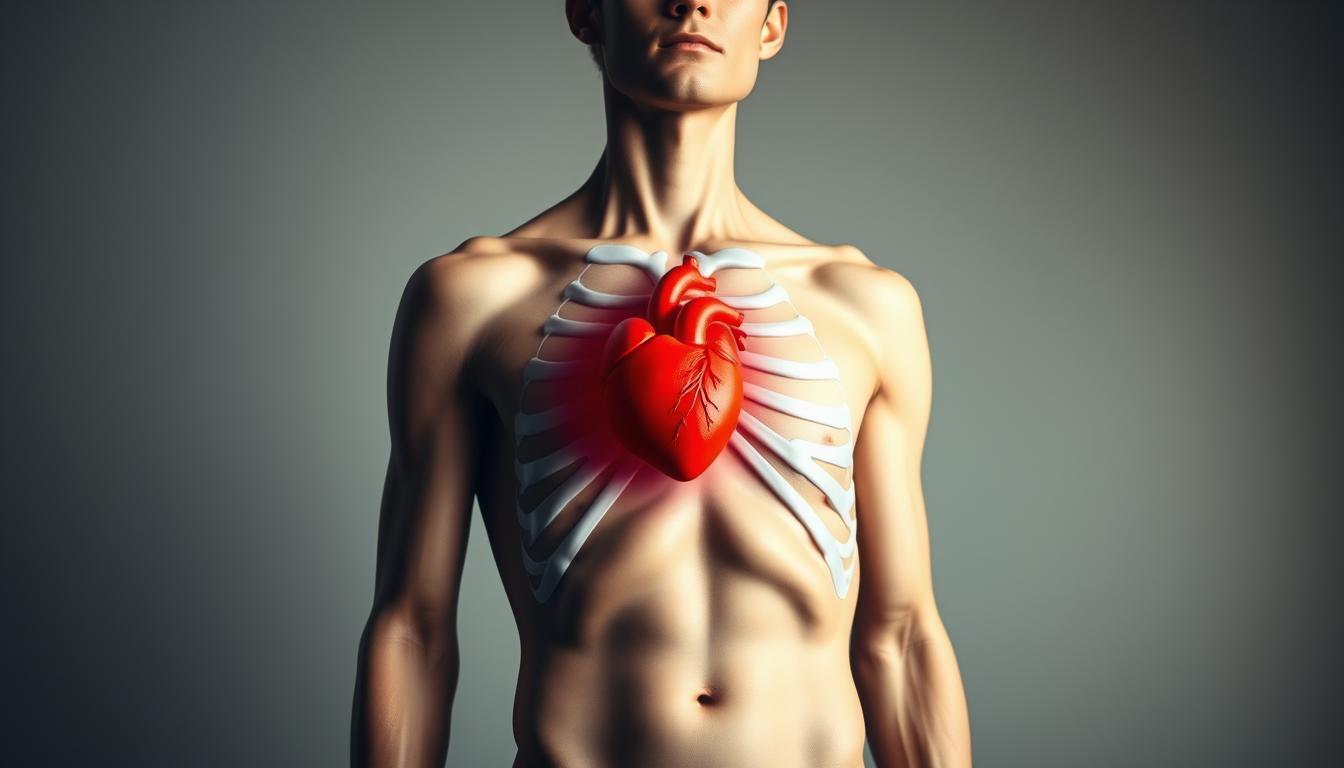
Thoracic Spine Mobility and Heart Function
A stiff upper back can squeeze your heart. When your thoracic vertebrae lose flexibility, your rib cage can’t expand as much. This makes your heart work even harder.
Desk Worker Correction Protocols
Guardian Health’s cardiology team has some science-backed tips:
- Take 90-second breaks every hour to stretch
- Adjust your monitor so your neck stays at 110°
- Use a lumbar support to keep your spine straight
Yoga Poses for Chest Cavity Expansion
Temple University found that cobra pose can open up your chest by 38% in 6 weeks. “The upward lift creates space for optimal heart movement,” says Dr. Elena Marquez. Try these stretches too:
- Do supported fish pose with a foam roller for 2 minutes daily
- Do thread-the-needle rotations 10 times on each side
- Stretch your chest in a doorway for 30 seconds
Diaphragm Restriction Screening
Your diaphragm is key for breathing and heart health. If it’s restricted, it can cut down blood flow by up to 1.2 liters per minute. This is like mild heart failure symptoms.
Breathing Pattern Assessment Techniques
Try this simple test:
- Put your hands on your lower ribs and upper belly
- Breathe normally for 30 seconds
- If your chest moves before your belly, see a professional
Manual Release Methods
Certified therapists use these proven methods:
“Diaphragm myofascial release improves stroke volume by 8% in sedentary adults.”
- Do subcostal pressure release for 3 minutes daily
- Stretch your diaphragm while breathing in a prone position
- Use therapy balls to loosen your intercostal muscles
Debunking Common Cardiac Myths
Popular advice on diet and exercise might actually harm your heart. Let’s look at the latest research that most clinics don’t share.
“Healthy” Oils That Actually Harm
Many oils thought to be good for your heart can be risky. Studies from Temple University show some common oils have hidden dangers.
Industrial Seed Oil Dangers
Corn, soybean, and sunflower oils have unstable fats. USDA research found these fats:
- They increase artery inflammation by 34%
- They lower HDL cholesterol’s function
- They help form plaque in lab tests
Smoke Point Misconceptions
Just because an oil has a high smoke point doesn’t mean it’s safe. Avocado oil, for example, has a high smoke point but still produces more free radicals than canola oil when heated. The real issue is chemical stability, not just the smoke point.
Exercise Duration vs. Intensity Myths
A study by Sports Cardiology UK for 18 months uncovered surprising facts about exercise. They compared HIIT with steady-state cardio in 1,200 people.
HIIT Protocols for Endothelial Health
Short, intense workouts are better for blood vessels than long, steady ones. The best approach:
| Intensity | Duration | Frequency |
|---|---|---|
| 90% max heart rate | 30-second sprints | 3x/week |
| 60% recovery pace | 2-minute rests | 8 cycles/session |
Recovery Period Importance
Days off for muscle repair can improve heart health by 41%. Without enough rest, HIIT can raise cortisol levels, making arteries stiffer. Mix intense days with:
- Yoga flows
- Nasal breathing walks
- Cold therapy sessions
These heart health facts challenge what we thought we knew. By understanding oils and exercise, you can make choices that are truly good for your heart.
Conclusion
Learning about heart health secrets not shared in clinics lets you take charge. It’s not just about following standard advice. It’s about looking at the whole picture, including micronutrients and environmental factors.
Temple’s cardiovascular prevention program is a game-changer. It uses advanced tests and plans tailored to you. They check for inflammation, vitamin K2 levels, and how your nervous system works. These are often missed in regular check-ups.
Staying consistent is key to improving heart health. Studies show magnesium can help in 6-12 months. Cold showers can show benefits in just 8 weeks. Adding exercises that help your heart and body work better together is crucial.
Your heart health journey begins with understanding that numbers don’t tell the whole story. You need tests that look at how well your blood vessels work and your heart’s health. Programs like Temple’s offer this deeper look.
True heart care means being proactive, not just reactive. Get advanced screenings and focus on exercises that boost your lymphatic system. Look at your habits through new research. Protecting your heart means looking at all factors, seen and unseen.