Did you know your immune system attacks healthy cells in 60% of modern adults? This happens because of unresolved biological responses. It leads to four out of five deaths from heart conditions, diabetes, and neurological disorders worldwide.
Your body’s defense mechanism works like a double-edged sword. It heals injuries and fights infections in the short term. But if it lasts too long, it causes tissue damage and organ dysfunction.
Many people don’t know their fatigue, joint discomfort, or digestive issues might be signs of an overactive immune reaction. Unlike visible swelling from a sprained ankle, these imbalances often go unnoticed for years.
Daily habits have a big impact. Sleep patterns, food choices, and stress levels affect whether your immune response is helpful or harmful. Even small things like mild dehydration or exposure to pollutants can make a difference.
Key Takeaways
- Biological defense mechanisms serve dual purposes in wellness and illness
- Persistent immune activation links to heart conditions, metabolic disorders, and cognitive decline
- Early warning signs often mimic general fatigue or mild discomfort
- Lifestyle factors significantly influence cellular stress levels
- Balancing immune responses requires proactive daily strategies
Understanding Inflammation Basics
Your body’s inflammation response is like a smart alarm system. It’s vital for survival but can be harmful if not controlled. This process sends white blood cells and cytokines to fight off injuries or infections.
Acute inflammation helps heal injuries or fight off the flu. But, problems start when it gets too active or doesn’t stop.

Defining Inflammation’s Biological Role
When you get hurt, like with a paper cut, your immune system springs into action fast. It sends histamines to increase blood flow, causing redness and swelling. Neutrophils and macrophages then work together to destroy invaders and clean up debris.
This team effort:
- Isolates harmful substances
- Initiates tissue repair
- Prevents spread of infection
But, when inflammation lasts too long, it can harm your health. Chronic low-grade inflammation may not show signs but can damage organs slowly.
The Double-Edged Sword of Immune Response
Your immune system can sometimes overreact to harmless things like pollen or certain foods. This can lead to:
- Autoimmune disorders (body attacking its own tissues)
- Cytokine storms (life-threatening immune overdrive)
- Persistent joint degradation in arthritis
Research shows that long-term inflammation is linked to many health issues. These include symptoms of being overweight, heart problems, and brain decline. Being overweight can make this worse by increasing inflammation and harming insulin sensitivity and organ function.
Learn more about the symptoms of being overweight and how they relate to inflammation.
The Truth About Inflammation and Chronic Disease
Research shows a shocking fact: nearly 60% of deaths worldwide come from inflammation-driven conditions, WHO data says. This silent process doesn’t just cause short-term pain. It fuels chronic diseases that fill our healthcare systems. Let’s look at the evidence and signs that show this hidden threat.

Scientific Evidence Connecting Systemic Inflammation to Disease
A 2023 New England Journal of Medicine study found that high inflammation triples your risk of getting two chronic conditions in five years. A 2017 study by the American Heart Association showed:
- CRP levels over 3 mg/L raise heart attack risk by 45%
- High IL-6 levels signal diabetes 8 years before symptoms appear
- High TNF-α speeds up joint damage in 78% of arthritis cases
“Chronic inflammation is the common cause of today’s major diseases. It’s crucial to measure and manage it to prevent these diseases.”
Key Inflammatory Markers in Common Conditions
Doctors use certain biomarkers to check your inflammation and disease risks. Here are the important levels you should know:
| Marker | Healthy Range | High-Risk Threshold | Linked Conditions |
|---|---|---|---|
| CRP | 0-3 mg/L | >3 mg/L | Heart disease, stroke |
| ESR | 0-20 mm/hr | >30 mm/hr | Autoimmune disorders |
| IL-6 | 0-5 pg/mL | >10 pg/mL | Diabetes, depression |
| TNF-α | 0-8 pg/mL | >15 pg/mL | Arthritis, Crohn’s |
Small increases in these markers can greatly affect disease risk. For example, CRP levels between 3-10 mg/L mean a 160% higher risk of artery buildup than levels below 1 mg/L. Regular checks can catch these changes early, preventing lasting damage.
Types of Inflammation: Acute vs. Chronic
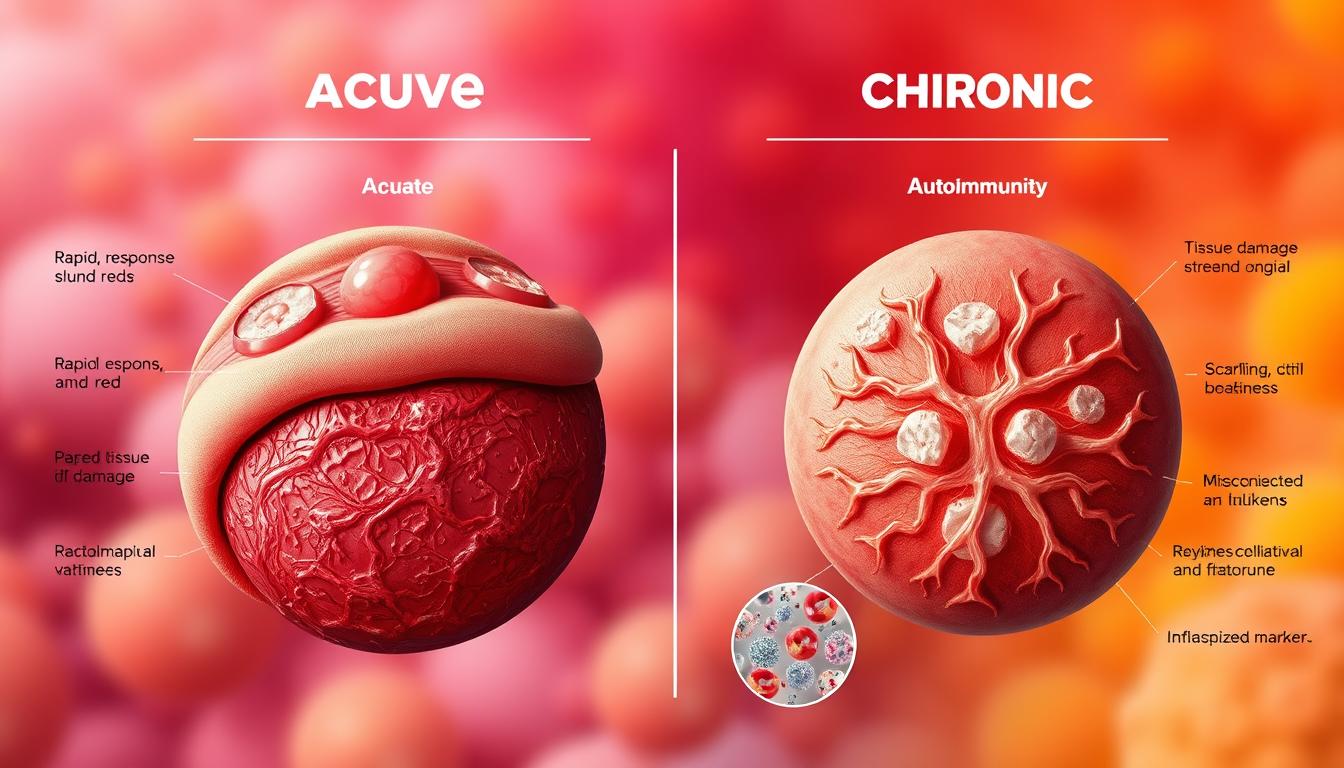
Inflammation is like a fire alarm in your body. It’s protective when controlled but harmful if not. Acute inflammation is like a quick fix, while chronic inflammation is like a never-ending problem. Knowing the difference helps you understand when your body is healing right or wrong.
Characteristics of Acute Inflammatory Responses
Acute inflammation is your body’s fast response team. It shows up quickly to fix injuries or infections. You’ll see redness, swelling, and warmth at the site.
For example, when you sprain an ankle, swelling helps protect it. Blood flow brings nutrients for healing. Acute responses follow a clear pattern:
- Short duration (hours to days)
- Specific to injury/infection sites
- Self-limiting resolution
When Inflammation Becomes Persistent and Damaging
Chronic inflammation happens when the “all-clear” never comes. Immune cells keep attacking healthy tissues. This is like security guards always on the attack.
Three main things keep chronic inflammation going:
- Continuous exposure to irritants (toxins, stress)
- Failed resolution pathways
- Altered immune cell communication
Transition Points From Healing to Harm
The switch from acute to chronic inflammation is often silent. Low-grade inflammation, or inflammaging, causes tissue damage over time. Look out for these signs:
- Fatigue that lasts longer than it should
- Pain without a clear cause
- New sensitivities to foods or environments
Your genes, environment, and lifestyle choices affect inflammation. Early action can stop damage to organs and functions.
Common Causes of Chronic Inflammation
Your body’s inflammatory response is meant to protect you. But modern life has introduced triggers that keep it overactive. Let’s look at four main factors that cause ongoing inflammation. These are things you face every day without knowing their impact.

Modern Diet and Food Sensitivities
Ultra-processed foods now make up 60% of the average American diet, according to BMJ research. These foods often have emulsifiers and artificial sweeteners that change your gut bacteria. This change lets harmful microbes release inflammatory compounds into your blood.
Hidden food sensitivities also play a big role. Unlike immediate allergies, these reactions to gluten, dairy, or additives can take days. A 2023 study found 72% of people with unexplained inflammation had sensitivity to common food chemicals.
Environmental Toxins and Pollution Exposure
Your lungs and skin take in more pollutants than you think. PM2.5 particles from vehicle exhaust and wildfires get deep into your lungs, starting inflammation. Urban residents have 23% higher CRP levels (a key inflammation marker) than rural people, according to Rand Corporation data.
Everyday exposures add up:
- Phthalates in plastic food containers
- Volatile organic compounds from cleaning products
- Pesticide residues on non-organic produce
Chronic Stress and Sleep Deprivation
Constant stress makes cortisol receptors less responsive. This “cortisol resistance” lets inflammation go unchecked. Just one week of poor sleep raises IL-6 levels by 40%, University of Chicago studies show.
Night shift workers show this clearly. Their disrupted circadian rhythms lead to systemic inflammation rates 58% higher than day workers, creating long-term disease risks.
Sedentary Lifestyle and Obesity Connections
Muscles release anti-inflammatory myokines when you move. But sitting for hours blocks this effect. Visceral fat acts like an endocrine organ, pumping out inflammatory cytokines like TNF-alpha. Adults with obesity have 3x higher inflammation markers than those at healthy weights.
The solution isn’t extreme exercise. Research shows moderate daily activity (like brisk walking) reduces inflammatory biomarkers by 30% within eight weeks, even without weight loss.
How Chronic Inflammation Affects Major Body Systems

Your body’s inflammatory response is like a tool for healing. But when it goes on too long, it can harm important systems. Scientists are still learning about how this happens.
Cardiovascular System: Arterial Damage and Plaque Formation
C-reactive protein (CRP) doesn’t just show inflammation; it damages blood vessel walls. Studies show that high CRP levels make artery walls sticky. This lets LDL cholesterol build up faster, leading to atherosclerosis.
Researchers at Johns Hopkins found a clear path:
- Inflammatory cytokines weaken endothelial cells
- Damaged cells attract white blood cells
- Foam cells form fatty streaks in arterial walls
This explains why eating anti-inflammatory foods can improve artery health in weeks.
Neurological Impact: Brain Fog to Neurodegeneration
Chronic inflammation makes your brain’s protective barrier leaky. Inflammatory molecules like interleukin-6 get into neural tissue, upsetting neurotransmitter balance. This leads to:
- Memory lapses you might blame on aging
- Difficulty concentrating during work hours
- Slower problem-solving speeds
Long-term exposure nearly doubles Alzheimer’s risk, according to 2023 Neurology Journal findings. Inflamed brains show faster amyloid-beta plaque formation, a sign of neurodegenerative disease.
Joint and Musculoskeletal Degradation
Persistent inflammation breaks down connective tissues like acid. Collagen fibers break down 40% faster in inflamed joints. Cartilage loses its shock-absorbing properties. Many patients first notice:
- Morning stiffness lasting over 30 minutes
- New joint noises during movement
- Reduced grip strength
Rheumatologists now use ultrasound to detect early synovial membrane thickening – a sign of joint damage.
Metabolic Disruption Leading to Diabetes
Fat cells in obese individuals release pro-inflammatory adipokines that block insulin receptors. This creates a vicious cycle:
- Inflammation induces insulin resistance
- High blood sugar fuels more inflammation
- Pancreatic beta cells become exhausted
| Marker | Healthy Range | Chronic Inflammation |
|---|---|---|
| HbA1c | <5.7% | >6.0% |
| Fasting Insulin | 2-19 μIU/mL | >25 μIU/mL |
Studies show reducing inflammation through weight loss can improve insulin sensitivity better than medications alone in early-stage diabetes.
These effects show why fighting inflammation isn’t just about treating one organ. It needs a whole-body approach. Next, we’ll look at how to spot hidden inflammation before it’s too late.
Recognizing Signs of Hidden Inflammation
Your body often whispers before it screams. Many inflammation signals are hidden, showing up as minor annoyances. Learning to spot these subtle cues can help you address imbalances before they become chronic health issues.

Subtle Physical Symptoms You Might Ignore
That lingering morning stiffness lasting more than 30 minutes? It’s not just aging. It could indicate elevated inflammatory markers. Post-meal drowsiness after eating certain foods often points to immune activation, not just digestion working overtime.
Watch for these quiet warnings:
- Persistent skin redness without clear cause
- Frequent low-grade fevers (99-100°F)
- Unexplained water retention or puffiness
Psychological Manifestations and Mood Disorders
Your brain reacts to inflammation like it’s fighting an infection. Elevated IL-1β cytokines can cloud thinking and dampen mood. Research shows people with chronic inflammation have three times higher risk of developing depressive symptoms compared to those with normal biomarker levels.
Common mental health red flags include:
- Uncharacteristic irritability
- Memory lapses that worry you
- Loss of motivation for favorite activities
Energy Levels and Chronic Fatigue Patterns
Feeling drained despite adequate sleep? Inflammation disrupts cellular energy production by impairing ATP synthesis in mitochondria. Track your energy slumps – consistent afternoon crashes or “second wind” episodes at night often reveal inflammatory patterns.
Key indicators include:
- Needing caffeine to complete basic tasks
- Exercise leaving you exhausted for days
- Weekend recovery naps becoming essential
Diagnostic Tools for Measuring Inflammation
Accurate inflammation detection needs precise tools. Modern medicine offers many ways to measure it. From routine blood work to advanced imaging, knowing which tests to use is key.

Blood Tests: CRP, ESR, and Cytokine Panels
Standard blood tests are essential for tracking inflammation. The C-reactive protein (CRP) test shows general inflammation levels. Normal levels are below 10 mg/L.
For heart risk, high-sensitivity CRP (hs-CRP) is used. It finds small changes:
- Low risk: <1.0 mg/L
- Average risk: 1.0-3.0 mg/L
- High risk: >3.0 mg/L
Erythrocyte sedimentation rate (ESR) tracks inflammation over weeks. If standard tests are normal but symptoms persist, cytokine panels are useful. They measure IL-6 and TNF-α to find hidden immune activity.
For gut issues, calprotectin stool tests are used. They find intestinal problems that blood work might miss.
Advanced Imaging and Functional Medicine Approaches
When blood tests show inflammation but are unclear, FDG-PET scans help. They show where inflammation is active. MRI scans with contrast agents highlight inflamed areas.
Functional medicine practitioners use these tests with others. They include food sensitivity IgG testing and intestinal permeability assessments. Mitochondrial function analysis is also used.
“Combining conventional diagnostics with functional testing provides a 360-degree view of inflammatory drivers,” notes a Johns Hopkins Medicine review.
These methods help tell the difference between infection and autoimmune responses. They guide treatment plans tailored to each person.
Dietary Strategies to Reduce Inflammation

Understanding which foods fight inflammation is key. By choosing the right foods, you can make your meals work against inflammation. This approach combines science with everyday eating habits for lasting benefits.
Anti-Inflammatory Food Groups and Nutrients
Some foods can help fight chronic inflammation. Focus on these nutrient-rich foods to help your body heal.
Omega-3 Rich Foods and Their Benefits
Fatty fish like wild-caught salmon and sardines are full of omega-3s. These nutrients block inflammation and protect cells. Plant-based sources include:
- Chia seeds (5g ALA per ounce)
- Walnuts (2.5g ALA per ounce)
- Flaxseeds (1.8g ALA per tablespoon)
Phytonutrient Powerhouses: Berries and Leafy Greens
Colorful fruits and veggies are full of antioxidants. Aim for 2-3 servings daily of:
- Blueberries (rich in anthocyanins)
- Kale (packed with vitamin K and quercetin)
- Spinach (high in glutathione)
Pro-Inflammatory Foods to Eliminate
Some foods can fuel inflammation. Reduce or remove:
- Refined carbohydrates (white bread, pastries)
- Processed meats containing nitrates
- Fried foods high in advanced glycation end products (AGEs)
| Food | Preparation Method | Lectin Content |
|---|---|---|
| Tomatoes | Raw | High |
| Lentils | Cooked | Moderate |
| Avocados | Raw | Low |
Personalized Nutrition Approaches
Your anti-inflammatory diet should match your health needs. Consider:
- Existing health conditions
- Food sensitivities (try elimination diets)
- Genetic factors (consider DNA testing)
Work with a nutritionist to find your triggers and improve your diet. For example, those with arthritis might benefit from turmeric with black pepper for better absorption.
Sample 7-Day Anti-Inflammatory Meal Plan
Day 1:
- Breakfast: Chia pudding with almond milk and raspberries
- Lunch: Grilled salmon over mixed greens
- Dinner: Turmeric-roasted chicken with steamed broccoli
Switch up omega-3 sources, colorful veggies, and anti-inflammatory spices each week. Steam or poach foods to reduce AGEs.
Lifestyle Modifications for Inflammation Control

Chronic inflammation needs more than quick fixes. It calls for daily habits that help your body stay balanced. By focusing on four key areas, you build a strong defense against inflammation. This also boosts your overall health.
Exercise Prescription for Immune Balance
Research from UC San Diego School of Medicine shows that zone 2 training is best. This means exercising at 60-70% of your maximum heart rate. It:
- Increases anti-inflammatory cytokines
- Improves how your cells work
- Keeps cortisol levels in check
Try to do 150 minutes of brisk walking, cycling, or swimming each week. Stay away from too much intense exercise, as it can make inflammation worse.
Stress-Reduction Techniques That Work
Too much stress can make your body produce more inflammation. Two effective ways to handle stress are:
| HRV Biofeedback | Mindfulness Meditation |
|---|---|
| Uses real-time heart rate data | Focuses on breath awareness |
| Improves vagal tone by 34% | Reduces IL-6 by 20% |
Studies from Japan show that spending 20 minutes a day in nature can lower inflammation by 15%.
Sleep Optimization Strategies
Bad sleep can start inflammation. Make your bedroom better with:
- EMF-reducing materials (copper mesh curtains)
- Blackout shades for complete darkness
- Temperature control at 66-68°F
Try a 90-minute wind-down routine before bed without screens. This can increase deep sleep by 42% compared to sudden bedtime.
Environmental Modifications for Cleaner Living
Lower toxin exposure by:
- Using HEPA air purifiers with activated carbon filters
- Choosing glass or stainless steel for food containers
- Using natural cleaning products (vinegar, baking soda)
Check your home water for heavy metals. A 2023 EPA report found 12% of U.S. homes have too much lead.
Medical Interventions for Severe Cases
When diet and lifestyle changes don’t work, medical help is needed. Modern medicine has tools to stop harmful immune actions. We’ll look at options for severe cases and when you might need special care.

Pharmaceutical Options: Benefits and Risks
Traditional medications like methotrexate are often used first. They calm an overactive immune system but can harm the liver. Newer drugs like JAK inhibitors and IL-17 blockers target specific inflammation pathways.
| Drug Class | Best For | Key Risks |
|---|---|---|
| Anti-TNF Biologics | Rheumatoid arthritis | Increased infection risk |
| JAK Inhibitors | Moderate-to-severe psoriasis | Blood clot potential |
Biologic Therapies in Autoimmune Conditions
Biologics like adalimumab and infliximab have changed how we manage chronic diseases. These injectables:
- Reduce joint damage in 60-70% of patients
- Require regular infection screenings
- Work best with lifestyle changes
Emerging Treatments in Clinical Trials
Researchers are exploring new treatments for tough cases:
- Microbiome transplants to fix gut-immune balance
- Gene-editing to fix faulty immune genes
- Nanoparticle drug delivery systems
When to Consider Specialist Referrals
See a rheumatologist or immunologist if you have:
- Persistent joint swelling despite 3 months of treatment
- CRP levels consistently above 10 mg/L
- Unintentional weight loss with chronic pain
Getting help from specialists early can lead to better outcomes. This is especially true when many systems are affected.
Preventative Measures Against Chronic Inflammation

To stop chronic inflammation, we need to act early. This means using both science and lifestyle tips. Prevention helps keep your body’s defenses strong and ready to fight.
Early Detection and Regular Monitoring
Spotting inflammation early can stop serious harm. Experts suggest quarterly hs-CRP blood tests for those at risk. Also, consider:
- Annual vitamin D and omega-3 testing (per NCBI guidelines)
- Tracking symptoms like morning stiffness or skin flare-ups
- Using wearable devices to monitor resting heart rate variability
Building Resilient Immune Function
Your body’s defenses need ongoing support. Boost glutathione, the “master antioxidant”, with foods like broccoli and Brazil nuts. Research shows adding N-acetylcysteine supplements can raise glutathione levels by 30%.
“Optimizing micronutrient intake forms the foundation of immune resilience.” – National Center for Biotechnology Information
Community and Social Support Factors
Feeling lonely can raise inflammation as much as smoking. Blue Zones show that tight-knit social circles in Okinawa and Sardinia lower IL-6 levels. Try:
- Joining group fitness classes 3x weekly
- Scheduling regular family meals without screens
- Volunteering for community projects monthly
These methods work best together. Use hs-CRP results to tweak your diet and social life. Prevention is about building strong defenses, not being perfect.
Debunking Common Inflammation Myths

Misinformation about inflammation spreads quickly. Let’s clear up three big myths that confuse people.
“All Inflammation Is Bad” Misconception
Your body’s inflammation is like a firefighter. It’s good in emergencies but bad if it doesn’t stop. Acute inflammation helps heal injuries and fight infections.
But chronic inflammation can harm tissues over time. Suppressing all inflammation is not good. Doctors advise against long-term use of NSAIDs unless necessary.
Supplement Overpromises and Realities
Turmeric supplements claim to “crush inflammation.” But they often forget a key fact: curcumin has poor bioavailability. Without black pepper or fat, your body absorbs very little.
Even the best supplements can’t match the benefits of whole foods proven in studies.
Quick Fix Fallacies in Anti-Inflammatory Marketing
Infrared saunas and detox teas promise “inflammation reset in 7 days.” But research shows they only offer temporary relief. A 2023 study found no lasting effect on inflammation markers.
Real results come from addressing the root causes, like sleep and stress. Not quick fixes.
Knowing these myths helps you focus on proven methods. While some tools help, lasting results need lifestyle changes, not magic solutions.
Real-Life Success Stories in Inflammation Management
Seeing real results can give hope when fighting chronic inflammation. These stories show how specific actions can change lives and health for the better.
From Debilitating Pain to Active Living
A 38-year-old teacher with rheumatoid arthritis saw big changes. Her CRP levels went from 18 mg/L to 3 mg/L in six months. Her ESR sedimentation rate also improved, from 42 mm/hr to 12 mm/hr.
She followed the NCBI psoriatic arthritis weight loss study and added anti-inflammatory foods and stress management. This helped her move better and regain lost mobility.
Gut Health Transformation
A marketing executive with IBS found relief after trying a FODMAP elimination diet. She cut bloating episodes by 80%. Her calprotectin levels went from 245 μg/g to 35 μg/g in 90 days.
“Learning my trigger foods changed everything,” she said. Now, she keeps her health in check with a diet tailored just for her.
Heart Disease Reversal
A 55-year-old man with heart inflammation saw his carotid artery thickness decrease by 0.15 mm in 18 months. He used omega-3 supplements and aerobic exercise, lowering IL-6 cytokine levels by 60%.
This shows how heart health can improve with the right treatment. It shows how big of an impact chronic disease can have on life. But, with the right changes, health can get better.
These stories show it’s possible to lower inflammation with the right approach. While everyone’s journey is different, each story highlights the importance of personalized care and lifestyle changes.
Conclusion
Controlling inflammation is key to keeping us healthy as chronic diseases rise worldwide. The World Health Organization says inflammatory diseases will cause 57% of all health problems by 2030. So, managing inflammation is not just a choice, it’s a must.
Research has shown us how to fight inflammation. Eating like the Mediterranean diet can lower inflammation markers. Exercise, like strength training and cardio, boosts our immune system. Mindfulness helps control stress, which can damage cells.
Acting early is crucial for better health. Regular health checks can catch inflammation before it’s too late. Simple changes, like using air purifiers and non-toxic cleaners, can also help. Getting enough sleep, 7-9 hours a night, is also important for our health.
Self-care is a good start, but experts can offer more tailored advice. Functional medicine doctors look at your genes and gut health. Rheumatologists check for autoimmune diseases with special tests. Cardiologists use scans to see if your arteries are inflamed.
Managing inflammation now can shape your future health. Begin with small changes, like eating more omega-3s or sleeping better. If you’re tired or have joint pain, get tested. Your health depends on the choices you make today.