Every 14 minutes, an American suffers permanent organ damage from medications in their bathroom. A JAMA study shows 16,500 people die each year from NSAIDs like ibuprofen. This is more than opioid overdose deaths in some states. Yet, 81% of adults think these pills are safe, FDA data shows.
OTC pain relievers are easy to buy, right next to toothpaste. But they come with big risks. Taking acetaminophen (Tylenol) daily leads to 56% of acute liver failure cases in the U.S. Mixing aspirin with blood thinners raises stroke risk by 300% in older patients. Even short-term misuse can cause kidney failure in dehydrated people.
Recent research points out three hidden dangers:
- Liver and kidney damage from taking too much
- Deadly interactions with antidepressants and blood pressure meds
- Rebound headaches that lead to dependency
The CDC says 43% of emergency room visits for drug reactions involve OTC painkillers. Many don’t know they need a doctor’s help after 10 days of use. Your “safe” headache solution might change your DNA. Studies show chronic NSAID use changes gut bacteria, affecting immunity.
Key Takeaways
- NSAIDs cause more annual deaths than many prescription opioids
- Acetaminophen overdose is the leading cause of acute liver failure
- Mixing painkillers with common medications can triple health risks
- 45% of users exceed daily dosage limits during self-treatment
- Chronic OTC use alters gut microbiome and immune function
- Rebound headaches affect 1 in 7 frequent painkiller users
Understanding OTC Pain Relief
When you walk down the pharmacy aisle, you see many pain relief options without a prescription. But what makes these drugs “over-the-counter,” and are they safe? Let’s explore the facts about America’s most common drugs.
What Makes Painkillers “Over-the-Counter”
The FDA sorts medications by safety and misuse risk. Unlike prescription drugs, OTC ones:
- Treat conditions you can diagnose yourself
- Have lower dosage limits
- Include detailed usage instructions
FDA Classification Differences
Ibuprofen is a great example of this difference. Prescription ibuprofen can be up to 800mg per pill, but OTC is only 200mg. The FDA’s OTC Drug Facts label is your guide, listing ingredients and warnings.
| Medication | Prescription Strength | OTC Strength |
|---|---|---|
| Ibuprofen | 800mg | 200mg |
| Naproxen | 550mg | 220mg |
| Acetaminophen | 650mg | 325mg |
Only 20 active ingredients make up 95% of OTC pain relievers. The big names are:
- Acetaminophen (Tylenol)
- Ibuprofen (Advil)
- Naproxen (Aleve)
- Aspirin
Perceived Safety vs Actual Risks
About 60% of Americans think OTC drugs are safe. This belief is based on three main reasons:
Public Misconceptions About OTC Drugs
“If it’s sold everywhere, it must be safe” is a common myth. A 2022 NIH study found:
“Only 23% of users read OTC labels completely, leading to accidental overdoses and drug interactions.”
Reporting Gaps in Adverse Events
The FDA’s system catches less than 10% of OTC problems. Why?
- People don’t link symptoms to OTC use
- Doctors often miss OTCs in medical histories
- No mandatory reporting
This underreporting makes us think OTCs are safer than they are. FDA Commissioner Dr. Robert Califf says: “The absence of reports doesn’t mean absence of risk.”
The Hidden Risks Lurking in Your Medicine Cabinet
Over-the-counter painkillers seem convenient but hide risks. They can harm vital organs if not used right. This can lead to long-term health issues.
Chronic Use Consequences
Using OTC pain relief every day can harm your body. These drugs don’t have usage limits on their labels. This makes people think they’re safe, but they’re not.
Silent Kidney Damage
NSAIDs like ibuprofen affect kidney blood flow. 15% of chronic users develop reduced kidney function in five years. Symptoms like swollen ankles or fatigue are often ignored.
Liver Stress Patterns
Your liver works hard to process acetaminophen. Too much can overwhelm it. Since 2000, liver injuries from acetaminophen have tripled, with 56% due to accidental overdoses.
Drug Interaction Dangers
OTC painkillers can be dangerous when mixed with other drugs. These combinations can cause unpredictable reactions.
Alcohol Combinations
Drinking two drinks with acetaminophen can harm your liver four times more. Alcohol lowers glutathione, your detox agent. This leads to cell damage. Emergency rooms see 3,000 cases of this each year.
Blood Thinner Conflicts
NSAIDs increase bleeding risks with warfarin or aspirin. They block platelet function in different ways. A 2023 study found this mix causes 22% of GI bleeds in adults over 50.
“Patients often don’t realize OTC medications require the same caution as prescriptions. These drugs build invisible bridges between bodily systems that can collapse without warning.”
NSAIDs: More Than Just Stomach Irritation
NSAIDs are not just about stomach problems. They can also affect your heart and digestive system. Ibuprofen and naproxen, two common OTC drugs, can cause serious issues if used for too long.

Ibuprofen (Advil/Motrin) Risks
Studies show that ibuprofen can increase heart risk by 31% compared to other pain relievers. This is because it affects enzymes that control inflammation and blood flow.
Cardiovascular Events
A 2023 study found that taking ibuprofen daily for over 30 days raises heart attack risk by 48% in people over 45. It can cause blood clots in some people.
Hypertension Links
Using ibuprofen regularly can raise blood pressure by 5 mmHg in two weeks. This happens because it reduces sodium excretion, leading to fluid retention.
Naproxen (Aleve) Concerns
Naproxen is thought to be gentler, but it causes more stomach damage than ibuprofen. A 2022 study found it leads to 3x more stomach lesions. Its long half-life means it stays in the body longer.
GI Bleeding Statistics
1 in 120 people taking naproxen experience serious stomach bleeding in six months. This risk increases to 1 in 50 if they also take blood thinners or steroids.
Long-term Use Studies
A 5-year study showed 22% of naproxen users got stomach ulcers, compared to 9% on ibuprofen. This is because naproxen suppresses stomach protective prostaglandins more.
| NSAID | Cardiovascular Risk | GI Risk | Max Safe Duration* |
|---|---|---|---|
| Ibuprofen | High | Moderate | 10 days |
| Naproxen | Moderate | High | 7 days |
*FDA recommendations for OTC use without medical supervision
These studies highlight the importance of following NSAID dosage limits. Always talk to your doctor if pain lasts longer than the recommended time. It could mean you need a different treatment for an underlying issue.
Acetaminophen Overdose: America’s Silent Epidemic
Every 15 minutes, someone in the U.S. visits an emergency room due to acetaminophen toxicity. This common pain reliever hides a dangerous truth: just 25% above the maximum daily dose can trigger irreversible liver damage. Unlike prescription medications, Tylenol and its generic counterparts carry no obvious warnings about their deadly potential when misused.

How Tylenol Turns Toxic in Your Body
Your liver processes acetaminophen through two pathways. The primary method uses glutathione, a natural antioxidant, to neutralize toxins. But when you exceed 4,000 mg daily, this system gets overwhelmed.
When Liver Defenses Collapse
At 150 mg/kg of body weight (about 7,500 mg for most adults), saturation occurs. The liver shifts to a secondary pathway producing NAPQI – a toxic byproduct that attacks liver cells. Chronic alcohol use or fasting accelerates this damage.
The Stealthy Progression of Poisoning
- Stage 1 (0-24 hours): Nausea, sweating, loss of appetite
- Stage 2 (24-72 hours): Right upper quadrant pain, elevated liver enzymes
- Stage 3 (72-96 hours): Jaundice, confusion, potential liver failure
Medication Minefields You Might Miss
Over 600 medications contain acetaminophen. Many users unknowingly “double dip” by combining products. The FDA reports 30% of overdoses stem from this hidden exposure.
Cold Medicine Surprises
These popular remedies pack acetaminophen punches:
| Product | Acetaminophen per Dose | Max Daily Doses |
|---|---|---|
| DayQuil Severe | 650 mg | 6 |
| Theraflu Nighttime | 650 mg | 4 |
| Excedrin Migraine | 250 mg | 8 |
Prescription Double Whammies
Common opioid combos like Vicodin (300-750 mg per tablet) and Percocet (325-650 mg) create perfect overdose storms. Always check active ingredients in:
- Pain reliever combos
- Migraine formulations
- Sleep aids
“The antidote NAC works best within 8 hours of overdose, but many patients delay treatment thinking ‘it’s just Tylenol.'”
If you suspect overdose, call 911 immediately – blood tests can detect toxicity before symptoms appear. Remember: non-prescription doesn’t mean non-dangerous when it comes to pain relief choices.
Age-Related Vulnerabilities
Your body changes how it handles medicines as you get older. This makes hidden dangers of OTC painkillers more serious for kids and older adults. What seems safe at first can actually be harmful.

Pediatric Risks
Young bodies have trouble breaking down pain medicines safely. A 2022 study showed 34% of parents give the wrong dose, often using kitchen spoons instead of measuring cups.
Reye’s Syndrome Connections
Aspirin is especially dangerous for kids. It can cause Reye’s syndrome, a rare but deadly condition, when given during viral illnesses. “This risk is why aspirin bottles carry explicit ‘under 19’ warnings,” says pediatrician Dr. Emily Torres.
Dosing Errors
There are three big mistakes in giving medicine to kids:
- Using adult formulas without adjusting for weight
- Confusing milliliters (mL) with teaspoons
- Doubling doses after vomiting
Always use syringes with metric markings for accurate dosing.
Senior Citizen Dangers
After 65, your kidneys filter NSAIDs 40% slower, says Johns Hopkins research. This means drugs build up, making standard doses too much.
Renal Function Decline
Naproxen stays in seniors’ systems twice as long as in younger adults. This, combined with blood pressure meds, can harm kidneys. Look out for signs like:
- Swollen ankles
- Urine color changes
- Unexplained fatigue
Cognitive Side Effects
Many OTC pain relievers have diphenhydramine, which can harm older adults. Regular use is linked to:
- 20% higher dementia risk
- Increased confusion
- Memory lapses
“Even occasional use can impair balance and decision-making in seniors,” warns geriatric pharmacist Mark Sullivan.
Knowing the hidden dangers of OTC painkillers for different ages helps keep your family safe. Always talk to healthcare providers about the right medicines and doses for each stage of life.
OTC Painkiller Misuse Patterns
Your medicine cabinet might hide unexpected dangers beyond occasional use. Over-the-counter painkillers seem harmless but can lead to hidden health traps. These traps catch millions of Americans off guard.

Sports Injury Overuse
Athletes and fitness enthusiasts often take NSAIDs like ibuprofen before workouts. This practice masks pain signals and increases injury risks. It creates a dangerous cycle of overexertion.
Weekend Warrior Syndrome
Recreational athletes frequently:
- Pop painkillers preemptively for weekend sports
- Exceed daily dosage limits during tournaments
- Combine multiple NSAIDs for stronger effects
This pattern suppresses inflammation needed for healing. A 2022 study found 63% of amateur marathon runners misused NSAIDs during training.
Masking Serious Injuries
Persistent painkiller use after injuries can:
- Delay proper medical diagnosis
- Enable continued stress on fractures
- Increase risk of permanent joint damage
Key insight: NSAIDs reduce swelling that normally forces rest. This lets you “walk on broken bones” without realizing it.
Chronic Pain Self-Medication
For migraine sufferers and arthritis patients, OTC medications often become daily crutches. What starts as relief can spiral into dependency with severe consequences.
Migraine Management Pitfalls
Using painkillers more than 10 days monthly triggers medication-overuse headaches. This rebound effect:
- Intensifies headache frequency
- Reduces preventive medication effectiveness
- Requires complete detox to break the cycle
Arthritis Over-reliance
Daily NSAID use for joint pain often leads to:
| Short-Term Relief | Long-Term Risks |
|---|---|
| Reduced morning stiffness | Gastrointestinal bleeding |
| Improved mobility | Kidney function decline |
| Temporary pain control | Cartilage degradation |
Alternating pain management strategies becomes crucial to avoid these potential side effects of over-the-counter painkillers.
Gastrointestinal System Under Fire
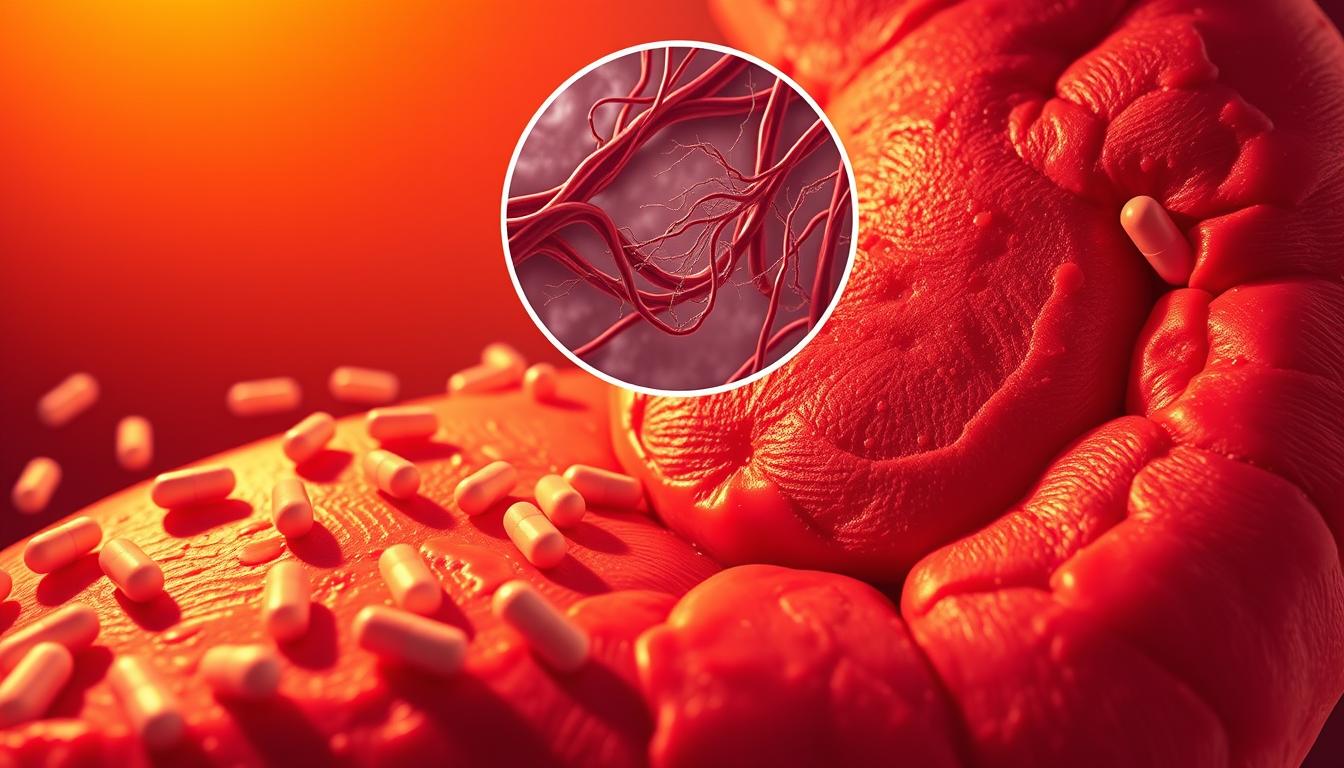
Your digestive system faces threats from painkillers. NSAIDs like ibuprofen fight inflammation but harm your stomach and gut bacteria. Even occasional use can lead to serious problems, from small damage to life-threatening bleeding.
NSAID-Induced Ulcers
Prostaglandin inhibition is key to NSAID stomach damage. These drugs block COX-1 enzymes, which protect your stomach. Without this protection, acids can damage your stomach lining, causing ulcers in 15-30% of long-term users.
Bleeding risks follow a timeline:
- Week 1: Microscopic blood loss starts
- Month 1: Ulcers form (Grade I-II)
- Month 3: 4% risk of severe bleeding
| Ulcer Grade | Description | Bleeding Risk |
|---|---|---|
| Grade I | Superficial mucosal break | Low |
| Grade II | Deep mucosal erosion | Moderate |
| Grade III | Penetrating ulcer | High |
| Grade IV | Perforated ulcer | Critical |
Microbiome Disruption
NSAIDs don’t just damage your stomach – they also change your gut’s bacteria. A 2023 study found regular users have 40% fewer Bacteroides species, important for controlling inflammation. This imbalance lets harmful bacteria grow, making your gut more permeable.
For IBD patients, the problems get worse:
- Fecal calprotectin levels spike 300% after NSAID use
- Flare-ups happen twice as often as in non-users
- Healing time is 8-12 weeks longer
Proton pump inhibitors can help, reducing ulcer risk by 67% when used before NSAIDs. But they can’t fix the bacterial imbalance – a choice that needs careful doctor supervision.
Your Heart and the Pain Reliever Paradox
When we grab OTC painkillers, we might not think about our heart health. Almost 30% of American adults using NSAIDs don’t know they’re risking their heart. This part shows how quick fixes can cause long-term heart damage.
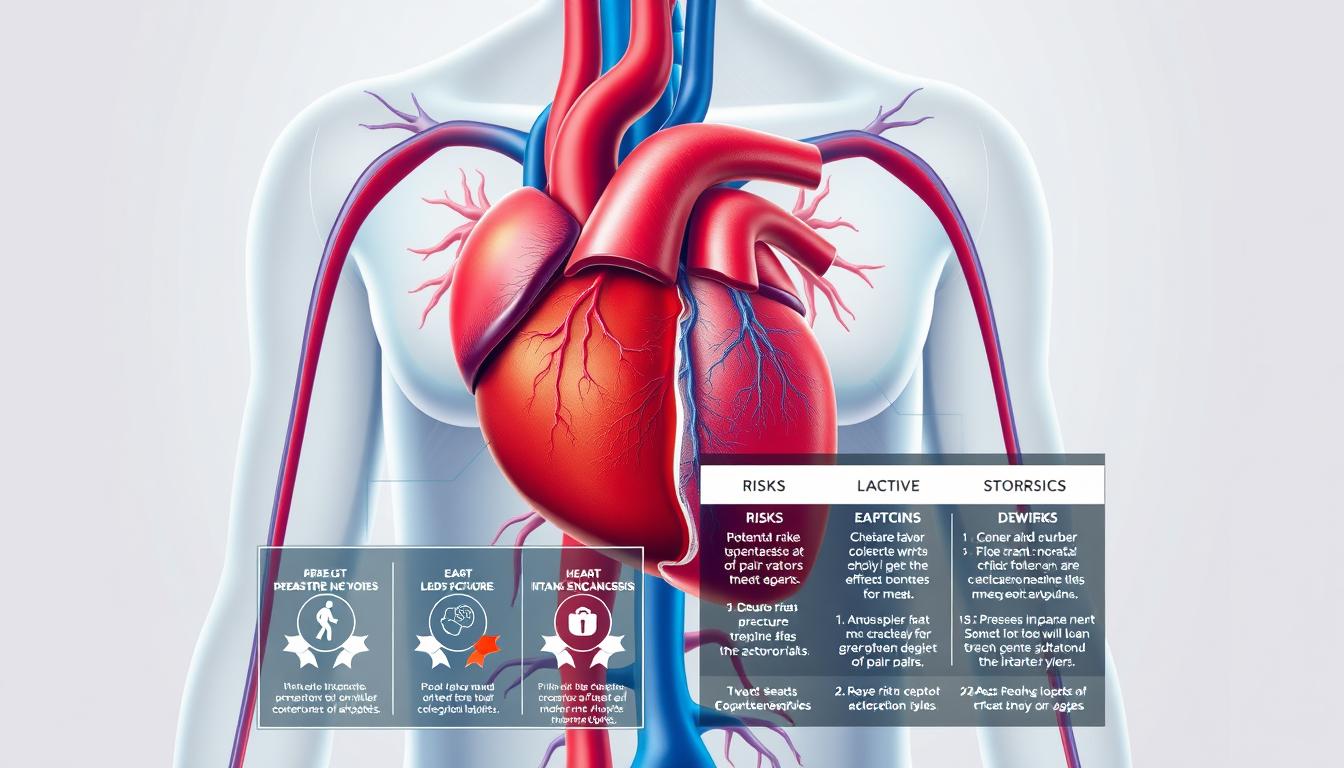
Blood Pressure: The Stealthy Climber
Prostaglandins’ Double-Edged Sword
NSAIDs stop COX enzymes from making prostaglandins. Without these natural relaxants, arteries get stiff. This makes your heart work harder. The PRECISION trial found ibuprofen users had 37% higher hypertension risks than naproxen users.
Evidence in Black and White
A Johns Hopkins study followed 1,300+ adults for 15 years. Those who used NSAIDs regularly had:
- 23% higher diastolic pressure
- 18% higher systolic readings
- Double the stage 1 hypertension cases
Heart Attacks: When Relief Turns Deadly
COX-2’s Dangerous Domino Effect
COX-2 blockers reduce pain but also lower protective prostacyclins. This makes platelets stick together more easily. The VIGOR trial found rofecoxib users had five times more heart attacks than naproxen users.
Regulatory Wake-Up Call
In 2005, the FDA added black box warnings after seeing 138,000 adverse events. A commissioner’s statement highlights the danger:
“NSAIDs increase thrombotic risk from day one of use. There’s no safe duration.”
Choosing smart pain management means considering heart risks against quick relief. Always talk to your doctor if you have heart issues or a family history.
Renal System Risks
Your kidneys are like silent heroes, filtering your blood until OTC pain relief harms them. These organs handle 30% of all medications you take, making them prone to damage from long-term use of painkillers.

Analgesic Nephropathy: The Silent Kidney Killer
Using NSAIDs or combo pain relievers daily can lead to analgesic nephropathy. This silent kidney damage happens when painkillers cut off blood flow to the kidneys. This hurts the nephrons that clean your blood.
Papillary Necrosis Process
The damage begins in the kidney’s inner medulla, where urine gets concentrated. Long-term NSAID use causes:
- Shrinkage of blood vessels feeding renal papillae
- Cell death in urine-concentrating structures
- Sloughing of dead tissue into urinary tract
Dialysis Statistics
Studies show 3-5% of chronic kidney disease cases come from too much painkiller use. Among these patients:
| Age Group | Dialysis Risk Increase | Common Culprit |
|---|---|---|
| 40-55 | 2.8x | NSAID combinations |
| 55+ | 4.1x | Acetaminophen + NSAIDs |
Electrolyte Imbalances: Hidden Chemical Chaos
OTC pain relievers mess with your body’s mineral balance. This affects your kidneys’ function.
Sodium Retention Issues
NSAIDs stop your kidneys from getting rid of salt. This causes:
- Fluid buildup in your body
- Higher blood pressure
- Greater risk of heart failure
Heart patients taking diuretics face 27% more sodium imbalance risk when using NSAIDs.
Potassium Depletion
Some painkiller-diuretic combos lead to potassium loss:
- Ibuprofen + furosemide: 18% drop in serum potassium
- Naproxen + hydrochlorothiazide: 22% depletion risk
This can cause muscle weakness and heart rhythm problems, especially for older adults.
Neurological Side Effects
Your brain and ears might pay the price for quick pain relief. Over-the-counter painkillers can disrupt delicate functions. Symptoms often sneak up on you unnoticed.
Tinnitus Connections
Persistent ringing in the ears may signal more than just hearing fatigue. NSAIDs like ibuprofen alter blood flow to the cochlea. This damages hair cells needed for sound processing.

Studies show high NSAID levels can cause hearing loss. Salicylate-based medications harm the ear’s antioxidant production. This leads to oxidative stress and damage.
Dose-dependent Risks
Using more than 4,000mg daily of NSAIDs for over a week increases tinnitus by 38%. Weekend warriors using high doses post-workout face cumulative risks. The ear’s recovery period shrinks with repeated exposure.
Cognitive Impairment
That mental fog after taking pain relievers isn’t just your imagination. OTC medications cross the blood-brain barrier, disrupting neurotransmitter balance. Older adults face higher risks due to slower drug metabolism and existing neural vulnerabilities.
Elderly Delirium Cases
Hospital data shows 22% of postoperative delirium incidents involve NSAID use. These drugs amplify anticholinergic effects, a key cognitive risk metric. Confusion and disorientation often appear within 12 hours of dosing.
Brain Fog Reports
35% of chronic users under 50 report concentration difficulties. “It felt like my thoughts moved through molasses” describes one frequent user. This mental sluggishness usually resolves within 72 hours of stopping medication but may persist in regular users.
“NSAIDs’ impact on cerebral prostaglandins creates measurable changes in reaction time and memory recall.”
Monitoring neurological symptoms is crucial when using OTC painkillers for more than three consecutive days. Early warning signs like muffled hearing or mental fuzziness demand immediate medical consultation.
Pregnancy and Fertility Concerns
Over-the-counter painkillers might seem safe, but they can be risky during pregnancy and for those trying to get pregnant. New studies show these drugs can harm fetal development and reproductive health in unexpected ways.

Critical First Trimester Risks
The first 12 weeks of pregnancy are very sensitive to medication effects. Two common pain relievers are especially challenging:
NSAID Teratogenicity
NSAIDs like ibuprofen may double the risk of miscarriage early in pregnancy. The FDA classifies most NSAIDs as Category D in later trimesters, meaning they can harm the fetus.
“First-trimester NSAID use was associated with 80% higher risk of specific birth defects in the PREGNANT trial cohort.”
The Acetaminophen Controversy
Acetaminophen is often seen as safer, but recent studies raise concerns about its long-term effects during pregnancy:
- Possible link to ADHD development (23% increased risk in high-dose users)
- Association with language delays in girls
- FDA maintains Category B rating but urges minimal effective dosing
| Medication Type | FDA Pregnancy Category | Key Risks |
|---|---|---|
| NSAIDs (Ibuprofen/Naproxen) | D (Third Trimester) | Premature ductus arteriosus closure |
| Acetaminophen | B | Potential neurodevelopmental effects |
Male Fertility Challenges
Non-prescription painkillers also affect male fertility. Research shows concerning impacts on male reproductive health:
Sperm Quality Reduction
A 2022 study found:
- 34% lower sperm motility in regular NSAID users
- 19% reduction in normal sperm morphology
- Effects appearing after just 14 days of use
Hormonal Disruption
Prostaglandin inhibitors like aspirin may:
- Alter testosterone/estrogen balance
- Disrupt hypothalamic-pituitary axis signaling
- Reduce seminal fluid production
For those trying to conceive, these dangers of non-prescription painkillers highlight the need for medical consultation before chronic use. Even short-term relief could have long-term reproductive consequences.
OTC Painkiller Allergies
Many people focus on how much to take and drug interactions. But, allergic reactions to over-the-counter painkillers are often overlooked. These reactions can be mild or very serious, making it important to know about them.

Unexpected Cross-Reactivity Risks
Some people don’t know that being sensitive to one painkiller can mean they might react to others too. The FDA’s Adverse Event Reporting System shows 12% of NSAID-related reactions involve cross-reactivity with unrelated medications.
Aspirin Sensitivity Surprises
About 9% of adults with asthma have breathing problems after taking aspirin or NSAIDs. This is called NSAID-exacerbated respiratory disease. It often needs special testing to diagnose:
- Gradual aspirin challenge protocols under medical supervision
- Alternative pain relief options for sensitive patients
- Emergency inhaler prescriptions for high-risk cases
Hidden Preservative Dangers
Liquid gel capsules can cause allergic reactions in 1 in 5 people. A 2023 study found methylparaben in 78% of tested NSAID formulations caused skin reactions in sensitive individuals.
Life-Threatening Anaphylaxis Events
Severe allergic reactions to painkillers send over 40,000 Americans to emergency rooms every year. Epinephrine auto-injectors are key for those with known medication allergies.
Emergency Room Realities
Recent hospital data shows:
| Reaction Type | Average ER Visits/Year | Most Common Trigger |
|---|---|---|
| Facial Swelling | 18,200 | Ibuprofen |
| Throat Closure | 9,400 | Acetaminophen |
Emergency Response Protocols
Current medical guidelines recommend:
- Immediate epinephrine injection for breathing difficulties
- Antihistamine administration for mild reactions
- 72-hour observation period for biphasic reactions
Always tell healthcare providers about any past medication reactions – even small ones – before trying new pain relief options.
Safer Alternatives to Consider
OTC pain relievers might seem quick fixes, but safety concerns are growing. Many drug-free methods and supplements can offer similar relief without risks. Let’s look at evidence-backed ways to manage pain safely.
Non-Pharmacological Options
Physical therapy is better than painkillers for long-term pain. A 2023 study showed it reduced NSAID use by 63%. It offers:
- Improved joint mobility through exercises
- Custom strength-building programs
- Prevention of future injuries
Physical Therapy Benefits
The American Physical Therapy Association found 72% success in managing knee osteoarthritis. This is through:
- Manual therapy techniques
- Low-impact aerobic conditioning
- Neuromuscular re-education
Mind-Body Techniques
Progressive muscle relaxation is as effective as acetaminophen for tension headaches. Try this 10-minute routine:
- Alternate muscle group tensing/releasing
- Focus on diaphragmatic breathing
- Use guided audio sessions 3x weekly
Targeted Supplements
New research shows specific nutrients can match NSAID pain relief. Always talk to your doctor before mixing supplements with medications.
Turmeric Clinical Trials
NIH-funded trials found curcumin (turmeric’s active compound) equals ibuprofen in anti-inflammatory power. Here’s a comparison table:
| NSAID | Common Dose | Equivalent Curcumin | Study Reference |
|---|---|---|---|
| Ibuprofen | 400mg | 500mg + Piperine | NIH Meta-Analysis 2022 |
| Naproxen | 220mg | 750mg Nano-Curcumin | JAMA Internal Medicine |
Omega-3 Efficacy
High-dose EPA/DHA (2000mg daily) reduces joint swelling like low-dose NSAIDs. Look for:
- Third-party tested fish oil
- Enteric-coated capsules
- Combination with vitamin E for stability
These alternatives need more effort than pills but offer lasting benefits. Start with one and build your pain management toolkit.
Smart Usage Guidelines
Over-the-counter painkillers are everywhere, but using them safely is more than just reading the label. It’s about knowing the right dose and understanding what the label says. This knowledge helps avoid the potential side effects of over-the-counter painkillers. Here are some tips to use these medicines wisely and get the most relief.
Mastering Medication Math
Many people take too much of their medicine, leading to hospital visits. Your weight affects how your body handles drugs. This is something many adults and kids forget.
Weight-based Calculations
For kids, the right dose is all about math:
- Use FDA-approved weight charts, not age estimates
- Never exceed 15 mg/kg for acetaminophen doses
- Verify pediatric formulas (suspensions vs. chewables)
Adults over 200 lbs should talk to a doctor before taking NSAIDs for a long time. Your muscle and fat levels change how drugs work in your body.
Timing Strategies
Spreading out your doses helps avoid taking too much:
- Set phone reminders for each dose
- Track intake times in a medication log
- Allow 4-6 hours between NSAID doses
Critical reminder:Be careful with medicines that have more than one ingredient. Taking Tylenol PM with NyQuil can be too much acetaminophen.
Label Decoding Essentials
OTC labels have important info hidden in small print. The FDA updated labels in 2022 to warn about dangers for certain groups. This could save thousands of ER visits each year.
Active Ingredient Awareness
Watch out for these hidden names:
| Common Name | Technical Term | Max Daily Dose |
|---|---|---|
| Tylenol | APAP/Acetaminophen | 3,000 mg |
| Advil | Ibuprofen | 1,200 mg |
| Aleve | Naproxen Sodium | 660 mg |
Cold medicines often have more than one ingredient. Always check the label before mixing medicines.
Warning Decoding
Phrases like “May cause stomach bleeding” mean:
- Avoid alcohol completely
- Stop use if nausea occurs
- Consult doctor before 10-day use
The new “Alcohol Interaction” section warns against mixing pain relievers with alcohol. People with high blood pressure should watch out for sodium in their medicines. Some tablets have up to 25mg of sodium per dose.
By following these tips, you can use OTC medicines safely. Remember, the potential side effects of over-the-counter painkillers are less of a risk when you know how to use them right.
When to Seek Medical Help
OTC painkillers are easy to use but can lead to serious health issues. It’s important to know when to seek medical help. This can prevent long-term damage to your health.
Red Flag Symptoms
Your body sends distress signals when OTC medications overwhelm its systems. If you notice these signs, get medical help right away:
Hepatotoxicity Signs
- Yellowing skin/eyes (jaundice) progressing within hours
- Dark urine resembling cola
- Confusion or drowsiness with abdominal pain
“A MELD score above 20 indicates urgent need for liver evaluation in acetaminophen overdose cases.”
GI Emergency Indicators
- Vomit resembling coffee grounds
- Black, tarry stools
- Sudden severe stomach cramps
| Symptom Type | Early Signs | Critical Threshold |
|---|---|---|
| Liver Damage | Fatigue, nausea | ALT > 1000 U/L |
| GI Bleeding | Heartburn, bloating | Hemoglobin |
Medication Review Importance
Using OTC painkillers with prescription drugs can be dangerous. The Beers Criteria lists risky combinations, such as:
Polypharmacy Dangers
- NSAIDs + warfarin: 3x bleeding risk
- Acetaminophen + alcohol: 8x liver failure risk
Pharmacist Consultations
See a pharmacist every 6 months if you:
- Take 4+ daily medications
- Use multiple pharmacies
- Have changed dosages recently
Pharmacists can spot dangerous interactions. For example, NSAIDs can reduce SSRI effectiveness by 40%. Always get professional advice before self-medicating.
Taking Control of Pain Management
Learning about the risks of over-the-counter painkillers helps us make better choices. We see how common drugs like ibuprofen, naproxen, and acetaminophen can harm us if we misuse them. It’s important to find a balance between quick relief and long-term health.
Creating a safe pain management plan is crucial. Keep track of your medication in a log, noting the dose and when you take it. Also, check for hidden acetaminophen in other medicines. For ongoing pain, try non-drug methods like physical therapy or heat therapy.
Pharmacists are key in understanding the risks of painkillers. Studies show half of OTC drug problems could be avoided with their help. Always talk to your pharmacist before mixing pain relievers with other medications. They can spot dangerous combinations that might not be obvious.
Look at your medicine cabinet with new eyes. Get rid of expired drugs and keep similar medicines separate. Have emergency numbers ready, like Poison Control (1-800-222-1222). Good pain management means using OTC drugs wisely, working with your pharmacist, and trying other treatments that fit your health.
By taking action now, you can avoid problems later. Set up a time to review your medications with your doctor. Bring your pain diary and talk about safer options. Over-the-counter pain relievers are useful, but they shouldn’t be your only choice for managing pain.