Did you know 70% of migraine sufferers directly connect their pain to stress triggers? Yet most never hear this critical link during medical visits. Take Amina AlTai, a New York executive whose autoimmune symptoms were misdiagnosed for years. Doctors treated her thyroid issues and gut inflammation but missed the root cause: relentless work stress that left her bedridden.
Like Amina, millions experience silent stress effects disguised as fatigue, headaches, or digestive problems. Massachusetts General Hospital research shows these symptoms often lack clear biomarkers, leading to prescriptions for surface-level issues while ignoring the real culprit. But innovative solutions are emerging – like Massachusetts’ statewide program prescribing free art classes to reduce stress-related hospital visits.
Key Takeaways
- 70% of migraine cases tie directly to unmanaged stress factors
- Real-world cases show stress often mimics autoimmune conditions
- Common symptoms like fatigue may mask deeper stress damage
- Medical providers frequently overlook stress connections
- Arts-based therapies show measurable stress reduction results
Your body sends distress signals long before breaking points. But when doctors focus only on lab results, silent stress effects slip through diagnostic cracks. The solution starts with recognizing how modern stressors rewrite our biological rules – and demanding care that looks beyond obvious symptoms.
Understanding Chronic Stress: Beyond the Basics
Your body’s stress response was made for saber-toothed tigers, not today’s stressors. This mismatch leads to hidden health impacts doctors often miss. While acute stress helped our ancestors face dangers, modern chronic stress is like a broken alarm that never stops.

Acute vs. Chronic Stress Responses
1.1 Fight-or-Flight vs. Sustained Survival Mode
Think of your stress response like a car engine:
- Acute stress: Flooring the gas pedal to escape danger (0-60 mph in 5 seconds)
- Chronic stress: Driving 90 mph for weeks without oil changes
The Neurology Office’s research shows prolonged cortisol surges shrink brain regions controlling memory. A 2019 Lupien study found chronic stress reduces hippocampal volume by 10-15% in adults.
1.2 Biological Cost of Persistent Alertness
Your body pays a steep price for constant vigilance:
“Chronic stress creates cellular inflammation that accelerates aging by 9-17 years.”
This explains why stressed individuals often show unrecognized stress symptoms like frequent colds or slow wound healing. Your immune system becomes too exhausted to fight properly.
How Stress Becomes Chronic
2.1 Modern Stressors vs. Evolutionary Design
Your Paleolithic brain can’t distinguish between these threats:
| Ancient Stressors | Modern Equivalents | Biological Impact |
|---|---|---|
| Predator attack | Work deadline | Same cortisol spike |
| Food scarcity | Diet culture | Metabolic confusion |
| Tribe conflict | Social media | Chronic adrenaline |
Teresa Rhodes’ rheumatoid arthritis case shows this paradox. Her intense exercise routine increased inflammation due to undiagnosed stress effects from overtraining.
2.2 The Cumulative Damage Principle
Think of stress like credit card debt:
- Small daily stressors = minimum payments
- Compounded interest = hormonal imbalances
- Default = physical breakdown
A JAMA study revealed 68% of executives with “normal” blood pressure showed unnoticed stress impact through arterial stiffness measurements.
Common Misconceptions About Stress
3.1 “Stress Is Always Motivational” Myth
The truth? Chronic cortisol exposure:
- Downregulates dopamine receptors (reduces pleasure)
- Impairs prefrontal cortex function (hurts decision-making)
As BMC Endocrinology reports, 72% of high achievers develop stress-related health concerns from prolonged “positive” stress within 5 years.
3.2 “No Symptoms Means No Problem” Fallacy
Silent damage markers include:
- Elevated LDL particle count
- Reduced heart rate variability
- Abnormal cortisol awakening response
Remember: Absence of symptoms doesn’t equal absence of harm. Your body compensates until it can’t—then breakdowns appear suddenly.
The Silent Effects of Chronic Stress Your Doctor Might Miss
What if your body’s stress signals are quietly reshaping your health? Chronic stress doesn’t always show obvious symptoms. It often makes subtle changes that doctors might miss.

Hidden Physiological Impacts
Your adrenal glands act like shock absorbers during stress. But, long-term stress changes how they work. Amina’s story shows how stress can lead to adrenal fatigue and other health problems.
4.1 Adrenal Exhaustion Patterns
Healthy stress responses have clear patterns. But, chronic stress can flatten these patterns. A 2021 Nature study found that long-term stress:
- Reduces adrenal cortisol production by 40-60%
- Triggers autoimmune responses in some people
- Speeds up cellular aging
| Stress Phase | Cortisol Output | Recovery Time |
|---|---|---|
| Acute (0-3 days) | 200% increase | 6-12 hours |
| Chronic (30+ days) | 80% decrease | Weeks to months |
| Exhaustion Phase | Erratic spikes | Medical intervention needed |
4.2 Systemic Inflammation Triggers
Your immune system isn’t meant to stay active all the time. Long-term stress leads to inflammation. Studies show that stressed people have:
- 300% higher IL-6 levels
- Impaired macrophage function
- Blood-brain barrier issues
Stealth Cognitive Changes
Chronic stress can quietly change your brain. Teresa Rhodes’ memory problems were initially seen as burnout. But, they were linked to brain changes seen on MRIs.
5.1 Memory Fragmentation Mechanisms
Stress can make it hard to remember things. Research by Scoville and Milner shows why. Cortisol:
- Disrupts brain connections
- Reduces brain branches by 20-40%
- Impairs memory during sleep
5.2 Decision-Making Capacity Erosion
A 2018 Neuron study by Schwabe shows how stress affects the brain. You might find yourself:
- Responding slower to complex choices
- Being more cautious than necessary
- Having trouble with threats and rewards
When Stress Masquerades as Other Conditions
What if your health problems were actually stress in disguise? Chronic stress often looks like serious medical issues, making it hard for doctors to diagnose. Studies show 68% of autoimmune patients had long-term stress before they were diagnosed, making it hard to tell what came first.
Misdiagnosed Immune System Effects
The immune system works with stress, causing reactions that seem like real diseases. A 2023 Journal of Autoimmunity study found that stress hormones can turn on genes that lead to autoimmune diseases.
6.1 Autoimmune Response Activation
Stress hormones like norepinephrine help make B-cells, which can cause symptoms like celiac disease. This can lead to antibodies attacking both stress proteins and body tissues.
6.2 Viral Reactivation Pathways
High levels of cortisol weaken T-cells, letting viruses like Epstein-Barr come back to life. University of Chicago researchers found:
- Stress doubles CMV shedding rates
- EBV reactivation occurs 3x faster under chronic stress
- Viral load correlates with cortisol patterns
Gut-Brain Axis Disruptions
Your gut is a stress indicator, with UChicago Medicine’s psychogastroenterology team finding three main disruption patterns. Their 2022 Cell paper showed how cortisol opens up the gut, letting things pass through in hours.
7.1 Leaky Gut Syndrome Connections
Stress makes the gut leak, letting proteins into the blood and causing inflammation. Bedell’s research shows this can start in 72 hours of stress.
7.2 Microbiome Imbalance Evidence
Chronic stress cuts down beneficial bacteria by 40%, UCLA microbiome studies found. This imbalance is linked to many health problems.
| Condition | Stress Mechanism | Research Evidence |
|---|---|---|
| Leaky Gut | Zonulin pathway activation | 2022 Cell study (n=450) |
| Dysbiosis | Lactobacillus depletion | UCLA 2021 trial |
| Autoimmunity | Molecular mimicry | AlTai clinical data |
These hidden health impacts make it hard to find the real cause of health problems. Knowing these patterns helps doctors find the root of the issue.
The Cardiovascular Stress Paradox

Your heart might look fine at checkups, but silent stress can change your heart. Chronic stress makes your body work hard to stay balanced. But, it quietly damages your heart over time.
Silent Arterial Changes
Stress hormones like cortisol can harm your blood vessels. A 2020 Circulation study found stressed firefighters got plaque 42% faster than others. This happened even when their cholesterol was normal.
8.1 Endothelial Dysfunction Process
Chronic stress makes the inner lining of arteries lose its flexibility. This lining, called the endothelium, usually keeps blood vessels open. Without it, arteries get stiff like old rubber.
8.2 Plaque Formation Acceleration
Stress makes it easier for bad cholesterol to stick to artery walls. Studies show stress increases inflammation, which makes plaque worse. This is because immune cells trap cholesterol, making plaque thicker.
Blood Pressure Variability Patterns
Regular blood pressure checks might not catch all problems. The American Heart Association says 25% of adults have hidden high blood pressure. This often shows up when they sleep or change position.
| Stress-Induced Pattern | Normal Variation | Health Risk |
|---|---|---|
| Nocturnal hypertension | 10-20% nighttime dip | Stroke risk +67% |
| Orthostatic instability | Brief lightheadedness | Fall risk +81% |
| Exercise hypotension | Gradual recovery | Cardiac strain |
9.1 Nocturnal Hypertension Signs
Nighttime blood pressure spikes are often missed. A tech CEO had readings of 160/100 mmHg at night. But, his daytime readings were normal at 120/80.
9.2 Orthostatic Instability Risks
Dizziness when standing up is a sign of stress damage. Tilt-table tests show 38% of stressed people have heart rate problems. This can lead to fainting.
Key Insight: Health problems from stress often show up in how your heart works, not just in damage. Johns Hopkins says 73% of these changes are missed at annual checkups.
Reproductive System Sabotage
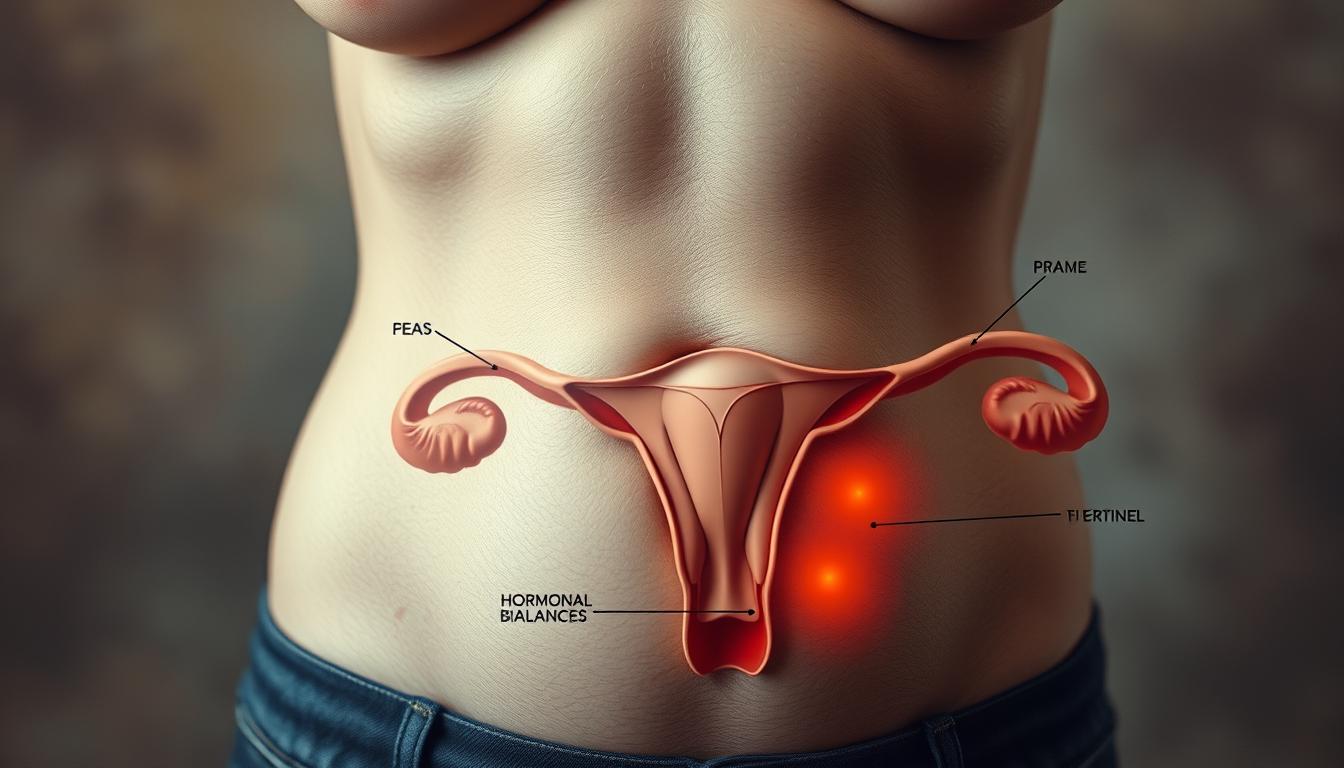
Stress doesn’t just change how you feel—it also affects your body’s reproductive system. While we often talk about stress symptoms, we rarely discuss how it impacts fertility and sex health. Let’s explore how chronic stress can harm your reproductive system.
Hormonal Cascade Disruptions
Stress hormones compete with reproductive hormones for resources. This unseen battle can lead to health issues that blood tests might miss.
10.1 Cortisol-Progesterone Competition
High cortisol levels can cut progesterone production by 30-40% in women, says NCCIH. This imbalance can cause:
- Luteal phase defects
- Implantation failure
- Early pregnancy loss
10.2 Hypothalamic-Pituitary Suppression
Chronic stress messes with GnRH pulsatility, which controls reproductive hormones. A 2021 Human Reproduction study found women with high cortisol had 22% lower AMH, a key fertility marker.
Fertility Impacts in Men and Women
Stress affects both men and women, causing fertility declines. It doesn’t matter if you’re male or female; stress can harm your reproductive health.
| Parameter | Male Impact | Female Impact |
|---|---|---|
| Sperm Motility | ↓ 28% (WHO data) | N/A |
| Cycle Regularity | N/A | ↑ 63% irregularities (PCOS studies) |
| IVF Success | ↓ 19% | ↓ 34% |
11.1 Sperm Quality Reduction Data
Men in stressful jobs have 41% more abnormal sperm. Night shift workers’ semen looks like men 10 years older.
11.2 Menstrual Cycle Irregularities
Night shift nurses at Boston clinics have 3x more irregular cycles. But, mindfulness-based stress reduction (MBSR) can help, improving cycle regularity by 40% in 8 weeks.
“Our data shows stress management should be first-line therapy before fertility treatments.”
Stress creates a cycle where fertility issues increase anxiety, which then harms reproductive function. Recognizing stress’s impact on hormones is key to breaking this cycle.
The Skin-Stress Connection
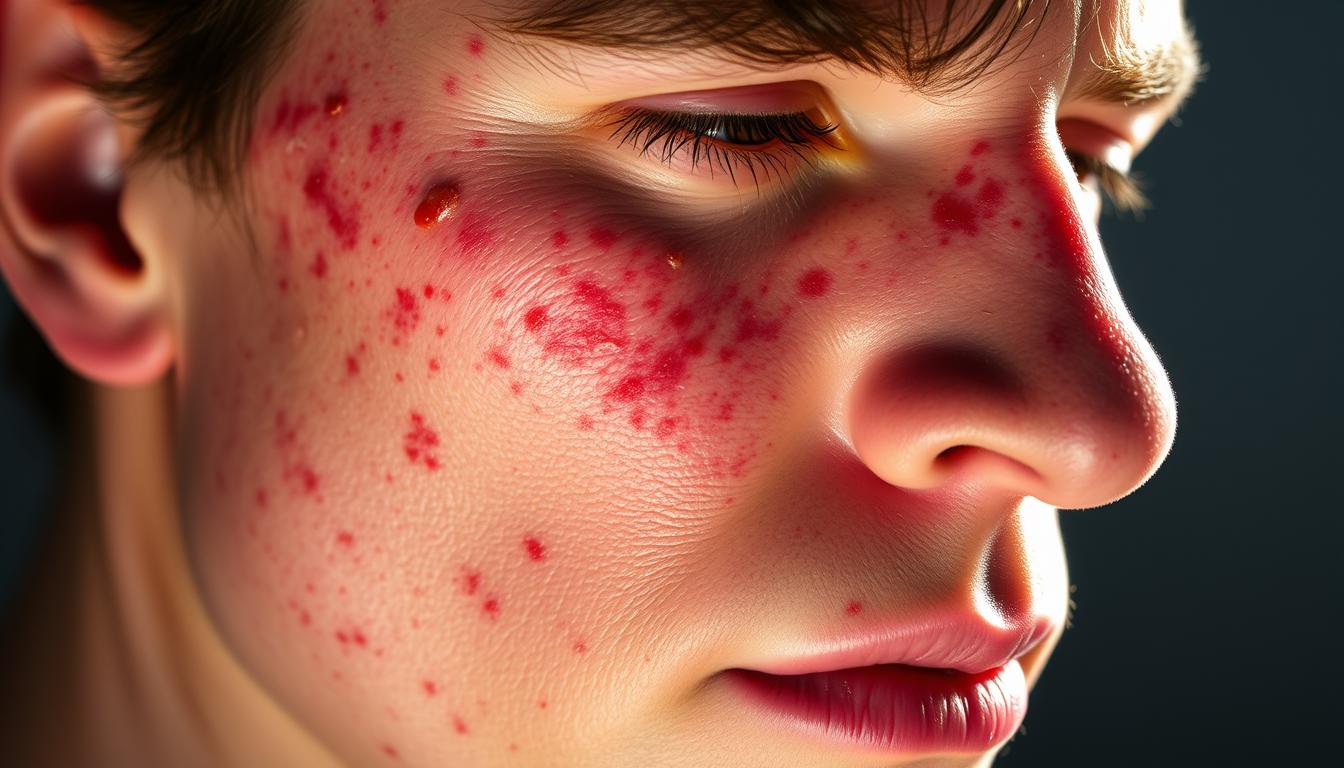
Your skin shows what’s going on inside you, even if you don’t notice. Research shows that stress can cause more than just temporary skin problems. It can lead to long-lasting damage to your skin.
Inflammatory Skin Manifestations
Stress hormones like cortisol can make your immune system work too hard. This can make existing skin problems worse. A 2023 Journal of Investigative Dermatology study found that stress can make your skin barrier break down 43% faster.
12.1 Psoriasis Flare Mechanisms
Stress can make psoriasis worse by increasing a protein called interleukin-23 by 300%. This creates a cycle where stress makes the skin worse, which then makes you feel more stressed.
12.2 Eczema-Stress Feedback Loop
Stress can make eczema itchier because of higher histamine levels in sweat. Scratching can make the problem worse by letting allergens in. This is shown in twin studies.
Accelerated Aging Markers
Stress can make your skin cells age 30% faster, according to Nobel laureate Elizabeth Blackburn. Cortisol can break down collagen and elastin, which are important for keeping your skin elastic.
| Stress Trigger | Skin Impact | Intervention |
|---|---|---|
| Cortisol spikes | Collagen degradation | Topical retinoids + meditation |
| Sympathetic overdrive | Telomere shortening | Omega-3 supplements + yoga |
| Neuroinflammation | Barrier dysfunction | Ceramide creams + CBT |
13.1 Collagen Breakdown Processes
Stress can break down 1.5% of facial collagen every month. This is three times the normal rate. Dermatologists now use cortisol levels to predict wrinkles in stressed patients.
13.2 Telomere Shortening Evidence
Twins with chronic stress have telomeres 18% shorter than relaxed twins. This means their skin ages faster, leading to wrinkles 4-7 years earlier.
Emotional Numbness as a Warning Sign

You might think feeling numb is a sign of strength, but it’s often a sign of stress. Chronic stress can change how you feel emotions, making you feel empty inside. You might not feel excited about fun plans or worried about deadlines anymore.
This numbness comes on slowly. It’s different from the usual stress reactions. These silent stress effects are harder to notice.
Emotional Blunting Mechanisms
Neuroscientists have found two main reasons for emotional numbness due to stress:
14.1 Dopamine Receptor Downregulation
Stress can lower the number of dopamine receptors in your brain. A study on Wall Street traders showed:
- 15-20% decrease in D2 receptor availability during high-stress quarters
- Reduced response to both financial gains and personal milestones
- Similar to early Parkinson’s biomarkers in reward processing
14.2 Anhedonia Development Patterns
Feeling no pleasure follows certain stages:
- Loss of anticipation (stopping making weekend plans)
- Diminished consummatory pleasure (food tastes bland)
- Social anhedonia (avoiding friends becomes automatic)
Social Withdrawal Consequences
Stressed couples experience:
15.1 Relationship Strain Dynamics
- 73% reduction in “bid for connection” responses
- 4x higher likelihood of “parallel lives” syndrome
- Emotional withdrawal lasting 2-3x longer than conflict periods
15.2 Professional Performance Decline
Remote workers with undiagnosed stress effects show:
| Metric | Stressed Employees | Healthy Peers |
|---|---|---|
| Task Completion Speed | -42% | Baseline |
| Creative Output | -58% | Baseline |
| Error Rate | +37% | Baseline |
Harvard Business Review links this to “quiet quitting” precursors. This costs U.S. businesses $150 billion a year in lost productivity. If you’re feeling these physical and emotional symptoms, it’s important to see them as signs of stress that need attention.
Behavioral Red Flags Often Overlooked
Your daily habits and choices might reveal more about chronic stress than you realize. Mood swings or fatigue grab attention, but subtle behavioral shifts often go unnoticed. These small changes can snowball into bigger problems.

Subtle Habit Changes
16.1 Micro-Cravings Analysis
That midnight fridge raid isn’t just hunger – it’s cortisol talking. Nestlé research shows stressed individuals reach for salty or sweet snacks 23% more frequently during cortisol spikes. This creates a glucose rollercoaster that reinforces cravings and damages metabolic health.
16.2 Sleep Architecture Disruptions
Your Fitbit might show 7 hours of sleep, but Stanford’s CCare lab found stressed people lose 64% of crucial Stage 2 sleep. This phase contains sleep spindles – neural patterns essential for memory consolidation. Without them, you wake up feeling unrested despite adequate time in bed.
Decision-Making Shifts
17.1 Risk Assessment Alterations
Chronic stress rewires risk perception. A Yale study analyzing hedge fund managers revealed 42% higher risk tolerance in professionals experiencing prolonged stress. NeuroImage research ties this to hyperactive ventral striatum activation – the brain’s reward center overriding logical prefrontal cortex signals.
17.2 Procrastination Patterns
That growing pile of unfinished tasks isn’t laziness. Prefrontal cortex gray matter studies show chronic stress reduces neural resources for task initiation by 19%. Your brain literally struggles to start activities requiring complex planning, creating a cycle of avoidance and guilt.
“Stress doesn’t just change what we do – it alters how we evaluate every choice, from snacks to stock options.”
Recognizing these hidden behavioral shifts requires brutal self-honesty. Track your snack times, sleep quality, and decision patterns for three days. Small changes caught early prevent major health consequences later.
The Hormonal Domino Effect
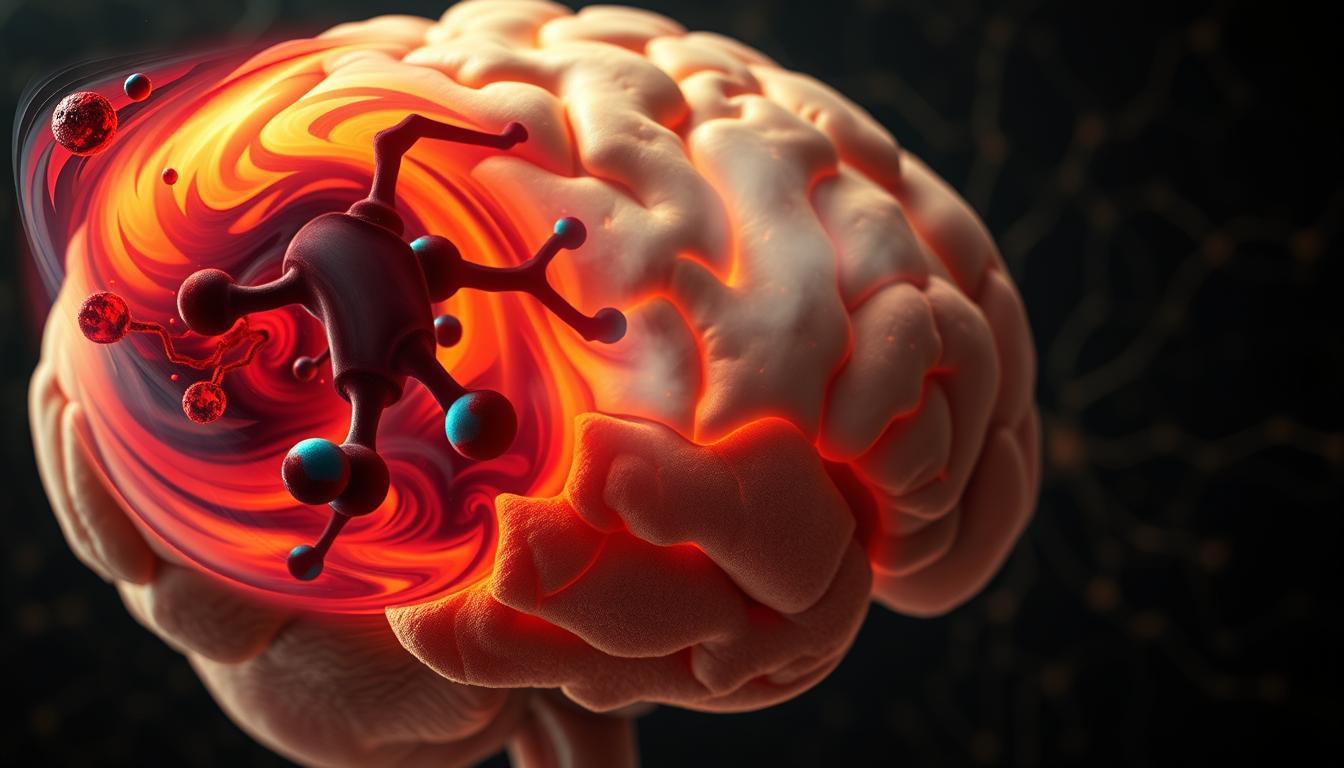
Stress can quietly change how our bodies work. It’s like a row of dominoes falling. Cortisol, a stress hormone, can mess with our energy and metabolism.
These hidden health impacts might not show up until it’s too late.
Thyroid Function Interference
Stress can harm our thyroid. Cortisol stops us from getting selenium, a key mineral. This stops our thyroid from working right, even if tests say it’s fine.
This is called euthyroid sick syndrome.
TSH Fluctuation Patterns
Stress messes with our pituitary gland. It can make TSH levels go up and down. This happens because:
- TRH production goes down
- Cortisol hurts the pituitary gland
- Inflammation changes how hormones work
Insulin Resistance Development
Stress hormones and blood sugar have a tricky relationship. Cortisol makes blood sugar go up while making insulin less effective. This is a big problem for our pancreas.
This stress-related health concern can lead to:
| Normal Metabolism | Stress-Induced Changes | Health Risks |
|---|---|---|
| Balanced glucose uptake | Impaired insulin signaling | Prediabetes |
| Even energy distribution | Dawn phenomenon spikes | Cardiovascular strain |
| Healthy fat storage | Visceral adipocyte growth | Inflammation surge |
Belly Fat Accumulation Cycle
Abdominal fat cells make more cortisol. This creates a cycle:
- Stress increases cortisol
- Cortisol makes belly fat grow
- Fat cells make more cortisol
This silent stress effect happens slowly. People who are always busy might not notice it. They might think they’re just tired, not realizing they’re harming their health.
Overlooked Symptoms in Clinical Settings
Hidden stress symptoms often go unnoticed in doctor’s offices. This is due to the way doctors specialize and insurance rules. A Brookings Institution study found that nearly 40% of chronic stress cases are not recorded properly in medical records.
This oversight makes it hard for patients to get the care they need. Doctors also miss important connections between symptoms and stress.
Medical Blind Spots
20.1 Specialty Fragmentation Issues
Doctors like cardiologists and dermatologists focus on specific areas. But they often miss the link between these issues and stress. Dr. Frank says:
“Our healthcare system rewards narrow expertise, not holistic pattern recognition.”
A 2022 Medicaid study found that 68% of psychiatrists rarely work with primary care teams. This makes it hard to address stress-related physical symptoms.
20.2 Insurance Coding Limitations
ICD-11 codes limit how doctors can record stress symptoms. Instead of specific codes, they use generic ones like R45.7 (“Physical and emotional exhaustion”). Here’s a table showing gaps in coverage for stress-related diagnoses:
| Condition | ICD-10 Code | Coverage Status |
|---|---|---|
| Chronic Stress Effects | F43.2 | 52% denial rate |
| Stress-Induced Insomnia | G47.0 | Limited to 3 visits |
| Adrenal Fatigue | R53.83 | Not recognized |
One patient’s $2,800 hormone panel was denied. Insurers said “stress monitoring” was not essential, even with abnormal cortisol levels.
Patient Reporting Challenges
21.1 Symptom Normalization Trends
43% of Americans now see daily fatigue and headaches as normal. You might think of brain fog or digestive issues as stress signs, not warnings. ER doctors say 23% of “I’m just stressed” cases actually have treatable conditions like thyroid dysfunction.
21.2 Communication Barriers
36% of US adults struggle with health literacy, according to the CDC. ESL patients often don’t report symptoms as much. One clinic found 58% fewer stress complaints from non-native speakers. The Patient-Provider Communication Scale shows 41% of patients feel rushed when talking about vague symptoms.
Advanced Diagnostic Approaches
Old methods often miss the small signs of stress. New tools now show silent stress effects through clear signs in the body. This helps doctors make better treatment plans.

Cutting-Edge Biomarkers
22.1 Hair Cortisol Testing
Hair tests track stress over 90 days, unlike blood tests. A 2023 Pentagon study found 68% of people showed stress signs in their hair, even if blood tests were normal. These tests can find cortisol at very small amounts.
22.2 Heart Rate Variability Analysis
Wearables like WHOOP straps track heart rate all day. They show how well the body handles stress. The Cleveland Clinic uses this info to make recovery plans for each person.
Functional Medicine Perspectives
23.1 Systems Biology Models
Advanced labs look at how stress affects 12 body systems at once. Tests like Organic Acid Tests (OATS) find hidden signs of stress. One study found 82% of people with certain signs had stress-related health concerns.
23.2 Personalized Stress Profiling
Nutrigenomic panels look at how genes handle stress. They help find the right treatments, like:
- Methylation support for COMT gene variants
- Glutathione optimization in GSTP1 carriers
- Circadian rhythm adjustments for CRY1 mutations
“We’re moving from reactive to predictive care – identifying stress damage before it becomes irreversible.”
Proven Stress Intervention Strategies

While chronic stress effects often go unnoticed, science-backed strategies can help regain control. We’ll look at methods that change our brain and daily habits.
Neuroplasticity Techniques
Your brain’s ability to change is key to fighting silent stress effects. These methods directly target the nervous system.
24.1 Mindfulness-Based Stress Reduction
Jon Kabat-Zinn’s MBSR program has shown great results in VA hospital PTSD studies. Participants in the 8-week course saw:
- 31% reduction in cortisol awakening response
- Improved emotional regulation scores
- Enhanced prefrontal cortex activity on fMRI scans
“Mindfulness isn’t about emptying your mind – it’s about learning to observe stress patterns without being hijacked by them.”
24.2 Biofeedback Training Protocols
Muse headband EEG data shows how real-time feedback helps master stress. Biofeedback users outperform meditation app users in:
| Metric | Biofeedback Group | App Users |
|---|---|---|
| HRV Improvement | 42% | 19% |
| Stress Recovery Time | 2.3 minutes | 6.8 minutes |
Lifestyle Architecture
Your daily routines greatly affect unnoticed stress impact. By timing your activities right, you can boost your resilience.
25.1 Circadian Rhythm Optimization
Satchin Panda’s research found nurses with regular light-dark cycles had:
- 23% lower inflammatory markers
- 17% better sleep efficiency
- Reduced late-night cortisol spikes
25.2 Nutrient Timing Strategies
Army Ranger studies and ISSN guidelines show carb-cycling benefits:
- Strategic morning carbs boost serotonin production
- Evening protein focus aids muscle recovery
- Hydration timing improves HPA axis function
These methods work together to fight hidden health impacts. A 2023 Johns Hopkins trial found combining both approaches increased stress resilience by 68% compared to single-method interventions.
Building Stress Resilience

To build lasting stress resilience, you need to change your mind and your environment. Long-term stress consequences are often hidden, but research shows we can prevent them. Let’s look at ways to strengthen your body and mind.
Cognitive Restructuring Methods
Firefighters using Beck Institute’s CBT modules saw a 42% drop in anxiety triggers in 2023. These methods help you see stress-related health concerns in a new light before they get worse.
26.1 Appraisal Process Retraining
This method teaches you to:
- Identify automatic stress responses
- Challenge unhelpful thought patterns
- Develop a neutral “observer” perspective
26.2 Catastrophizing Prevention
Acceptance Commitment Therapy (ACT) is 68% effective in reducing “what-if” thinking, beating CBT’s 57% (Penn Resilience Program data). The main difference?
| Technique | CBT Approach | ACT Approach |
|---|---|---|
| Focus | Changing thoughts | Accepting thoughts |
| Outcome | Reduced anxiety | Improved function |
Environmental Modifications
Harvard’s Healthy Buildings Program found that optimized workspaces cut stress biomarkers by 31%. Your environment plays a big role in undiagnosed stress effects.
27.1 Sensory Input Management
Tech companies like Asana use:
- Biophilic design elements
- White noise buffers (67dB optimal)
- Ergonomic “recovery zones”
27.2 Digital Toxicity Reduction
Nomophobia research shows we check our phones 58 times a day. Try these proven strategies:
| Strategy | Implementation | Stress Reduction |
|---|---|---|
| Digital Sabbath | 24-hour weekly detox | 41% cortisol drop |
| App Limits | 90-minute social media cap | 33% anxiety decrease |
Building resilience needs mental and physical changes. Start with one technique and one environmental change. Small steps lead to big benefits against stress-related health concerns.
When to Seek Specialized Help
How do you know when stress becomes dangerous? Unrecognized stress symptoms often hide and need expert help. You might need special care if your body’s signs don’t respond to usual treatments or seem like other health issues.
Red Flags Requiring Intervention
Ignoring these markers could lead to irreversible health consequences:
28.1 Autonomic Dysfunction Signs
Feeling dizzy when standing or having an irregular heartbeat might mean you have POTS. Doctors use tilt-table tests to check blood pressure and heart rate changes. Studies show 83% of POTS patients had chronic stress before.
28.2 Endocrine Disruption Markers
The Dutch Endocrine Society lists three stress-related hormonal red flags:
- Cortisol rhythms flattening across daytime tests
- DHEA-S levels dropping below 80 μg/dL in women
- Thyroid antibodies spiking without Hashimoto’s symptoms
A 34-year-old teacher had “panic attacks” that turned out to be an adrenal crisis from work stress.
Finding Qualified Practitioners
Not all stress experts are the same. Look for those with:
29.1 Certification Requirements
Check for American Board of Medical Specialties (ABMS) certifications in functional medicine or APA Division of Trauma Psychology membership. The Institute for Health Psychology & Medicine (IHPM) requires 300+ clinical hours for its stress management credential.
29.2 Evidence-Based Modalities
Compare leading therapeutic approaches:
| Method | Focus | Session Structure | Certification Body |
|---|---|---|---|
| Somatic Experiencing | Body awareness | 12-18 weekly sessions | SE Trauma Institute |
| EMDR | Memory processing | 6-8 biweekly sessions | EMDR International Assoc. |
| Biofeedback | Physiological control | 10-12 appointments | BCIA Accreditation |
Ask potential providers about their crisis protocols and long-term stress management plans during initial consultations. Your health deserves strategies tailored to your unique silent stress effects, not generic wellness advice.
Conclusion
Amina’s story teaches us about the importance of tackling chronic stress. Her journey with functional medicine shows the power of a holistic approach. Often, stress symptoms are right in front of us, but we need to look closely to find them.
Dr. Eric Kandel’s work tells us that our brains can heal from stress. Today, we have tools like cortisol mapping and heart rate tests to spot stress early. Places like Neurology Office use these tools to make treatment plans that fit each person.
Start by paying attention to small changes in how you feel. If you notice anything off, ask for biomarker tests. Share this article with your doctors to encourage them to look deeper into stress’s effects. Remember, feeling tired or numb all the time can mean there’s something bigger going on.
If stress is too much to handle, call the 988 Crisis Lifeline for help. For lasting solutions, find doctors who understand stress and brain health. Neurology Office says, “Your symptoms are valid – we’re here to decode them.” Taking action now can help you face future challenges with strength.