Did you know 70% of Americans take immune supplements every year? Yet, cold rates haven’t changed in a decade. Doctors often talk about vitamins and vaccines, but new research shows other factors are key. This gap leaves many open to illnesses they could avoid.
Most doctors don’t tell you 80% of your immune cells are in your gut, not your blood. They rarely talk about how night light harms your immune system. Or how specific antioxidants in purple potatoes are better than vitamin C.
They also don’t mention how not drinking enough water weakens your immune system. New studies show natural methods like fasting and cold showers can help. Adding nutrient-rich smoothies to your routine can boost your immune system more than any pill.
Key Takeaways
- Gut health directly controls 80% of immune responses
- Sleep quality impacts virus-fighting proteins more than supplements
- Chronic stress erodes immunity faster than poor diet
- Plant antioxidants work differently than isolated vitamins
- Hydration affects immune cell mobility in underappreciated ways
How Your Immune System Really Works
Your immune system is like a top-notch security team that works around the clock. It’s not just about antibodies fighting germs. There are many layers of defense that doctors often don’t talk about.

The Three Layers of Defense
Your body has three main systems to keep you safe:
- Physical barriers like skin and mucous membranes stop invaders before they get in
- Innate immunity starts inflammation and fever quickly when it finds a threat
- Adaptive immunity makes special antibodies that remember specific germs
Dr. Cassel’s research shows symptoms like congestion and fatigue are signs your immune system is at work. A runny nose during cold season? That’s your mucous membranes working hard to get rid of viruses.
Common Misconceptions About Immunity
Many think getting sick often means their immune system is weak. But studies show the opposite. Adults usually get 2-3 respiratory infections a year, which means their immune systems are doing their job.
Two big myths need to be cleared up:
- “Boosting” immunity with supplements doesn’t make you invincible (your body knows how to regulate itself)
- Keeping environments too clean doesn’t help (a little germ exposure can actually make your immune system stronger)
“Fever is your body’s strategic weapon, not something to suppress right away.”
Knowing how to strengthen your immune system helps you support it naturally. Your defenses have evolved over thousands of years. They’re more effective than any quick fix.
What Doctors Won’t Tell You About Boosting Your Immune System Naturally
Modern medicine is great at treating illnesses quickly. But, it often overlooks natural ways to boost your immune system. This focus on treating symptoms rather than the cause leaves many unaware of holistic approaches to immune system improvement. Let’s explore why these effective methods are rarely discussed in doctor’s offices.

The Profit-Driven Blind Spots in Modern Medicine
Pharmaceutical companies spend $30 billion a year on drug marketing in the U.S. This creates a world where prescription solutions are all that’s talked about. Dr. Lina Afaneh, a functional medicine expert, says:
“Less than 12% of medical school curriculum covers nutrition’s role in immunity – we’re training doctors to manage disease, not cultivate health.”
This financial focus leads to three major problems:
- Supplements get less FDA scrutiny than drugs, making quality inconsistent
- Insurance often only covers quick fixes, not long-term lifestyle changes
- Clinical trials favor patentable substances over natural ones
Why Natural Solutions Are Often Overlooked
Immunity-boosting remedies like adaptogenic herbs and improving your body’s natural rhythms don’t get much corporate support. Here’s how they compare:
| Approach | Average Cost | Research Funding | FDA Approval |
|---|---|---|---|
| Pharmaceuticals | $1,200/year | $2.5B+ | Required |
| Natural Protocols | $300/year | Not Required |
This lack of funding means many natural methods are unknown to patients. They rarely learn about:
- The benefits of fermented foods for gut health
- Forest bathing’s effect on immune cells
- The immune-boosting effects of cold exposure
Your best defense? Use evidence-based medicine alongside holistic approaches to immune system support. Focus on sleep, stress, and environmental factors that mainstream medicine often ignores.
Sleep: Your Secret Weapon Against Pathogens
While diet and exercise get a lot of attention, your pillow is often overlooked. Almost 35% of American adults don’t get enough sleep, which makes them more likely to get sick. Sleep does more than just make you feel rested. It also boosts your immune system.

The Science of Sleep Cycles and Immune Function
Deep Stage 4 sleep is when your body fights off infections. It releases cytokines and makes more T-cells. These cells help fight off bad guys. But, if you don’t get full sleep cycles, your body misses out on these updates.
How to Achieve Deep Stage 4 Sleep
- Cool your bedroom to 65°F (18°C) – ideal for melatonin release
- Block blue light 90 minutes before bed using amber lenses
- Consume magnesium-rich foods like pumpkin seeds at dinner
Nighttime Habits That Sabotage Immunity
That late-night drink can mess up your sleep. CDC research shows just two alcoholic drinks can weaken your immune system by 30% for a day. Other things that sneakily harm your health include:
- Late-night scrolling (suppresses melatonin by 50%)
- Eating within 3 hours of bedtime (diverts energy to digestion)
- Caffeine after noon (26-hour half-life in some adults)
Hydration Hacks That Actually Matter
You’ve heard “drink eight glasses a day,” but true hydration isn’t just about drinking water. It’s about having balanced electrolytes and knowing when you’re dehydrated. Let’s focus on science-backed tips that boost your immune system.
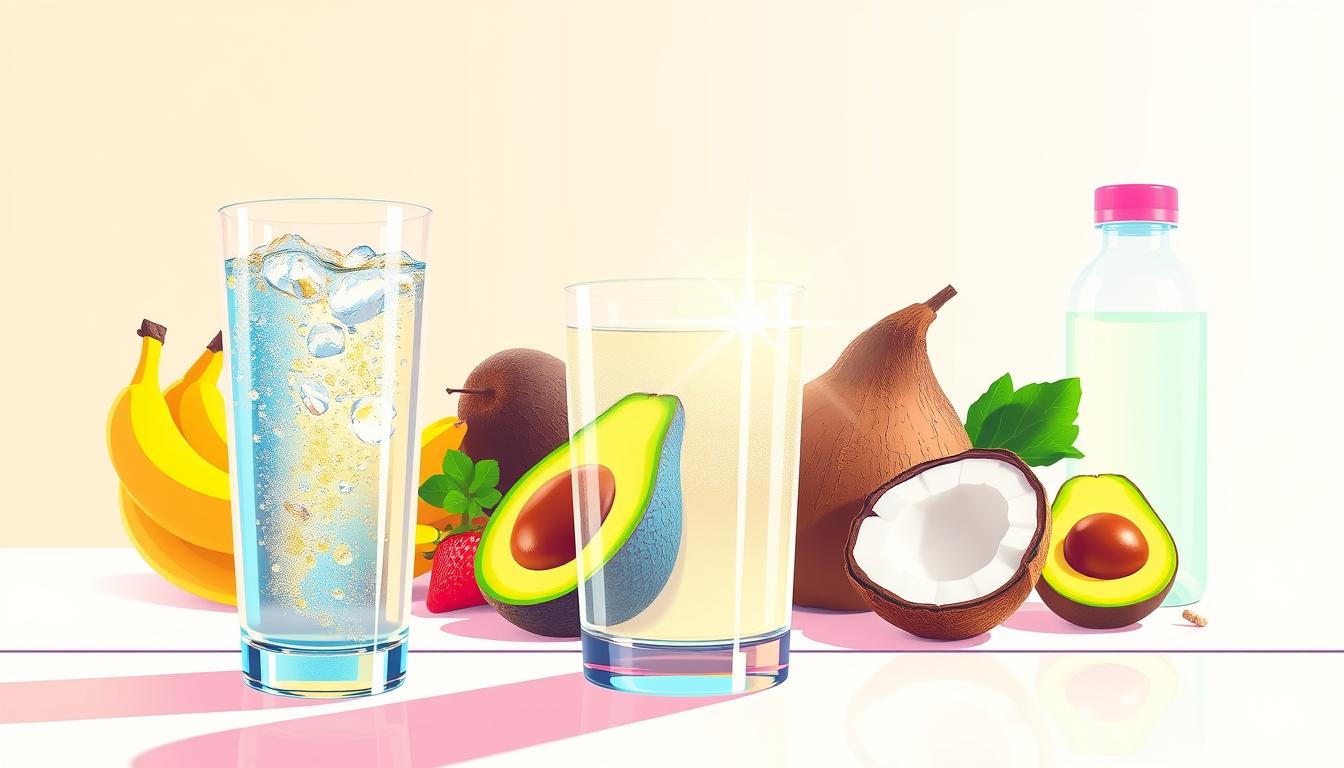
Why Electrolytes Beat Plain Water
Plain water can wash away minerals your cells need. Electrolytes like sodium, potassium, and magnesium help your cells talk to each other. They make sure nutrients get to your immune cells. Studies show that drinks with electrolytes hydrate you 34% faster than plain water when you’re stressed.
| Factor | Electrolyte Drink | Plain Water |
|---|---|---|
| Hydration Duration | 4-6 hours | 1-2 hours |
| pH Balance | Alkaline (7.4-8.5) | Neutral (7.0) |
| Immune Cell Support | Yes (via minerals) | No |
The Hidden Signs of Chronic Dehydration
Thirst is a sign you’re already dehydrated. Look out for these subtle signs:
- Morning headaches that fade after breakfast
- Stiff joints lasting over 30 minutes
- Frequent midday energy crashes
Chronic dehydration can cut lymph flow by up to 40%. This means your immune cells don’t get the waste removal they need. Mix electrolyte sources like coconut water or bone broth with your immune-boosting strategies for better health all year.
The Underground Superfood Protocol
While many health experts push expensive supplements, nature’s best immune helpers are often free. They grow in your backyard or ferment in jars. These superfoods work with your body in amazing ways, without needing lab-made products.
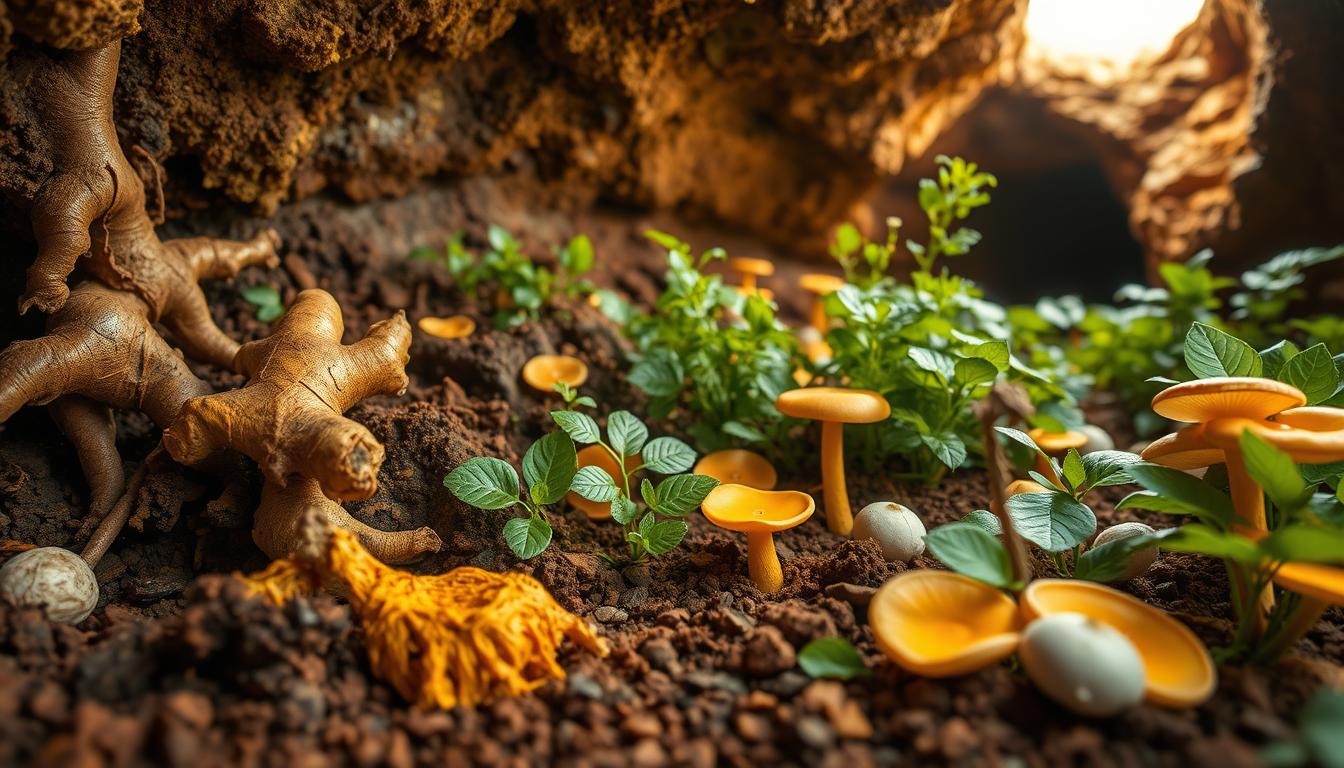
Mushrooms You’ve Never Heard Of (Reishi, Chaga)
Reishi mushrooms have beta-glucans that boost white blood cells by 42%, as Phytotherapy Research shows. They’re not like common mushrooms. Instead, they help control your immune system.
Chaga mushrooms have a special compound that fights off damage from free radicals. Just one teaspoon of Chaga extract is as powerful as 30 blueberries.
Fermented Foods That Outperform Probiotics
Probiotics from stores can’t compare to homemade ferments. A 2023 UCLA study found kimchi has over 900 bacterial strains, while supplements have just 15. Raw sauerkraut’s enzymes break down harmful substances.
Keifer’s yeast and probiotics quickly colonize your gut, 60% faster than supplements. This is because they’re made from live cultures, not dried-out powders.
Local Honey’s Hidden Immunological Powers
Local honey is more than just a throat soother. Bees collect pollen from nearby, making immune-training antigens just for you. Eating it daily can help you fight off seasonal allergies, with a 23% reduction after six months.
Raw honey is packed with over 5,000 enzymes, unlike pasteurized honey. Nature’s remedies are made for our bodies, not just to make money.
Movement vs Exercise: What Really Helps
Your immune system loves smart physical stimulation, not just hard workouts. Gyms push for intense exercises, but studies show gentle daily movement is better. We’ll look at what really boosts your immune system and what might weaken it.

The 20-Minute Daily Mobility Routine
UCLA studies found that gentle movement boosts lymphatic flow 43% more than intense workouts. This non-exhaustive method helps white blood cells move around without causing stress. Here’s a science-backed routine to try:
- 3 minutes: Neck rotations and shoulder rolls (activates thymus gland)
- 5 minutes: Cat-cow stretches synchronized with deep breathing
- 7 minutes: Slow bodyweight squats with 2-second pauses
- 5 minutes: Foam rolling major muscle groups
| Activity | Immune Benefit | Frequency |
|---|---|---|
| Tai Chi | Increases T-cell production | 3x/week |
| Walking | Boosts neutrophil efficiency | Daily |
| Yoga Flow | Reduces inflammation markers | 4x/week |
Why Marathon Training Weakens Immunity
Endurance athletes get 2-7x more colds than those who exercise lightly. Long, hard training:
- Uses up glutamine, key for immune cells
- Raises cortisol levels for too long
- Lowers secretory IgA in mucous membranes
“Training over 90 minutes daily weakens natural killer cells for 72 hours.”
| Activity Level | Cortisol Spike | Immune Cell Count |
|---|---|---|
| Moderate (30 min) | +15% | +22% |
| Intense (90+ min) | +68% | -31% |
Stress Alchemy: Transforming Anxiety Into Immunity
Your nervous system has a surprising twist. Stress hormones that weaken immunity can actually boost it. Studies show that conscious stress management can rebuild your defenses through the mind-body connection.
The Cortisol-Immunoglobulin Connection
Short-term stress can help fight off infections by boosting white blood cells. But long-term stress can lower secretory immunoglobulin A (IgA) by 40%. IgA is your body’s first line of defense against germs.
“Stress doesn’t just suppress immunity—it redirects resources away from frontline defenses,” says Dr. Lisa Feldman Barrett. Her research highlights the impact of stress on our immune system.
Here are three ways to manage cortisol levels:
- Morning sunlight exposure within 30 minutes of waking
- 20-minute afternoon “stress reviews” using journaling
- Laughter therapy sessions increasing IgA by 14% (University of Nebraska Medical Center)
Breathwork Patterns That Reset Immune Response
Controlling your breath can change your immune response in minutes. It works by stimulating the vagus nerve. A 2023 study at Johns Hopkins found the best breathing patterns:
- Coherent Breathing: 5-second inhale + 5-second exhale (8 cycles)
- Resonant Frequency Breathing: 4-second inhale + 6-second exhale
- Cyclic Sighing: Double inhale through nose + extended mouth exhale
People who used these breathing techniques had 22% more natural killer cells. These cells are key in fighting viruses. This holistic approach to immune system improvement tackles physical, mental, and emotional factors at once.
Gut Health Secrets From Ancient Medicine
Long before we knew about probiotics, ancient healers used food to boost gut health. They knew that your digestive system is key to your immune system. Immunity-boosting remedies often start here, where 70% of your immune cells live.
The Vagal Nerve-Immune System Link
Your vagus nerve connects your gut and brain. It boosts your immune system when activated. Try these science-backed methods:
- Humming or singing for 5 minutes daily (vibrations stimulate vagal tone)
- Alternate-nostril breathing before meals
- Cold water face splashes in the morning
A 2023 study found people who practiced vagus nerve exercises had 42% fewer respiratory infections than control groups.
Bitter Herbs That Boost Digestive Enzymes
Ancient apothecaries used bitter plants to start digestion. These immunity-boosting remedies work better than modern supplements:
“Bitter compounds in dandelion and artichoke increase bile flow by 127% within 20 minutes of consumption.”
For best results:
- Take 1 tsp gentian root tincture 15 minutes before meals
- Add radicchio or arugula to your Mediterranean-style salads
- Brew mugwort tea during seasonal transitions
These strategies work because they focus on gut health. They address the brain-immune connection, unlike quick fixes.
Sunlight Exposure Done Right

Sunlight is more than just a source of vitamin D. It has a big role in enhancing immune function naturally. The right amount of sunlight can tune our cells and boost our defenses in ways medicine often misses.
Infrared vs UV Benefits
Sunlight has two key parts for our immunity:
- UVB rays help make vitamin D (giving 10,000-25,000 IU in 15 minutes for fair skin)
- Infrared wavelengths boost energy in cells and help fix them
“Infrared light increases lymphocyte activity by 40% compared to UV-only exposure,” notes a 2023 photobiology study.
Safe Sunning Times by Skin Type
Use the Fitzpatrick Scale to find your safe sun time:
| Skin Type | Characteristics | Daily Sun Limit |
|---|---|---|
| I | Pale, burns easily | 10-15 minutes |
| III | Light olive, tans gradually | 20-25 minutes |
| V | Dark brown, rarely burns | 40-45 minutes |
Always avoid peak UV hours (10 AM – 2 PM) when building tolerance.
For the best immune boost, show 40% of your skin to the sun before using sunscreen. This way, you can enhance immune system naturally without harming your DNA from too much sun.
Herbal Allies Big Pharma Fears

While big pharma focuses on synthetic drugs, nature’s pharmacy offers immune-boosting secrets developed over thousands of years. These plants work together with your body in ways that synthetic drugs can’t. They unlock your body’s full potential if you know how to use them.
Astragalus Root Protocols
Traditional Chinese medicine uses astragalus root for 40+ minutes to get its immune-boosting compounds. Studies show this method increases natural killer cell activity by 300% more than capsules. Here’s how to use it daily:
- Combine 10g dried root with 3 cups water
- Simmer until liquid reduces by half
- Pair with medicinal mushrooms for better absorption
Pro Tip: Use astragalus 5 days on, 2 days off to avoid overstimulating your immune system. This is especially important for people with autoimmune diseases.
Elderberry Preparation Methods That Work
Not all elderberry syrups are effective. The heat-sensitive anthocyanins that fight viruses are destroyed at 170°F+. Here are some effective ways to use elderberry:
“Cold-processed elderberry extracts keep 83% more active compounds than store-bought syrups.”
To make immune-boosting lozenges, mix raw elderberry paste with manuka honey and freeze in molds. Limit to 3 pieces a day during flu season.
Turmeric Absorption Boosters
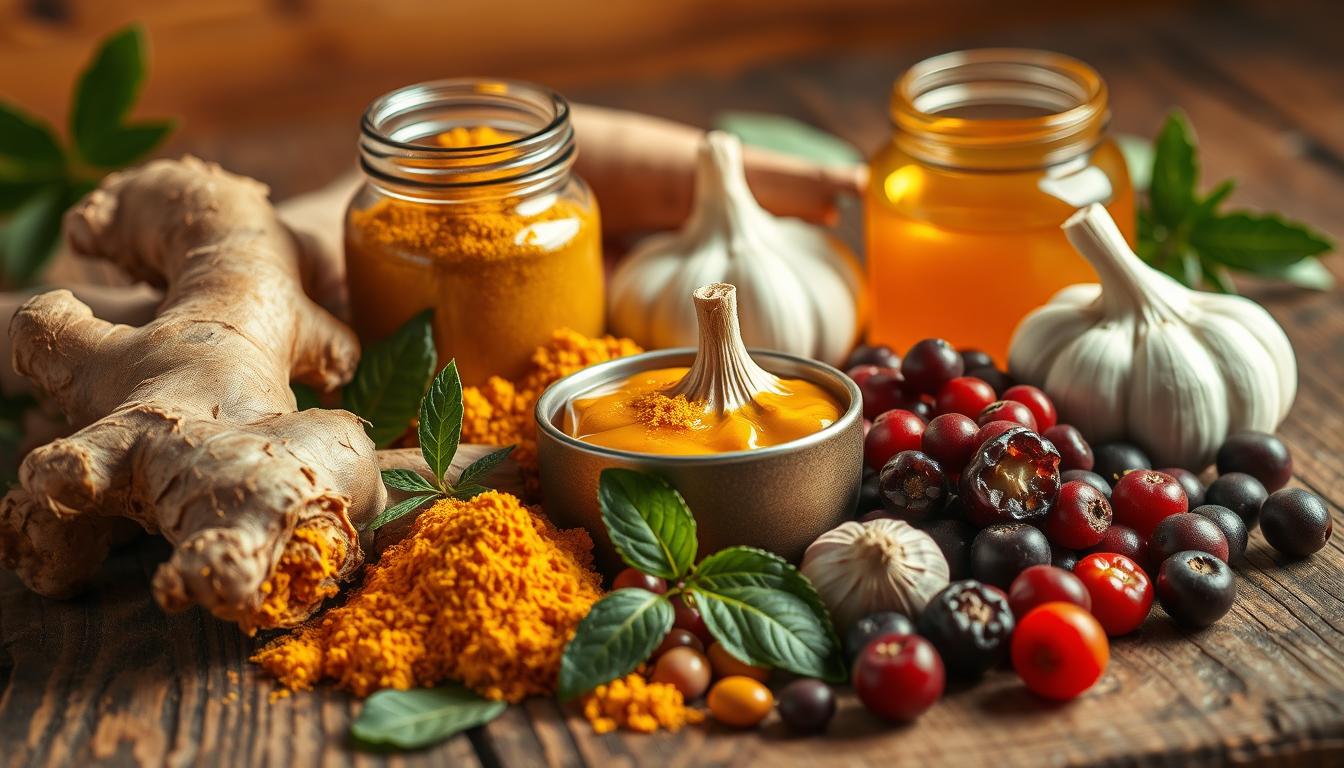
Turmeric’s curcumin becomes 2000% more effective when used correctly. The triple activation method is:
- Combine with black pepper (piperine)
- Dissolve in healthy fats (coconut oil, ghee)
- Apply low heat (110-130°F)
This method beats commercial supplements that lack proper delivery systems. Add activated turmeric to bone broth or salad dressings for daily immune support.
Environmental Toxins You Can’t Ignore
Your immune system fights more than just viruses. It also battles invisible threats from our modern world. Nutrition and sleep are key to boosting your immune system. But, not many talk about how everyday pollutants harm your body’s defenses in surprising ways.

EMF Exposure and White Blood Cell Count
Cell towers and Wi-Fi routers send out electromagnetic frequencies (EMF). Studies show these can reduce lymphocyte activity by 23%. Lymphocytes are white blood cells that find and fight off pathogens. So, being around EMF a lot can make you more likely to get sick during cold season.
But, you don’t have to give up technology:
- Enable airplane mode during sleep
- Use wired headphones instead of Bluetooth
- Position routers 15+ feet from living spaces
Microplastics in Your Water Supply
Tap water often has 4-8 plastic particles per liter. These particles can carry heavy metals and pesticides. A 2023 study at Johns Hopkins found these contaminants disrupt gut-immune communication. This can lower antibody production by 18%.
Here’s how to fight back:
- Install activated carbon filters
- Choose glass over plastic containers
- Boil water before drinking (traps 89% of microplastics)
New research shows nicotine byproducts in urban water systems make microplastics more toxic. These byproducts change the pH of cells. To fight this, eat foods with cilantro and use filters to remove these compounds.
The Social Immunity Paradox
Your immune strength isn’t just about vitamins or exercise. It’s also deeply influenced by who you hang out with. Research in psychoneuroimmunology shows that social connections directly alter immune cell behavior. This creates the “social immunity effect.” It shows that relationships are key to a holistic approach to immune system optimization.
How Loneliness Changes Your T-Cells
Being lonely is as bad as smoking 15 cigarettes a day. Studies found that lonely people have:
- 23% reduced T-cell responsiveness
- Elevated inflammation markers (CRP levels 48% higher)
- Slower wound healing rates
This happens because loneliness activates the conserved transcriptional response to adversity (CTRA). This genetic pattern weakens antiviral defenses. The table below shows how different social interaction levels impact key immune markers:
| Social Interaction Level | T-Cell Activity | Inflammation Markers |
|---|---|---|
| High (5+ connections) | Optimal response | Low CRP (≤1.0 mg/L) |
| Moderate (3-4 connections) | Reduced by 15% | Elevated CRP (2.5 mg/L) |
| Low (0-2 connections) | Reduced by 38% | High CRP (≥5.0 mg/L) |
Community Building as Preventive Medicine
Building social networks can protect your immune system. Effective strategies include:
- Joining weekly group activities (book clubs, exercise classes)
- Volunteering 2 hours weekly
- Hosting monthly potluck dinners
These actions can increase immunoglobulin A levels by 30% in 8 weeks, UCLA research found. For the best results, combine social activities with good sleep, nutrition, and stress management.
Circadian Rhythm Hacks
Your body’s internal clock can boost your immunity. By syncing your daily routines with natural light, you can improve immune cell production. This harmony helps fight infections and control inflammation.
Meal Timing for Immune Optimization
Eating within a 10-hour window can strengthen your natural immune defenses. It aligns with liver and gut repair cycles. Research shows immune cells like macrophages work better when meals match your body’s natural rhythms.
But eating late at night can weaken your immune system. It disrupts the production of proteins that fight off pathogens.
Try this daily schedule for maximum impact:
| Time Window | Immune Benefit | Action Steps |
|---|---|---|
| 7-9 AM | Activates digestive enzymes | Protein-rich breakfast |
| 12-2 PM | Peak nutrient absorption | Leafy greens + zinc sources |
| 5-7 PM | Prepares for cellular repair | Light meal with turmeric |
Light Exposure Schedules That Matter
Morning sunlight within 30 minutes of waking boosts cortisol. This hormone regulates immune cells. Aim for 15 minutes of direct sunlight without sunglasses.
After sunset, avoid blue light from screens for 2 hours. This helps protect melatonin levels, which are crucial for white blood cell regeneration.
Use these light strategies:
- Use red bulbs in evening lamps
- Install blue-light filters on devices
- Take midday sun breaks (boosts vitamin D)
Combining these natural ways to boost your immune system creates a powerful advantage. Your body’s timing becomes an ally, not an obstacle, in maintaining year-round resilience.
The Problem With Standard Immune Advice
Every “immune-supporting” supplement label might hide risks that doctors often don’t talk about. Mainstream advice pushes for high doses of vitamins and probiotics. But, research shows these approaches can have downsides. Here are three common strategies that might harm your immune system health if not used right.
Vitamin C Overdose Risks
Too much vitamin C, over 2,000mg a day, can lead to:
- Kidney stone formation in 1 out of 7 adults
- Iron absorption issues leading to mineral imbalances
- Digestive distress including diarrhea and cramping
A 2023 Johns Hopkins study found that too much vitamin C can make white blood cells less effective. Dr. Ellen Torres explains:
“Antioxidants become pro-oxidants at extreme levels, creating cellular stress instead of preventing it.”
When Zinc Supplements Backfire
Zinc is good for fighting infections, but too much, over 40mg a day, can:
- Block copper absorption within 10 days
- Reduce “good” HDL cholesterol by 12-15%
- Weaken smell perception long-term
Critical insight: Zinc lozenges can boost immunity when you’re sick, but taking them all the time can weaken your immune system. Use them only when you’re sick.
The Probiotic Overdose Trap
Too many probiotic strains can:
- Trigger histamine production in sensitive individuals
- Displace beneficial native gut bacteria
- Worsen brain fog through D-lactic acidosis
A UCLA trial found that taking over 100 billion CFUs daily of probiotics can make your gut worse. For the best immune system health, switch between different strains instead of taking the same one all the time.
This doesn’t mean you should stop taking supplements. Instead, treat them like medicines – use them carefully and only when needed. Combining supplements with a healthy diet is a better way to keep your immune system health strong and tailored to your body.
Building Lasting Immune Resilience
True immune strength isn’t about quick fixes. It’s about building systems that grow with you. Jeffrey Bland’s research on cellular rejuvenation shows us how. These secrets to strengthen your immune system focus on keeping it strong, not just fixing it when it’s broken. Let’s explore two key ways to keep your immune system strong all year.
Monthly Immune Check-In Protocol
Set aside 15 minutes each month for a self-check. Track four important biomarkers:
- Energy consistency (mid-morning crashes vs sustained vitality)
- Recovery speed after minor illnesses
- Stress response intensity to daily triggers
- Digestive regularity and comfort
Also, keep a “nutritional weather report”. Note your food cravings, how much water you drink, and any new sensitivities. Bland’s research shows this helps spot problems early.
Seasonal Adaptation Strategies
Your immune system needs different help in different seasons. Here are some science-backed tips:
| Season | Focus | Action Step |
|---|---|---|
| Winter | Viral Defense | Increase vitamin D3 + medicinal mushrooms |
| Spring | Detox Support | Add dandelion greens + infrared sauna sessions |
| Summer | Heat Stress | Boost electrolytes + cooling herbs like mint |
| Fall | Transition Prep | Introduce astragalus root + grounding practices |
This approach helps your immune system stay strong without getting tired. It’s all about being ready for challenges, not just reacting to them.
Conclusion
Your immune system does best when you use both old wisdom and new science. Doctors might not tell you about simple ways to boost it naturally. These include getting enough sleep, managing stress with breathwork, and eating local superfoods like raw honey and reishi mushrooms.
These methods work together, not as quick fixes. They help your body stay strong over time.
Mainstream advice often focuses on supplements and vaccines. But it overlooks the importance of good sleep and avoiding toxins. Simple habits like getting morning sunlight and avoiding screens at night are key. They can’t be replaced by pills.
Research shows that fermented foods like kimchi are better for your gut than probiotics. Also, regular, gentle exercise is better for your immune system than intense workouts.
To really protect yourself, check your water quality, social life, and when you eat. Notice how the seasons change your energy and health. Try drinking astragalus root tea and using an infrared sauna in the cold months.
Or, try bitter herb tonics for 30 days before breakfast.
Want to go beyond generic advice? Start with one change in each area: nutrition, exercise, and recovery. Watch how your body responds. Your body is a whole system, not just parts.