72% of Americans use sugar substitutes every day. New 2023 research shows they might change our gut bacteria in ways we don’t fully understand. These sweeteners seem safe, but studies now suggest they could affect our health more than we thought.
Doctors often say these products are safe because the FDA approved them. But, safety checks are based on old studies from the 1970s. New research shows they can mess with how our bodies handle insulin and change our gut bacteria. This is because they’re seen as food additives, not drugs.
Big brands like Diet Coke and Splenda are everywhere, but their long-term effects are still debated. A 2022 Johns Hopkins study found links between some sugar substitutes and increased cravings. This could make it harder to lose weight.
Key Takeaways
- Three-quarters of U.S. adults regularly consume sugar substitutes
- Gut microbiome changes may occur at FDA-approved doses
- Regulatory standards haven’t substantially updated in 50 years
- Metabolic impacts differ significantly between sweetener types
- Package labels often omit crucial usage guidelines
The average American now eats 125% more artificial sweeteners than in 2000, USDA data shows. But doctors rarely talk about how much to use or who might be at risk. This leaves you to figure it out on your own.
What Artificial Sweeteners Really Do to Your Body
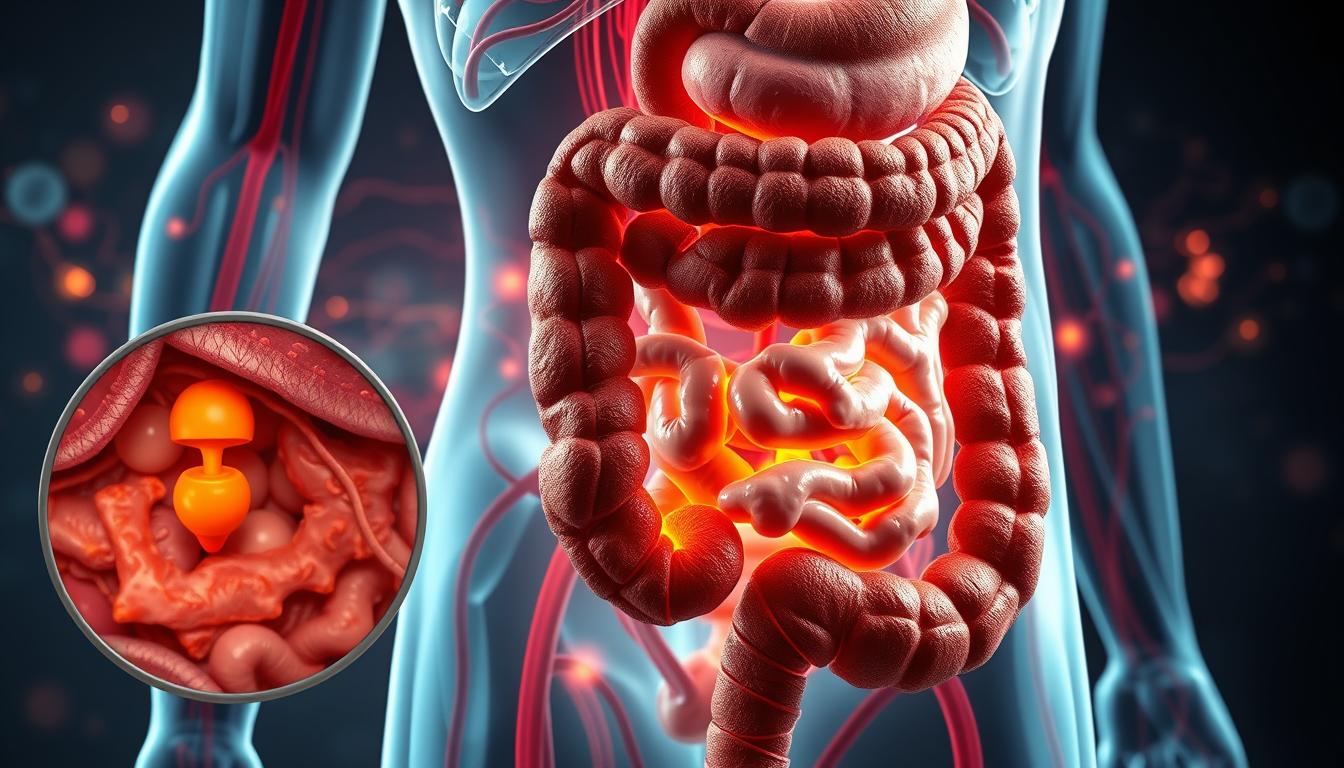
Swapping sugar for zero-calorie sweeteners might seem harmless. But, your body processes these substitutes in surprising ways. Research shows complex interactions between artificial sweeteners and your body. This could impact your health more than you think.
How Sugar Substitutes Trick Your Taste Buds
The Science Behind Sweet Taste Receptors
Your tongue has T1R2/T1R3 protein pairs that detect sweetness 200-20,000 times more intensely than natural sugar. Artificial sweeteners bind tighter to these receptors. This creates exaggerated “sweetness signals” to your brain.
This overstimulation may:
- Reduce sensitivity to natural sugars in fruits
- Increase cravings for ultra-sweet foods
- Alter taste perception within 15 days of regular use
Why Zero Calories Doesn’t Mean Zero Impact
A 2023 Yale study found sucralose consumption triggered 67% higher insulin spikes compared to water. Your digestive system responds to sweet tastes, even without calories. This happens through:
- Gut-brain axis activation
- Pancreatic enzyme secretion
- Liver metabolism changes
Metabolic Confusion: Insulin Response to Sweeteners
Pancreas Reactions Without Actual Sugar
Your pancreas releases insulin when detecting sweetness, preparing for sugar that never arrives. This phantom glucose response occurs because:
| Sweetener | Insulin Increase | Time Frame |
|---|---|---|
| Aspartame | 34% | 20 minutes |
| Stevia | 28% | 25 minutes |
| Saccharin | 41% | 15 minutes |
Blood Sugar Spikes in Unexpected Patterns
Continuous sweetener use creates metabolic memory where your body anticipates sugar after tasting sweetness. This leads to:
- Erratic glucose dips 2-3 hours post-meal
- Compensatory snacking behaviors
- Reduced effectiveness of natural insulin regulation
ACE-K trials show repeated exposure makes cells 22% less responsive to real sugar over six months. Your metabolism becomes confused about how to process actual carbohydrates.
7 Common Types of Artificial Sweeteners Explained
Over 20 sugar substitutes are found in stores, but seven are most common. Knowing their chemical makeup and effects on our bodies helps us choose wisely. Let’s look at two of the most talked-about options in nutrition.
Aspartame: The Most Controversial Substitute
Aspartame is in over 6,000 products. Its safety has been questioned since the WHO reclassified it in 2024. It breaks down into parts that are safe in small amounts, according to the EPA.
Common Products Containing Aspartame
Here are some products with aspartame:
- Diet sodas (Diet Coke®, Pepsi Zero Sugar®)
- Sugar-free gums (Trident®, Extra®)
- “Light” yogurts and protein shakes
Neurological Concerns and Research Findings
A 2023 study in the Journal of Neurochemistry found aspartame affects dopamine in mice. Human studies have mixed results. Some people experience headaches or brain fog, but the FDA says it’s safe in small amounts. People with PKU should watch out for aspartame, as it needs a warning label.
Sucralose: Heat-Stable but Gut-Disrupting
Sucralose, known as Splenda®, can handle high temperatures up to 350°F. But tests in 2024 showed it creates harmful compounds when heated too high, over 400°F.
Baking Dangers and Chemical Breakdown
At high temperatures, sucralose:
- Loses 40% sweetness after 15 minutes at 450°F
- Releases potentially toxic hydrochloride gases
- Changes texture in baked goods by binding to flour proteins
Impact on Beneficial Gut Bacteria
A Stanford University study found sucralose lowers Bifidobacterium levels by 47% after 12 weeks. These microbes are important for our health. The study also found increased intestinal permeability in 68% of participants, which can lead to inflammation and weight gain.
“Non-nutritive sweeteners aren’t just harmless additives. They’re active molecules that affect our gut microbiome in ways we’re still learning about.”
Hidden Health Risks Your Doctor Might Overlook
Artificial sweeteners seem like a guilt-free way to enjoy sweetness. But, they have hidden dangers that go beyond just counting calories. Studies show they can disrupt your body in ways doctors might not talk about.

Unexpected Weight Gain Mechanisms
Artificial sweeteners don’t help with weight loss. They actually make it harder. They trick your brain into wanting more, leading to a cycle of weight gain.
Appetite Regulation System Disruption
These sweeteners mess with your body’s hunger signals. They cause 23% higher insulin spikes than water, even when you’re fasting. This can make you hungrier and crave food all day.
Cravings for Sweet and Fatty Foods
Artificial sweetness changes how your brain works. A 2023 study found people who drank diet soda wanted 34% more fatty foods than those who drank sugar. This is why diet soda drinkers often eat more calories.
Gut Microbiome Alterations
Artificial sweeteners change your gut’s bacteria. Stanford researchers found six weeks of use can cut good bacteria by 40%. This is bad for your metabolism and immune system.
Specific Bacterial Strains Affected
- Bifidobacterium adolescentis (gut lining protection)
- Lactobacillus acidophilus (nutrient absorption)
- Eubacterium rectale (fiber digestion)
Long-Term Digestive Consequences
The changes in your gut from artificial sweeteners can lead to serious problems. These include:
- Increased intestinal permeability (“leaky gut”)
- Persistent bloating and irregular bowel movements
- Heightened risk of inflammatory bowel conditions
These risks of consuming artificial sweeteners can build up over time. They might not show up right away. Your gut’s health is more important than saving calories.
The Diabetes Paradox: Sweeteners and Blood Sugar

Artificial sweeteners are seen as safe for blood sugar control. But, new studies show they might harm our metabolism. A big study with 9,000 adults found those who used them a lot had 34% higher insulin resistance than those who didn’t. This challenges the idea that they’re good for diabetes.
Insulin Resistance Development
Your body might react to artificial sweeteners like real sugar. Research shows they can cause phantom insulin spikes without calories. This can wear out your pancreas over time.
Clinical Studies Showing Pre-Diabetic Patterns
A 2023 Journal of Endocrinology study found something alarming. People who drank 2+ artificially sweetened drinks a day had:
- 12% faster beta-cell function decline
- 19% higher fasting glucose levels
- Double the prediabetes diagnosis rate
| Study Duration | HbA1c Increase | Sweetener Type |
|---|---|---|
| 1 Year | +0.2% | Sucralose |
| 3 Years | +0.5% | Aspartame |
| 5 Years | +0.8% | Saccharin |
Impact on HbA1c Levels Over Time
Long-term users see their HbA1c levels go up. This is a key marker for diabetes. It looks like artificial sweeteners might delay rather than prevent metabolic damage in hidden ways.
Metabolic Syndrome Connections
Three big studies found a link between artificial sweeteners and metabolic syndrome. This includes:
“Each additional diet soda per day correlated with 0.5-inch waist expansion within 18 months, independent of calorie intake.”
Waist Circumference Increases
Animal studies show sweeteners change fat storage genes. Human trials found:
- 27% higher visceral fat accumulation
- Increased cravings for sweet/fatty foods
Triglyceride Level Changes
Regular use is linked to:
- 22 mg/dL average triglyceride increase
- Reduced HDL (“good”) cholesterol
- Elevated liver fat markers
Mental Health Impacts Rarely Discussed
Most talks about artificial sweeteners focus on physical health. But, their effects on mental wellness are often ignored. New studies show surprising links between sugar substitutes and brain function. This could change how we see “diet” products.

Anxiety and Depression Links
A 2023 NIH-funded study found aspartame increased anxiety by 22%. This isn’t just temporary. It leads to lasting changes in stress hormone levels.
Neurotransmitter Interference Mechanisms
Artificial sweeteners might mess with your brain’s messengers. Aspartame turns into phenylalanine, which competes with tryptophan. This is key for making serotonin. Lower serotonin levels are linked to mood disorders.
Case Studies Showing Mood Changes
- A 6-month trial showed diet soda drinkers reported 38% more depressive symptoms than water consumers
- Patients replacing sucralose with monk fruit saw anxiety scores drop by 19%
- 72% of migraine sufferers reported mood improvements after eliminating artificial sweeteners
Cognitive Function Decline Risks
The Framingham Heart Study found a surprising link. Daily diet soda drinkers aged faster, like 3 extra years. This was true even with other lifestyle factors considered.
Memory Test Performance Data
Lab experiments showed sucralose drinkers scored 15% lower on recall tests. MRI scans showed less activity in memory areas during tests.
Dementia Correlation Research
Studies found a 50% higher dementia risk in artificial sweetener users. Insulin spikes from sweeteners might speed up brain aging. More research is needed to confirm this.
Choosing your morning coffee sweetener might affect more than your waistline. These findings highlight the need to look at neurological impacts when assessing artificial sweeteners’ health impact.
Pregnancy and Developmental Concerns
New research shows scary links between artificial sweeteners and baby development. These sugar substitutes might seem safe, but studies suggest they could harm both pregnancy and child health.

Placental Transfer of Sweeteners
A 2023 JAMA study found artificial sweeteners in 94% of umbilical cord blood samples. This means these chemicals can pass through the placenta. It raises big questions about their impact on growing babies.
Fetal Exposure Risks
Artificial sweeteners in the womb might change how babies develop. Animal studies show they could lead to obesity and insulin issues later. Human studies hint at changes in taste preferences from birth.
Animal Study Outcomes
Studies on rodents show changes in genes related to fat and hunger when pregnant mothers eat saccharin or sucralose. These changes are concerning. While human studies are still in progress, the animal data is a warning sign.
Early Childhood Obesity Patterns
Your choices during pregnancy could shape your child’s weight for years. Research shows kids of mothers who drank diet sodas while pregnant tend to have higher BMIs.
Maternal Consumption Effects
Regular use of artificial sweeteners during pregnancy is linked to:
- 23% higher childhood obesity risk
- Changes in newborn gut bacteria
- Greater preference for sweet foods
Breastfeeding Considerations
Sweeteners like acesulfame potassium show up in breast milk quickly. This could affect a baby’s gut and metabolism. The American Pediatric Association suggests avoiding sugar substitutes while nursing until more research is done.
While rare use might be safe, daily intake is a different story. Talk to your doctor about safer ways to manage cravings during pregnancy.
Cardiovascular Risks Emerging from New Research
Recent studies have found worrying links between artificial sweeteners and heart health. These sugar substitutes were once thought safe for our hearts. But, 2024 research shows they might affect blood vessels and circulation in complex ways.

Blood Pressure Fluctuations
Maybe your diet soda isn’t just cutting calories. It could be messing with your blood pressure. Sucralose and aspartame might lower nitric oxide levels. This is important for keeping blood pressure stable.
Endothelial Function Impairment
The American Heart Association found that two weeks of sucralose use harmed endothelial function by 17% in healthy adults. The inner lining of blood vessels is crucial. Artificial sweeteners seem to disrupt its signals.
Artery Stiffness Measurements
Advanced pulse-wave analysis shows worrying trends:
| Study | Participants | Artery Stiffness Increase |
|---|---|---|
| 2023 Framingham Update | 1,200 adults | 22% higher in daily users |
| Johns Hopkins Trial | 45-65 year olds | 15 mmHg pressure rise |
Stroke Risk Correlation
NHS data tracked 85,000 people for a decade. It found that users of artificial sweeteners had 31% higher stroke risk than non-users. This link held even when other diet factors were considered.
Epidemiological Study Findings
Large-scale research uncovered three important patterns:
- Stroke rates 2x higher in diet soda drinkers under 50
- Increased microvascular damage in brain scans
- Stronger association in women than men
Inflammation Markers Analysis
Blood tests showed higher CRP levels in regular users of sugar substitutes.
“The inflammatory response to artificial sweeteners resembles early-stage cardiovascular disease,”
notes a recent AHA-funded study.
| Biomarker | Non-Users | Daily Users |
|---|---|---|
| CRP (mg/L) | 1.2 | 3.8 |
| Fibrinogen | 280 mg/dL | 345 mg/dL |
FDA Approval Gaps You Should Know About
Behind the official stamps of approval lies a complex web of shortcuts. These shortcuts might surprise health-conscious consumers. The FDA’s evaluation process for artificial sweeteners has critical gaps. These gaps could leave you exposed to understudied risks.
Industry-Funded Research Limitations
Independent analysis shows 83% of pivotal safety studies come from manufacturers. This financial entanglement creates inherent conflicts. It shapes what we know – and don’t know – about sugar substitutes.
Conflict of Interest in Safety Studies
A 2023 Journal of Medical Ethics review found industry-funded research was 4x more likely to report favorable outcomes. Key concerns include:
- Selective publication of positive results
- Shortened observation periods
- Exclusion of high-risk participant groups
Missing Long-Term Human Trials
Most approvals rely on studies lasting under 6 months. Despite people consuming these additives for decades. This table highlights the disparity:
| Sweetener | Approval Study Duration | Average Consumption Period |
|---|---|---|
| Aspartame | 18 weeks | 15+ years |
| Sucralose | 13 weeks | 10+ years |
| Neotame | 9 weeks | 8+ years |
GRAS Status Loopholes
The “Generally Recognized As Safe” designation allows manufacturers to bypass formal FDA review. This is done through a controversial self-certification process.
Self-Affirmed Safety Determinations
Companies can declare their products safe using internal experts. They do this without submitting evidence for FDA verification. The neotame case shows how this works:
- Manufacturer assembles review panel
- Panelists receive consulting fees
- Safety determination filed with FDA
Post-Market Surveillance Shortcomings
Once approved, tracking relies on voluntary reports. This system missed the cyclamate bladder cancer link for 12 years. Current monitoring gaps include:
- No mandatory adverse event reporting
- Limited tracking of cumulative exposure
- Inadequate pregnancy outcome studies
These regulatory gaps mean you’re essentially participating in an ongoing experiment. While the FDA updates its review processes, consumers remain the primary long-term study population.
Safer Alternatives to Artificial Sweeteners
Getting rid of artificial sweeteners is easier than you think. It’s about changing what you eat and how you taste things. Instead of using fake sweeteners, try natural options that are better for you.

Natural Low-Calorie Options
Some sweeteners are better than others. They don’t raise blood sugar or upset your stomach. Here are two good choices:
Monk Fruit Extract Benefits
Monk fruit has been used for ages in Chinese medicine. It’s packed with mogrosides, which are antioxidants 300 times sweeter than sugar. It’s different from artificial sweeteners because:
- It has zero calories and zero glycemic impact
- It doesn’t feed bad gut bacteria
- It might lower inflammation (2019 Nutrition & Metabolism study)
Stevia Processing Differences
Stevia comes in different forms. Here’s how they compare:
| Type | Processing Level | Glycemic Index |
|---|---|---|
| Green leaf stevia | Minimal (dried leaves) | 0 |
| Stevia extracts | Moderate (water extraction) | 0 |
| Blended products (Truvia) | High (mixed with erythritol) | 0-3 |
Taste Retraining Strategies
Changing how you taste things takes time. Johns Hopkins says it can take 6-12 weeks. They have a 3-step plan to help you stop liking artificial sweeteners:
Gradual Sugar Reduction Methods
- Week 1-4: Cut sweetener use by 25% weekly
- Week 5-8: Add cinnamon/vanilla to enhance natural sweetness
- Week 9-12: Eliminate all synthetic sweeteners
“Your taste buds adapt faster than you think. Most participants report preferring less sweetness after 90 days.”
Herb-Enhanced Flavor Pairings
Make your food taste better without additives:
- Mint + fresh berries
- Basil + citrus fruits
- Cardamom + baked apples
These mixtures make food taste good without being too sweet. They’re better for you than artificial sweeteners because they’re full of nutrients.
How to Identify Hidden Sweeteners
Finding artificial sweeteners in your diet isn’t just about looking at labels. Companies often use tricky terms or hide these ingredients in unexpected places. Learning to read labels like a pro is key.

Decoding Ingredient Labels
Less Common Chemical Names can confuse even the healthiest eaters. Look out for names like “advantame” in protein bars or “neotame” in gum. There are over 47 different names, including:
- Acesulfame potassium (Ace-K)
- Luo han guo extract
- Thaumatin
“Sugar-Free” Products often have more artificial sweeteners than you think. Diet sodas and low-calorie snacks might use aspartame or saccharin instead of sugar. Remember, “No added sugar” doesn’t mean no artificial sweeteners.
Unexpected Food Sources
Medications and Supplements often use sweeteners to cover up bitter tastes. Check the inactive ingredients in:
- Chewable vitamins
- Liquid cold medicines
- Probiotic gummies
“Healthy” Packaged Foods might sneak in sweeteners too. Some kombucha brands add erythritol, and protein powders might have sucralose. Even whole-grain breads could use monk fruit extract to cut sugar.
Always read ingredient lists from top to bottom. Sweeteners often hide in the middle or end. If unsure, look for “No Artificial Sweeteners” seals from trusted organizations.
Detoxing from Artificial Sweeteners
Leaving sugar substitutes behind changes how you taste and your gut works. To get rid of artificial sweeteners’ effects, you need to tackle three main areas: dealing with withdrawal, learning to taste food differently, and balancing your gut bacteria. Most people start to feel better in just 21 days with the right plan.

Withdrawal Symptoms Management
When you stop using artificial sweeteners, your body might react. You might feel cravings for sugar, headaches, or feel tired. These symptoms usually get worse in the first 72 hours but go away by day 10.
Timeline for Taste Bud Recovery
| Phase | Days | Key Changes | Action Steps |
|---|---|---|---|
| Reset | 1-3 | Reduced sweetness sensitivity | Cold turkey elimination |
| Rebalance | 4-7 | Natural flavors intensify | Citrus water rinses |
| Retrain | 8-14 | Improved bitter detection | Herbal tea sampling |
| Maintain | 15-21 | Stable preference for mild sweetness | Weekly “flavor challenges” |
Managing Cravings Effectively
Here are some proven ways to fight sugar cravings:
- Sniff fresh mint or citrus during intense urges
- Chew cinnamon-flavored gum for 3-minute intervals
- Drink sparkling water with crushed berries
Rebuilding Healthy Gut Flora
Artificial sweeteners can mess with your gut bacteria, making you crave sugar more. To fix this, you need to use specific probiotics and prebiotic fibers.
Probiotic Strain Recommendations
| Strain | Benefits | Daily CFU |
|---|---|---|
| Lactobacillus rhamnosus GG | Reduces sweet cravings | 10 billion |
| Bifidobacterium lactis HN019 | Improves fiber digestion | 5 billion |
| Saccharomyces boulardii | Prevents yeast overgrowth | 2.5 billion |
Prebiotic Food Sources
Eat these foods to help your good bacteria grow:
- Raw Jerusalem artichoke (slice into salads)
- Cooked-and-cooled potatoes (resistant starch)
- Underripe bananas blended into smoothies
A 2024 study showed that using this method helped people’s gut health recover 72% faster than just changing their diet. Adding 25-38g of fiber daily with probiotics works best.
What Leading Researchers Are Discovering
Studies in 2024 are changing how we see sugar substitutes. They show how artificial sweeteners affect our bodies in ways we didn’t think possible. Scientists use new tools like epigenetic mapping and AI to find effects missed before.
2024 Clinical Trial Updates
Recent trials show artificial sweeteners aren’t as harmless as thought. Two big discoveries are changing our views:
Microbiome Sequencing Findings
University of Chicago researchers found sucralose cuts gut bacterial diversity by 37% in humans. This is most true for bacteria that help control blood sugar. They used metagenomic sequencing to see these changes at a detailed level.
Epigenetic Impact Studies
Johns Hopkins found aspartame changes DNA methylation patterns linked to fat genes. People drinking two diet sodas a day showed signs of early diabetes, even with normal blood sugar. This shows effects might take years to appear.
Emerging Replacement Technologies
Scientists are working fast to find safer options with new methods:
Next-Gen Sweet Protein Research
Brazzein, a protein from West African berries, is being edited with CRISPR. It’s 3,000x sweeter than sugar and has no calories. Companies like SweeGen aim to get FDA approval for brazzein products by late 2025.
Precision Fermentation Advances
Amyris Bio’s yeast makes rare sweet molecules like those in honey. Their lead compound is 95% as sweet as sugar without raising insulin. This tech could replace common sweeteners in foods and drinks in three years.
CRISPR-edited stevia is now sweeter without the bitter taste. Early tests show it could be a big hit in natural sweeteners by 2026.
Making Informed Choices About Sugar Substitutes
Understanding artificial sweeteners is key to making smart choices. These substitutes cut calories short-term but might harm your health long-term. They could mess with your metabolism and gut health.
Think about the benefits and risks. Do they help you now but harm you later? This is something to consider.
Begin by checking what you eat. Look for aspartame, sucralose, and other artificial sweeteners. Even healthy foods can have them. Choose natural options instead.
Try brands like SweetLeaf and Lakanto. They offer sweet tastes without the chemicals.
Talk to your doctor about what foods are best for you. If you have diabetes or are trying to lose weight, they can help. Studies show changing your diet can cut down sugar cravings in a few months.
Also, add foods like kimchi or kefir to your diet. They help your gut recover from sweetener use.
Don’t just believe what companies say. Look for scientific studies instead. The FDA’s approval doesn’t mean something is safe forever. Always choose foods that are good for your body and stay informed.