Deep belly fat is more than just a tight waistline. It’s a warning sign for heart disease, diabetes, and organ damage. 1 in 3 Americans with normal BMI scores have high levels of this dangerous fat, Johns Hopkins research shows. This type of fat releases harmful chemicals that stress your liver and pancreas, making extreme diets ineffective.
Unlike stubborn love handles, visceral fat responds well to consistent lifestyle changes. Forget about juice cleanses or low-calorie diets. Science proves that lasting results come from building strong daily habits. You’ll learn how good sleep and managing stress can shape your midsection better than extreme dieting.
Key Takeaways
- Visceral fat directly increases risks for 7 chronic conditions, including stroke
- Short intense workouts outperform hours of steady cardio for fat loss
- Fiber-rich meals lower insulin spikes better than calorie counting alone
- Alcohol disrupts fat metabolism for up to 72 hours after consumption
- Cold exposure activates brown fat that burns visceral stores
Understanding Visceral Fat and Its Health Risks
Not all body fat is the same. Visceral fat, the type around your organs, is different. It’s like an active gland, not just extra padding. Unlike the fat you can pinch, this fat messes with your body’s balance and crowds your organs.
What Makes Visceral Fat Different From Subcutaneous Fat
Visceral fat wraps around your liver, pancreas, and intestines like cling film. This location lets it:
- Release inflammatory chemicals called cytokines
- Interfere with insulin regulation
- Produce hormones that increase appetite

Traditional BMI measurements often miss visceral fat risks. A waist over 35″ (88cm) for women or 40″ (102cm) for men is a better health warning – even for those who seem “normal weight.”
How Visceral Fat Impacts Organ Function
Your organs work harder when surrounded by visceral fat. The pancreas has trouble controlling blood sugar, and the liver focuses on storing fat instead of filtering toxins. This creates a metabolic pressure cooker:
- Raises LDL cholesterol production
- Triggers insulin resistance
- Increases blood pressure through artery inflammation
Long-Term Health Consequences of Excess Visceral Fat
Excess visceral fat is a silent partner in chronic disease. Research shows it’s linked to:
- 300% higher type 2 diabetes risk
- Double the likelihood of heart attacks
- Increased dementia and breast cancer odds
The good news? Unlike subcutaneous fat, visceral fat responds quickly to lifestyle changes. Cutting it by just 10% can greatly lower health risks.
Why Extreme Diets Fail for Visceral Fat Loss

Extreme diets might make you lose water weight fast, but they can lead to more visceral fat. They disrupt your metabolism, causing your body to hold onto fat. This is because they ignore how our bodies work, leading to hormonal changes that make fat storage a priority.
Let’s look at why quick fixes don’t work for losing belly fat.
The Yo-Yo Dieting Cycle Explained
Crash diets cut calories so low, your body goes into survival mode. Studies show losing more than 1-2 pounds a week can lead to muscle loss in 30% of people. Muscle is important because it helps burn fat.
When you gain weight back, it’s mostly fat, not muscle. This creates a cycle:
- Initial water/muscle loss tricks the scale
- Slowed metabolism makes maintenance impossible
- Rebound weight gain increases visceral fat percentage
Metabolic Damage From Crash Dieting
Extreme calorie restriction lowers leptin by 50% in weeks. Leptin is the hormone that tells you when you’re full. A study found that metabolism stayed slow for six years after dieting.
Adding cortisol spikes from eating too little, and you get a perfect storm for belly fat.
“Severe dieting lowers resting metabolic rate by 23% while increasing hunger hormones by 18% – a biological trap for visceral fat storage.”
Why Quick Fixes Don’t Target Visceral Fat
Visceral fat needs sustained lifestyle changes, not quick fixes. Fad diets mainly lose glycogen and muscle, while cortisol pushes fat to your belly. Unlike other fats, visceral fat needs steady blood sugar control and stress management.
Nutritionists say slow, balanced weight loss is best. Losing 5-10% of body weight through healthy methods can cut visceral fat by 30% long-term. This makes slow, steady approaches better than quick fixes for losing belly fat.
How to Reduce Visceral Fat Naturally Without Extreme Diets
Extreme diets aren’t the only way to lose weight. Instead, focus on working with your body. Three key strategies can help you lose visceral fat naturally and keep it off. Let’s explore how these methods can help you reduce dangerous belly fat.

The 3 Pillars of Sustainable Visceral Fat Loss
Studies show these three approaches are the most effective:
- Strategic Nutrition: Eating 20–30g of protein every 3–4 hours helps keep muscle and burn fat. Adding high-fiber foods like chia seeds and lentils can also help control hunger.
- Smart Movement: Mixing short HIIT sessions with strength training can burn visceral fat up to 3 times faster than cardio alone, according to a 2023 study.
- Stress Resilience: High stress levels can increase visceral fat. Daily mindfulness sessions can lower stress hormones by 17%.
| Pillar | Weekly Goal | Key Benefit |
|---|---|---|
| Nutrition | 35g fiber/day | Reduces fat-storing insulin spikes |
| Exercise | 150 active minutes | Boosts metabolic rate 24/7 |
| Recovery | 7–8 hours sleep | Balances hunger hormones |
Setting Realistic Expectations for Progress
Try to lose 0.5–1 lb each week. This slow pace helps you keep muscle while losing fat. A 16-year sleep study found:
“Those who lost 5% of their body weight slowly kept it off 83% longer than those who lost weight quickly. They also had less visceral fat rebound.”
Monitor your progress by how you feel and how your clothes fit. Visceral fat responds well to consistent lifestyle changes. Most people notice changes in their belly in 8–12 weeks when using these strategies.
Prioritizing Whole Foods for Lasting Results
Changing your diet doesn’t need to be hard. Just go back to real, nutrient-packed foods. Eating foods your body knows helps fight belly fat and keeps you healthy for a long time.
Building Balanced Meals That Fight Visceral Fat
Start with 50% of your plate filled with non-starchy veggies like spinach or broccoli. These foods are high in fiber, which slows down digestion and keeps blood sugar steady. Add 30% lean proteins (like chicken or tofu) and 20% complex carbs (such as quinoa or sweet potatoes).
This mix keeps you full for a long time. It also stops insulin spikes that can lead to fat gain.
Smart Grocery Shopping Strategies
Begin by shopping the store’s outer edges. This area has more fresh foods like produce, meats, and dairy. Here’s a simple guide:
- Buy frozen vegetables for quick meal additions
- Choose whole-grain breads with 3+ grams of fiber per slice
- Avoid products with “partially hydrogenated oils” (code for trans fats)
Meal Prep Techniques for Busy Lifestyles
Set aside 90 minutes each week for meal prep:
- Roast mixed vegetables for stir-fries or omelets
- Cook large batches of lentils or chickpeas
- Portion nuts into single-serving bags
For quick breakfasts, try these balanced smoothie recipes. They mix protein, healthy fats, and fiber. Keep pre-measured ingredients in freezer bags for easy blending.
The Power of Fiber-Rich Foods
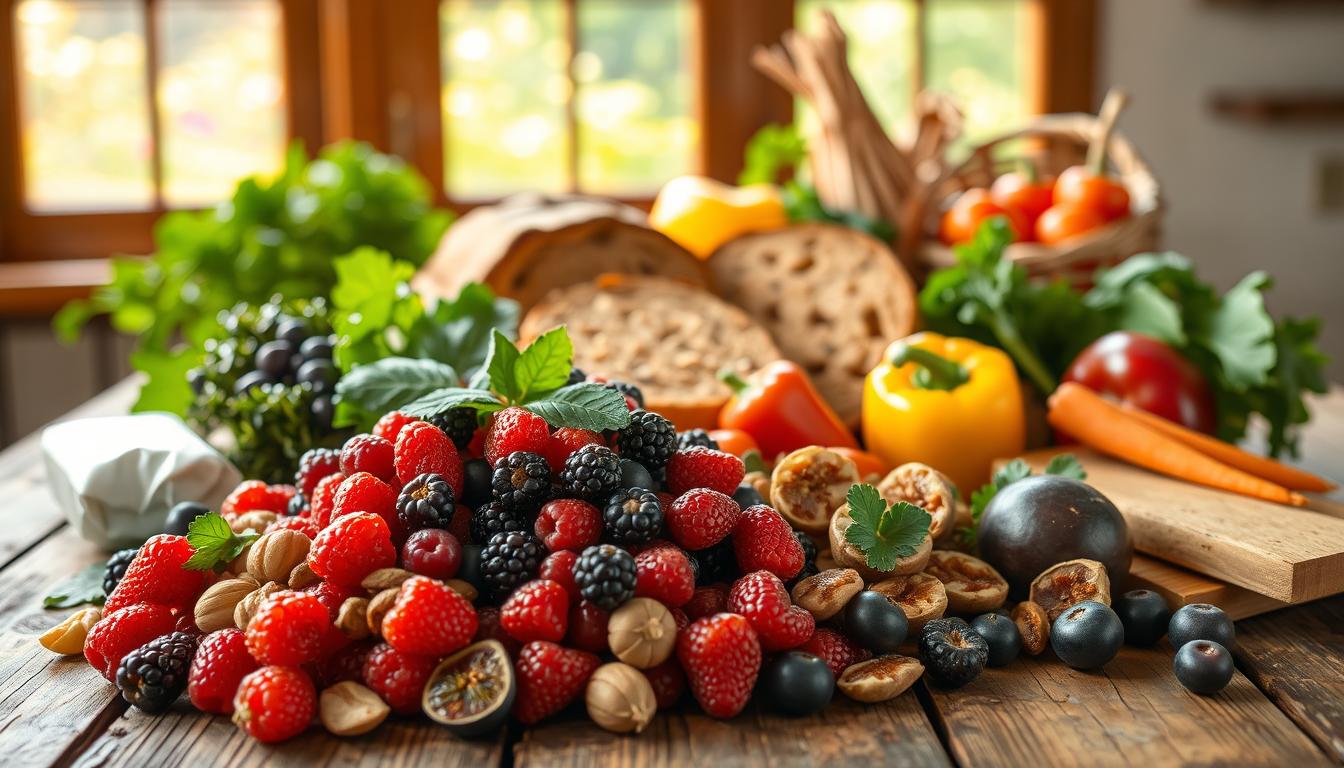
Many try to lose belly fat by cutting calories. But research shows a better way: eating more soluble fiber. A 10-year study found that 10g of soluble fiber daily can cut visceral fat gain by 3.7%. This is done naturally, without extreme dieting.
Best Soluble Fiber Sources for Visceral Fat Reduction
Not all fiber is the same. Here are the top sources backed by science:
- Chia seeds (5g per tablespoon): Swell in liquid to curb cravings
- Avocados (3g per half fruit): Pack heart-healthy fats and fiber
- Brussels sprouts (4g per cup): Roast to enhance natural sweetness
| Food | Serving Size | Soluble Fiber |
|---|---|---|
| Oats | 1/2 cup dry | 2g |
| Flaxseeds | 2 tbsp | 3g |
| Black beans | 1/2 cup cooked | 3.5g |
How Fiber Regulates Blood Sugar and Hunger
Soluble fiber turns into a gel in your gut, slowing down sugar absorption. Whole apples (4g fiber) are better than apple juice (0g fiber) for blood sugar control. This steady energy flow:
- Reduces insulin surges that trigger fat storage
- Keeps you full 2-3 hours longer than low-fiber meals
- Supports gut bacteria linked to healthier metabolism
To get the most benefits, eat fiber-rich foods with protein. Try oatmeal with almond butter or roasted veggies with salmon. Your body will get sustained energy while actively reducing dangerous visceral fat.
Incorporating Healthy Fats Strategically
Not all fats are bad for you. Some actually help reduce belly fat when chosen correctly. Eating the right fats can balance hormones, lower inflammation, and control hunger. It’s important to pick the right fats and avoid the wrong ones.

Omega-3s vs Omega-6s: Finding the Balance
Today’s diets often have too many omega-6s, leading to inflammation and more belly fat. Try to eat more omega-3s by having fatty fish like salmon or mackerel twice a week. Also, snack on walnuts and consider algae-based supplements if you don’t eat seafood.
Cooking Oils That Support Fat Loss
Stay away from soybean and corn oils, which are high in omega-6s. Instead, use these:
- Extra virgin olive oil (low-heat cooking/dressings)
- Avocado oil (high smoke point for frying)
- Coconut oil (occasional use for flavor)
These oils can help reduce liver fat, which is good for losing belly fat, studies show.
Optimizing Protein Intake for Metabolism

Protein is key to reducing visceral fat through healthy lifestyle changes. It helps keep muscle mass while cutting belly fat. This is different from quick fixes that don’t last.
Calculating Your Ideal Protein Needs
To find your daily protein goal, multiply your weight in pounds by 0.8. For example, a 180-pound person needs about 144 grams of protein each day. This method helps burn fat without cutting calories too much.
| Protein Source | Satiety Score | Digestion Speed |
|---|---|---|
| Whey Protein | 94/100 | Fast (1-2 hours) |
| Pea Protein | 88/100 | Moderate (3-4 hours) |
| Chicken Breast | 91/100 | Slow (4-5 hours) |
Plant-Based vs Animal Protein Sources
Both types can help with visceral fat reduction if chosen correctly:
- Animal proteins: Eggs are good for liver health with choline. Grass-fed beef has CLA, which targets belly fat.
- Plant proteins: Lentils have 18g of protein per cup and fiber to control blood sugar. Tempeh is full of probiotics for a healthy gut.
Here’s a daily plan for a metabolism boost:
- Breakfast: 3 eggs + spinach scramble
- Snack: Greek yogurt with almonds
- Dinner: Grilled chicken with roasted broccoli
Spread out your protein sources throughout the day. This ensures you get all the nutrients you need while reducing visceral fat through healthy lifestyle changes.
Reducing Added Sugars and Refined Carbs
Hidden sugars and processed carbs can sneak up on even the most careful eaters. Research shows fructose, found in sugary drinks, turns to liver fat three times faster than other carbs. This directly adds to dangerous belly fat.

Hidden Sugar Sources to Watch For
Many foods labeled as “healthy” actually have a lot of sugar:
- Low-fat yogurts: Up to 24g sugar per 6oz serving (equivalent to 6 teaspoons)
- Pasta sauces: Leading brands pack 12g sugar per half-cup serving
- Fruit juices: 8oz apple juice contains 24g sugar – equal to soda
Look out for these words on labels: evaporated cane juice, malt syrup, and fruit juice concentrate. Even “natural” sweeteners like honey and maple syrup raise blood sugar like table sugar.
Healthy Alternatives to Satisfy Sweet Cravings
Try these swaps to help reduce visceral fat:
| Craving | Traditional Choice | Better Alternative |
|---|---|---|
| Sweet snacks | Cookies (15g sugar) | Dark chocolate-covered almonds (5g) |
| Morning carbs | Bagel (55g refined carbs) | Cinnamon-spiced oatmeal (5g natural sugar) |
| Afternoon drink | Latte (18g sugar) | Iced green tea with lemon (0g) |
For fruit cravings, pick whole berries or citrus over dried fruits. They have lots of water and fiber, which slow down sugar absorption. This helps keep insulin levels stable, aiding in visceral fat metabolism.
Effective Exercise Strategies That Work
To lose visceral fat, you need more than just moving around. You need workouts that burn lots of calories and boost your metabolism. Studies show that mixing intensity with regular exercise is key for natural fat loss. Here are three science-backed methods to try.

High-Intensity Interval Training (HIIT) Protocols
HIIT involves short, intense efforts followed by rest. This causes your body to burn more calories even after you stop exercising. A Journal of Obesity study found HIIT can cut visceral fat 3x faster than regular cardio.
Sample 20-Minute HIIT Routine
- Warm-up: 3-minute brisk walk
- 8 cycles: 30-second sprint + 90-second walk
- Cool-down: 2-minute slow walk
Do this routine 3 times a week. Adding strength training will help you lose fat even faster.
Strength Training for Metabolic Boost
Muscle burns more calories, even when you’re not moving. Focus on exercises that work many muscles at once.
Essential Compound Movements for Fat Loss
- Deadlifts: Engages 75% of your body’s muscles
- Push-up variations: Builds chest, shoulder, and core strength
- Goblet squats: Boosts lower-body power and stability
Low-Impact Cardio Options for Consistency
When your joints need a break, try these low-impact activities. They help burn calories without putting too much strain on your body:
- Swimming: Burns 500+ calories/hour while supporting joints
- Incline walking: 12% grade treadmill walks torch visceral fat
- Cycling: Adjust resistance for heart-pumping endurance work
“Adults who exercised 300 minutes weekly saw 2x greater visceral fat loss than those doing 150 minutes.”
Managing Stress to Control Cortisol
Chronic stress feeds visceral fat, thanks to cortisol’s role in fat storage. A Yale School of Medicine study found stressed people gained 33% more abdominal fat over five years. This is true even without weight changes. Tackling stress is key to stopping dangerous fat buildup around organs.

Breathing Techniques for Immediate Stress Relief
The 4-7-8 breathing method is like a cortisol reset button. Inhale quietly for 4 seconds, hold for 7 seconds, then exhale forcefully for 8 seconds. This pattern:
- Slows heart rate within 90 seconds
- Triggers parasympathetic nervous system response
- Reduces cortisol spikes by up to 50% (per Harvard Medical School data)
| Technique | Duration | Best Time | Effectiveness |
|---|---|---|---|
| 4-7-8 Breathing | 4 cycles | Stress onset | Immediate cortisol drop |
| Box Breathing | 5 minutes | Morning routine | Preventive stress control |
| Alternate Nostril | 3 minutes | Pre-meetings | Focus enhancement |
Developing a Sustainable Mindfulness Practice
Consistency is key in building stress resilience. Begin with 10-minute guided sessions using apps like Calm or Headspace. They offer:
- Body scan meditations to detect tension
- Walking mindfulness exercises
- Biofeedback integration for real-time progress
A 2023 Journal of Behavioral Medicine study found mindfulness app users reduced visceral fat by 11% more than diet-only groups over six months. Combine these holistic approaches to lower visceral fat levels with your nutrition plan for better results.
The Critical Role of Quality Sleep
Sleep is a key player in losing belly fat, even though diet and exercise get more attention. Studies reveal that sleeping less than 7 hours a night can raise obesity risk by 41%. It also messes with hormones that make belly fat grow. Good sleep isn’t just about how long you sleep. It’s also about creating a sleep environment that helps burn fat while you rest.
Building Your Sleep Sanctuary
Your bedroom setup is key to better sleep and fat loss. Here are some tips backed by science:
- Light control: Use blackout curtains to keep out artificial light, which can mess with melatonin
- Temperature tuning: Keep your room at 65°F (18°C) to help your body cool down during deep sleep
- Digital sunset: Turn off screens 90 minutes before bed—blue light can make it harder to fall asleep

Nightly Routines That Ignite Fat Burn
Having a bedtime routine helps your body get ready for fat loss. Try a 20-minute yoga flow or meditation to lower stress hormones. Eating protein-rich snacks like cottage cheese before bed can also help. These activities boost deep sleep, where your body burns fat more efficiently.
Stick to a regular sleep schedule, even on weekends. This helps your body burn belly fat better when it knows what to expect.
Hydration and Processed Food Avoidance
Reducing visceral fat is not just about food. It’s also about staying hydrated and making smart food choices. Drinking enough water and avoiding processed foods are key. They help fight visceral fat and support a healthy lifestyle.

How Water Intake Affects Fat Metabolism
Water helps your body break down fat. Dehydration can slow this process by up to 3%. Drinking enough water boosts your metabolism.
For a 150-pound person, aim for 0.5–1 ounce of water per pound of body weight daily. This means 75–150 oz for them.
Here’s why this matters for visceral fat:
- Liver function improves, helping remove toxins and process fat
- Hunger and thirst signals are clearer, reducing overeating
- Drinking cold water can increase calorie burning by 24–30%
Don’t replace water with sugary drinks. Research shows they can increase visceral fat.
Identifying Ultra-Processed Foods in Your Diet
American diets get 58% of calories from ultra-processed foods (UPFs). These foods have industrial ingredients that can lead to fat storage.
Look out for these signs of UPFs:
- Ingredient lists with 5+ items (many unpronounceable)
- “Instant” or “ready-to-eat” packaging claims
- Additives like maltodextrin or hydrogenated oils
- Nutrition labels showing <3g fiber per serving
Make better choices by avoiding these foods:
- Swap flavored yogurt → plain Greek yogurt + fresh berries
- Choose raw nuts → over honey-roasted varieties
- Pick rolled oats → instead of sugary instant oatmeal packets
Combining hydration with whole foods helps fight visceral fat. These strategies work best when done regularly.
Alcohol Moderation Strategies

Did you know your evening drink could be sabotaging your fat loss efforts? Alcohol has hidden calories and affects your metabolism, leading to more belly fat. Learning to drink in moderation helps you enjoy social events while staying healthy.
Understanding the Empty Calories Challenge
Alcohol has 7 calories per gram and often comes with sugary mixers. A single margarita can have over 300 calories, which is like eating a small meal. This is compared to sparkling water with lime, which has zero calories.
- Choose dry wines over sugary cocktails
- Alternate alcoholic drinks with water
- Set a two-drink maximum at events
Social Drinking Alternatives That Support Goals
Try kombucha-based mocktails or spicy ginger sodas at parties. Many bars now offer alcohol-free options. Join challenges like Dry January or host alcohol-free game nights to build new traditions.
Remember: Heavy drinking spikes cortisol levels, directly fueling belly fat storage. Small swaps create lasting results without extreme diets.
Time-Restricted Eating Approaches
Strategic meal timing is a science-backed way to fight stubborn belly fat without cutting calories too much. Time-restricted eating syncs your meals with your body’s natural rhythms. This helps your body focus on burning belly fat. It works best when you choose your food wisely and stick to a routine.
Implementing a 12:12 vs 16:8 Fasting Window
Start with a 12-hour fasting window (like from 7 PM to 7 AM) to get your body used to it. The 16:8 method is popular, but adding protein pacing makes it even better. A 2024 study showed people who did this lost 27% more belly fat than those who just fasted.
Combining Intermittent Fasting With Nutrient Timing
Start your meals with protein to keep your muscles strong and blood sugar steady. Women might want to add magnesium-rich foods like spinach or pumpkin seeds to balance their cortisol levels. Don’t eat high-carb foods right after fasting, as they can make your body store fat around organs.
Important note: If you have low blood sugar or diabetes, talk to a doctor before trying fasting. Watch how you feel and stop if you get dizzy or feel mentally foggy.
Tracking Progress Without Obsession
Success in reducing visceral fat isn’t just about daily weigh-ins. Non-scale indicators often give better insights into your progress. Let’s look at ways to track your journey without getting too caught up in numbers.
Non-Scale Victories to Monitor
Pay attention to these signs of getting better:
- Energy surges: See if workouts feel easier or if you’re less tired after climbing stairs
- Clothing fit: Notice if your belt notch is getting tighter or if your jeans fit better around the waist
- Blood pressure trends: Keep track of readings during check-ups (Source 2 shows waist measurement predicts health risks better than BMI)
When to Consider Body Composition Testing
DEXA scans (Source 3) give precise visceral fat measurements. They’re useful for those with:
- Family history of heart disease or diabetes
- Stalled progress despite consistent effort
Most people benefit from professional testing every 6-12 months. This way, you avoid getting too caught up in tracking. It ensures your healthy lifestyle is effectively targeting dangerous internal fat stores.
Conclusion
To cut down on visceral fat naturally, you need to keep trying with proven methods, not extreme diets. Eat more fiber-rich foods like oats and avocados. Also, do regular HIIT workouts from apps like Nike Training Club or Peloton.
Use Headspace’s guided meditations to handle stress. Make sure to get enough sleep with tools like Eight Sleep’s mattresses. This helps a lot.
Instead of weighing yourself every day, check your waist size and energy levels. If you hit a wall, get a body scan at places like DexaFit. Get help from registered dietitians on Zocdoc or Healthgrades to make a plan just for you.
Real change happens with small steps every day in what you eat, how you move, and how you rest. Focus on building lasting habits, not quick fixes. Start with one change today and add more as you go for better results.