Nearly 40% of adults with normal BMI scores have dangerous amounts of visceral fat. This fat wraps around organs like a vine. Unlike belly fat you can pinch, this fat releases toxins that cause heart disease, diabetes, and aging. This happens even if your clothes fit.
Traditional weight loss plans often fail because they focus on calories, not the real causes. Your late-night scrolling, “healthy” salad dressing, or work stress might be causing this problem without you gaining weight. New research shows how our modern lives activate fat-storing pathways that existed before fast food or desk jobs.
Key Takeaways
- Visceral fat operates independently from visible weight changes
- Common diet myths worsen organ-hugging fat storage
- Sleep patterns directly influence fat deposition chemistry
- Three overlooked kitchen staples accelerate belly toxins
- Non-exercise movement trumps gym sessions for fat reversal
While fitness trackers count steps, they ignore the hormonal effects of blue light or lack of nutrients. This section reveals how our biology and environment don’t match, as standard health advice often misses.
What Is Visceral Fat and Why It’s Dangerous
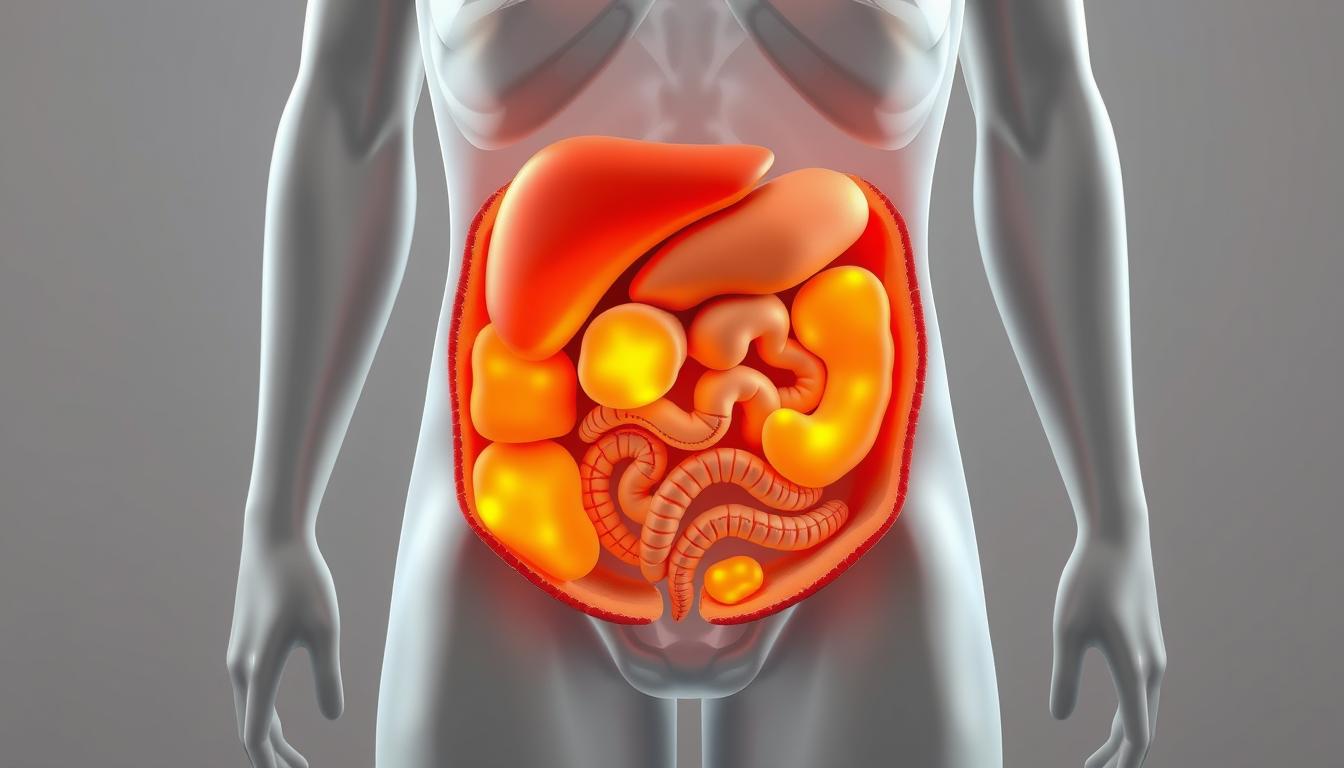
You might not see visceral fat when you look in the mirror, but it’s very important for your health. Unlike the fat you can pinch, visceral fat wraps around organs like your liver and intestines. It’s more dangerous than other fats, even if you look healthy.
Defining Visceral vs Subcutaneous Fat
Visceral fat and subcutaneous fat are different. Subcutaneous fat is under your skin and stores energy. Visceral fat is deep in your belly, around organs.
Location Differences and Metabolic Activity
Visceral fat is not just extra padding. It’s active and can harm your health. It releases fatty acids into your liver, affecting blood sugar. Cleveland Clinic research shows it can also cause inflammation.
Why Visceral Fat Acts as an Endocrine Organ
Your visceral fat acts like a hormone factory. It makes substances that control hunger and insulin. Over time, these signals can cause chronic inflammation and health problems.
Health Risks of Excess Visceral Fat
Having too much visceral fat is serious. It affects your body’s function and can lead to many health issues.
Cardiovascular Disease Connections
Visceral fat can damage blood vessels and raise blood pressure. This harms your heart and increases the risk of heart attacks and strokes. Studies show it’s linked to 3x higher cardiovascular disease risk.
Diabetes and Metabolic Syndrome Links
The inflammation from visceral fat makes cells resistant to glucose. This can lead to Type 2 diabetes. Excess visceral fat is also linked to metabolic syndrome, a group of health problems.
Hidden Causes of Visceral Fat Gain and How to Reverse Them
Modern life hides ways to gain belly fat that usual weight loss tips don’t cover. Diet and exercise are important, but other factors play a big role. Studies show these factors can cause up to 40% of belly fat variations.

Overview of Underrecognized Risk Factors
Your body stores fat in ways beyond just calories. Three key factors influence how you store belly fat:
Beyond Diet and Exercise Triggers
- Circadian chaos: Late-night screen use messes with melatonin, changing fat-burning hormones
- Chemical exposures: Plastics and pesticides with obesogens mimic estrogen, growing fat cells
- Stress loops: Ongoing anxiety keeps cortisol high for months, not just during stress
“The average American is exposed to over 80 hormone-disrupting chemicals daily from personal care products.”
Modern Lifestyle Contributors
Today’s world introduces new triggers for belly fat that past generations didn’t face:
- Blue light after sunset lowers fat-burning adiponectin
- Open-office noise boosts stress hormone by 27%
- Too many antibiotics change gut bacteria, affecting weight
Fixing these issues takes more than just wanting to. Later sections will show how to fight obesogens and reset cortisol levels.
The Role of Chronic Stress in Fat Accumulation
Stress might be quietly changing your waistline. Diet and exercise get a lot of attention for weight loss. But, research shows that chronic stress can lead to storing fat around your belly.

Cortisol’s Impact on Fat Storage
Constant stress makes your body produce too much cortisol. This hormone is meant for short-term stress, not long-term. High levels of cortisol can lead to storing fat in your belly.
HPA Axis Dysfunction Explained
A healthy HPA axis works like a well-coordinated orchestra. But, chronic stress turns it into a constant drumbeat. This imbalance can affect how your body handles stress and fat.
| Normal Function | Chronic Stress State |
|---|---|
| Brief cortisol spikes | Sustained high levels |
| Balanced energy use | Preferential fat storage |
| Appetite regulation | Hunger hormone disruption |
Stress-Induced Lipoprotein Lipase Activation
Cortisol makes lipoprotein lipase enzymes in fat cells work harder. These enzymes:
- Make fat cells store more fat by 300%
- Put more fat in your belly
- Make it hard to lose fat when you’re not eating much
Stress-Induced Eating Patterns
Stress can make you crave certain foods. Studies show that stressed people’s brains react more to comfort foods.
Emotional Eating Mechanisms
Stress can make it harder to make good choices. It shrinks the part of your brain that makes decisions and makes you more emotional.
- It makes it harder to control impulses
- You feel more rewarded by food
- It creates a cycle of eating when stressed
Cravings for High-Fat/High-Sugar Foods
Understanding why you crave certain foods is key. Stress:
- Lowers feel-good chemicals in your brain
- Makes you hungrier by 28%
- Makes you less full from food
Key Strategy: Try 10-minute mindfulness sessions before meals. This simple visceral fat reversal strategy can lower cortisol by 25% and help you make better food choices.
Sleep Deprivation and Circadian Rhythm Disruption
Your body’s internal clock does more than just regulate sleep. It also affects how you store fat. When you stay up late or have irregular work hours, your body starts storing more visceral fat. This happens even if you eat well. Timing is as important as what you eat.

How Poor Sleep Quality Affects Metabolism
Just 90 minutes less sleep can cause hormonal changes. Hormones like leptin and ghrelin control hunger. But when you don’t sleep well, leptin goes down and ghrelin goes up by 15%.
Leptin/ghrelin imbalance consequences
This imbalance makes you crave carbs more, leading to unhealthy snacking. A study at the University of Chicago showed people who didn’t sleep well ate 300+ extra calories a day. This can lead to gaining a pound every 12 days.
Reduced insulin sensitivity at night
Working late makes your pancreas work harder. This makes insulin less effective by 32% at night. Your body then stores sugar as fat instead of using it for energy.
Shift Work and Artificial Light Exposure
Nightshift workers are 27% more likely to have more visceral fat, even if they’re not overweight. The problem is melatonin suppression from artificial light. This messes with fat-burning in your body.
Blue light’s effect on melatonin production
Smartphones and LEDs can make your brain think it’s daytime. Two hours of blue light at night can lower melatonin by 22%. This delays the fat-burning cycles that happen during deep sleep.
Disrupted fat-burning cycles
Your liver needs darkness to burn fat. But light pollution stops this. Unused glucose turns into visceral fat. To fight visceral fat, use light hygiene—like amber bulbs and blackout curtains.
Fixing your circadian rhythm is more than just sleeping enough. Eating at the right times, getting natural light, and staying active helps. It helps your body focus on burning fat instead of storing it in your belly.
Environmental Toxins and Endocrine Disruptors
Your daily environment has hidden dangers that can stop you from losing belly fat. New studies show how man-made chemicals mess with hormones, change fat cells, and keep belly fat stuck.
Common Obesogens in Daily Life
Endocrine-disrupting chemicals called obesogens act like hormones and change how we store fat. These substances attach to cell receptors, causing more belly fat even with good diet and exercise.
BPA in Plastics and Food Containers
Bisphenol-A (BPA) comes from canned foods, plastic bottles, and receipts. Research shows it:
- Increases fat cell production by 130% in exposed tissue
- Disrupts insulin signaling pathways
- Alters leptin levels affecting hunger signals
Phthalates in Personal Care Products
Phthalates are in fragrances, lotions, and hair sprays. They lower testosterone levels, which is key for burning fat. The EPA found them in 75% of tested cosmetics.
| Chemical | Common Sources | Health Impact |
|---|---|---|
| BPA | Food packaging, thermal paper | +23% visceral fat in 5-year exposure |
| Phthalates | Shampoos, vinyl flooring | 2x diabetes risk at high levels |
Detoxification Strategies
To lose belly fat, you need to avoid toxins and help your body get rid of them. A 2023 Johns Hopkins study found that using these methods can reduce obesogen levels by 58%:
Liver Support Nutrients
Boost glutathione production with:
- Sulforaphane from broccoli sprouts
- Milk thistle (silymarin) supplements
- N-acetylcysteine (NAC) capsules
Sweat-Inducing Activities
Sauna sessions and infrared therapy help remove toxins through sweat. Aim for:
- 20-minute dry sauna 3x weekly
- 30-minute cardio 5x weekly
- Epsom salt baths with ginger
“The skin becomes a third kidney during sustained sweating, removing up to 30% of circulating toxins.”
Gut Microbiome Imbalances and Inflammation
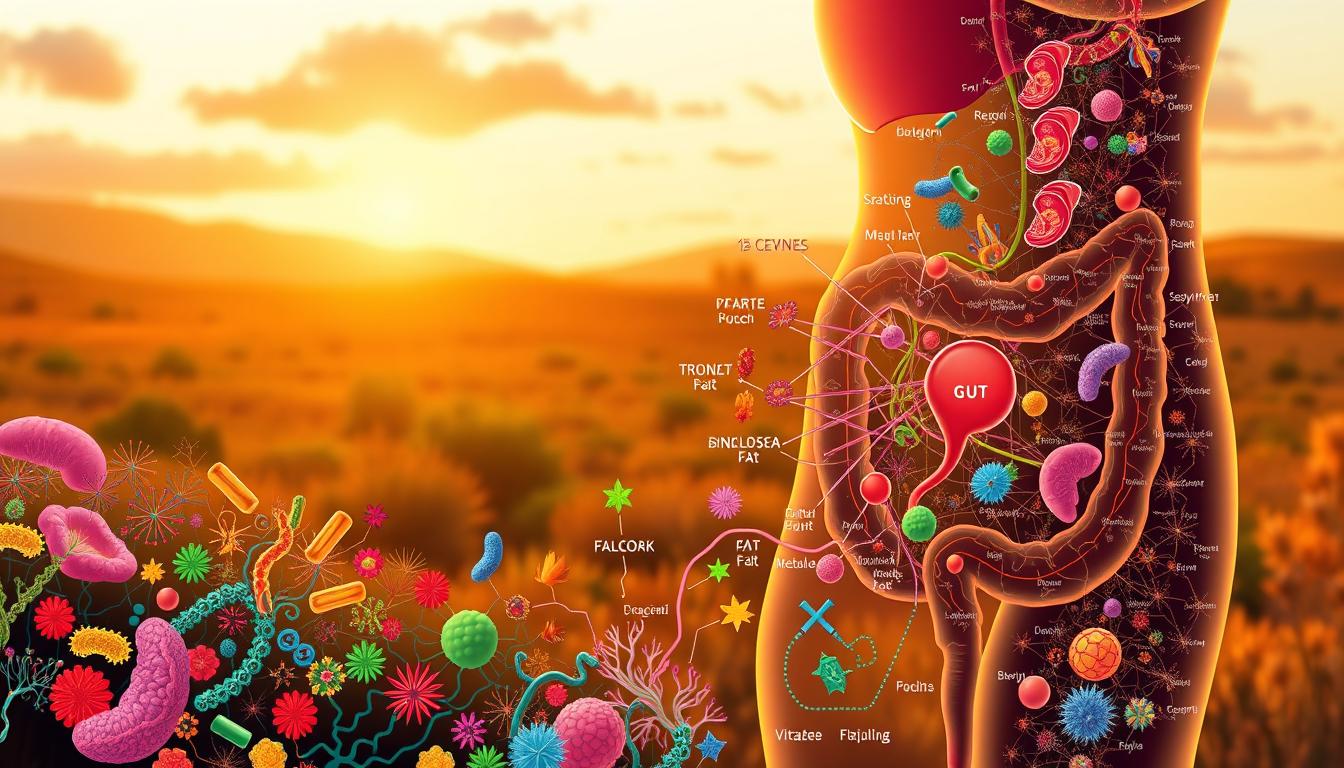
Your gut might be secretly sabotaging your waistline. Research shows imbalances in gut bacteria directly influence fat storage patterns, specially around organs. When harmful microbes outnumber beneficial ones, they trigger inflammation. This fuels visceral fat growth and disrupts metabolic health.
The Leaky Gut Connection
Intestinal permeability—often called “leaky gut”—occurs when tight junctions between intestinal cells weaken. This allows toxins like lipopolysaccharides (LPS) to enter the bloodstream, creating systemic inflammation.
How Intestinal Permeability Develops
Three primary factors damage gut lining integrity:
- Diets high in processed foods and sugars
- Chronic stress altering mucus production
- Frequent antibiotic use disrupting microbial balance
Inflammation Pathways to Fat Storage
LPS endotoxins activate immune cells that release inflammatory cytokines. These chemicals:
- Impair insulin sensitivity
- Promote fat cell enlargement
- Increase abdominal fat deposition
“Every 1% increase in LPS levels correlates with 3cm larger waist circumference in adults.”
Rebuilding Gut Health Naturally
Specific probiotic strains and prebiotic fibers can help reverse visceral fat accumulation by restoring microbial balance:
Top Fermented Foods
| Food | Key Strain | Weekly Servings |
|---|---|---|
| Kimchi | L. plantarum | 5-7 |
| Kefir | L. gasseri SBT2055 | 3-5 |
| Sauerkraut | L. rhamnosus | 4-6 |
Best Prebiotic Sources
- Raw garlic (2-3 cloves daily)
- Cooked onions (½ cup/day)
- Asparagus (1 cup 3x/week)
Pairing these foods with stress reduction creates a powerful strategy to reverse visceral fat naturally through gut healing. Consistency matters—most people see measurable changes within 8-12 weeks.
Insulin Resistance and Blood Sugar Dysregulation
Your body’s insulin response might be secretly causing belly fat, even if you eat well. When cells don’t respond right to insulin, extra glucose turns into harmful belly fat. This makes losing weight around organs harder and weight gain faster.
Postprandial Hyperinsulinemia Effects
Insulin spikes after meals start fat storage in three ways:
Fat Cell Hyperplasia Mechanisms
High insulin levels make new fat cells form near organs. Unlike regular fat cells, these cells grow fast under insulin’s effect. This means more space for harmful fat.
Advanced Glycation End Products
High blood sugar creates harmful compounds through glycation:
- It damages insulin receptors
- Makes blood vessels stiff
- Speeds up fat cell aging
“For every 10% increase in post-meal insulin levels, visceral fat accumulation rises by 3.2% over six months.”
Intermittent Fasting Protocols
Eating in specific windows can reset insulin sensitivity and break down fat. Studies show these methods cut visceral fat by 4-7% in 12 weeks:
| Method | Eating Window | Visceral Fat Reduction | Best For |
|---|---|---|---|
| 16:8 | 12 PM – 8 PM | 5.1% | Beginners |
| 5:2 | 5 Normal Days | 6.8% | Experienced Fasters |
| ADF | Alternate Days | 7.2% | Rapid Results |
Time-Restricted Eating Windows
Eating only 8-10 hours a day:
- Reduces insulin spikes by 34%
- Boosts fat burning at night
- Matches natural cortisol cycles
Autophagy Benefits
Longer fasts start cellular cleaning:
- Breaks down damaged fat cells
- Cuts inflammation by 41%
- Improves insulin receptor sensitivity
These effective ways to target visceral fat work best with blood sugar tracking. Using continuous glucose meters shows how foods affect your insulin. This is key for tailoring your diet.
Sedentary Lifestyle and Muscle Atrophy
Your chair might be quietly sabotaging your health goals. Sitting for long periods doesn’t just stiffen your joints. It also drains muscle mass and encourages visceral fat storage. Office workers burn 350+ fewer calories daily than those with active jobs, leading to a dangerous energy surplus.

NEAT (Non-Exercise Activity Thermogenesis)
Non-exercise movement accounts for 15-50% of daily calorie burn. Simple changes can reactivate your metabolism:
Modern Sitting Epidemic Impacts
Americans average 9.5 sitting hours daily – more than sleep time. This pattern:
- Slows fat-burning enzymes by 90% after 4 hours
- Reduces insulin sensitivity by 39%
- Shrinks muscle fibers critical for glucose disposal
“Standing for 5 minutes hourly improves blood flow better than 30 gym minutes weekly.”
Standing Desk Benefits
A 2023 study showed alternating sitting/standing every 30 minutes:
- Burns 87 extra calories daily (9 pounds/year)
- Reduces post-meal blood sugar spikes by 43%
- Decreases waist circumference 2.5cm in 12 weeks
Resistance Training Essentials
Muscle mass determines 70% of resting metabolic rate. ACSM guidelines recommend:
Compound Movement Advantages
Multi-joint exercises create metabolic turbulence:
- Squats engage 200+ muscles simultaneously
- Deadlifts boost growth hormone 450% post-workout
- Push-ups maintain chest muscle thickness during fat loss
Muscle Protein Synthesis Triggers
Optimize muscle preservation through:
- 20-40g protein within 2 hours post-training
- Eccentric-focused lifts (4-second lowering phases)
- 2-3 weekly resistance sessions (minimum)
Alcohol Consumption and Liver Overload
Your evening drink might be doing more harm than you realize. Alcohol doesn’t just add empty calories—it hijacks your liver’s normal functions. This creates a perfect storm for visceral fat accumulation. Let’s break down how those margaritas or beers quietly reshape your metabolism and hormone balance.
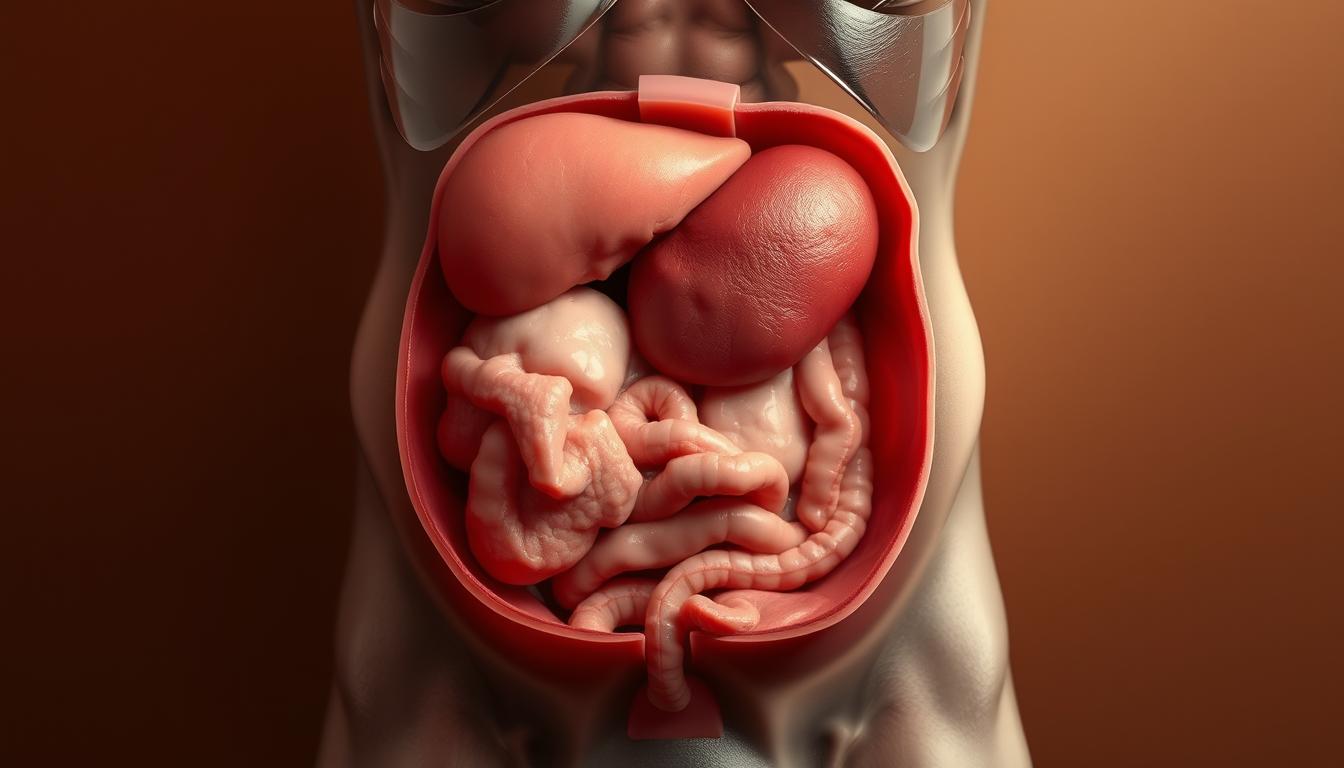
Empty Calories and Fat Metabolism
When you consume alcohol, your body treats it like a toxin. The liver prioritizes breaking down ethanol over processing fats. This is through a metabolic pathway called alcohol dehydrogenase (ADH). Studies show this process can halt fat oxidation for up to 48 hours after heavy drinking.
Ethanol Processing Priorities
Your liver can’t multitask effectively. While metabolizing alcohol, it pauses fat-burning processes. This causes unprocessed fatty acids to get stored around abdominal organs. This explains why regular drinkers often develop that stubborn “beer belly.”
Fatty Liver Disease Progression
Chronic alcohol use forces the liver to store excess fat in its own tissues. Early-stage fatty liver disease further reduces your body’s ability to regulate blood sugar and cholesterol. These are two key factors in visceral fat growth. Left unchecked, this can progress to irreversible cirrhosis.
Hormonal Impacts of Regular Drinking
Alcohol doesn’t stop at disrupting fat metabolism. It also throws critical hormones off balance. This creates a double whammy for visceral fat storage. Even moderate drinking (1-2 daily drinks) triggers these effects.
Testosterone/Estrogen Imbalances
Ethanol metabolites impair liver production of sex hormone-binding globulin (SHBG). Low SHBG levels lead to:
- Elevated free testosterone in women (android fat distribution)
- Reduced active testosterone in men (increased abdominal fat storage)
Adrenal Fatigue Connections
Alcohol stresses your adrenal glands, forcing them to overproduce cortisol. This stress hormone directly promotes visceral fat storage. It also breaks down muscle tissue. The combination creates a metabolic trap where fat accumulates faster and burns slower.
“The liver can process about one standard drink per hour. Exceeding this regularly overwhelms detoxification pathways.”
To protect against alcohol-related visceral fat gain, consider these steps:
- Limit intake to 3-4 drinks weekly
- Avoid binge drinking sessions
- Choose dry red wine over sugary cocktails
Hidden Sugars in “Healthy” Foods
Many “nutritious” snacks and drinks secretly add to your belly fat. Even though they say “low-fat” or “organic,” they often have hidden sugars. These sugars are hidden in foods that seem healthy.
Decoding Nutrition Labels
Spotting sugar aliases is key to avoiding hidden sweeteners. Food makers use over 50 names for added sugars. This makes it hard to find the sugar in ingredient lists.
56 Names for Added Sugars
- Common culprits: dextrose, maltose, and evaporated cane juice
- Natural-sounding variants: agave nectar and fruit juice concentrate
- Chemical terms: high-fructose corn syrup and maltodextrin
Glycemic Load vs Index
Knowing these metrics helps predict blood sugar spikes:
| Metric | What It Measures | Why It Matters |
|---|---|---|
| Glycemic Index | Speed of sugar release | Short-term energy impact |
| Glycemic Load | Actual sugar per serving | Real-world portion effects |
Low-Sugar Alternatives
Swapping sweeteners doesn’t mean losing flavor. Choosing the right substitutes can curb cravings and aid in visceral fat reversal strategies.
Natural Sweetener Options
- Stevia: Zero-calorie plant extract (200x sweeter than sugar)
- Monk fruit: Antioxidant-rich alternative with no aftertaste
- Erythritol: Sugar alcohol that doesn’t spike insulin
Flavor-Enhancing Spices
Boost taste without sweetness:
- Cinnamon: Regulates post-meal blood sugar
- Nutmeg: Adds depth to coffee or oatmeal
- Vanilla bean: Enhances natural sweetness in recipes
When you pick a “healthy” snack, check the labels for sugar aliases. Opting for low-glycemic options and using spices can help your visceral fat reversal strategies over time.
Prescription Medications and Hormonal Changes
Diet and exercise are key for losing visceral fat. But, some medicines can change how your body stores fat. These changes can happen even if you eat well and exercise. Knowing how medicines affect your body is important for keeping your metabolism healthy.
Common Culprit Drugs
Some medicines can mess with how your body handles fat. Healthdirect found that 15% of people taking medicines gain or lose a lot of weight.
Corticosteroids and Beta Blockers
Medicines like prednisone make your belly fat cells grow. They can increase belly fat by up to 20%. Beta blockers, like metoprolol, slow down your metabolism and make it harder to burn calories when you exercise.
Antidepressant Weight Gain Risks
SSRIs and tricyclic antidepressants can make you gain 5-10 pounds. This is because they affect your appetite. Mirtazapine, in particular, can lead to a 50% higher chance of gaining belly fat.
Medication Management Strategies
Don’t stop taking your medicines without talking to your doctor. But, there are ways to reduce the risk of gaining belly fat.
Doctor Consultation Tips
- Ask about metformin as an adjuvant for blood sugar regulation
- Request body composition scans during medication reviews
- Discuss lower-risk alternatives like bupropion for depression
Lifestyle Mitigation Approaches
Try these tips if you must take certain medicines:
- Time workouts to offset metabolic slowdown periods
- Increase fiber intake to counter medication-induced cravings
- Monitor waist circumference weekly for early detection
Understanding how medicines affect fat storage can help you work with your doctor. Regular check-ups can catch changes in belly fat early, keeping you healthy.
Menopause and Andropause Hormonal Shifts
Hormonal changes in midlife affect more than just mood and energy. They change how your body stores fat. For women, less estrogen means more belly fat. Men face similar issues with testosterone drops. Knowing these changes helps you reversing visceral fat naturally during these times.

Estrogen Decline Consequences
When estrogen drops during menopause, your body changes in two big ways:
Visceral Fat Redistribution
Estrogen helps keep fat in your hips and thighs. Without it, fat moves to your belly. Studies show menopausal women gain 15% more belly fat in five years.
Leptin Resistance Development
Less estrogen messes with leptin, the “full” hormone. This makes you always hungry and eat 20-30% more calories, even if you need less.
Testosterone Optimization Methods
Keeping testosterone levels healthy is key for both men and women. Here are some proven ways:
Resistance Training Protocols
Heavy lifting makes your body more sensitive to testosterone. Focus on:
- Compound lifts (deadlifts, squats)
- 3-4 sets of 6-8 reps
- 2-minute rest periods between sets
| Exercise Type | Testosterone Boost | Visceral Fat Impact |
|---|---|---|
| Barbell Squats | 17% increase | -2.1% fat/month |
| Kettlebell Swings | 12% increase | -1.6% fat/month |
| Pull-Ups | 9% increase | -1.3% fat/month |
Zinc-Rich Food Sources
Zinc helps make testosterone and control cortisol. Good sources include:
- Oysters (74mg zinc per 100g)
- Grass-fed beef (12mg per serving)
- Pumpkin seeds (2.9mg per ounce)
Combining the right food with exercise fights belly fat. Start with small steps—try pumpkin seeds for snacks or add strength workouts. Being consistent is more important than how hard you try when reversing visceral fat naturally during hormonal changes.
Reversing Visceral Fat Through Targeted Nutrition
Your plate is more powerful than you think in fighting visceral fat. Choosing the right foods can affect inflammation, hormone balance, and how your body burns energy. These are key to reducing dangerous belly fat. Let’s look at nutritional strategies backed by science to change your body’s biology.
Anti-Inflammatory Diet Fundamentals
Omega-3 to Omega-6 ratios are very important. Most Americans have a ratio of 16:1, which is way off from the ideal 1.6:1. To fix this, eat foods high in omega-3s:
- Wild-caught salmon (2,500mg EPA/DHA per 3oz)
- Chia seeds (5g omega-3 per ounce)
- Walnuts (2.5g ALA per serving)
Polyphenol-rich foods
These plant compounds fight inflammation that leads to fat storage. Research from Cleveland Clinic shows that foods rich in anthocyanins increase fat burning by 27%:
- Blackberries (5.3g polyphenols/cup)
- Artichokes (260mg chlorogenic acid each)
- Dark leafy greens (spinach contains 120mg lutein/cup)
Macronutrient Balancing Act
The protein leverage hypothesis shows that eating 1.6g/kg body weight of protein helps control hunger. This amount of protein can reduce cravings by 34%. Focus on:
- Pasture-raised eggs (6g protein each)
- Lentils (18g protein/cup)
- Grass-fed beef (26g protein/3oz)
Healthy fat selections
Not all fats are created equal. MCT oils boost thermogenesis by 5% compared to LCT fats. For the best results, choose:
- Avocado oil for high-heat cooking
- Macadamia nuts (80% monounsaturated fat)
- Extra virgin olive oil (30+ polyphenol types)
Effective Exercise Strategies for Fat Loss
Choosing the right exercise is key to losing belly fat. General workouts are good, but targeted strategies work better. They boost metabolism and strengthen the core. Let’s explore two effective methods to change your workout routine.
HIIT vs LISS Cardio Comparison
High-Intensity Interval Training (HIIT) and Low-Intensity Steady State (LISS) cardio have their benefits. HIIT causes your body to burn more calories for up to 48 hours after working out. It involves short, intense efforts followed by rest.
EPOC (Afterburn) Effect
HIIT makes your body work harder to recover. This afterburn effect can burn 6-15% more calories than the workout itself. It helps in losing visceral fat by changing how your body stores fat.
Sustainable Movement Patterns
LISS activities like brisk walking or cycling focus on endurance. They’re great for beginners or those with joint issues. Aim for 45-60 minutes, 4 times a week.
| Factor | HIIT | LISS |
|---|---|---|
| Calorie Burn (Post-Workout) | High | Low |
| Fat Oxidation During Exercise | Moderate | High |
| Time Efficiency | 15-30 mins | 45-60 mins |
Core-Specific Training Techniques
Crunches alone don’t cut it. To reduce visceral fat, focus on deep core engagement. This strengthens internal muscles and improves posture.
Vacuum Exercises for Transverse Abdominis
This Pilates-inspired move targets your innermost abdominal layer:
- Exhale fully while standing or kneeling
- Suck your belly button toward your spine
- Hold for 15-20 seconds, repeat 5x
Anti-Rotation Movements
Exercises like Pallof presses challenge your core to resist twisting forces. Use a resistance band or cable machine. Push outward while keeping your torso straight. This builds stability and reduces waist size.
Stress Management Techniques That Work
Learning to control stress is key to fighting stubborn belly fat. Stress makes our bodies store more fat by raising cortisol levels. But, there are proven ways to calm your body’s stress response.
Nervous System Regulation Methods
Diaphragmatic breathing exercises can calm your nervous system quickly. Here’s how to do it:
- Sit upright with one hand on your chest, the other on your abdomen
- Inhale deeply through your nose for 4 counts, feeling your belly rise
- Exhale slowly through pursed lips for 6-8 counts
Vagus nerve stimulation
Try these methods to relax your body naturally:
- Humming or chanting (activates vocal cord vibrations)
- Cold face immersion (splashing cold water triggers dive reflex)
| Technique | Physiological Impact | Time Required |
|---|---|---|
| Physiological Sigh | Reduces cortisol by 39%* | 1-3 minutes |
| HRV Biofeedback | Improves heart rate variability | 10 minutes daily |
| Forest Bathing | Lowers blood pressure | 20+ minutes |
Mindfulness Practices
“Participants in nature immersion programs showed 12% lower cortisol levels after just 15 sessions.”
Body scan meditations
Try this 5-minute script to stop stress eating:
- Close your eyes and focus on your feet
- Gradually move attention up through each body part
- Notice tension without judgment
Nature immersion benefits
Even city folks can enjoy forest bathing benefits by:
- Creating green spaces with air-purifying plants
- Using nature soundscapes during work breaks
Conclusion
To reduce visceral fat, you need a solid plan that covers nutrition, movement, and stress. Start with an 8-week plan focusing on these three. The first two weeks are about cutting down on hidden sugars and eating more fiber.
Weeks 3-4 are for adding more movement. Try walking meetings or using standing desks. Also, do two weekly workouts. Free apps like Nike Training Club can help guide you.
By weeks 5-6, focus on getting better sleep. Set a fixed bedtime and use tools like f.lux to reduce blue light. This helps your body relax and recover.
The last phase combines all these tips with more advanced methods. Practice deep breathing before meals to lower stress. Try eating during certain times of the day that match your body’s natural rhythm.
Keep track of your progress with waist measurements and how you feel, not just your weight. Visceral fat is best tackled with a multi-faceted approach. Add omega-3s from wild salmon and Pilates for core strength.
Use tools like Levels to monitor your blood sugar and talk to your doctor about medication effects. These tips work best when done every day. For more help, talk to a registered dietitian or an exercise physiologist. Small, daily changes lead to big results over time.