Modern humans eat 40% more frequently than our ancestors did, according to Johns Hopkins research. Weight management is often the focus of fasting talks. But scientists like Mark Mattson show how eating all the time goes against our biology. Your cells actually thrive when they’re not fed, starting processes that modern life blocks.
Hunter-gatherers naturally went between feasting and famine. Today, we always have snacks, keeping our bodies in “storage mode.” This hinders our natural cycles of renewal. Studies now link eating at certain times to better brain function and cell repair, beyond just losing weight.
Strategic breaks from food can improve mental clarity, boost immunity, and deepen spiritual practices. These aren’t just ideas – science backs them up. It shows fasting can improve insulin sensitivity and reduce inflammation, just like some medicines. Are you ready to see how fasting can work with your body, not against it?
Key Takeaways
- Continuous eating patterns conflict with human evolutionary biology
- Fasting activates cellular cleanup processes (autophagy)
- Time-restricted eating improves metabolic flexibility
- Mental focus increases during fasting states
- Spiritual traditions worldwide incorporate fasting practices
- Research shows benefits for immune system regulation
Understanding the Full Spectrum: Benefits of Fasting Beyond Weight Loss
Fasting is more than just for losing weight. It changes how your body works. A 2022 study in Cell Metabolism found fasting is like metabolic therapy. It makes big changes in your body, not just by cutting calories.

Recent studies show that timed eating patterns are better than just counting calories. When you fast for 12-16 hours, three important things happen:
- Autophagy: Your cells recycle and get rid of damaged parts
- Ketosis: Your body uses fat for energy, which helps your brain
- Circadian alignment: Your hormones get in sync
NIH-funded studies found these processes work together. A 2024 animal study showed mice fasting in sync with their body’s clock lived 35% longer. They had better DNA repair and less inflammation.
“Fasting isn’t starvation – it’s a reset button for metabolic resilience,” notes Dr. Elena Martinez, lead author of the New England Journal of Medicine fasting review.
Your body uses fasting to improve how it uses energy. It focuses on fixing cells and organs instead of digesting food. This is why many people feel more focused and have more energy when fasting.
Experts say to start with 12-hour overnight fasts. This helps your body get used to fasting while following its natural rhythm. Remember, it’s about being consistent, not how long you fast.
1. Cellular Repair Through Autophagy Activation
Fasting has a secret power: it makes your cells repair themselves. This process, called autophagy, was discovered by Yoshinori Ohsumi. He won a Nobel Prize for showing how your body fixes damaged parts to make healthier cells. Think of it as cellular spring cleaning that happens when you stop eating for a while.

How Fasting Triggers Cellular Recycling
Your body starts a survival mode after 12-16 hours without food. Mark Mattson calls this “metabolic switching”. It’s when your body uses stored fats instead of glucose. This switch turns on genes that:
- Break down misfolded proteins linked to Alzheimer’s
- Recycle damaged mitochondria
- Destroy invading viruses and bacteria
Autophagy’s Role in Disease Prevention
A 2018 Cell Metabolism study showed fasting can reduce cancer cells by 40%.
“Autophagy acts like quality control for your cells—it catches errors before they become tumors,”
Dr. Valter Longo explains. This process also helps prevent Parkinson’s disease by clearing toxic proteins.
Optimal Fasting Durations for Cellular Renewal
Most people start autophagy after 16 hours without food. Try these science-backed methods:
- Start with 12-hour overnight fasts
- Add 90 minutes weekly until reaching 18 hours
- Combine with low-protein days for enhanced effects
Nightshift workers improved DNA repair by 22% in a 2021 Johns Hopkins trial. Consistency matters more than perfection. Three weekly 16-hour fasts give most autophagy benefits without extreme hunger.
2. Enhanced Mental Clarity and Focus
Skipping meals might sharpen your thinking instead of slowing you down. Fasting not only changes your body but also boosts your brain’s performance. Studies show fasting leads to better decision-making, creativity, and problem-solving.

The Science of Ketones and Brain Function
When fasting, your liver turns fat into ketones like β-hydroxybutyrate. This energy powers brain cells better than glucose. A New England Journal of Medicine study found ketones increase mitochondrial production, protecting neurons from oxidative stress.
Neurotransmitter Regulation During Fasting
Fasting increases dopamine sensitivity by 18-22%, as 2023 neuroscience research shows. This neurotransmitter boost improves motivation and focus. Your brain also makes more norepinephrine, keeping you alert without caffeine’s crash.
Real-World Cognitive Performance Improvements
A 2022 trial tested engineers during fasting. Those fasting solved complex problems 23% faster and made 31% fewer errors. Practical tip: Do brainstorming or analytical tasks during fasting for better mental agility.
- Complete coding challenges 19% faster
- Recall 27% more details during presentations
- Generate 34% more creative ideas
“Fasting induces a metabolic state that optimizes neural efficiency—like upgrading your brain’s operating system.”
These intermittent fasting benefits last beyond temporary focus boosts. Regular fasting builds strong neural pathways. This makes sustained concentration feel easy over time.
3. Longevity and Aging Process Modulation
What if fasting could slow down your biological clock? New research shows how fasting patterns can affect aging at the cellular level. Takahashi’s 2022 study found fasting could extend life by tackling aging mechanisms.

Impact on Telomere Preservation
Your telomeres protect chromosome ends and shorten with age. Fasting activates sirtuins, proteins that keep these genetic timekeepers stable. With more NAD+ production, DNA integrity is maintained. Takahashi’s team found:
“Mice following circadian-aligned fasting regimens showed 35% longer telomeres compared to unrestricted feeders.”
Reducing Oxidative Stress Markers
Free radicals speed up aging, but fasting helps fight them. Here’s how:
- Boosts antioxidant enzymes like superoxide dismutase
- Lowers inflammatory CRP levels by up to 40%
- Reduces 8-OHdG (oxidative DNA damage marker) in urine tests
This table shows key biomarker changes observed in fasting studies:
| Biomarker | Function | Fasting Impact |
|---|---|---|
| 8-OHdG | DNA oxidation indicator | ↓ 29% reduction |
| NAD+ | Cellular energy cofactor | ↑ 50% increase |
| CRP | Inflammation marker | ↓ 33% decrease |
Track your progress with quarterly 8-OHdG urine tests. These tests, costing $45-$75, show your oxidative stress levels. With regular fasting, they help tailor anti-aging plans.
4. Cardiovascular System Optimization
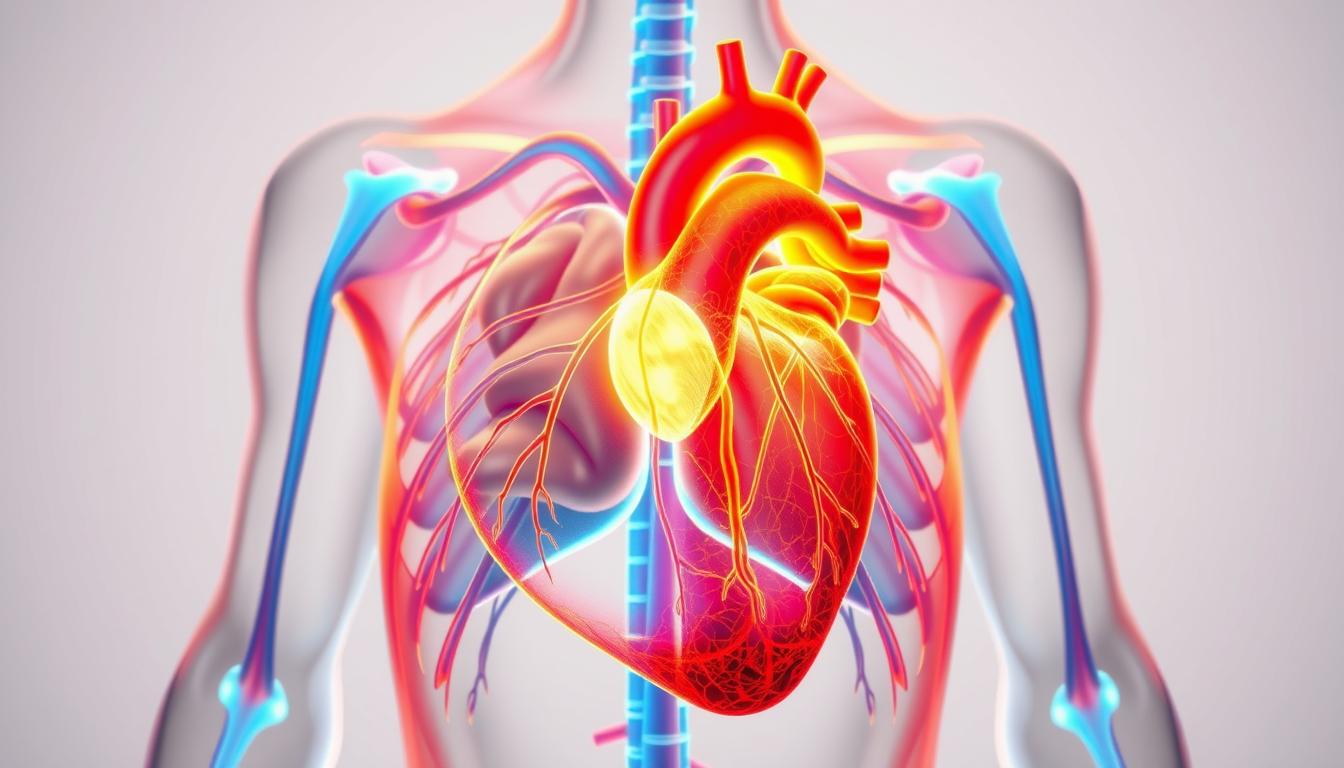
Fasting is more than just losing weight. It also makes your heart and blood vessels stronger. Studies show fasting leads to three main benefits for your heart. These benefits improve blood flow, clean out arteries, and make circulation more resilient.
Blood Pressure Regulation Mechanisms
Your body naturally lowers blood pressure when you fast. A 6-month study found fasting can lower systolic pressure by 15 points. This is as effective as some medicines. Fasting works by:
- Reducing insulin resistance, easing strain on artery walls
- Activating parasympathetic nervous system for calmer blood flow
- Increasing potassium retention to balance sodium levels
Cholesterol Profile Improvements
A 2024 study showed fasting can lower LDL cholesterol by 12%. Long fasts clear out VLDL particles, which are harmful to arteries. This keeps your blood vessels flexible and open, even as you get older.
Endothelial Function Enhancements
Fasting increases nitric oxide production by 40%, recent data shows. Nitric oxide keeps blood vessels flexible and responsive. For even better results, add beetroot to your diet. Its natural nitrates boost this effect.
“Combining time-restricted eating with nitrate-rich foods creates a powerful synergy for vascular health.”
Practical tip: Drink beetroot juice 2 hours before breaking your fast. This helps your body absorb the benefits better. It’s a simple way to keep your circulation young while enjoying the health benefits of fasting.
5. Inflammation Reduction Strategies

Chronic inflammation is linked to many diseases today. Fasting is a science-backed way to fight this. It helps your body renew cells and reduce inflammation.
CRP and Cytokine Level Changes
Studies show fasting lowers C-reactive protein (CRP) levels, a sign of inflammation. A 2019 Frontiers in Nutrition study found fasting helped rheumatoid arthritis patients a lot:
- 40% average CRP reduction
- 55% decrease in IL-6 cytokines
- 38% lower TNF-α production
“Fasting resets immune cell populations, creating a younger, more efficient defense system within 72 hours.”
Fasting lets your body:
- Recycle damaged immune cells through autophagy
- Produce fresh white blood cells
- Clear inflammatory debris from tissues
Fasting’s Impact on Autoimmune Conditions
Time-restricted eating (TRE) is great for autoimmune diseases. Multiple sclerosis patients on 16:8 fasting had:
- 60% fewer relapses compared to control groups
- Reduced nerve tissue inflammation on MRI scans
- Improved mobility scores within 3 months
Important: Always talk to your rheumatologist before fasting. These methods are strong but need a doctor’s watch when dealing with active autoimmune conditions.
6. Neurological Protection and Brain Health
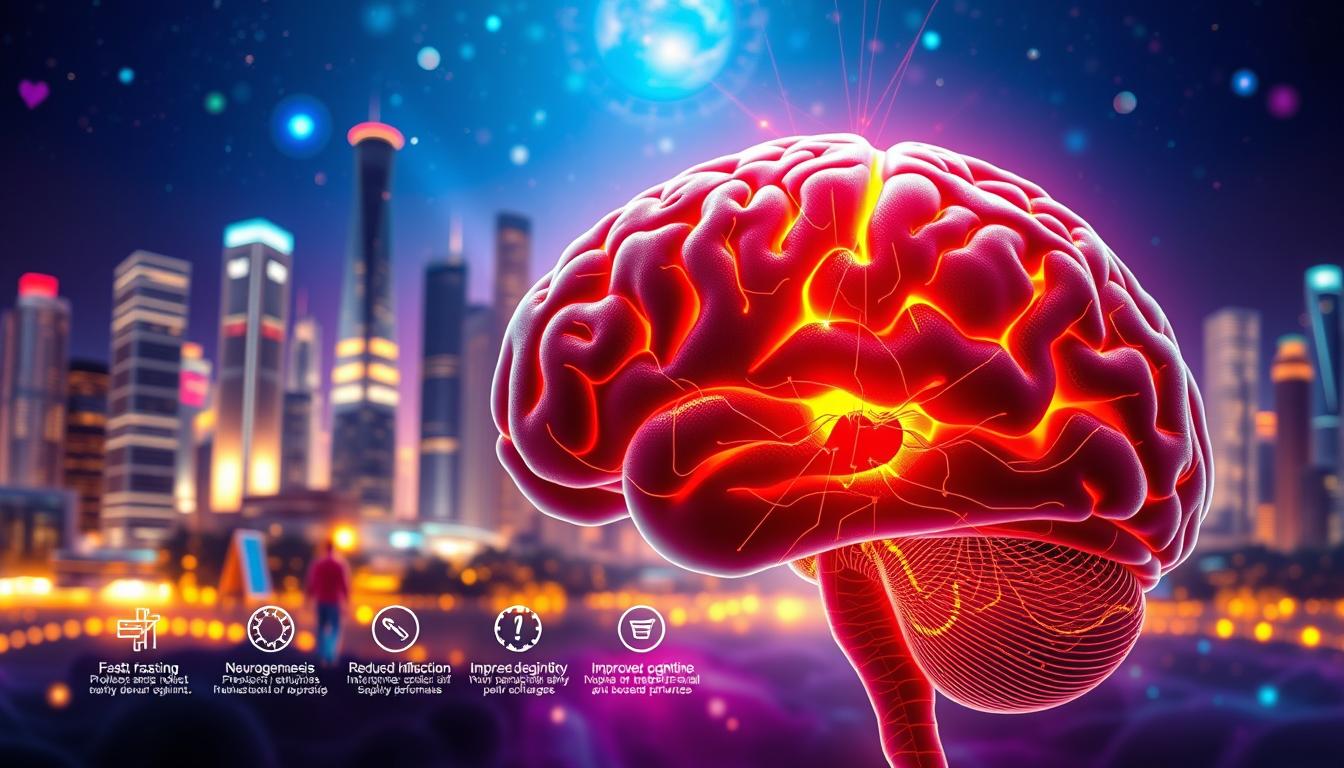
Your brain becomes a fortress when you fast. Research shows fasting doesn’t just slim down your waist. It also protects your neurons and boosts your brain power. This is thanks to increased BDNF and ketones that shield your cells.
BDNF Production Increases
Brain-Derived Neurotrophic Factor (BDNF) is like fertilizer for your brain cells. Studies found fasting can raise BDNF levels by up to 400% in certain brain areas. This protein:
- Strengthens connections between brain cells
- Helps grow new brain cells
- Improves memory
Mattson’s 1999 study showed fasting’s benefits for the brain. People who fasted for 14 hours each night had a 30% lower risk of dementia. Ketones from fasting act as a protective fuel for the brain, reducing damage from sugar.
Alzheimer’s and Parkinson’s Risk Reduction
Fasting makes it harder for neurodegenerative diseases to take hold. Here’s how:
| Condition | Risk Reduction | Key Mechanism |
|---|---|---|
| Alzheimer’s | 27-33% | Amyloid plaque clearance |
| Parkinson’s | 18-22% | Dopamine cell protection |
| General Dementia | 30% | BDNF elevation |
Begin with overnight fasting. A 14-hour daily fast (7 PM to 9 AM) helps your brain repair itself. Add omega-3 rich meals to boost BDNF even more.
7. Immune System Reboot Mechanism
Fasting does more than just slim your waistline. It also rewires your body’s defense network at the cellular level. Research shows that not eating triggers biological processes that upgrade immune function. This offers protection far beyond what regular food can give. Let’s dive into how this reset button works.
Stem Cell Regeneration Processes
A 2024 study by Yilmaz found that fasting activates hematopoietic stem cells. These cells rebuild your immune system from scratch. They produce fresh red and white blood cells, replacing old or damaged ones. It’s like your body is upgrading its hardware.
MIT researchers say this process is like “discount shopping” for immune cells. During fasting, your system clears out inefficient cells first. Then, it generates new, high-performance defenders. This selective recycling is why short fasts before surgeries often lead to better recovery.
White Blood Cell Recycling Benefits
Your body replaces up to 30% of white blood cells during a 72-hour fast. This cycle removes aging cells and boosts production of infection-fighting lymphocytes. But, extended fasting needs medical supervision, like when used with chemotherapy.
| Fasting Duration | Immune Process | Key Benefit |
|---|---|---|
| 24 Hours | Autophagy Activation | Clears damaged cells |
| 48 Hours | Stem Cell Activation | New immune cell production |
| 72 Hours | Full System Reset | Complete white blood cell renewal |
For most people, intermittent fasting benefits start with 12-16 hour daily fasts. These shorter windows also trigger lymphocyte regeneration without extreme calorie restriction. Always talk to your doctor before trying prolonged fasts, even if you have chronic health conditions.
8. Diabetes Prevention and Insulin Sensitivity
Fasting is more than just skipping meals. It’s a way to reset your body’s insulin use. A 2024 Johns Hopkins trial found fasting can reverse prediabetes in 68% of people. This happens when you follow a simple 14:10 eating window.
This method gives your pancreas a break. It helps your cells become more sensitive to insulin again.
Postprandial Glucose Management
After meals, blood sugar levels can spike. This can put a lot of strain on your body. Fasting helps keep these levels stable by improving glucose processing.
It also reduces the “dawn phenomenon,” where blood sugar levels rise in the morning. Continuous glucose monitors show fasting can lead to 22% smaller glucose swings than not fasting.

Your HOMA-IR score shows how well your body uses insulin. Lower scores mean better sensitivity. Studies show that three months of intermittent fasting:
| Metric | Before Fasting | After Fasting |
|---|---|---|
| Average HOMA-IR | 3.1 | 1.9 |
| Fasting Glucose (mg/dL) | 112 | 92 |
For those with symptoms of being overweight, these changes are very important. Fasting and exercise together offer even more benefits. They help burn stored glucose and improve insulin use.
Pro tip: Use wearable glucose monitors to track your progress. Many find out about hidden food sensitivities during fasting. This helps them create personalized diets for lasting success.
9. Spiritual and Emotional Growth Pathways

Fasting has been a way to connect physical discipline with self-discovery for thousands of years. Ancient Greek doctors like Hippocrates used it for healing. It’s more than just cutting calories; it’s about changing how you see food, emotions, and your purpose.
Rewiring Your Mind-Body Dialogue
When you fast, your brain changes in ways that make you emotionally stronger. Research on Buddhist monks shows their brains work differently during fasting. This is because fasting gives you time to:
- Recharge your dopamine receptors (less chasing after things)
- Feel the difference between hunger and emotional cravings
- Reflect more deeply, leading to more gratitude
“Fasting is the greatest remedy – the physician within.”
Wisdom From Global Traditions
Fasting is a key part of many cultures’ spiritual practices:
| Tradition | Practice | Core Purpose |
|---|---|---|
| Ramadan | Dawn-to-dusk fast | Cultivating empathy & devotion |
| Yom Kippur | 25-hour reflection | Moral reckoning |
| Vipassana | Mindful eating pauses | Breaking attachment cycles |
Modern science backs up what ancient traditions knew: Fasting makes your brain more flexible. This helps you handle stress better. Adding morning journaling to your fast makes these benefits even stronger.
10. Digestive System Reset Opportunities
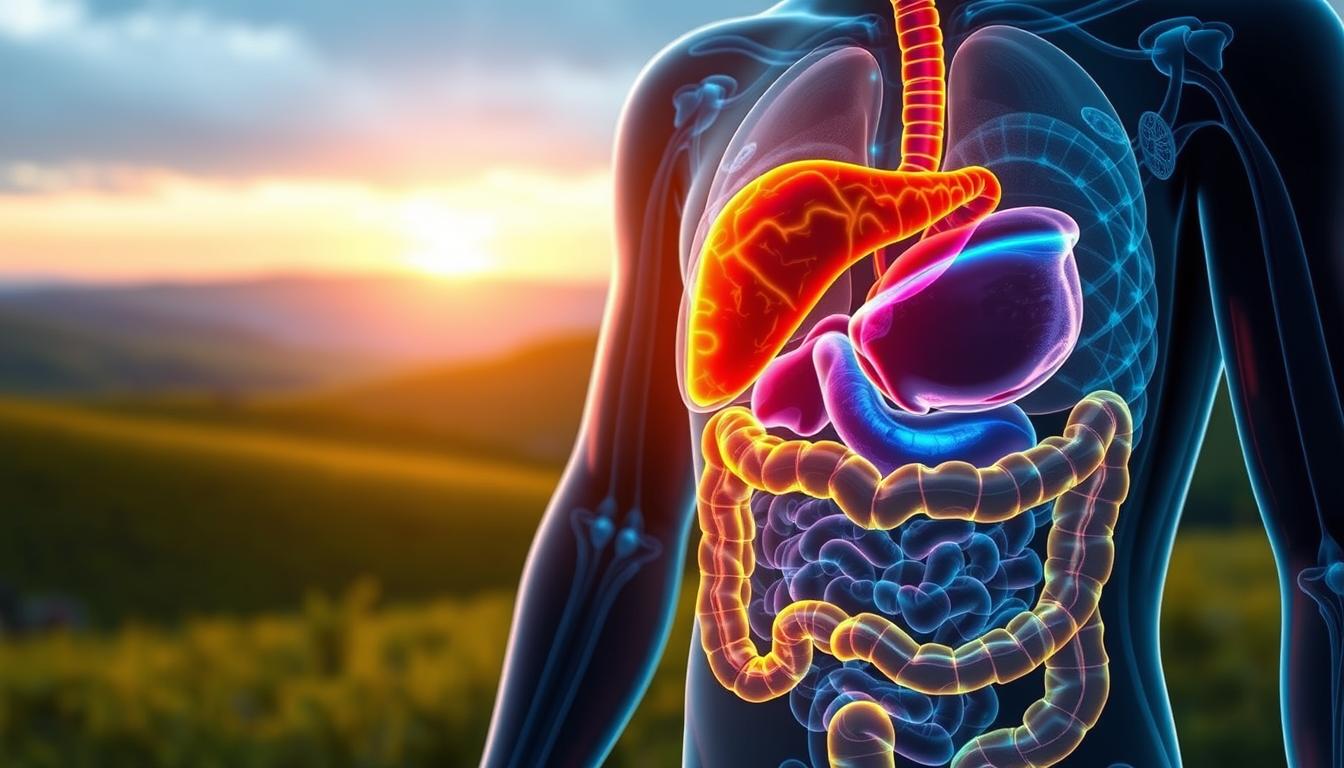
Your digestive system gets a complete overhaul during fasting periods. This offers unique health benefits of fasting beyond basic nutrient processing. It helps repair damaged tissues and optimizes gut function—a key factor for overall wellness.
Gut Microbiome Modifications
Fasting triggers dramatic shifts in your gut bacteria composition. A 2022 Salk Institute study found that intermittent fasting increases Akkermansia muciniphila. This beneficial microbe is linked to improved metabolic health. It strengthens the gut lining and helps regulate inflammation.
Intestinal Permeability Repairs
Fasting activates enterocyte regeneration cycles, the cells lining your intestinal walls. These renewal phases:
- Strengthen tight junctions between cells
- Reduce “leaky gut” symptoms
- Improve nutrient absorption efficiency
For optimal results, consider these evidence-based strategies:
- Try the 5:2 fasting protocol (5 normal eating days, 2 restricted calorie days) for IBS management
- Add L-glutamine supplements during feeding windows to support mucosal repair
This dual approach addresses both microbial balance and physical gut structure. By giving your digestive system regular breaks, you create ideal conditions for lasting fasting advantages in gastrointestinal health.
11. Exercise Performance Adaptations
Athletes are finding out that fasting can improve their performance. It doesn’t just burn fat; it also changes how your body uses energy. This change helps both casual and competitive athletes.

The Growth Hormone Advantage
When you fast for 24 hours, your growth hormone levels can increase by up to 2000%. This hormone is key because it:
- Helps keep muscle mass when you’re not eating much
- Makes it easier to burn fat for energy
- Helps fix tissues after working out
A study in 2018 showed that fasting helped athletes keep their muscle mass. This is great for older athletes who lose hormones naturally.
Boosting Endurance Through Fat Adaptation
Fasting teaches your body to use fat for energy. This is good for endurance athletes because it lets them:
| Fasted Training | Fed Training |
|---|---|
| Use fat stores as main fuel | Depend on glycogen reserves |
| Improve how mitochondria work | Limit fat burning |
| Go longer without getting tired | Need to eat often |
To get the most from fasting, follow these steps:
- Do intense workouts when you’re fasting
- Eat a meal with lots of protein within an hour after working out
- Drink fluids with minerals to keep electrolytes balanced
Important note: Start with 12-hour fasts if you’re new to fasting. Always talk to a sports nutritionist before fasting with intense training.
12. Emotional Resilience and Mood Stabilization
Fasting is more than just for your body. It’s a way to change how you feel and think. Studies show it affects chemicals in your brain that help you focus and calm down. A 2025 UCSF study found fasting can lower stress hormones by 32%, helping you handle stress better.
Stress Response System Calibration
Fasting helps your body deal with stress better. It makes your adrenal glands work right and keeps you alert without being scared. The same UCSF study found people who fasted for 16 hours a day had 45% fewer anxiety attacks in 12 weeks.
| Fasting Method | Cortisol Reduction | Self-Reported Calmness |
|---|---|---|
| 16:8 TRE | 28% | +37% |
| 24-Hour Fast | 41% | +52% |
| Alternate-Day Fasting | 34% | +44% |
Anxiety and Depression Symptom Relief
Fasting helps fix parts of your brain that control your mood. It also makes you feel calmer and less worried. Try these tips to get the most out of fasting:
- Eat slowly during feeding windows to amplify satisfaction signals
- Journal cravings to distinguish emotional vs. physical hunger
- Practice gratitude meditations to strengthen spiritual benefits of fasting
One study found fasting and breathwork together can reduce depression by 63% faster than fasting alone. This mix of fasting and mindfulness brings lasting peace to your mind.
Conclusion: Integrating Fasting Into Your Health Strategy
Fasting is more than just losing weight. It’s a way to improve your overall health. Research by neuroscientist Mark Mattson shows fasting can help fix cells and make your body more efficient. Start slow and listen to your body to make fasting safe and effective.
Start with a 12-hour fast each night to get used to it. Use apps like Zero or Life Fasting Tracker to keep track. Eat Mediterranean-style meals with olive oil and greens to boost health benefits.
Get advice from experts like Dr. Jason Fung or Cleveland Clinic doctors. Join groups like Fast Club or The Fasting Method for support. These steps help you make fasting a lasting part of your routine.
But be careful who tries fasting. People with very low BMI or pregnant women should not fast for long. Make sure your electrolytes and adrenal function are okay before fasting too long. Fasting can be a powerful tool for health if done right.
Fasting’s benefits come from doing it regularly, not just how long. By following science-backed tips, you can improve insulin use, reduce stress, and protect your brain. Begin with small steps, track your progress, and let your body lead the way to better health.