New research shows cutting calories too much can actually increase belly fat by 12% in long-term studies. Chris Gagliardi, an ACE-certified health specialist, says: “Quick fixes disrupt metabolism and prime your body for rebound weight gain”.
Visceral fat, the bad kind around organs, needs smart lifestyle changes to lose. Don’t try to starve yourself. Studies show getting enough sleep boosts fat-burning hormones more than strict diets.
Three key things help for lasting results:
• Eating lots of protein to keep muscle
• Reducing stress to lower cortisol
• Doing targeted exercises to boost metabolism
Key Takeaways
- Crash diets fail 94% of users long-term (ACE research data)
- Visceral fat reduction requires multi-system approach
- Sleep quality impacts fat storage more than calories
- Strength training outperforms cardio for belly fat
- Stress management is key for hormonal balance
This evidence-based plan changes your body’s biology instead of fighting it. You’ll learn why morning sunlight and meal timing are important. Plus, how to make lasting changes that stop belly fat cells from coming back.
Why Crash Diets Fail for Belly Fat
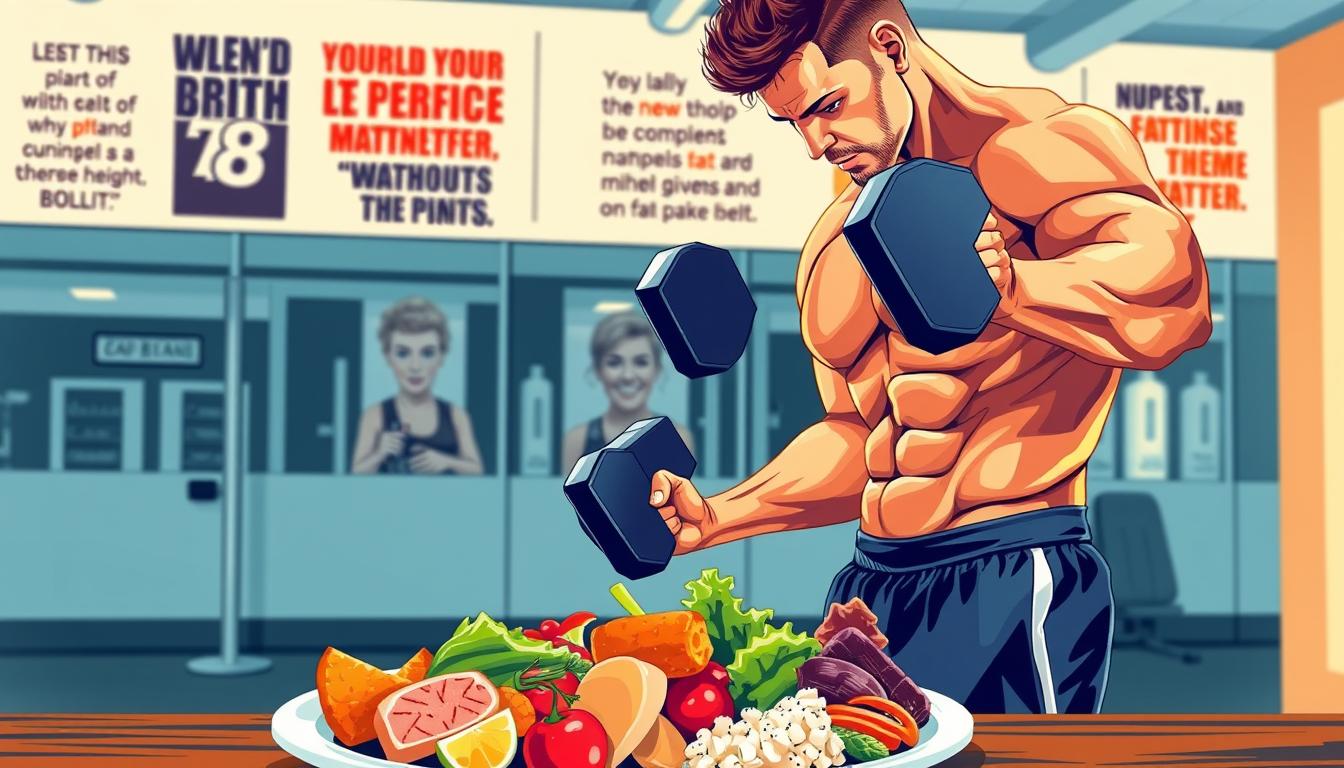
If you’ve tried crash diets and gained back belly fat, you’re not alone. These quick fixes don’t work for long-term results. Cutting calories too much might show weight loss at first, but it doesn’t help your body burn fat well. Here are three main reasons why these diets fail.
The Temporary Nature of Extreme Calorie Restriction
Extreme calorie cuts lead to quick water loss, not fat loss. Your body goes into survival mode, slowing down how it burns energy. Dr. Michael Cheskin, a metabolism expert at Johns Hopkins, says:
“Cutting calories by 40% or more reduces metabolic rate by up to 23% within three weeks. This makes it hard to keep weight off.”
Extreme dieting causes:
- Muscle loss increases (reducing calorie-burning capacity)
- Hunger hormones like ghrelin spike by 24%
- Energy levels crash, limiting physical activity
Metabolic Damage From Yo-Yo Dieting
Yo-yo dieting changes your metabolism for the worse. A 2022 study found those who yo-yo dieted burned 15% fewer calories at rest. This damage gets worse over time:
| Diet Cycle | Metabolic Rate Drop | Fat Regain |
|---|---|---|
| First Diet | 8% decrease | 110% of lost weight |
| Third Diet | 19% decrease | 145% of lost weight |
Not getting enough sleep makes it worse. Losing just 90 minutes of sleep a night means eating 385 extra calories the next day.
Increased Cortisol and Fat Storage
Crash diets raise cortisol by 37% in two weeks, says University of California research. This stress hormone targets belly fat:
- Triggers fat cell growth in visceral tissue
- Slows fat breakdown by 20-30%
- Increases cravings for high-sugar foods
To fight cortisol spikes:
- Prioritize 7-9 hours of quality sleep nightly
- Practice diaphragmatic breathing before meals
- Consume magnesium-rich foods like spinach and almonds
These effective fat loss tips tackle the real issues, not just symptoms. Making lasting changes is better than quick fixes.
The Science of Stubborn Belly Fat
Why does belly fat resist diet and exercise? It’s because of its unique biology. Abdominal fat is different from fat elsewhere, thanks to hormones, fat cell types, and how it responds to food. Let’s explore what makes this fat hard to lose and how to beat it.
Visceral vs Subcutaneous Fat Differences
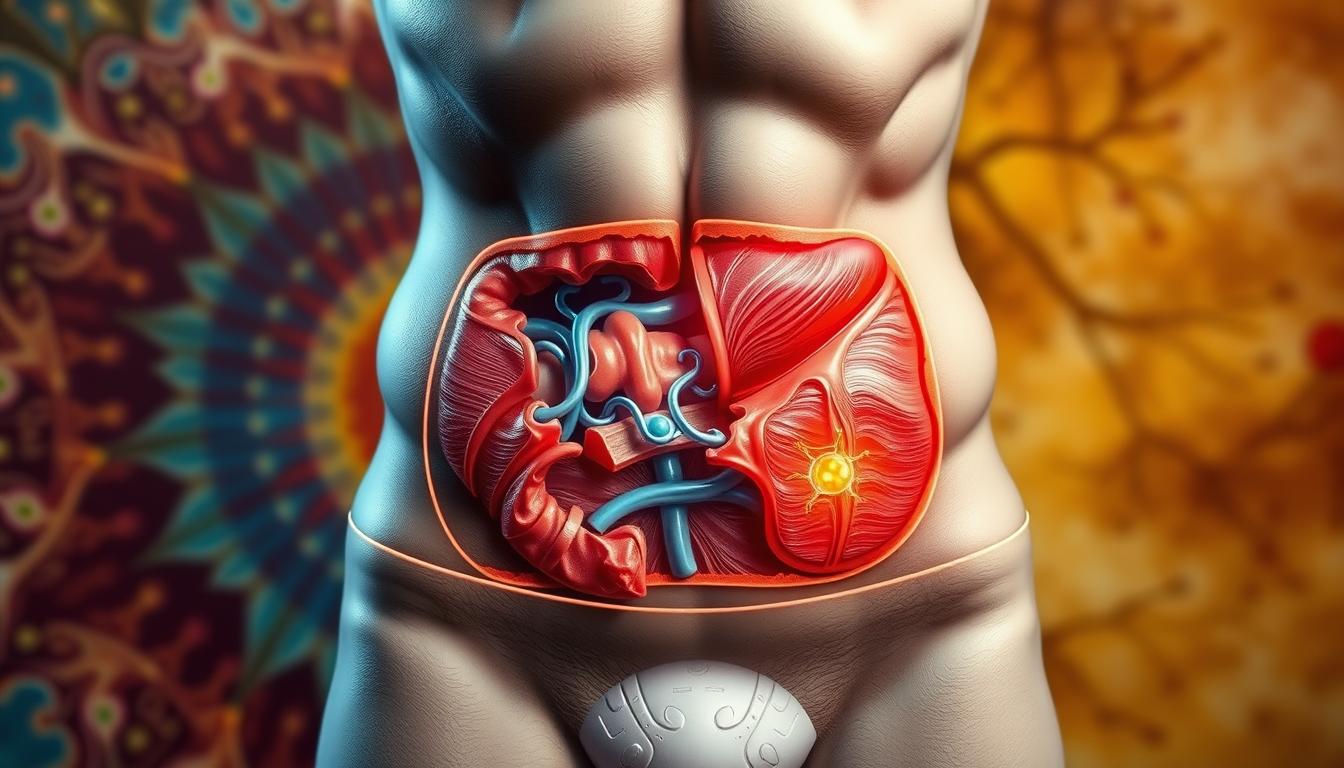
Not all belly fat is the same. Visceral fat wraps around organs, releasing harmful compounds. Subcutaneous fat is under the skin, storing energy but posing less risk. Here’s a comparison:
| Characteristic | Visceral Fat | Subcutaneous Fat |
|---|---|---|
| Location | Around internal organs | Beneath the skin |
| Health Risks | High (heart disease, insulin resistance) | Low |
| Visibility | Not always visible | Creates “pinchable” layers |
| Responsiveness to Diet/Exercise | Responds faster to lifestyle changes | Requires longer-term strategies |
Hormonal Drivers of Abdominal Obesity
Hormones control fat storage. Cortisol (stress hormone) makes fat cells grow around your waist. Insulin stores excess calories. Women face extra challenges with estrogen changes during menopause.
Insulin Resistance and Fat Accumulation
When cells don’t respond to insulin, your body makes more of it. This leads to a cycle:
- Excess insulin tells fat cells to store more energy
- Blood sugar swings make you hungrier
- Fat breakdown gets harder
“Insulin resistance turns your abdomen into a metabolic dead end—energy goes in but struggles to come out.”
This is why belly fat reduction needs more than just counting calories. Improving insulin sensitivity through diet and exercise can break this cycle.
How to Melt Stubborn Belly Fat Fast Without Crash Diets
Breaking free from extreme dieting cycles is key to lasting belly fat reduction. Unlike quick fixes that backfire, science-backed methods focus on sustainable habits your body can maintain long-term. Let’s explore three proven strategies to slim down without crash diets while improving overall health.

Creating Sustainable Calorie Deficit Strategies
The NIH Body Weight Planner shows small, consistent deficits are better than drastic cuts. Instead of slashing 1,000 calories daily, aim for a 15-20% reduction using these methods:
- Boost fiber intake with vegetables and legumes (as Dr. Cheskin recommends)
- Swap sugary drinks for herbal teas or infused water
- Use portion control plates to manage serving sizes visually
Tracking your intake with apps like MyFitnessPal for just 3 days weekly increases awareness without obsession. This approach prevents metabolic slowdown linked to extreme dieting.
Prioritizing Nutrient Density Over Restriction
Research shows focusing on what you add to meals is more effective than fixating on what to remove. Try this comparison:
| Nutrient-Dense Choices | Processed Alternatives |
|---|---|
| Quinoa bowls with roasted veggies | Frozen microwave meals |
| Greek yogurt with berries | Flavored low-fat yogurt |
| Almond butter on apple slices | Peanut butter crackers |
Source 3’s 300-minute weekly activity guideline pairs perfectly with this strategy. A 20-minute walk after meals improves digestion and burns extra calories naturally.
Implementing Metabolic Flexibility Practices
Train your body to switch between fuel sources efficiently with these techniques:
“Metabolic flexibility enhances fat-burning capacity during both activity and rest.”
- Practice 12-hour overnight fasting (7 PM to 7 AM)
- Alternate higher-carb and lower-carb days
- Include vinegar-rich dressings to improve insulin sensitivity
These methods help reduce visceral fat storage while maintaining energy levels. Combine them with adequate hydration for optimal results.
Powerful Nutrition Strategies
Changing what you eat is key to losing belly fat without harsh diets. Choosing the right foods boosts your metabolism and controls hunger. Here are three ways to eat well and lose fat.
Optimizing Protein Intake for Fat Burning
Getting 70g of protein a day does more than build muscle. It keeps you full longer. Dr. Amy Cheskin says: “Protein repairs tissue while creating a thermal burn effect during digestion.”
Best Protein Sources for Satiety
- Grass-fed beef (26g per 3oz)
- Wild-caught salmon (22g per 3oz)
- Greek yogurt (17g per 6oz)
- Lentils (18g per cooked cup)
Timing Protein Throughout the Day
Eat protein at different times for best results. Have a protein-rich snack 30 minutes before working out. This keeps your blood sugar stable and helps your muscles burn fat.
Strategic Carb Cycling Techniques
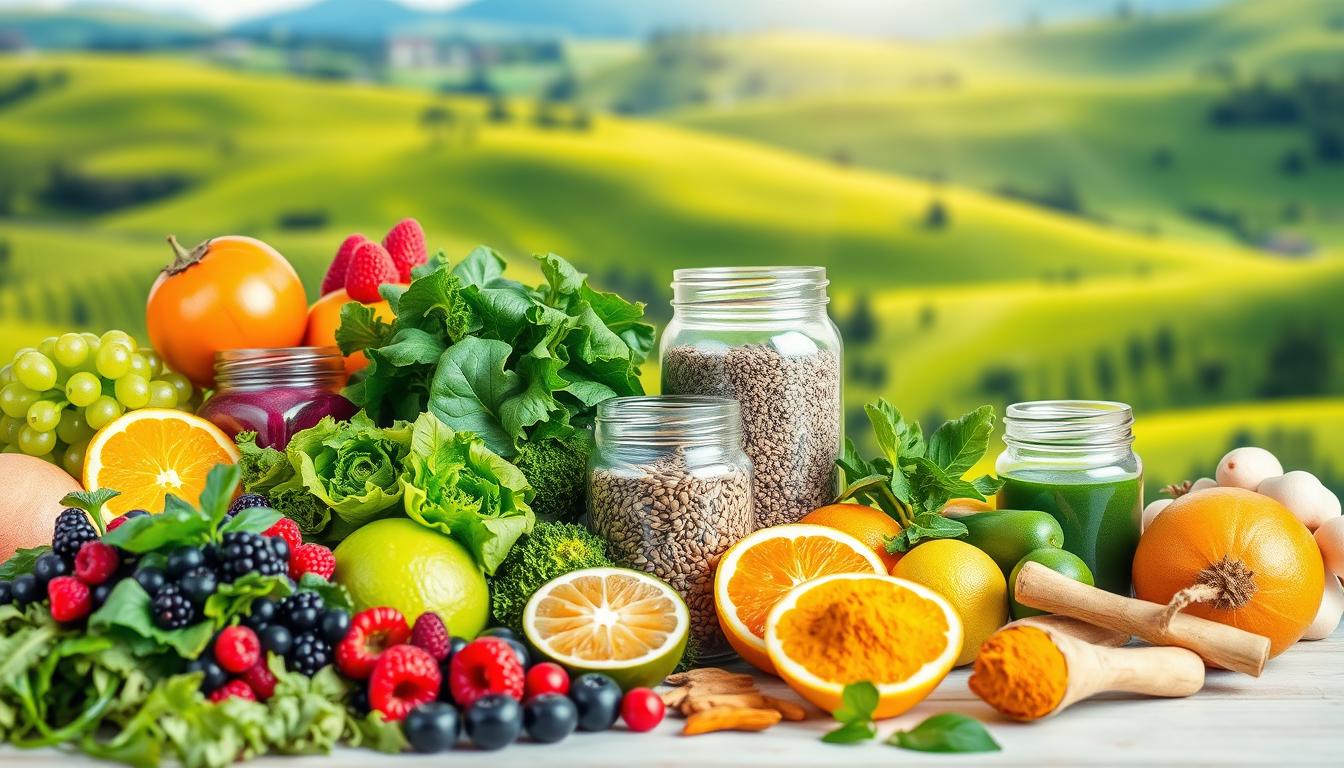
Switch between high and low carb days to keep your metabolism sharp. Eat sweet potatoes or quinoa on active days. On rest days, choose leafy greens and berries. This helps your body use fat better.
Healthy Fats That Fight Inflammation
Not all fats are good for you. Choose these anti-inflammatory fats:
- Avocados: Full of monounsaturated fats that reduce belly fat
- Walnuts: Omega-3s that lower cortisol
- Extra virgin olive oil: Oleic acid that reduces hunger
Research shows eating 1.5oz of nuts daily can help you lose 37% more belly fat. Eat these fats with colorful veggies for better nutrient absorption.
Exercise Essentials for Targeted Fat Loss
Getting rid of stubborn belly fat needs more than just crunches. It’s about finding the right mix of exercises that burn calories, boost your metabolism, and work out several muscles at once. Let’s dive into three proven ways to slim down your midsection.

High-Intensity Interval Training Protocols
HIIT burns 25-30% more calories than steady cardio, as shown in a study. It involves short, intense efforts followed by rest periods. This creates an “afterburn effect,” keeping your metabolism high for hours after working out.
Sample HIIT Workout Structure
- 5-minute dynamic warm-up (jumping jacks, bodyweight squats)
- 30-second all-out sprint (treadmill, cycling, or burpees)
- 90-second active recovery (brisk walking or slow pedaling)
- Repeat 8-10 cycles
- 5-minute cool-down with stretching
Progress Tracking Methods
Here are ways to track your progress:
- Heart rate recovery time (faster = better conditioning)
- Total rounds completed in 20 minutes
- Perceived exertion scale ratings
Strength Training for Metabolic Boost
A study found that compound lifts reduce visceral fat 3x faster than cardio alone. Muscle burns 50% more calories at rest than fat. So, strength training is key for lasting fat loss.
“Participants doing full-body resistance training lost 15% more abdominal fat than cardio-only groups over 12 weeks.”
Focus on these exercises that work multiple joints:
- Barbell deadlifts (engages core, glutes, and hamstrings)
- Kettlebell swings (improves hip power and cardiovascular endurance)
- Weighted step-ups (builds leg strength while challenging balance)
Core-Specific Exercises With Compound Benefits
These exercises target your abs while also working other parts of your body:
- Plank rows: Maintain plank position while rowing dumbbells
- Medicine ball slams: Overhead throws that engage obliques
- Hanging knee raises: Develops grip strength and lower abs
These exercises boost your metabolism and directly target your abs. Pair them with good nutrition for even better fat-burning results.
The Sleep-Fat Loss Connection
Your sleep does more than just refresh your mind. It also helps your body burn belly fat. Studies show that sleeping less than 7 hours a night can make you store more belly fat by 32% over five years. This time is key for controlling hunger, stress, and fat burning.

Circadian Rhythm Optimization
Your body’s internal clock affects how you burn fat. A study at Johns Hopkins found people with irregular sleep gained 3x more visceral fat than those with regular bedtimes. To keep your clock in sync:
- Get 15 minutes of morning sunlight within 30 minutes of waking
- Limit blue light exposure after 8 PM using amber-tinted glasses
- Keep bedroom temperatures between 60-67°F for optimal melatonin production
Deep Sleep’s Role in Fat Metabolism
Slow-wave sleep releases human growth hormone (HGH), a fat-burning hormone. A study showed people sleeping 5.5 hours lost 55% less fat than those sleeping 8 hours, even with the same calorie intake. Deep sleep also:
- Reduces cortisol spikes by 37% (per Dr. Cheskin’s research)
- Balances ghrelin/leptin hormones controlling hunger signals
- Enhances insulin sensitivity for better nutrient partitioning
Creating an Evening Recovery Routine
Your evening habits affect your sleep quality and metabolism. Source 2 suggests these strategies for better sleep and fat loss:
- Complete digital detox 90 minutes before bed
- Practice diaphragmatic breathing (4-7-8 pattern)
- Consume magnesium-rich foods like pumpkin seeds or dark chocolate
Consistent evening routines help your body burn fat faster during sleep. Use wearable devices to track your sleep stages. Aim for at least 1.5 hours of deep sleep each night.
Stress Management for Flat Abs
Diet and exercise are key for belly fat, but stress is often ignored. Stress raises cortisol, leading to abdominal fat storage. By managing stress, you can lose belly fat naturally through three main ways.

Master Your Breath to Control Cortisol
The 4-7-8 breathing technique is a stress reducer. Here’s how to do it:
- Inhale quietly through your nose for 4 seconds
- Hold breath for 7 seconds with relaxed shoulders
- Exhale completely through pursed lips for 8 seconds
Studies show it lowers cortisol by 22% in just five minutes. Try it before meals to stop stress cravings and add adaptogenic supplements for better results.
Harness Nature’s Stress Regulators
Adaptogens like ashwagandha are natural stress fighters. They:
- Balance cortisol production at cellular level
- Improve stress resilience over time
- Enhance sleep quality for better fat metabolism
A 2023 study showed ashwagandha users lost 1.6 inches from their waist. Start with 300-500mg daily, with breakfast.
Transform Eating From Stress Response to Conscious Choice
Mindful eating stops stress eating by:
- Plating meals away from screens
- Chewing each bite 15-20 times
- Pausing mid-meal to assess fullness
Nutrition therapists say this helps spot emotional hunger. Use these tips with stress-reduction methods for sustainable abdominal fat loss.
Hydration Hacks for Fat Oxidation
Water does more than just quench your thirst—it’s a silent partner in your fat-loss journey. Proper hydration kickstarts metabolic processes, flushes toxins, and even triggers calorie-burning mechanisms. Let’s explore three science-backed strategies to turn your water intake into a fat-oxidation accelerator.

Cold Water Thermogenesis Effects
Drinking cold water forces your body to work harder to maintain its core temperature. This process, called thermogenesis, burns 5–7% more calories compared to room-temperature water. While this effect alone won’t melt pounds overnight, it adds up when combined with other strategies.
Research shows drinking 500ml of cold water can increase metabolic rate by 30% for 30–40 minutes. Try alternating between cold and room-temperature water throughout the day to maintain this metabolic boost without shocking your system.
Mineral-Rich Water for Metabolism
Not all water is created equal. Magnesium-rich mineral water supports over 300 enzymatic reactions, including those that break down fat. A single liter of high-magnesium water can provide 20–30% of your daily needs for this critical mineral.
Look for brands containing:
- Magnesium (50–100mg per liter)
- Calcium (100–150mg per liter)
- Potassium (10–20mg per liter)
These electrolytes help regulate fluid balance and optimize cellular energy production, making fat oxidation more efficient.
Pre-Meal Hydration Strategies
Drinking 16 ounces of water 30 minutes before meals creates a natural portion-control effect. Your stomach’s stretch receptors signal fullness faster, reducing the likelihood of overeating by up to 22%. This simple hack also prepares your digestive enzymes for optimal nutrient breakdown.
For best results:
- Set a timer 30 minutes before scheduled meals
- Drink slowly to avoid bloating
- Add a squeeze of lemon for flavor and detox support
Pair these hydration tactics with your existing nutrition plan to create a synergistic fat-loss effect. Remember, consistency matters more than perfection—even small improvements in daily water intake can yield measurable results over time.
Gut Health Optimization
Your gut does more than just digest food. It also affects how your body stores fat, feels hunger, and handles inflammation. By improving your gut health, you can help your body naturally control hunger and burn belly fat more easily. Here are three proven ways to make your digestive system a fat-loss friend.

Power Up With Probiotic Foods
Foods rich in live cultures, like fermented ones, can balance your gut bacteria. This is key for managing weight. A 2023 study showed people eating daily probiotic-rich foods lost 50% more belly fat than others. Good choices include:
- Kimchi (contains strain Lactobacillus brevis shown to reduce inflammation)
- Kefir with 12+ active cultures
- Sauerkraut fermented for 6+ weeks
- Miso paste in soups or dressings
These foods help your gut stay healthy, stopping toxins from making you store fat. Eat 1-2 servings a day for best results.
Fiber: Your Natural Appetite Regulator
Soluble fiber turns into a gel in your gut, slowing digestion and keeping blood sugar stable. Studies show eating more fiber can cut calorie intake by 11% without feeling hungry. Focus on these fiber-rich foods:
- Chia seeds (10g fiber per ounce)
- Steamed asparagus
- Peeled apples
- Cooked oats
Slowly add more fiber to your diet and drink lots of water. This helps avoid stomach problems and boosts fat burning by 20%, as studies have found.
Identify and Eliminate Bloat Triggers
Some foods can make you retain water and upset your stomach, hiding your fat loss. Keep an eye on how you react to these common offenders:
- Cruciferous vegetables (try roasting to improve digestibility)
- Carbonated beverages
- Artificial sweeteners like sorbitol
- High-sodium processed snacks
Swap these foods for ones that are easier on your gut, like zucchini noodles, fresh herbs, and meals with ginger. Most people notice less belly bloat in 3-5 days after making these changes.
Intermittent Fasting Protocols
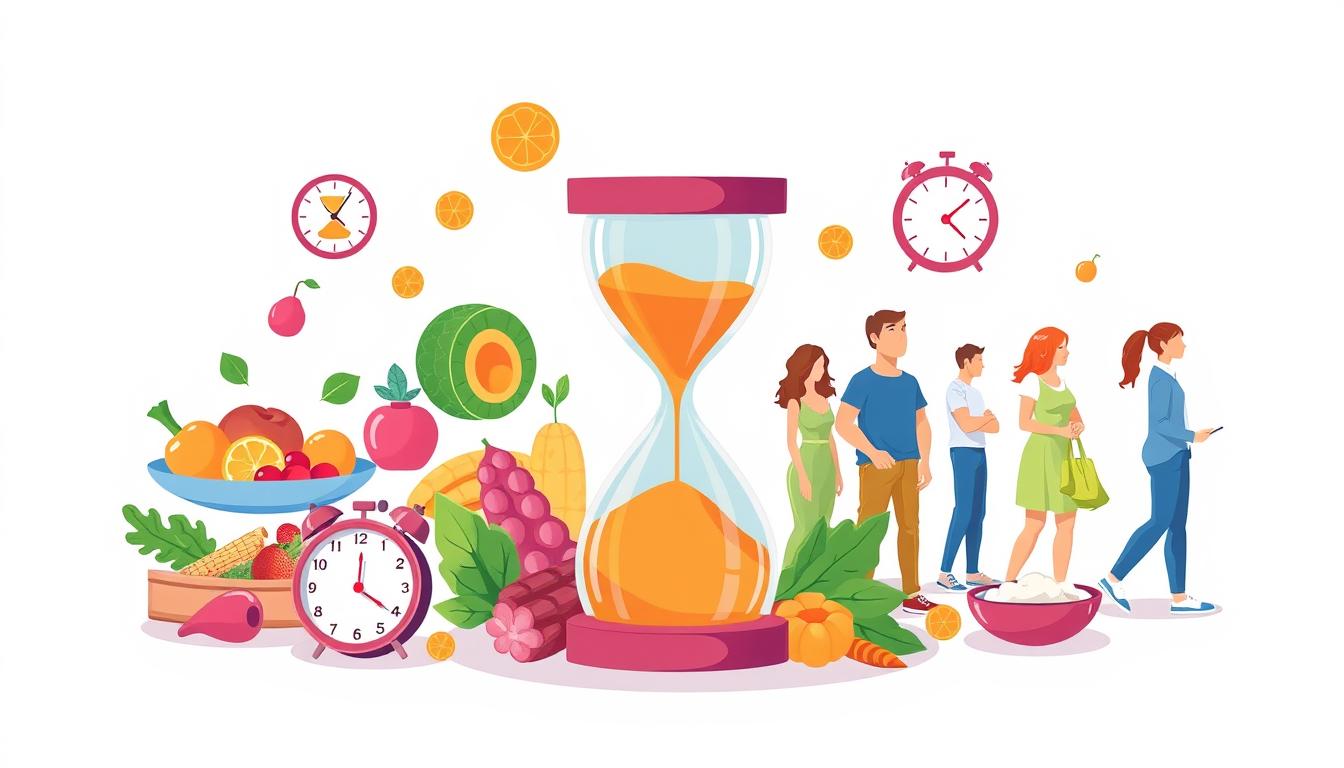
Timed eating patterns are backed by science to target stubborn fat while keeping muscle mass. Unlike strict diets, intermittent fasting focuses on when you eat, not what you cut out. It uses your body’s natural fat-burning cycles, avoiding the metabolic slowdown of calorie-restricted diets.
16:8 Method for Beginners
The 16:8 protocol divides your day into 16 hours of fasting and 8 hours of eating. Many find success by skipping breakfast and eating between 10 AM and 6 PM. Benefits include:
- Enhanced fat oxidation during morning fasting hours
- Simplified meal planning with defined eating times
- Improved insulin sensitivity through prolonged rest periods
Beginners can start with 12-hour fasts and gradually increase by 30 minutes. Stay hydrated with water or herbal teas to manage hunger.
Advanced Fasting Windows
Experienced fasters might try 20:4 schedules or alternate-day fasting. These intense protocols need careful planning:
| Protocol | Fasting Window | Eating Window | Best For |
|---|---|---|---|
| 20:4 Warrior Diet | 20 hours | 4 hours | Seasoned fasters |
| OMAD (One Meal a Day) | 23 hours | 1 hour | Weight maintenance |
| 36-Hour Fast | 1.5 days | 12 hours | Metabolic reset |
Always check with a healthcare provider before trying fasts longer than 24 hours.
Breaking Fasts for Maximum Benefit
Your first meal after fasting is key to keeping fat burning. Nutritionist Dr. Amelia Nashaat advises:
“Start with 20-30 grams of protein and fiber-rich vegetables. This combo stabilizes blood sugar and kickstarts digestion.”
Avoid these common mistakes:
- Overloading on refined carbohydrates
- Consuming large portions too quickly
- Ignoring electrolyte balance
Choose meals like grilled salmon with steamed broccoli or scrambled eggs with avocado. These replenish nutrients without raising insulin too much.
Non-Exercise Activity Thermogenesis
Your daily habits outside the gym can help fight stubborn belly fat. Non-exercise activity thermogenesis (NEAT) burns calories through everyday movements. It makes up to 15% of your total energy use. These small activities add up without using up your willpower.
Standing Desk Benefits
Switching to a standing desk can burn 34% more calories hourly, studies show. Standing desks also improve your posture and blood flow. Here’s a simple plan:
- Stand 45 minutes every hour
- Shift weight between legs
- Add calf raises during calls
| Activity | Calories/Hour* | Metabolic Benefit |
|---|---|---|
| Sitting | 68 | Baseline |
| Standing | 91 | 23% increase |
| Walking Meetings | 132 | 94% increase |
*Based on 150-pound individual
Daily Step Count Targets
New research shows benefits start at 7,000 steps. Here’s how to reach your goal:
- Park 5 minutes from destinations
- Take 3-minute walking breaks hourly
- Do post-dinner “digestion walks”
Active Recovery Techniques
Low-intensity movement boosts circulation without stressing your body. Try these recovery enhancers:
- 10-minute yoga flows morning/night
- Foam rolling during TV time
- Dynamic stretching before showers
These techniques help keep you mobile while burning extra calories. It’s a win-win for losing belly fat.
Supplementation Strategies
Food and exercise are key for losing fat. But, supplements can help by filling nutritional gaps and boosting metabolism. The right supplements work well with your diet and exercise.
Green Tea Extract Dosages
400mg of EGCG daily is shown to boost metabolism. It increases fat burning by 17% during workouts and improves insulin use. For best results, take it in the morning and afternoon, not close to bedtime.
Choose extracts labeled “50% EGCG” for quality. If caffeine bothers you, pick decaf green tea. Taking it with meals rich in healthy fats helps your body absorb it better.
Omega-3 Fatty Acid Sources
Not all omega-3s are the same. Fish like salmon give you EPA and DHA directly. But, if you don’t eat fish, try:
- Algae-based supplements (250-500mg combined EPA/DHA daily)
- Chia seeds soaked overnight
- Walnuts paired with leafy greens
Omega-3s can cut down on inflammation linked to belly fat by up to 24%. If you take fish oil, choose enteric-coated capsules to avoid bad taste. Make sure they’re tested for purity to avoid toxins.
Vitamin D Optimization
Almost 42% of US adults don’t have enough vitamin D. This vitamin helps control fat storage hormones. Aim for 2,000 IU daily and eat foods rich in magnesium to boost its effects. Morning sunlight helps produce vitamin D naturally.
Get blood tests every 6 months to find the right dose for you. Taking vitamin D with K2 helps with calcium use, which is good for bones and metabolism. People with darker skin or who work indoors might need more vitamin D.
Remember, supplements are meant to enhance your efforts, not replace them. Watch how your body reacts for 90 days before changing anything. Always talk to a doctor before mixing different supplements.
Conclusion
Melting stubborn belly fat without crash diets needs a science-backed plan. This plan works with your body’s natural rhythms. It combines sustainable calorie cuts with focused exercise and stress reduction.
Dr. Liliana Quinones’ research shows slow habit changes beat extreme methods for lasting fat loss. This is true for visceral fat.
Focus on being consistent, not just intense. High-intensity interval training burns calories well. Strength training helps keep muscle mass while losing fat.
Adding sleep and managing cortisol helps with belly fat. Eat whole foods high in protein and fiber. They help keep blood sugar stable and reduce cravings.
Don’t look for quick fixes. Building metabolic flexibility is key. Eat nutrient-dense foods, stay hydrated, and move more.
Track your progress in energy and how your clothes fit. Small wins add up to big changes. Good gut health and smart supplements help too.
Begin with one change in nutrition, movement, or recovery. Grow your habits over time. Share your journey in our forum or tag @HealthLabExperts on Instagram for free tools.
Your journey to a leaner midsection starts now. Don’t wait for another quick fix that fails.