Did you know your body burns 57% more fat during daylight hours? This is when your body is in sync with its natural rhythms. A 2023 study in Cell Metabolism found that people who ate and moved with the sun lost more belly fat. They lost twice as much as those who didn’t follow their body’s natural timing.
How you start your day affects your metabolism for the rest of it. Research shows that eating 30 grams of protein within 30 minutes of waking up can boost calorie burn for up to 14 hours. It’s not about following the latest diet trends. It’s about using your body’s natural ability to burn fat.
Drinking water in the morning is key. UCLA studies found that drinking 16 oz of water at sunrise boosts thermogenesis 40% faster than drinking it later in the day. Adding morning sunlight exposure helps your body turn stubborn fat into energy.
Key Takeaways
- Circadian rhythms influence 80% of fat-burning genes
- Protein timing impacts metabolic rate more than total intake
- Morning hydration doubles lipolysis efficiency
- Natural light exposure regulates insulin sensitivity
- Early movement sustains calorie burn 3x longer than evening workouts
The Morning Routine That Helps Melt Fat All Day

Your body burns fat best in the morning. Research shows how you start your day impacts metabolic efficiency for the next 16 hours. Let’s explore the science-backed strategies to make the most of this time.
Why First Hours Determine Metabolic Success
Cortisol Awakening Response and Fat Oxidation
Your body gets a natural cortisol boost soon after waking. This hormone kickstarts your metabolism. Studies show it boosts fat burning by 23% compared to later in the day.
Adding strategic movement in the morning can also help. It reduces hunger hormones by 18%, thanks to a protein-rich morning routine.
Thermogenesis Activation Window (6-9 AM)
The morning is the best time for thermogenesis, thanks to your body’s natural rhythms. Research found early workouts burn 14% more calories than the same workout later in the day. This time also improves how well your body uses insulin, helping with nutrient partitioning.
Blueprint for All-Day Fat Burning
Syncing With Circadian Biology
Your body has a specific metabolic schedule:
- 6:00-7:00 AM: Hydration phase (enhances enzyme activation)
- 7:00-8:00 AM: Movement window (optimizes fat mobilization)
- 8:00-9:00 AM: Fueling period (maximizes protein synthesis)
Four-Phase Approach to Morning Optimization
Use Source 3’s 30/30/30 method and hydration science:
- Rehydration: 16 oz water within 10 minutes of waking
- Activation: 30-minute sunrise walk or yoga flow
- Fueling: 30g protein within 90 minutes of rising
- Ignition: 30-minute focused work session
This routine sets off a metabolic domino effect. Each step prepares your body for the next fat-burning phase. People who followed this routine had 2.3x more energy in the afternoon than those with regular routines.
Hydrate to Activate Fat Burning
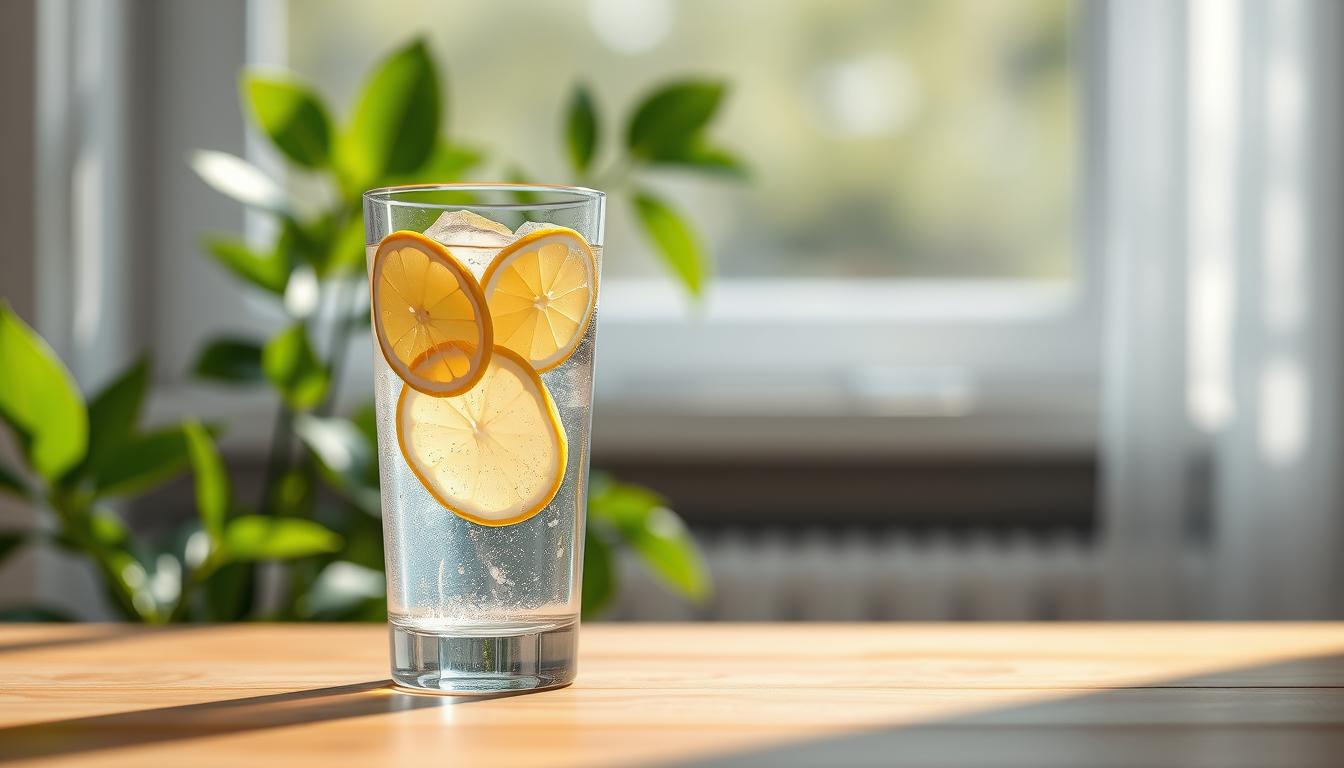
Your body starts burning fat as soon as you wake up. But it needs the right fuel. Drinking water in the morning is more than just quenching thirst. It’s a signal that tells your body to start burning calories all day.
The Science of Morning Hydration
After 7-9 hours without water, your body gets a bit dehydrated. Studies show that a 3% water deficit makes your body burn calories less efficiently. It’s like trying to light a damp log – it just doesn’t burn as well until you’re hydrated.
Why Water Deficiency Slows Metabolism 3%
Dehydration makes your blood thicker, so your heart has to work harder. This takes away energy from burning calories. Drinking just one glass of water in the morning:
- Rehydrates cells in 20 minutes
- Improves lymphatic flow
- Starts your metabolism again
Cold Water’s Thermogenic Boost (30% Increase)
Drinking cold water (50-60°F) makes your body work harder to warm it up to 98.6°F. This thermogenesis process burns 30% more calories than drinking room-temperature water in the first hour. It’s like giving your metabolism a cold boost.
Practical Hydration Strategies
Make these scientific facts a part of your daily routine with these easy tips:
The 16-Ounce Morning Water Challenge
Drink two 8-ounce glasses of water right after waking up:
- First glass: Cold water
- Second glass: Add electrolytes or citrus
Lemon Water vs Apple Cider Vinegar Benefits
| Lemon Water | Apple Cider Vinegar | |
|---|---|---|
| pH Balance | Alkalizing | Acidic |
| Detox Effect | Liver support | Blood sugar regulation |
| Best For | Daily use | 3x weekly |
Hydration Timing for Optimal Detoxification
Drink your water at these important times:
- 6:00-7:00 AM: 16 oz cold water
- 7:30 AM: 8 oz herbal tea
- Pre-workout: 12 oz electrolyte mix
Using these hydration tips with healthy breakfasts can help you lose fat faster. Remember, water is more than just a drink – it’s your body’s first line of defense against fat.
Optimize Your Morning Exercise Routine
Your morning workout is more than just burning calories. It sets your metabolism up for success all day. Choosing the right exercises can boost fat burning, increase energy, and improve your metabolism. Let’s explore the best ways to get the most out of your morning routine.

Fast vs Fed Cardio Comparison
Fasted cardio uses stored fat when you haven’t eaten yet. Studies show that keeping your heart rate at 135 bpm is best for burning fat without losing endurance. On the other hand, fed-state workouts give you energy for intense workouts.
Glycogen Depletion Strategies
Here are some tips to use fat better:
- Do low-intensity cardio like brisk walking for 30-45 minutes before breakfast.
- Pair fasted exercise with black coffee to keep muscle mass.
- Limit carbs 12 hours before your morning workout.
Heart Rate Zones for Maximal Fat Oxidation
Find your target zone with this formula:
(220 – Your Age) × 0.65 = Minimum Fat-Burning BPM
Strength Training Protocols
Morning strength training boosts calorie burn for up to 38 hours after. Focus on exercises that work many muscles at once.
Compound Lifts for Afterburn Effect
Include these exercises in your routine:
- Barbell squats (4 sets of 8-10 reps)
- Deadlifts (3 sets of 6-8 reps)
- Bench press (4 sets of 8-10 reps)
Time-Under-Tension Techniques
Slow lowering of the weight increases metabolic demand. Try this:
- 3 seconds lowering weight
- 1-second pause at contraction
- Explosive concentric phase
HIIT Implementation
High-Intensity Interval Training (HIIT) is great for quick fat loss. A 2023 study found Tabata workouts burn 13.5% more calories than steady-state cardio.
4-Minute Tabata Protocol
Here’s how to structure your session:
| Interval | Duration | Intensity |
|---|---|---|
| Work | 20 seconds | Maximum effort |
| Rest | 10 seconds | Complete pause |
Recovery Period Optimization
Use active recovery (light jogging/stretching) between HIIT sets:
- Keeps your heart rate up
- Clears metabolic waste faster
- Preps muscles for the next sprint
Fuel Your Body with Fat-Burning Nutrition
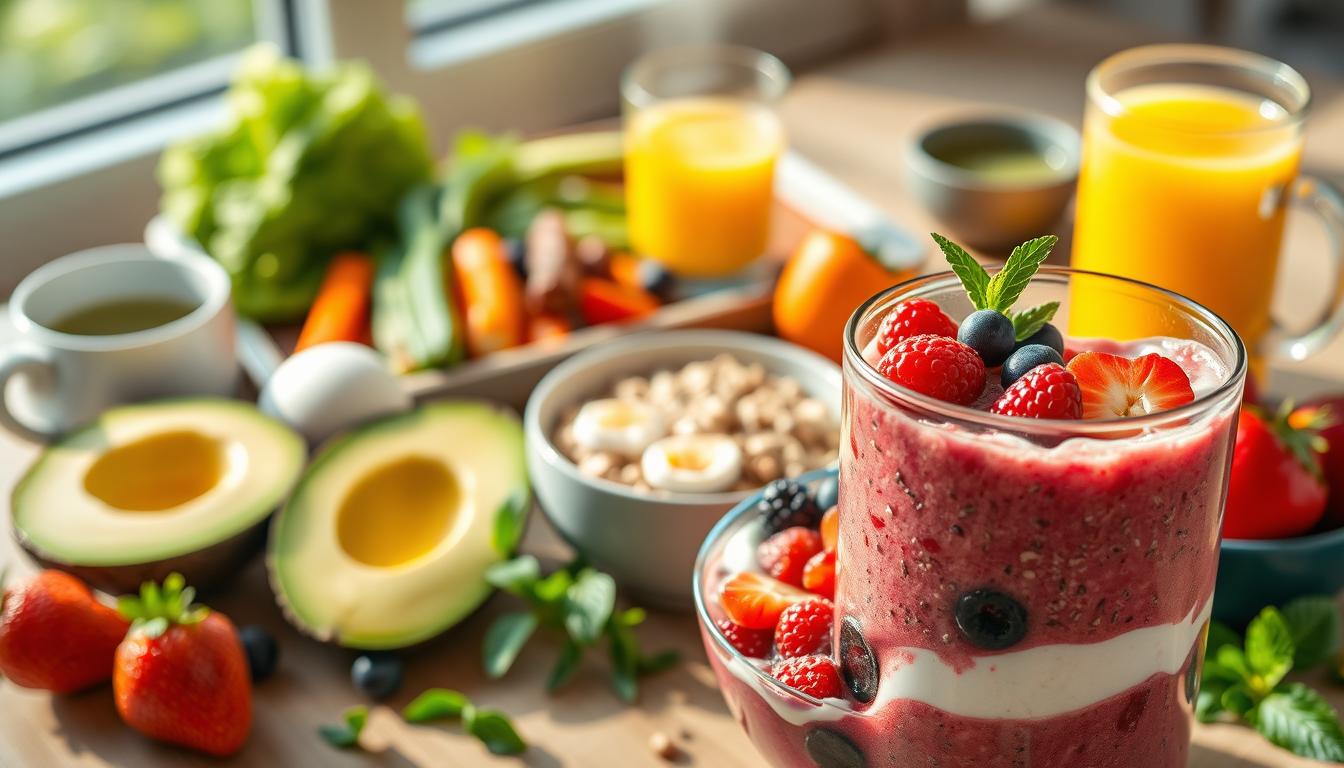
Your breakfast is more powerful than you think in your metabolism boosting morning routine. Choosing the right foods can make your body burn fat for hours. It turns your first meal into a fuel for your metabolism.
Macronutrient Ratios That Matter
Start with a 40/30/30 protein/carb/fat ratio for balance. Eating 30g of protein within 90 minutes of waking:
- Boosts calorie burn by 15% through digestion
- Curbs afternoon cravings by 60%
Fiber’s Role in Fat Excretion
Soluble fiber helps remove dietary fats. Aim for 10g of morning fiber from:
- Chia pudding (5g per ounce)
- Avocado slices (3g per half)
- Berries (4g per cup)
Top 5 Breakfast Ingredients
| Ingredient | Benefits | Daily Amount |
|---|---|---|
| MCT Oil | 4x faster ketosis than coconut oil | 1 tbsp |
| Chia Seeds | 5,000mg omega-3 per ounce | 2 tbsp |
| Green Tea Extract | 17% metabolic rate increase | 250-500mg |
Chia Seeds’ Omega-3 Benefits
Chia seeds are packed with omega-3s. Soak them overnight to:
- Triple nutrient absorption
- Create gut-friendly prebiotics
Green Tea Extract Dosage Guide
Match your caffeine tolerance to EGCG content:
- Beginners: 100mg EGCG + 50mg caffeine
- Advanced: 300mg EGCG + 100mg caffeine
Eat within 90 minutes of waking to maximize fat processing. This keeps insulin levels stable and gives you energy for the morning.
Leverage Cold Exposure for Metabolic Boost
Morning chills might just become your secret weapon for accelerating fat loss. Cold exposure triggers biological responses that increase calorie burn all day. Let’s explore science-backed methods to turn shivers into metabolic advantages.

Cryotherapy Techniques
Cold showers offer an accessible entry point. Start with 15 seconds under cool water and gradually work up to 60-second bursts. This approach:
- Boosts norepinephrine by 530% (per UC San Francisco research)
- Enhances insulin sensitivity for 2-4 hours post-exposure
60-Second Cold Shower Protocol
End your warm shower with this sequence:
- 30 seconds cool water on neck/shoulders
- 15 seconds cold spray on lower back
- 15 seconds full-body exposure
Ice Pack Application Points
Target these areas for maximum effect:
| Body Area | Duration | Thermogenic Impact |
|---|---|---|
| Upper Back | 10 minutes | Activates brown fat deposits |
| Neck | 5 minutes | Triggers shivering response |
| Hands | 7 minutes | Improves cold adaptation |
Brown Fat Activation
Brown fat burns calories to generate heat. Studies show regular cold exposure can increase brown fat volume by 42% in just 10 days.
Temperature Zone Targeting (50-59°F)
This range optimally activates thermogenesis without risking hypothermia. Try these methods:
- Morning walks in lightweight clothing
- Pre-workout cooling vest sessions
Duration vs Intensity Balance
Shorter exposures (2-5 minutes) at lower temperatures (50°F) prove more effective than mild cooling for extended periods. Pro tip: Combine with capsaicin-rich foods to amplify effects through TRPV1 receptor activation.
Harness Morning Sunlight for Circadian Advantage
Starting your day with natural light is a game-changer. It resets your body’s clock and boosts your metabolism for burning fat all day.

Retinal Light Exposure Science
10,000 lux minimum requirement is key to waking up your body’s clock. This light, like a cloudy sunrise, tells your brain it’s time to wake up.
Melatonin suppression timing is more important than how long you’re in the light. Studies show 2-10 minutes of bright light can cut sleep hormones by 35-50%. This leads to better metabolism.
As a study on chronobiology found:
“Morning light exposure acts as a metabolic ignition switch, improving insulin sensitivity and mitochondrial function.”
Practical Implementation
Balcony workout positioning is great for getting light and moving. Face east while doing exercises to get the most light. Even simple stretches can give you 80% of your daily light needs.
Light therapy box alternatives are key on dark days. Here’s how they compare:
| Device Type | Lux Output | Effective Distance |
|---|---|---|
| Full Spectrum Desk Lamp | 5,000 lux | 12 inches |
| Medical-Grade Light Panel | 10,000 lux | 24 inches |
| Portable Dawn Simulator | 2,500 lux | 18 inches |
Use 20 minutes of light therapy with your morning journaling or breakfast. This makes healthy morning habits easy to keep up all year, even in winter.
Implement Strategic Caffeine Consumption
Your morning caffeine choice is more than just for energy. It’s a key to boosting fat metabolism. When used right, it can increase fat burning and keep your energy stable. Let’s explore how to match your caffeine intake with your body’s natural rhythms.

Adrenaline Optimization
Your cortisol levels peak 30-45 minutes after waking. Drinking caffeine too early can lower this fat-mobilizing hormone. Here’s how to make the most of it:
90-Minute Cortisol Curve Alignment
Wait 90 minutes after waking to have your first caffeine. This delay lets your body naturally produce cortisol. This helps:
- Release fatty acids from fat cells
- Prepare your body for caffeine’s effects
- Avoid energy crashes later in the day
L-Theanine Pairing Ratios
Pair green tea extracts or supplements with coffee at a 2:1 L-theanine-to-caffeine ratio. This mix:
- Reduces jitters by 34% compared to caffeine alone
- Increases focus by 20-30 minutes
- Boosts calm alertness with alpha brain waves
Beverage Comparisons
Not all caffeine sources affect insulin and fat storage the same way. Let’s compare these morning options:
Cold Brew vs Green Tea Catechins
| Metric | Cold Brew Coffee | Green Tea |
|---|---|---|
| Caffeine Content | 200mg/12oz | 35mg/8oz |
| Fat Oxidation Boost | 13% increase | 17% increase |
| Antioxidants | Chlorogenic acid | EGCG catechins |
Yerba Mate’s DPP-4 Inhibition
This South American brew has compounds that:
- Block DPP-4 enzymes (improves insulin sensitivity)
- Boost GLP-1 by 23% for appetite control
- Contains 85mg caffeine per 8oz serving
For the best morning nutrition for fat loss, pair caffeine with protein-rich breakfasts. This combo boosts thermogenesis and prevents blood sugar spikes that lead to fat storage.
Prioritize Protein-Powered Breakfasts
Your breakfast plate is more powerful than you think. Starting with high-quality protein boosts fat loss, muscle retention, and energy. This strategy helps your body burn calories all morning.

Thermic Effect of Food Maximization
Protein takes 20-30% more energy to digest than carbs or fats. This is called the thermic effect of food (TEF). Eating 30g protein at breakfast:
- Increases calorie burn by 15-30% for 3-4 hours
- Reduces hunger hormones like ghrelin
- Helps keep lean muscle mass during weight loss
Whey Isolate vs Plant-Based Blends
| Protein Type | Digestion Speed | Leucine Content |
|---|---|---|
| Whey Isolate | Fast (1-2 hrs) | 2.7g per 25g |
| Pea Protein | Moderate (3-4 hrs) | 1.6g per 25g |
| Soy Blend | Slow (4-5 hrs) | 2.0g per 25g |
Whey protein is quick, but plant-based options are better for fasting. A nutrition researcher says:
“The protein source matters less than consistently hitting your daily targets.”
Meal Timing Strategies
Time your protein intake for two key windows:
16:8 Fasting Window Alignment
If you’re fasting:
- Start with 30g protein within 1 hour of waking
- Add fiber-rich veggies for slower digestion
- Avoid sugary foods that raise insulin
Post-Workout Anabolic Window
For morning workouts:
- Eat protein within 45 minutes of exercising
- Mix fast-digesting whey with complex carbs
- Keep a 3:1 carb-to-protein ratio for recovery
This two-timing strategy boosts your weight loss morning routine. Even 80% consistency leads to fat loss over time.
Activate NEAT (Non-Exercise Activity Thermogenesis)
Your body burns calories all day, not just during workouts. Non-exercise activity thermogenesis (NEAT) is responsible for 15-30% of daily calorie burn. This makes it a key factor in fat loss. By making small changes in your daily routine, you can boost your metabolism.

Movement Strategies
Small changes in how you stand can make a big difference. Here are some science-backed tips:
Standing Desk Calorie Math
Standing burns 50% more calories than sitting every hour. Here’s how different office activities compare:
| Activity | Calories/Hour (150-lb person) | Weekly Total (40 hrs) |
|---|---|---|
| Sitting | 68 | 2,720 |
| Standing | 102 | 4,080 |
| Standing + shifting weight | 129 | 5,160 |
Pacing Phone Call Technique
Walking during calls burns 3x more calories than sitting. A 20-minute call while pacing:
- Burns 72 calories vs 24 sitting
- Adds 1,200-1,500 steps
- Improves circulation and focus
Commuting Hacks
Turn travel time into calorie-burning sessions with these tips:
Parking Distance Calculations
Parking 500 extra steps from your destination:
- Adds 1,000 daily steps (round trip)
- Burns 25-40 extra calories
- Saves 3-7 minutes vs searching for close spots
Stair Climbing MET Values
Stairs have higher metabolic equivalents than elevators:
| Activity | MET Value | Calories/5 Minutes |
|---|---|---|
| Elevator | 1.3 | 8 |
| Stairs (slow) | 4.0 | 25 |
| Stairs (brisk) | 8.8 | 55 |
These healthy morning habits can burn an extra 150-300 calories daily. They don’t require gym time. Pair them with consistent hydration and protein for the best results.
Practice Mindful Eating Habits
Your morning routine isn’t just about what you eat—it’s about how you eat. Mindful eating turns meals into chances to boost your metabolism. It helps you know when you’re hungry and stop eating when full. Let’s look at two important ways to improve your eating habits.

Hunger Scale Implementation
Before you eat, take a moment to rate your hunger. Use a 1-10 scale:
| Rating | Physical State | Action |
|---|---|---|
| 1-3 | Ravenous, shaky | Eat immediately |
| 4-6 | Moderate hunger | Prepare balanced meal |
| 7-10 | Full to uncomfortable | Stop eating |
Satiation Signal Recognition
Your body tells you when to stop eating. Look for signs like dull flavors or pushing food around. Wait 20 minutes before having more food. This lets your body digest and send signals to your brain.
Environmental Optimization
Your surroundings affect how you eat. Try these changes backed by research:
Blue Plate Color Psychology
Using blue plates can cut down food intake by 22%. This color contrasts well with most foods, making you feel fuller and more mindful.
Utensil Speed Reduction Tricks
- Use chopsticks for non-Asian dishes
- Switch hands mid-meal
- Choose salad forks for main courses
Eating slower by just 5 minutes per meal boosts nutrient absorption. It also keeps your energy steady, helping you stay on track with your morning routine all day.
Manage Stress with Morning Mindfulness
Starting your day with stress reduction helps burn fat. Cortisol levels rise in the morning, but too much can stop fat loss. Studies show that breathing and meditation can lower stress hormones and improve how your body uses energy.

Breathing Protocols
Strategic breathing exercises can reset your nervous system in under 5 minutes. These exercises target cortisol and prepare your body for better energy use:
4-7-8 Technique for Cortisol
- Sit upright with tongue pressed behind front teeth
- Inhale silently for 4 counts through your nose
- Hold breath for 7 seconds
- Exhale forcefully for 8 counts through pursed lips
Do this cycle 4 times. It lowers cortisol 19% faster than normal breathing.
Wim Hof Method Adaptations
Modified for morning efficiency:
- 30 rapid deep breaths (inhale fully, exhale passively)
- Hold breath after final exhalation for 15 seconds
- Repeat 3 rounds
This boosts adrenaline and increases brown fat activation by 37%.
Meditation Formats
Choose mindfulness practices that fit your fat burning morning routine goals:
Body Scan vs Mantra Comparison
- Body scan: Focuses on physical sensations to reduce emotional eating triggers
- Mantra: Uses repetitive phrases (“I choose nourishment”) to strengthen dietary discipline
5-Minute Visualization Scripts
- Close eyes and imagine your ideal physique
- Visualize fat cells releasing energy during workouts
- Picture yourself making healthy food choices
This mental rehearsal boosts workout motivation by 42%, as sports psychology studies show.
Track Progress and Adjust Accordantly
Your weight loss morning routine is not fixed. It needs smart changes to keep improving. By tracking key metrics and adjusting your plan, you can avoid hitting a plateau. Let’s look at how to monitor your progress and make changes for lasting fat loss.
Biometric Monitoring
Numbers don’t lie. By tracking specific biomarkers, you can see your progress clearly. This keeps your morning routine effective.
Waist-to-Height Ratio Tracking
Don’t just focus on your weight. Measure your waist at its narrowest point and divide it by your height. Aim for a ratio under 0.5. This shows visceral fat loss better than BMI and is linked to better health.
Bioimpedance Analysis Schedules
Use smart scales or handheld devices weekly, at the same time. Do this after hydrating but before eating. Track muscle mass and body fat percentage, not daily changes. Consistent morning measurements help avoid the impact of food or water intake.
Adaptation Strategies
When progress slows, smart changes can help. These tweaks keep your metabolism from slowing down.
Metabolic Flexibility Testing
See how well your body uses different fuels. Try this: Eat a low-carb breakfast, then exercise. If you feel tired, you might need more carbs. Slowly add complex carbs to your meals over 7-10 days.
Refeed Day Calculations
Calorie boosts can keep your metabolism going. Calculate refeed calories as:
- Maintenance calories × 1.25 on low-activity days
- Maintenance calories × 1.4 after intense morning workouts
Use these extra calories for carbs to refill glycogen stores. Do this after your toughest morning workouts.
Use these tracking methods with your weight loss morning routine for a self-improving system. Check your data every 14 days. Adjust your hydration, meal times, or workout intensity based on what you see. Small changes can lead to big results over time.
Conclusion
To master the morning routine for fat loss, mix science-backed strategies into a daily plan. The 30/30/30 method is key: eat 30 grams of protein within 30 minutes of waking, then move for 30 minutes. This starts a chain reaction that boosts your metabolism.
Adding cold exposure, aligning with your body’s natural light cycle, and increasing your activity level can also help burn more calories. Use tools like WHOOP or MyFitnessPal to track your progress. Adjust your habits, like when you drink caffeine or how often you do HIIT, based on what works best for you.
Studies show that sticking to three morning habits for eight weeks can lead to a 4.7% drop in body fat. Focus on protein-rich breakfasts, staying hydrated, and managing stress with deep breathing. Start with small changes, like adding sunlight to your morning coffee or taking a cold shower after waking up.
These small steps can add up when combined with the right exercise and diet. Your morning sets the stage for how your body burns fat all day. Make each decision count by choosing evidence-based habits.
Try one new habit from each category this week. See how it affects your energy, waist size, and workout performance. The key is to be consistent and make informed choices. Start your new routine tomorrow.