Did you know that socially connected individuals have a 50% higher chance of survival compared to those who are isolated? According to the CDC, maintaining strong social ties is just as crucial as healthy habits for longevity. Yet, many people struggle to balance their social life with their health goals in today’s fast-paced world.
Choosing a health-conscious lifestyle doesn’t mean giving up on meaningful connections. In fact, integrating social engagement into your routine can enhance both your physical and mental well-being. Whether it’s joining a fitness community or participating in tech-enabled wellness groups, there are countless ways to stay connected while prioritizing your health.
By combining social activities with healthy habits, you can enjoy the best of both worlds. This approach not only supports your physical activity goals but also strengthens your relationships, creating a win-win scenario for your overall well-being.
Key Takeaways
- Social connections increase survival likelihood by 50%.
- Health-conscious choices don’t require isolation.
- Fitness communities offer dual benefits.
- Tech-enabled wellness groups keep you connected.
- Balancing social life and health enhances well-being.
Introduction: The Importance of Social Connections in a Healthy Lifestyle
Humans are wired for connection, and it plays a vital role in our health. From an evolutionary perspective, social bonds helped our ancestors survive and thrive. Today, research shows that strong relationships can reduce the risk of health problems like depression and heart disease.
According to the NIH, social isolation increases the risk of early death by 26%. This highlights the importance of staying connected for a longer, healthier life. Social wellness isn’t just about having friends—it’s about creating meaningful interactions that support your overall well-being.

Social wellness complements other healthy habits like nutrition and exercise. For example, the American Heart Association found that social support can lower blood pressure. This concept, known as health-forward socialization, encourages you to integrate social activities into your wellness routine.
Here’s a quick look at how social connections benefit your health:
| Benefit | Impact |
|---|---|
| Reduced Depression Risk | Strong bonds lower the likelihood of mental health issues. |
| Lower Blood Pressure | Social support can improve heart health. |
| Decreased Diabetes Risk | Active social life promotes healthier lifestyle choices. |
By prioritizing social connections, you can enhance your physical and mental health. This approach ensures that your wellness journey is both fulfilling and sustainable.
The Benefits of Socializing for Physical and Mental Health
Engaging with others can significantly enhance your physical and mental health. Positive social interactions trigger the release of endorphins, which naturally boost your mood. According to Summa Health, these “feel-good” hormones also help reduce stress levels, making socializing a powerful tool for emotional well-being.
Social connections improve your overall quality of life. Seniors who remain socially active have a 30% lower risk of dementia, as reported by the NIH. This highlights the long-term benefits of maintaining strong relationships.

Group activities can also encourage healthier habits. Studies show that people are 40% more likely to stick to exercise routines when they participate in group settings. This adherence not only supports physical fitness but also fosters a sense of community.
Socializing can even reduce the risk of chronic disease. A JAMA study found that socially connected adults have a 32% lower chance of stroke. Additionally, social support improves medication adherence by 27%, further protecting against health complications.
Here’s a quick overview of how socializing impacts your health:
| Benefit | Impact |
|---|---|
| Mood Enhancement | Endorphin release reduces stress and boosts happiness. |
| Lower Dementia Risk | Socially active seniors are 30% less likely to develop dementia. |
| Reduced Stroke Risk | Strong social ties lower stroke risk by 32%. |
| Improved Medication Adherence | Social support increases adherence by 27%. |
By prioritizing social connections, you can enjoy a healthier, more fulfilling life. These benefits extend beyond mental health, offering protection against chronic conditions like diabetes and heart disease.
How to Stay Social While Prioritizing Health
Finding time for friends and fitness can go hand in hand. One effective approach is the concept of “social nutrient density,” which focuses on maximizing the value of every interaction. This means choosing activities that benefit both your body and your relationships.
Time-blocking is a practical strategy to balance health and social commitments. Allocate specific slots in your schedule for workouts, meals, and socializing. This ensures you stay consistent with your habits while making room for meaningful connections.
Technology can also help bridge the gap. Apps like Strava combine fitness tracking with social features, allowing you to share progress and stay motivated with friends. This is one of the best ways to integrate health goals into your social life.
Consider hosting meal-prepping parties with your family or friends. These gatherings serve a dual purpose: preparing healthy meals for the week and enjoying quality time together. It’s a creative way to combine productivity with social engagement.
According to the American Time Use Survey, adults spend an average of 4.5 hours daily on social activities. By aligning these interactions with your health goals, you can make the most of your time and energy. Small changes, like walking meetings or fitness challenges, can transform your routine.
Here are some actionable tips to get started:
- Schedule social activities that involve movement, like hiking or dancing.
- Use fitness apps to connect with friends and track progress together.
- Host healthy cooking or meal-prepping gatherings.
- Set boundaries to ensure you have time for both self-care and socializing.
Join Health-Focused Social Groups
Joining health-focused groups can transform your wellness journey while keeping you connected. These communities offer a unique blend of exercise and social interaction, making it easier to stick to your goals. Whether you prefer group fitness classes or cooking clubs, there’s something for everyone.

According to the NIH, adults should aim for 150 minutes of moderate activity weekly. Group workouts can help you meet this goal while enjoying the company of others. Research from the American Council on Exercise shows that group training burns 20% more calories than solo sessions.
Exercise Classes and Fitness Communities
Group fitness classes like aqua Zumba, aerial yoga, and HIIT bootcamps are excellent ways to stay active. These sessions combine exercise with camaraderie, making workouts more enjoyable. You’ll also benefit from the motivation of others, which can push you to achieve more.
Here’s a comparison of calorie burn in group vs. solo workouts:
| Activity | Calories Burned (Group) | Calories Burned (Solo) |
|---|---|---|
| Zumba | 500 | 400 |
| Yoga | 200 | 160 |
| HIIT | 600 | 480 |
Cooking Clubs and Healthy Eating Groups
Healthy eating becomes more fun when shared with others. Cooking clubs and supermarket tours led by dietitians can introduce you to new food ideas. These programs often focus on nutritious items, helping you make better choices for your meals.
Themed cooking nights, like Mediterranean Mondays or Vegan Thursdays, add variety to your days. Research from Blue Zones highlights the benefits of social eating patterns, which promote longevity and well-being. By joining these groups, you can enjoy delicious meals while building meaningful connections.
Plan Social Activities Around Healthy Habits
Combining social events with healthy routines can make your days more fulfilling. The NIDDK recommends at least 30 minutes of moderate physical activity daily. Why not turn this into a shared experience? Activities like nature walks or group workouts can help you stay active while connecting with others.

Outdoor Activities and Nature Walks
Outdoor adventures are a great way to blend physical activity with socializing. Geocaching, for example, combines exercise and exploration. It’s a fun activity that gets you moving while discovering new places. Park clean-up events with local organizations also offer a chance to give back while staying active.
Here are some ideas to get started:
- Organize a hiking trip with friends or family.
- Try geocaching for a mix of exercise and adventure.
- Join local park clean-up events to combine fitness with community service.
Healthy Potlucks and Cooking Nights
Healthy eating becomes more enjoyable when shared. Hosting a potluck or cooking night is one of the best ways to enjoy nutritious meals with loved ones. Use the USDA Farmers Market Directory to source fresh ingredients. Focus on whole foods and portion control, following MyPlate guidelines.
Consider these tips for a successful event:
- Organize a recipe swap emphasizing whole, unprocessed foods.
- Host themed nights, like Mediterranean Mondays or Vegan Thursdays.
- Plan portion-controlled dishes to encourage balanced eating.
By integrating healthy habits into your social life, you can create meaningful connections while prioritizing your well-being. These activities make it easier to stay active and eat well, even on busy days.
Leverage Technology for Social Wellness
Technology has become a game-changer for staying connected while focusing on wellness. From fitness apps to online communities, digital tools make it easier to balance health goals with social engagement. These platforms not only provide support but also foster accountability, helping you stay on track.

According to MyFitnessPal, users who engage in group challenges achieve their goals 63% more often. This highlights the power of combining technology with social interaction. Whether you’re tracking workouts or sharing recipes, these tools can enhance your journey.
Virtual Fitness Challenges
Virtual fitness challenges are a great way to stay motivated. Apps like Peloton, Zwift, and Fitbit offer features that let you compete with friends or join global events. These platforms turn exercise into a social experience, making it more enjoyable and sustainable.
For example, Peloton allows you to join live classes where you can interact with others in real-time. This sense of community keeps you engaged and accountable. Research shows that group training increases adherence by 40%, making it a smart choice for long-term success.
Online Health and Wellness Communities
Online communities provide a space to share tips, ask questions, and find support. Platforms like Facebook and Pinterest let you create private groups for accountability. These spaces are ideal for discussing healthy recipes, workout routines, and progress updates.
However, be cautious of misinformation in unmoderated forums. Stick to trusted sources like telehealth platforms offering group nutrition counseling. These programs provide expert guidance while fostering connections with others on similar journeys.
By leveraging technology, you can turn your health goals into a shared experience. Whether it’s through apps, online groups, or virtual challenges, these tools make it easier to stay connected and committed.
Involve Friends and Family in Your Health Journey
Incorporating loved ones into your wellness routine can amplify your success. According to the NIH, families who adopt healthy changes together have a 58% higher success rate. This highlights the power of teamwork in achieving your goals.

When your family and friends are part of your journey, it becomes more enjoyable and sustainable. Shared activities like group workouts or cooking sessions can strengthen bonds while improving your health.
Encourage Group Workouts
Group workouts are a fantastic way to stay motivated. Whether it’s a family step challenge or a fitness class with friends, exercising together creates accountability. Research shows that group activities burn more calories and boost adherence.
Here’s a comparison of group vs. individual workouts:
| Activity | Calories Burned (Group) | Calories Burned (Solo) |
|---|---|---|
| Walking | 300 | 250 |
| Cycling | 400 | 350 |
| Dancing | 500 | 400 |
Share Healthy Recipes and Meal Plans
Cooking together can make healthy eating more fun. Organize intergenerational cooking sessions or host a “smoothie sampler” party. Use shared Google Docs to collaborate on recipes and meal plans.
Here’s a quick list of ideas to get started:
- Create family step challenges with Fitbit rewards.
- Host device-free dinners to encourage mindful eating.
- Plan themed cooking nights, like Mediterranean Mondays.
By involving your family and friends, you can turn your health journey into a shared adventure. This approach not only supports your body but also strengthens your relationships.
Balance Socializing with Self-Care
Balancing socializing with self-care is essential for maintaining both your health and relationships. It’s easy to overcommit to social events, leaving little time for rest and recovery. By setting boundaries and prioritizing self-care, you can enjoy meaningful connections without compromising your well-being.

Set Boundaries for Social Commitments
One effective way to balance socializing is by creating an “energy budget.” This concept helps you allocate your time and energy wisely. Use a color-coded calendar to plan activities, ensuring you have enough downtime between events.
Here are some tips for setting boundaries:
- Politely decline invitations that don’t align with your health goals.
- Schedule regular “me-time” to recharge.
- Limit social commitments to a few meaningful events each week.
Prioritize Rest and Recovery
Rest is just as important as socializing. The CDC recommends at least 7 hours of sleep nightly for optimal health. Incorporate recovery rituals like group meditation or yoga nidra parties to relax and connect with others.
Here’s a comparison of recovery rituals:
| Ritual | Benefits |
|---|---|
| Group Meditation | Reduces stress and fosters connection. |
| Yoga Nidra | Promotes deep relaxation and mental clarity. |
| Sleep Hygiene Practices | Improves sleep quality and overall health. |
By prioritizing rest, you can maintain your energy levels and enjoy social activities more fully. These habits ensure you’re at your best, both physically and emotionally.
Overcome Challenges to Staying Social and Healthy
Balancing social life with health goals can present unique problems, but with the right strategies, you can overcome them. Social pressure and time constraints are common factors that make it difficult to maintain both connections and wellness. However, by addressing these challenges head-on, you can create a sustainable routine that supports your goals.

Dealing with Social Pressure
Social pressure often arises when friends or family encourage unhealthy habits. For example, you might face problems like diet saboteurs during group meals. One effective way to handle this is by role-playing responses to such situations. Practice saying, “I’m focusing on my health, but I’ll try a small portion.”
Another strategy is the “two-bite rule.” Allow yourself two bites of indulgent foods during social gatherings. This approach lets you enjoy the moment without overindulging. Additionally, teach batch-prepping to your loved ones. It’s a great way to save time and ensure healthy meals are always available.
Managing Time Effectively
Time management is crucial for balancing social and health commitments. According to the NIH, effective time management reduces the risk of burnout and improves adherence to healthy habits. Start by carpooling to gym classes with friends. This saves time and makes workouts more enjoyable.
Use the Eisenhower Matrix to prioritize tasks. Divide your activities into four categories: urgent and important, important but not urgent, urgent but not important, and neither. Focus on things that align with your health goals while still making time for social connections.
- Role-play responses to diet saboteurs.
- Implement the “two-bite rule” for indulgent group meals.
- Teach batch-prepping for busy social schedules.
- Suggest carpooling to gym classes to save time.
- Use the Eisenhower Matrix for priority management.
By addressing these challenges, you can maintain a healthy lifestyle while staying socially active. For more tips on managing health-related problems, check out this guide on symptoms of overweight people.
How to Stay Social While Living a Health-Conscious Lifestyle
Building a balanced life means integrating social connections with your health goals. These two aspects are not mutually exclusive—they can thrive together. By focusing on progressive adaptation rather than perfection, you can create a sustainable routine that supports both your body and your relationships.

For aging populations, maintaining social ties is especially crucial. Studies show that socially active seniors experience better mental and physical health. This highlights the long-term benefits of combining wellness with meaningful interactions.
Cultural considerations also play a role in health-focused socialization. Different communities have unique traditions that can be adapted to support a lifestyle of balance. For example, family meals can be centered around nutritious recipes, blending cultural heritage with modern health practices.
Emerging trends are making it easier to stay social while prioritizing wellness. Sober bars, for instance, offer a space to connect without alcohol. Fitness vacations combine travel with physical activity, creating memorable experiences that support your health goals.
Here’s how you can embrace this balanced approach:
- Focus on gradual changes rather than immediate perfection.
- Adapt cultural traditions to align with your wellness journey.
- Explore new trends like sober bars or fitness vacations.
- Prioritize activities that combine socializing with physical activity.
By integrating these strategies, you can enjoy a fulfilling lifestyle that supports both your health and your social connections. This approach ensures long-term success and well-being.
Incorporate Social Wellness into Daily Habits
Starting your day with social wellness can set a positive tone for the hours ahead. Small, intentional changes in your routine can make a big difference in your social and physical health. By integrating social activities into your daily habits, you can enjoy meaningful connections while staying active.

Morning Walks with Friends
Morning walks are a simple yet effective way to combine fitness and socializing. According to the American Heart Association, walking for just 30 minutes a day can improve cardiovascular health. Invite your friends to join you for a brisk walk around the neighborhood. This not only boosts your physical activity but also strengthens your relationships.
Here are some tips to make your walks more enjoyable:
- Map out neighborhood routes with hydration stations for convenience.
- Suggest “walking meetings” for remote workers to stay active while discussing projects.
- Organize pet-friendly exercise meetups to include furry companions.
Healthy Coffee Dates
Meeting for coffee doesn’t have to derail your health goals. Opt for healthier choices like almond milk or sugar-free syrups. Use this time to catch up with friends while staying mindful of your caffeine intake. The NIH recommends limiting caffeine to 400 mg per day for most adults.
Here’s how to make your coffee dates healthier:
- Create a coffee shop ordering guide with low-calorie options.
- Choose cafes that offer fresh, whole-food snacks like fruit or nuts.
- Pair your coffee with a short walk to balance indulgence with activity.
By incorporating these small changes, you can turn everyday activities into opportunities for social wellness. These habits not only support your health but also enrich your connections with others.
Explore New Hobbies with a Social Twist
Exploring new hobbies can be a rewarding way to stay connected while focusing on your health. Engaging in activities that combine creativity, learning, and social interaction can enrich your life in unexpected ways. Whether it’s joining a book club or volunteering in your community, these hobbies offer a unique blend of personal growth and meaningful connections.

Join a Book Club or Art Class
Book clubs and art classes are excellent options for those looking to combine socializing with personal development. Curate a health-themed book list, such as “The Blue Zones Kitchen,” to spark engaging discussions. These gatherings not only foster intellectual growth but also create a sense of community.
Art classes, like plein air painting sessions in parks, offer a creative outlet while connecting you with others. Research shows that artistic activities reduce stress and improve mental well-being. By participating in these classes, you can enjoy the dual benefits of creativity and camaraderie.
Volunteer for Community Activities
Volunteering is another impactful way to stay socially active while contributing to your community. Partner with local food banks for nutrition-focused initiatives or join USDA community garden projects. These activities allow you to give back while staying engaged with others.
Create “skill swap” groups where you exchange expertise, like cooking lessons for yoga instruction. This approach not only builds connections but also encourages learning and personal growth. Volunteering is a meaningful part of a balanced lifestyle, offering both social and emotional rewards.
Here’s a quick list of ideas to get started:
- Organize health-themed book discussions with friends.
- Host plein air painting sessions in local parks.
- Volunteer at food banks to support nutrition initiatives.
- Start skill swap groups to exchange knowledge.
- Join community garden projects to connect with nature and others.
By exploring these hobbies, you can enhance your social life while staying committed to your health goals. These activities provide a fulfilling way to connect with others and enrich your daily routine.
Stay Motivated with Social Accountability
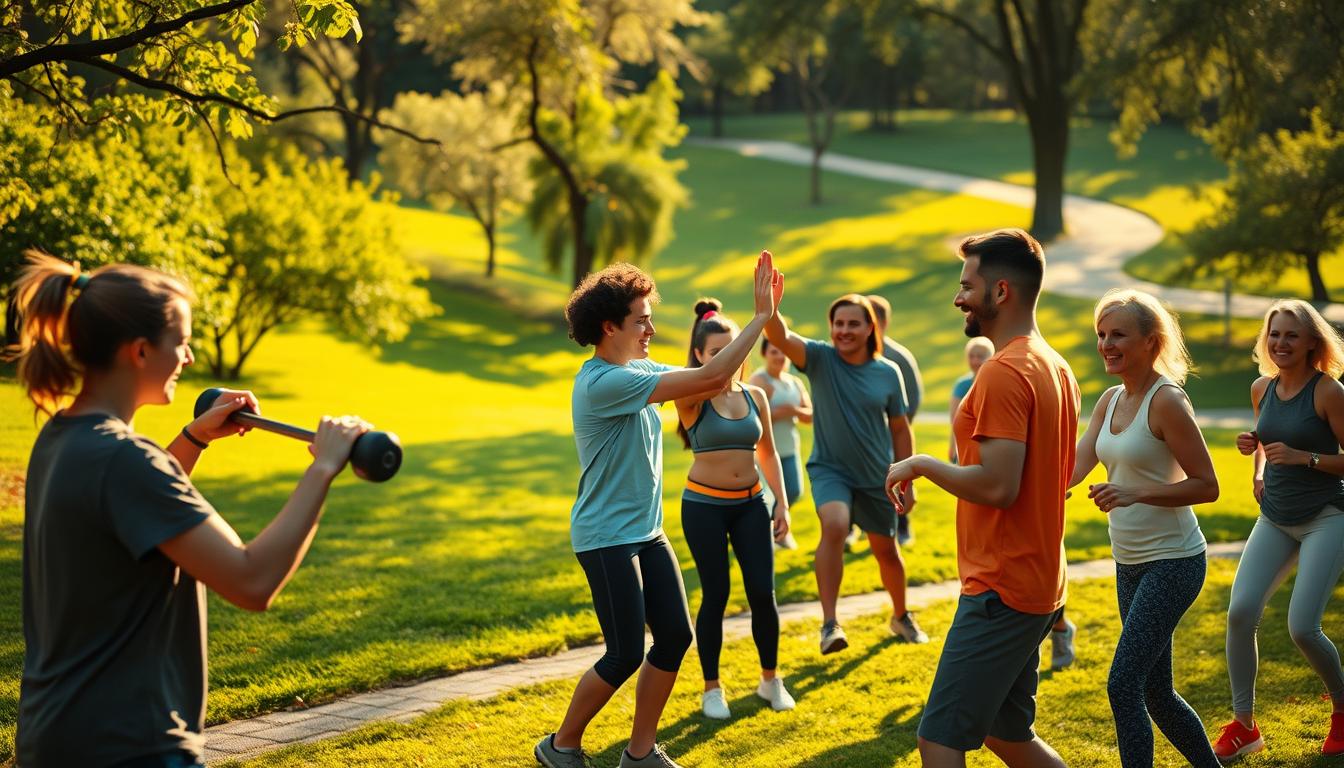
Staying motivated on your fitness journey is easier when you have someone to share it with. Social accountability can significantly boost your commitment to health goals. According to the Journal of Sports Sciences, working out with a buddy increases adherence by 40%. This makes it a powerful tool for long-term success.
Find a Workout Buddy
Partnering with a friend can make exercise more enjoyable and consistent. A workout buddy provides encouragement and keeps you accountable. Start by discussing shared goals and creating a fitness vision board together. This visual reminder can inspire both of you to stay on track.
Consider using tools like Withings body composition scales to track progress as a team. Friendly competitions, such as Apple Watch ring challenges, add a fun element to your routine. These activities not only improve your body but also strengthen your bond.
Track Progress Together
Monitoring your achievements as a group can be highly motivating. Schedule quarterly progress review parties to celebrate milestones. These gatherings provide an opportunity to reflect on your journey and set new goals.
Implementing “accountability deposits” is another effective strategy. Agree on a small penalty for missed sessions, like contributing to a shared fund. This approach ensures consistency while adding a layer of commitment.
Here are some actionable tips to get started:
- Design shared fitness vision boards to visualize goals.
- Use Withings body comp scales for group tracking.
- Create friendly competitions using Apple Watch rings.
- Implement “accountability deposits” for missed sessions.
- Schedule quarterly progress review parties.
By leveraging social accountability, you can stay motivated and achieve your fitness goals more effectively. This approach combines the benefits of exercise with the power of meaningful connections.
Adapt Social Plans to Fit Your Health Goals
Adapting your social plans to align with health goals doesn’t have to be complicated. Small changes can make a big difference in maintaining balance. By choosing activities that promote movement and healthier dining options, you can enjoy socializing without compromising your wellness.
Choose Active Over Sedentary Activities
Replacing sedentary activities with active ones is a great way to stay healthy. Instead of movie nights, try dance-along events or group fitness classes. These activities not only keep you moving but also strengthen your social connections.
Here are some ideas to get started:
- Convert movie nights to dance-along events for fun and fitness.
- Organize BYO-veggie platter dinner parties to encourage healthy eating.
- Teach label-reading during group grocery trips to make informed choices.
Opt for Healthier Dining Options
Dining out doesn’t have to derail your health goals. Use tools like the Healthy Dining Finder to map restaurant menus. This helps you identify healthier options that align with your dietary needs.
According to the USDA Dietary Guidelines, making smarter choices when eating out can reduce the risk of chronic conditions like heart disease and diabetes. Here’s a comparison of healthier dining options:
| Option | Benefit |
|---|---|
| Grilled Chicken Salad | Low in calories, high in protein. |
| Vegetable Stir-Fry | Rich in fiber and essential nutrients. |
| Fruit-Based Desserts | Natural sweetness without added sugars. |
Negotiate healthy menu options with local venues to ensure you have access to nutritious food. By making these changes, you can enjoy dining out while staying on track with your health goals.
Conclusion: Embrace a Balanced Lifestyle
Creating a balanced lifestyle is about blending social connections with your health goals. The CDC social-ecological model highlights the importance of integrating these aspects into your daily habits. Start by implementing 2-3 small changes, like morning walks with friends or healthy potluck dinners.
Research from the NIH shows that maintaining social ties can improve long-term cognitive function. This makes it a valuable part of your wellness journey. Explore local meetups or fitness groups to stay engaged while prioritizing your health.
Remember, sustainable change comes from gradual progress. Focus on what works for your life and build from there. By embracing this way of living, you can enjoy a fulfilling and balanced lifestyle that supports both your body and your relationships.