Did you know 75% of your immune defenses reside in your gut? This vital connection means what you eat directly impacts how well your body fights infections. While citrus fruits like oranges get all the glory for their vitamin C content, many everyday ingredients offer equally powerful immune support—often without the recognition they deserve.
Nature provides a treasure trove of nutrients that strengthen defenses, from antioxidants to anti-inflammatory compounds. Some of these items might already be in your kitchen, quietly waiting to enhance your wellness. This article uncovers scientifically backed options that go beyond the usual suspects, offering both nutritional benefits and practical ways to include them in meals.
You’ll discover how specific vitamins, minerals, and bioactive compounds work synergistically to fortify your immune response. We’ll also share simple strategies to maximize their benefits, whether you’re meal prepping or snacking on the go. Ready to transform your plate into a shield against seasonal threats?
Key Takeaways
- Everyday foods can significantly enhance immune function through vitamins and antioxidants.
- Scientific research supports the role of diet in strengthening natural defenses.
- Vitamin C-rich citrus fruits are just one piece of the immunity puzzle.
- Ten specific items will be explored, including underappreciated choices.
- Actionable tips make it easy to incorporate these foods into daily routines.
Introduction: The Power of Food in Strengthening Your Immune System
What you choose to eat daily directly influences your immune system’s efficiency. Over 70% of immune cells reside in your gut, creating a direct link between your meals and your ability to fight infections. This makes every snack or meal a chance to reinforce your body’s defenses.
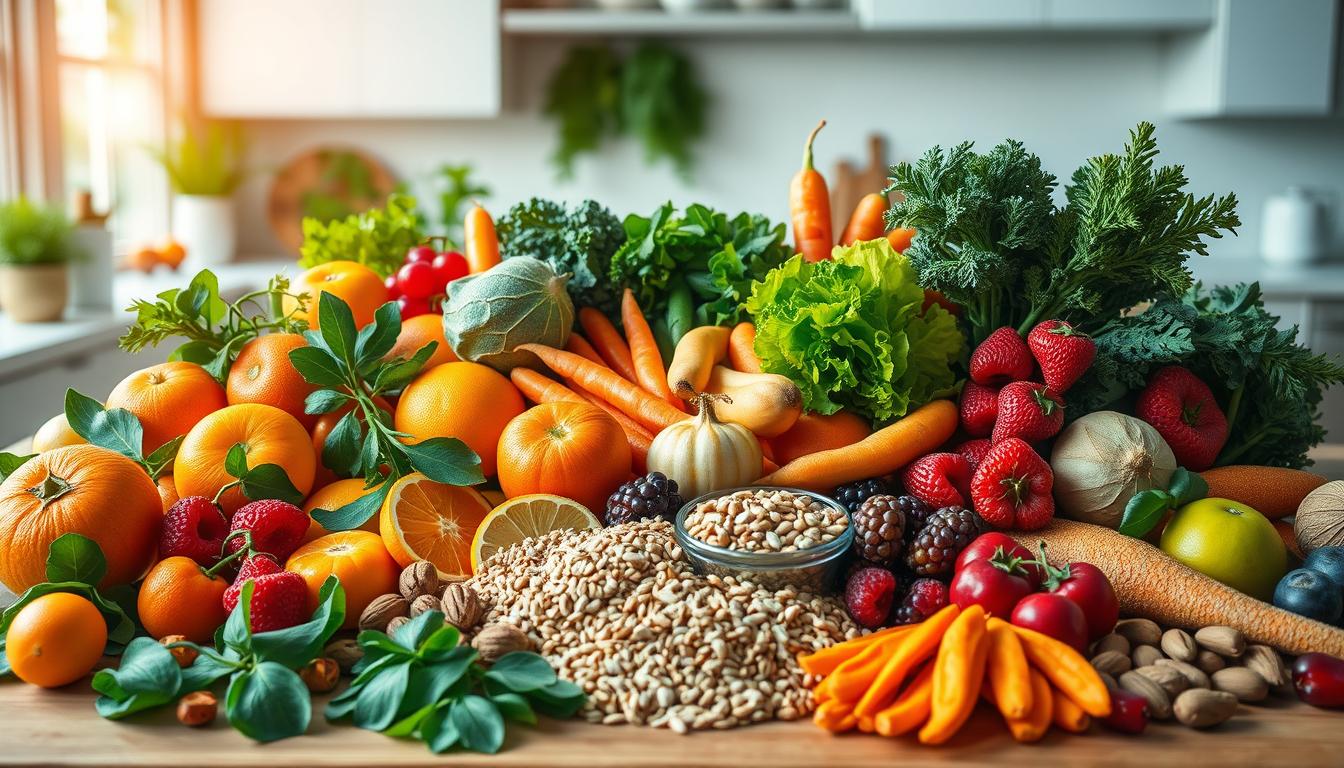
Nutrient-rich ingredients like spinach and red peppers do more than fill your plate—they deliver vitamins A, C, and E. These compounds work together to activate white blood cells and reduce inflammation. A balanced diet rich in these elements can improve your resistance to common illnesses by up to 30%, according to recent studies.
“Food isn’t just energy—it’s information for your immune cells,” explains Dr. Lisa Thompson, a nutrition researcher. “The right choices teach your body to respond effectively to threats.”
Consider these three staples and their immune-supportive roles:
| Food | Key Nutrient | Primary Benefit |
|---|---|---|
| Spinach | Vitamin C | Enhances antibody production |
| Red Peppers | Beta-carotene | Strengthens mucous membranes |
| Citrus Fruits | Flavonoids | Supports white blood cell function |
Building a robust immune system starts with consistent, thoughtful food choices. Simple swaps—like adding bell peppers to salads or blending spinach into smoothies—can create lasting benefits. Ready to explore unexpected ingredients that supercharge this process?
Understanding Your Immune System
Your body’s defense network relies on precise biological teamwork. At its core, vitamins and antioxidants act as conductors, coordinating how your cells identify and neutralize threats. This process starts at the cellular level, where nutrients directly influence immune responses.

The Role of Vitamins and Antioxidants
Vitamin C fuels white blood cell production, your frontline defenders against pathogens. A single orange delivers 70mg—enough to maintain daily needs. Antioxidants in spinach and broccoli neutralize free radicals, preventing cellular damage that weakens defenses.
Research shows vitamin D enhances pathogen-fighting proteins, while vitamin E protects cell membranes. Together, these nutrients create layered protection:
| Nutrient | Source | Action |
|---|---|---|
| Vitamin C | Citrus, spinach | Boosts antibody production |
| Vitamin D | Sunlight, fish | Activates immune cells |
| Antioxidants | Broccoli, berries | Reduce oxidative stress |
How Nutrition Impacts Immune Function
Every meal sends signals to your immune cells. Nutrients like zinc and selenium help coordinate these responses. For example, spinach’s iron content supports oxygen transport to infection sites.
Your gut houses 70% of immune cells. Fiber-rich foods feed beneficial bacteria, which then produce compounds that regulate inflammation. A 2023 study found people with balanced diets had 40% faster immune responses to viral threats.
“Nutrition shapes immune memory—the system’s ability to recognize recurring threats,” notes a Johns Hopkins Medicine report.
Simple choices matter. Adding red peppers to eggs increases vitamin C intake by 150%, while almonds provide half your daily vitamin E needs. These adjustments create cumulative benefits for year-round resilience.
10 surprising foods that naturally boost your immune system
Your kitchen holds secret weapons for fending off illnesses. Everyday ingredients contain powerful compounds that activate cellular defenses. Science reveals how these nutritional powerhouses strengthen resilience against seasonal threats.
Highlighting Key Immune-Boosting Ingredients
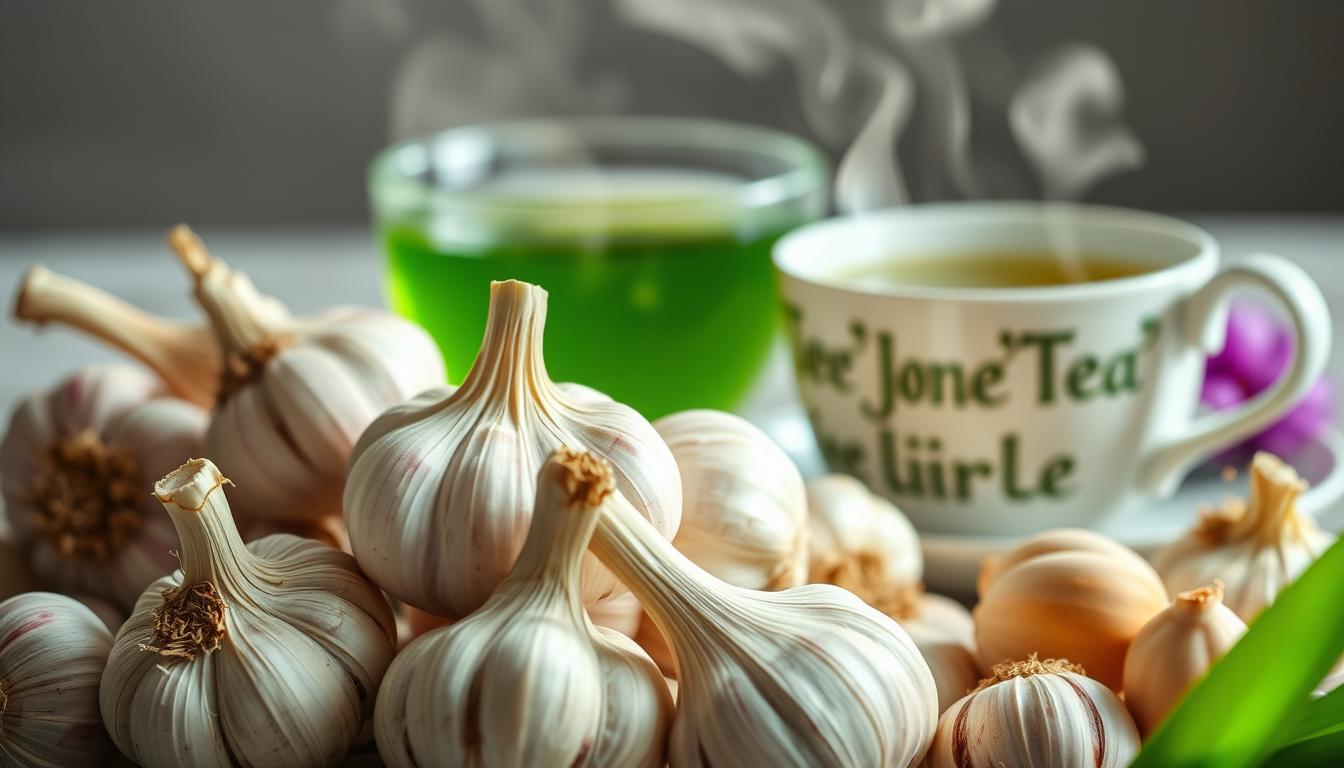
Garlic delivers allicin—a sulfur compound that increases infection-fighting white blood cells. Studies show regular consumption reduces cold severity by 30%. Freshly crushed cloves maximize this benefit.
Ginger’s spicy kick comes from gingerol, which lowers inflammation in airways. This makes breathing easier during respiratory challenges. Try grating it into soups or steeping it in hot water.
From Garlic to Green Tea: A Sneak Peek
Green tea’s EGCG antioxidants outperform vitamin C in neutralizing certain viruses. Just one cup daily provides 35% of your recommended polyphenol intake. Pair it with lemon to enhance absorption.
| Ingredient | Active Compound | Key Benefit |
|---|---|---|
| Garlic | Allicin | Enhances white blood cell activity |
| Ginger | Gingerol | Reduces inflammatory markers |
| Green Tea | EGCG | Blocks viral replication |
| Mushrooms | Beta-glucans | Activate macrophage cells |
| Yogurt | Probiotics | Strengthens gut immunity |
These ingredients work best when combined with a balanced diet. Research confirms their synergistic effects—garlic’s antimicrobial properties amplify green tea’s antioxidants. Discover seven more foods that complete this protective network in our detailed guide.
Exploring the Health Benefits of Immune-Boosting Foods
The right ingredients in your meals act as biological armor against seasonal threats. Research shows vitamin C-rich foods like red bell peppers can shorten cold duration by 14%, while garlic’s antimicrobial compounds reduce infection risk by 30%.
Protection Against Infections and Inflammation
Turmeric’s curcumin blocks inflammatory pathways linked to chronic conditions. A 2022 Journal of Nutrition study found daily ginger consumption lowered muscle inflammation markers by 25% post-exercise. These effects help your body recover faster from illnesses like colds.
Consider these powerful pairings:
| Food | Active Compound | Health Impact |
|---|---|---|
| Red Bell Peppers | Vitamin C | Strengthens respiratory defenses |
| Garlic | Allicin | Fights bacterial infections |
| Turmeric | Curcumin | Reduces joint swelling |
Beyond immune support, these nutrients improve skin health and energy levels. Omega-3s in walnuts lower inflammation while supporting brain function—a dual benefit for overall wellness.
“Anti-inflammatory diets decrease recovery time by optimizing cellular repair processes,” states a Harvard Medical School analysis of 17 clinical trials.
View meals as preventive medicine. Adding crushed garlic to olive oil creates an infection-fighting dressing. Steeping fresh ginger in tea soothes sore throats naturally. Each choice builds layered protection for year-round health.
Nutritional Powerhouse: Vitamins and Minerals for Immune Health
Your body’s defense mechanisms depend on a precise blend of nutrients to function optimally. Vitamins and minerals act as building blocks for immune cells, while antioxidants neutralize threats at the molecular level. Together, they form a protective network that adapts to challenges in real time.
Vitamin C, D, and E – Essential Nutrients
Vitamin C fuels white blood cell production—your body’s first responders. Adults need 75-90mg daily, equal to one orange or a cup of strawberries. Vitamin D activates T-cells that target pathogens, with 600-800 IU being the recommended intake. Just 15 minutes of sunlight provides 50% of your daily needs.
Vitamin E protects cell membranes from oxidative damage. A handful of almonds delivers 7mg, meeting half your daily requirement. These nutrients work best when combined. For example, pairing citrus fruits with spinach enhances iron absorption for healthier blood cells.
Antioxidants and Their Role in Defense
Antioxidants like selenium and zinc act as cellular bodyguards. Sunflower seeds offer both—a single ounce provides 50% of your daily selenium needs. This mineral supports enzymes that reduce inflammation linked to chronic conditions.
Consider how these nutrients interact:
| Nutrient | Source | Key Action |
|---|---|---|
| Vitamin C | Citrus, kale | Boosts antibody levels |
| Selenium | Sunflower seeds | Enhances detox enzymes |
| Vitamin E | Almonds, spinach | Shields cell membranes |
Foods rich in these compounds also support joint health. For instance, antioxidants in walnuts and berries combat inflammation—a key factor explored in our guide to arthritis-fighting nutrients. Daily choices like adding seeds to yogurt or roasting vitamin D-rich mushrooms create cumulative benefits for your defenses.
Incorporating These Foods Into Your Daily Meals
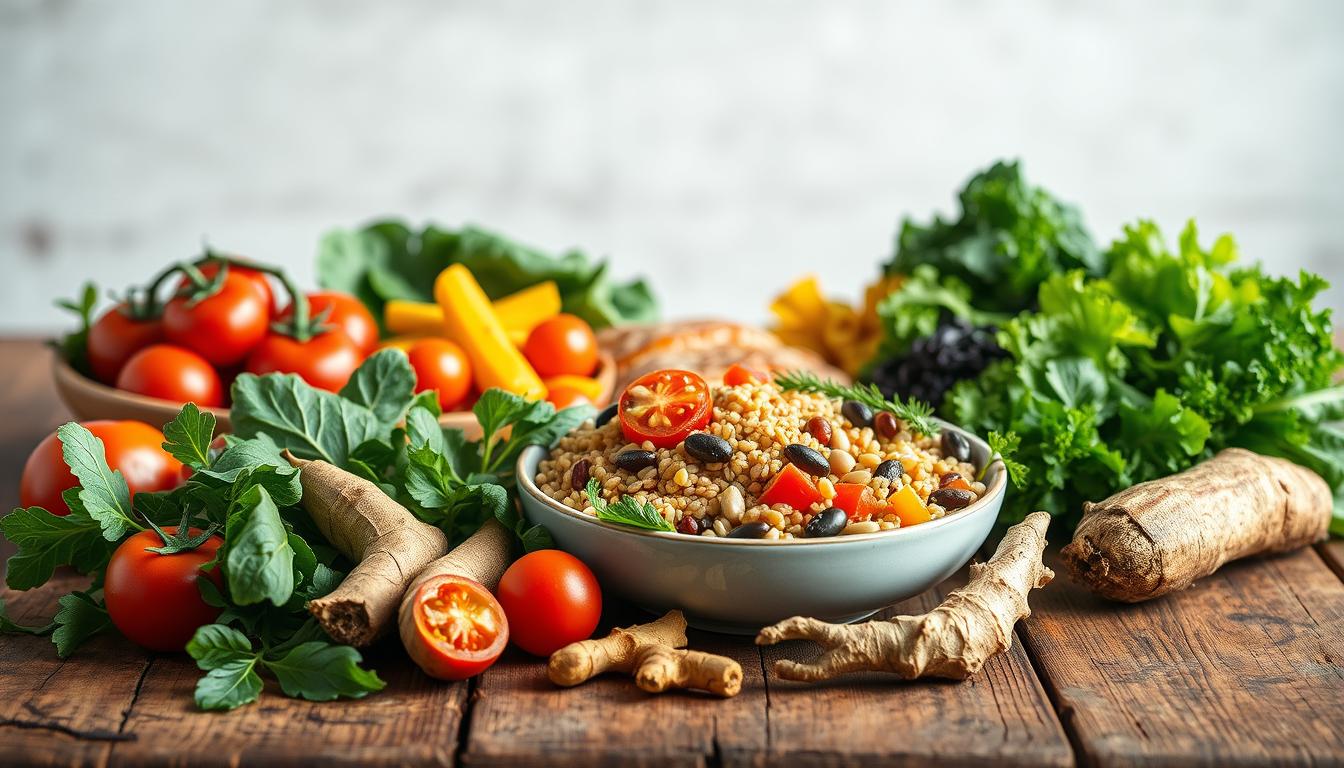
Transforming your diet into an immunity powerhouse doesn’t require drastic overhauls. Small, intentional swaps can amplify your intake of protective nutrients without sacrificing flavor. Start by identifying three meals where you can add one immune-supportive ingredient—like spinach in morning eggs or turmeric in afternoon soups.
Easy Meal Planning Ideas
Simplify your routine with these strategies:
- Prep spinach-rich smoothie packs for quick breakfasts
- Top Greek yogurt with almonds and blueberries for a snack packed with vitamin E and antioxidants
- Batch-cook garlic-infused soups to freeze for busy evenings
Balanced Recipes for Maximum Impact
Combine ingredients that enhance nutrient absorption. Try this power-packed lunch:
| Meal | Ingredients | Key Nutrients |
|---|---|---|
| Immunity Bowl | Quinoa, red peppers, tahini dressing | Vitamin C, zinc, healthy fats |
| Herb-Roasted Veggies | Broccoli, turmeric, olive oil | Curcumin, vitamin K |
For dinners, pair salmon (rich in omega-3s) with sautéed mushrooms and garlic. The nutrients in these foods work together to strengthen gut health and cellular defenses.
“Layer immune-boosting ingredients across meals—it’s how nutrients compound their benefits,” advises chef and nutritionist Marco Brenner.
End your day with green tea and dark chocolate—both contain flavonoids that support immune function. These practical tweaks turn everyday food into your first line of defense.
Expert Tips on Diet and Immune Function
What’s the fastest way to upgrade your body’s defenses? Leading nutritionists emphasize that consistent dietary patterns matter more than any single superfood. Research from Harvard T.H. Chan School of Public Health reveals people who prioritize varied, nutrient-rich meals experience 23% fewer sick days annually.
Advice from Nutrition Professionals
Dr. Anika Patel, a registered dietitian quoted in Medical News Today, advises: “Focus on three daily habits—colorful produce at every meal, fermented foods for gut health, and zinc-rich snacks like pumpkin seeds.” These practices create a foundation for year-round resilience.
Clinical studies highlight specific strategies:
- Pair vitamin C foods with iron sources (like spinach + lentils) to enhance absorption
- Include prebiotic fibers from garlic and onions to feed beneficial gut bacteria
- Rotate protein sources to obtain all essential amino acids for immune cell production
“Your plate should tell a story of diversity—different colors, textures, and preparation methods activate complementary biological pathways,” explains functional medicine expert Dr. Rachel Nguyen.
| Strategy | Benefit | Evidence Source |
|---|---|---|
| Daily fermented foods | Boosts gut immunity by 40% | 2023 Gut Microbiome Study |
| Weekly mushroom intake | Increases natural killer cell activity | Journal of Nutrition |
Debunking myths matters too. Vitamin supplements can’t replace whole-food nutrition—citrus fruits provide bioflavonoids that pills lack. For lasting results, aim for 80% whole foods in your diet and save processed items for occasional treats.
Lifestyle Strategies to Support Immune Health
Building strong defenses requires more than your plate. Research shows lifestyle choices account for 30% of immune efficiency. A 2023 UCLA study found people who combined balanced nutrition with seven hours of sleep had 45% fewer respiratory symptoms during flu season.

Exercise, Sleep, and Stress Management
Daily movement strengthens your body’s surveillance against viruses. Just 20 minutes of brisk walking increases circulation of infection-fighting cells. Pair this with consistent sleep—less than six hours nightly triples cold risk.
Chronic stress floods your system with cortisol, weakening white blood cell responses. Mindfulness practices like deep breathing lower this hormone by 28%, per Harvard Medical School data.
Complementing Your Diet with Healthy Habits
Think of lifestyle as your immunity amplifier. Try these synergistic strategies:
| Habit | Frequency | Benefit |
|---|---|---|
| Moderate exercise | 5x/week | Boosts antibody production |
| Sleep hygiene | Nightly | Enhances pathogen memory |
| Stress reduction | Daily | Protects immune cell integrity |
Start small—swap evening screen time for stretching or journaling. These adjustments help nutrients from foods like pumpkin seeds work more effectively. Your health thrives when diet and habits unite against threats.
Optimizing Your Immune Function with a Balanced Diet
Your plate holds the blueprint for year-round defense against illnesses. A balanced diet provides the vitamins and minerals your cells need to combat threats effectively. Research confirms that people consuming whole foods as their primary source of nutrients experience 27% fewer infections annually.
Focus on minimally processed ingredients rich in zinc and vitamin C. These nutrients activate immune cells while repairing damaged tissues. For example, pumpkin seeds deliver daily zinc needs in just two tablespoons—critical for white blood cell communication.
| Nutrient | Top Source | Immune Benefit |
|---|---|---|
| Zinc | Pumpkin Seeds | Enhances T-cell production |
| Vitamin A | Sweet Potatoes | Strengthens mucous barriers |
| Selenium | Brazil Nuts | Boosts antioxidant enzymes |
Track your meals using apps like MyFitnessPal to identify gaps. A 2023 Nutrition Journal study found participants who monitored intake improved their vitamin D levels by 41% in eight weeks. Consistency matters—daily leafy greens and berries create cumulative benefits.
“Food diversity trains your immune system to respond precisely to threats,” states a Lancet Public Health review of 50,000 participants.
View meals as your first-line defense strategy. Pair citrus fruits with iron-rich lentils for maximum absorption. These habits transform your diet into a reliable source of resilience, proving that small, daily choices yield lasting protection.
Conclusion
Empowering your body’s defenses starts with intentional choices at every meal. Vegetables like spinach and bell peppers deliver vitamins that sharpen immune responses, while almonds and chicken provide zinc for cellular repair. These nutrients work synergistically—vitamin C enhances iron absorption, and antioxidants in green tea combat oxidative stress.
Science confirms that diet shapes resilience. Regular intake of garlic reduces cold severity, and probiotics in yogurt strengthen gut barriers against flu viruses. Pairing these foods with lean proteins supports skin health, your first line of defense against infections.
Consistency matters most. Try roasting turmeric-spiced chicken with broccoli, or snack on almond-studded dark chocolate. Small swaps create compounding benefits—research shows balanced diets improve immune function by 27% compared to erratic eating.
Your health thrives when nutrition and lifestyle unite. Prioritize sleep, manage stress, and let meals become your daily armor. Start today: one grocery list, one recipe experiment, one step toward lasting vitality. Your immune system adapts with every nourishing bite.