Did you know chronic dehydration affects 3 out of 4 people in the U.S., according to CDC research? Yet most miss the subtle ways their physiology begs for hydration. As Dr. Bussell, a leading nutrition expert, explains: “Water fuels every cell, but we often ignore our body’s language until symptoms escalate.”
Your system constantly communicates through physical cues. Dry skin, fatigue, or even mood swings aren’t random – they’re deliberate requests for fluids. Many assume they’re drinking enough, yet studies show nearly half fail to meet basic daily intake goals.
This guide decodes common indicators that demand attention. You’ll learn to spot overlooked signals, from headaches to muscle cramps, and understand how proper hydration supports energy, digestion, and mental clarity. Let’s explore how to listen closely and respond effectively.
Key Takeaways
- Dehydration often manifests through subtle physical and mental changes
- Proper fluid intake supports critical bodily functions like circulation and temperature regulation
- Many hydration signals get mistaken for general fatigue or stress
- Daily water needs vary based on activity levels and environment
- Consistent hydration prevents long-term health complications
Understanding the Importance of Hydration
Your system relies on fluids like engines need oil. Water makes up 75% of your body composition, acting as both fuel and maintenance crew. “Without adequate hydration, organs operate at 60% efficiency,” warns Cassie Weness, a certified sports dietitian.

The Fluid Framework of Life
Every swallow supports critical processes. Water transports oxygen through blood, delivers nutrients to cells, and flushes waste via kidneys. Dr. Bussell notes: “Proper circulation depends on balanced fluid levels – even mild dehydration thickens blood by 8%.”
Wellness Through Water Balance
Maintaining hydration impacts your entire day. Morning fatigue often signals overnight fluid loss, while afternoon slumps may indicate poor nutrient absorption. A well-hydrated system:
| Function | Hydration Benefit | Impact |
|---|---|---|
| Kidney Filtration | Removes toxins | Reduces infection risk |
| Metabolic Rate | Supports calorie burn | Boosts energy |
| Joint Lubrication | Cushions cartilage | Prevents stiffness |
Your brain uses 20% of daily fluid intake. When levels drop, focus and mood often follow. Drinking enough water helps maintain steady energy without caffeine crashes. Pair regular intake with electrolyte-rich foods for optimal cellular function.
8 signs your body is telling you to drink more water
The human system operates like a finely tuned instrument – slight imbalances create noticeable effects. Thirst isn’t the only alarm bell. Subtle shifts in energy, skin texture, or mental clarity often precede intense cravings.

Spotting the Subtle Signals
A dry mouth or chapped lips indicate early fluid deficits. Skin loses elasticity when dehydrated – pinch the back of your hand; slow rebound suggests body needs replenishment. Headaches frequently stem from reduced blood volume, since your brain comprises 80-85% water.
| Symptom | Hydration Impact | Immediate Action |
|---|---|---|
| Persistent Headache | Reduced oxygen flow | Drink water slowly |
| Midday Fatigue | Slowed metabolism | Pair fluids with snacks |
| Dark Urine | Concentrated waste | Increase intake gradually |
| Dry Eyes | Reduced tear production | Use eyedrops + hydrate |
When to Take Action
Act at the first sign of muscle tightness or irritability. Dizziness or rapid heartbeat demand urgent attention. “Preventative sips throughout day maintain balance better than occasional gulps,” advises Dr. Alicia Monroe, hydration researcher.
Carry a reusable bottle and set hourly reminders. Add lemon slices or mint for flavor variety. Hydrating foods like cucumbers or watermelon supplement liquid intake during busy days.
Recognizing Dehydration Throughout Your Day
Hydration needs shift like tides as hours pass. Morning grogginess often stems from 8+ hours without fluids. By afternoon, activity levels and environmental factors reshape requirements. Evening brings different challenges as systems prepare for repair.

Tracking Time-Based Cues
Wake up with cottonmouth? That’s your first checkpoint. Midday brain fog frequently signals water deficits – neurons fire slower when parched. Evening muscle stiffness often reflects cumulative fluid loss from daily tasks.
Notice these patterns:
- Sunrise: Stiff joints and dry eyes
- Noon: Reduced focus and irritability
- Sunset: Digestive discomfort or cravings
Activity’s Hydration Multiplier
Office workers versus athletes have vastly different needs. A 2023 University of Michigan study found desk jobs increase silent dehydration risks – people forget to drink when sedentary.
| Activity Level | Extra Water Needed | Key Signs |
|---|---|---|
| Sedentary | +0.5 liters | Headaches, dry skin |
| Moderate | +1 liter | Muscle tension, fatigue |
| Intense | +2 liters | Dizziness, rapid pulse |
Carry a marked bottle tracking hourly intake. Pair fluids with snacks containing sodium and potassium. Remember – even mild dehydration reduces reaction times by 15%, per Journal of Athletic Training data.
The Impact of Water on Your Skin and Joint Health
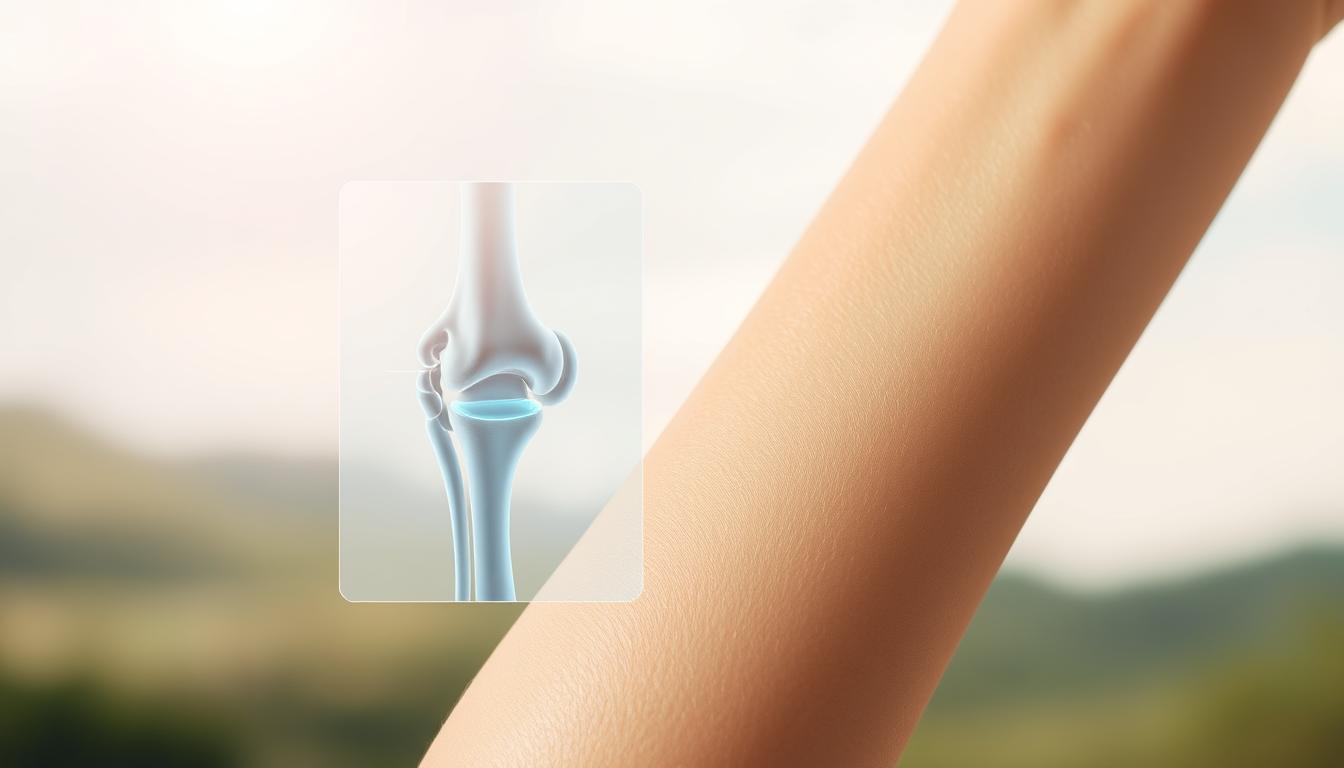
Your skin and joints silently reveal hydration status through visible and physical cues. “Dehydration accelerates collagen breakdown, making skin 30% more prone to wrinkles,” notes dermatologist Dr. Lauren Smith. Synovial fluid – your joints’ natural lubricant – also depends on consistent fluid intake to prevent stiffness.
Preventing Dry Skin and Wrinkles
Well-hydrated skin maintains elasticity and acts as a protective barrier. A 2022 Journal of Investigative Dermatology study found participants drinking 2.5 liters daily showed 19% fewer fine lines than those consuming less. Pair water with foods like celery and strawberries for added moisture retention.
Relieving Joint Pain and Muscle Cramps
Cartilage contains 80% water. When dehydrated, joints lose cushioning, increasing inflammation risks. Muscle cramps often signal electrolyte imbalances – sodium and potassium levels drop when fluid intake lags. Research in Nutrition Reviews links proper hydration to 22% reduced exercise-related joint discomfort.
For lasting relief, sip water steadily rather than waiting for thirst. Add magnesium-rich foods like spinach to address muscle cramps. Remember: Hydration works best as a daily practice, not an emergency response.
How Dehydration Affects Your Energy and Metabolism
A 2023 Mayo Clinic study reveals that losing just 1.5% of your body fluid triggers measurable drops in both physical stamina and cognitive performance. This threshold marks where dehydration begins sabotaging systems responsible for vitality and calorie processing.
Understanding Fatigue and Low Energy
Your cells struggle to produce ATP – the energy currency – without adequate water. Research in Nutrition Reviews shows mild fluid loss reduces metabolic rate by 3%, making routine tasks feel exhausting. Morning grogginess often stems from overnight dehydration, while afternoon crashes frequently signal electrolyte imbalances.
Dehydration’s Role in Weight Management
When parched, your liver prioritizes fluid conservation over fat breakdown. A University of Utah study found participants drinking enough water burned calories 30% faster during exercise. Chronic dehydration also heightens sugar cravings, as cells seek quick energy substitutes.
Boost daily intake with these strategies:
- Drink one glass upon waking to jumpstart metabolism
- Pair each coffee with equal water to offset diuretic effects
- Use apps like WaterMinder to track hourly consumption
“Hydration isn’t just about thirst – it’s the foundation of efficient energy production,” emphasizes Dr. Rebecca Stone, metabolic health specialist. Consistent fluid intake maintains optimal mitochondrial function, helping you power through days without artificial stimulants.
Identifying Warning Signs: Headaches and Stomach Discomfort
A pounding headache after hours of work might not just be stress – it could be your cells demanding hydration. When fluid levels drop, blood vessels narrow to conserve resources, reducing oxygen flow to the brain. “Dehydration headaches often feel like a vise grip around the temples,” explains neurologist Dr. Ellen Park. Dizziness frequently accompanies this sensation as blood pressure fluctuates.

When Your Brain Sounds the Alarm
Persistent headache paired with dry mouth often signals urgent fluid needs. A 2022 Journal of Neurology study found dehydrated participants experienced 40% more intense head pain during cognitive tasks. Immediate relief typically occurs within 30 minutes of drinking 16-20 ounces of water.
Gut Health and Fluid Balance
Insufficient hydration disrupts digestion more than most realize. Stomach acid becomes concentrated without adequate dilution, potentially causing nausea or heartburn. Chronic fluid deficits harden stool, slowing intestinal transit. Nutritionist Lara Fields notes: “Many clients mistake dehydration-induced constipation for dietary issues.”
Key warning patterns:
- Post-meal bloating despite healthy eating
- Metallic taste or bad breath from reduced saliva
- Lightheadedness when standing quickly
Address these signals promptly – sip room-temperature water every 15 minutes until symptoms ease. Pair fluids with potassium-rich snacks like bananas to restore electrolyte balance faster.
Practical Strategies to Increase Your Water Intake
Hydration habits form the cornerstone of daily wellness routines. Small adjustments to your environment and schedule create lasting improvements in fluid consumption. Let’s explore science-backed methods that turn hydration from a chore into an effortless practice.

Build Consistent Drinking Patterns
Set phone alarms every 90 minutes as gentle nudges to sip. Pair this with glass water breaks after specific tasks – like finishing emails or unloading the dishwasher. Research shows routines tied to existing habits boost compliance by 40%.
Track intake visually with marked bottles showing hourly goals. Opt for containers with time markers or built-in straws for convenience. Nutritionists recommend starting with eight cups daily, adjusting based on activity levels.
Expand Your Fluid Sources
Incorporate moisture-rich foods into meals for dual benefits. Add cucumber slices to sandwiches or blend watermelon into smoothies. Herbal teas and broth-based soups count toward daily totals while providing variety.
- Infuse pitchers with citrus or berries for natural flavor
- Freeze mint leaves in ice cubes for refreshing twists
- Use hydration-tracking apps to monitor progress
Keep a glass water station at your desk or kitchen counter for constant visibility. As hydration coach Mark Lyons advises: “Make fluids accessible and appealing – your future self will thank you.” These tips help stay hydrated without drastic lifestyle changes.
The Science Behind Hydration and Body Function
Every cell in your body operates like a miniature power plant, requiring precise fluid balance to generate energy. Water acts as both conductor and courier – dissolving essential compounds while transporting them through intricate networks. “Hydration science reveals how H2O directly impacts cellular communication and waste removal,” explains Dr. Lena Torres, a biomedical researcher.
How Water Regulates Blood Flow and Nutrient Absorption
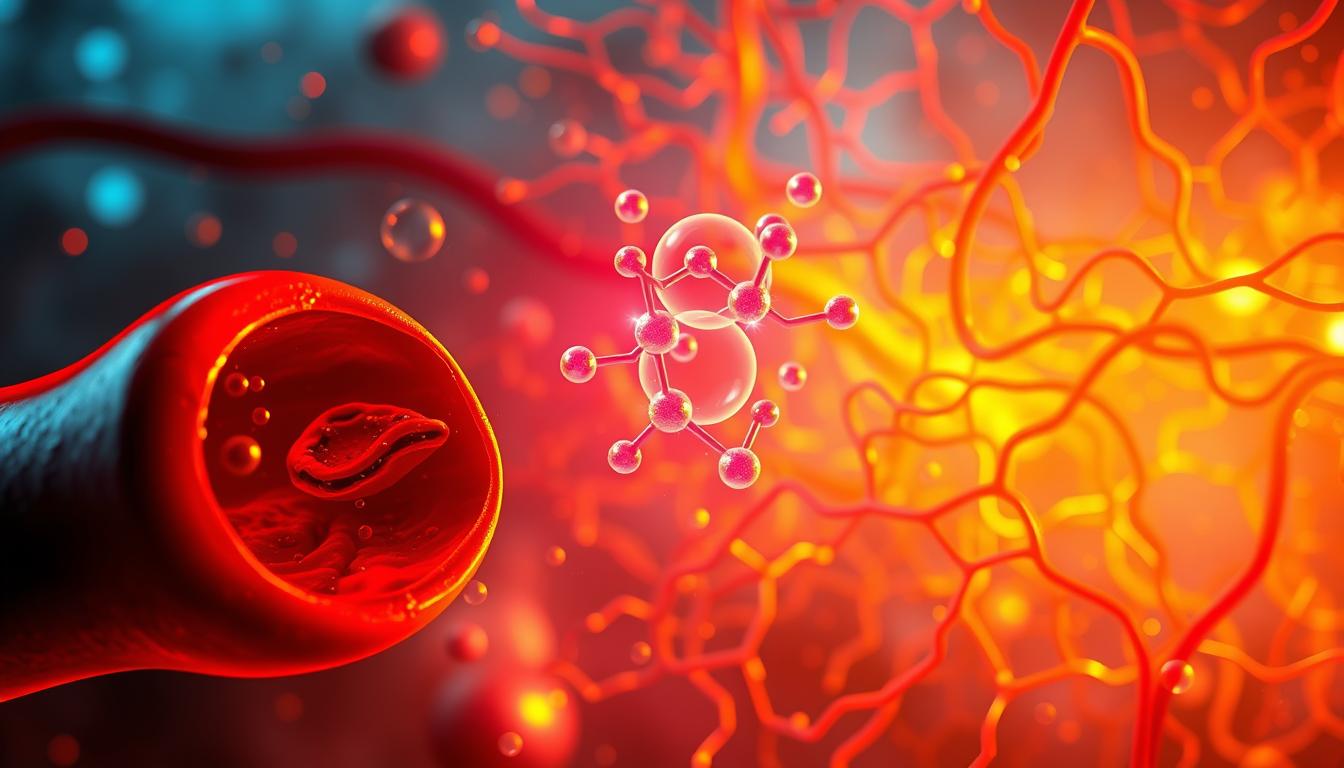
Your bloodstream relies on water to maintain optimal viscosity. A 2023 Journal of Nutrition study found proper hydration increases nutrient delivery speed by 18%. Plasma – blood’s liquid component – uses water to carry oxygen and vitamins to tissues while removing metabolic byproducts.
Digestive enzymes require aqueous environments to break down food. Without enough fluids, absorption efficiency drops sharply. Research shows dehydrated individuals absorb 23% less magnesium and zinc from meals, according to Nutrition Reviews data.
Understanding the Role of Electrolytes
Electrolytes like sodium and potassium create electrical charges that power muscles and nerves. Water dissolves these minerals, allowing them to:
- Maintain heartbeat regularity
- Trigger muscle contractions
- Balance pH levels
Athletes lose up to 3 grams of sodium per hour through sweat. Replenishing fluids without electrolytes can dilute remaining minerals, causing cramps. Water helps restore balance when paired with smart food choices like coconut water or leafy greens.
Brain scans reveal hydrated neurons fire signals 14% faster, per Neuroscience Letters. This explains why even mild dehydration impairs decision-making. Your daily water intake directly fuels cognitive performance and physical endurance.
Linking Hydration to Overall Health and Performance
Your body functions like a high-performance vehicle – proper fueling determines how far and fast it can go. Research from the Journal of Sports Sciences shows athletes who maintain optimal fluid levels recover 34% faster between training sessions. Cognitive studies reveal similar benefits: hydrated individuals solve complex problems 19% quicker than dehydrated peers.
Fueling Physical and Mental Excellence
During exercise, fluids regulate body temperature and deliver nutrients to working muscles. A 2023 Nutrition Today review found proper hydration reduces post-workout soreness by 28%. For mental tasks, water maintains electrical signaling between brain cells – dehydrated office workers make 14% more errors in data entry tasks.
| Hydration Level | Exercise Impact | Cognitive Impact |
|---|---|---|
| Optimal | Faster muscle repair | Enhanced focus |
| Mild Deficit | 15% strength loss | Slower reaction time |
| Severe Deficit | Risk of heat illness | Impaired decision-making |
Circulation improves when you’re properly hydrated – blood vessels expand, delivering oxygen more efficiently. This explains why marathon runners consuming electrolyte drinks maintain pace better than those drinking plain water, per International Journal of Sport Nutrition findings.
Integrate these strategies into workouts:
- Sip 7-10 ounces every 20 minutes during exercise
- Weigh yourself pre/post workout – drink 16oz per pound lost
- Choose coconut water over sports drinks for low-intensity sessions
Neurologist Dr. Rachel Kim notes: “The brain’s prefrontal cortex – responsible for complex thinking – shrinks temporarily during dehydration.” Keep a bottle handy during mentally demanding tasks to sustain peak performance.
Conclusion
Hydration acts as your silent partner in health – from morning energy boosts to evening recovery. Headaches, muscle cramps, and fatigue often trace back to insufficient fluid intake. Addressing these signals preserves skin elasticity, sharpens mental focus, and accelerates workout recovery.
Make hydration effortless with simple shifts. Carry a marked water bottle during work hours. Set phone reminders for hourly sips. Swap sugary drinks for herbal teas or fruit-infused options. Research shows those using tracking apps maintain 37% better consistency.
Key strategies for lasting success:
- Start meals with a glass water to aid digestion
- Pair caffeine intake with equal fluids to offset dehydration
- Choose watermelon or cucumber snacks for extra moisture
Remember – every system thrives when properly fueled. Skin glows brighter when cells retain moisture. Joints move freely with adequate lubrication. Energy levels stabilize as blood flow improves. Make hydration your daily non-negotiable, and watch performance soar in all areas of life.