Modern fitness solutions don’t require gym memberships or pricey gear. Research shows bodyweight exercises can build strength as effectively as weighted alternatives when performed consistently. Certified trainer Brooke Mathe confirms: “Your muscles respond to tension, not equipment.”
This guide focuses on efficient movement patterns adaptable to any living space. Routines prioritize compound motions that engage multiple muscle groups simultaneously, maximizing results in shorter sessions. Whether you’re on carpet, hardwood, or patio flooring, these methods require only gravity and determination.
Time-sensitive professionals will appreciate the 15-minute full-body sequences developed by fitness experts. Each exercise includes variations for different skill levels, ensuring safe progression. You’ll discover how foundational movements like planks and squats lay the groundwork for advanced routines.
Safety remains paramount throughout the program. Detailed form cues prevent injuries while maintaining intensity. The structured approach balances strength, flexibility, and cardiovascular health – no special gear needed beyond comfortable clothing and hydration.
Key Takeaways
- Accessible routines use body resistance for full-body conditioning
- Time-efficient sessions fit into hectic schedules
- Expert-designed progressions accommodate all fitness levels
- Multi-joint movements target key muscle groups effectively
- Floor-based exercises minimize injury risks
Introduction to At-Home Workouts
Your home offers untapped potential for effective workouts. Unlike gym-based routines, body-weight training adapts to any schedule while reducing injury risks. Certified nutritionist Mary Sabat notes: “Consistent movement patterns create lasting results, even in limited spaces.”

Benefits of Using Your Body Weight
Body resistance builds functional strength through natural movement. Exercises like push-ups engage your chest, arms, and core simultaneously. Maintaining proper form – knees aligned over feet, back straight – maximizes muscle activation while protecting joints.
Short intervals matter. Holding a plank for 30 seconds strengthens your entire midsection. Returning to starting position with control boosts stability. These micro-efforts compound over time, proving equipment-free routines deliver measurable progress.
Unlocking Fitness Without Equipment
Strategic positioning replaces weights. For example, elevating your feet during lunges intensifies leg workouts. Floor-based movements minimize strain, making them ideal for beginners. Functional training principles show how everyday actions – bending, reaching – translate to exercise benefits.
Building a sustainable routine doesn’t require financial investment. Simple space optimization techniques let you convert corners into workout zones. Focus on compound motions that challenge multiple muscle groups, like modified burpees or wall sits. Consistency trumps complexity in achieving long-term results.
15 easy workouts you can do at home without equipment
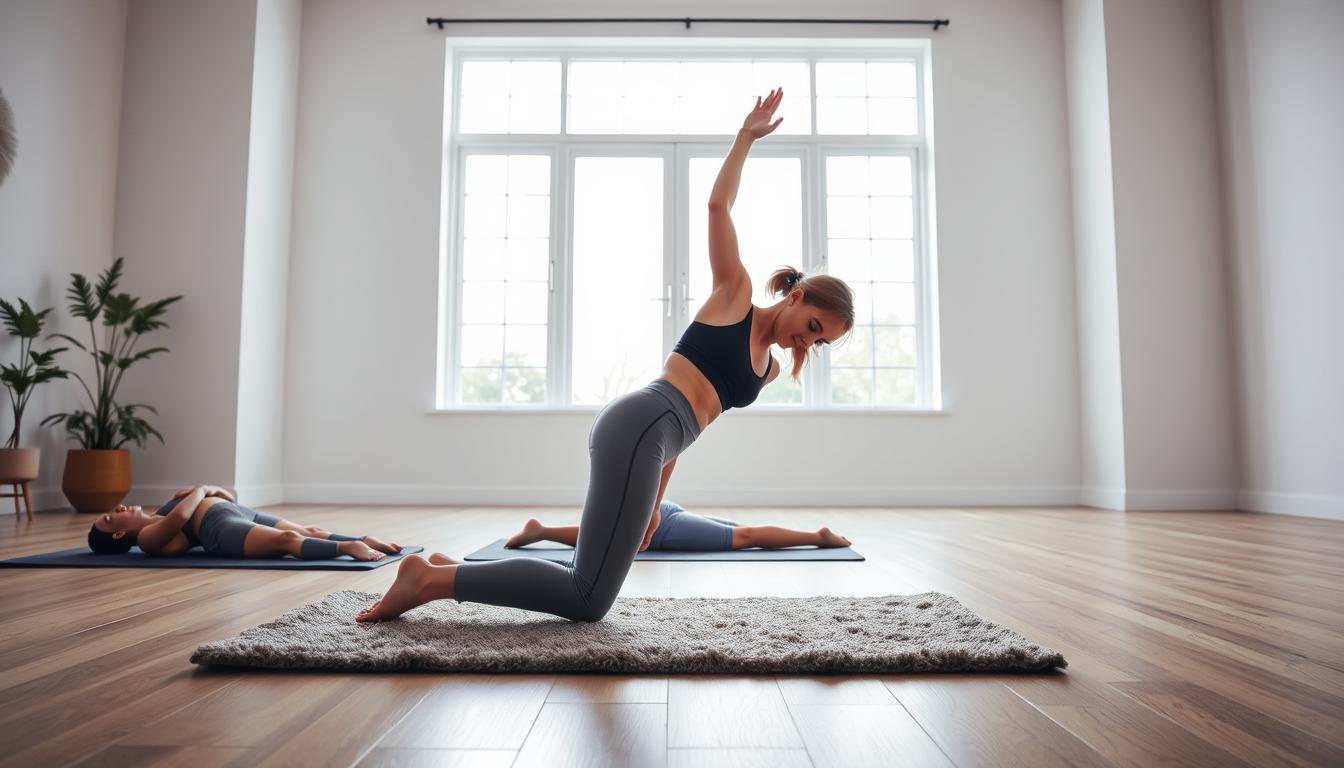
Effective fitness routines start with strategic movement selection. Certified trainers designed this sequence to strengthen muscles and improve mobility using gravity as resistance. Floor-based patterns dominate the regimen, requiring only enough space to lie down comfortably.
Overview of the Exercises List
The 15-move circuit balances core activation and full-body engagement. Each exercise follows timed intervals, typically 30-60 seconds, with clear scaling options. Fitness specialist Dr. Laura Simmons emphasizes: “These movements activate multiple muscle groups simultaneously, making them time-efficient.”
| Exercise | Focus Area | Duration | Beginner Modification |
|---|---|---|---|
| High Plank Hold | Core & Shoulders | 45 seconds | Knees lowered |
| Glute Bridges | Hips & Lower Back | 30 seconds | Single-leg variation |
| Side Plank Rotations | Obliques & Balance | 20 seconds/side | Forearm support |
Controlled side movements like lateral lunges enhance stability while protecting joints. Every exercise underwent vetting by physical therapists to ensure alignment with biomechanical best practices. Modifications let beginners build foundational strength before advancing.
Later sections break down proper form and progression strategies. Certified professionals prioritized compound movements that deliver results across fitness levels. Continue reading to master each technique and customize your routine.
Full-Body Exercises for a Balanced Regimen
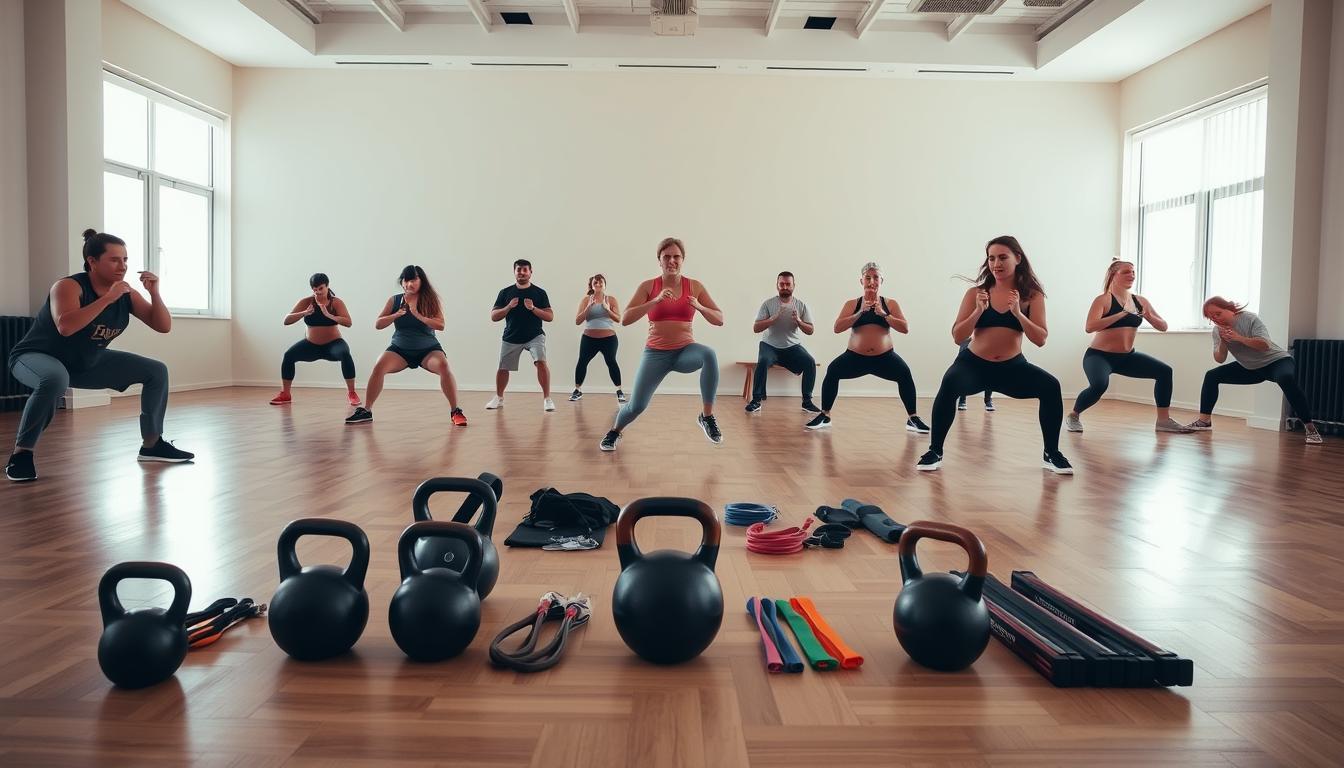
Building total-body strength requires exercises that challenge multiple muscle groups simultaneously. Three foundational movements – squats, lunges, and planks – create synergistic effects across your entire body. Fitness coach Amanda Rigby states: “These patterns develop functional capacity while teaching your muscles to work in harmony.”
Squats, Lunges, and Planks
Squats activate your thighs, glutes, and core when performed with proper knee alignment. Keep your chest lifted and feet planted firmly during descent. For added intensity, try pulse squats or elevate your heels.
Lunges strengthen leg muscles while improving hip stability. Maintain 90-degree angles at both knees to protect joints. Lateral variations target inner thighs, while reverse lunges emphasize balance.
Planks build shoulder endurance and core tension. Hold your body in a straight line from head to heels, engaging abdominal muscles. Side plank rotations add oblique engagement for advanced trainees.
| Exercise | Key Muscles | Form Tip | Intensity Variation |
|---|---|---|---|
| Bodyweight Squat | Thighs, Glutes | Knees over toes | Jump Squat |
| Stationary Lunge | Legs, Hips | Front knee at 90° | Walking Lunge |
| Forearm Plank | Core, Shoulders | Neutral spine | Plank Shoulder Taps |
Targets for Strength and Stability
Controlled movement patterns prevent joint strain while maximizing strength gains. Squats develop explosive power through full leg extension. Lunges enhance unilateral stability – crucial for daily activities like climbing stairs.
Planks teach full-body tension management. Focus on keeping shoulders stacked over elbows and feet hip-width apart. Quality repetitions with perfect form yield better results than rushed sets.
These exercises collectively improve posture and movement efficiency. When performed consistently, they lay the foundation for advanced training while reducing injury risks.
Targeting Specific Muscle Groups
Isolating muscle groups enhances training efficiency while reducing overuse injuries. Certified trainers recommend dedicating 10-15 minutes per session to focused movements. This approach builds balanced strength when combined with full-body routines.
Upper Body: Push-Ups and Shoulder Work
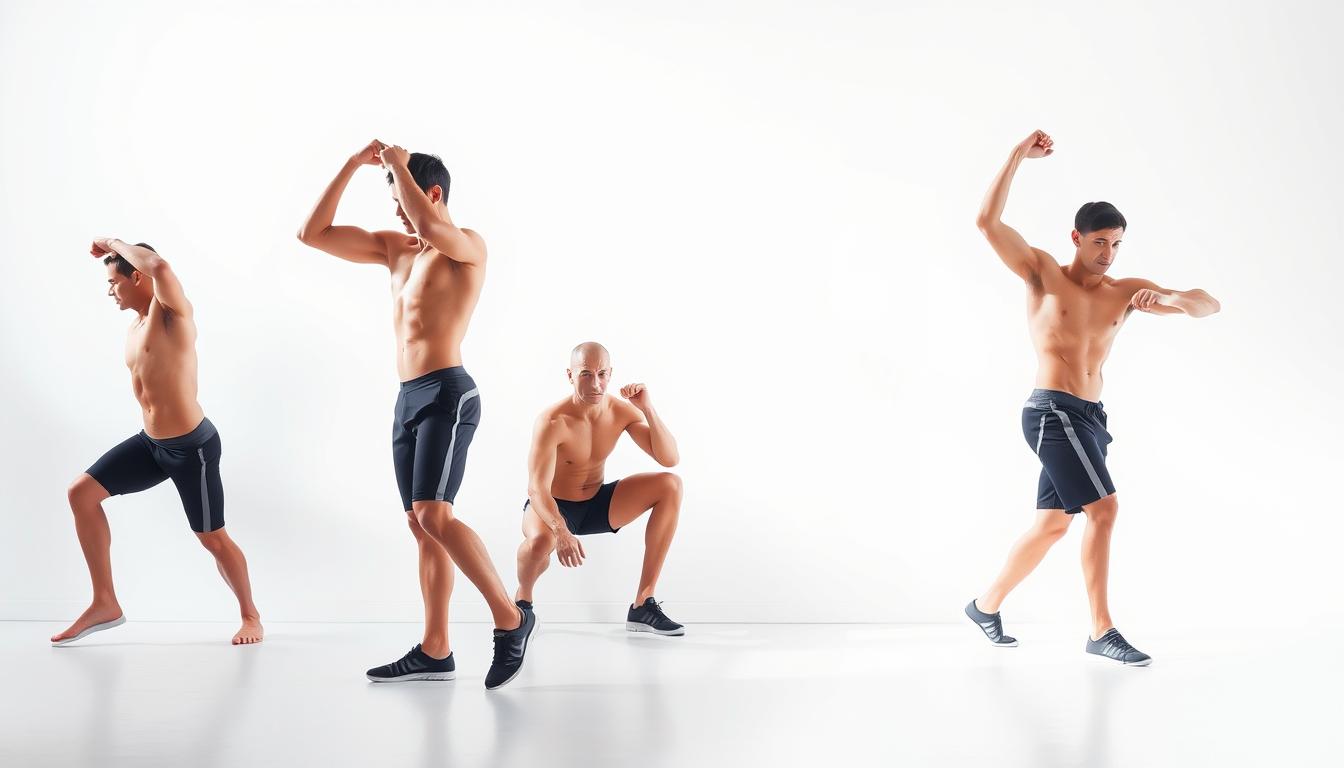
Modified push-ups remain effective for building chest and arm strength. Fitness coach Tyler Norris advises: “Start with wall or knee variations to master form before progressing.” Keep elbows at 45-degree angles to protect shoulder joints.
Shoulder taps challenge stability while working arm muscles. Hold plank position and alternate tapping opposite shoulders. Aim for 3 sets of 20-second intervals, maintaining tight core engagement throughout.
| Push-Up Variation | Muscles Targeted | Progression Tip |
|---|---|---|
| Incline (Hands Elevated) | Chest, Front Shoulders | Lower surface height weekly |
| Pike Push-Up | Upper Back, Arms | Increase hip elevation |
| Rotational Push-Up | Core, Obliques | Add torso twist at top |
Lower Body: Legs, Thighs, and Hips
Lateral lunges effectively target hips and inner thighs. Keep toes pointed forward and shift weight into your heels. Personal trainer Rachel Kim notes: “Controlled returns to starting position prevent momentum from reducing muscle activation.”
Single-leg glute bridges isolate leg muscles while improving hip stability. Squeeze glutes at the top position for 2 seconds before lowering. Complete 3 sets of 12 reps per side for optimal results.
Consistent form checks ensure proper muscle engagement. Record your movements periodically or consult a fitness professional for technique adjustments. Small improvements in execution lead to measurable strength gains over time.
Low-Impact Options and Joint-Friendly Movements
Maintaining joint health while exercising requires smart movement choices. Certified trainer Layla Chen explains: “No-jump HIIT maintains cardiovascular intensity through controlled tempo rather than impact.” This approach reduces stress on knees and ankles while keeping heart rates elevated.
Gentle Intensity Strategies
Alternate 30-second bursts of activity with 15-second recovery periods. Floor-based moves like plank shoulder taps engage your core without jarring landings. Keep feet hip-width apart during lateral steps to maintain stability.
| Exercise | Focus | Duration | Modification |
|---|---|---|---|
| Step-Out Jacks | Cardio & Coordination | 40 seconds | Reduce range of motion |
| Plank Shoulder Taps | Core & Shoulders | 30 seconds | Knees lowered |
| Side Lunge Holds | Hips & Balance | 20 seconds/side | Use wall support |
Proper form prevents strain. During planks, align shoulders over wrists and engage abdominal muscles. Beginners should start with 10-minute sessions, gradually increasing time under tension.
Dynamic side shuffles and controlled rotations build strength through full-body engagement. These movements protect joints while improving cardiovascular health. All exercises can be performed on carpet, tile, or hardwood floors without special equipment.
Key benefit: Research shows low-impact training burns comparable calories to high-impact routines when maintaining consistent movement patterns. Your feet stay grounded, reducing injury risks while delivering measurable fitness gains.
Quick Warm-Up and Cool-Down Routines
Proper preparation and recovery transform basic movements into sustainable fitness habits. Certified trainer Brooke Mathe emphasizes: “Three minutes of targeted warm-ups reduce injury risks by 40% compared to cold starts.” These routines prime your muscles while improving joint mobility.
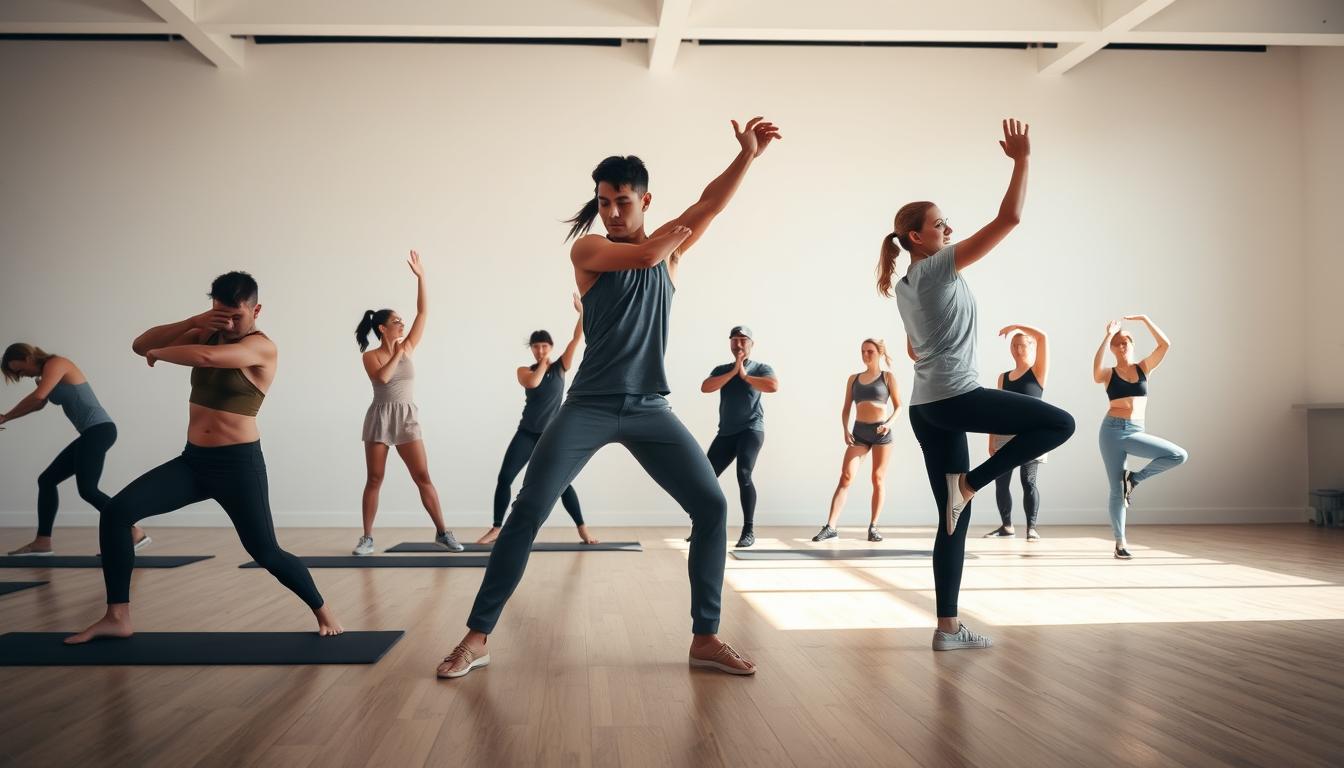
Dynamic Warm-Up Strategies
Begin with 90 seconds of flowing motions to elevate heart rate. Arm circles and leg swings activate shoulder/hip joints while increasing blood flow. Keep feet shoulder-width apart for stability during lateral lunges.
| Movement | Duration | Focus Area |
|---|---|---|
| High Knee March | 30 seconds | Legs & Coordination |
| Inchworm Walk-Out | 20 seconds | Back & Hamstrings |
| Hip Rotations | 40 seconds | Core Stability |
Progress to torso twists while maintaining neutral spine position. Fitness experts recommend matching warm-up intensity to your planned workout – higher intensity sessions demand more thorough preparation.
Effective Static Stretching Techniques
Post-workout recovery begins with 2-3 minutes of held stretches. Focus on major muscle groups like chest openers and seated forward folds. Keep arms extended during side reaches to maximize lateral tension release.
Use a mat for comfort during ground-based stretches. Hold each position 20-30 seconds without bouncing. For leg recovery, try supine hamstring stretches with controlled breathing patterns.
Proper timing enhances results. Research shows static stretching improves flexibility best when muscles are warm. Pair these techniques with hydration to support muscle health between training sessions.
Modifications and Scaling for All Fitness Levels
Customizing movement patterns ensures sustainable progress across fitness journeys. Certified trainer Jordan Reeves explains: “Every exercise becomes accessible or challenging through strategic adjustments to tempo, range, or body positioning.” This approach lets you maintain proper form while adapting to your current capabilities.
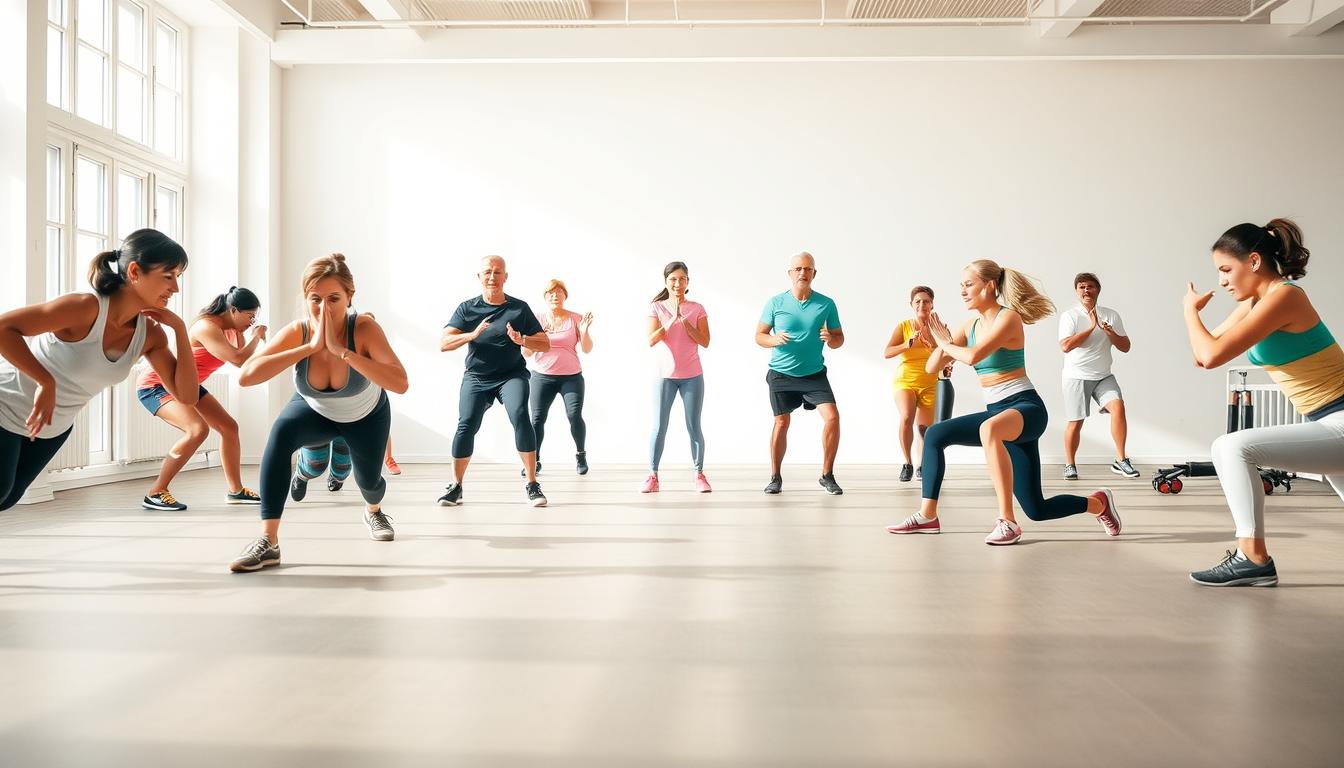
For Beginners: Simplified Variations
Start with foundational positions that reduce strain on joints. Knee-supported push-ups allow gradual chest and arm strengthening while maintaining spinal alignment. Keep hands slightly wider than shoulders and lower your chest toward the floor with control.
For core exercises like planks, begin with forearm support and knees grounded. Focus on engaging abdominal muscles for 20-second intervals. Fitness expert Dr. Elena Torres notes: “Short holds with perfect form build muscle memory better than longer, sloppy repetitions.”
| Exercise | Beginner Modification | Key Focus |
|---|---|---|
| Bodyweight Squat | Chair-assisted descent | Knee alignment over toes |
| Plank | Elevated hands on bench | Neck-spine continuity |
| Lunge | Reduced depth | Front knee at 70° angle |
Advanced Tips to Challenge Yourself
Increase intensity through tempo changes or unstable positions. Try 3-second eccentric phases during push-ups, lowering your chest slowly to amplify muscle tension. For squats, add pulses at the lowest position while keeping heels planted firmly.
Advanced variations like single-leg glute bridges test balance and unilateral strength. Lift one foot off the ground, driving through the supporting heel. Maintain hip alignment to prevent lower back strain. Gradually increase hold times by 5 seconds weekly.
Track progress through measurable benchmarks. A 4-week progression plan might involve adding 3 reps per set or decreasing rest periods between exercises. Always prioritize joint safety over speed – controlled movements yield lasting results.
Tracking Progress and Staying Motivated
Measuring incremental improvements transforms fitness routines into lasting habits. Sports psychologist Dr. Marcus Reid emphasizes: “Documenting performance creates accountability – the foundation of consistency.” Start by setting weekly benchmarks like holding a plank position 5 seconds longer or completing two extra reps per set.
Setting Realistic Goals
Track time under tension and form precision using simple tools. Note how your knees maintain alignment during lunges or if your back stays flat during floor exercises. A 2023 Journal of Sports Science study found participants who logged workouts improved technique 37% faster than those relying on memory.
Use your mat’s edge as a visual guide for foot placement. Record whether your right leg completes movements with equal power as the left. Small victories matter – adding 10 seconds to side plank holds or reducing rest between sets signals progress.
| Metric | Tracking Method | Weekly Goal |
|---|---|---|
| Exercise Duration | Stopwatch | +5% per week |
| Starting Position Accuracy | Mirror Check | Perfect form 90% of time |
| Muscle Engagement | Perceived Effort Scale | Increase 1 level |
Celebrate milestones like mastering forearm planks without knee support. Adjust routines when exercises feel manageable – try single-arm variations or elevate your feet. Consistency builds muscle memory, turning conscious efforts into automatic strength.
Conclusion
Achieving fitness goals requires neither complex gear nor excessive time. The strategies outlined prove bodyweight exercises build functional strength through precise movement patterns. By focusing on knee alignment and controlled transitions, you create sustainable progress while minimizing injury risks.
Consistency transforms brief sessions into lasting results. Whether perfecting plank form or adjusting foot placement during lunges, each minute spent refining technique compounds over weeks. Remember: proper hand positioning during push-ups and stable side movements protect joints while maximizing muscle engagement.
Track subtle improvements – stronger legs during squats, increased hold times for core exercises. These markers confirm your equipment-free routine works. Revisit exercise variations as your capabilities evolve, using expert modifications to maintain challenge and growth.
True strength emerges through repetition, not equipment. Your living space becomes a training ground when paired with disciplined practice. Stay attentive to form details, celebrate incremental wins, and trust the process – your body’s resilience will surprise you.