Did you know the average U.S. household throws away $1,500 worth of food yearly? This is a big waste, according to the Natural Resources Defense Council. But, you can use money already in your pantry to fund your low-carb lifestyle.
Many think a ketogenic diet needs expensive meats and special ingredients. But, USDA data shows that basics like eggs, canned tuna, and frozen veggies are 40% less than “keto” products. The key is to rethink your meal planning, not your budget.
Smart planning can make you feel powerful. By using weekly sales, buying bulk proteins, and getting creative with leftovers, you can save money. For example, buying whole cuts of meat and freezing them can cut meat costs by up to 60%.
Key Takeaways
- Meal planning based on seasonal sales reduces costs by 30-50%
- Prioritize budget proteins like chicken thighs over expensive cuts
- Frozen vegetables offer same nutrients as fresh at half the price
- Proper food storage prevents $1,500 annual waste per household
- Generic brands match name-brand quality for staples like oils
- Batch cooking maximizes ingredient use and minimizes waste
This way of thinking turns money worries into a chance to get creative in the kitchen. Simple changes like using cauliflower rice instead of pre-riced veggies can save up to 75% on produce. Later, we’ll share exact price comparisons and recipes that show low-carb living and budget-conscious values go hand in hand.
Why Keto Doesn’t Have to Break the Bank
You don’t need to spend a lot to enjoy a keto lifestyle. While fancy products and high-end meats get a lot of attention, the real secret is making smart choices. It’s about picking practical options over expensive labels.

Let’s debunk a big myth: you don’t need organic food. Nutrition coach Rachel Herrmann says:
“Regular veggies have 90% of the nutrients for half the price. That $4 organic avocado won’t kick you out of ketosis faster than its $1.50 conventional counterpart.”
Smart swaps can make a big difference. Here are some common keto foods to compare:
| Item | Conventional Price | Organic Price |
|---|---|---|
| Olive Oil (17oz) | $7.99 (Target’s Good & Gather) | $14.99 |
| Large Eggs (12ct) | $2.49 | $5.99 |
| Fresh Spinach (10oz) | $2.99 | $5.49 |
| Chicken Thighs (per lb) | $1.89 | $4.99 |
Here are three budget hacks that work:
- Choose oils over fresh avocados – 1 tablespoon of olive oil has the same healthy fats as half an avocado
- Buy frozen veggies – they’re 40% cheaper than fresh and last 3x longer
- Shop store brands – Target’s Good & Gather line offers keto essentials at 25% below name-brand prices
Your wallet will thank you when you focus on what matters most. A keto on a budget isn’t about giving up. It’s about spending wisely.
Smart Meal Planning Strategies
Being budget-friendly on keto means using ingredients wisely and controlling portions. By planning meals with cost in mind, you can stick to your macros without spending too much. Let’s look at two key ways to save money: smart menus and the right amount of protein.

Creating Budget-Friendly Weekly Menus
Using Overlapping Ingredients Across Meals
Use three main ingredients in many dishes to cut costs. For instance:
- Eggs: Breakfast scrambles, salad toppings, and crustless quiches
- Ground beef: Taco bowls, zucchini noodle bolognese, stuffed peppers
- Frozen broccoli: Stir-fries, casserole bases, soup thickeners
Sample $50/Week Meal Plan
This 7-day plan uses Walmart prices and avoids waste:
| Day | Breakfast | Dinner | Shared Ingredients |
|---|---|---|---|
| Mon-Wed | Spinach omelette | Beef & broccoli stir-fry | Eggs, broccoli, olive oil |
| Thu-Sat | Chia pudding | Cheesy cauliflower bake | Heavy cream, cheddar, cauliflower |
| Sunday | Leftover frittata | Beef bone broth soup | Ground beef, frozen veggies |
Portion Control for Cost Savings
Weighing Proteins to Prevent Overspending
Right protein portions stop overeating and save money. Here’s a comparison:
| Chicken Thigh Portion | Cost Per Meal | Weekly Savings |
|---|---|---|
| 4 oz (recommended) | $0.49 | $2.94/week |
| 6 oz (common overserve) | $0.74 | — |
“The average U.S. household wastes $1,500 worth of food annually – proper portioning recaptures those funds.”
Invest in a $12 digital kitchen scale to measure proteins before cooking. This tool pays for itself in 3 weeks by reducing waste.
Grocery Shopping Like a Pro
Mastering keto grocery shopping is not just luck. It’s about making strategic decisions to save money without losing quality. You can fill your cart with low-carb essentials while keeping your budget in check.

Store Selection Hierarchy
Not all stores are created equal for keto shoppers. A 2023 Dunnhumby report shows discount chains like Aldi are the best for budget-friendly items. Here’s a comparison of some key items:
Aldi vs Walmart Price Comparisons (2023 Data)
| Item | Aldi Price | Walmart Price |
|---|---|---|
| 85/15 Ground Beef (per lb) | $3.49 | $4.28 |
| Avocado Oil (33.8 oz) | $9.99 | $12.47 |
Trader Joe’s is great for frozen veggies and specialty cheeses. These are perfect for healthy smoothie recipes for weight loss or quick stir-fries. Shop at these stores first for the best savings:
- Discount grocers (Aldi, Lidl)
- Supercenter chains (Walmart, Target)
- Regional supermarkets (Kroger, Publix)
Strategic Shopping Times
Your savings can double by timing your trips right. Meat departments often lower prices 1-2 days before expiration:
Meat Markdown Schedules at Kroger/Publix
- Kroger: Tuesday mornings (20-30% off chicken/beef)
- Publix: Wednesday afternoons (BOGO deals on pork)
Arrive early to get the best deals. Shop within two hours of opening for discounted proteins. Freeze bulk items to keep them fresh longer.
Bulk Buying Essentials
Buying in bulk makes keto affordable. Stores like Costco offer dramatic savings on high-fat items. This way, you can save money and make the most of your freezer space.

Costco Keto Staples List
Look for shelf-stable items with the best prices. Almonds at Costco cost $0.27/oz, saving 31% compared to grocery stores. Here’s a comparison table to help you shop:
| Product | Costco Price | Retail Price | Savings |
|---|---|---|---|
| Almonds (3lb) | $0.27/oz | $0.39/oz | $6.36 saved |
| Avocado Oil (2L) | $0.33/oz | $0.51/oz | $14.40 saved |
| Cheddar Block (2lb) | $0.31/oz | $0.44/oz | $4.16 saved |
Price per ounce: Nuts, oils, cheeses
Always check unit prices, not package sizes. Bulk cheese and oils can last for months. Pro tip: Share large items with a keto friend if you don’t have enough space.
Freezer Storage Solutions
Good storage prevents food waste. Vacuum sealers cost $0.15 per use but keep meats fresh for years. Ziplock bags at $0.03 per use are good for veggies. Here’s a comparison:
| Method | Cost/Use | Best For | Longevity |
|---|---|---|---|
| Vacuum Sealing | $0.15 | Meats, bulk purchases | 2-3 years |
| Ziplock Freezer Bags | $0.03 | Veggies, 1-month storage | 6-12 months |
| Reusable Containers | $0.10 | Portioned meals | 3-6 months |
Vacuum sealing vs ziplock costs
Get a FoodSaver for bulk meat to save money. For occasional use, double-bag with Ziplocks to avoid freezer burn. Always label items with dates to keep stock fresh.
Affordable Protein Sources
Protein is key for keto meals and doesn’t have to be expensive. We’ll explore the cheapest options that are also nutritious.

Egg Nutrition Cost Analysis
Eggs are a great choice for keto dieters. A large egg has 6g of protein for just $0.35. If you prefer pasture-raised eggs, they cost $0.85 each but have more omega-3s.
Conventional vs Pasture-Raised Value
| Type | Cost Per Egg | Protein/Dollar | Key Benefit |
|---|---|---|---|
| Conventional | $0.35 | 17g | Budget-friendly base |
| Pasture-Raised | $0.85 | 7g | Enhanced nutrients |
Budget Meat Cuts Guide
Choosing the right meat can save you money. Look for cuts with more fat. They’re often cheaper and better for keto.
Chicken Thighs vs Breast Price Comparison
| Cut | Price Per Pound | Protein Per Dollar | Fat Content |
|---|---|---|---|
| Thighs (bone-in) | $1.97 | 14g | 15g |
| Breasts (boneless) | $4.48 | 6g | 3g |
Thighs have 127% more protein per dollar than breasts. They also have the fat needed for ketosis. Buy them on sale and freeze for later.
Low-Cost Vegetable Strategies
Vegetables are key to a keto diet, but they can be pricey if not shopped wisely. By choosing seasonal produce and using frozen options, you can eat well without spending a lot. Here are two ways to save money while staying low-carb.
Seasonal Produce Calendar
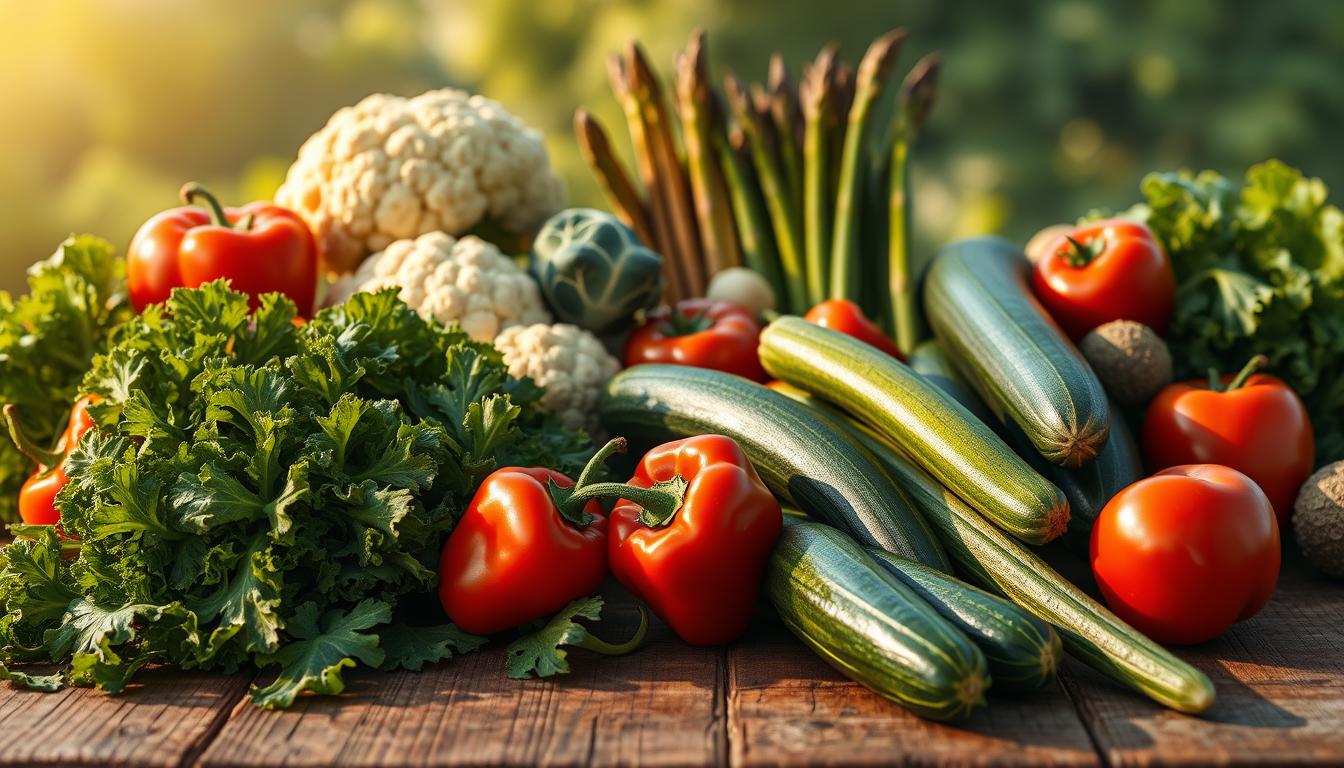
Seasonal prices can save you a lot of money. USDA data shows prices for veggies drop by 30-50% when they’re in season. Use this calendar with your keto meal planning to make the most of these savings.
Monthly Cheapest Vegetables (USDA Data)
- January-March: Brussels sprouts ($1.29/lb), kale ($0.89/bunch)
- April-June: Asparagus ($1.49/lb), spinach ($1.99/10oz)
- July-September: Zucchini ($0.99/lb), bell peppers ($1.25/each)
- October-December: Cauliflower ($1.79/head), green beans ($1.49/lb)
Frozen Vegetable Benefits
Frozen veggies are a great deal because they’re frozen at peak freshness. A 32oz bag of frozen broccoli costs $2.19, compared to $3.50 for fresh. Plus, they’re just as nutritious.
Broccoli: Fresh vs Frozen Nutrient Retention
| Nutrient | Fresh (7 days) | Frozen (6 months) |
|---|---|---|
| Vitamin C | 65% retained | 90% retained |
| Fiber | 100% | 100% |
| Prep Time | 15 mins | 5 mins |
Frozen veggies cut down on waste and save prep time. They’re already chopped, so you can cook faster. This is perfect for busy weeks.
Budget-Friendly Fats
Exploring keto-friendly fats doesn’t mean you have to spend a lot. By making smart choices, you can fill your kitchen with quality oils and cheeses without breaking the bank. Let’s look at two key areas where smart shopping can really help.
Cooking Oil Price Breakdown
Quality oils are key for ketosis, but prices can vary a lot. Buying in bulk often saves a lot of money. For instance:
Avocado Oil: Bulk vs Retail Pricing
| Quantity | Price per Ounce | Total Cost |
|---|---|---|
| 32 oz bulk | $0.33 | $10.56 |
| 16 oz retail | $0.51 | $8.16 |
Buying bulk avocado oil saves 35% per ounce. Store oils in dark glass bottles, away from heat, to keep them fresh. The North American Olive Oil Association suggests keeping opened containers under 75°F for the longest shelf life.

Cheese Bargain Hunting
Cheese is a great source of fats, but pre-shredded can be pricey. Here’s a comparison:
Block vs Shredded Cost per Pound
- Kraft cheddar block: $3.29/lb
- Pre-shredded version: $4.49/lb (+37% markup)
Shredded cheeses cost more because of additives and processing. Buy blocks and shred them yourself to save. Look for store-brand cheeses during holiday sales for up to 30% off.
“Unopened hard cheeses last 2-4 months in the fridge. Freeze shredded cheese in portioned bags for up to six months.”
Avoiding Premium Product Traps
Staying keto doesn’t mean you need fancy products. Many companies charge way too much for “keto-friendly” items. These items are often just as cheap as regular ones. Let’s learn how to avoid these traps and keep your grocery bill low.
“Keto-Friendly” Marketing Markups
That keto granola might look good, but check the price. Pre-packaged keto snacks can cost 4x more than making your own. Foods labeled “low-carb” or “net carbs” don’t deserve high prices.
Comparison: Regular vs Keto-Labeled Snacks
| Product | Regular Price | Keto-Labeled Price |
|---|---|---|
| Almonds (8 oz) | $3.99 | $9.99 |
| Dark Chocolate (bar) | $2.50 | $6.95 |
| Granola (12 oz) | $4.49 | $12.00 |

Supplementation Costs
Electrolyte supplements are key on keto, but premade mixes are pricey. Making your own mix costs just $0.60 a month. Pro tip: Use regular table salt instead of pink Himalayan salt for sodium balance.
Electrolyte DIY vs Pre-Made Mixes
- DIY Cost: $0.02/serving (salt + NoSalt + magnesium citrate)
- Store-Bought: $1.50-$2.00/serving
Making your own mix takes 90 seconds and saves 98% over branded powders. Use empty spice jars for easy storage. They’re free if you reuse them.
Meal Prep for Maximum Savings
Start saving money on your keto diet by planning meals ahead. Spend a few hours each week cooking in bulk. This way, you’ll cut down on grocery costs and keep your meals fresh and varied.
Batch Cooking Techniques
Learning to cook in bulk can make cheap ingredients go a long way. A single $4.99 rotisserie chicken can be the star of many meals. Here’s how:
5 Meals From 1 Rotisserie Chicken
- Meal 1-2: Shredded chicken salads with avocado and spinach
- Meal 3-4: Creamy chicken soup using bones for broth
- Meal 5: Stir-fry with low-carb vegetables and sesame oil

Freezer Meal Planning
Stock up on dishes you can bake anytime to avoid food waste. Freezer meals help you stick to your keto diet and save money. They also keep you from ordering takeout.
Keto Casserole Cost Per Serving
This casserole is not only delicious but also budget-friendly. It costs just $1.89 per serving:
| Ingredient | Cost | Portions |
|---|---|---|
| Ground beef (1lb) | $4.49 | 4 |
| Frozen cauliflower (16oz) | $2.99 | 6 |
| Cheddar cheese (8oz) | $2.49 | 8 |
Freeze the casserole in containers and bake when you want. It’s cheaper than a protein bar and packed with nutrients.
Pantry Staples on a Budget
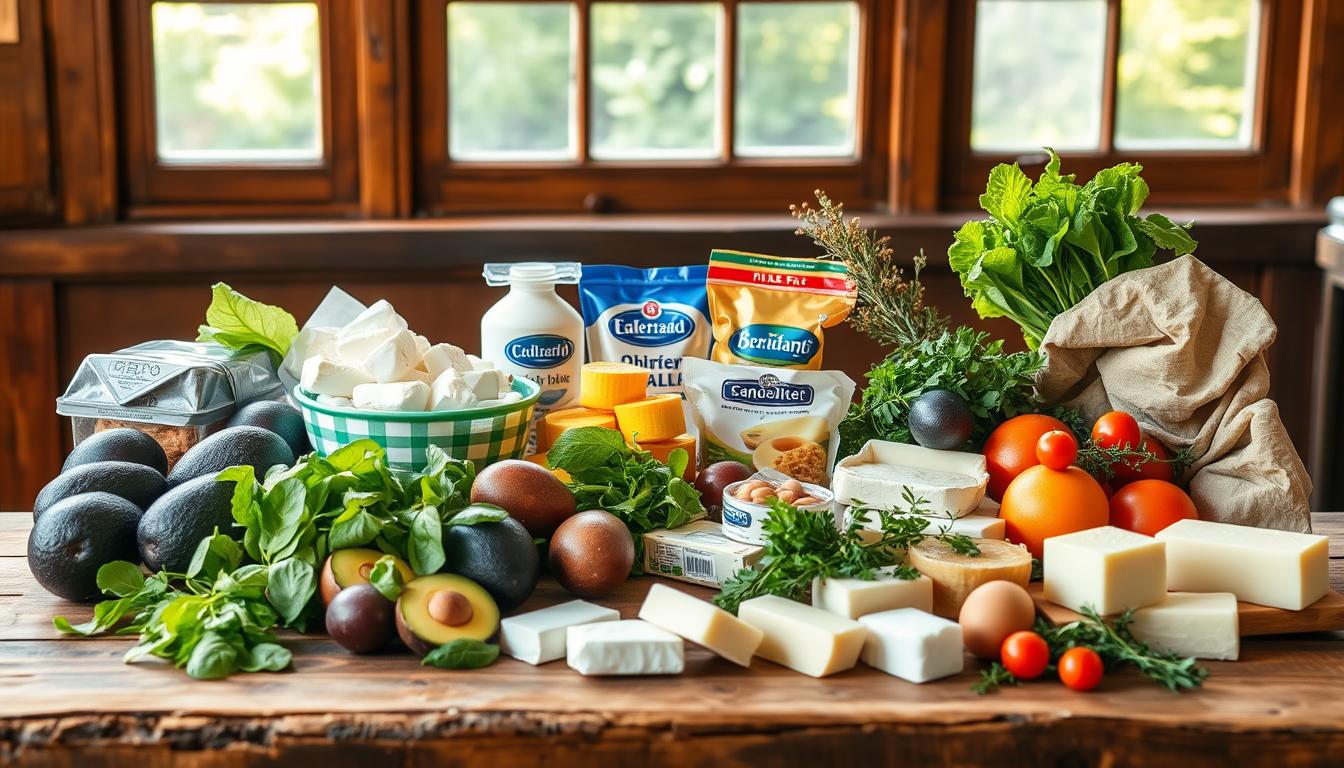
Creating a keto-friendly pantry doesn’t need to be pricey. You can find affordable, nutrient-rich items for money-saving keto recipes. Let’s look at two key items: protein-rich canned fish and spices that add flavor.
Canned Fish Value Guide
Canned seafood is a budget-friendly way to get protein. Starkist chunk light tuna is just $1.19 for a 5-oz can, with 22g of protein. Pink salmon costs $2.49 for the same size:
| Type | Cost/Can | Protein | Best For |
|---|---|---|---|
| Tuna | $1.19 | 22g | Salads, casseroles |
| Salmon | $2.49 | 20g | Patties, dips |
Tuna vs Salmon Cost/Nutrition Ratio
Tuna is cheaper per protein, but salmon has more omega-3s. Mix both for a balanced low-cost keto diet. Use tuna for big meals and salmon for snacks.
Spice Rack Economics
A premixed steak seasoning for $4.99 might seem good, but making your own is cheaper. Here’s a recipe for a flavorful blend:
- 2 tbsp smoked paprika ($0.30)
- 1 tbsp garlic powder ($0.15)
- 1 tsp cayenne ($0.10)
- 1 tbsp coffee grounds ($0.05)
Making Cheap Cuts Taste Expensive
Apply this mix to chuck roast for slow-cooking. The coffee and smoked paprika make it taste like expensive steaks. Store leftovers in reused jars for up to 3 months.
Frozen/Canned Food Hacks
Frozen and canned foods are great for affordable low-carb living. They are available all year and packed with nutrients. They often cost less than fresh foods, if you shop smart.
Nutrition Comparison Studies
USDA studies show frozen veggies often have more nutrients than fresh ones. Green beans frozen quickly keep 80% of vitamin C. Canned green beans have 45%, while fresh ones lose nearly 40% in five days.
Green beans: Fresh vs canned vs frozen
| Type | Vitamin C | Fiber | Cost per serving |
|---|---|---|---|
| Fresh | 12mg (60%) | 3.4g | $0.43 |
| Canned | 9mg (45%) | 3.2g | $0.27 |
| Frozen | 16mg (80%) | 3.5g | $0.31 |
Frozen berries are picked ripe and frozen quickly. They’re full of antioxidants. This makes them great for keto on a budget smoothies or chia puddings, saving you $6/pint.
Low-Sodium Options List
Canned goods don’t have to be high in sodium. Many store brands offer “no salt added” options at the same price. Always check labels – low-sodium spinach has 80mg sodium per serving, compared to 420mg in regular cans.
Best store-brand canned vegetables
- Great Value No Salt Added Spinach ($0.89/can)
- Market Pantry Diced Tomatoes (45mg sodium per serving)
- Kroger Green Beans with Sea Salt (140mg per serving)
Rinsing canned veggies for 30 seconds can cut sodium by 40%. Use generic brands to make affordable low-carb living meals. This keeps your wallet and macros happy.
Leftover Transformation Guide
Turning yesterday’s meals into today’s keto treasures is a kitchen magic trick. By repurposing, you stretch proteins and revive veggies, keeping carbs low. This is key for budget-friendly keto success. It also cuts down food waste by 30%, saving you money.

Protein Reinvention Made Simple
A $3.19/lb pork shoulder can be your meal prep hero. Follow this three-step guide:
3 Meals from Pork Shoulder
- Day 1: Slow-cooked pulled pork with sugar-free BBQ rub
- Day 2: Crispy carnitas stir-fry with leftover meat and frozen veggies
- Day 3: Rich bone broth using the remaining carcass (simmer 12+ hours)
Vegetable Resurrection Techniques
Give old veggies a new lease on life with these tips. Wilted greens are just as nutritious as fresh ones but cost 40% less, studies show.
Wilting Greens Soup Recipe
- Sauté 2 cups limp celery and onions in bacon fat
- Add 4 cups chicken broth and kale stems
- Simmer 20 minutes, then blend until smooth
- Top with crispy kale leaves and pork crumbles
This keto meal planning trick turns one protein into three meals. It also uses every part of your veggies. Store your creations in portion-controlled containers to keep your macros and budget in check.
Budget Snacking Solutions
Smart keto snacking doesn’t mean spending a lot on pre-packaged “diet” foods. You can make tasty snacks at home with simple swaps and creativity. This way, you can enjoy your snacks without breaking the bank.

DIY Keto Crackers
Cheese crisps are a great snack because they’re low in carbs. But, store-bought ones can be pricey. Making your own is easy and affordable.
- Spread cheese in nickel-sized piles on parchment paper
- Bake at 400°F for 5-7 minutes until golden
- Cool completely for optimal crispiness
Cheese Crisp Cost Analysis
| Type | Cost Per Serving | Carbs Per Ounce |
|---|---|---|
| Homemade (Great Value Cheddar) | $0.15 | 1g |
| Store-Bought Brand | $1.25 | 2g |
Fat Bomb Economics
Fat bombs are great for boosting energy without the sugar. Making them at home is cheaper than buying them. You just need a few ingredients from your pantry.
Peanut Butter Cups vs Store-Bought
| Option | Cost Each | Net Carbs |
|---|---|---|
| Homemade (Sugar-Free Chocolate) | $0.20 | 2g |
| Lily’s Chocolate Cups | $2.49 | 3g |
“Chia pudding costs 30% less per serving than commercial keto desserts while providing twice the fiber.”
For quick snacks, keep nuts or boiled eggs on hand. These money-saving keto recipes show that low-carb budget tips don’t mean giving up taste or convenience. Your wallet and macros will appreciate it.
Seasonal Shopping Strategies
Shopping with nature’s calendar can save you money and bring fresh flavors to your affordable low-carb living. By buying seasonal produce, you get the best nutrition without the high prices of out-of-season items.
Farmer’s Market Negotiation Tips
Local markets are great for eating keto on a budget if you know how to negotiate. Vendors often give discounts on remaining stock to avoid waste.
End-of-day discount percentages
A survey showed stalls give 25-40% off in the last 30 minutes. Look for deals on keto favorites like zucchini, spinach, and peppers. Here’s how to get the best deals:
- Ask about “seconds” (slightly imperfect produce) for roasting or soups
- Offer to buy entire boxes of ripe avocados at 60% retail cost
- Build rapport – vendors often reserve best deals for regulars
Preservation Techniques
Learn to preserve food to save more money. A $2 bunch of kale can make 3 meals, saving you $6 a week on fresh greens.
Pickling vegetables for longevity
Turn 99¢/lb cucumbers into $4.99 store-bought pickles with this easy brine:
- Mix 1 cup vinegar + 1 cup water + 1 tbsp salt
- Pack jars with sliced veggies and fresh dill
- Process in boiling water for 10 minutes
This makes 6 months of crunchy toppings for salads and keto bowls, saving 80% of the cost. Try it with radishes, green beans, and cauliflower too.
Store Brand & Discount Tactics
Stretching your keto budget doesn’t mean you have to spend a lot. Using store brands and digital tools can help. You can keep your pantry full without breaking the bank. Here’s how to save money without sacrificing quality.
Generic Brand Comparisons
Store-brand items are often just as good as name brands but cost less. A Consumer Reports study showed that 97% of generic products meet FDA standards. This means big savings on keto essentials like olive oil.
Great Value vs Name Brand Olive Oil
Walmart’s Great Value Extra Virgin Olive Oil is just as good as Bertolli’s. But it costs much less. Here’s a comparison:
| Brand | Price | Size | Cost/Ounce |
|---|---|---|---|
| Great Value | $8.99 | 34 oz | $0.26 |
| Bertolli | $12.99 | 25 oz | $0.52 |
Choosing store brand saves you $4.00 per bottle. That’s enough to buy two dozen eggs for keto meals.
Digital Coupon Strategies
Use manufacturer offers and store apps to cut costs even more. A study showed that combining Kroger’s deals with Ibotta rebates can save 32% on avocado oil.
Ibotta + Store App Combinations
Here’s a three-step plan for big discounts:
- Clip digital coupons in your grocery store’s app first
- Add matching offers in Ibotta before shopping
- Scan receipts in both apps post-purchase
One shopper saved $18.72 on keto essentials last month. Always check expiration dates and purchase requirements. Some deals require buying multiple items.
Conclusion: Sustainable Budget Keto Living
Learning to eat keto on a budget is possible with the right strategies. Start by planning meals ahead and buying in bulk. Use seasonal produce to save money and stay in ketosis. Tools like the Carb Manager app help track your spending and health goals.
Make smart choices to save money. Choose eggs over expensive protein powders and frozen veggies over fresh imports. Store brands for olive oil and cheese are also cost-effective. As nutritionist Amy Herrmann says, “You’re buying fuel for your body. Spend wisely on quality ingredients.”
Being flexible is key to budget-friendly keto. Try different proteins like chicken thighs and canned salmon. Use leftovers and freeze fats like butter and avocado halves. Use digital coupons and discount stores to save more. This way, you can enjoy healthy meals that are also budget-friendly.
FAQ
Is keto inherently more expensive than a standard American diet?
How much can I save by choosing conventional produce over organic?
What’s the most cost-effective protein source for keto?
FAQ
Is keto inherently more expensive than a standard American diet?
No, you can save money with smart shopping. Buying whole foods like chicken thighs and eggs is cheaper than processed carbs. Aldi’s 85/15 ground beef is a good deal, with more protein for less money than cereal.
How much can I save by choosing conventional produce over organic?
Choosing conventional produce can save 40-60% of your grocery bill. Frozen broccoli is just as nutritious as fresh but cheaper. Target’s olive oil is a great deal, saving you money without sacrificing quality.
What’s the most cost-effective protein source for keto?
Eggs are the cheapest protein at
FAQ
Is keto inherently more expensive than a standard American diet?
No, you can save money with smart shopping. Buying whole foods like chicken thighs and eggs is cheaper than processed carbs. Aldi’s 85/15 ground beef is a good deal, with more protein for less money than cereal.
How much can I save by choosing conventional produce over organic?
Choosing conventional produce can save 40-60% of your grocery bill. Frozen broccoli is just as nutritious as fresh but cheaper. Target’s olive oil is a great deal, saving you money without sacrificing quality.
What’s the most cost-effective protein source for keto?
Eggs are the cheapest protein at $0.35 each. Kroger’s meat sales make roasts affordable. A Costco rotisserie chicken can make five meals, saving you money.
Are frozen vegetables nutritionally inferior for keto meal prep?
Frozen broccoli is just as nutritious as fresh but cheaper. Great Value frozen spinach is a good deal, with as much iron as fresh. Saving food can also save you money, as wasted food costs a lot.
How can I reduce costs on keto-friendly fats?
Buying oils in bulk can save you money. Costco’s avocado oil is cheaper than retail. Shredding cheese yourself saves money, and making cheese crisps is even cheaper.
What’s the real cost difference between homemade and store-bought keto snacks?
Making your own snacks can save you 75-90% of the cost. Homemade electrolyte mix and peanut butter cups are much cheaper than store-bought. Even homemade keto granola is cheaper than buying it.
How do store brands compare to name brands for keto staples?
Store brands like Great Value olive oil are just as good as name brands but cheaper. Walmart’s ground beef is also cheaper than name brands. Using digital coupons and rebates can save you even more money.
Can bulk buying really lower my keto food costs?
Yes, buying in bulk can save you a lot of money. Costco’s almond prices are cheaper than retail, and FoodSaver bags can extend the life of your meat. A pork shoulder can make three meals, saving you money.
What time-based shopping strategies maximize keto savings?
Shopping 30 minutes before closing can get you 25-40% off on meats and produce. Kroger’s Tuesday meat sales and Wednesday produce rollbacks are good times to buy. Buying zucchini in summer and Brussels sprouts in winter can also save you money.
How does portion control impact keto budgeting?
Eating smaller portions can save you money. Reducing chicken thigh portions can save $1.10 per meal. Using a Carb Manager app can help you stay on track and save money.
FAQ
Is keto inherently more expensive than a standard American diet?
No, you can save money with smart shopping. Buying whole foods like chicken thighs and eggs is cheaper than processed carbs. Aldi’s 85/15 ground beef is a good deal, with more protein for less money than cereal.
How much can I save by choosing conventional produce over organic?
Choosing conventional produce can save 40-60% of your grocery bill. Frozen broccoli is just as nutritious as fresh but cheaper. Target’s olive oil is a great deal, saving you money without sacrificing quality.
What’s the most cost-effective protein source for keto?
Eggs are the cheapest protein at
FAQ
Is keto inherently more expensive than a standard American diet?
No, you can save money with smart shopping. Buying whole foods like chicken thighs and eggs is cheaper than processed carbs. Aldi’s 85/15 ground beef is a good deal, with more protein for less money than cereal.
How much can I save by choosing conventional produce over organic?
Choosing conventional produce can save 40-60% of your grocery bill. Frozen broccoli is just as nutritious as fresh but cheaper. Target’s olive oil is a great deal, saving you money without sacrificing quality.
What’s the most cost-effective protein source for keto?
Eggs are the cheapest protein at $0.35 each. Kroger’s meat sales make roasts affordable. A Costco rotisserie chicken can make five meals, saving you money.
Are frozen vegetables nutritionally inferior for keto meal prep?
Frozen broccoli is just as nutritious as fresh but cheaper. Great Value frozen spinach is a good deal, with as much iron as fresh. Saving food can also save you money, as wasted food costs a lot.
How can I reduce costs on keto-friendly fats?
Buying oils in bulk can save you money. Costco’s avocado oil is cheaper than retail. Shredding cheese yourself saves money, and making cheese crisps is even cheaper.
What’s the real cost difference between homemade and store-bought keto snacks?
Making your own snacks can save you 75-90% of the cost. Homemade electrolyte mix and peanut butter cups are much cheaper than store-bought. Even homemade keto granola is cheaper than buying it.
How do store brands compare to name brands for keto staples?
Store brands like Great Value olive oil are just as good as name brands but cheaper. Walmart’s ground beef is also cheaper than name brands. Using digital coupons and rebates can save you even more money.
Can bulk buying really lower my keto food costs?
Yes, buying in bulk can save you a lot of money. Costco’s almond prices are cheaper than retail, and FoodSaver bags can extend the life of your meat. A pork shoulder can make three meals, saving you money.
What time-based shopping strategies maximize keto savings?
Shopping 30 minutes before closing can get you 25-40% off on meats and produce. Kroger’s Tuesday meat sales and Wednesday produce rollbacks are good times to buy. Buying zucchini in summer and Brussels sprouts in winter can also save you money.
How does portion control impact keto budgeting?
Eating smaller portions can save you money. Reducing chicken thigh portions can save $1.10 per meal. Using a Carb Manager app can help you stay on track and save money.
.35 each. Kroger’s meat sales make roasts affordable. A Costco rotisserie chicken can make five meals, saving you money.
Are frozen vegetables nutritionally inferior for keto meal prep?
Frozen broccoli is just as nutritious as fresh but cheaper. Great Value frozen spinach is a good deal, with as much iron as fresh. Saving food can also save you money, as wasted food costs a lot.
How can I reduce costs on keto-friendly fats?
Buying oils in bulk can save you money. Costco’s avocado oil is cheaper than retail. Shredding cheese yourself saves money, and making cheese crisps is even cheaper.
What’s the real cost difference between homemade and store-bought keto snacks?
Making your own snacks can save you 75-90% of the cost. Homemade electrolyte mix and peanut butter cups are much cheaper than store-bought. Even homemade keto granola is cheaper than buying it.
How do store brands compare to name brands for keto staples?
Store brands like Great Value olive oil are just as good as name brands but cheaper. Walmart’s ground beef is also cheaper than name brands. Using digital coupons and rebates can save you even more money.
Can bulk buying really lower my keto food costs?
Yes, buying in bulk can save you a lot of money. Costco’s almond prices are cheaper than retail, and FoodSaver bags can extend the life of your meat. A pork shoulder can make three meals, saving you money.
What time-based shopping strategies maximize keto savings?
Shopping 30 minutes before closing can get you 25-40% off on meats and produce. Kroger’s Tuesday meat sales and Wednesday produce rollbacks are good times to buy. Buying zucchini in summer and Brussels sprouts in winter can also save you money.
How does portion control impact keto budgeting?
Eating smaller portions can save you money. Reducing chicken thigh portions can save
FAQ
Is keto inherently more expensive than a standard American diet?
No, you can save money with smart shopping. Buying whole foods like chicken thighs and eggs is cheaper than processed carbs. Aldi’s 85/15 ground beef is a good deal, with more protein for less money than cereal.
How much can I save by choosing conventional produce over organic?
Choosing conventional produce can save 40-60% of your grocery bill. Frozen broccoli is just as nutritious as fresh but cheaper. Target’s olive oil is a great deal, saving you money without sacrificing quality.
What’s the most cost-effective protein source for keto?
Eggs are the cheapest protein at $0.35 each. Kroger’s meat sales make roasts affordable. A Costco rotisserie chicken can make five meals, saving you money.
Are frozen vegetables nutritionally inferior for keto meal prep?
Frozen broccoli is just as nutritious as fresh but cheaper. Great Value frozen spinach is a good deal, with as much iron as fresh. Saving food can also save you money, as wasted food costs a lot.
How can I reduce costs on keto-friendly fats?
Buying oils in bulk can save you money. Costco’s avocado oil is cheaper than retail. Shredding cheese yourself saves money, and making cheese crisps is even cheaper.
What’s the real cost difference between homemade and store-bought keto snacks?
Making your own snacks can save you 75-90% of the cost. Homemade electrolyte mix and peanut butter cups are much cheaper than store-bought. Even homemade keto granola is cheaper than buying it.
How do store brands compare to name brands for keto staples?
Store brands like Great Value olive oil are just as good as name brands but cheaper. Walmart’s ground beef is also cheaper than name brands. Using digital coupons and rebates can save you even more money.
Can bulk buying really lower my keto food costs?
Yes, buying in bulk can save you a lot of money. Costco’s almond prices are cheaper than retail, and FoodSaver bags can extend the life of your meat. A pork shoulder can make three meals, saving you money.
What time-based shopping strategies maximize keto savings?
Shopping 30 minutes before closing can get you 25-40% off on meats and produce. Kroger’s Tuesday meat sales and Wednesday produce rollbacks are good times to buy. Buying zucchini in summer and Brussels sprouts in winter can also save you money.
How does portion control impact keto budgeting?
Eating smaller portions can save you money. Reducing chicken thigh portions can save $1.10 per meal. Using a Carb Manager app can help you stay on track and save money.
.10 per meal. Using a Carb Manager app can help you stay on track and save money.