Did you know that 74% of consumers misinterpret serving sizes on food packaging? This common mistake can lead to unintentionally consuming extra carbs and calories, impacting your health goals. Understanding what’s on those tiny panels is crucial for managing your diet effectively.
Many processed foods contain hidden sugars and fats, making label literacy essential. The FDA reports that some products list sweeteners under different names, tricking even the most careful shoppers. Without proper knowledge, you might overlook key details affecting your daily intake.
Learning to decode these details helps prevent chronic conditions like diabetes and obesity. This guide simplifies the process, ensuring you make informed choices every time you shop.
Key Takeaways
- Serving size misunderstandings affect 3 out of 4 shoppers.
- Hidden sugars often appear under alternative names.
- Proper label reading supports weight and health management.
- Processed foods frequently contain unnoticed additives.
- Accurate tracking reduces risks of diet-related diseases.
Why Understanding Nutrition Labels Matters for Your Health
Food choices directly impact your well-being, yet many overlook critical details on packaging. The American Diabetes Association (ADA) found that people who analyze labels achieve 23% better glycemic control. For diabetics, this skill prevents dangerous blood sugar spikes.
Excessive sodium is another hidden threat. FDA guidelines warn that high intake elevates hypertension risks. Processed foods often pack double the recommended daily limit in a single serving.

Hidden calories contribute to obesity epidemics. USDA data reveals the average American consumes 17 teaspoons of added sugar daily—much from “low-fat” products. The ADA reports 68% of these items replace fat with added sugars.
Label literacy transforms your diet. Spotting disguised ingredients helps you avoid unnecessary additives. Over time, this practice reduces risks of chronic conditions like heart disease.
1. Start with Serving Size and Servings per Container
A single misread serving size can double your calorie consumption instantly. The FDA requires standardized measurements, but these often don’t reflect how people actually eat. For example, a lasagna label might list 280 calories per cup—yet the tray contains 2 cups (560 calories). If you eat the whole thing, you’ve unknowingly doubled your intake.
How Serving Size Affects Nutrient Calculations
Labels base all nutrient data on one serving, not the entire package. A 3-oz chip serving seems reasonable—until you realize the bag holds 8 oz. Eat half, and you’ve consumed over 400 calories, not the 150 listed. *Single-serve* snacks sometimes contain 2.5 servings, tricking you into eating more.
Common Missteps with Portion Sizes
Ice cream labels often list ½-cup servings, but most people scoop twice that amount. The ADA recommends using kitchen scales for nuts and grains—a “handful” can vary wildly. Always cross-check servings per container to avoid surprises.
- FDA rules standardize serving sizes, but brands manipulate portions.
- Calculate totals: Multiply nutrients by the number of servings you eat.
- Weigh dense foods like pasta or cereal for accuracy.
2. Decoding Calories: What You Need to Know
Your body’s fuel requirements aren’t one-size-fits-all, yet labels suggest otherwise. The FDA’s 2,000-calorie baseline fits only 30% of adults, according to MyPlate.gov. Active individuals or those managing weight often need tailored plans.

Calories vs. Your Daily Needs
A sedentary office worker needs fewer calories than a construction worker. MyPlate.gov’s calculator factors in age, activity, and health goals. Example: A 35-year-old woman exercising 3x/week may require 1,800 calories, not 2,000.
“Labels use averages, but your metabolism isn’t average. Always adjust for your lifestyle.”
How Hidden Calories Add Up
That “100-calorie pack” often contains 2.5 servings—250 calories if eaten entirely. Starbucks’ Frappuccino (300 calories) versus a homemade iced coffee (80 calories) shows how choices impact intake.
| Food | Calories (Per Serving) | Sneaky Servings |
|---|---|---|
| Granola | 120 | 3+ per bag |
| Salad Dressing | 150 | 2 tbsp = 1 serving |
| Protein Bars | 200 | Often eaten whole (2 servings) |
Dressings turn salads into calorie bombs. Opt for vinegar-based versions or measure portions. Nutrient-dense foods like avocados pack calories but offer fiber—unlike processed snacks.
- Check servings: Multiply calories by actual portions consumed.
- Prioritize whole foods: Fewer hidden additives.
- Use tools: MyPlate.gov’s calculator personalizes targets.
3. Total Carbohydrates: The Key to Managing Carbs
Carbohydrates play a crucial role in energy levels, yet their sources often deceive consumers. The total carbohydrates listed on labels include three components: fiber, sugars, and starches. Each affects your body differently, making it vital to decode these numbers.

Breaking Down Fiber and Sugars
Fiber slows digestion, helping stabilize blood sugar. Whole grains like quinoa (5g fiber per serving) outperform white bread (1g fiber). The ADA recommends 25–30g daily, but most Americans get half that.
Sugars, especially added ones, cause rapid glucose spikes. A “keto-friendly” bar might hide 15g of carbs under “sugar alcohols”—a loophole the FDA doesn’t regulate. Always check for maltodextrin or tapioca starch, common high-carb additives.
“‘Net carb’ claims lack scientific backing. Count total carbs for accurate insulin dosing.”
Spotting Hidden Carbs in Processed Foods
Processed foods often replace fat with carbs. Flavored yogurts can pack 20g of sugars—more than a doughnut. Use the ADA’s 4:1 method: 1 unit of insulin per 4g of carbs for precise management.
- Compare labels: Whole-grain pasta has 5g fiber; refined versions have 1g.
- Beware of terms: “Low-fat” may mean high-carb.
- Measure servings: A “single” granola bar often contains two servings.
4. The Truth About Added Sugars
Sugar hides in plain sight, often under names you wouldn’t recognize. Since 2020, the FDA mandates that added sugars appear separately on labels—yet many products still use loopholes. Understanding the difference between natural and added sweeteners helps you make smarter choices.
Natural vs. Added Sugars
Natural sugars, like those in fruit or milk, come with fiber and nutrients. A plain Greek yogurt contains 6g of natural lactose. Flavored versions, however, pack 19g of added sugars—triple the amount. The ADA warns that 4g of sugar equals 1 teaspoon, meaning that yogurt hides nearly 5 teaspoons extra.
“Fruit juice concentrates in ‘no sugar added’ products are just stealthy sweeteners.”
Common Names for Hidden Sugars
Manufacturers use over 56 aliases for sugar. Barley malt and evaporated cane juice sound wholesome but spike blood sugar just like table sugar. Check ingredients for these red flags:
- Worst offenders: BBQ sauce (16g per serving), granola (12g), tomato sauce (10g).
- Disguised terms: Dextrose, malt syrup, or “fruit nectar.”
- Watch for: “Low-fat” claims—they often replace fat with hidden sugars.
| Product | Natural Sugars (g) | Added Sugars (g) |
|---|---|---|
| Plain Greek Yogurt | 6 | 0 |
| Flavored Yogurt | 6 | 19 |
| Tomato Sauce | 4 | 10 |
Spotting these tricks cuts empty calories. Opt for unsweetened versions and sweeten naturally with berries or cinnamon.
5. Fats: Saturated, Unsaturated, and Trans Fats
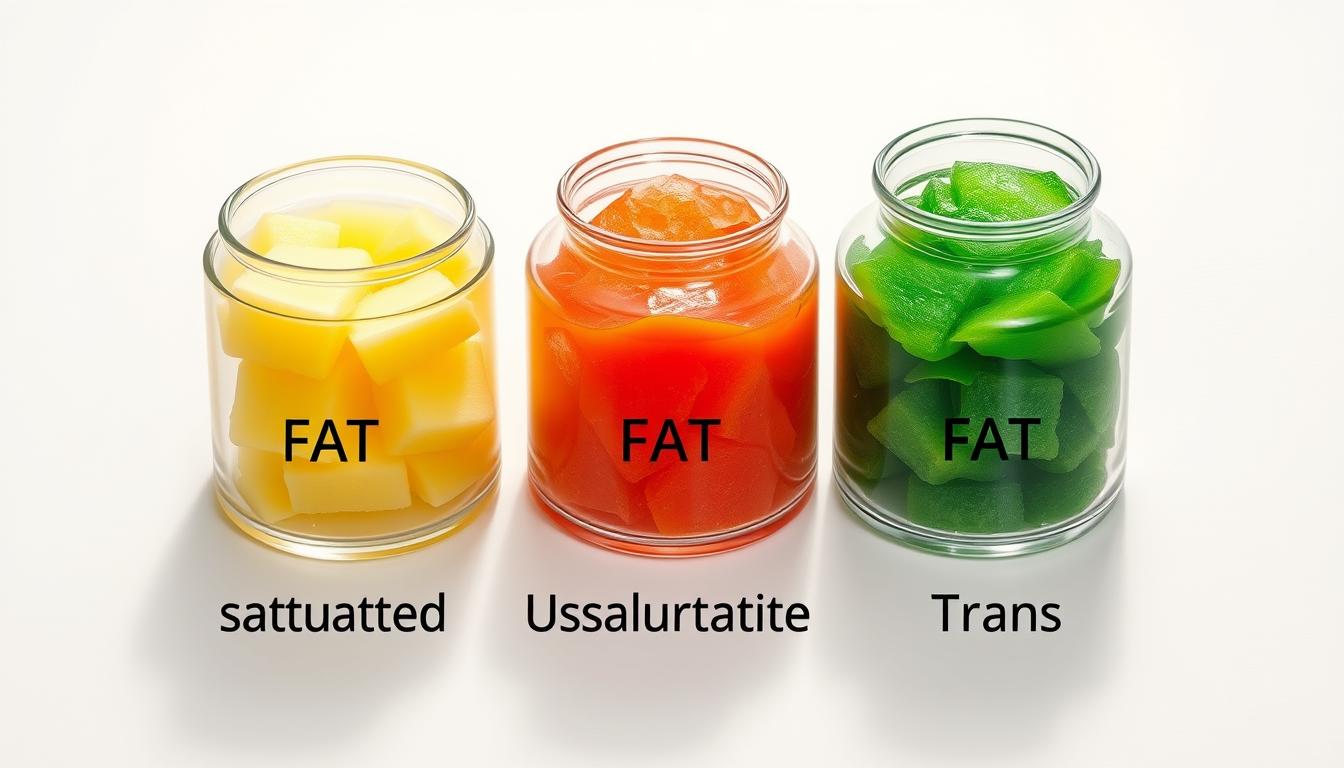
Not all fats are created equal—some fuel your body while others harm it. The type of fat you consume impacts heart health, energy levels, and weight management. Labels often obscure this with technical terms, making it hard to spot risks.
Identifying Healthy vs. Unhealthy Fats
Saturated fats, found in red meat and butter, raise LDL cholesterol. The American Heart Association recommends limiting them to 5% of daily calories. Avocado oil and nuts, rich in unsaturated fats, reduce inflammation and support brain function.
Beware of trans fats, banned by the FDA but still lurking in baked goods and coffee creamers. Labels claiming “0g trans fat” may contain hydrogenated oils if servings are under 0.5g. Check ingredients for “partially hydrogenated”—a dead giveaway.
- Smoke points matter: Avocado oil (520°F) outperforms canola oil (400°F) for high-heat cooking.
- Swap smartly: Almond butter (monounsaturated) over margarine (trans fats).
- FDA claims: “Lean” means
How Fats Impact Caloric Density
All fats pack 9 calories per gram, but their effects differ. Olive oil (120cal/tbsp) offers more health benefits than butter (102cal/tbsp). Processed snacks replace saturated fat with sugar, doubling calorie counts without nutrition.
“Low-fat products often compensate with carbs, undermining weight goals.”
| Fat Source | Type | Calories/Tbsp |
|---|---|---|
| Olive Oil | Unsaturated | 120 |
| Butter | Saturated | 102 |
| Coconut Oil | Saturated | 121 |
Prioritize whole-food fats like salmon or chia seeds. They balance caloric density with fiber and omega-3s, unlike processed alternatives.
6. Sodium and Other Nutrients to Watch
Most processed foods contain alarming sodium levels, yet few check labels for this silent threat. The FDA warns that 70% of dietary sodium comes from packaged items—not your salt shaker. Overlooking this can sabotage heart health and nutrient balance.
Why Sodium Matters Beyond Blood Pressure
Excess sodium doesn’t just elevate high blood pressure risks. It depletes potassium, a mineral critical for muscle and nerve function. The ADA notes that for every 1g of sodium over the 5g daily limit, your body loses 40mg of potassium.
“Low-sodium claims can mislead. A ‘healthy’ soup might still deliver 20% of your daily limit per cup.”
Compare these common foods:
- Low-sodium soup: 140mg per serving (6% DV)
- Regular soup: 980mg per serving (42% DV)
Nutrients to Prioritize
Counteract sodium’s effects by focusing on these nutrients:
- Fiber: Slows digestion, balancing blood sugar (aim for 25g/day).
- Potassium: Found in bananas and spinach, it offsets sodium’s damage.
- Magnesium: Nuts and seeds reduce bloating caused by salty foods.
Nutrition bars often tout iron (20% DV) but lack other essentials. A snack with 2% DV iron and 12g sugar? Skip it. Use this checklist for smarter choices:
| Nutrient | FDA Daily Target (%DV) | Top Sources |
|---|---|---|
| Fiber | 25–30g | Lentils, berries |
| Potassium | 4,700mg | Avocados, sweet potatoes |
| Magnesium | 400mg | Almonds, dark chocolate |
Prioritizing these nutrients helps mitigate sodium’s risks while boosting overall health. Always cross-check labels for hidden trade-offs.
Conclusion: Mastering Label Reading for Better Choices
Smart shopping starts with understanding what’s on the package. By focusing on serving sizes, added sugars, and fiber content, you take control of your diet and health.
The ADA suggests a simple 3-step method: check servings first, scan for hidden sugars, then compare fiber percentages. Pair this with the FDA’s FoodKeeper app to track freshness and nutrients.
Watch out for misleading phrases like “lightly sweetened” or “made with real fruit.” These often mask high sugar content. One shopper lost 32 pounds just by decoding labels—proof that small changes deliver big results.
Knowledge transforms your grocery trips. Use these tips to spot the best food products and fuel your body right.