Did you know that over 12 million Americans follow a low-carb lifestyle? Many start with the ketogenic diet but later explore the carnivore diet for deeper metabolic benefits. Shifting between these eating styles doesn’t have to be stressful—if done right.
A structured approach helps avoid common pitfalls like digestive issues or energy dips. Studies show that combining keto principles with high-quality animal foods can improve insulin sensitivity and reduce inflammation.
Ready to make the change? Focus on gradual adjustments, smart nutrient choices, and listening to your body’s signals.
Key Takeaways
- Low-carb diets like keto and carnivore offer metabolic benefits.
- Transition slowly to prevent digestive discomfort.
- Increase animal fats and proteins while reducing carbs.
- Balance electrolytes to avoid energy crashes.
- Animal-based foods provide highly bioavailable nutrients.
Understanding the Keto and Carnivore Diets
The ketogenic and carnivore diets share roots in fat-fueled energy but differ in execution. Both prioritize metabolic health, yet their rules around carbohydrates, protein, and food sources vary significantly. Here’s how they compare.

Key Principles of the Ketogenic Diet
Keto emphasizes 70–75% fats, 20–25% protein, and 5–10% carbs. By drastically reducing carbohydrates, your body enters ketosis—burning fat for fuel instead of glucose.
This state boosts energy stability and reduces inflammation. However, keto allows limited plant foods like leafy greens and nuts for fiber and micronutrients.
Core Tenets of the Carnivore Diet
Carnivore eliminates all plant foods, focusing solely on meat, organs, and animal fats. With 0g carbs, it’s a zero-fiber approach that avoids plant compounds like lectins.
Protein intake is higher than keto, often exceeding 30% of calories. Advocates highlight its simplicity and nutrient density from vitamins like B12 and minerals such as zinc.
Similarities and Differences Between the Two
Both diets stabilize blood sugar and reduce inflammation. Yet keto offers more flexibility with 10–15g carbs, while carnivore is stricter.
“Carnivore’s elimination of plant antinutrients may benefit autoimmune conditions more than keto’s moderate-carb approach.”
Keto suits those seeking variety, while carnivore appeals to individuals prioritizing digestion or autoimmune management.
Why Transition from Keto to Carnivore?
Shifting to carnivore from keto can unlock unique health advantages. While keto stabilizes blood sugar levels, carnivore takes it further by eliminating plant compounds that may trigger inflammation. This makes it a powerful tool for metabolic and digestive health.
Top Benefits of Going Carnivore
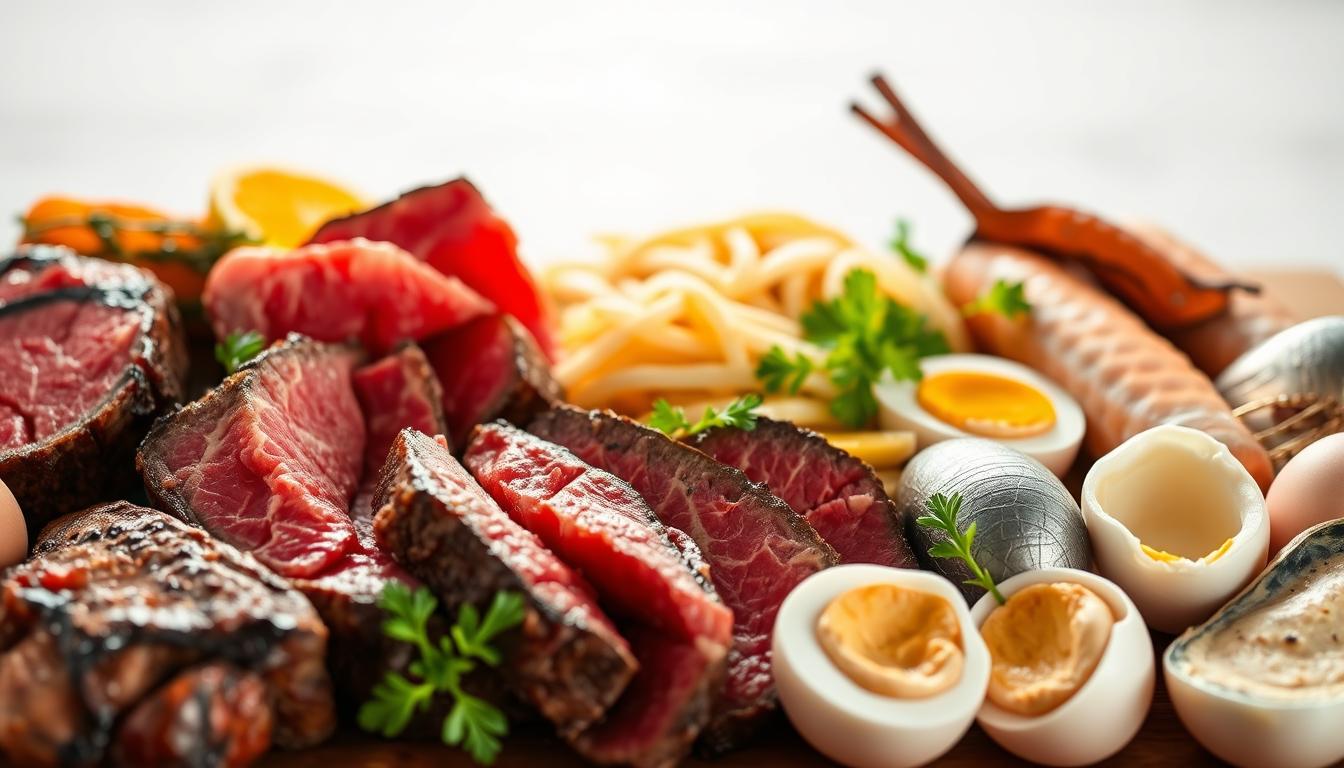
The carnivore diet simplifies eating while delivering concentrated nutrients. Here’s what research and anecdotal evidence show:
- Accelerated fat loss: Without carbs, your body burns fat even faster.
- Reduced bloating: Removing fermentable carbs (FODMAPs) eases digestion.
- Autoimmune relief: A Frontiers in Nutrition study linked carnivore to IBD remission.
Athletes report better recovery times, thanks to high-quality proteins and vitamins like B12. For diabetics, results are striking—84% reduced medications, and 92% quit insulin entirely.
Who Should Make the Switch?
Carnivore excels for specific health challenges:
| Ideal Candidate | Why Carnivore Helps |
|---|---|
| Insulin resistance | Zero carbs improve insulin sensitivity |
| Chronic inflammation | No plant antinutrients (lectins, oxalates) |
| Digestive issues | Easier to break down animal foods |
“Carnivore’s elimination diet approach can pinpoint food intolerances that keto misses.”
If keto helped but didn’t resolve cravings or fatigue, carnivore might be the next step. Always consult a healthcare provider for personalized advice.
Steps to Transition from Keto to Carnivore Without Side Effects
Your body needs time to adapt when moving toward a meat-only approach. The transition keto carnivore process works best when implemented gradually over several weeks. This allows your digestive system and metabolism to adjust without shock.
Successful adaptation depends on three pillars: carb reduction, nutrient optimization, and attentive self-monitoring. Each plays a vital role in maintaining energy levels and gut function during the change.
Gradual Reduction of Carbohydrates
Start by trimming daily carb intake to 10-15 grams over 2-3 weeks. This slow taper helps avoid the “keto flu” that comes with abrupt changes. Replace eliminated plant foods with animal fats like tallow or lard.
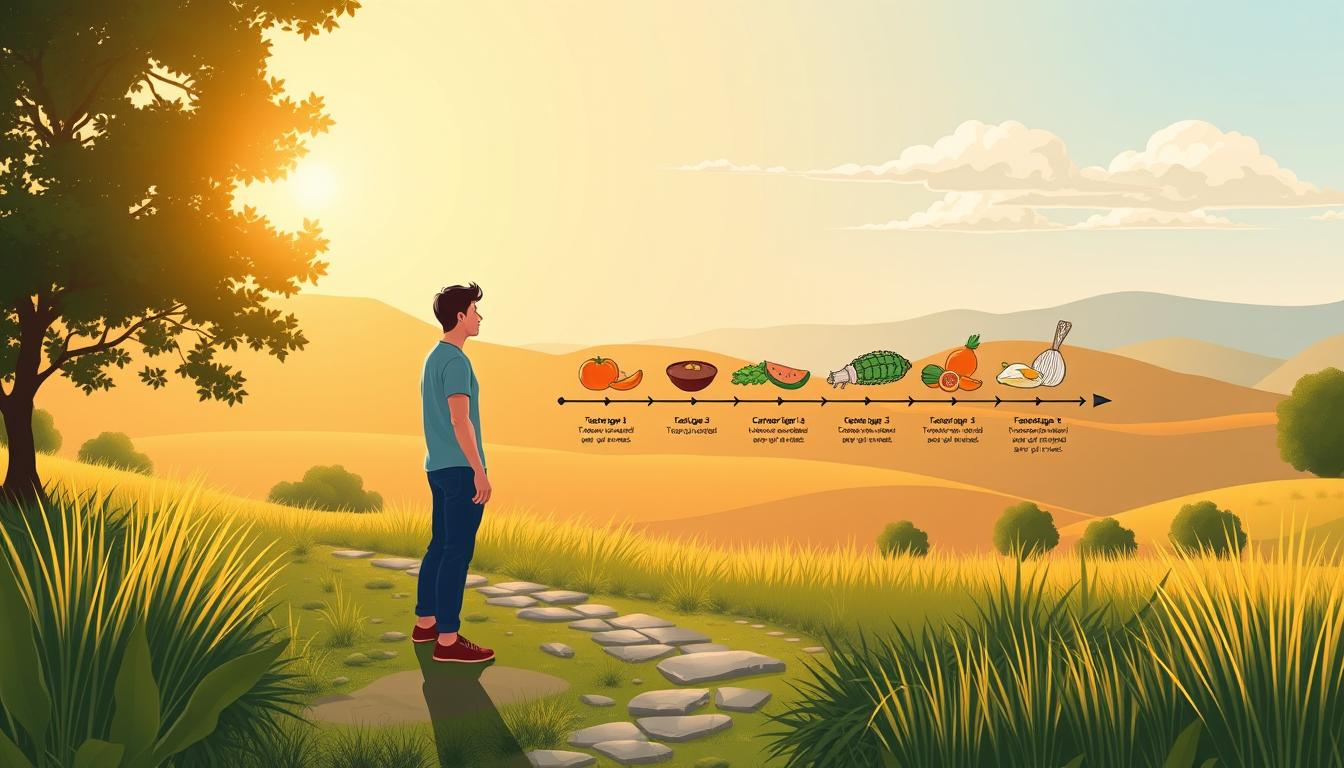
- Days 1-5: Reduce carbs by 5g daily
- Days 6-10: Eliminate nuts and dairy
- Days 11-14: Phase out remaining plant foods
Increasing Animal-Based Fats and Proteins
Prioritize fatty cuts like ribeye and salmon for optimal nutrient density. Organ meats provide concentrated vitamins that support metabolic changes. Aim for a 2:1 fat-to-protein ratio by calorie.
These foods deliver the most benefits:
- Beef liver (rich in vitamin A)
- Bone marrow (excellent fat source)
- Egg yolks (contains choline)
Monitoring Your Body’s Response
Track ketone levels using urine strips to confirm metabolic adaptation. Journal daily observations about energy, digestion, and sleep quality. Most adjustment symptoms fade within 3-4 weeks.
Stay ahead of common challenges:
- Drink 3-4L water daily
- Supplement electrolytes (5g sodium, 1g potassium)
- Expect temporary fatigue as your body adapts
“The first two weeks require the most attention to hydration and mineral balance.”
Foods to Eat During the Transition
Strategic food selection helps maintain energy and prevent deficiencies. Focus on nutrient-dense animal products while optionally including minimal low-carb plants. This balance supports metabolic adaptation without digestive stress.
Animal-Based Proteins and Fats
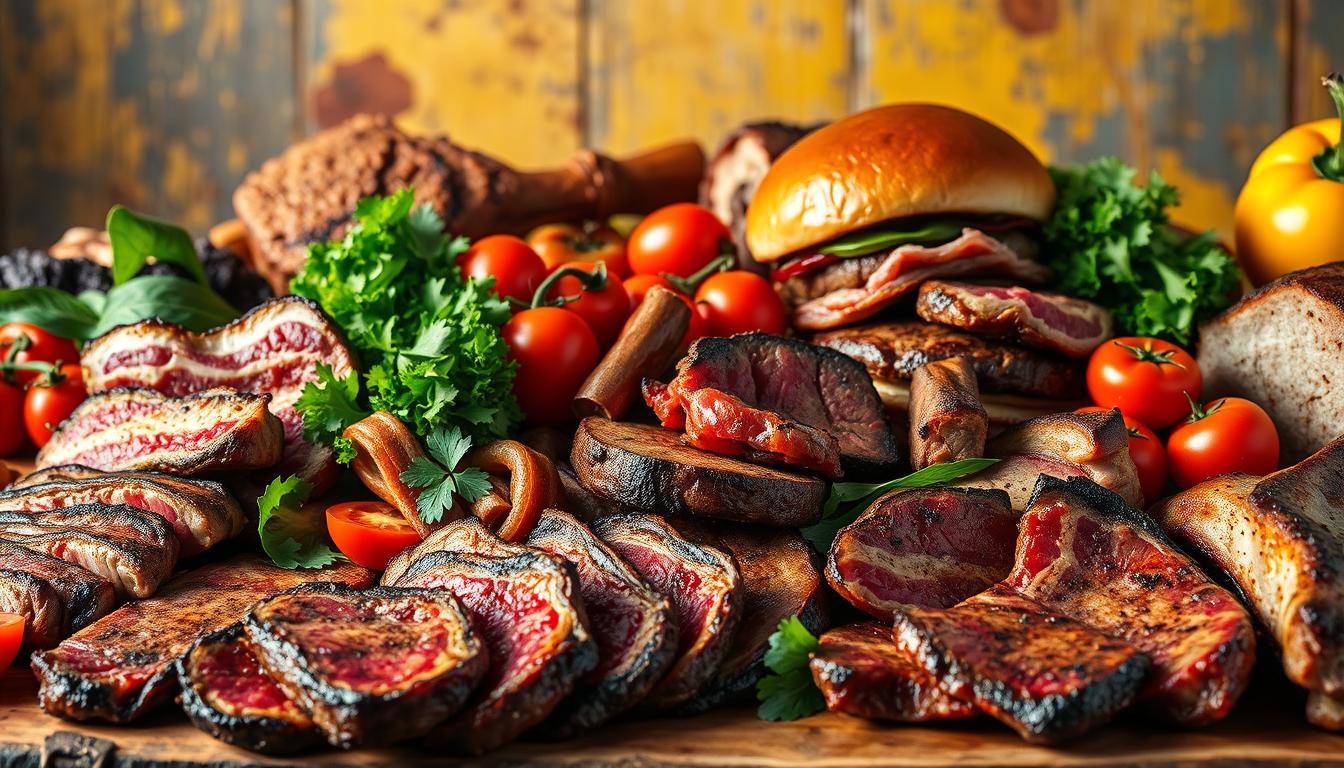
Prioritize these high-quality meat and fat sources:
- Ribeye steak: High in creatine and saturated fats for sustained energy
- Beef liver: Provides 3,500% DV vitamin A per 100g
- Pasture-raised eggs: Contain choline for brain function
- Bone broth: Supplies collagen for gut lining repair
Organ meats prevent deficiencies in iron and B12. Sardines offer omega-3s without plant toxins.
Low-Carb Plant Foods (Optional)
If including plants, choose these low-fiber options temporarily:
- Spinach: Only 0.4g net carbs per cup
- Zucchini: Mild flavor with minimal sugar
- Avocados: 9g fiber but just 2g digestible carbs
“These vegetables act as training wheels before full carnivore adaptation.”
Hydration and Electrolytes
Increased protein metabolism demands proper mineral balance. Try these solutions:
- LMNT packets: Balanced sodium/potassium/magnesium
- Himalayan pink salt: For natural minerals
- Sparkling mineral water: Helps with cravings
Limit dairy to butter and hard cheeses. Their lactose content may disrupt fat adaptation.
Foods to Avoid During the Transition
Certain foods can sabotage your transition to carnivore if not eliminated properly. While keto allows some flexibility, carnivore requires stricter avoidance of items that may cause digestive issues or inflammation. Knowing what to cut ensures smoother adaptation.

High-Carb and Processed Pitfalls
Even “keto-friendly” snacks often contain hidden sugar alcohols or additives. Watch for these offenders:
- Protein bars with 5g+ net carb per serving
- Seed oils (soybean, canola) linked to heart disease
- Artificial sweeteners that trigger cravings
Almonds have 2.9g net carbs per ounce—double macadamia nuts. Choose fattier nuts if including them temporarily.
Troublesome Plant-Based Foods
Some vegetables contain compounds that irritate the gut. Nightshades (tomatoes, peppers) may worsen joint pain in sensitive individuals. Other problematic plant-based foods include:
- Legumes (lectins disrupt digestion)
- Cruciferous veggies (goitrogens affect thyroid)
- Spinach/chard (oxalates may cause “dumping” symptoms)
“Oxalates from greens can crystallize when abruptly removed, causing temporary discomfort.”
Dairy deserves caution too. Switch to ghee if lactose causes issues. Margarine and vegetable shortening contain inflammatory fats—opt for tallow instead.
These differences in food tolerance highlight why gradual elimination works best. Your body needs time to adjust to zero-fiber intake.
Managing Potential Side Effects
Adapting to a carnivore lifestyle comes with unique challenges, but 94% of followers report high satisfaction after the adjustment period. Temporary discomfort often stems from metabolic changes and electrolyte imbalances rather than the diet itself. With targeted strategies, you can minimize these transitional issues while maintaining energy levels.

Metabolic Adaptation Challenges
The “keto flu” may reappear during your shift to carnivore as your body enters deeper ketosis. Symptoms like headaches or fatigue typically last 3-7 days. These occur as glycogen stores deplete and water intake needs increase.
Common solutions include:
- 500mg magnesium glycinate at bedtime for muscle cramps
- 1/2 tsp salt in water for immediate headache relief
- Increased fat consumption to support metabolic function
Essential Mineral Protocols
Electrolyte imbalances cause most transitional problems. This table outlines optimal daily targets:
| Mineral | Amount | Best Sources |
|---|---|---|
| Sodium | 5-7g | Bone broth, Himalayan salt |
| Potassium | 3-4g | Avocado (transitional), beef |
| Magnesium | 400mg | Supplement, pumpkin seeds |
“Magnesium citrate doubles as both an electrolyte replenisher and gentle laxative for constipation relief.”
Navigating Social Situations
Dining out or attending gatherings requires preparation. Try these proven tactics:
- Pre-eat fatty snacks like pork rinds to avoid hunger
- Polite scripts: “I’m on a special diet plan – I’ll just have the steak with butter”
- Research menus beforehand to identify compliant options
For temporary hair loss concerns, consider collagen peptides or biotin-rich foods like eggs. Tracking apps like Cronometer help monitor micronutrient intake during the transition.
Long-Term Maintenance and Flexibility
Sustaining a carnivore diet requires smart adjustments over time. Unlike short-term plans, this way of eating thrives on personalization. Your nutrition needs will shift based on activity levels, seasons, and health goals.
Adjusting Macronutrient Ratios
Athletes often need more protein—aim for 1.6g per kg of body weight. Sedentary individuals do well with 1.2g/kg. Fatty cuts like ribeye provide both energy and nutrients for active lifestyles.
Seasonal changes matter too:
- Winter: Increase fat intake with bone marrow and tallow
- Summer: Opt for leaner meats like bison or venison
Incorporating Intermittent Fasting
Pairing carnivore with 16:8 fasting boosts autophagy without muscle loss. Studies show this combo enhances metabolic flexibility. Start with 12-hour fasts, then gradually extend the window.
“Cyclical ketovore—5 days strict carnivore plus 2 keto days—works well for those needing occasional variety.”
Listening to Your Body’s Signals
Track biofeedback markers like resting heart rate (1.0mmol/L). DEXA scans every 6 months reveal weight composition differences beyond the scale.
Reintroduce foods cautiously using elimination principles:
- Test one food every 72 hours
- Monitor digestion, energy, and joint responses
- Journal reactions to identify triggers
Long-term followers report sustained benefits after 5+ years. Their secret? Adapting the diet to life’s changes while staying true to core principles.
Conclusion
Successfully adapting to a meat-focused lifestyle requires patience and strategy. By phasing out carbs, prioritizing electrolytes, and sourcing quality animal foods, you’ll minimize discomfort and maximize results.
Implement changes gradually over 2–4 weeks. Track improvements like stable energy, lower inflammation, and better lipid panels. These markers confirm your body is thriving on the carnivore diet.
For next steps, explore meal plans or trusted meat suppliers. The ketovore diet offers flexibility if strict carnivore feels too limiting. Listen to your body—it’s the best guide for long-term success.