Did you know that kids catch an average of 6–8 colds per year? With school in full swing and flu season approaching, keeping your little ones healthy becomes a top priority. Proper nutrition plays a crucial role in supporting their immune system, especially during these high-risk months.
Cold weather and classroom germs create the perfect storm for sniffles and coughs. While vaccines and handwashing remain essential, what your child eats can make a big difference. Registered dietitian Julia Zumpano emphasizes, “Food, not supplements, should be the first line of defense.” Whole foods provide balanced nutrients without the risks of unregulated products.
Key vitamins like D and zinc, along with probiotics, help build resilience. For picky eaters, supplements may fill gaps—but always consult a pediatrician first. Let’s explore how simple dietary choices can keep them thriving all year.
Key Takeaways
- Kids face higher germ exposure during school and flu season.
- Nutrition directly impacts immune system strength.
- Whole foods are safer and more effective than most supplements.
- Vitamin D, zinc, and probiotics are critical for immunity.
- Supplements may help selective eaters with professional guidance.
Why Immune-Boosting Foods and Herbs Matter for Kids
80% of immune cells live in the gut, linking diet directly to health. When children lack key nutrients, their defenses weaken against classroom germs. A balanced plate fuels their ability to fight infections all school year.
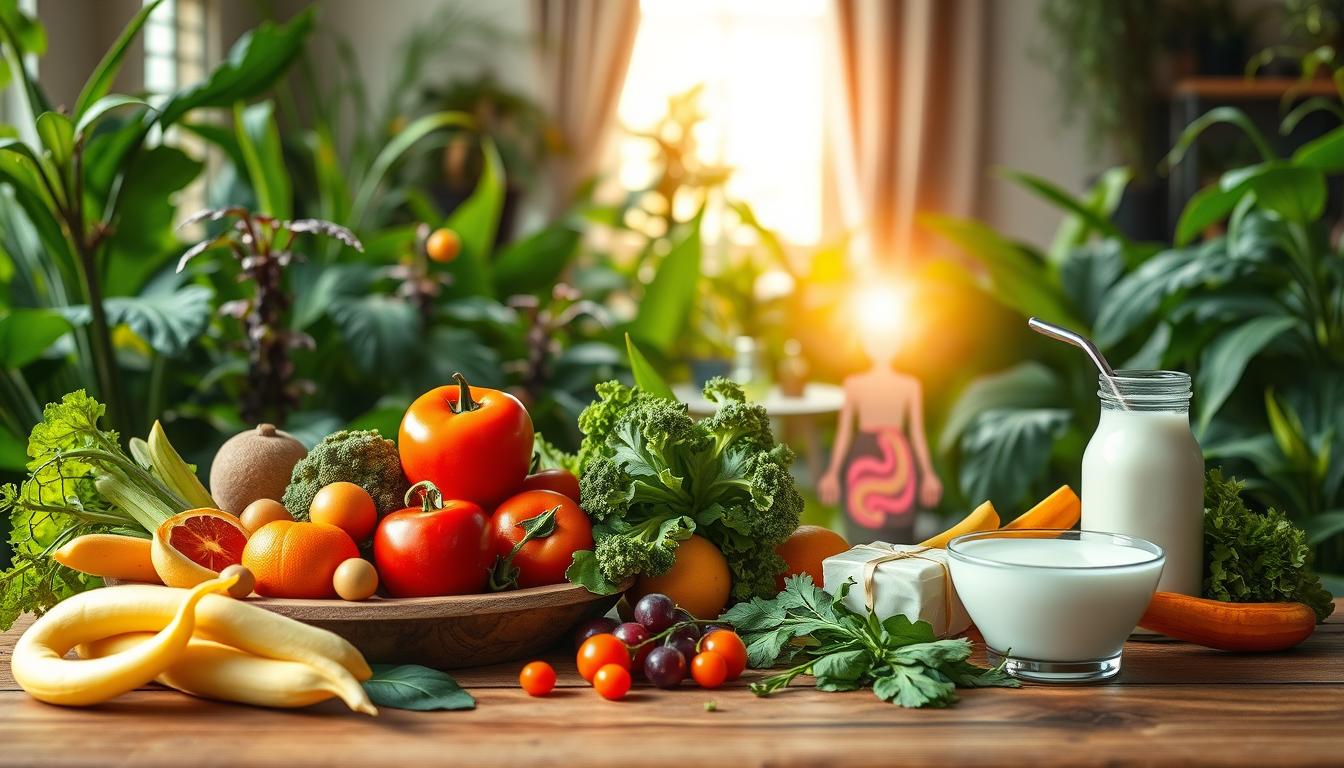
Gut health drives immunity. Probiotics (like yogurt) and prebiotics (found in bananas) keep gut bacteria thriving. Research shows kids with diverse gut microbiomes miss fewer school days due to colds or flu.
Fall and winter heighten risks. Cold weather and indoor crowding spike germ exposure. NIH studies highlight zinc’s role—kids with adequate levels recover 2x faster from infections.
“Daily nutrition builds resilience, not just during flu season but for life.”
Skip quick fixes. Focus on long-term habits like varied meals and stress-relieving supplements when needed. Small changes today mean fewer sick days tomorrow.
Key Nutrients to Strengthen Your Child’s Immune System
Certain vitamins and minerals play a vital role in keeping kids healthy. A balanced diet rich in these nutrients helps their bodies fight infections naturally. Focus on three essentials: vitamin D, zinc, and gut-supporting probiotics.
Vitamin D: Sunshine and Fortified Foods
Low vitamin D levels weaken defenses. Kids need 600 IU daily, but sunlight alone isn’t enough in winter. Include these foods:
- Fortified milk or orange juice
- Fatty fish like salmon
- Egg yolks
Zinc: Protein-Rich Sources for Defense
Zinc speeds up recovery from colds. Just 5–10 mg daily makes a difference. Top sources:
| Food | Zinc per Serving |
|---|---|
| Pumpkin seeds | 2.2 mg |
| Chicken | 1.3 mg |
| Lentils | 1.3 mg |
Probiotics and Prebiotics: Gut Health Essentials
A healthy gut means fewer sick days. Probiotics (like yogurt) fight harmful bacteria, while prebiotics (found in jicama) feed good bacteria. Aim for:
“1 cup of yogurt or fermented veggies daily to maintain gut balance.”
Try roasted asparagus fries or banana smoothies for prebiotic snacks.
Top Immune-Boosting Fruits and Vegetables
Colorful fruits and veggies pack a powerful punch for growing bodies. They’re rich in vitamins, antioxidants, and fiber—key players in supporting your child’s immune system. Incorporate these picks into meals for year-round health.
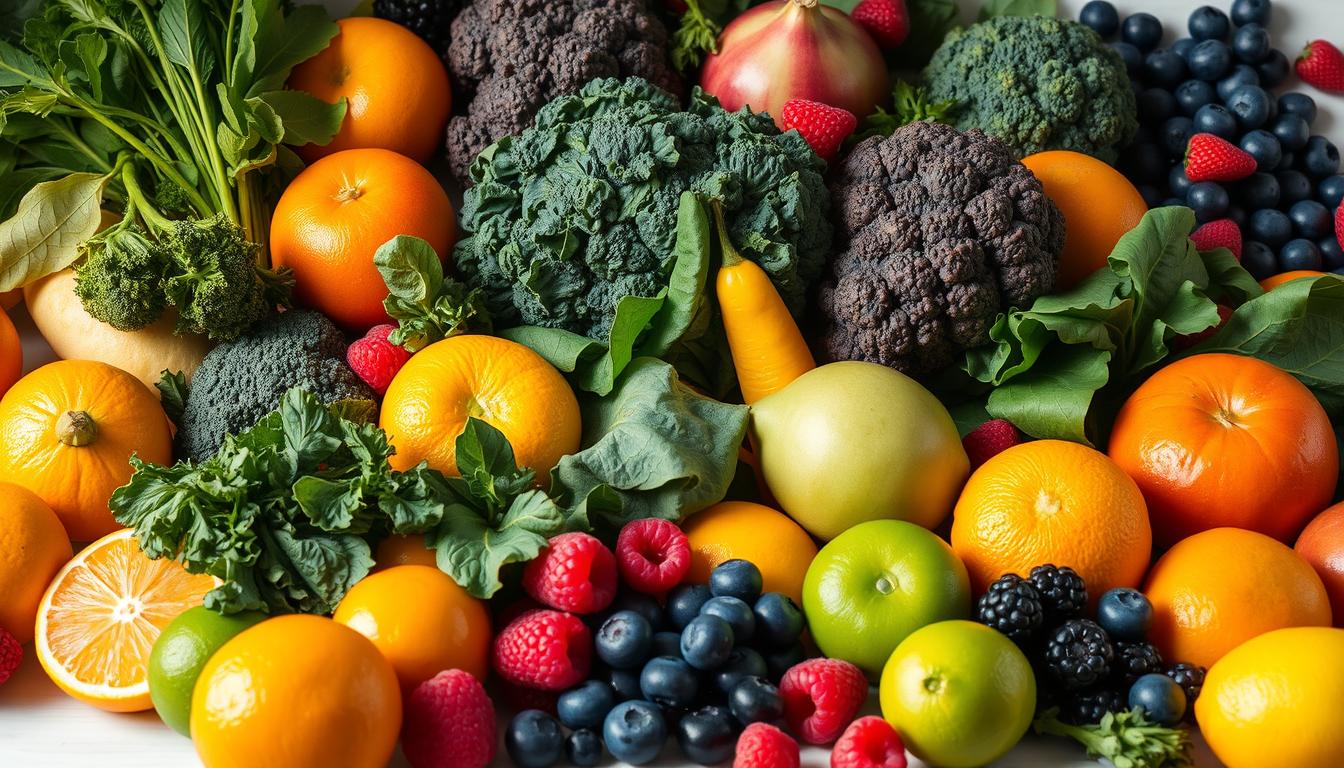
Citrus Fruits for Vitamin C
Oranges, grapefruits, and clementines are vitamin C powerhouses. This nutrient helps white blood cells fight infections faster. Try these kid-approved options:
- Mandarin oranges: Easy to peel and sweet.
- Strawberries: Slice them into yogurt or cereal.
| Fruit | Vitamin C per Serving |
|---|---|
| Orange (1 medium) | 70 mg |
| Kiwi (1 fruit) | 64 mg |
Dark Leafy Greens and Antioxidants
Spinach and kale offer iron and beta-carotene, which convert to vitamin A. Sneak them into smoothies or pasta sauces. Sauté with garlic for extra flavor.
Berries: Tiny but Mighty
Blueberries’ anthocyanins reduce inflammation. One cup provides 16% of daily vitamin C. Freeze them in yogurt for a *lunchbox-friendly* treat or bake into muffins.
“Frozen berries retain nutrients, making them perfect for oatmeal or smoothies year-round.”
Powerful Herbs and Spices for Immunity
Herbs and spices do more than add flavor—they can strengthen your child’s defenses. These natural ingredients have been used for centuries to support health and fight infections. Best of all, they’re easy to incorporate into everyday meals.
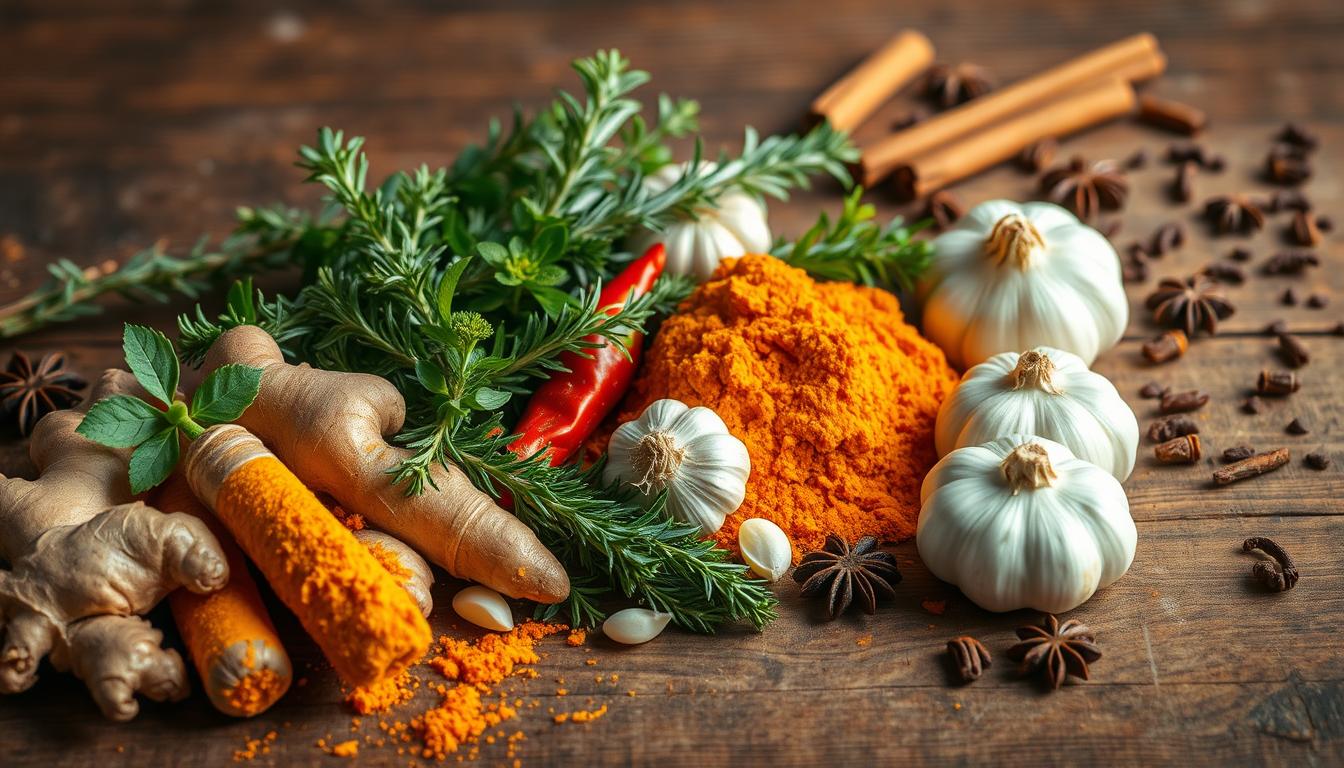
Garlic’s Antimicrobial Properties
Raw garlic contains allicin, a compound that fights bacteria and viruses. Add minced garlic to soups, pasta sauces, or roasted veggies. For picky eaters, try garlic-infused olive oil on bread.
Ginger for Digestion and Inflammation
Ginger soothes upset stomachs and reduces inflammation. Grate fresh ginger into teas or smoothies. It’s especially helpful during cold season.
Turmeric’s Immune-Modulating Effects
Turmeric contains curcumin, which enhances antibody responses. Mix it into warm milk with honey for “golden milk”—a bedtime favorite. Pair it with black pepper to boost absorption by 2,000%.
| Turmeric Pairing | Benefit |
|---|---|
| Turmeric + Black Pepper | Increases curcumin absorption |
| Turmeric + Healthy Fats (coconut milk) | Improves nutrient uptake |
“A pinch of spice daily can make a big difference in long-term wellness.”
Look for high-quality products like organic powders or fresh roots. Small doses add up to big benefits over time.
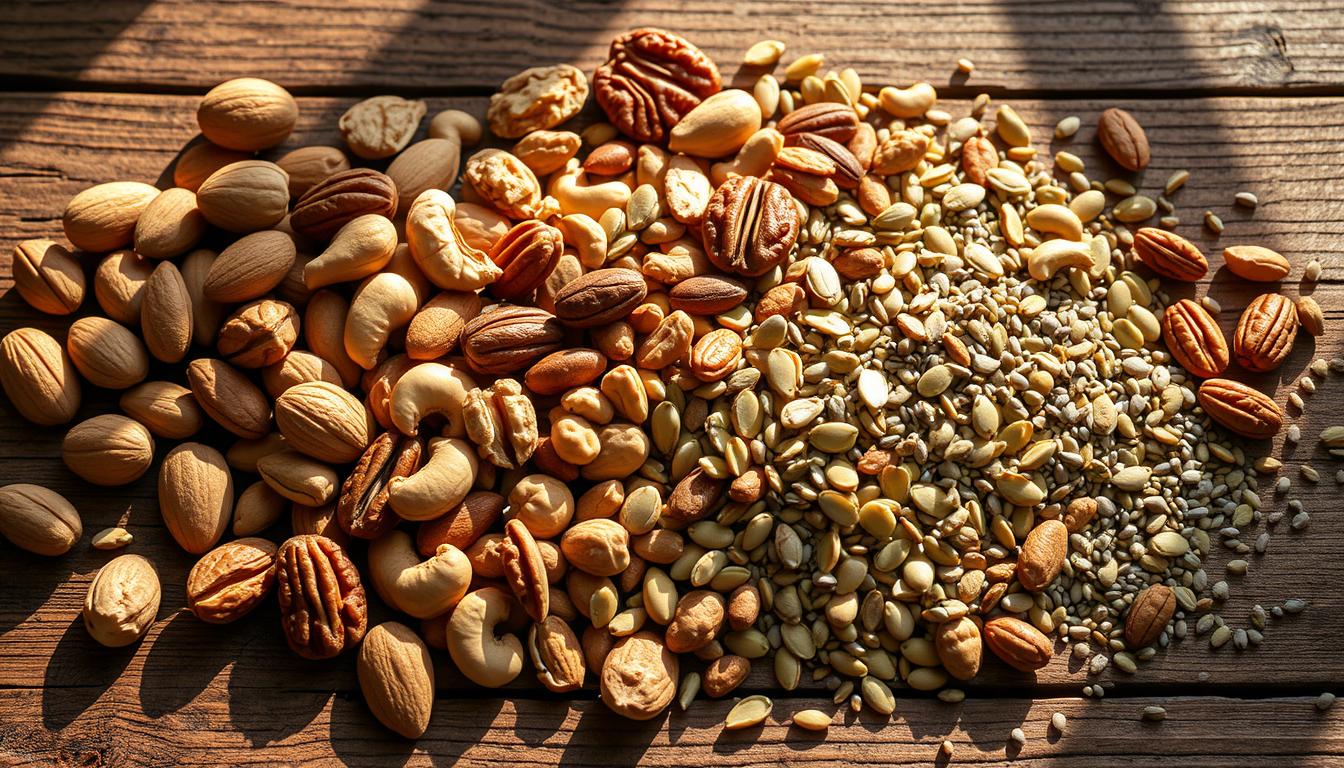
Nuts and Seeds: Nutrient-Dense Snacks
Small but mighty, nuts and seeds deliver essential nutrients in every bite. They’re perfect for lunchboxes or after-school snacks, offering a mix of healthy fats, protein, and minerals. Plus, their crunch keeps kids coming back for more.
Walnuts and Omega-3s
Walnuts are rich in omega-3 fatty acids, which reduce inflammation and support brain health. Just 1/4 cup provides a daily dose for kids. Try them:
- Chopped into oatmeal or pancakes.
- Paired with dried fruit for a trail mix.
Pumpkin Seeds for Zinc
Pumpkin seeds are a top source of zinc, with 1 oz offering 2.2 mg—nearly 20% of a child’s daily need. Roast them with cinnamon for a sweet, crunchy topping.
“Seeds are a sneaky way to add nutrients to picky eaters’ meals.”
Sprinkle them on salads or blend into homemade granola bars. Their versatility makes them a pantry staple.
Protein-Rich Foods to Fight Illness
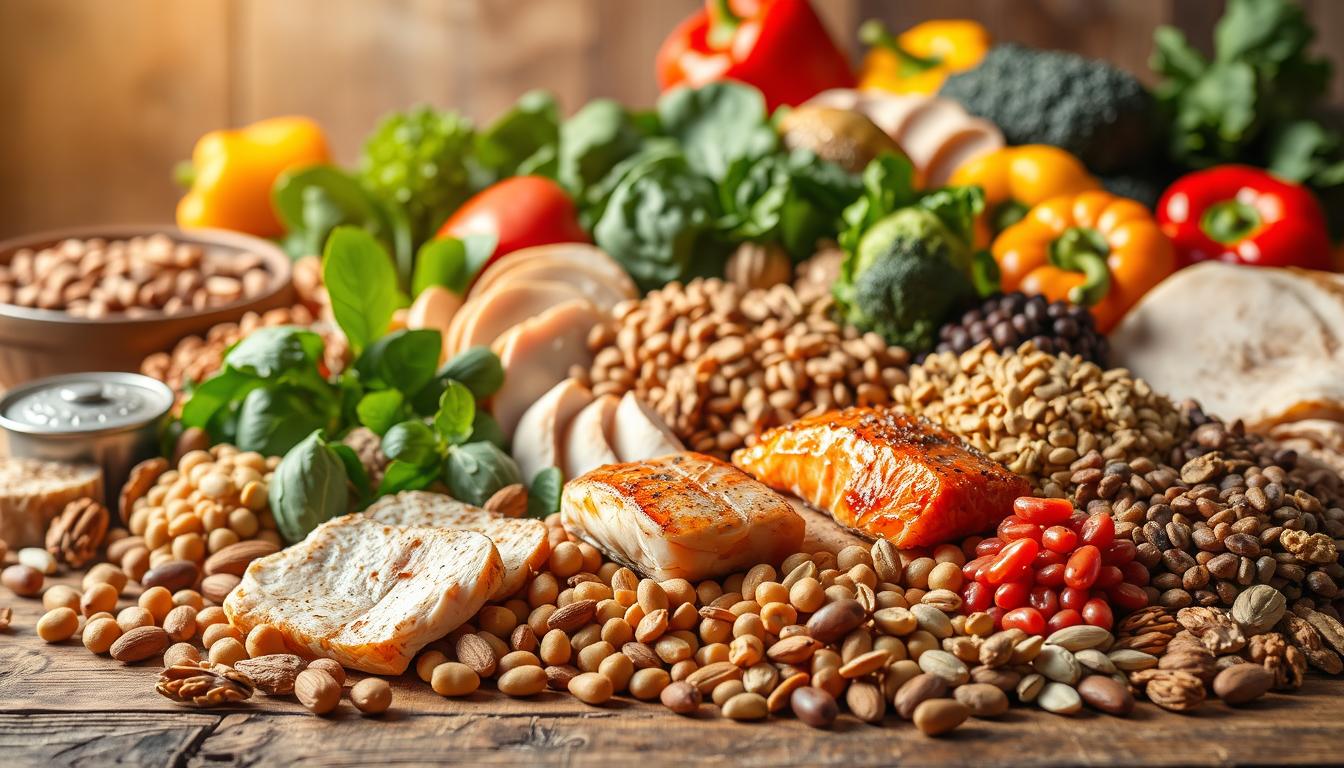
Protein is the building block of a strong immune system, especially for growing kids. It helps repair tissues and produce antibodies to combat infections. Focus on lean meats and fatty fish to give their diet an extra defense boost.
Fatty Fish Like Salmon
Salmon delivers omega-3s and vitamin D, which reduce inflammation. Bake or grill it with lemon for a kid-friendly meal. Aim for two servings weekly.
Poultry and Lean Meats
Chicken breast offers 1mg of zinc per 3oz—a mineral critical for immune function. Slow-cook it into soups for easy digestion or shred it for versatile dishes:
- Mix into whole-grain quesadillas with cheese.
- Toss with pasta and olive oil for a quick dinner.
| Protein Source | Key Nutrient | Serving Idea |
|---|---|---|
| Salmon | Omega-3s + Vitamin D | Lemon-garlic baked fillets |
| Chicken | Zinc + Iron | Shredded in soups or wraps |
“Lean proteins like turkey and fish provide amino acids that fuel immune cells without excess fat.”
Fermented Foods for Gut Health
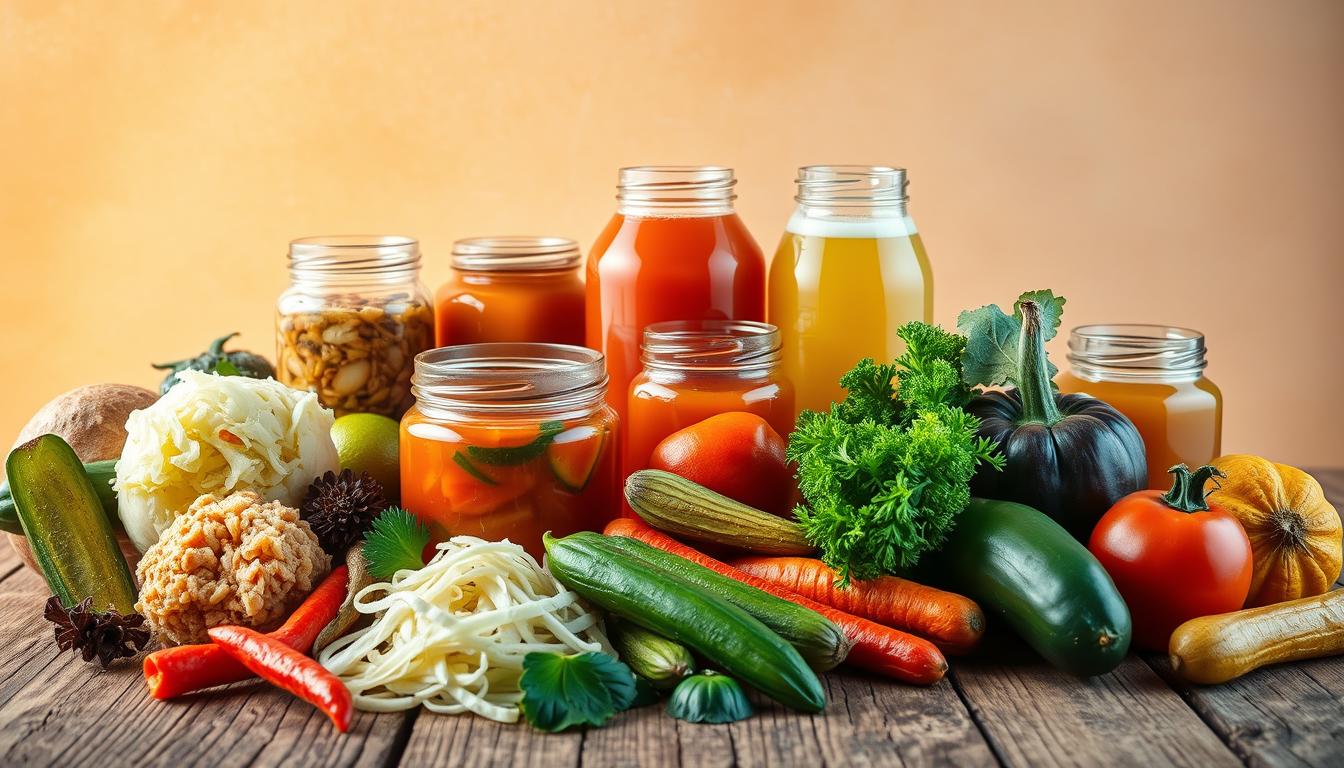
Fermented foods offer a tasty way to boost your child’s gut health naturally. Packed with probiotics, they help balance digestive bacteria and strengthen immunity. Start with small servings to let young palates adjust.
Yogurt with Live Cultures
Plain yogurt contains *live cultures* like Lactobacillus, which fight harmful bacteria. Opt for unsweetened versions and add honey or fruit. A daily cup supports digestion and reduces cold frequency.
Kefir and Sauerkraut
Kefir’s tangy flavor blends well into smoothies with berries. For sauerkraut, try adding a spoonful to turkey sandwiches or hot dogs. Both introduce diverse probiotics for long-term resilience.
“Fermented foods train the gut to resist infections, making them a smart addition to kids’ diets.”
- Mix kefir into pancake batter for a probiotic boost.
- Offer sauerkraut as a crunchy topping for tacos.
The Role of Sleep in Immune Function
Quality sleep is just as crucial as nutrition for your child’s immune defense. Kids need 9–12 hours nightly to recharge their bodies. Research shows poor rest increases infection risk by 50%, making bedtime routines non-negotiable.

During deep sleep, the immune system releases proteins called cytokines. These fight inflammation and infections. Less sleep means fewer cytokines—leaving kids vulnerable to colds and flu.
Try these science-backed tips for better rest:
- Screen-free wind-down: Avoid devices 1 hour before bed—blue light disrupts melatonin.
- Dark, cool rooms: Blackout curtains and white noise machines mimic ideal sleep conditions.
“Consistent sleep schedules train the body to fight germs more effectively.”
Small changes, like earlier bedtimes or calming bedtime stories, support long-term health. Prioritize sleep, and watch sick days drop.
Exercise: Keeping Kids Active and Resilient
Movement isn’t just fun—it’s a shield against sickness for growing kids. Research shows 60 minutes of daily play lowers inflammation and stress hormones, key triggers for weakened defenses. Active bodies produce more infection-fighting white blood cells.

Regular exercise trains the immune system to respond faster to threats. Even moderate activities like walking or jumping rope make a difference. Consistency matters more than intensity.
Try these family-friendly ideas to keep everyone moving:
- Bike rides: Explore local trails or parks together.
- Dance parties: Turn up favorite songs for 10-minute bursts.
- Soccer games: Backyard drills or casual matches.
“Active kids miss fewer school days—their bodies simply handle germs better.”
Pair movement with balanced meals for maximum resilience. Small steps today lead to healthier habits tomorrow.
Reducing Stress for a Healthier Immune System
Chronic stress weakens defenses, but simple daily habits can rebuild them. When kids face pressure, their cortisol levels rise, slowing immune system responses. Tools like mindfulness apps (Calm Kids) or deep-breathing exercises can lower stress hormones naturally.
Encourage creative outlets to process emotions. Journaling or drawing helps kids express feelings without words. Even 10 minutes of doodling after school can reset their mood.
- 5-4-3-2-1 technique: Name 5 things they see, 4 they feel, 3 they hear, 2 they smell, and 1 they taste—a grounding exercise for anxious moments.
- Gratitude jars: Write one positive thing daily to shift focus from stress.
“Calm minds fight germs better. Teach kids to pause and breathe before reactions.”
Pair these practices with consistent routines. Predictability reduces uncertainty, a major stress trigger. Small steps today foster resilience for life.
Conclusion
Building strong defenses for your child starts with simple, daily choices. Focus on nutrient-rich meals, active play, and quality sleep to support their immune system naturally.
Small changes add up. Try adding one new food or habit each week—like yogurt for probiotics or family bike rides. Consistency matters more than perfection.
Remember, kids thrive on routine. Pair balanced meals with stress-reducing activities and early bedtimes. These steps create lasting resilience, especially during school months.
Start today. Your child’s health is worth every effort.