Bloating affects over 30% of adults weekly, yet most never address the root causes. This uncomfortable swelling often stems from trapped gas in your digestive tract. While occasional discomfort is normal, persistent symptoms can disrupt daily life.
Simple adjustments to your habits and food choices often make the biggest difference. Unlike temporary fixes, sustainable solutions focus on improving digestion long-term. This approach reduces reliance on medications and supports overall wellness.
Common triggers include eating too quickly, high-sodium meals, or specific hard-to-digest foods. Identifying your personal patterns helps create targeted strategies. Even small changes—like adjusting portion sizes or hydration—can yield noticeable results.
Key Takeaways
- Bloating frequently results from gas buildup caused by diet or eating habits
- Targeted food adjustments often provide faster relief than generic solutions
- Digestive health directly impacts energy levels and immune function
- Most effective remedies work within hours without harsh side effects
- Preventive strategies reduce recurrence better than reactive treatments
This guide explores science-backed methods to ease discomfort while enhancing nutrient absorption. You’ll learn why some popular fixes fail and how to customize approaches for your body’s needs.
Understanding Bloating and Poor Digestion
Persistent abdominal swelling often stems from imbalances in your digestive system. While occasional discomfort is normal, recurring issues frequently link to specific dietary patterns or health conditions. Identifying these connections empowers you to address the source rather than just symptoms.
What Causes Bloating?
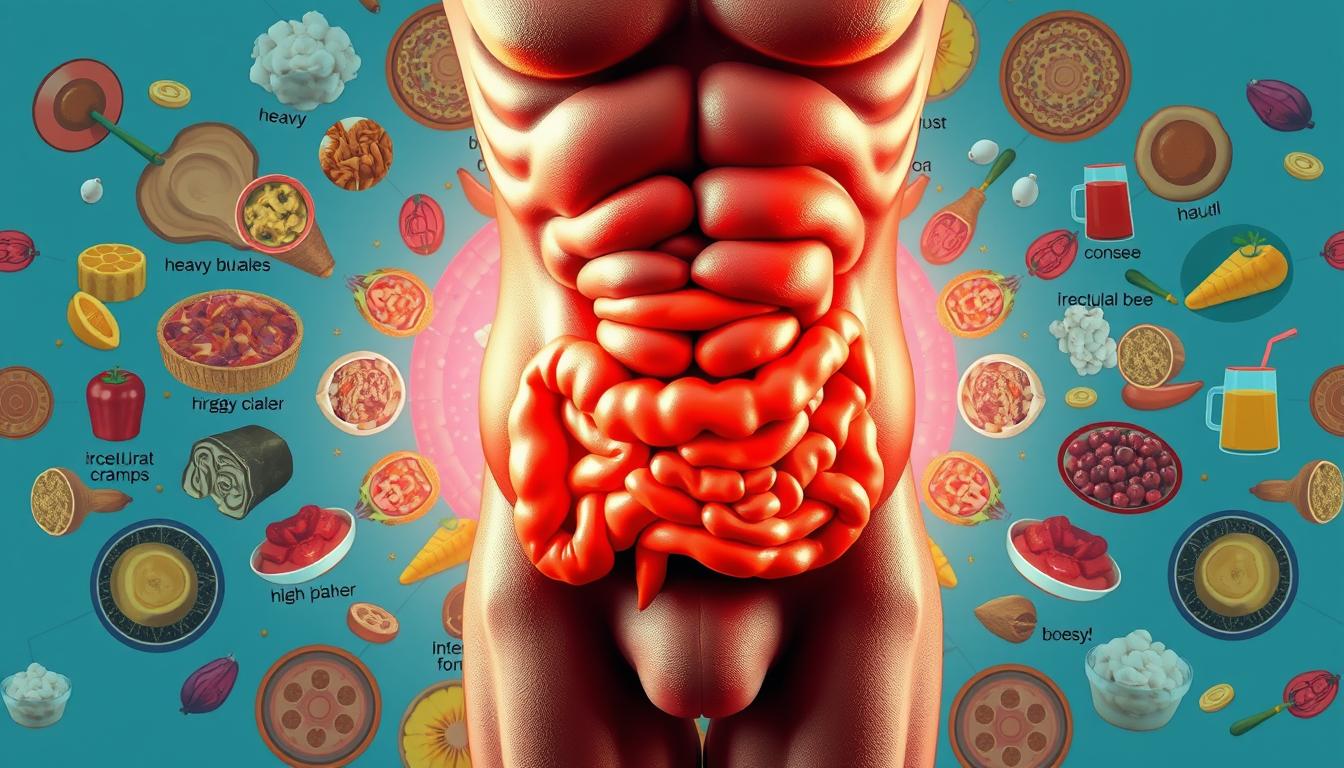
Bloating occurs when excess gas builds up in your intestines, creating pressure and distension. Common triggers include lactose intolerance, high-fiber foods, or hormonal shifts during menstrual cycles. For those with irritable bowel syndrome, even small amounts of gas can cause disproportionate discomfort.
Signs Your Digestion Needs Support
Poor digestion often reveals itself through fatigue after meals, irregular bowel movements, or frequent heartburn. Chronic issues like inflammatory bowel disorders may worsen these symptoms. Pay attention to how your body reacts to foods like beans, dairy, or carbonated drinks—these often contribute to gas buildup.
Your diet plays a pivotal role. Fermented foods like yogurt or sauerkraut may help balance gut bacteria and reduce bloating. Conversely, processed snacks and sugary drinks strain your digestive process. Naturopathic approaches, such as mindful eating or herbal teas, complement medical advice for holistic relief.
Recognizing early warning signs allows timely adjustments. Pairing scientific insights with practical lifestyle changes creates sustainable improvements in gut health and overall well-being.
Quick Natural Remedies for Bloating and Poor Digestion
When digestive discomfort strikes, simple solutions can bring fast relief. Herbal aids and targeted techniques often work within hours, making them ideal for urgent situations. Pairing these with smart product choices addresses both immediate symptoms and long-term gut health.

Plant-Based Support and Pharmacy Finds
Peppermint tea relaxes intestinal muscles, easing cramping and pain caused by gas buildup. Chamomile’s anti-inflammatory properties calm irritated digestive linings. For stubborn gas, simethicone-based tablets break up bubbles in your system without harsh chemicals.
| Remedy Type | Primary Action | Best For |
|---|---|---|
| Peppermint Tea | Muscle relaxation | Abdominal cramps |
| Chamomile Infusion | Inflammation reduction | General discomfort |
| Gas Relief Capsules | Gas bubble breakdown | Sudden flare-ups |
Movement and Dietary Tweaks
Gentle clockwise abdominal massage helps move trapped air through your colon. A 10-minute walk after meals stimulates digestion better than lying down. Fermented foods like kefir introduce beneficial bacteria, crowding out gas-producing strains.
While these approaches ease most cases, consult a doctor if symptoms suggest underlying conditions like inflammatory bowel disease. Persistent issues may require professional evaluation to rule out serious causes.
Lifestyle and Dietary Modifications for Digestive Health
Daily habits shape your gut’s efficiency more than you might realize. Strategic adjustments to what—and how—you consume nutrients can transform digestive comfort. These changes also help prevent complications like constipation or irritable bowel syndrome flare-ups.

Adjusting Your Diet to Prevent Bloating
Start by swapping processed products with fiber-rich whole foods. Beans, oats, and leafy greens keep your digestive tract moving smoothly. Eating smaller, regular meals prevents overwhelming your system. For example, replace sugary snacks with sliced apples and almond butter.
Limit carbonated drinks and artificial sweeteners—common gas triggers. Instead, hydrate with water infused with cucumber or mint. This simple way to upgrade fluid intake supports nutrient absorption and reduces bloating.
Integrating Exercise and Hydration into Your Routine
Light activity like brisk walking stimulates intestinal muscles. Aim for 15-minute sessions after eating to aid food movement. Pair this with consistent water intake—half your body weight in ounces daily.
Even minor tweaks, like stretching during work breaks, improve circulation to abdominal organs. Over time, these habits create a resilient digestive foundation without drastic lifestyle overhauls.
Home-Based Techniques to Ease Digestive Discomfort
Your living space can become a healing environment for digestive support. Simple practices requiring minimal equipment address discomfort while strengthening your body’s natural rhythms. These methods work particularly well when combined with dietary changes tailored to your needs.

Abdominal Massage and Gentle Yoga Poses
Begin with a self-massage technique to stimulate your abdomen. Using light pressure, move your palms clockwise from the lower right hip toward the ribs. This mimics intestinal pathways, helping trapped gas move through your system. Perform this for 5 minutes before meals.
Yoga poses like Child’s Pose compress the belly gently, encouraging gas release. Happy Baby Pose opens the hips while massaging the lower digestive tract. Hold each position for 30 seconds, breathing deeply to relax muscles.
Benefits of Warm Baths and Relaxation Practices
Warm water immersion reduces cortisol levels, which often worsen IBS symptoms. Add Epsom salts to baths for magnesium absorption—a mineral that relaxes intestinal walls. Pair this with evening meditation to calm your nervous system.
| Technique | Primary Benefit | Ideal Frequency |
|---|---|---|
| Abdominal Massage | Gas movement | Daily |
| Child’s Pose | Pressure relief | 3x/week |
| Epsom Salt Bath | Muscle relaxation | 2x/week |
Limit lactose and added sugar if they’re known causes of your discomfort. Create a nightly routine combining these remedies for cumulative benefits. Consistency matters more than intensity—even 10-minute sessions yield results.
Incorporating Essential Oils and Supplements
Harnessing plant power and microbial allies creates a multi-pronged approach to gut wellness. These tools work best when combined with dietary adjustments, offering targeted relief for stubborn symptoms.

Plant Extracts That Soothe Your Gut
Peppermint oil relaxes intestinal muscles within 30 minutes of use, making it ideal for sudden discomfort. Chamomile’s anti-inflammatory properties calm irritated digestive linings—steep 1 teaspoon of dried flowers in hot water for 10 minutes.
- Dilute 2 drops peppermint oil in carrier oil before abdominal massage
- Drink chamomile tea 20 minutes before meals to help reduce bloating
- Avoid peppermint if you have GERD or hiatal hernia
Microbial Support and Dietary Boosters
Probiotics crowd out gas-producing bacteria, especially beneficial for those managing inflammatory bowel disease. Look for strains like Bifidobacterium infantis or Lactobacillus plantarum in refrigerated supplements.
Fiber supplements prevent constipation while supporting healthy colon function. Start with half the recommended dose to avoid gas—gradually increase over two weeks. Psyllium husk works best when taken with 8oz of water.
Quality matters: Choose third-party tested products with expiration dates. Pair these ways of supplementing with your existing routine, but consult your doctor if symptoms persist. Some essential oils may cause bloating in sensitive individuals if used incorrectly.
| Supplement Type | Best Time to Use | Key Benefit |
|---|---|---|
| Peppermint Oil | After meals | Muscle relaxation |
| Probiotics | Morning empty stomach | Gut flora balance |
| Psyllium Husk | With breakfast | Steady weight management |
When to Consult a Healthcare Professional
Recognizing when self-care isn’t enough is crucial for lasting digestive health. While many issues resolve with lifestyle changes, some signals demand expert evaluation. Listening to your body prevents minor concerns from becoming complex problems.
Identifying When Symptoms Require Medical Attention
Persistent excess gas lasting over three weeks warrants investigation. Sudden weight loss paired with abdominal pain often indicates deeper issues. Blood in stool or vomiting requires immediate care—don’t dismiss these warnings.
Track reactions to dairy products carefully. Lactose intolerance causes temporary discomfort, but similar symptoms might mask inflammatory conditions. If eliminating triggers brings no relief, seek clinical insight.
Understanding Underlying Conditions Needing Diagnosis
Chronic issues like bowel disease often mimic routine indigestion initially. Conditions like celiac disease or Crohn’s require specialized testing for accurate identification. Early detection improves treatment outcomes significantly.
Your digestive tract communicates through patterns. Notice if discomfort follows meals or interrupts sleep consistently. These clues help professionals pinpoint causes that home methods can’t help reduce.
When symptoms persist despite targeted efforts, see doctor evaluations become essential. Diagnostic tools like breath tests or endoscopies reveal hidden triggers. Prioritizing timely care protects long-term wellness and prevents complications.
Conclusion
Optimal digestive health is within reach when combining practical strategies with consistent effort. Addressing both symptoms and root causes—like food intolerances or imbalanced gut bacteria—creates lasting change. Small dietary shifts, such as prioritizing whole foods, often yield faster results than temporary fixes.
Integrating targeted supplements like fiber or probiotics supports your body’s natural processes. Pair these with mindful hydration and movement to maintain steady improvements. For inspiration, explore our nutrient-packed smoothie recipes that blend digestion-friendly ingredients with flavor.
Stay proactive by tracking how your body responds to different approaches. While natural methods work for many, persistent issues warrant professional guidance. Every step toward better gut function strengthens overall wellness—start with one adjustment today and build from there.