Did you know that over 3.5 billion doses of COVID-19 vaccines have been administered globally? This massive effort highlights the importance of understanding what goes into these life-saving tools. While vaccines are designed to protect your immune system, many people are curious about their ingredients and how they affect the body.
Vaccines contain active components and additional substances called excipients. These excipients play a crucial role in ensuring the vaccine works effectively and remains stable. However, some people worry about their potential effects on health. It’s essential to separate fact from fear and rely on trusted sources like the WHO and NHS for accurate information.
This article explores the balance between vaccine safety and awareness of its components. It also provides evidence-based strategies to support your immune system post-vaccination. By understanding these ingredients, you can make informed decisions about your health without unnecessary concern.
Key Takeaways
- Vaccines contain excipients that ensure effectiveness and stability.
- Understanding vaccine components helps address common concerns.
- Trusted sources like WHO and NHS provide reliable information.
- Natural strategies can support your immune system after vaccination.
- Balancing awareness and safety is key to informed decision-making.
What Are Vaccine Excipients and Why Should You Care?
Behind every vaccine lies a carefully crafted combination of ingredients. While the active components get most of the attention, other substances play a vital role in ensuring effectiveness and stability. These are known as excipients.

Excipients are inactive ingredients that enhance the performance of vaccines. They help maintain the integrity of the active components and ensure the immune response is strong and targeted. Without them, vaccines might not work as intended.
Understanding the Role of Excipients in Vaccines
One key function of excipients is to act as adjuvants. For example, aluminium salts bind to proteins and stimulate the immune system. This process helps your cells recognize and respond to the active ingredients more effectively.
Stabilizers are another type of excipient. They protect the vaccine from damage during storage and transport. Sugars like sucrose are commonly used for this purpose. Preservatives, such as thiomersal, prevent contamination and ensure safety.
Common Excipients Found in Vaccines
Here are some examples of excipients you might find in vaccines:
- Adjuvants: Aluminium salts, which enhance the immune response.
- Stabilizers: Sugars and amino acids that protect the vaccine.
- Preservatives: Substances like thiomersal to prevent contamination.
According to the NHS, the amount of aluminium in vaccines is minimal—less than 2mg per dose. This ensures safety while maintaining effectiveness.
“Excipients undergo rigorous safety testing to ensure they meet strict standards.”
Understanding these ingredients is crucial for informed consent. Knowing what goes into vaccines helps people make confident decisions about their health.
Aluminium in Vaccines: What You Need to Know
Aluminium is often discussed in the context of vaccines, but its purpose is often misunderstood. This ingredient plays a critical role in ensuring vaccines work effectively. Let’s break down how it functions and address common concerns about its safety.

How Aluminium Salts Work as Adjuvants
Aluminium salts are used as adjuvants in many vaccines. They help stimulate your immune system by delaying the release of antigens. This process ensures a stronger and more targeted response to the vaccine. For example, a single dose typically contains between 0.2 to 0.5mg of aluminium, which is far below safety thresholds.
In comparison, adults consume about 30 to 50mg of aluminium daily through food and water. This means the amount in vaccines is minimal and well within safe limits. A 2011 study confirmed that infant exposure to aluminium through vaccines is below the WHO’s safety standards.
Safety and Health Concerns Surrounding Aluminium
Some people worry about the potential risks of aluminium in vaccines. While rare, side effects like granulomas (small lumps at the injection site) can occur in about 1% of cases. Contact allergies are also possible but uncommon.
Claims linking aluminium to Alzheimer’s or cancer have been disproven. A 2004 UK study found no evidence supporting these connections. Additionally, your body naturally eliminates aluminium through the kidneys, ensuring it doesn’t accumulate to harmful levels.
“The amount of aluminium in vaccines is carefully regulated to ensure safety while maintaining effectiveness.”
For children, the total aluminium exposure from vaccines is minimal. UK infants receive less than 1.5mg per vaccination, and a 2018 study found no correlation between vaccine aluminium and levels in blood or hair. This highlights the safety of vaccines containing aluminium.
Other Key Ingredients in Vaccines
Understanding the components of vaccines can help clarify their safety and effectiveness. Beyond the active ingredients, these products rely on additional substances to ensure stability and performance. Let’s explore some of these key components.

Preservatives and Stabilizers
Preservatives like thiomersal have historically been used to prevent contamination. While its use is now restricted by the FDA, it remains a topic of discussion. Stabilizers, such as sucrose, protect vaccines from temperature changes during storage and transport.
These ingredients ensure that the products remain effective until they reach you. Without them, vaccines could lose their potency, reducing their ability to protect your health.
Emulsifiers and Other Additives
Emulsifiers like polysorbate 80 ensure that all components mix evenly. This homogeneity is crucial for consistent dosing and effectiveness. Trace additives, such as formaldehyde, are used in minimal amounts (
Antibiotic residues, like neomycin, are included to prevent bacterial contamination. These antibiotics are carefully regulated to ensure safety. According to EMA guidelines, the levels of these additives are well within acceptable limits.
“The safety of vaccine components is rigorously tested to meet global standards.”
By understanding these ingredients, you can feel confident in the safety and effectiveness of the products designed to protect your health.
Potential Side Effects of Vaccine Excipients
Reactions to vaccines can vary, but most are mild and temporary. Understanding these responses helps you know what to expect and when to seek medical advice. Let’s explore common and rare side effects associated with vaccine components.
Common Reactions at the Injection Site
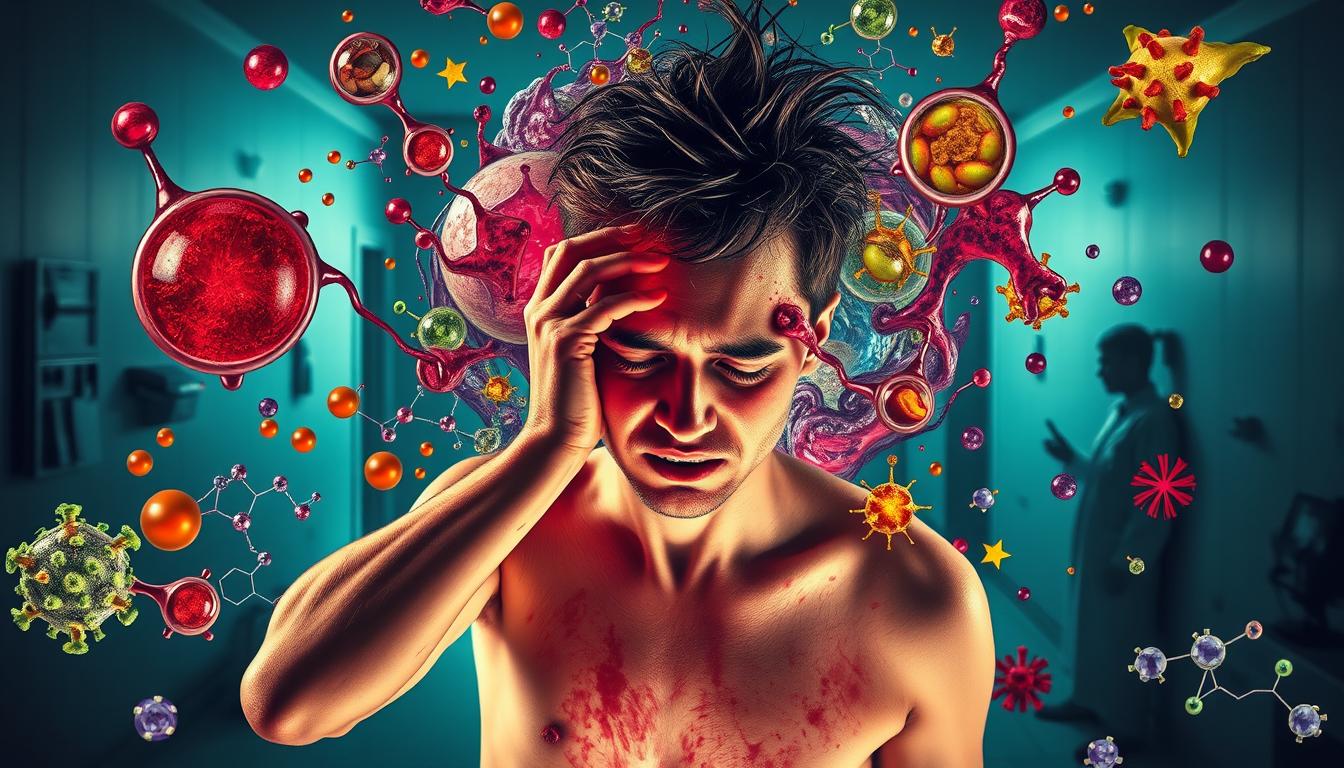
Many people experience mild reactions at the injection site. These include redness, swelling, and tenderness. For example, erythema (redness) occurs in about 33% of cases, while induration (firmness) is seen in 15%.
Fatigue and mild fever are also common. These symptoms usually resolve within a day or two. They indicate your immune system is responding as expected.
Rare but Serious Side Effects
In rare cases, more serious reactions can occur. Granulomas, small lumps at the injection site, appear in about 1% of people receiving aluminium-containing vaccines. These are harmless but may persist for weeks.
Severe allergic reactions, like anaphylaxis, are extremely rare—occurring in 1 to 3 cases per million doses. The CDC recommends monitoring for symptoms like difficulty breathing or swelling of the face and throat.
“Monitoring for symptoms after vaccination is crucial to ensure safety and address concerns promptly.”
Some theories suggest molecular mimicry could trigger autoimmune responses. However, evidence supporting this is limited. Claims about “toxin overload” are also unfounded, as the body efficiently processes these components.
By staying informed, you can distinguish between expected responses and adverse events. Always consult healthcare professionals if you have concerns about your health.
Debunking Myths About Vaccine Detox
Misinformation about vaccine detox has spread widely, but the facts tell a different story. Many people may believe that vaccines leave harmful toxins in the body, requiring special detox methods. However, this is not supported by scientific evidence.

Why Detoxing from Vaccines Is Unnecessary
The idea that vaccines leave harmful residues is a myth. For example, mRNA vaccines, like the covid-19 vaccine, degrade completely within 72 hours. This process ensures that no lingering components remain in your system.
Claims about detox methods, such as borax baths or ivermectin, are not only unsupported but also dangerous. The FDA has issued warnings against using ivermectin for this purpose, as it can lead to severe health risks.
The Dangers of Misinformation on Social Media
Social media plays a significant role in spreading debunked theories. Platforms amplify unverified claims, leading many to believe in harmful practices. For instance, high-fat diets marketed as “toxin-binding” lack any scientific basis.
Research from UCSF confirms that vaccine proteins are cleared naturally by the body. This process makes detox methods unnecessary and potentially harmful. Always consult a doctor before trying unproven treatments.
“Misinformation can lead to harmful practices. It’s crucial to rely on verified sources for health decisions.”
By understanding the science behind vaccines, you can avoid falling for myths. Trusting reliable sources ensures your health decisions are based on evidence, not fear.
Natural Ways to Support Your Immune System Post-Vaccination
Supporting your immune system after vaccination involves simple yet effective strategies. By focusing on nutrition and lifestyle, you can enhance your body’s ability to recover and stay healthy. Let’s explore practical steps to achieve this.

Nutritional Strategies for Recovery
Eating the right food can make a significant difference. Anti-inflammatory options like omega-3-rich fish, turmeric, and berries help reduce inflammation. These foods also provide essential nutrients that support your immune system.
Hydration is equally important. Men should aim for 3.7 liters of water daily, while women need about 2.7 liters. Staying hydrated ensures your body functions optimally.
Supplements like vitamins and zinc can also help. The NHS recommends 600-800 IU of vitamin D and 11mg of zinc daily. These nutrients play a key role in maintaining immunity.
Lifestyle Changes to Boost Immunity
Sleep is crucial for recovery. Aim for 7-9 hours each night to allow your body to repair and regenerate. Quality sleep enhances your immune system’s response.
Regular exercise is another powerful tool. The CDC suggests 150 minutes of moderate activity weekly. This can include walking, cycling, or yoga, which also reduces stress.
Stress management techniques like mindfulness and deep breathing can further support your health. These practices help maintain balance and improve overall well-being.
| Category | Recommendation |
|---|---|
| Hydration | 3.7L/day (men), 2.7L/day (women) |
| Exercise | 150 mins/week moderate activity |
| Sleep | 7-9 hours/night |
“Balanced nutrition and a healthy lifestyle are the foundation of a strong immune system.”
Understanding the Immune Response to Vaccines
Your body’s defense system is a complex network that responds to threats in remarkable ways. When you receive a vaccine, it activates a series of processes designed to protect you from harmful pathogens. This involves multiple types of cells working together to create a strong and lasting defense.
How Vaccines Teach Your Body to Fight Diseases
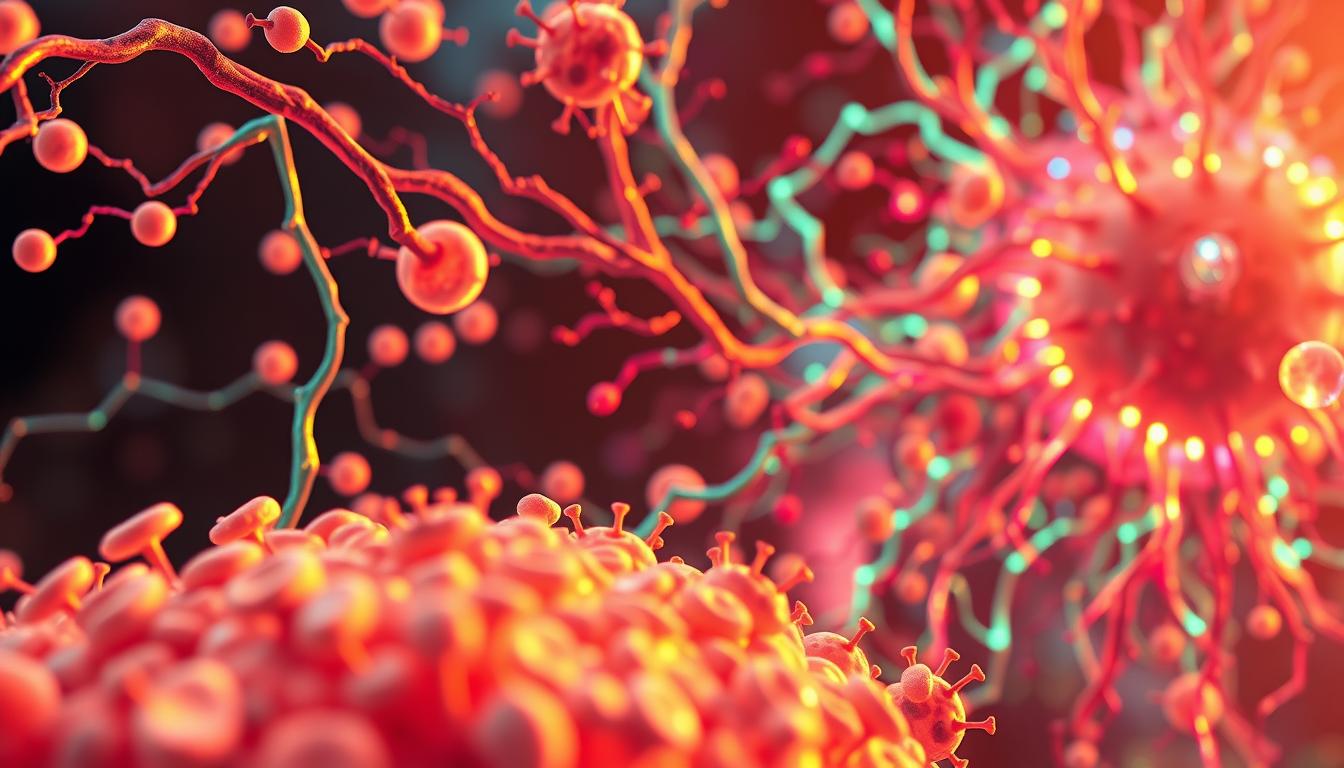
Vaccines introduce a harmless piece of a virus or bacteria into your system. This triggers antigen-presenting cells to recognize the threat and alert other immune cells. B-cells and T-cells then collaborate to produce antibodies, which are specialized proteins that neutralize the pathogen.
For example, mRNA vaccines create spike protein antibodies that can last 6 to 12 months or longer. This process ensures your body is prepared to fight off the actual disease if exposed in the future.
The Role of Antibodies in Long-Term Protection
Antibodies play a crucial role in blocking the entry of harmful pathogens. They bind to the virus or bacteria, preventing it from infecting your cells. This mechanism is known as neutralization and is key to stopping the spread of disease.
Memory cells are another critical component. They “remember” the pathogen, allowing your immune system to respond quickly if you encounter it again. Studies from Oxford University show that COVID-19 vaccines remain effective against multiple variants, thanks to this adaptive immunity.
“The immune system’s ability to remember pathogens is what makes vaccines so effective in preventing disease.”
By understanding these processes, you can appreciate how vaccines prepare your body to defend itself. This knowledge helps clarify their role in maintaining public health and preventing outbreaks.
Vaccine Safety: What the Evidence Says
Vaccine safety is a topic that sparks significant discussion and concern. Understanding the rigorous testing and monitoring processes can help address common worries. Let’s explore the evidence behind vaccine safety and how it ensures protection for both children and adults.
Rigorous Testing and Monitoring of Vaccines
Developing a vaccine typically takes 10 to 15 years. This timeline includes multiple phases of clinical trials to ensure safety and effectiveness. Phase I trials involve a small group of participants, while Phase IV monitors long-term effects post-approval.
The MHRA’s Yellow Card Scheme is one example of ongoing monitoring. It allows healthcare professionals and the public to report adverse reactions. This system helps identify rare side effects that may not appear during initial trials.
Every manufactured batch undergoes strict testing. This ensures consistency and safety across all doses. Regulatory bodies like the FDA and EMA set high standards for approval and quality control.
Addressing Common Concerns About Vaccine Safety
One common concern is the link between vaccines and autism. A Danish cohort study involving 650,000 children found no evidence to support this claim. The research debunked the myth, reaffirming vaccine safety.
Another worry is delayed onset reactions. Post-marketing surveillance typically lasts six weeks. This period helps detect any rare side effects that might appear after initial use.
Comparing risks, the dangers of diseases far outweigh those of vaccines. For example, measles encephalitis occurs in 1 in 1,000 cases, while serious vaccine reactions are extremely rare.
| Concern | Evidence |
|---|---|
| Autism Link | No evidence in 650,000-child study |
| Delayed Reactions | 6-week post-marketing surveillance |
| Risk Comparison | Measles encephalitis 1:1,000 vs. rare vaccine reactions |
“The safety of vaccines is supported by decades of research and rigorous monitoring.”
By understanding the evidence, you can feel confident in the safety of vaccines. Trusting reliable sources ensures informed decisions about your health and the health of your loved ones.
Conclusion
Understanding vaccine components helps you make informed health decisions. Excipients play a vital role in ensuring effectiveness and stability. Global surveillance systems continuously monitor safety, providing reliable evidence.
For accurate updates, consult trusted resources like the NHS or WHO. Supporting your immune system through proper nutrition and lifestyle is more effective than unproven detox methods.
Stay informed and prioritize your health. Consult your healthcare provider to ensure you’re up-to-date with recommended vaccinations. This proactive approach protects both you and your community.