Did you know that over 45% of Americans have tried some form of diet in the past year? With so many options available, it’s no wonder people are debating which approach works best. Two popular methods—low-carb and clean eating—have gained significant attention for their potential to support health and weight management.
Low-carb diets focus on reducing carbohydrate intake, which may help your body burn fat more efficiently. On the other hand, clean eating emphasizes whole, unprocessed foods, ensuring your body gets the nutrients it needs. Both approaches have unique benefits, but the right choice depends on your personal goals and lifestyle.
Recent studies show that low-carb plans can reduce hunger and improve blood sugar control. Meanwhile, clean eating promotes long-term health by focusing on nutrient-dense foods. Whether you’re looking to shed a few pounds or improve your overall well-being, understanding these strategies can help you make an informed decision.
Key Takeaways
- Low-carb diets may boost fat burning and reduce hunger.
- Clean eating focuses on whole, nutrient-dense foods.
- Both approaches can support weight management and health.
- Individual goals should guide your choice of diet plan.
- Short-term and long-term outcomes vary between the two methods.
Understanding Low-Carb and Clean Eating Diets
Exploring the differences between low-carb and clean eating can help you decide which suits your lifestyle. Both approaches aim to improve health, but they focus on different aspects of nutrition. Let’s break down what each diet entails and how they compare.
What is a Low-Carb Diet?
A low-carb diet reduces your carbohydrate intake to between 20 and 130 grams per day. This approach encourages your body to enter ketosis, a metabolic state where it burns fat for energy instead of carbs. There are two main tiers: very low-carb (less than 50 grams) and standard low-carb (less than 130 grams).
Foods to avoid on a low-carb plan include grains, sweets, starchy vegetables, and sugary drinks. Instead, you’ll focus on high-fat and high-protein sources like meats, eggs, and healthy oils. The keto diet is a popular version of this approach, emphasizing a high-fat, moderate-protein, and very low-carb ratio.
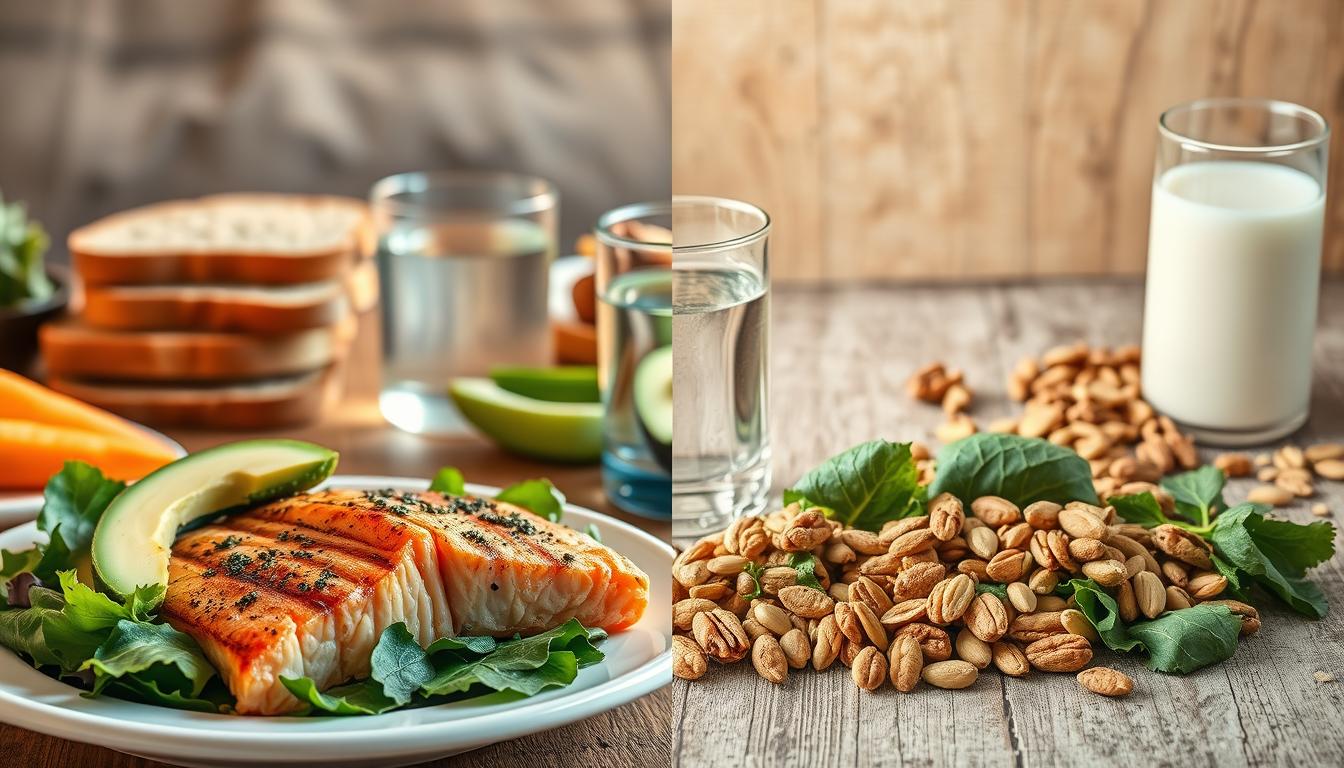
What is Clean Eating?
Clean eating emphasizes whole, unprocessed foods. This approach prioritizes nutrient-dense options like grass-fed meats, wild-caught fish, nuts, seeds, and fresh produce. Unlike restrictive diets, clean eating focuses on food quality rather than macronutrient ratios.
Processed foods, artificial additives, and refined sugars are avoided. Instead, you’ll enjoy meals made from scratch using natural ingredients. While clean eating doesn’t limit carb intake, it encourages choosing healthy sources like fruits, vegetables, and whole grains.
| Aspect | Low-Carb Diet | Clean Eating |
|---|---|---|
| Carb Intake | 20-130g/day | No specific limit |
| Focus | Fat and protein | Whole, unprocessed foods |
| Key Foods | Meats, eggs, oils | Fruits, vegetables, nuts |
| Goal | Ketosis, fat burning | Nutrient density, long-term health |
Both diets eliminate refined sugars, but they differ in their approach to fat sources. Low-carb prioritizes high-fat foods, while clean eating emphasizes natural, unprocessed fats. Understanding these differences can help you choose the right plan for your goals.
Effectiveness for Weight Loss: Low-Carb vs. Clean Eating
When it comes to shedding pounds, the approach you choose can make all the difference. Both low-carb and clean eating have proven effective, but their results vary depending on your timeline and goals. Let’s explore how each method performs in the short and long term.

Short-Term Weight Loss Results
Low-carb diets often lead to rapid initial weight loss. This is partly due to a drop in water weight, as your body depletes its glycogen stores. A 6-month study found that participants on a low-carb plan lost three times more weight compared to those on a low-fat diet.
Another key factor is hunger regulation. Low-carb diets reduce the hormone ghrelin, which controls appetite. This helps you feel fuller for longer, making it easier to stick to your plan. In a 12-week study, adolescents on a low-carb diet lost 21.8 pounds, compared to just 9 pounds on a low-fat diet.
Long-Term Weight Management
While low-carb diets excel in the short term, clean eating offers steadier, sustainable results. Clean eating focuses on whole, nutrient-dense foods, which naturally create a calorie deficit. This approach supports long-term health by ensuring your body gets essential vitamins and minerals.
Research highlights the importance of adherence. A 48-study meta-analysis found that long-term success depends on sticking to your chosen plan. Clean eating’s flexibility makes it easier to maintain over time, while low-carb diets may require more discipline.
Combining strategies can also be effective. For example, adopting clean eating principles within a low-carb framework ensures you get the best of both worlds. Avoid processed low-carb foods, as they can undermine your long-term goals.
Health Impacts of Low-Carb and Clean Eating Diets
Understanding how your diet affects your health is crucial for making informed choices. Both approaches offer unique benefits, but they also influence your body in different ways. Let’s explore how these diets impact key health markers like blood sugar, insulin, cholesterol, and blood pressure.
Effects on Blood Sugar and Insulin Levels
Managing blood sugar levels is essential for overall health. A low-carb approach can significantly improve glycemic control. In a 56-person study, participants experienced better HbA1c reductions compared to those on a standard diet. This is because reducing carbs helps stabilize insulin levels, which is particularly beneficial for individuals with type 2 diabetes.
Clean eating, on the other hand, focuses on slow-release carbs from sources like legumes and whole grains. These foods provide sustained energy without causing spikes in blood sugar. While both methods can improve insulin sensitivity, the choice depends on your specific health needs.
Impact on Cholesterol and Blood Pressure
Your diet also plays a role in managing cholesterol and blood pressure. A low-carb plan can reduce triglycerides by up to 22%, according to a meta-analysis. However, some studies show conflicting results regarding LDL cholesterol, with occasional increases noted. This is where clean eating’s focus on fiber-rich foods can help balance cholesterol levels.
Clean eating emphasizes healthy fats from sources like olive oil, avocado, and nuts. These unsaturated fats improve HDL cholesterol, which is beneficial for heart health. Additionally, potassium-rich vegetables in clean eating help counterbalance sodium intake, reducing the risk of hypertension.
It’s important to note that certain low-carb variations, like dirty keto, may increase sodium intake, raising blood pressure risks. Choosing whole, nutrient-dense foods ensures better long-term outcomes for your cardiovascular health.
- Low-carb diets improve glycemic control and reduce insulin needs.
- Clean eating’s slow-release carbs prevent blood sugar spikes.
- Triglyceride levels drop significantly on a low-carb plan.
- Clean eating’s unsaturated fats boost HDL cholesterol.
- Potassium-rich foods in clean eating help manage blood pressure.
Conclusion: Choosing the Right Diet for Your Goals
Choosing the right diet depends on your personal goals and health needs. If you’re looking for rapid results, a plan that limits carbs may work best. For long-term health and sustainability, focusing on whole, nutrient-dense foods is a smarter choice.
Research shows that adherence is key to success. A hybrid approach, combining phases of carb restriction with clean, whole foods, can offer the benefits of both methods. This ensures you get quick results while maintaining balanced nutrition.
For those with specific metabolic conditions, consulting a professional is essential. Start by tracking your macros, prioritizing whole foods, and supplementing wisely. Products like ZonePerfect Carb Wise® shakes can provide convenience without compromising quality.
Ultimately, both options have their strengths. Clean eating, however, offers broader micronutrient advantages over time. Your choice should align with your lifestyle and long-term goals.