Did you know that 37% of adults in the U.S. struggle with obesity, often linked to hormonal disruptions? Hormones act as your body’s chemical messengers, influencing everything from metabolism to appetite signals. When these hormones are out of sync, it can lead to unexplained weight fluctuations and challenges in maintaining a healthy lifestyle.
Understanding the connection between hormonal imbalance and weight gain is the first step toward taking control. Unlike crash diets, focusing on lifestyle changes like a balanced diet may help and regular exercise can optimize your body’s key hormones. These changes may help reduce issues like insulin resistance, which often contributes to weight struggles.
In this article, we’ll explore nine essential hormones and how you can naturally support their balance. By the end, you’ll have actionable strategies to create a sustainable, healthier you.
Key Takeaways
- Hormones play a critical role in regulating metabolism and appetite.
- Hormonal imbalances are often linked to unexplained weight changes.
- Lifestyle changes are more sustainable than pharmaceutical solutions.
- Nine key hormones will be covered in detail in this article.
- Obesity affects 37% of U.S. adults and is tied to hormonal disruptions.
Understanding Hormones and Their Role in Weight Management
Hormones are the body’s silent regulators, influencing everything from energy levels to hunger. These chemical messengers are produced by the endocrine system, which includes glands like the pancreas, thyroid, and adrenal glands. Hormones travel through your bloodstream, binding to receptors on cells to trigger specific actions. This process ensures your body functions smoothly, from metabolism to fat storage.
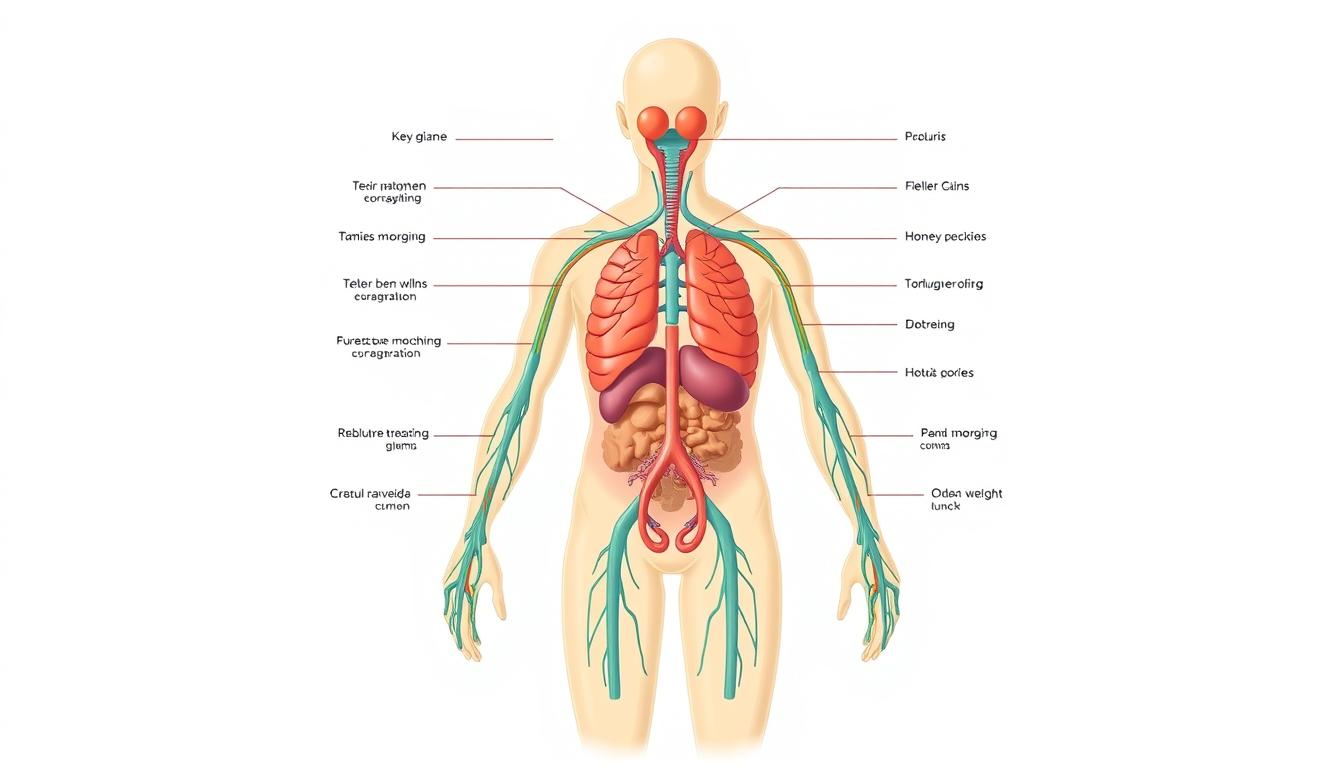
What Are Hormones and How Do They Affect Weight?
Hormones play a critical role in determining how your body stores and uses energy. For example, insulin helps regulate blood sugar levels, while cortisol manages stress responses. When these hormones are balanced, your body efficiently converts food into energy. However, imbalances may lead to issues like insulin resistance, where your cells stop responding to insulin, causing weight gain.
Chronic hormonal imbalances can disrupt your metabolism, making it harder to lose weight. Unlike short-term fluctuations, which are normal, long-term imbalances often require lifestyle changes to correct. For instance, a 2023 study found that 68% of weight loss attempts fail due to unaddressed hormonal factors.
The Connection Between Hormones and Appetite
Your appetite is largely controlled by two key hormones: ghrelin and leptin. Ghrelin signals hunger, while leptin tells your brain when you’re full. When these hormones are out of sync, you may experience intense cravings or overeating. A common example is late-night cravings, often triggered by spikes in cortisol and ghrelin.
Adipose tissue, or body fat, also acts as an endocrine organ, secreting hormones that influence appetite and metabolism. This complex interplay highlights why oversimplified “calories in/out” models often fail to address underlying hormonal issues.
| Type of Imbalance | Short-Term Effects | Chronic Effects |
|---|---|---|
| Insulin | Temporary blood sugar spikes | Insulin resistance, weight gain |
| Cortisol | Increased stress response | Chronic stress, fat storage |
| Ghrelin/Leptin | Hunger or fullness signals | Appetite dysregulation, overeating |
Insulin: The Key Hormone for Blood Sugar and Weight Control
Insulin is the hormone responsible for transporting glucose into your cells. This process ensures your body has the energy it needs to function. When insulin works properly, it helps regulate blood sugar levels, keeping them stable throughout the day.

However, when your body becomes resistant to insulin, it can lead to serious health issues. Insulin resistance occurs when your cells stop responding effectively to insulin. This forces your pancreas to produce more insulin, which can eventually lead to weight gain and other complications.
How Insulin Resistance Leads to Weight Gain
Insulin resistance disrupts your body’s ability to process sugar efficiently. As a result, excess glucose is stored as fat, particularly around the abdomen. This type of fat, known as visceral fat, can further inflame insulin receptors, worsening the problem.
Common symptoms of insulin resistance include constant hunger, energy crashes, and difficulty losing weight. According to the NIH, 88 million U.S. adults have prediabetes, a condition often linked to insulin resistance. Left unaddressed, it increases the risk of type 2 diabetes and heart disease.
Tips to Improve Insulin Sensitivity
Improving insulin sensitivity can help your body use glucose more effectively. Here are some proven strategies:
- Eat low-GI foods: Quinoa, black beans, and berries help stabilize blood sugar levels.
- Exercise regularly: A 2022 trial found that HIIT improves insulin sensitivity by 25% compared to steady cardio.
- Get enough sleep: Aim for 7+ hours nightly, as sleep deprivation increases insulin resistance.
- Try apple cider vinegar: Consuming it before meals can help blunt glucose spikes.
- Practice meal timing: A 14-hour nightly fast can improve insulin sensitivity.
| Strategy | Benefit |
|---|---|
| Low-GI Diet | Stabilizes blood sugar levels |
| HIIT Workouts | Boosts insulin sensitivity by 25% |
| 7+ Hours Sleep | Reduces insulin resistance |
| Apple Cider Vinegar | Blunts glucose spikes |
| 14-Hour Fast | Improves insulin sensitivity |
Leptin: The Hormone That Signals Fullness
Leptin, often called the ‘satiety hormone,’ helps regulate your appetite. Produced by fat cells, it sends signals to your brain when you’ve eaten enough. This process is crucial for maintaining energy balance and preventing overeating.
Unlike ghrelin, which triggers hunger, leptin focuses on long-term energy regulation. However, when your body becomes resistant to leptin, this signaling system breaks down. This condition, known as leptin resistance, is a common issue in individuals with obesity.
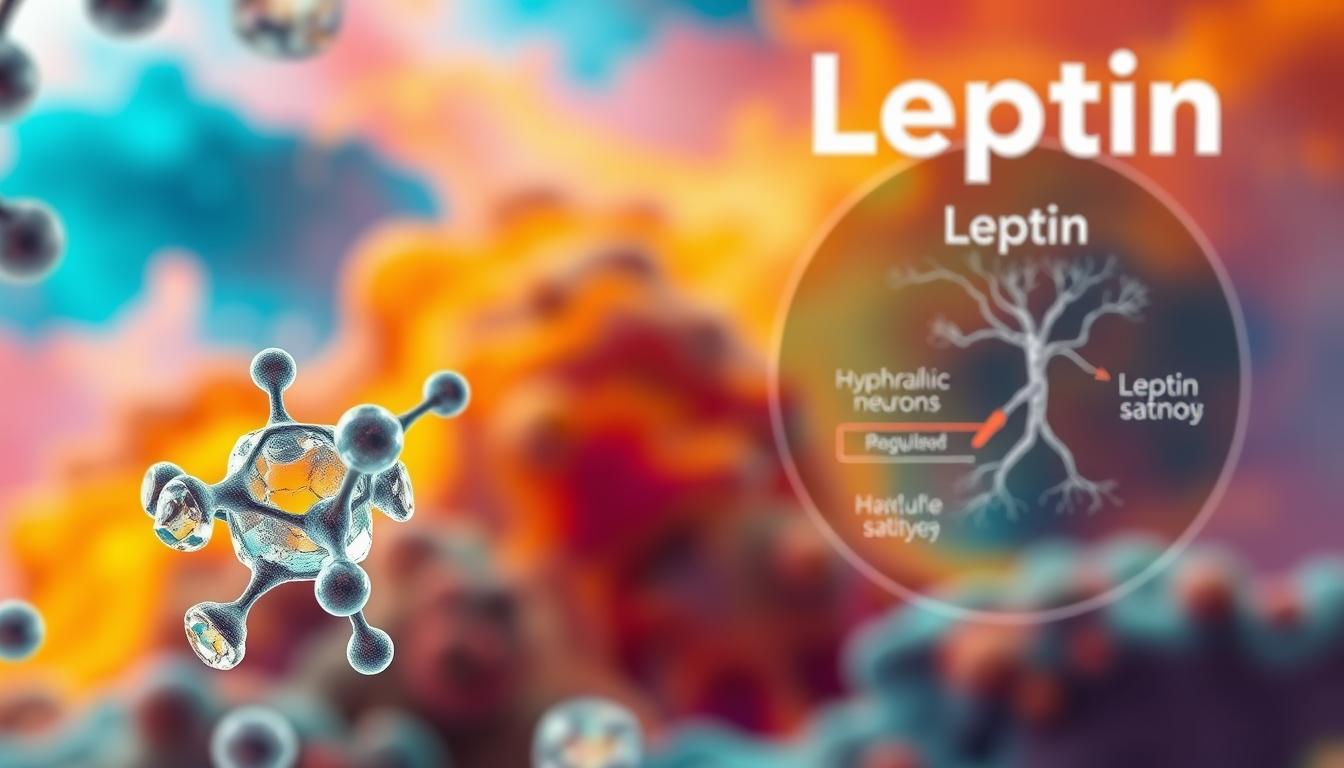
Understanding Leptin Resistance
Leptin resistance occurs when your brain stops responding to leptin signals. This can lead to constant hunger, even when your body has enough energy stored. One major cause is inflammation, which disrupts leptin receptors.
Chronic stress and high fructose intake are also contributing factors. A 2022 study found that inflammatory cytokines play a key role in leptin receptor dysfunction. This highlights the importance of addressing inflammation to improve leptin sensitivity.
How to Lower Leptin Levels Naturally
Improving leptin sensitivity can help reduce overeating and support healthy weight management. Here are some effective strategies:
- Prioritize sleep: Aim for 7-9 hours nightly. A case study showed a 23% improvement in leptin levels after an 8-week sleep intervention.
- Exercise regularly: Physical activity enhances leptin signaling and reduces inflammation.
- Eat anti-inflammatory foods: Incorporate wild-caught fish, curcumin, and leafy greens like spinach.
- Avoid extreme calorie restriction: This can paradoxically worsen leptin resistance.
| Strategy | Benefit |
|---|---|
| 7-9 Hours Sleep | Improves leptin signaling |
| Regular Exercise | Reduces inflammation |
| Anti-Inflammatory Diet | Enhances leptin receptor function |
| Moderate Calorie Intake | Prevents leptin resistance |
Ghrelin: The Hunger Hormone
Ever wondered why you feel hungry even after eating? The answer lies in a hormone called ghrelin. Produced in your stomach, ghrelin signals your brain when it’s time to eat. This hormone peaks before meals and drops afterward, helping regulate your appetite.
Ghrelin travels from your stomach to the hypothalamus, the part of your brain that controls hunger. When levels are high, you feel hungry. When they drop, you feel full. However, factors like dieting or obesity can disrupt this balance, making it harder to help manage hunger effectively.
How Ghrelin Affects Your Appetite
Ghrelin’s primary role is to stimulate hunger. It’s a survival mechanism that ensures you eat enough to maintain energy. However, chronic dieting can increase ghrelin production, leading to constant hunger. This is why extreme calorie restriction often backfires.
Obesity also plays a role. Studies show that individuals with obesity are more sensitive to ghrelin, making it harder to feel full. This creates a cycle of overeating and weight gain.
Strategies to Lower Ghrelin Levels
Lowering ghrelin levels can help manage hunger and support healthy eating habits. Here are some proven strategies:
- Eat more protein: A 30g serving reduces ghrelin by 45% compared to carbs or fats.
- Stay hydrated: Drinking water before meals can curb hunger signals.
- Get enough sleep: Poor sleep increases ghrelin levels, leading to overeating.
- Try cold exposure: A 2021 study found it decreases ghrelin by 22%.
- Use herbs like saffron or ginger: These naturally suppress ghrelin production.
By incorporating these tips, you can better regulate your hunger and maintain a healthier lifestyle.
Cortisol: The Stress Hormone and Its Impact on Weight
Cortisol, often referred to as the stress hormone, plays a significant role in how your body responds to daily pressures. Produced by the adrenal glands, it helps regulate energy, metabolism, and even immune responses. However, when stress becomes chronic, cortisol levels can remain elevated, which may contribute to weight gain and other health issues.

How Chronic Stress Leads to Weight Gain
Chronic stress keeps your body in a constant state of alert, maintaining high cortisol levels. This can lead to the accumulation of abdominal fat, as cortisol signals your body to store energy for potential threats. Over time, this can increase your risk of metabolic disorders and make it harder to lose weight.
Modern stressors like blue light exposure and social media overload can further disrupt your body’s stress response. The HPA axis, which regulates cortisol production, can become dysregulated, leading to a cycle of stress and weight gain.
Effective Ways to Manage Cortisol Levels
Managing cortisol levels is key to help maintain a healthy weight and reduce stress. Here are some proven strategies:
- Practice mindfulness: Studies show mindfulness reduces cortisol by 28%.
- Try adaptogens: Ashwagandha, taken at 300mg daily, can lower cortisol by 27%.
- Get morning sunlight: Exposure to natural light helps regulate your circadian rhythm.
- Use breathing techniques: The 4-7-8 method can calm acute stress responses.
- Follow the 20-20-20 rule: For every 20 minutes of screen time, take a 20-second break to look at something 20 feet away.
Incorporating these habits into your daily routine can support a healthier stress response and improve overall well-being.
Estrogen: Its Role in Weight and Body Fat Distribution
Estrogen isn’t just a reproductive hormone—it affects your weight too. This hormone plays a key role in determining where your body stores fat. For women, low estrogen levels often lead to abdominal obesity, especially during menopause. Understanding how estrogen works can help you take control of your health.
How Estrogen Levels Affect Weight
Estrogen influences fat storage in different ways depending on your life stage. In premenopausal women, it promotes fat storage in the hips and thighs. After menopause, lower estrogen levels shift fat storage to the abdomen. This change may contribute to an increased risk of metabolic issues.
Xenoestrogens, found in plastics and pesticides, can mimic estrogen in your body. These compounds disrupt your hormonal balance, potentially leading to weight gain. Reducing exposure to these chemicals is a crucial step in maintaining healthy estrogen levels.
Maintaining Healthy Estrogen Levels
Your diet may play a significant role in regulating estrogen. Cruciferous vegetables like broccoli sprouts help detoxify excess estrogen. Flaxseeds, rich in lignans, can also support hormonal balance. Avoid red meat, which has been linked to higher estrogen levels.
High-intensity interval training (HIIT) is another effective strategy. Studies show that HIIT improves estrogen metabolism, helping your body process this hormone more efficiently. Regular physical activity exercise may also reduce the risk of conditions like PCOS, which often involve hormonal imbalances.
- Detox foods: Broccoli sprouts, flaxseeds, and leafy greens.
- Supplements: DIM and calcium-d-glucarate support estrogen clearance.
- Liver support: Milk thistle and dandelion root aid detoxification.
- Avoid alcohol: It can boost estrogen levels and disrupt balance.
For a deeper understanding of your hormonal health, consider the DUTCH hormone test. This analysis provides detailed insights into your estrogen levels and metabolism, helping you tailor your approach to hormonal balance.
Neuropeptide Y (NPY): The Hormone That Stimulates Appetite
Your body has a hidden player in appetite control: Neuropeptide Y (NPY). This hormone, produced in your brain, is a key driver of hunger signals. It evolved to help our ancestors survive famine by increasing appetite and fat storage. Today, elevated NPY levels may lead to overeating and weight gain.
NPY works by stimulating your hypothalamus, the brain’s hunger center. When levels are high, you feel intense cravings, especially for high-calorie foods. Chronic stress and a high-fat diet can elevate NPY, making it harder to help manage your appetite.
How NPY Contributes to Weight Gain
NPY doesn’t just make you hungry—it also promotes fat storage. This hormone encourages your body to store energy as fat, particularly around the abdomen. High NPY levels are often linked to stress, as cortisol triggers its release.
Yo-yo dieting can worsen the problem. When you restrict calories, your body produces more NPY to compensate. This creates a cycle of hunger and overeating, making sustainable weight loss challenging.
Tips to Control NPY Levels
Managing NPY requires a holistic approach. Here are some effective strategies:
- Incorporate omega-3s: Found in fatty fish, they suppress NPY production.
- Try intermittent fasting: A 2020 study found it reduces NPY by 18%.
- Boost zinc and magnesium: These nutrients support NPY regulation.
- Practice vagus nerve stimulation: Techniques like deep breathing can lower NPY.
- Include NPY-inhibiting foods: Dark chocolate and green tea are great options.
By addressing stress, improving your diet, and supporting your gut-brain axis, you can better control NPY and maintain a healthier appetite.
Glucagon-like Peptide-1 (GLP-1): The Hormone That Promotes Fullness
Your body has a powerful hormone that keeps hunger in check—GLP-1. This hormone, produced in your gut, plays a crucial role in digestion and appetite control. It slows gastric emptying, making you feel full longer after meals. Understanding how GLP-1 works can help reduce overeating and support healthier eating habits.
GLP-1 also signals your brain to stop eating when you’re satisfied. Unlike pharmaceutical GLP-1 agonists, which are often used for weight loss, natural methods can boost this hormone effectively. For example, a 2023 meta-analysis found that consuming 30g of protein per meal increases GLP-1 levels by 40%.
How GLP-1 Helps with Weight Management
GLP-1’s ability to slow digestion is key to its role in weight management. By delaying gastric emptying, it helps you feel fuller for longer, reducing the urge to snack between meals. This hormone also improves insulin sensitivity, which supports stable blood sugar levels.
Chronic stress and poor gut health can suppress GLP-1 production. Addressing these factors through exercise and a balanced diet can enhance its effects. For instance, prebiotic fibers like inulin and resistant starch promote GLP-1 secretion by feeding beneficial gut bacteria.
Ways to Boost GLP-1 Naturally
You can naturally increase GLP-1 levels through simple lifestyle changes. Here are some effective strategies:
- Eat protein-rich meals: Include eggs, lean meats, and legumes in your diet.
- Incorporate fermented foods: Kimchi, kefir, and natto support gut health and GLP-1 production.
- Try supplements: Berberine and gymnema are known to enhance GLP-1 levels.
- Practice meal sequencing: Start with vegetables to stimulate GLP-1 release.
- Avoid NSAIDs: These medications can suppress GLP-1 production.
For a deeper dive into gut health, consider a 5-day gut-healing meal plan. Focus on whole, unprocessed foods to optimize GLP-1 levels and support overall well-being.
Cholecystokinin (CCK): The Hormone That Aids Digestion and Fullness
Cholecystokinin (CCK) is a hormone that plays a vital role in digestion and appetite control. Produced in your small intestine, CCK helps break down foods by stimulating the release of pancreatic enzymes and bile. It also signals your brain when you’re full, making it a key player in satiety.
CCK works closely with your gallbladder, ensuring fats are properly digested. When your diet may lack essential nutrients, CCK production can drop, leading to inefficient digestion and overeating. Obesity can also reduce CCK sensitivity, making it harder to help maintain a healthy appetite.
How CCK Helps Control Appetite
CCK’s primary function is to signal fullness. When you eat, CCK levels rise, slowing gastric emptying and reducing hunger. This process ensures you feel satisfied after meals and prevents overeating.
Mindful eating techniques, like chewing slowly, can enhance CCK release. Combining fats and proteins in meals also triggers CCK production. For example, a 2021 study found that ginger increases CCK levels by 12%, making it a great addition to your diet.
Tips to Increase CCK Levels
Boosting CCK naturally can improve digestion and appetite control. Here are some effective strategies:
- Eat protein-rich meals: Protein is a powerful CCK stimulator.
- Incorporate healthy fats: Avocados, nuts, and olive oil enhance CCK release.
- Try digestive bitters: Herbs like gentian and dandelion root support CCK production.
- Avoid low-fat diets: These can suppress CCK and impair digestion.
- Use supplements: Milk thistle and bile salts support gallbladder health and CCK efficiency.
By focusing on these tips, you can optimize CCK levels and support better digestion and appetite regulation.
Peptide YY (PYY): The Hormone That Reduces Appetite
Peptide YY (PYY) is a key player in controlling your hunger signals. Produced in your gut, this hormone helps you feel full after eating. It works by signaling your brain to stop eating, making it essential for appetite regulation.

PYY levels rise after meals and remain elevated for 3-4 hours, suppressing hunger during this window. This natural mechanism can help reduce overeating and support healthier eating habits. Understanding how to boost PYY can be a game-changer for your diet and overall health.
How PYY Helps with Weight Loss
PYY plays a crucial role in weight management by curbing appetite. When levels are high, you feel satisfied with smaller portions. This hormone also slows digestion, keeping you fuller for longer.
Research shows that a Paleo diet increases PYY production. This is likely due to its focus on whole, unprocessed foods. Additionally, protein is a powerful PYY stimulator. A 2022 trial found that almonds increase PYY by 14% compared to crackers.
Strategies to Increase PYY Levels
Boosting PYY naturally can enhance appetite control. Here are some effective strategies:
- Eat protein-rich meals: Include eggs, lean meats, and legumes to stimulate PYY.
- Incorporate resistant starch: Cooked and cooled potatoes are a great source.
- Time your exercise: Post-workout nutrition can boost PYY levels.
- Try sauna use: Heat exposure has been linked to higher PYY.
- Practice social eating: Sharing meals can enhance PYY production.
| Strategy | Benefit |
|---|---|
| Protein-Rich Meals | Stimulates PYY production |
| Resistant Starch | Enhances PYY release |
| Post-Workout Nutrition | Boosts PYY levels |
| Sauna Use | Increases PYY through heat exposure |
| Social Eating | Promotes PYY production |
By focusing on these tips, you can optimize PYY levels and support healthier eating habits. Avoid chronic laxative use, as it can disrupt PYY production. Instead, prioritize gut health with fermented foods and fasting-mimicking protocols.
Lifestyle Changes for Natural Hormone Balance
Your daily habits have a direct impact on your body’s chemical messengers. From what you eat to how you move and rest, every choice plays a role in maintaining harmony within your system. By focusing on lifestyle changes, you can support your body’s ability to regulate itself effectively.

The Role of Diet in Hormone Regulation
What you eat influences how your body produces and processes hormones. A Mediterranean-style diet, rich in whole foods, can optimize hormone levels. Focus on lean proteins, healthy fats, and fiber-rich vegetables to support insulin sensitivity and reduce inflammation.
Nutrient timing also matters. Eating protein-rich meals early in the day can stabilize blood sugar and curb cravings. Avoid processed foods and added sugars, which can disrupt hormonal balance.
How Exercise Impacts Hormone Levels
Regular exercise is a powerful tool for hormone regulation. Strength training, in particular, boosts growth hormone and improves insulin sensitivity. High-intensity interval training (HIIT) can also enhance hormone production while burning fat.
However, avoid overdoing it. Chronic cardio can elevate cortisol levels, leading to stress and fatigue. Aim for a balanced routine that includes strength, cardio, and recovery.
The Importance of Sleep for Hormone Health
Sleep is essential for hormone repair and regulation. Aim for 7+ hours of quality sleep each night. Poor sleep can disrupt cortisol, insulin, and appetite hormones like ghrelin and leptin.
Create a sleep-friendly environment by reducing blue light exposure before bed. Use blackout curtains and maintain a cool room temperature. These small changes can make a big difference in your health.
- Morning: Start with a protein-rich breakfast and 20 minutes of sunlight.
- Afternoon: Incorporate strength training or HIIT workouts.
- Evening: Practice mindfulness or light stretching to reduce stress.
- Night: Follow a consistent bedtime routine for better sleep quality.
By making these lifestyle changes, you can support your body’s natural rhythms and improve overall well-being. Small, consistent adjustments lead to lasting results.
Dietary Tips to Support Hormone Balance
The foods you eat play a crucial role in how your body regulates its chemical messengers. A well-rounded diet may help optimize these processes, ensuring your body functions at its best. By making mindful choices, you can support your internal systems and reduce the risk of imbalances.
Foods That Help Regulate Hormones
Certain foods are particularly effective in supporting hormone health. Incorporating these into your daily meals can make a significant difference:
- Omega-3 rich foods: Fatty fish like salmon and walnuts help reduce inflammation and support hormone production.
- Cruciferous vegetables: Broccoli, cauliflower, and Brussels sprouts aid in detoxifying excess hormones.
- Healthy fats: Avocados and olive oil support hormone synthesis and balance.
- High-fiber foods: Whole grains and legumes help regulate insulin levels and digestion.
- Protein sources: Eggs, lean meats, and plant-based proteins stabilize blood sugar and curb cravings.
Foods to Avoid for Hormone Health
Some foods can disrupt your body’s natural processes. Limiting or avoiding these can help maintain hormonal harmony:
- Added sugars: Found in sodas and processed snacks, they spike insulin and lead to imbalances.
- Refined carbs: White bread and pastries can cause blood sugar fluctuations.
- Processed meats: High in preservatives, they may interfere with hormone regulation.
- Alcohol: Excessive consumption can disrupt multiple hormonal pathways.
- Trans fats: Found in fried foods, they increase inflammation and impair hormone function.
By focusing on nutrient-dense foods and avoiding harmful ones, you can create a diet that supports your body’s natural balance. Small, consistent changes can lead to lasting improvements in your overall health.
Conclusion: Achieving Natural Hormone Balance for Weight Management
Taking control of your body’s internal systems starts with understanding how they work. Hormones like insulin, leptin, and cortisol play vital roles in your health. By focusing on a balanced diet and regular exercise, you can support these systems effectively.
Personalized approaches are key. Consider consulting a professional to tailor strategies to your needs. Lab tests can provide insights into your unique hormonal profile, helping you make informed decisions.
Start with a 30-day action plan. Track your progress and adjust as needed. Avoid quick fixes—sustainable changes yield lasting results. Engage with supportive communities to stay motivated.
Remember, small steps lead to big transformations. Empower yourself with knowledge and take charge of your wellness journey today.