Did you know your body is already equipped to handle toxins naturally? Organs like the liver, kidneys, and skin work tirelessly to keep you healthy. Yet, many people turn to extreme detox diets, often without realizing the risks involved.
Contrary to popular belief, these diets don’t outperform your body’s natural processes. In fact, they can sometimes do more harm than good. Laxatives, diuretics, and unregulated supplements may promise quick results, but they often lead to dehydration, nutrient deficiencies, and other health issues.
Instead of relying on quick fixes, focus on sustainable lifestyle changes. Simple habits like staying hydrated, eating whole foods, and getting enough sleep can support your body’s detoxification systems effectively. This guide will explore evidence-based strategies to help you feel your best without extreme measures.
Key Takeaways
- Your body naturally detoxifies through organs like the liver, kidneys, and skin.
- Extreme detox diets often lack scientific support and can be harmful.
- Unregulated supplements and quick fixes may lead to health risks.
- Sustainable lifestyle changes are more effective than temporary solutions.
- Stay hydrated, eat whole foods, and prioritize sleep for natural detox support.
Understanding Detoxification: What It Really Means
The human system is designed to handle toxins efficiently without extreme measures. Your organs work together to neutralize and eliminate harmful substances, ensuring your health remains intact. This natural process is often misunderstood, leading to misconceptions about the need for drastic detox diets.

How Your Body Naturally Detoxifies
Your liver plays a central role in detoxification. It uses a two-phase enzymatic process to break down toxins. In Phase I, enzymes convert harmful substances into intermediate compounds. In Phase II, these compounds are further processed into water-soluble forms for elimination.
Your kidneys are equally vital. They filter 120-150 quarts of blood daily, removing waste and excess fluids. This ensures that harmful substances are expelled through urine.
Your skin also contributes to detoxification. With 2-4 million sweat glands, it eliminates toxins through sweat. On average, the skin releases 500-700ml of sweat daily, helping to cleanse the system.
Common Misconceptions About Detox Diets
Many believe that juice cleanses or colonics are essential for detoxification. However, these methods lack scientific support. A NIH study found that 87% of detox products make unproven claims. Here are five common myths debunked:
- Juice cleanses are not more effective than a balanced diet.
- Colonics can disrupt your gut’s natural balance.
- “7-day resets” often lead to nutrient deficiencies.
- Detox teas may contain harmful laxatives.
- Your body doesn’t need extreme measures to function optimally.
“Detox diets often promise quick fixes but fail to deliver long-term health benefits.”
| Organ | Function | Daily Output |
|---|---|---|
| Liver | Neutralizes toxins through enzymatic processes | N/A |
| Kidneys | Filters blood and removes waste | 120-150 quarts |
| Skin | Eliminates toxins through sweat | 500-700ml |
Understanding how your body naturally detoxifies can help you make informed choices. Instead of relying on unproven methods, focus on supporting your organs with healthy habits.
Why You Don’t Need Extreme Diets to Detox
Extreme detox methods often promise quick results but come with hidden dangers. While they may seem appealing, these approaches can harm your health more than help it. Instead of relying on drastic measures, understanding the risks and supporting your body’s natural processes is key.

The Risks of Harsh Detox Methods
Many detox diets and supplements claim to cleanse your system, but they often lack scientific backing. A 2019 JAMA study found that rapid detoxes can lead to electrolyte imbalances, which disrupt your body’s natural functions. Prolonged fasting, another common detox method, can cause muscle loss and hypoglycemia.
Detox supplements are another concern. According to the NIH, ER visits related to these products increased by 23% between 2015 and 2020. Hepatorenal syndrome, a severe condition affecting the liver and kidneys, is also a risk with extreme cleanses.
How Your Liver and Kidneys Work Together
Your liver and kidneys play a vital role in detoxification. The liver processes toxins through a two-phase enzymatic system, converting harmful substances into water-soluble compounds. These are then filtered by the kidneys, which remove waste through urine.
One example of their synergy is the conversion of ammonia to urea. The liver transforms ammonia, a toxic byproduct, into urea, which the kidneys safely excrete. This process highlights why extreme detox methods are unnecessary—your organs are already equipped to handle toxins.
“Detox diets often promise quick fixes but fail to deliver long-term health benefits.”
| Practice | Safe | Dangerous |
|---|---|---|
| Hydration | Drinking water supports kidney function | Overhydration can dilute electrolytes |
| Fasting | Intermittent fasting may have benefits | Prolonged fasting risks muscle loss |
| Supplements | Doctor-approved vitamins are safe | Unregulated detox supplements pose risks |
Understanding these risks and the natural detox process can help you make informed choices. Instead of extreme diets, focus on sustainable habits that support your liver and kidneys.
Limit Alcohol to Support Your Detox System
Reducing alcohol intake is one of the most effective ways to support your detox system. Your liver processes 90% of the alcohol you consume, but it can only handle about one standard drink per hour. Overloading it can strain your body’s natural detoxification processes.

The Impact of Alcohol on Liver Function
Alcohol metabolism depletes glutathione, a key antioxidant that helps your liver neutralize toxins. Heavy drinking increases the risk of cirrhosis by up to four times. According to the NIAAA, women should limit themselves to one drink per day, while men should not exceed two.
Your liver’s ability to detoxify is directly linked to your overall health. When it’s overwhelmed by alcohol, it struggles to perform its essential functions. This can lead to a buildup of harmful substances in your system.
Tips for Reducing Alcohol Consumption
Here are five practical strategies to cut back on alcohol:
- Experiment with mocktail recipes for a healthier alternative.
- Use tracking apps to monitor your intake and set goals.
- Schedule alcohol-free days using the HALT technique—avoid drinking when you’re Hungry, Angry, Lonely, or Tired.
- Replace alcohol with herbal teas or flavored water.
- Seek support from friends or groups focused on reducing alcohol consumption.
“After cutting back on alcohol for eight weeks, I saw a 34% improvement in my liver enzyme levels. It’s proof that small changes can make a big difference.”
By making these adjustments, you can support your liver and overall health in a sustainable way. Limiting alcohol is a simple yet powerful step toward a healthier lifestyle.
Focus on Sleep for Optimal Detoxification
Sleep is a powerful ally in maintaining your body’s natural detoxification processes. While you rest, your system works tirelessly to remove waste and toxins, ensuring you wake up refreshed and rejuvenated. Prioritizing quality sleep is one of the simplest yet most effective ways to support your overall health.

The Role of Sleep in Detoxification
During sleep, your glymphatic system becomes highly active. This system removes up to 60% more toxins compared to when you’re awake. It clears out harmful substances like beta-amyloid, which is linked to cognitive decline. A 2019 study found that sleep deprivation slows toxin clearance by 40%, highlighting the importance of consistent rest.
Your brain also benefits from this nightly cleanse. The glymphatic system flushes out metabolic waste, helping you maintain mental clarity and focus. Without adequate sleep, this process is disrupted, leading to a buildup of toxins that can affect your health over time.
Tips for Improving Sleep Quality
Improving your sleep doesn’t have to be complicated. Here are five practical strategies to help you get better rest:
- Follow the 10-3-2-1-0 method: No caffeine 10 hours before bed, no meals 3 hours before, no work 2 hours before, no screens 1 hour before, and zero snoozing in the morning.
- Optimize your sleep environment by keeping the temperature between 60-67°F, the ideal range for restful sleep.
- Consider using sleep trackers like the Oura Ring or Whoop to monitor your sleep patterns and make adjustments.
- Establish a consistent bedtime routine to signal to your body that it’s time to wind down.
- Avoid alcohol and heavy meals close to bedtime, as they can disrupt your sleep cycle.
“Sleep is the golden chain that ties health and our bodies together.”
By focusing on sleep, you’re not just improving your rest—you’re supporting your body’s natural detoxification processes. Small changes to your nightly routine can make a big difference in how you feel each day.
Hydrate Your Way to a Healthier Body
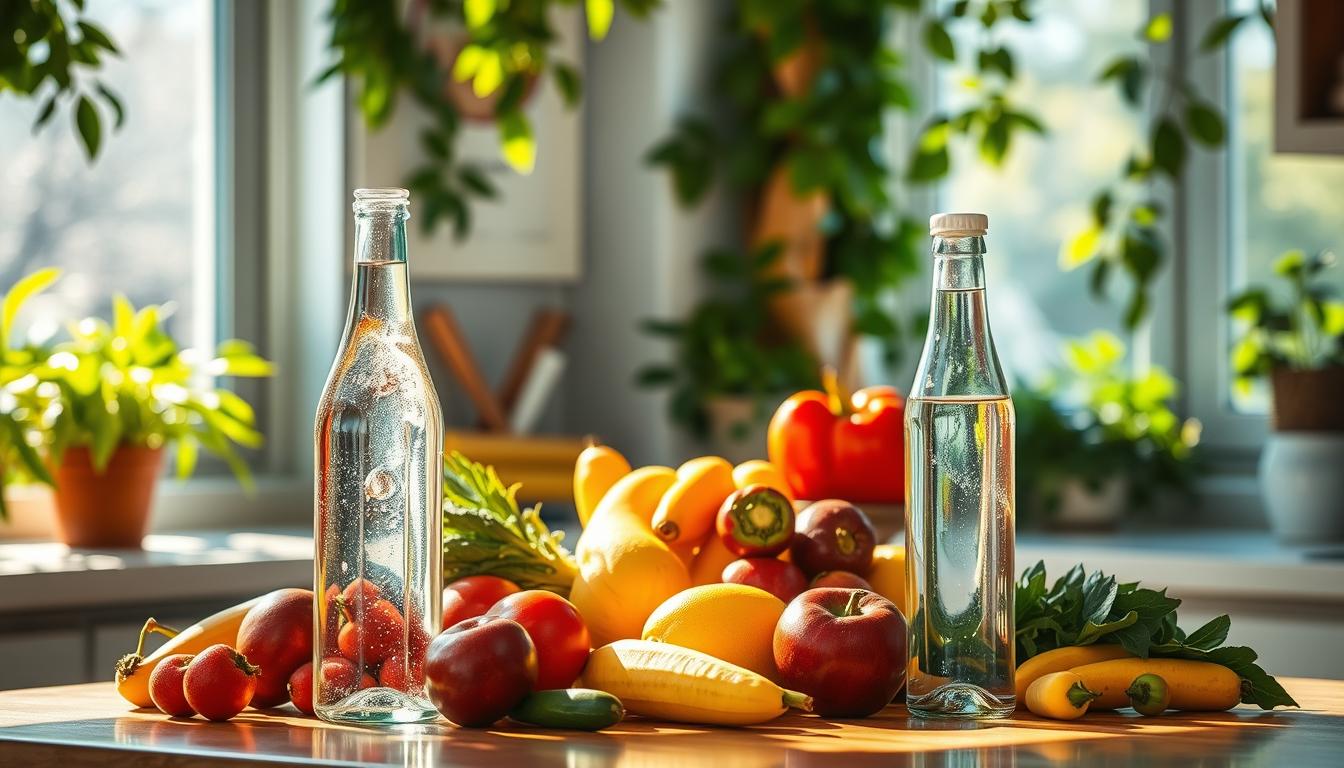
Hydration is a cornerstone of maintaining a healthy system. Water supports essential functions like blood circulation, nutrient transport, and waste removal. Without enough water, your organs struggle to perform optimally, leading to fatigue and other health issues.
How Water Helps Remove Toxins
Water is vital for lymphatic drainage, which helps eliminate waste from your tissues. It also maintains blood viscosity, ensuring nutrients and oxygen are delivered efficiently. When you’re dehydrated, these processes slow down, making it harder for your system to remove toxins.
Your kidneys rely on water to filter waste from your blood. Studies show they require 0.5-1mL of water per kilogram of body weight each hour for optimal function. Without adequate hydration, toxins can build up, leading to potential health risks.
Daily Water Intake Recommendations
A simple formula to calculate your daily water needs is: (Body weight in lbs ÷ 2) = oz/day. For example, if you weigh 150 lbs, aim for 75 ounces of water daily. This ensures your body has enough fluid to function properly.
Electrolyte waters can be beneficial, especially after intense exercise or in hot weather. However, plain water is usually sufficient for most people. Here’s a comparison of hydration sources:
| Source | Benefits | Best For |
|---|---|---|
| Plain Water | Hydrates without added calories | Daily hydration |
| Electrolyte Water | Replenishes lost minerals | Post-workout or hot weather |
| Hydration-Rich Foods | Provides water and nutrients | Snacking or meal additions |
Incorporate hydration-rich foods like cucumber (96% water) and watermelon (92% water) into your diet. These not only boost your water intake but also provide essential vitamins and minerals.
To assess your hydration levels, check your urine color. A pale yellow indicates proper hydration, while darker shades suggest you need more water. This simple self-assessment can help you stay on track.
“Hydration is the foundation of health. Without it, your body cannot function at its best.”
By prioritizing hydration, you’re supporting your system’s natural processes and promoting overall well-being. Small changes, like drinking more water or eating hydration-rich foods, can make a big difference.
Reduce Sugar and Processed Foods for Better Health
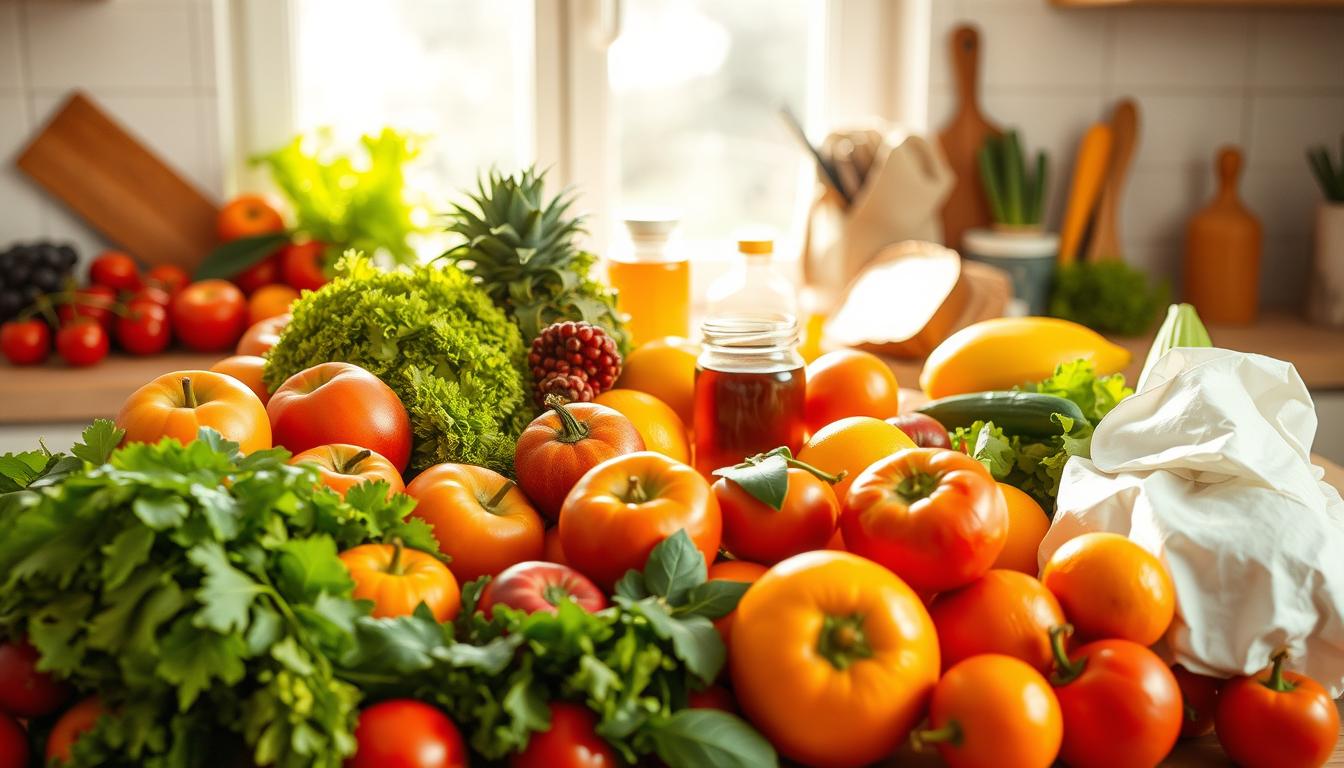
Cutting back on sugar and processed foods can transform your health. These dietary choices directly impact your system’s ability to function optimally. By making smarter food choices, you can support your body’s natural processes and feel your best.
The Link Between Sugar and Toxins
High fructose intake reduces liver detox enzymes by 30%, making it harder for your system to eliminate toxins. Sugar also contributes to the formation of Advanced Glycation End Products (AGEs), which damage cells and accelerate aging. Ultra-processed foods contain over 8,000 FDA-approved additives, many of which can strain your detox organs.
Here’s how sugar and processed foods affect your health:
- They increase inflammation, leading to chronic health issues.
- They disrupt gut health, affecting nutrient absorption.
- They overload your liver, reducing its efficiency.
Healthy Alternatives to Processed Foods
Swapping processed foods for whole, nutrient-dense options can make a significant difference. Here’s a 10-step grocery shopping strategy to help you make better choices:
- Shop the perimeter of the store where fresh produce is located.
- Read labels to avoid hidden sugars and additives.
- Choose organic produce when possible to reduce pesticide exposure.
- Opt for whole grains instead of refined ones.
- Incorporate healthy fats like avocado and olive oil.
For a sugar-free lifestyle, try these five easy swaps:
- Replace sugar with date paste or monkfruit in recipes.
- Use Greek yogurt instead of sugary desserts.
- Snack on fresh fruit instead of candy.
- Drink herbal tea instead of soda.
- Choose dark chocolate over milk chocolate.
“Switching to whole foods not only supports detoxification but also improves overall health.”
To make it easier, here’s a 14-day meal plan with an 80/20 whole foods ratio. This approach ensures you’re eating nutrient-rich meals while still enjoying occasional treats. Small changes in your diet can lead to big improvements in how you feel every day.
Incorporate Antioxidant-Rich Foods into Your Diet
Antioxidants play a crucial role in protecting your system from harmful free radicals. These unstable molecules, known as Reactive Oxygen Species (ROS), can damage cells and contribute to chronic health issues. By including antioxidant-rich foods in your diet, you can support your body’s natural detox processes and promote overall wellness.
How Antioxidants Combat Free Radicals
Antioxidants neutralize free radicals by donating electrons, preventing them from causing cellular damage. This process reduces oxidative stress, which is linked to aging and diseases like heart disease and cancer. For example, cooking tomatoes increases lycopene bioavailability by 164%, enhancing their antioxidant properties.
Here’s how antioxidants work:
- They stabilize free radicals, preventing cell damage.
- They support your liver’s detoxification processes.
- They reduce inflammation, promoting better health.
Top Antioxidant Foods to Include
Adding antioxidant-rich foods to your meals is simple and effective. Here are some of the best options, along with their ORAC (Oxygen Radical Absorbance Capacity) values:
| Food | ORAC Value | Serving Size |
|---|---|---|
| Goji Berries | 25,000 | 1/4 cup |
| Blueberries | 9,621 | 1 cup |
| Spinach | 1,513 | 1 cup (cooked) |
| Apples | 2,828 | 1 medium |
To maximize benefits, consider these preparation tips:
- Steam vegetables instead of boiling to retain nutrients.
- Pair antioxidant-rich foods with healthy fats for better absorption.
- Use seasonal produce for fresher, more potent antioxidants.
Here’s a seasonal antioxidant calendar to guide your choices:
- Spring: Asparagus, strawberries, and leafy greens.
- Summer: Berries, tomatoes, and bell peppers.
- Fall: Apples, pumpkins, and sweet potatoes.
- Winter: Citrus fruits, kale, and Brussels sprouts.
“Whole foods are the best source of antioxidants, offering a natural balance of nutrients that supplements can’t replicate.”
While supplements can be convenient, whole foods provide a broader range of nutrients and are more effective in the long term. By focusing on a diet rich in fruits, vegetables, and other antioxidant-packed foods, you can support your health naturally.
Conclusion: Gentle Detox Methods for Long-Term Health
Small, consistent changes in your lifestyle can lead to lasting health benefits. A 12-month study shows that gradual adjustments are 300% more effective than extreme measures. By focusing on sustainable habits, you can support your system naturally over time.
Start with these five foundational practices: staying hydrated, eating whole foods, prioritizing sleep, reducing alcohol, and incorporating antioxidants. These habits work together to enhance your overall well-being.
To make it easier, follow a 30-day implementation calendar. This step-by-step way ensures you build momentum without feeling overwhelmed. Avoid the “detox relapse” pattern by staying consistent and patient.
For additional support, explore resources like the NIH detox portal or the Cronometer app. These tools can help you track progress and stay motivated.
Remember, your system is designed to thrive. Trust its innate wisdom and embrace gentle detox methods for long-term vitality.