Did you know that eating the right kinds of fats can actually help you lose weight? It’s true! While the 90s low-fat craze made us fear fats, modern science has flipped the script. Research shows that healthy fats play a crucial role in weight management and overall health.
For example, studies on the Mediterranean diet, rich in healthy fats like olive oil and nuts, have consistently shown its effectiveness in promoting weight loss. This diet emphasizes balance, with 20-35% of daily calories coming from fats. It’s not just about cutting calories—it’s about choosing the right ones.
Understanding the difference between saturated and unsaturated fats is key. While saturated fats should be limited, unsaturated fats, found in foods like avocados and fatty fish, can boost metabolism and support fat loss. The right fats can even help you feel fuller longer, reducing the urge to overeat.
In this article, we’ll explore 12 key fat sources that can help you achieve your weight loss goals. From nuts to seeds to oils, these foods are not only delicious but also packed with nutrients that support a healthy lifestyle.
Key Takeaways
- Healthy fats can aid in weight loss and improve overall health.
- The Mediterranean diet is a proven example of effective fat-based weight management.
- 20-35% of daily calories should come from fats for optimal health.
- Balance is crucial—focus on unsaturated fats over saturated ones.
- Certain fats can boost metabolism and reduce hunger.
- Choosing the right fats can make a significant difference in your diet.
Introduction: The Role of Fats in Weight Loss
The idea that fats make you fat is a myth that needs to be debunked. In reality, the right kinds of fats can support your weight loss journey. Fats provide more energy per gram than carbs or protein, with 9 calories per gram compared to 4. This makes them a crucial part of a balanced diet.
Healthy fats also play a key role in nutrient absorption and hormone regulation. They help you feel fuller longer, reducing the urge to overeat. This is why diets rich in fatty acids, like the Mediterranean diet, have been shown to double weight maintenance success compared to non-followers.
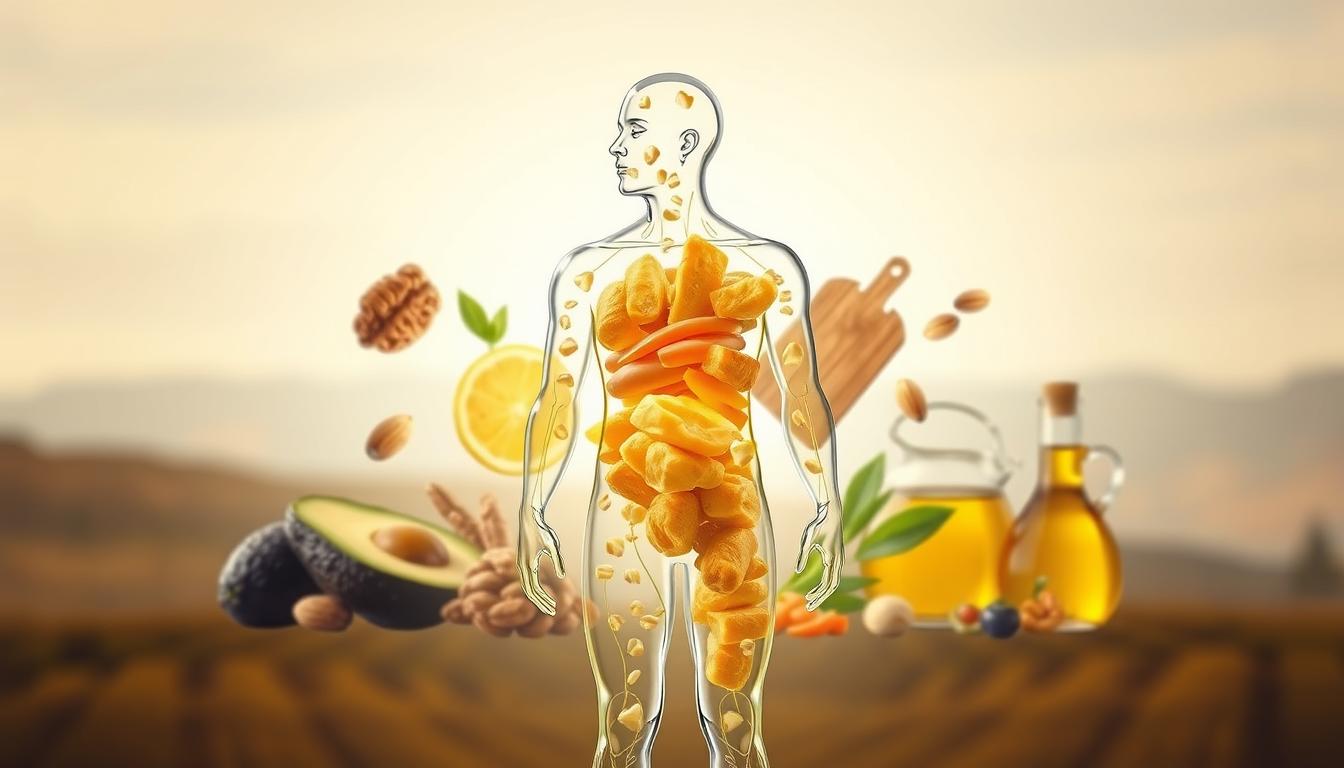
Modern dietary approaches, such as keto and Mediterranean diets, emphasize the importance of fat quality over quantity. The 2020-2025 Dietary Guidelines recommend consuming 20-35% of daily calories from fats, with a focus on unsaturated fats. These fats offer numerous health benefits, including improved heart health and better weight management.
By choosing the right fats, you can transform your diet and achieve sustainable weight loss. It’s not about cutting fats—it’s about making smarter choices.
1. Avocados: The Creamy Fat-Burning Powerhouse
Avocados are more than just a trendy food—they’re a nutritional powerhouse. With their creamy texture and rich flavor, they’re a versatile addition to any meal. But what makes them truly special is their high content of monounsaturated fats, which make up 71% of their total fat content.
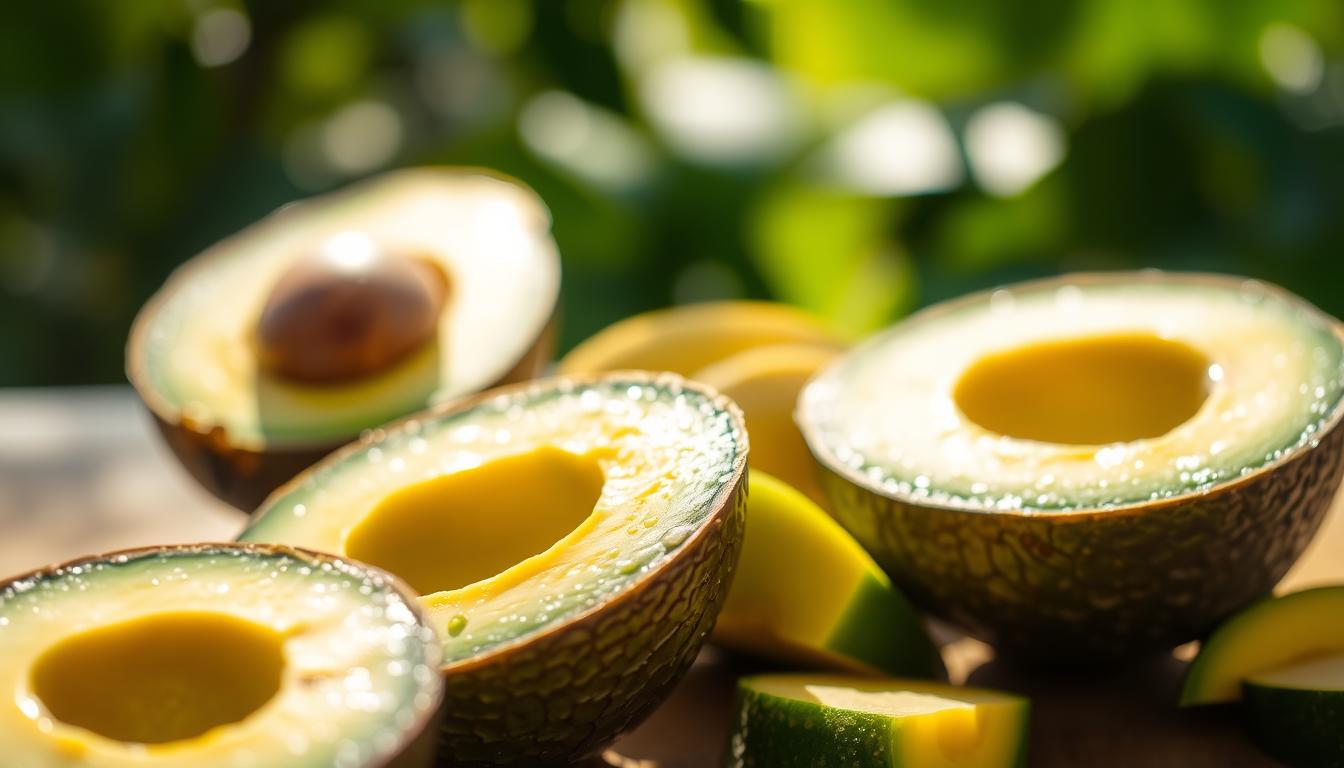
These healthy fats are known to improve diet quality and support heart health. A six-month study found that eating one avocado daily can lower LDL cholesterol levels. This is due to the presence of oleic acid, a type of monounsaturated fat that reduces inflammation and promotes overall health.
Benefits of Monounsaturated Fats
Avocados are packed with 14.7 grams of fat per 100-gram serving, along with 6.7 grams of fiber. This unique combination of fats and fiber enhances satiety, helping you feel fuller for longer. A Harvard study even linked avocado consumption to reduced visceral fat, a key factor in weight management.
Here are some creative ways to incorporate avocados into your meals:
- Spread mashed avocado on whole-grain toast for a nutrient-packed breakfast.
- Blend into smoothies for a creamy texture and added nutrients.
- Add slices to salads for a healthy fat boost.
Unlike low-fat spreads, which often lack nutritional value, avocados provide a wholesome alternative. Their natural richness makes them a superior choice for anyone looking to improve their diet.
| Nutrient | Amount per 100g |
|---|---|
| Total Fat | 14.7g |
| Monounsaturated Fat | 10.4g |
| Fiber | 6.7g |
2. Fatty Fish: Omega-3 Rich Protein Source
Not all proteins are created equal—fatty fish stand out for their unique benefits. Packed with omega-3 fatty acids, these nutrient-dense options are a powerhouse for weight management. Studies show that consuming 8 ounces weekly can reduce calorie intake by 4-9% compared to other protein sources.
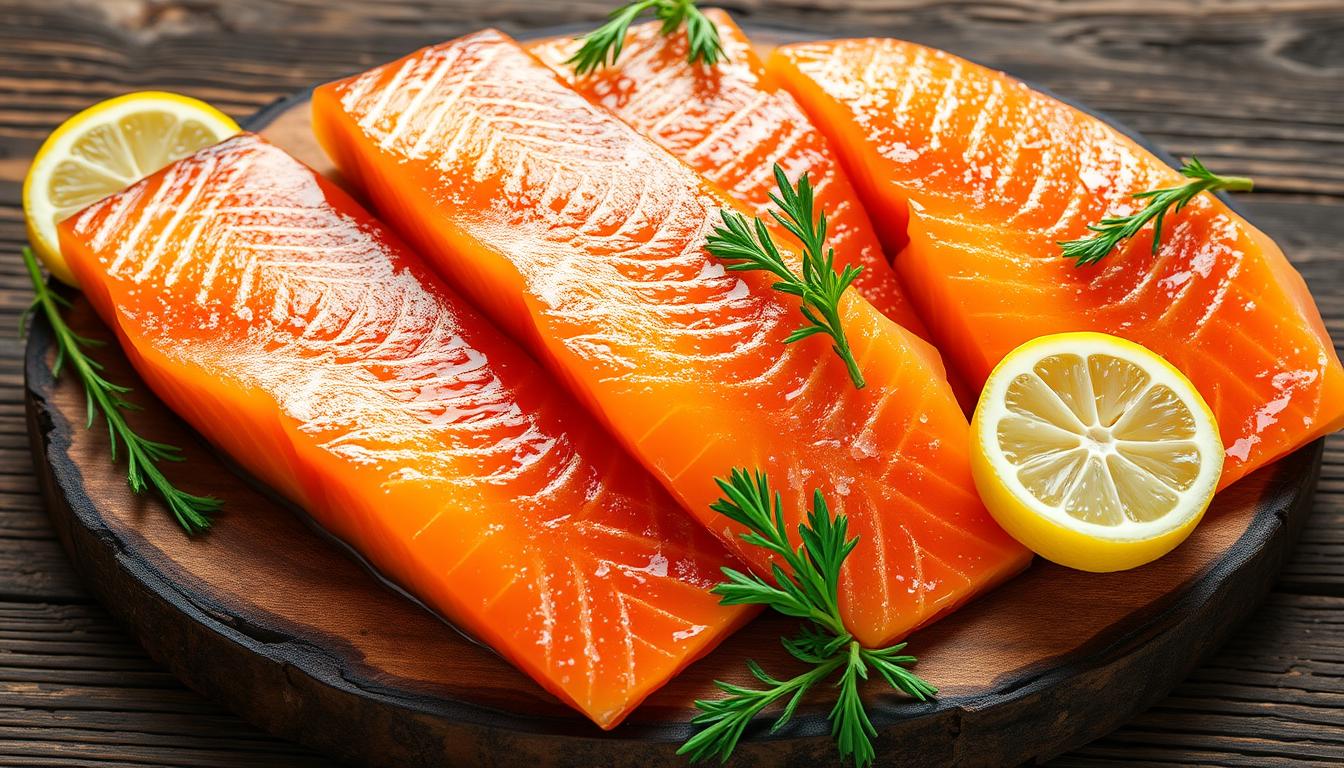
The thermogenic effect of fish proteins is another reason to include them in your diet. EPA and DHA, two types of omega-3s, can increase your metabolic rate by up to 400 calories per day. This makes fatty fish an excellent choice for boosting energy expenditure.
Omega-3 Fatty Acids and Weight Loss
Omega-3s play a crucial role in reducing visceral fat, the harmful fat stored around your organs. Sardines, for example, contain 11.8 grams of fat per 3-ounce serving, making them a convenient and effective option. Other top choices include salmon and mackerel, which are equally rich in these essential nutrients.
To preserve the nutrients, opt for cooking methods like grilling, baking, or steaming. Avoid deep-frying, as it can diminish the health benefits. Smaller fish like sardines and anchovies are also lower in mercury, making them a safer choice for regular consumption.
Here’s how you can incorporate fatty fish into your meals:
- Grill salmon with a squeeze of lemon for a simple, flavorful dish.
- Add sardines to salads for a quick protein boost.
- Bake mackerel with herbs for a nutrient-packed dinner.
3. Nuts: The Satisfying Snack for Weight Control
Nuts are a simple yet effective way to manage your weight while enjoying a satisfying snack. Packed with healthy fats, fiber, and protein, they help curb hunger and prevent overeating. Studies show that consuming 1-2 ounces of walnuts daily can prevent weight gain over time.
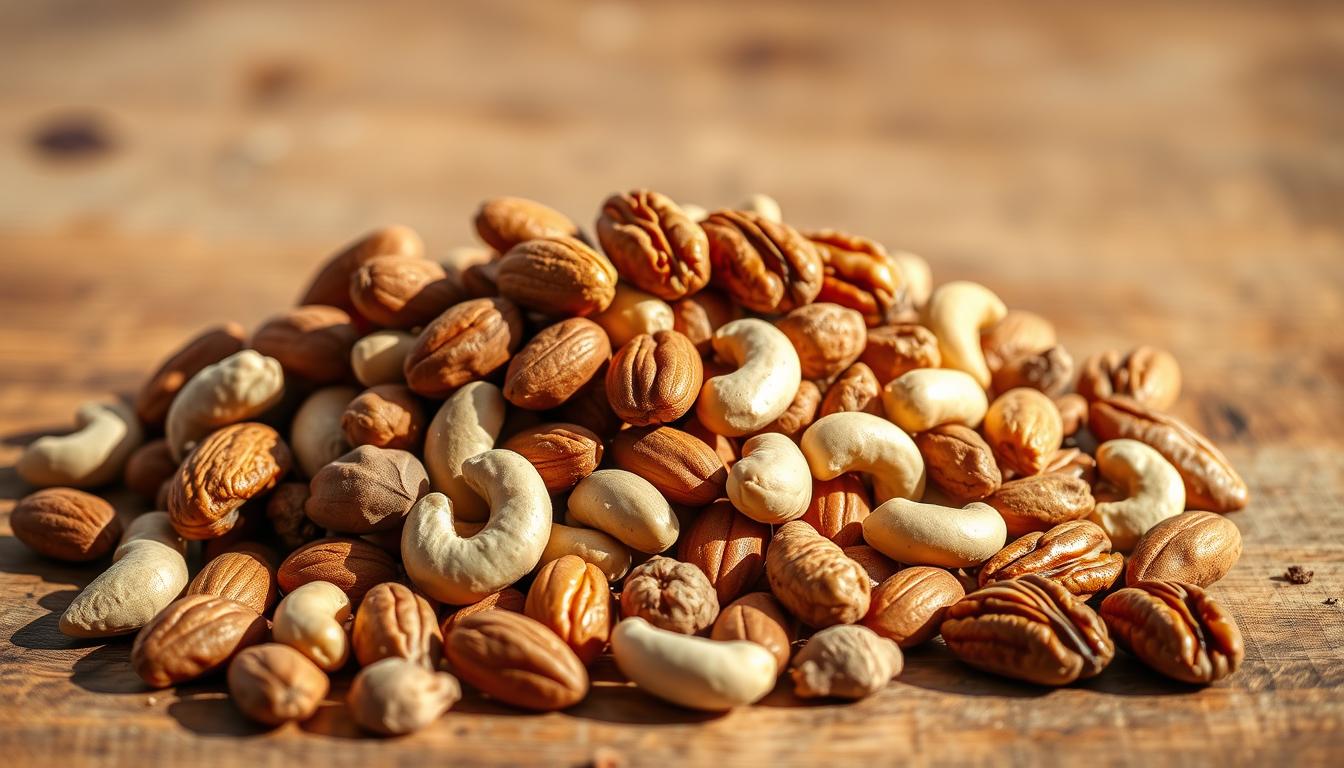
Portion control is key when snacking on nuts. A handful a day is enough to reap their health benefits without overloading on calories. Compared to processed snacks like chips or cookies, nuts provide a nutrient-dense alternative that supports your body weight goals.
Walnuts: The Best Nut for Fat Loss
Walnuts stand out for their high omega-3 content, which supports fat loss and reduces inflammation. A two-year study found that regular walnut consumption can help maintain a healthy weight. Almonds and Brazil nuts are also excellent choices, with 14.1g and 19g of fat per ounce, respectively.
Nuts are rich in magnesium, a mineral that plays a vital role in metabolism. This makes them a smart addition to any diet aimed at managing obesity. Additionally, the phytosterols in nuts can help lower cholesterol levels, further enhancing their nutritional value.
Here are some creative ways to incorporate nuts into your meals:
- Add walnuts to your morning oatmeal for a crunchy, nutrient-packed start to the day.
- Make spiced almonds by roasting them with cinnamon and a pinch of sea salt.
- Use nut butters as a spread on whole-grain toast or as a dip for apple slices.
By choosing nuts over processed snacks, you’re not only satisfying your cravings but also supporting your overall health and weight management goals.
4. Full-Fat Yogurt: Probiotic-Rich Dairy for Weight Loss
Full-fat yogurt is more than just a creamy treat—it’s a weight-loss ally. Packed with probiotics and healthy fats, it’s a versatile addition to your diet. Contrary to outdated beliefs, full-fat dairy products can support your health and weight management goals.
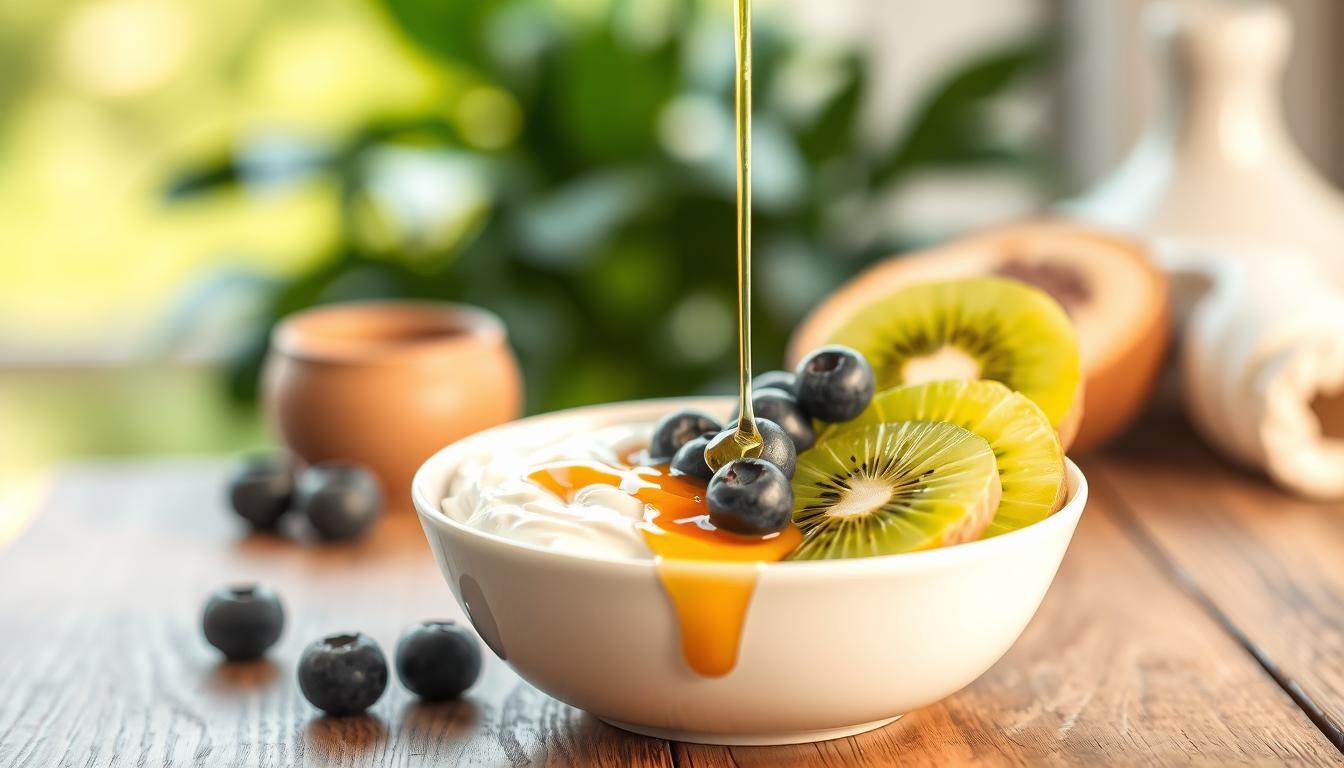
Research shows that consuming 50g of yogurt daily can reduce obesity risk by 13%. This is partly due to conjugated linoleic acid (CLA), a fatty acid found in full-fat yogurt. CLA has been linked to improved body composition and fat metabolism.
Research on Full-Fat Dairy
A recent study found that full-fat dairy doesn’t increase heart disease risk. In fact, it can improve gut health and reduce inflammation. Probiotics in yogurt play a key role in the gut-brain axis, helping regulate appetite and digestion.
Greek yogurt is a popular choice due to its higher protein content. A 150g serving provides more protein than regular yogurt, making it a filling snack. However, both types offer unique benefits, so choose based on your preferences.
Here are some creative ways to enjoy full-fat yogurt:
- Use it as a base for savory dips or sauces.
- Mix with herbs and spices for a healthy salad dressing.
- Layer with fruits and nuts for a nutrient-packed parfait.
For those with lactose intolerance, lactose-free yogurt is a great alternative. It provides the same benefits without digestive discomfort. By incorporating full-fat yogurt into your meals, you can enjoy its rich flavor while supporting your weight-loss journey.
5. Olive Oil: The Heart-Healthy Fat
Olive oil has been a staple in healthy diets for centuries, and for good reason. Its rich composition of monounsaturated fats makes it a standout choice for heart health. Just two tablespoons daily can significantly reduce cardiovascular disease risk, making it a must-have in your kitchen.

With 73% of its fat content being monounsaturated, olive oil supports healthy cholesterol levels. It also contains hydroxytyrosol, a powerful antioxidant that protects your cells from damage. These properties make it a key component of the Mediterranean diet, which is renowned for its health benefits.
Oleic Acid and Its Benefits
Oleic acid, the primary monounsaturated fat in olive oil, plays a crucial role in reducing inflammation. This fatty acid has been linked to improved heart health and better weight management. Its anti-inflammatory effects can also help lower the risk of chronic conditions.
When choosing olive oil, consider its smoke point. Extra virgin olive oil has a lower smoke point but retains more nutrients. Light olive oil, on the other hand, is better for high-heat cooking. Both varieties offer unique benefits, so choose based on your cooking needs.
Polyphenols in olive oil provide additional anti-inflammatory effects. These compounds can help protect against oxidative stress and support overall health. For added flavor and nutrients, try infusing your olive oil with garlic or herbs.
- Use extra virgin olive oil for salads and low-heat cooking.
- Opt for light olive oil when frying or baking.
- Experiment with infused oils for a gourmet touch.
Incorporating olive oil into your meals is a simple way to boost your health. Whether drizzled over a salad or used in cooking, it’s a versatile and heart-healthy choice.
6. Chia Seeds: The Tiny Fat-Burning Superfood
Chia seeds might be small, but their nutritional impact is anything but. These tiny seeds are packed with healthy fats, fiber, and essential nutrients. Just one ounce contains 8.7 grams of fat and 10.6 grams of fiber, making them a powerhouse for weight management and overall health.
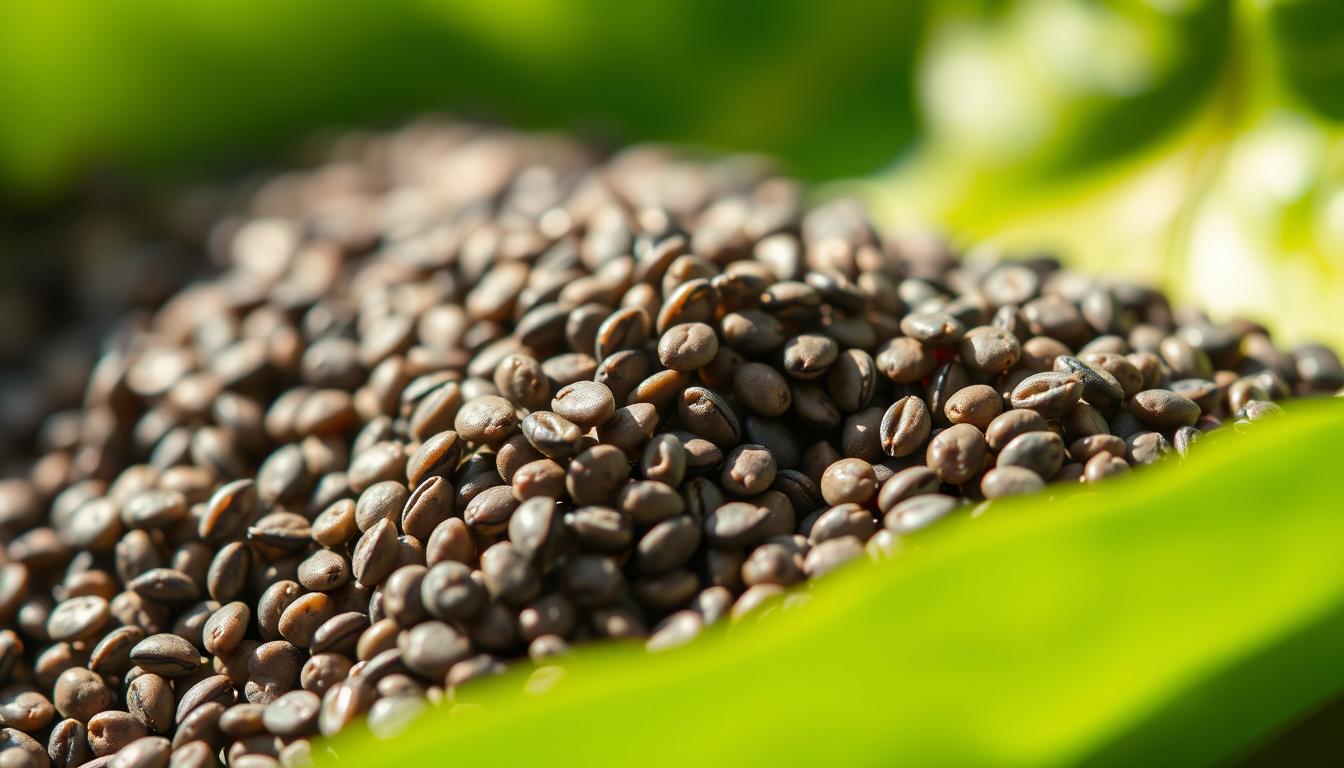
Chia seeds are particularly rich in omega-3 fatty acids, with two tablespoons providing 4.9 grams. These fats are essential for reducing inflammation and supporting heart health. A randomized controlled study even found that chia seeds can lower blood pressure in individuals with type 2 diabetes.
Chia Seeds and Blood Pressure
One of the standout features of chia seeds is their gel-forming soluble fiber. When mixed with water, they expand and form a gel-like substance. This mechanism helps slow digestion, keeping you fuller longer and stabilizing blood sugar levels.
Soaking chia seeds before consumption can enhance their benefits. The gel-like texture makes them easier to digest and allows for better nutrient absorption. Dry consumption is also effective, but soaking is often preferred for recipes like puddings and smoothies.
Chia seeds are also an excellent source of calcium, with more per serving than most dairy products. This makes them a great option for those who are lactose intolerant or following a plant-based diet. Additionally, their high fiber content can provide relief from constipation, promoting better digestive health.
Here are some creative ways to incorporate chia seeds into your meals:
- Make chia pudding by soaking seeds in almond milk overnight and topping with fresh fruit.
- Add a tablespoon to smoothies for an extra nutrient boost.
- Sprinkle over oatmeal or yogurt for added texture and health benefits.
By including chia seeds in your diet, you can enjoy their numerous health benefits while supporting your weight management goals. Their versatility and nutrient density make them a must-have in any kitchen.
7. Dark Chocolate: The Sweet Fat-Burning Treat
Dark chocolate isn’t just a guilty pleasure—it’s a smart addition to your diet. With its rich flavor and health benefits, it’s a treat you can feel good about. A one-ounce serving of 70-85% dark chocolate contains 12.1 grams of fat, making it a satisfying yet healthy option.

The key to dark chocolate’s benefits lies in its content of flavonoids, powerful antioxidants that support heart health. These compounds help reduce inflammation and improve blood flow, lowering the risk of heart disease. Additionally, dark chocolate is a great source of magnesium, with 64.6 milligrams per ounce, which supports muscle and nerve function.
Flavonoids in Dark Chocolate
Flavonoids are the star of dark chocolate’s nutritional profile. They not only give it its distinct taste but also provide numerous health benefits. Research shows that these compounds can improve cholesterol levels and reduce oxidative stress, making dark chocolate a heart-healthy choice.
Theobromine, another compound found in dark chocolate, has mild stimulant effects that can boost metabolism. Unlike caffeine, it provides a gentler energy lift, making it suitable for those sensitive to caffeine. Pairing dark chocolate with nuts or fruit can enhance its benefits, creating a balanced snack that satisfies cravings while supporting your health.
When choosing dark chocolate, look for a cocoa percentage of 70% or higher. This ensures a higher concentration of flavonoids and less added sugar. A typical serving contains 6.8 grams of added sugar, so moderation is key. Store dark chocolate in a cool, dry place to maintain its quality and prevent melting.
- Opt for dark chocolate with 70-85% cocoa for maximum benefits.
- Pair with nuts or fruit for a nutrient-rich snack.
- Store in a cool place to preserve its texture and flavor.
8. Eggs: The Protein-Packed Fat Burner
Eggs are often misunderstood, but they’re a powerhouse of nutrition and weight management. Packed with protein and healthy fats, they’re a versatile addition to any diet. Contrary to outdated beliefs, eggs can support your health goals when consumed in moderation.

Recent studies have debunked the myth that eggs negatively impact cardiovascular health. In fact, consuming up to three eggs per week can be optimal for heart health. Each large egg contains 5.3 grams of fat, with only 1.6 grams being saturated. At just 78 calories, eggs are a nutrient-dense choice for any meal.
Eggs and Cardiovascular Health
Eggs are rich in choline, a nutrient that supports liver function and brain health. This makes them a valuable addition to your diet. The yolk, often avoided due to cholesterol concerns, is actually packed with essential nutrients like vitamin D and omega-3 fatty acids.
For those sensitive to sulfur, boiling or poaching eggs can reduce the strong odor. Frying eggs, while delicious, may add unnecessary fats. Opting for healthier cooking methods can maximize their benefits.
Here’s a breakdown of the nutritional profile of a large egg:
| Nutrient | Amount |
|---|---|
| Total Fat | 5.3g |
| Saturated Fat | 1.6g |
| Protein | 6.3g |
| Calories | 78 |
Here are some ways to incorporate eggs into your meals:
- Poach eggs for a low-fat, nutrient-rich breakfast.
- Add hard-boiled eggs to salads for a protein boost.
- Scramble eggs with vegetables for a quick, healthy meal.
By including eggs in your diet, you can enjoy their numerous health benefits while supporting your weight management goals. They’re a simple, affordable, and effective way to fuel your body.
9. Flaxseed: The Fiber-Rich Fat Burner
Flaxseed, often overlooked, is a nutrient-packed superfood that supports weight management. With its high fiber and healthy fat content, it’s a versatile addition to any diet. Just one tablespoon of ground flaxseed provides 1.9 grams of fiber and 3 grams of fat, making it a powerhouse for digestive health and satiety.
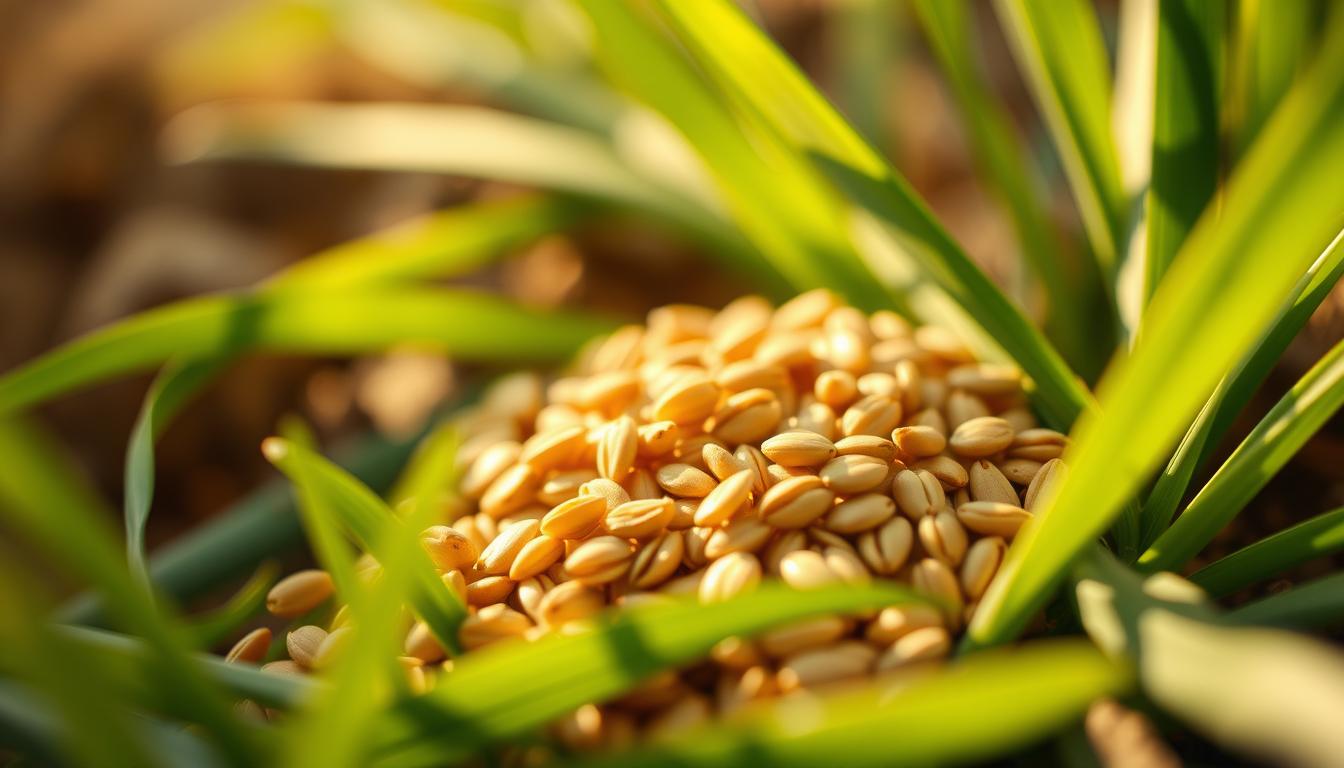
Flaxseed is also rich in lignans, compounds that have been shown to reduce the risk of breast cancer. A 100-gram serving contains an impressive 27 grams of fiber, making it one of the best plant-based sources of this essential nutrient. Its unique combination of fiber and healthy fats helps stabilize blood sugar levels and keeps you feeling full longer.
Flaxseed and Cholesterol
Research highlights flaxseed’s role in improving heart health. A study found that consuming flaxseed daily can lower LDL cholesterol levels, reducing the risk of cardiovascular disease. This is due to its high content of alpha-linolenic acid (ALA), a type of omega-3 fatty acid that supports heart health.
To maximize its benefits, flaxseed should be ground before consumption. Whole flaxseeds may pass through the digestive system undigested, limiting nutrient absorption. Ground flaxseed can be easily added to smoothies, oatmeal, or baked goods.
Here’s a comparison of golden and brown flaxseed varieties:
| Variety | Flavor | Best Uses |
|---|---|---|
| Golden Flaxseed | Mild, nutty | Smoothies, baking |
| Brown Flaxseed | Earthy, robust | Savory dishes, crackers |
Flaxseed is also a great egg replacement in vegan recipes. Mix one tablespoon of ground flaxseed with three tablespoons of water to create a gel-like consistency. This mixture can be used in baking to bind ingredients together.
Additionally, flaxseed supports gut health by promoting the production of enterolignans. These compounds are formed when gut bacteria break down lignans, offering anti-inflammatory and antioxidant benefits.
Here are some creative ways to incorporate flaxseed into your meals:
- Add ground flaxseed to pancake or muffin batter for a nutrient boost.
- Make flaxseed crackers by mixing ground flaxseed with water and baking until crisp.
- Sprinkle over yogurt or salads for added texture and health benefits.
By including flaxseed in your diet, you can enjoy its numerous health benefits while supporting your weight management goals. Its versatility and nutrient density make it a must-have in any kitchen.
10. Tofu: The Plant-Based Fat Burner
Tofu, a staple in many plant-based diets, offers more than just versatility—it’s a nutritional powerhouse. Made from soybeans, tofu is rich in protein and healthy fats, making it an excellent choice for weight management and overall health. A 100-gram serving of firm tofu provides 4.2 grams of fat and 10.9 grams of protein, along with all nine essential amino acids.
One of tofu’s standout features is its calcium content, offering 25% of the recommended daily allowance per serving. This makes it a great option for those avoiding dairy. Additionally, tofu contains isoflavones, compounds that modulate estrogen levels and support heart health. Studies suggest that regular tofu consumption can reduce the risk of cardiovascular diseases.
Silken vs. Extra-Firm: Choosing the Right Texture
Tofu comes in various textures, each suited for different dishes. Silken tofu is smooth and creamy, perfect for desserts and smoothies. Extra-firm tofu holds its shape well, making it ideal for grilling or stir-frying. Both types retain their nutritional benefits, so your choice depends on your culinary needs.
Concerns about GMO soy are valid, but opting for organic tofu can alleviate these worries. Organic tofu is made from non-GMO soybeans, ensuring you get the healthiest option. Always check labels to make informed choices.
Marinating tofu enhances its flavor and texture. Use soy sauce, garlic, ginger, or citrus-based marinades for a delicious twist. Let it soak for at least 30 minutes to absorb the flavors fully. This simple step can transform tofu into a mouthwatering dish.
Asian cultures have long embraced tofu as a dietary staple, and their longevity studies highlight its benefits. Regular consumption of tofu is linked to lower rates of chronic diseases and improved overall health. By incorporating tofu into your meals, you can enjoy its numerous health benefits while supporting your weight management goals.
- Use silken tofu in smoothies or desserts for a creamy texture.
- Grill or stir-fry extra-firm tofu for a hearty main dish.
- Opt for organic tofu to avoid GMO concerns.
- Experiment with marinades to enhance flavor and texture.
11. Olives: The Mediterranean Fat Burner
Olives, a cornerstone of the Mediterranean diet, offer more than just flavor—they’re a nutritional gem. With 10.9 grams of fat per 100-gram serving, they’re a rich source of monounsaturated fats, which support heart health and weight management. Whether enjoyed as a snack or incorporated into recipes, olives are a versatile and healthy choice.
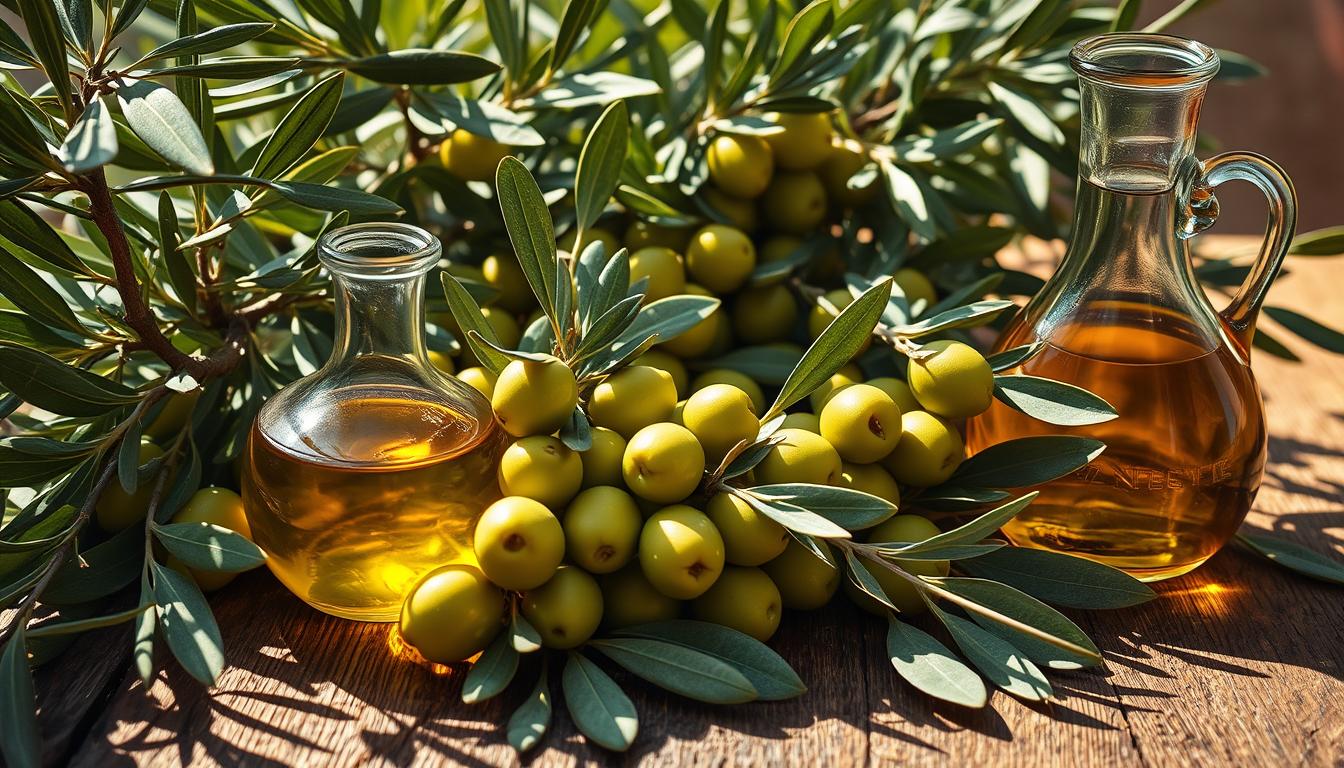
One of the standout compounds in olives is oleuropein, which has been linked to improved insulin secretion. This makes olives a potential ally in diabetes prevention. Just 4-5 olives are equivalent to one tablespoon of olive oil, making them a convenient way to add healthy fats to your diet.
Kalamata vs. Green Olives: Nutritional Differences
Not all olives are created equal. Kalamata olives, known for their deep purple color, are slightly higher in fat and calories compared to green olives. Both varieties are rich in antioxidants, but Kalamata olives contain more hydroxytyrosol, a powerful compound that supports heart health.
When choosing olives, consider their sodium content. Olives packed in brine can be high in sodium, so rinsing them before consumption can help reduce intake. Alternatively, opt for low-sodium varieties to enjoy their benefits without the excess salt.
Creative Ways to Enjoy Olives
Olives are incredibly versatile. Here are some ideas to incorporate them into your meals:
- Make a tapenade by blending olives, capers, and olive oil for a flavorful spread.
- Add sliced olives to salads or grain bowls for a Mediterranean twist.
- Use olives as a topping for homemade pizzas or flatbreads.
Hydroxytyrosol, a key antioxidant in olives, has been shown to reduce inflammation and protect against oxidative stress. This compound is more concentrated in olive oil, but table olives still offer significant benefits. Whether you choose olives or olive oil, both are excellent additions to a healthy diet.
By incorporating olives into your meals, you can enjoy their rich flavor and numerous health benefits. They’re a simple yet effective way to support your weight management and overall well-being.
12. Nut Butters: The Spreadable Fat Burner
Spreadable and satisfying, nut butters offer a nutrient-dense option for healthy snacking. Whether you prefer peanut, almond, or cashew butter, these spreads are packed with healthy fats, protein, and essential nutrients. They’re a convenient way to fuel your body while supporting weight management.
Nut butters are calorie-dense, with peanut butter containing 580kcal per 100g and almond butter at 600kcal. A typical 2-tablespoon serving provides 190-200kcal, making portion control essential. Despite their caloric content, they’re a valuable addition to a balanced diet when consumed in moderation.
Natural vs. Processed Varieties
Not all nut butters are created equal. Natural varieties contain just nuts and sometimes salt, while processed versions may include added sugars and hydrogenated oils. Opting for natural nut butters ensures you’re getting the full health benefits without unnecessary additives.
Here’s a comparison of popular nut butters:
| Type | Calories per 100g | Key Nutrients |
|---|---|---|
| Peanut Butter | 580kcal | Protein, Vitamin E |
| Almond Butter | 600kcal | Healthy Fats, Magnesium |
| Cashew Butter | 590kcal | Iron, Zinc |
Pairing nut butters with celery sticks or apple slices creates a balanced snack. The fiber in these pairings helps stabilize blood sugar levels, reducing the risk of obesity. For a quick energy boost, spread nut butter on whole-grain toast or add it to smoothies.
Aflatoxin Concerns and Vitamin E Content
Some nut butters, especially peanut butter, may contain aflatoxins, harmful compounds produced by mold. Choosing reputable brands and storing nut butters properly can minimize this risk. Additionally, nut butters are rich in vitamin E, an antioxidant that supports skin health and immune function.
Here’s how to make your own nut butter at home:
- Blend 2 cups of roasted nuts in a high-speed blender until smooth.
- Add a pinch of salt or a drizzle of honey for flavor.
- Store in an airtight container for up to two weeks.
By incorporating nut butters into your diet, you can enjoy their rich flavor and numerous health benefits. They’re a simple yet effective way to support your weight management goals.
Conclusion: Incorporating Healthy Fats for Sustainable Weight Loss
Making small changes to your diet can lead to lasting results. The 12-fat food matrix—from avocados to nut butters—offers a variety of options to support your goals. These foods provide essential nutrients while promoting sustainable weight loss and overall well-being.
Start with gradual dietary shifts. Replace processed snacks with nuts or add chia seeds to your morning routine. Tracking your omega-3 to omega-6 ratio can also help optimize your health benefits.
Be mindful of portion sizes. While these foods are nutritious, overeating can hinder progress. A balanced diet includes moderation and variety.
To simplify your journey, consider a weekly meal plan template. Incorporate these fat sources into meals for a well-rounded approach. Small, consistent changes can make a big difference in achieving your health goals.