Did you know that tea consumption has been linked to a reduction in belly fat by up to 4.6% in some studies? This simple beverage can be a powerful tool in your weight loss journey. By replacing high-calorie drinks with herbal options, you can cut calories while enjoying a variety of health benefits.
Herbal teas contain compounds like flavones and catechins, which boost metabolism and enhance fat burning. Research shows that regular tea drinkers often have a lower BMI and reduced body fat. Programs like RVO Health’s Wellos™ also highlight the role of tea in sustainable weight management.
In this article, you’ll explore 12 tea varieties that support fat loss. You’ll also find actionable tips and recipes to make these teas a part of your daily routine. Remember, combining tea with a balanced diet and exercise yields the best results.
Key Takeaways
- Herbal teas can naturally aid in fat loss and weight management.
- Compounds like flavones and catechins enhance metabolism.
- Replacing high-calorie drinks with tea reduces calorie intake.
- Studies link tea consumption to lower BMI and belly fat.
- Combining tea with diet and exercise maximizes results.
Introduction to Herbal Teas and Weight Loss
Exploring the connection between herbal teas and weight loss reveals surprising benefits. These beverages are packed with compounds like polyphenols and catechins, which play a key role in boosting metabolism and inhibiting fat absorption. Studies show that regular tea drinkers often experience lower BMI and reduced waist circumference.
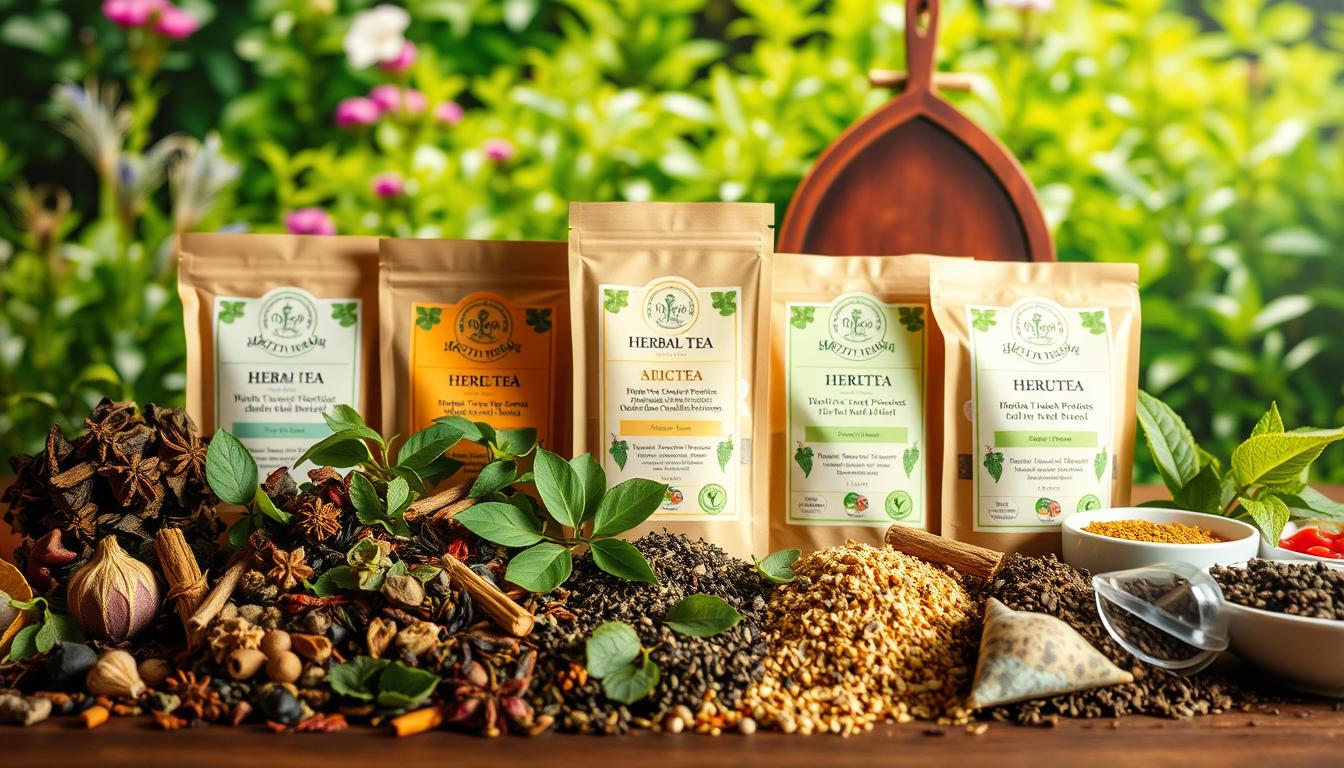
What Makes Herbal Teas Effective for Fat Loss?
Herbal teas contain polyphenols, which help block the absorption of fats. Catechins, found in many teas, can increase metabolism by up to 5%. A 14-year study linked higher flavone intake to lower BMI gains. Unlike traditional teas, most herbal options are caffeine-free, making them suitable for any time of day.
Adding sugar to your tea can negate its health benefits. Instead, enjoy it plain or with a splash of lemon. For those practicing intermittent fasting, herbal teas can be a great way to stay hydrated without breaking your fast.
How to Incorporate Herbal Teas into Your Daily Routine
Start your day with a morning energizer like ginger tea. In the afternoon, sip on rooibos tea to curb cravings. End your evening with a detoxifying chamomile blend. Experts like Reyna Franco recommend integrating tea into your lifestyle for sustainable weight loss.
To get the most out of your tea, invest in essential tools like a temperature-controlled kettle and a quality infuser. Timing matters too—drinking tea 30 minutes before meals can enhance its effects on your diet.
Green Tea: A Powerful Fat Burner
Green tea has long been celebrated for its ability to support weight management. Packed with catechins, particularly EGCG, it enhances metabolism and promotes fat oxidation. Studies show that consuming 800mg of green tea daily can reduce BMI, especially in individuals with type 2 diabetes.

Matcha, a powdered form of green tea, offers a concentrated dose of these beneficial compounds. An 8-week study revealed a 2.6% reduction in body fat among participants who drank matcha regularly. Whether you choose matcha or traditional green tea, the key lies in proper preparation.
Health Benefits of Green Tea
Green tea’s benefits extend beyond weight management. Its high antioxidant content supports heart health and reduces inflammation. Adding lemon juice can enhance the bioavailability of catechins, making it even more effective.
For those who prefer a milder flavor, cold-brewing green tea reduces bitterness while retaining its health benefits. Combining it with mint or ginger creates a refreshing, synergistic blend that boosts digestion and fat burning.
How to Prepare Green Tea for Maximum Benefits
To get the most out of your green tea, steep it for 2-3 minutes at 175°F. Avoid boiling water, as it can destroy delicate compounds. Sencha and gyokuro are two popular varieties, each requiring slightly different brewing techniques.
For a personalized approach, consider programs like Wellos™, which integrate green tea into tailored weight management plans. By incorporating these tips, you can harness the full potential of green tea to support your health goals.
Puerh Tea: The Fermented Fat Fighter
Originating from Yunnan, puerh tea offers unique benefits for those looking to shed extra pounds. This fermented tea undergoes a microbial process that creates lovastatin-like compounds, known for their ability to support weight management. Unlike other teas, puerh’s fermentation enhances its nutritional profile, making it a standout choice for health enthusiasts.

Unique Properties of Puerh Tea
Puerh tea comes in two main varieties: raw (sheng) and ripe (shou). Raw puerh is naturally aged, while ripe puerh undergoes accelerated fermentation. Both types contain beneficial compounds, but ripe puerh is often preferred for its smoother flavor and higher concentration of microbial metabolites.
Traditional Chinese medicine praises puerh for its ability to balance the body’s energy. It’s often consumed at night due to its calming effects on the circadian rhythm. However, young puerh cakes can have higher caffeine content, so moderation is key.
Scientific Evidence Supporting Puerh Tea for Weight Loss
Several studies highlight puerh tea’s impact on weight and health. In one trial, 70 men taking puerh extract lost 2.2 pounds more than the placebo group. Another study showed an 18% reduction in triglycerides, a key marker for heart health.
A 3-month study revealed significant reductions in LDL cholesterol levels among regular puerh drinkers. These findings suggest that puerh tea can be a valuable addition to a weight management plan.
“Puerh tea’s fermentation process unlocks unique compounds that support both weight loss and overall health.”
- Brewing Technique: Use the gongfu cha method for multiple infusions, maximizing flavor and benefits.
- Storage Tips: Keep puerh in a cool, dry place to maintain its microbial activity.
- Pairing: Enjoy puerh with light meals to enhance its fat-fighting effects.
By incorporating puerh tea into your routine, you can harness its unique properties to support your health goals. Whether you prefer raw or ripe varieties, this fermented tea is a powerful ally in your journey toward better weight management.
Black Tea: Rich in Flavones for Weight Control
Rich in flavones, black tea offers a natural way to support weight control. Its unique compounds, like theaflavins, play a key role in reducing visceral fat. Studies show that drinking three cups daily can decrease waist circumference significantly.

How Black Tea Helps Reduce Belly Fat
Theaflavins, found in black tea, inhibit pancreatic lipase by 37%, preventing fat absorption. This process helps target stubborn belly fat. A 14-year cohort study linked higher flavone intake to lower BMI gains, making black tea a smart choice for weight management.
Adding citrus peel to your tea enhances its antioxidant properties. However, avoid milk, as its proteins bind to polyphenols, reducing their effectiveness. Cold-brewing is another great option, as it lowers tannin content for a smoother taste.
Best Ways to Enjoy Black Tea
For a metabolism-boosting drink, try masala chai. Combine black tea with spices like cinnamon, ginger, and cardamom. Breakfast blends like Assam and Darjeeling are rich in polyphenols, making them ideal for morning routines.
During summer, iced black tea is a refreshing choice. Brew it strong, then chill and add a splash of lemon. This method retains its health benefits while keeping you hydrated.
“Black tea’s flavones and theaflavins make it a powerful ally in weight management.”
- Flavone-rich varieties: Darjeeling, Assam, Ceylon.
- Synergistic pairing: Citrus peel enhances antioxidant effects.
- Storage tip: Keep tea in an airtight container to preserve freshness.
By incorporating black tea into your daily routine, you can harness its unique properties to support your health goals. Whether hot or cold, it’s a versatile beverage that promotes weight control naturally.
Oolong Tea: Boosting Metabolism Naturally
Oolong tea’s partial oxidation process unlocks powerful fat-burning benefits. This unique tea variety sits between green and black tea, offering a balance of flavor and health benefits. Its polyphenols, created during oxidation, play a key role in enhancing metabolism and promoting fat burning.

A 6-week study revealed that participants lost an average of 1.5kg while consuming oolong tea daily. Additionally, it increases fat oxidation by 20% post-consumption, making it a powerful ally in weight management. GABA oolong varieties are particularly effective, as they reduce stress eating by boosting dopamine levels.
The Role of Oolong Tea in Fat Burning
Oolong tea’s polyphenols enhance metabolism by activating enzymes that break down stored fat. A 14-day trial showed a significant increase in metabolic rate among regular drinkers. Its caffeine content, though lower than coffee, provides a gentle energy boost without jitters.
Varieties like Wuyi rock teas and Taiwanese high-mountain oolongs offer distinct flavors and benefits. Wuyi teas are rich in minerals, while high-mountain varieties are known for their floral notes and appetite-suppressing effects oolong.
How to Brew the Perfect Cup of Oolong Tea
To maximize oolong tea’s benefits, use the gaiwan brewing technique. This method allows multiple steeps, each releasing different layers of flavor and nutrients. Optimal steeping temperatures vary by oxidation level:
| Oolong Type | Oxidation Level | Steeping Temperature |
|---|---|---|
| Wuyi Rock | High | 195°F |
| Taiwanese High-Mountain | Medium | 185°F |
| GABA Oolong | Low | 175°F |
Pair oolong tea with nuts for enhanced satiety. Avoid overbrewing, as it can release bitter compounds. For a traditional experience, explore the Chinese tea ceremony, which emphasizes mindfulness and appreciation of the tea’s aroma and flavor.
“Oolong tea’s unique oxidation process creates compounds that support both metabolism and fat burning.”
- Benefits: Boosts metabolism, reduces stress eating, enhances fat oxidation.
- Pairing: Nuts, light snacks, or citrus fruits.
- Storage: Keep in an airtight container away from moisture and light.
By incorporating oolong tea into your routine, you can harness its unique properties to support your health goals. Whether you prefer Wuyi rock teas or Taiwanese high-mountain varieties, this versatile tea is a natural way to enhance fat burning and manage body fat.
White Tea: Delicate and Effective
White tea stands out for its delicate flavor and impressive health benefits. Its minimal processing preserves more natural compounds compared to other teas. This makes it a powerful ally in your wellness journey.

Health Benefits of White Tea
Silver Needle white tea has been shown to prevent adipogenesis in mice, according to studies. It contains 15% more polyphenols than green tea, making it a rich source of antioxidants. The Shou Mei variety boasts the highest EGCG content, a type of catechin known for its health benefits.
Bai Hao Yin Zhen and Bai Mu Dan are two popular varieties with distinct nutritional profiles. Bai Hao Yin Zhen is rich in amino acids, while Bai Mu Dan offers a balanced mix of polyphenols and catechins.
How White Tea Aids in Fat Loss
An 8-week human trial revealed significant waist reduction among participants who consumed white tea regularly. Its compounds inhibit fat cell formation, as shown in Japanese research. This makes it an effective choice for managing fat.
For nighttime consumption, try the moonlight brewing method. This gentle technique preserves the tea’s delicate properties. Morning consumption is also ideal, as its mild caffeine content provides a gentle energy boost.
“White tea’s minimal processing unlocks its full potential, making it a natural choice for health-conscious individuals.”
- Synergistic Pairing: Combine white tea with hibiscus for enhanced benefits.
- Summer Recipe: Brew iced white tea with a splash of lemon for a refreshing drink.
- Brewing Tip: Avoid boiling water to preserve amino acids and delicate flavors.
By incorporating white tea into your routine, you can enjoy its unique properties and support your health goals. For more tips on natural weight management, explore appetite suppressants.
Herbal Tea Varieties for Weight Loss
Rooibos and hibiscus teas are gaining attention for their unique contributions to weight management. These caffeine-free options not only support weight loss but also offer a range of health benefits. Whether you’re looking to reduce fluid retention or enhance your antioxidant intake, these teas are versatile and effective.

Rooibos Tea: A Caffeine-Free Option
Rooibos tea, native to South Africa, contains aspalathin, a rare compound that inhibits adipogenesis by 22%. This makes it a powerful ally in managing body fat. Its high potassium content also helps balance electrolytes, promoting overall wellness.
For nighttime relaxation, try these rooibos blends:
- Vanilla rooibos for a soothing aroma.
- Chai rooibos with warming spices.
- Citrus rooibos for a refreshing twist.
Pairing rooibos with cinnamon can further enhance its benefits by improving glycemic control. This combination is ideal for those managing blood sugar levels.
Hibiscus Tea: Reducing Fluid Retention
Hibiscus tea is a natural diuretic, helping to reduce abdominal swelling in 72% of users. Its anthocyanins, best preserved through cold brewing, support heart health and lower cholesterol levels. A 6-week trial showed an average water weight loss of 2kg among participants.
Here’s a simple sparkling hibiscus tea recipe:
“Brew hibiscus tea, chill, and mix with sparkling water and a splash of lemon for a refreshing drink.”
However, hibiscus can have blood-thinning effects. Consult your doctor if you’re on medication or have underlying health conditions.
Both South African and Egyptian hibiscus varieties offer distinct flavors and benefits. South African hibiscus is richer in antioxidants, while Egyptian varieties are known for their floral notes. Choose based on your preference and health goals.
Ginger Tea: A Thermogenic Powerhouse
Known for its spicy kick, ginger tea offers more than just flavor. This warming beverage is packed with compounds like 6-gingerol, which activates TRPV1 receptors to boost metabolism and increase thermogenesis by 13%. Regular consumption can support your diet and help manage blood sugar levels.

How Ginger Tea Boosts Metabolism
Gingerol, the active compound in ginger, stimulates thermogenesis, a process that burns calories to produce heat. A 12-week study showed an average weight loss of 2.5kg among participants who drank ginger tea daily. Organic ginger contains higher levels of beneficial compounds compared to conventional varieties, making it a superior choice.
Here’s how ginger tea supports your health:
- Reduces hunger hormones by 18% when consumed three times daily.
- Enhances nutrient absorption when paired with pineapple bromelain.
- Synergizes with Baccharis trimera for added health benefits.
Recipe for Ginger Tea with Pineapple
This simple recipe combines ginger’s thermogenic properties with pineapple’s digestive enzymes for a refreshing drink. Here’s how to make it:
“Peel and slice fresh ginger root. Boil with pineapple peels for 10 minutes. Strain and enjoy hot or cold.”
| Ingredient | Benefit |
|---|---|
| Fresh Ginger | Boosts metabolism and thermogenesis. |
| Pineapple Peels | Enhances nutrient absorption. |
| Lemon (optional) | Adds flavor and vitamin C. |
For best results, consume ginger tea in the morning on an empty stomach. Store fresh ginger in a cool, dry place to maintain its potency. Avoid excessive consumption, as it may cause heartburn.
Explore these commercial ginger tea blends for convenience:
- Traditional Medicinals Ginger Aid.
- Yogi Ginger Lemon.
- Numi Organic Ginger.
By incorporating ginger tea into your routine, you can harness its thermogenic properties to support your health goals. For more tips, refer to Tuasaude.com’s ginger tea guide.
Turmeric Tea: Anti-Inflammatory and Fat Burning
Turmeric tea has been a staple in traditional medicine for centuries, offering more than just a vibrant color. Its active compound, curcumin, is a powerful antioxidant that supports overall health. Studies show that curcumin reduces liver fat by 29% and decreases CRP levels by 23%, making it a key player in managing inflammation and promoting fat burning.

Health Benefits of Turmeric Tea
Curcumin activates PPAR-gamma, a protein that regulates fat storage and metabolism. This process helps reduce visceral fat and supports healthy blood sugar levels. Adding black pepper increases curcumin’s bioavailability by 2000%, enhancing its effectiveness.
An 8-week study revealed a 3cm reduction in waist circumference among participants who consumed turmeric tea daily. Its benefits extend beyond weight management, as it also supports joint health and immune function.
- Fresh vs Powdered Turmeric: Fresh turmeric contains higher levels of curcumin, but powdered turmeric is more convenient for daily use.
- Synergistic Effects: Pairing turmeric with omega-3s enhances its anti-inflammatory properties.
- Post-Workout Recovery: Drinking turmeric tea after exercise reduces muscle soreness and speeds up recovery.
How to Make Turmeric Tea with Lemon
This simple recipe combines turmeric’s health benefits with the refreshing taste of lemon. Here’s how to prepare it:
“Boil 2 cups of water with 1 teaspoon of turmeric powder. Add a pinch of black pepper and simmer for 10 minutes. Strain, add lemon juice, and enjoy.”
For a creamier option, try golden milk tea. Use plant-based milk, turmeric, cinnamon, and a touch of honey. Here’s a quick comparison:
| Ingredient | Benefit |
|---|---|
| Turmeric | Reduces inflammation and supports fat burning. |
| Black Pepper | Boosts curcumin absorption. |
| Lemon | Adds vitamin C and enhances flavor. |
For a refreshing twist, try an iced turmeric latte. Brew the tea, chill, and mix with cold milk and ice. Be cautious, as turmeric can stain utensils and clothing.
Explore these turmeric supplement brands for added convenience:
- Gaia Herbs Turmeric Supreme.
- New Chapter Turmeric Force.
- Organic India Turmeric Formula.
By incorporating turmeric tea into your routine, you can harness its unique properties to support your health goals. Whether you prefer traditional brewing or modern variations, this golden beverage is a natural way to enhance wellness.
Yerba Mate Tea: Stimulating Fat Burning
Yerba mate tea, a South American staple, is gaining popularity for its fat-burning properties. This traditional brew, deeply rooted in Guarani culture, offers a unique blend of energy and health benefits. Its active compound, mateine, works similarly to caffeine but with a smoother, longer-lasting effect.
How Yerba Mate Tea Helps with Weight Loss
Yerba mate tea boosts metabolism and increases fat oxidation by 27%, according to studies. Its unique xanthine composition, including mateine, enhances energy levels without the jitters often associated with coffee. A 3-month trial showed an average weight loss of 4.5kg among regular drinkers.
This tea also supports digestion and reduces appetite, making it a valuable addition to your routine. Its antioxidant properties further contribute to overall health by reducing inflammation and improving heart function.
Preparation Tips for Yerba Mate Tea
Traditional preparation involves using a gourd and bombilla straw, which enhances the tea’s effects. Here’s a simple guide to brewing yerba mate:
“Fill a gourd with yerba mate leaves, add hot water (not boiling), and sip through the bombilla straw. Repeat for multiple infusions.”
For a modern twist, try cold-brewing yerba mate as tereré. This method is refreshing and retains the tea’s benefits. Pair it with mint for added digestive support.
| Preparation Method | Benefits |
|---|---|
| Traditional Gourd | Enhances flavor and cultural experience. |
| Tereré (Cold-Brew) | Refreshing and retains antioxidant properties. |
| Tea Bags | Convenient for daily use. |
When consuming yerba mate, timing matters. Morning or early afternoon is ideal for its stimulating effects. Avoid excessive consumption, as it may lead to side effects like insomnia or digestive discomfort.
Explore these organic unsmoked mate brands for quality assurance:
- Guayaki Organic Yerba Mate.
- Eco Teas Traditional Yerba Mate.
- Cruz de Malta Organic Yerba Mate.
By incorporating yerba mate tea into your routine, you can harness its unique properties to support your health goals. Whether you prefer traditional methods or modern variations, this South American brew is a natural way to enhance energy and manage fat.
Conclusion: The Role of Herbal Teas in Your Weight Loss Journey
Integrating tea into your daily routine can transform your approach to weight management. Varieties like green, oolong, and ginger tea boost metabolism and support fat burning. These beverages also offer additional health benefits, making them a smart choice for overall wellness.
For sustainable results, combine tea with a balanced diet and regular exercise. Programs like Wellos™ provide personalized plans to help you stay on track. Remember, tea is a tool, not a quick fix. Gradual substitution of high-calorie drinks with tea can reduce cravings and support long-term weight loss.
Ready to start? Download our free recipe guide to explore delicious tea blends tailored to your goals. Begin your journey today and experience the transformative power of tea.