Did you know that over 70% of adults in the U.S. are actively seeking ways to manage their weight? With the increasing interest in health and wellness, many are turning to alternative solutions to support their goals. Among these, certain products have gained attention for their potential benefits.
However, it’s crucial to approach these options with caution. The FDA has issued warnings about unregulated items that may pose risks to your health. Some products even contain hidden prescription drugs, which can lead to serious side effects. Always prioritize safety by consulting a healthcare professional before starting any new regimen.
Combining these solutions with lifestyle changes, such as a balanced diet and regular exercise, can enhance their effectiveness. Remember, there’s no shortcut to achieving long-term results. Making informed choices is key to supporting your body and overall well-being.
Key Takeaways
- Growing interest in alternative weight loss solutions is on the rise.
- FDA warns against unregulated products that may harm your health.
- Combining these options with lifestyle changes yields better results.
- Hidden prescription drugs in some products can pose serious risks.
- Always consult a healthcare professional before starting any new plan.
Introduction to Natural Supplements for Weight Loss
Exploring options beyond traditional methods has become increasingly popular. Many people seek alternatives to support their weight loss goals. However, it’s essential to understand how these products differ from pharmaceuticals in terms of regulation and effectiveness.
The FDA does not review supplements for safety or efficacy before they hit the market. This means manufacturers are responsible for ensuring their products are safe. Unlike prescription drugs, which undergo rigorous testing, supplements often lack the same level of scrutiny.

Scientific research on many herbal remedies shows mixed results. For example, chitosan, a common ingredient in weight management products, has unproven effectiveness despite widespread claims. This highlights the importance of relying on credible evidence before making decisions.
The FDA has cracked down on contaminated products that pose risks to your body. These actions underscore the need for caution when choosing supplements. Third-party verification can help ensure the quality and safety of what you consume.
| Feature | Supplements | Pharmaceuticals |
|---|---|---|
| Regulation | Not FDA-reviewed pre-market | Rigorous FDA testing |
| Scientific Evidence | Mixed results | Clinically proven |
| Safety | Manufacturer responsibility | FDA oversight |
When considering supplements, always prioritize products with third-party verification. This step can help you make informed choices and support your weight loss journey safely.
How Natural Supplements Aid in Weight Loss
Understanding how certain products support weight management can empower your choices. These items often work through specific mechanisms like thermogenesis, appetite suppression, and fat absorption blocking. Let’s explore how they function to support your goals.
Thermogenesis is the process of heat production in the body, which burns calories. Ingredients like green tea and caffeine work together to enhance this effect. For example, caffeine can temporarily boost metabolism by up to 16%, helping you expend more energy throughout the day.

Appetite control is another key factor. Fiber-rich ingredients, such as glucomannan, expand in the stomach, creating a feeling of fullness. Hoodia, a plant extract, has also been studied for its potential to reduce hunger cues, making it easier to manage calories.
Some products block fat absorption. Chitosan, derived from shellfish, binds to dietary fat, preventing its digestion. Glucomannan also plays a role here by slowing digestion and reducing fat uptake. These mechanisms can help manage body fat levels effectively.
Metabolic boosters like chromium and 7-keto-DHEA support metabolism by enhancing enzyme activity. This can lead to increased energy expenditure and improved body composition. Additionally, protein supplementation helps preserve muscle mass during weight management, ensuring you maintain strength and vitality.
| Mechanism | Key Ingredients | Benefits |
|---|---|---|
| Thermogenesis | Green Tea, Caffeine | Boosts calorie burning |
| Appetite Suppression | Fiber, Hoodia | Reduces hunger cues |
| Fat Absorption Blocking | Chitosan, Glucomannan | Limits fat uptake |
| Metabolic Boost | Chromium, 7-Keto-DHEA | Enhances energy expenditure |
| Muscle Preservation | Protein | Maintains strength |
By understanding these mechanisms, you can make informed decisions about which products align with your goals. Always prioritize safety and consult a professional before starting any new regimen.
Top Natural Supplements That Help You Lose Fat Safely
Certain ingredients have gained attention for their role in weight management. These items can enhance your routine when combined with a balanced diet and regular exercise. Let’s explore three popular options that can support your journey effectively.
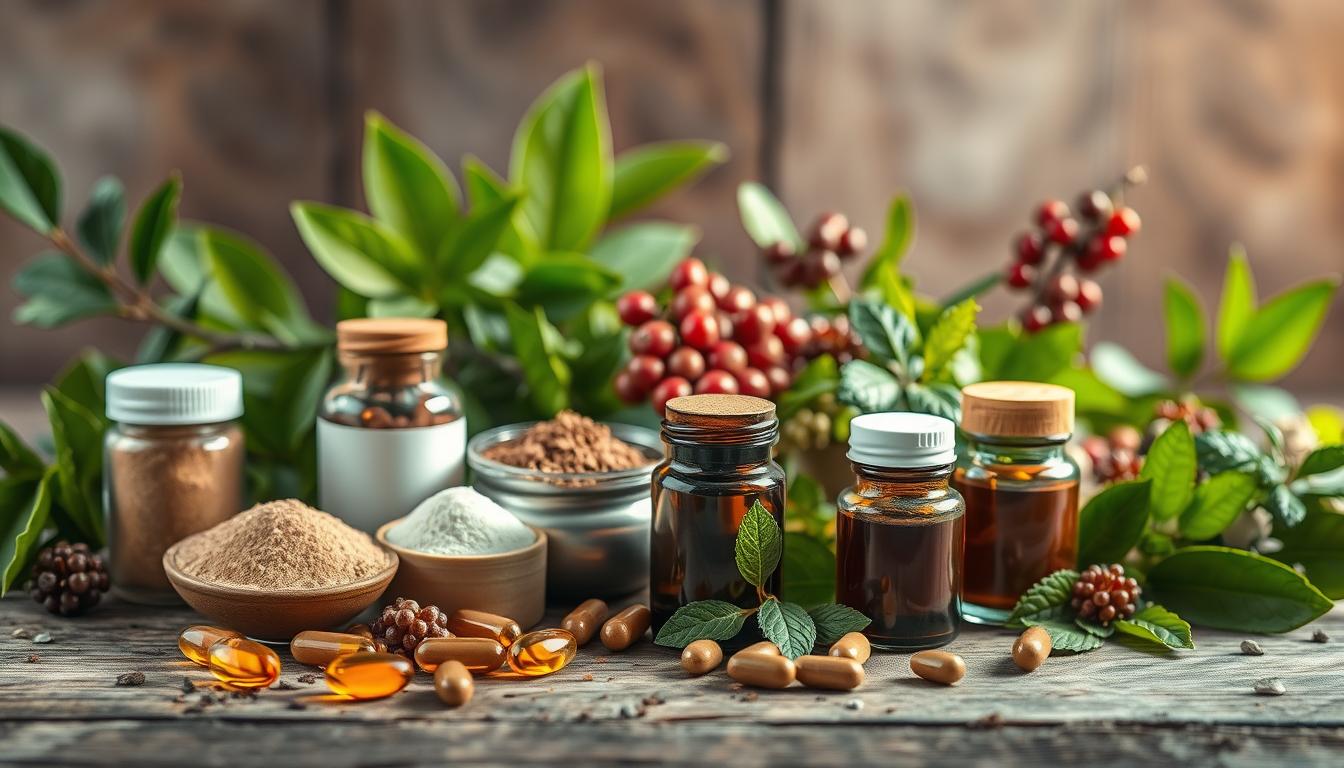
Green Tea Extract
Green tea extract is known for its ability to boost metabolism. It contains catechins, which can increase calorie burning. Studies suggest it may also support fat oxidation, making it a valuable addition to your routine.
Incorporating green tea extract into your daily habits can be simple. Whether in capsule form or as a beverage, it’s a versatile option. Pair it with healthy foods for optimal results.
Caffeine
Caffeine is a well-known stimulant that can enhance energy levels and focus. It also supports thermogenesis, helping your body burn more calories. This makes it a popular choice for those managing body weight.
Moderation is key when using caffeine. Too much can lead to side effects like jitteriness. Aim for a balanced intake to maximize its benefits without overdoing it.
Protein Powder
Protein powder is a convenient way to increase your protein intake. High-protein diets have been shown to double fat loss compared to moderate-protein plans. This makes it a powerful tool for managing body weight.
There are two main types: whey and plant-based. Whey is quickly absorbed, making it ideal for post-workout recovery. Plant-based options are great for those with dietary restrictions. Both can help preserve muscle during calorie deficits.
- Whey vs plant-based: Choose based on your dietary needs.
- Timing: Post-workout or as a meal replacement for best results.
- Selection: Opt for low-sugar options to avoid unnecessary calories.
For more insights on effective strategies, check out this detailed guide.
Benefits of Natural Supplements for Weight Loss
When it comes to managing your weight, certain products offer unique advantages. These items can support your goals by targeting specific areas like body fat reduction and blood sugar regulation. Incorporating them into your routine can enhance your overall health and well-being.
Probiotics, for example, have shown promising results in studies. Research indicates they can reduce body fat by up to 2.2% in some trials. This makes them a valuable addition to your regimen, especially when combined with a balanced diet and regular exercise.

Berberine is another ingredient worth considering. It has been shown to improve insulin sensitivity, which can help regulate blood sugar levels. This is particularly beneficial for those looking to manage their weight effectively.
Other benefits include enhanced workout performance. Ingredients like caffeine and yohimbine can boost energy levels, making your exercise sessions more productive. Additionally, prebiotic fibers improve gut health, which plays a crucial role in digestion and metabolism.
Tea polyphenols offer cardiovascular benefits, while appetite control ingredients provide psychological advantages. These combined effects make these products a comprehensive solution for weight management.
“The right ingredients can make a significant difference in your weight management journey.”
By understanding these benefits, you can make informed choices that align with your goals. Always consult a healthcare professional to ensure safety and effectiveness.
Potential Side Effects of Natural Supplements
While many turn to certain products for weight management, it’s important to be aware of their potential side effects. These items can impact your heart, blood pressure, and overall health if not used carefully. Understanding these risks can help you make safer choices.
Some ingredients, like bitter orange, have been linked to serious problems such as stroke risk. Yohimbine, another common ingredient, causes anxiety in about 20% of users. These examples highlight the need for caution when incorporating these products into your routine.

Cardiovascular risks are a major concern. Certain products can increase heart rate and blood pressure, leading to potential complications. Always monitor your body’s response and consult a healthcare professional if you notice any adverse effects.
Gastrointestinal issues are another common side effect. Ingredients like fibers and CLA can cause bloating, cramping, or diarrhea. These discomforts can disrupt your daily life and make it harder to stick to your routine.
Nutrient absorption interference is also a risk. Glucomannan, for example, can block the uptake of essential vitamins and minerals. This can lead to deficiencies if not managed properly. Be mindful of how these products affect your overall nutrition.
Liver toxicity has been reported in rare cases, particularly with green tea extracts. While these instances are uncommon, they underscore the importance of moderation and professional guidance. Always prioritize your safety over quick results.
Drug interactions are another critical consideration. Some products can interfere with medications like blood thinners or SSRIs. This can lead to dangerous problems if not addressed. Always inform your doctor about any products you’re using.
“Being informed about potential risks is the first step toward safe and effective weight management.”
| Side Effect | Common Ingredients | Prevention Tips |
|---|---|---|
| Cardiovascular Risks | Bitter Orange, Yohimbine | Monitor heart rate and blood pressure |
| Gastrointestinal Issues | Fibers, CLA | Start with small doses |
| Nutrient Absorption Interference | Glucomannan | Take with meals |
| Liver Toxicity | Green Tea Extracts | Use in moderation |
| Drug Interactions | Blood Thinners, SSRIs | Consult a healthcare professional |
By understanding these side effects, you can take steps to minimize risks and protect your health. Always prioritize safety and seek professional advice when needed.
How to Choose the Right Natural Supplement
Selecting the right product for your needs requires careful consideration and research. With so many options available, it’s essential to prioritize safety and effectiveness. Start by looking for third-party verification, such as NSF certification, to ensure the quality of what you’re consuming.
Understanding labels is another critical step. Look for supplement facts rather than structure/function claims, which can be misleading. Reliable sources like the Natural Medicines database provide valuable evidence to guide your decisions.

Allergy screening is equally important. For example, chitosan, derived from shellfish, may not be suitable for everyone. Always check the ingredient list to avoid potential reactions. If you have a medical history, such as kidney issues, consult a healthcare professional before using products containing chromium.
Cost and bioavailability are also factors to consider. Higher-priced items aren’t always better. Compare options to find a balance between affordability and effectiveness. Here’s a quick guide to help you evaluate your choices:
| Factor | What to Look For |
|---|---|
| Third-Party Verification | NSF, USP, or ConsumerLab seals |
| Label Claims | Supplement facts over structure/function claims |
| Allergy Screening | Check for shellfish, gluten, or other allergens |
| Medical History | Consult a professional for kidney or liver concerns |
| Cost vs. Bioavailability | Balance affordability with absorption rates |
By following these steps, you can make informed decisions that align with your dietary needs and health goals. Always prioritize safety and consult a professional when in doubt.
Combining Natural Supplements with Diet and Exercise
Integrating certain products with a balanced lifestyle can amplify your results. A well-rounded approach includes focusing on your diet, regular exercise, and strategic supplementation. This combination can help you achieve your goals more effectively.
Macronutrient balancing is a key strategy. Ensure your meals include a mix of proteins, healthy fats, and complex carbs. For example, pairing CLA with exercise has been shown to boost lean muscle mass. This makes it easier to manage calories while building strength.
Timing matters when it comes to supplementation. Post-workout windows are ideal for protein intake, as studies show it aids in muscle recovery and growth. Opt for high-quality protein sources like whey or plant-based options to maximize benefits.
Fiber integration is another important factor. Adding fiber-rich foods to your meals can improve digestion and keep you fuller longer. This helps reduce unnecessary calories and supports weight management.
Hydration is crucial, especially when using stimulant-based products. Drinking enough water ensures your body functions optimally and minimizes potential side effects. Pair this with activity tracking to monitor your progress and adjust your routine as needed.
| Strategy | Key Focus | Benefits |
|---|---|---|
| Macronutrient Balancing | Proteins, Fats, Carbs | Supports muscle growth and calorie management |
| Post-Workout Timing | Protein Intake | Enhances muscle recovery |
| Fiber Integration | Meal Planning | Improves digestion and satiety |
| Hydration | Water Intake | Optimizes body function |
| Activity Tracking | Progress Monitoring | Helps adjust routines effectively |
By combining these strategies, you can create a sustainable plan that supports your health and fitness goals. Always consult a professional to tailor these approaches to your unique needs.
Common Myths About Natural Supplements
Many misconceptions surround the effectiveness of certain products. While some claims sound promising, they often lack scientific backing. Let’s debunk some of the most common myths to help you make informed decisions.
One widespread belief is that “fat blockers” can magically eliminate unwanted weight. However, studies show that ingredients like guar gum have little to no impact on fat absorption. Marketing exaggerations often overshadow the evidence.
Detoxification claims are another area of concern. While some products promise to cleanse your liver, your body already has a natural detox system. Relying on external solutions can sometimes do more harm than good.
Spot reduction is a persistent fallacy. No product can target fat loss in specific areas like the belly or thighs. Weight management requires a holistic approach, including a balanced diet and regular exercise.
The term “all-natural” often misleads consumers into thinking a product is entirely safe. However, natural doesn’t always mean harmless. For example, Hoodia lacks clinical proof of effectiveness, and guar gum has been proven ineffective in research.
Another myth is that these products can permanently alter your metabolism. While some ingredients may temporarily boost energy expenditure, long-term changes require consistent lifestyle adjustments.
“Understanding the truth behind these claims can save you from wasting time and money on ineffective solutions.”
- Fat blocker marketing exaggerations often mislead consumers.
- Detoxification claims ignore the body’s natural detox system.
- Spot reduction is a fallacy; holistic approaches work best.
- “All-natural” labels don’t guarantee safety or effectiveness.
- Permanent metabolism alteration is a myth; consistency is key.
By separating fact from fiction, you can focus on strategies that truly support your goals. Always rely on credible studies and consult professionals before making decisions.
Safety and Regulation of Natural Supplements
The safety and regulation of certain products are critical for consumer protection. The FDA plays a key role in overseeing these items, but there are limitations to its authority. Understanding these regulations can help you make safer choices.
Under the DSHEA Act, manufacturers are responsible for ensuring their products are safe before they reach the market. However, the FDA does not review these items for safety or efficacy beforehand. This means you must rely on the manufacturer’s claims and third-party verification.
Adverse event reporting is another important aspect. Companies are required to report any serious problems linked to their products. This system helps identify potential risks and protect consumers from harmful effects.
Current Good Manufacturing Practices (cGMP) ensure that products are consistently produced and controlled according to quality standards. These practices minimize contamination and ensure accurate labeling. Always look for products that comply with cGMP to ensure safety.
International regulations vary widely. Some countries have stricter oversight than others. For example, the European Union requires pre-market approval for certain items, while the U.S. relies more on post-market surveillance. Understanding these differences can help you evaluate products more effectively.
Recent enforcement actions highlight the importance of regulation. In 2019, the FDA issued warning letters to 12 major manufacturers for selling spiked products. These items contained hidden prescription drugs, posing serious risks to consumers.
“Regulation is essential to ensure the safety and efficacy of products in the market.”
When choosing dietary items, always prioritize those with third-party verification. This step can help you avoid unsafe products and make informed decisions. Additionally, consult your healthcare provider if you’re taking medications to prevent potential interactions.
Ongoing research continues to shed light on the safety and effectiveness of these products. Staying informed about the latest findings can help you navigate the market more confidently. Always prioritize safety over quick results.
Conclusion
Achieving sustainable results requires a balanced approach. Evidence-backed products like green tea extract, caffeine, and protein powder can support your weight loss journey. However, they work best when combined with a healthy diet and regular exercise.
Be cautious of unrealistic expectations. No product guarantees instant results. Always prioritize your health by checking for third-party verification and consulting a professional before starting any new regimen.
Here’s a quick checklist to mitigate risks:
- Verify product quality through trusted sources.
- Monitor your body’s response to new items.
- Schedule regular check-ins with your healthcare provider.
By integrating these strategies, you can make informed choices that align with your goals. Remember, consistency and safety are key to long-term success.