Did you know that a 2019 Elsevier study found that CRP levels, a key marker of inflammation, rise significantly with weight gain? This surprising fact highlights a cyclical relationship between chronic inflammation and excess weight. When your body experiences ongoing inflammation, it can lead to insulin resistance, higher glucose levels, and fat accumulation in the liver.
This cycle doesn’t stop there. Leptin dysfunction, often caused by inflammation, slows your metabolism and increases hunger. Traditional calorie-counting methods often fail because they don’t address the root cause. Reducing inflammation is crucial for sustainable weight management and overall health.
Key Takeaways
- Chronic inflammation and weight gain create a self-perpetuating cycle.
- Elevated CRP levels are tied to weight management challenges.
- Insulin resistance leads to fat accumulation in unexpected areas.
- Leptin dysfunction increases appetite and slows metabolism.
- Inflammation reduction is key to sustainable weight loss.
Understanding the Connection Between Inflammation and Weight Gain
Chronic inflammation quietly disrupts your body’s balance, often leading to unexpected weight gain. Unlike acute inflammation, which is temporary and protective, chronic inflammation persists for months or even years. This ongoing issue can stem from stress, environmental toxins, poor diet, or smoking.

Visceral fat, the fat around your organs, acts like an endocrine organ. It secretes inflammatory cytokines, which worsen the problem. This creates a vicious cycle where inflammation leads to more fat storage, and fat storage fuels further inflammation.
What is Chronic Inflammation?
Acute inflammation is your body’s way of healing after an injury or infection. Chronic inflammation, however, is a long-term issue. It can damage tissues and organs over time. Common causes include stress, poor sleep, and exposure to toxins.
Hidden factors like processed foods and lack of exercise also contribute. A 2020 study showed that chronic inflammation alters leptin function, a hormone that regulates hunger. This can trick your brain into feeling hungry even when you’ve eaten enough.
How Inflammation Influences Weight
Inflammation can reduce insulin sensitivity by up to 12%, according to clinical trials. This means your body struggles to process glucose, leading to fat accumulation. Inflammatory markers like TNF-alpha interfere with insulin receptors, making weight management even harder.
Leptin resistance is another issue. When inflammation disrupts this hormone, your brain thinks you’re starving. This increases appetite and slows metabolism. Poor sleep quality also raises next-day inflammatory markers, creating a cycle that’s hard to break.
The Role of Diet in Inflammation and Weight Management
Your diet plays a pivotal role in managing inflammation and maintaining a healthy weight. What you eat can either fuel or fight inflammation, directly impacting your ability to manage weight effectively. Understanding which foods to avoid and which to include is essential for breaking the cycle of chronic inflammation and weight gain.
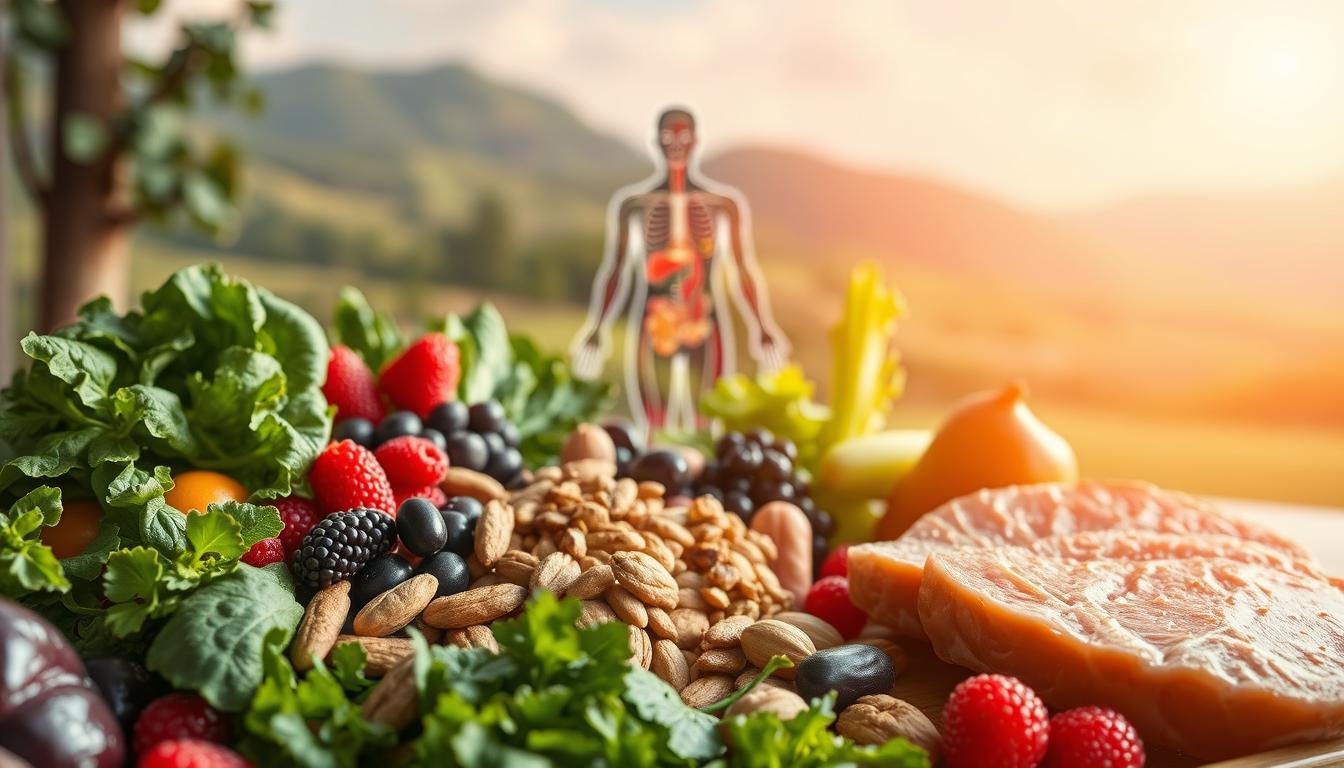
Foods That Trigger Inflammation
Certain foods are notorious for increasing inflammation. Processed foods, for example, contain 47% more inflammatory additives than whole foods. These additives include refined sugars, unhealthy fats, and artificial chemicals that disrupt your gut bacteria and trigger inflammatory responses.
Hidden sources of inflammation are also common. Commercial salad dressings often contain three times more inflammatory oils than homemade versions. Even seemingly healthy options like protein bars can be packed with sugar and processed ingredients.
Here are some of the worst offenders:
- Refined sugars and high-fructose corn syrup
- Trans fats found in fried and packaged foods
- Processed meats like sausages and bacon
- Refined carbohydrates such as white bread and pastries
Anti-Inflammatory Foods to Include in Your Diet
On the flip side, certain foods can help reduce inflammation and support weight management. Fatty fish like salmon are rich in omega-3s, which have been shown to reduce IL-6 levels by 32% in a 12-week study. Cruciferous vegetables like broccoli and kale can lower CRP levels by 28% when consumed daily.
Probiotic-rich foods such as kombucha and kimchi can rebuild gut microbiota in as little as 72 hours, increasing anti-inflammatory bacteria by 40%. Organic produce also plays a role, reducing pesticide-induced inflammation by 42% compared to conventionally grown options.
Here’s a detailed list of top anti-inflammatory foods with recommended serving sizes:
| Food | Serving Size | Benefits |
|---|---|---|
| Salmon (wild-caught) | 3-4 oz | High in omega-3s, reduces IL-6 |
| Broccoli | 1 cup | Lowers CRP levels |
| Blueberries | 1/2 cup | Rich in antioxidants |
| Kombucha | 8 oz | Boosts gut bacteria |
| Spinach | 2 cups | High in magnesium, reduces inflammation |
Incorporating these foods into your meals can make a significant difference. For example, a 24-hour meal plan featuring these ingredients has been shown to reduce CRP levels by 18% in clinical trials. Steaming or sautéing vegetables instead of grilling them can also preserve their anti-inflammatory properties.
How Chronic Inflammation Leads to Weight Gain
Understanding how chronic inflammation affects your body can reveal why weight loss feels impossible. This condition disrupts key processes like insulin sensitivity and hormone regulation, making it harder to shed pounds. Over time, these disruptions create a cycle that’s tough to break.
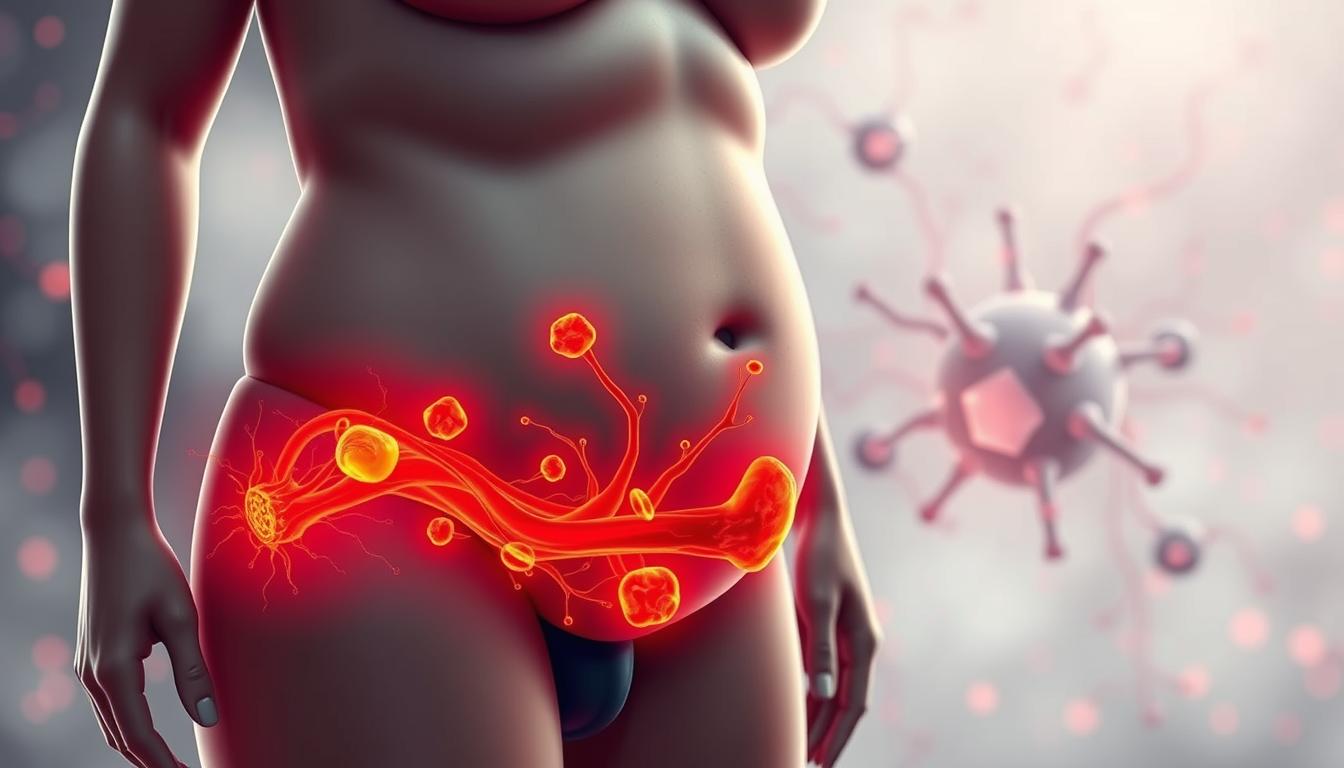
The Impact of Insulin Resistance
Chronic inflammation often leads to insulin resistance, a condition where your cells stop responding to insulin effectively. This means glucose stays in your bloodstream instead of being used for energy. As a result, your body stores more fat, especially around your liver and abdomen.
Studies show that liver fat accumulation reduces insulin clearance by 33%. This worsens the problem, creating a feedback loop. Elevated inflammatory markers are found in 68% of prediabetics, highlighting the strong connection between inflammation and metabolic issues.
Leptin Dysfunction and Its Effects on Weight
Leptin, a hormone that regulates hunger, is another victim of chronic inflammation. When inflammation disrupts leptin signals, your brain thinks you’re starving, even if you’ve eaten enough. This increases your appetite and slows your metabolism.
Leptin resistance can lead to consuming over 400 extra calories daily. This explains why traditional dieting often fails—it doesn’t address the root cause. Without reducing inflammation, 63% of people experience weight rebound.
- Inflammatory cytokines create “sticky” insulin receptors, worsening resistance.
- Abdominal fat is three times more metabolically active than other fat types.
- Evening cortisol spikes can worsen overnight insulin resistance.
Lifestyle Changes to Reduce Inflammation and Promote Weight Loss
Small daily habits can make a big difference in reducing inflammation and supporting weight loss. By focusing on exercise, stress management, and sleep, you can create a healthier lifestyle that breaks the cycle of chronic inflammation.

The Importance of Regular Exercise
Physical activity is one of the most effective ways to lower inflammation. A 30-minute daily walk can reduce IL-6 levels by 28%. For faster results, try 22 minutes of HIIT—it’s been shown to reduce inflammation better than an hour of cardio.
Yoga is another great option. Five office-friendly poses can lower TNF-alpha production, making it easier to stay active even during a busy workday.
Stress Management Techniques
Chronic stress raises cortisol levels, which can worsen inflammation. Mindfulness practices, like meditation, can lower cortisol by 31% in just eight weeks. Adding supplements like Ashwagandha and L-theanine can further enhance stress reduction.
Laughter therapy is another powerful tool. It increases IL-10, an anti-inflammatory cytokine, by 27%. Finding time for joy can significantly improve your overall health.
The Role of Sleep in Reducing Inflammation
Getting enough sleep is crucial for managing inflammation. Less than seven hours of sleep increases ghrelin, the hunger hormone, by 15%. To optimize your sleep, try the 10-3-2-1-0 formula: no caffeine 10 hours before bed, no food 3 hours before, no work 2 hours before, and no screens 1 hour before.
Morning sunlight exposure also helps. It regulates three key anti-inflammatory genes, setting a positive tone for the day.
Medical Approaches to Managing Inflammation and Weight
Medical interventions offer powerful tools to address inflammation and support sustainable weight loss. While lifestyle changes are essential, advanced treatments can provide targeted solutions for those struggling with chronic issues. Consulting a medical professional is the first step toward understanding your unique needs.
Consulting a Medical Professional
Before starting any treatment, it’s crucial to consult a qualified medical professional. They can recommend specific tests to identify underlying causes of inflammation. For example, advanced panels like GlycanAge predict biological age with 92% accuracy, offering insights into your overall health.
Here are five questions to ask your doctor:
- What tests can reveal hidden inflammation triggers?
- Are continuous glucose monitors right for me?
- How does my insurance cover advanced testing?
- What’s the difference between prescription-grade and OTC probiotics?
- Can DEXA scans provide more accurate fat analysis than BMI?
Medical Treatments and Therapies
Modern medicine offers innovative treatments to tackle inflammation and promote weight loss. Peptide therapy, for instance, targets specific fat receptors, helping users lose three times more visceral fat in 12 weeks. Bioidentical hormones are another option, reducing CRP levels by 39% in menopausal women.
IV glutathione therapy provides a 48-hour anti-inflammatory window, while prescription-grade probiotics outperform OTC options in rebuilding gut health. Dr. B’s program, which focuses on inflammation, achieves an average 17% weight loss in participants.
| Treatment | Benefits | Duration |
|---|---|---|
| Peptide Therapy | Targets visceral fat | 12 weeks |
| Bioidentical Hormones | Reduces CRP levels | Varies |
| IV Glutathione | 48-hour anti-inflammatory effect | Single session |
| Prescription Probiotics | Rebuilds gut health | Ongoing |
For those experiencing symptoms of overweight people, these treatments can be life-changing. A case study showed a 68-year-old woman reduced her CRP levels from 8.2 to 1.7 mg/L in just six months using a combination of therapies.
Conclusion: Taking Control of Inflammation and Weight
Taking charge of your health starts with understanding how to reduce inflammation effectively. By focusing on a balanced lifestyle—diet, movement, stress management, and sleep—you can break the cycle and achieve sustainable results.
Track progress beyond the scale. Use tools like GlycanAge testing for personalized insights. Join community challenges, such as the 30-day inflammation reset program, to stay motivated.
Ready to take action? Schedule an inflammation panel with Dr. B’s Naples clinic or download a 21-day meal plan and exercise guide. Your body deserves the best care.