Did you know that 45% of US drinking water contains PFAS, according to a USGS study? These “forever chemicals” are just one example of the toxins that can impact your health and air quality. Reducing exposure to harmful substances in your living space is more important than ever.
Many everyday products in your home—from cookware to cleaning supplies—can release harmful chemicals. The EPA has classified certain substances, like PEC used in dry cleaning, as carcinogenic. Fortunately, there are science-backed solutions to help you create a safer environment.
By making strategic swaps, you can significantly reduce your exposure to toxins. This guide will walk you through 10 key areas to focus on, from bedding to DIY cleaners. With expert recommendations and EPA/EWG-certified products, you’ll find cost-effective ways to improve your health and well-being.
Key Takeaways
- 45% of US drinking water contains PFAS, highlighting the need for toxin reduction.
- EPA and EWG certifications ensure safer products for your home.
- Focus on 10 key areas, including cookware and cleaning supplies.
- Cost-effective solutions like DIY cleaners can make a big difference.
- Improving air quality and reducing toxins supports better health.
Why Reducing Toxins in Your Home Matters
Everyday exposure to harmful substances can pose serious risks. From plastics to cleaning products, many items in your home release chemicals that affect your health. Understanding these dangers is the first step toward creating a safer environment.
Endocrine disruptors like BPA and phthalates, found in plastics, can interfere with hormone function. Volatile organic compounds (VOCs) in conventional cleaners and air fresheners are linked to cancer risks. A 2024 study even revealed that kitchen utensils emit microplastics, adding to the problem.
Children are particularly vulnerable. Pesticide residues on produce can impact their development. EWG’s Dirty Dozen list highlights the most contaminated fruits and vegetables, urging a shift to organic options.
Here are the top offenders to watch out for:
- PFAS: Found in non-stick cookware.
- PEC: Used in dry cleaning and classified as carcinogenic by the EPA.
- Parabens: Common in cosmetics and linked to hormonal issues.
Tracee Brenner, a health expert, warns about plastic leaching into food and beverages. With 45% of US drinking water contaminated by PFAS, the need for action is clear. The cost of inaction—higher medical bills—far outweighs the investment in prevention.
EPA carcinogen classifications underscore the urgency. By addressing these risks now, you can protect your health and create a safer home for your family.
Simple Swaps to Lower Toxins in Your Home
Reducing harmful substances in your environment doesn’t have to be overwhelming. By focusing on four key areas—cleaning, cooking, storage, and air quality—you can make meaningful changes. Dr. Kayla’s tiered approach simplifies the process into immediate, mid-term, and long-term steps.
Start with high-impact, low-cost swaps like installing a water filter or switching to glass spray bottles. These small changes can reduce VOC exposure by up to 70%. Mid-term upgrades include replacing non-stick cookware with stainless steel or ceramic options. For long-term investments, consider organic mattresses or air purifiers.
Experts recommend using the EWG Skin Deep database to identify safer products. Starter tools like wool dryer balls and water test kits make the transition easier. Dr. Kayla emphasizes, “Health decisions done consistently lead to lasting results.”
Consider the Teem family’s success story. By adding air purifiers, they reduced ER visits significantly. A printable checklist is included to help you track your progress. With these actionable steps, you can create a healthier home for your family.
Swap Out Toxic Cleaning Products
Many conventional cleaning products contain harmful chemicals that can affect your health. From bathroom cleaners to kitchen sprays, these items often release volatile organic compounds (VOCs) and other toxins. Switching to safer alternatives can make a big difference in your home environment.
Choose Non-Toxic Cleaning Solutions
When selecting cleaning products, look for EPA Safer Choice certifications. Brands like Ecover and Attitude offer effective options without harsh ingredients. For example, Ecover’s toilet cleaner ($11.69) and Attitude’s kitchen cleaner ($13.98) are both eco-friendly and safe for daily use.
Be cautious of greenwashing. Some products labeled as “natural” may still contain harmful substances. Always check for third-party certifications to ensure safety.
DIY Cleaning Recipes
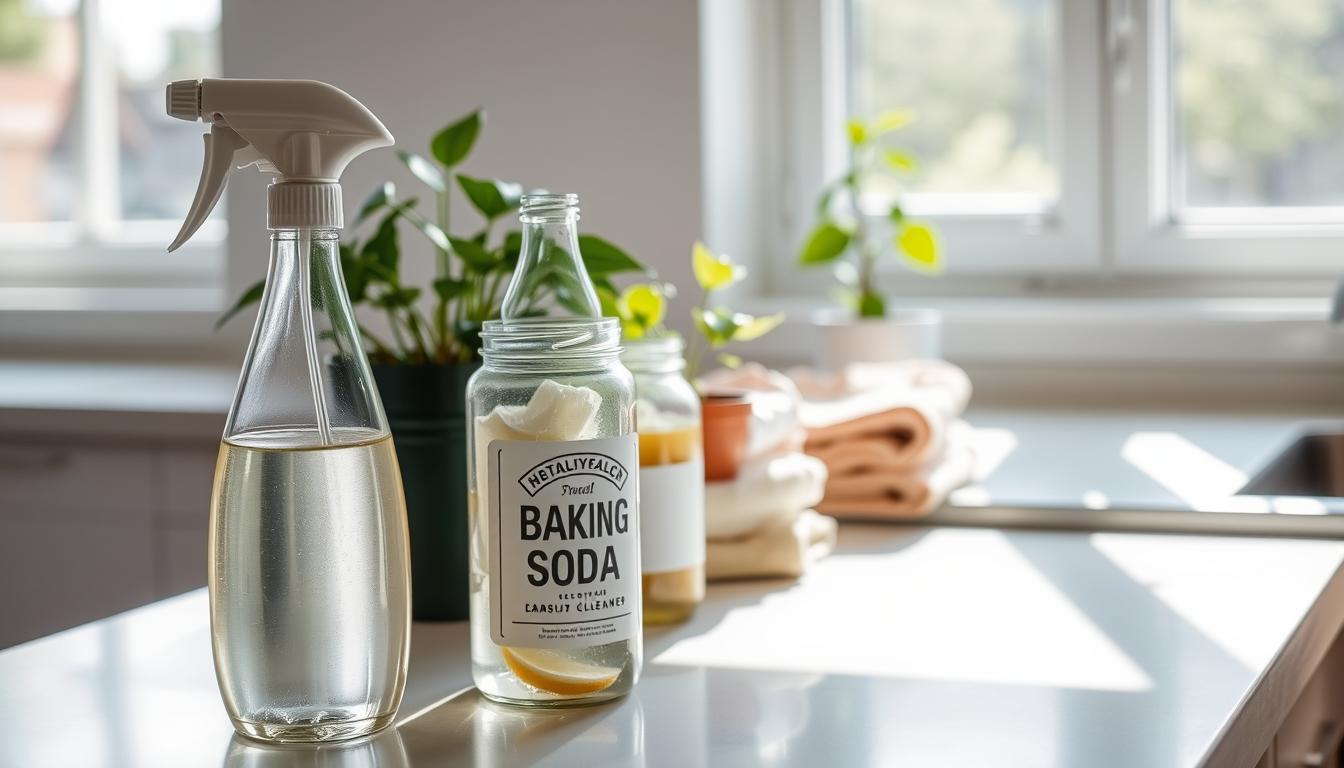
Creating your own cleaners is cost-effective and simple. A basic all-purpose spray can be made with a 1:1 ratio of vinegar and water, plus 10 drops of essential oils for fragrance. Baking soda is another versatile ingredient, perfect for scrubbing surfaces or neutralizing odors.
Here are five surprising uses for vinegar:
- Mold removal
- Laundry odor neutralizer
- Window cleaner
- Dishwasher rinse aid
- Garbage disposal freshener
For a chemical-free alternative, consider the Black+Decker steam mop ($99.99). It uses only water to sanitize floors, making it a great investment for long-term health.
“Switching to non-toxic cleaners was a game-changer for my family. We noticed fewer allergies and better air quality almost immediately.” – Ryan Knoll
Remember, never mix vinegar with bleach, as it creates toxic fumes. With these tips, you can create a safer, healthier home without breaking the bank.
Upgrade Your Cookware
Your kitchen cookware plays a bigger role in your health than you might think. Non-stick pans, while convenient, can release harmful chemicals like PTFE (Teflon) when heated above 500°F. These chemicals pose a risk to your well-being, especially with long-term exposure.

Ditch Non-Stick Pans
Non-stick coatings can degrade over time, releasing toxins into your food. A 2024 study revealed that plastic utensils also contribute to microplastic contamination. To minimize these risks, consider alternatives like cast iron, stainless steel, or ceramic cookware.
Opt for Cast Iron, Stainless Steel, or Ceramic
Cast iron is durable and retains heat well, making it ideal for searing and baking. Regular seasoning keeps it non-stick and rust-free. Stainless steel is versatile and easy to clean, while ceramic offers a non-toxic, non-stick surface. However, avoid scratched ceramic coatings, as they can harbor bacteria.
Here’s a quick comparison of popular options:
| Material | Pros | Price Range |
|---|---|---|
| Cast Iron | Excellent heat retention, durable | $20-$80 |
| Stainless Steel | Versatile, easy to clean | $69.84 (T-fal set) |
| Ceramic | Non-toxic, non-stick | $395 (Caraway set) |
Lydia Hayman, a culinary expert, recommends using wood or stainless steel utensils to avoid scratching surfaces. The Zulay wood set ($32.99) is a great option for safe cooking.
“Switching to cast iron was a game-changer for my kitchen. It’s durable, easy to maintain, and cooks food evenly.” – Lydia Hayman
For those still using non-stick pans, limit heat to medium and avoid metal utensils. Copper cookware, like Moss & Stone’s $62.99 option, also offers antimicrobial properties. By upgrading your cookware, you can create a safer, healthier cooking environment.
Replace Plastic Food Storage
Plastic food storage may seem convenient, but it comes with risks. Studies show that plastic containers can leach harmful chemicals like BPA into your food, especially when exposed to heat. Tracee Brenner, a health expert, notes that glass has a 0% leaching rate compared to plastic’s 98%.
Switch to Glass or Stainless Steel Containers
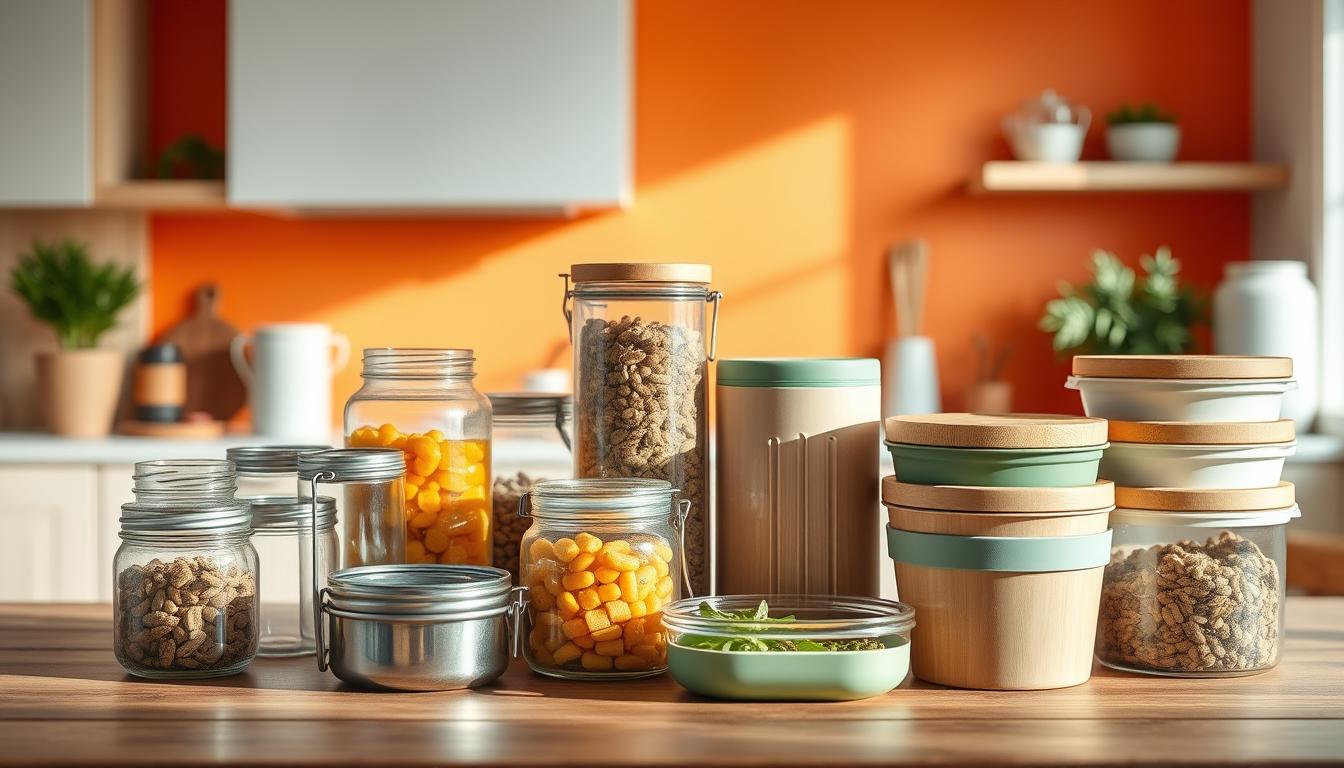
Glass and stainless steel are safer alternatives for storing your meals. Brands like Pyrex and Glasslock offer durable, non-toxic options. Glass containers are microwave-safe and won’t absorb odors, making them ideal for leftovers.
Here’s a comparison of popular storage options:
| Material | Pros | Price Range |
|---|---|---|
| Glass | Non-toxic, microwave-safe | $10-$40 |
| Stainless Steel | Durable, lightweight | $15-$50 |
| Plastic | Affordable, lightweight | $5-$20 |
For freezer-safe options, consider Joyjolt containers ($39.95). Repurposing thrift store glass jars is another budget-friendly tip.
Use Beeswax Wraps Instead of Plastic Wrap
Beeswax wraps are a sustainable alternative to plastic wrap. Made from cotton, beeswax, and resin, they can be molded to fit bowls or wrap food directly. Trifecta wraps ($17.98) are a popular choice.
Here’s how to use them effectively:
- Warm the wrap with your hands to mold it around containers.
- Clean with cool water and mild soap.
- Store in a cool, dry place to extend their lifespan.
While beeswax wraps cost $1.50 each compared to $0.10 for plastic sheets, their reusability makes them a cost-effective swap in the long run.
“Switching to beeswax wraps was an easy way to reduce waste and protect my family’s health.” – Sarah Mitchell
By making these changes, you can create a safer, healthier kitchen environment.
Improve Your Water Quality
Clean water is essential for maintaining a healthy lifestyle. Many households unknowingly consume water contaminated with lead, PFAS, and other harmful substances. Taking steps to improve your water quality can protect your health and enhance your daily life.

Invest in a Water Filter
Water filters are one of the most effective ways to remove contaminants. Options range from affordable pitchers to advanced under-sink systems. For example, the ZeroWater 5-Stage filter removes 100% of PFAS, while the AquaTru RO system is ideal for comprehensive purification.
Here’s a comparison of popular filter types:
- Pitcher Filters: Affordable and portable, like Brita ($25).
- Under-Sink Systems: Space-saving and efficient, such as AquaTru.
- Whole-House Systems: Comprehensive but pricier, like Berkey ($300).
Shower filters are another great addition. They reduce chlorine, which can dry out your skin and hair. User reports show a 37% improvement in skin conditions after installation.
Choose BPA-Free Water Bottles
BPA-free bottles are a safer alternative to plastic. Hydro Flask and Klean Kanteen are excellent options, offering durability and insulation. These products ensure your drinking water stays pure and free from harmful chemicals.
For those concerned about water quality, the EWG Tap Water Database provides valuable insights. Water testing kits are also available to help you identify specific contaminants in your home.
“Switching to a water filter and BPA-free bottles made a noticeable difference in my family’s health.” – Emily Carter
By investing in a reliable filter system and safer storage options, you can significantly improve your water quality and overall well-being.
Enhance Your Air Quality
Your home’s air quality plays a crucial role in your overall well-being. Indoor air can contain pollutants like dust, allergens, and volatile organic compounds (VOCs). Addressing these issues can lead to better health and a more comfortable living environment.

Use Air Purifiers
Air purifiers are an effective way to remove contaminants from your indoor air. Look for models with HEPA filters, which capture 99.97% of particles as small as 0.3 microns. The PuroAir HEPA ($159) is a popular choice, with a CADR rating of 200. For larger spaces, the Medify 400 offers higher efficiency.
When choosing a purifier, avoid ozone-generating models. These can release harmful gases into your home. Instead, opt for units with smart sensors, like the Awair ($199) or uHoo ($299), which monitor air quality in real time.
Dan Fauzi, a user of the PuroAir, shared, “Since using this purifier, my asthma symptoms have significantly improved.” Regular maintenance, such as replacing HVAC filters every 3 months, also ensures optimal performance.
Incorporate Air-Purifying Plants
Adding plants to your home can naturally improve air quality. NASA’s Clean Air Study found that certain species, like the spider plant, remove up to 90% of formaldehyde from the air. Other effective options include peace lilies and snake plants.
Here’s a quick guide to caring for these plants:
- Place them in areas with indirect sunlight.
- Water them once a week, ensuring proper drainage.
- Wipe leaves regularly to prevent dust buildup.
Plants not only filter the air but also add a touch of nature to your living space. However, they should complement, not replace, mechanical air purification systems.
By combining air purifiers and plants, you can create a healthier indoor environment. Small changes, like using a HEPA filter or adding a spider plant, can make a big difference in your home’s air quality.
Choose Natural Home Fragrances
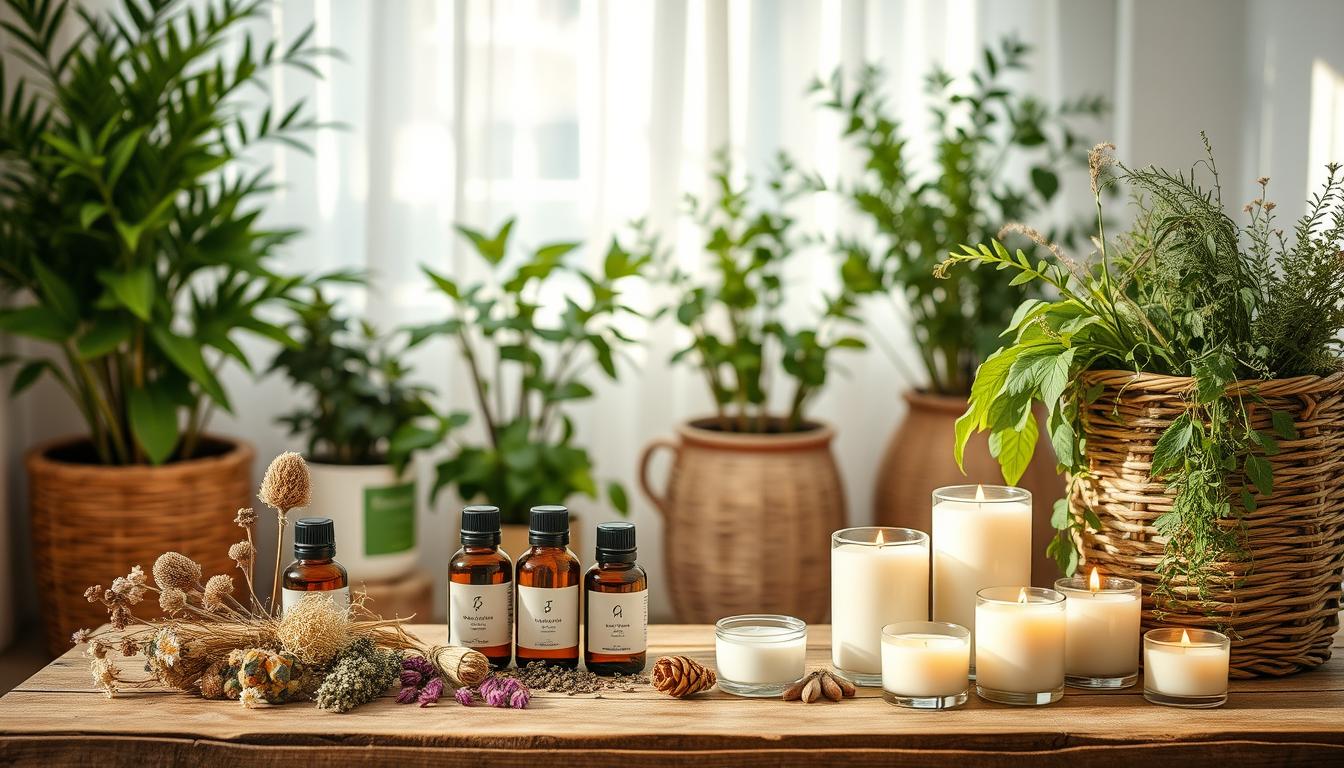
The scents in your home can impact your health more than you realize. Many popular products, like candles and air fresheners, release harmful chemicals into the air. Switching to natural alternatives can create a safer and more pleasant environment.
Why Avoid Paraffin Candles
Paraffin candles are a common choice, but they pose significant risks. Made from petroleum byproducts, they release toxins like benzene and toluene when burned. These chemicals can irritate your skin and respiratory system.
Here’s a comparison of paraffin and soy wax:
| Type | Burn Temperature | Safety |
|---|---|---|
| Paraffin | High | Releases toxins |
| Soy Wax | Low | Non-toxic |
Opt for safer options like PF Candle Co.’s soy candles ($27) or beeswax alternatives. Always check wick materials—cotton is safer than lead-core.
The Benefits of Essential Oil Diffusers
Essential oil diffusers are a healthier way to fragrance your home. Unlike synthetic fragrances, essential oils are derived from plants and offer therapeutic benefits. Brands like Saje Wellness provide high-quality diffusers and oils.
Here’s a simple blending ratio for common oils:
- Lavender + Peppermint: Relaxation
- Lemon + Eucalyptus: Energy boost
- Tea Tree + Orange: Immune support
Punteha van Terheyden, a wellness expert, shares, “Reed diffusers are a subtle, asthma-friendly option for continuous fragrance.” Avoid “fragrance oil” imposters, which often contain synthetic chemicals.
By choosing natural fragrances, you can enhance your home’s air quality and protect your health. Small changes, like switching to soy candles or using essential oils, make a big difference.
Detox Your Laundry Routine
Your laundry routine might be hiding hidden risks to your well-being. Many conventional detergents and dryer sheets contain chemicals that can affect your health and indoor air quality. By making a few strategic swaps, you can create a safer and more eco-friendly laundry process.
Switch to Natural Laundry Detergents
Not all detergents are created equal. Many contain synthetic fragrances and harsh additives. Look for products with certifications like ECOCERT or EWG Verified. These labels ensure the detergent meets strict safety and environmental standards.
Here’s a list of five fragrance-free options to consider:
- Ecover Zero ($22.14)
- Seventh Generation Free & Clear
- Molly’s Suds Unscented
- Biokleen Free & Clear
- Attitude Sensitive Skin
Be cautious of “free & clear” labels. Some still contain hidden ingredients that may irritate sensitive skin. Always check the full ingredient list before purchasing.
Use Wool Dryer Balls Instead of Dryer Sheets
Dryer sheets often leave a chemical coating on your clothes. Wool dryer balls are a natural alternative that reduces static and softens fabrics. They last 2-5 years, making them a cost-effective swap.
For added freshness, scent your dryer balls with a few drops of essential oils. Lavender or lemon are popular choices. You can also reduce drying time by up to 40%, saving energy and money.
Here’s a quick hack for static reduction: Toss a crumpled aluminum foil ball into the dryer. It works just as well as dryer sheets without the chemicals.
“Switching to wool dryer balls was a game-changer for my laundry routine. My clothes feel softer, and I’m not worried about harmful residues.” – Jessica Miller
For tough stains, skip chemical-laden treatments. A baking soda paste works wonders on most fabrics. Simply mix baking soda with water, apply to the stain, and let it sit before washing.
If you use dry cleaning services, air out your clothes outdoors for a few hours after picking them up. This helps dissipate any lingering chemicals from the process.
Rethink Your Personal Care Products
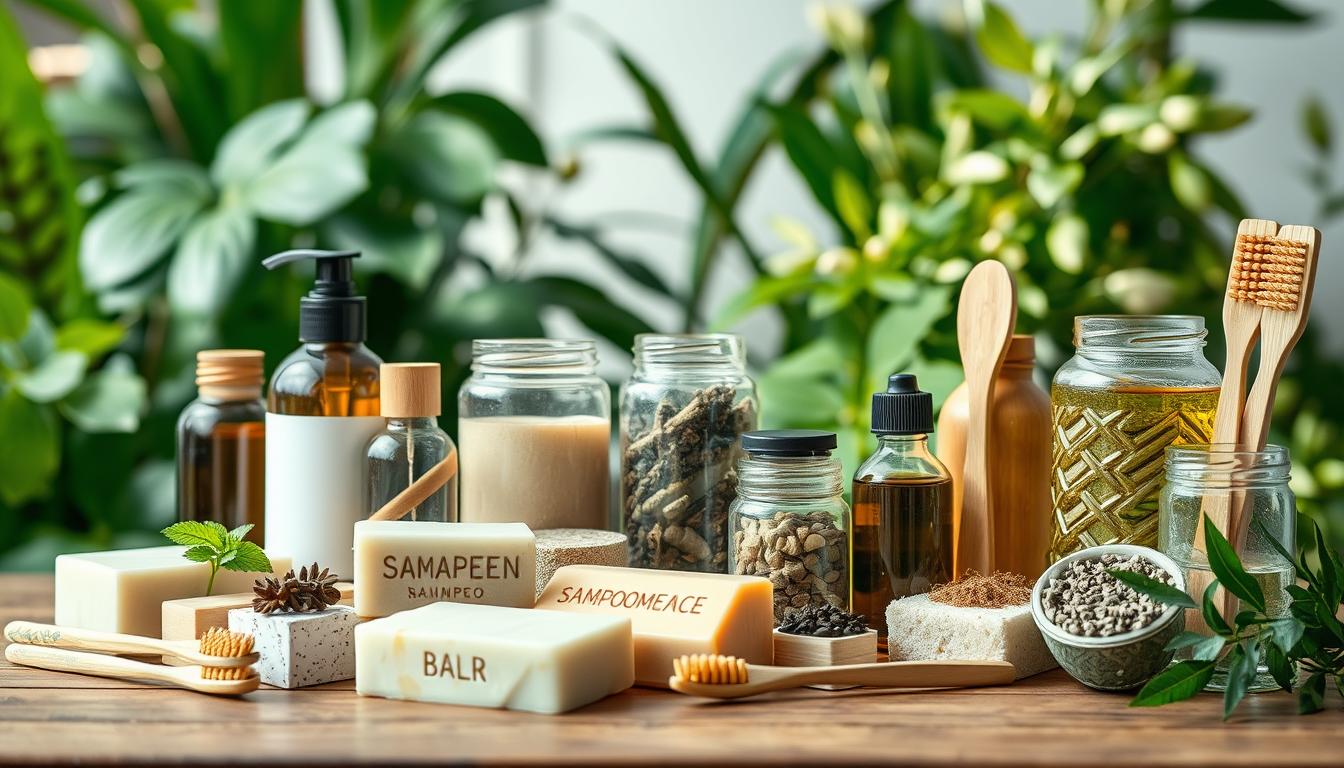
Your daily routine might expose you to hidden health risks. Many personal care products, from skincare to haircare, contain harmful chemicals. These substances can affect your skin and overall well-being. Making smarter choices can protect your health and enhance your daily routine.
Choose Non-Toxic Skincare and Haircare
Not all products are safe for your skin. The EWG Skin Deep database is a valuable tool for identifying safer options. Look for products free from parabens, sulfates, and other red-flag ingredients. Brands like Primally Pure and Grove Collaborative offer clean alternatives.
Here’s a list of ingredients to avoid:
- Parabens
- Sulfates
- Phthalates
- Formaldehyde
- Artificial fragrances
Switching to non-toxic options can improve your skin and hair health. Vibrant Wellness tests show an 83% reduction in toxins after switching to safer products.
Install a Shower Water Filter
Your shower water might contain chlorine and other contaminants. A shower filter can reduce these harmful substances, protecting your skin and hair. Compare options like AquaBliss and Jolie to find the best fit for your home.
Here’s why a shower filter matters:
- Reduces chlorine exposure
- Prevents hard water scale buildup
- Improves skin and hair texture
“After installing a shower filter, my acne cleared up, and my hair feels healthier.” – Sarah T.
For a DIY solution, try a sugar scrub made with coconut oil and brown sugar. It’s a natural way to exfoliate and moisturize your skin.
By choosing safer products and improving your water quality, you can create a healthier personal care routine. Small changes lead to big results.
Create a Non-Toxic Bedroom
Your bedroom should be a sanctuary, free from harmful chemicals. Many products used in bedrooms, from bedding to mattresses, can release volatile organic compounds (VOCs) and other toxins. By making thoughtful swaps, you can create a healthier sleep environment that supports your health and well-being.
Use Organic Bedding
Switching to organic bedding is a simple yet impactful change. Conventional sheets often contain synthetic dyes and chemicals that can irritate your skin. Brands like Coyuchi and Boll & Branch offer high-quality, organic options made from materials like cotton and linen.
Look for certifications like GOTS (Global Organic Textile Standard) or OEKO-TEX Standard 100. These ensure the products are free from harmful substances. Affordable options from Quince and other brands make it easier to upgrade your home without breaking the bank.
To prevent dust mites, wash your bedding weekly in hot water. Pillow protectors with zippers can also help keep allergens at bay. For a fresh scent, try a natural linen spray made with essential oils like lavender or eucalyptus.
Choose a Non-Toxic Mattress
Your mattress plays a key role in your sleep quality and health. Many conventional mattresses contain flame retardants and other chemicals that off-gas over time. Opt for organic or natural materials like wool, latex, or memory foam.
The Avocado mattress ($899+) is a popular choice, certified by GOTS and GREENGUARD Gold. It’s free from harmful chemicals and offers excellent support. Regularly flipping and maintaining your mattress can extend its lifespan and ensure even wear.
Here’s a quick comparison of mattress materials:
- Wool: Naturally fire-resistant and breathable.
- Latex: Durable and hypoallergenic.
- Memory Foam: Comfortable but check for CertiPUR-US certification.
“Switching to an organic mattress improved my sleep quality and reduced my allergies.” – Mark Stevens
By choosing safer products and materials, you can transform your bedroom into a healthier, more restful space. Small changes lead to big improvements in your health and comfort.
Conclusion
Creating a healthier living space is within your reach. Start with high-impact swaps like upgrading your cookware, switching to natural cleaning products, and improving your water quality. These changes can significantly enhance your health and well-being.
Focus on gradual implementation. Use free resources like EWG apps and DIY recipes to make the transition easier. Join the #NonToxicHome community to share your progress and learn from others.
Remember, it’s about progress, not perfection. Over six months, you’ll notice a positive shift in your home environment. For personalized advice, consider expert consultations to tailor your guide to a toxin-free lifestyle.
Take the first step today. Small changes lead to lasting results, and your long-term health is worth the effort.