Did you know that sleep quality can influence your body’s ability to shed fat? Studies show that poor sleep can disrupt hormones like leptin and ghrelin, which regulate hunger and appetite. This makes it harder to stick to your health goals. By focusing on your nighttime habits, you can create a routine that helps your body recover, boosts metabolism, and supports fat loss.
Your body repairs and rebuilds during sleep, making it a critical time for muscle recovery and energy balance. Simple changes, like reducing screen time or eating lighter meals, can have a big impact. These habits not only improve your sleep but also set the stage for better health overall.
In this article, you’ll discover 16 actionable strategies to optimize your nighttime routine. These tips are designed to help you feel rested, energized, and on track with your goals. Let’s dive into how small changes can lead to big results.
Key Takeaways
- Sleep quality directly impacts hunger hormones and fat loss.
- Nighttime habits influence metabolism and recovery.
- Consistent routines improve overall health and energy levels.
- Simple changes, like reducing screen time, can enhance sleep.
- Optimizing your nighttime routine supports long-term weight management.
Why Evening Rituals Are Crucial for Weight Loss
The way you end your day can significantly impact your body’s ability to burn fat. Your circadian rhythm, or internal clock, plays a key role in how your body stores and uses energy. When this rhythm is disrupted, it can lead to increased fat storage and reduced energy expenditure.

One way to optimize your circadian rhythm is by regulating your sleep environment. Research from the University of Oxford shows that sleeping in complete darkness can reduce obesity risk by 21%. This is because darkness helps your body produce melatonin, a hormone that promotes restful sleep and supports fat metabolism.
The Science Behind Nighttime Habits and Fat Burning
Your body’s ability to burn fat is closely tied to temperature regulation. Studies from the Diabetes journal reveal that sleeping in a room set to 66.2°F can convert white fat into brown fat. Brown fat is more metabolically active, meaning it burns more calories to generate heat.
Another factor is protein intake before bed. A study published in Medicine & Science in Sports & Exercise found that casein protein, found in dairy, helps build muscle during sleep. This process boosts your metabolic rate, allowing your body to burn more calories even at rest.
How Sleep Quality Affects Your Metabolism
Sleep quality directly influences your body’s ability to manage weight. Poor sleep disrupts hormones like leptin and ghrelin, which control hunger and appetite. This can lead to overeating and difficulty maintaining a healthy weight.
Simple changes, like taking a warm bath before bed, can improve sleep quality. Research shows that this practice can increase deep sleep by 10-15%, enhancing your body’s ability to recover and burn fat.
| Factor | Impact on Fat Burning |
|---|---|
| Room Temperature (66.2°F) | Converts white fat to brown fat |
| Dark Sleeping Environment | Reduces obesity risk by 21% |
| Casein Protein Intake | Boosts muscle recovery and metabolic rate |
| Warm Bath Before Bed | Increases deep sleep by 10-15% |
By understanding the science behind nighttime habits, you can make small changes that lead to big results. These strategies not only improve sleep quality but also enhance your body’s ability to burn fat and maintain a healthy weight.
Create a Relaxing Bedtime Routine
Establishing a calming routine before bed can transform your sleep quality and overall health. Your body needs time to transition from the busyness of the day to a state of rest. According to Dr. Rebecca Scott from NYU, a 30-minute wind-down period is essential for preparing your mind and body for sleep.

The Importance of Winding Down Before Bed
In today’s “always-on” world, many people skip the crucial step of winding down. This can lead to poor sleep and increased stress. Your biological clock thrives on consistency, and a structured routine helps signal to your body that it’s time to rest.
Reading is one of the most effective ways to reduce cognitive arousal. Unlike screen activities, which can overstimulate your brain, a good book helps you relax and disconnect. Another powerful method is diaphragmatic breathing, which activates your parasympathetic nervous system and promotes calmness.
Activities to Help You Relax
Here are some proven ways to create a peaceful bedtime routine:
- Belly Breathing: Sit or lie down comfortably. Place one hand on your chest and the other on your stomach. Inhale deeply through your nose, letting your stomach rise. Exhale slowly through your mouth. Repeat for 5-10 minutes.
- Progressive Muscle Relaxation: Start by tensing the muscles in your toes for 5 seconds, then release. Move upward, tensing and relaxing each muscle group until you reach your head.
- Aromatherapy: Scents like lavender, chamomile, and vanilla can promote relaxation. Use a diffuser or apply a few drops of essential oil to your pillow.
By incorporating these activities into your nightly routine, you can improve your sleep quality and wake up feeling refreshed. Small changes can make a big difference in your overall health and well-being.
Optimize Your Sleep Environment
Your sleep environment plays a bigger role in your health than you might think. The conditions in your bedroom can directly impact your body’s ability to recover and burn fat. By making a few adjustments, you can enhance your sleep quality and wake up feeling refreshed.

How Room Temperature Affects Sleep and Weight Loss
Research shows that the temperature of your room can influence both sleep depth and fat conversion. A study from the Good Sleep Clinic found that 18°C (64°F) is ideal for sleep quality. Cooler temperatures help your body convert white fat into brown fat, which burns more calories to generate heat.
Smart thermostats can help maintain this optimal temperature throughout the night. If you’re on a budget, try using a fan or adjusting your bedding to achieve a similar effect.
The Role of Darkness in Sleep Quality
Light exposure before bed can disrupt your body’s production of melatonin, a hormone essential for restful sleep. According to Michigan Medicine, blue light reduces melatonin by 50% compared to red light. This can make it harder to fall asleep and stay asleep.
Blackout curtains are an effective solution for blocking unwanted light. Studies show that users of blackout curtains have 21% lower obesity rates. If curtains aren’t an option, consider using a sleep mask to create a dark environment.
By optimizing your sleep environment, you can protect your REM sleep and improve your overall health. Small changes, like adjusting the temperature or blocking light, can lead to big results.
Incorporate Light Stretching or Yoga
Adding light movement to your nightly routine can improve both sleep and recovery. Studies show that just 10 minutes of stretching enhances sleep quality by relaxing your muscles and reducing tension. This simple activity can also counteract the effects of a sedentary lifestyle, helping your body recover more effectively.

Benefits of Stretching Before Bed
Stretching before bed helps release fascia, the connective tissue surrounding your muscles. This release promotes relaxation and improves blood flow, which is essential for recovery. According to the Cleveland Clinic, practices like Yoga Nidra can increase sleep efficiency by 8%, making it easier to fall and stay asleep.
Light exercise also reduces stress and calms your nervous system. This prepares your body for rest, allowing you to wake up feeling refreshed and energized.
Simple Yoga Poses for Relaxation
Here are five bed-friendly stretches and yoga poses to try:
- Cat-Cow Pose: Relieves spinal tension and improves flexibility. Move between arching and rounding your back for 30-90 seconds.
- Child’s Pose: Stretches your lower back and hips. Hold for 60 seconds while focusing on deep breathing.
- Seated Forward Bend: Stretches your hamstrings and lower back. Reach for your toes and hold for 30 seconds.
- Legs-Up-The-Wall Pose: Reduces swelling and promotes relaxation. Lie on your back with your legs against a wall for 90 seconds.
- Butterfly Stretch: Opens your hips and improves flexibility. Sit with the soles of your feet together and gently press your knees down for 60 seconds.
These poses are suitable for all fitness levels. Modify them as needed to ensure comfort and effectiveness. By incorporating these stretches into your nightly routine, you can enhance your sleep quality and overall well-being.
Limit Alcohol Consumption Before Bed
Many people overlook the impact of alcohol on their sleep patterns. While it may help you feel drowsy, it disrupts your sleep cycle in ways that can harm your health. Understanding these effects can help you make better choices for restful nights.

How Alcohol Disrupts Sleep Quality
Alcohol metabolizes in your body, creating sleep disruptions similar to electric shocks. According to a Melbourne study, this process fragments your sleep, making it harder to stay in deep sleep stages. Research from Piedmont Health also shows that consuming two or more drinks reduces REM sleep by 41%.
REM sleep is crucial for memory consolidation and emotional regulation. Without it, you may wake up feeling groggy and unfocused.
“Alcohol might help you fall asleep faster, but it significantly reduces sleep quality,”
explains Dr. Rebecca Scott from NYU.
Alternatives to Alcohol for Relaxation
If you’re looking for ways to unwind without drinking, try these healthier options:
- Chamomile Tea: Increases glycine levels, promoting natural sedation.
- Tart Cherry Juice: Contains melatonin, helping regulate sleep cycles.
- Magnolia Bark Tea: Reduces stress and promotes calmness.
For a fun twist, try these mocktail recipes using sleep-promoting ingredients:
- Sleepy Citrus Spritzer: Mix tart cherry juice, sparkling water, and a splash of lemon.
- Lavender Lemonade: Combine lavender syrup, lemon juice, and water over ice.
7-Day Alcohol Reduction Plan
If you’re ready to cut back, follow this simple plan:
| Day | Action |
|---|---|
| 1-2 | Replace one drink with herbal tea. |
| 3-4 | Limit alcohol to one drink per night. |
| 5-7 | Go alcohol-free and track your sleep improvements. |
By reducing alcohol intake, you’ll stabilize blood sugar levels and improve overall health. This small habit change can lead to better sleep and a more energized morning.
Choose the Right Bedtime Snacks
What you eat before bed can influence your body’s recovery and energy balance. Smart snack choices can help your muscles repair overnight and maintain a healthy metabolism. According to ISSN guidelines, consuming 30-40g of casein protein maximizes overnight muscle synthesis, making it a key nutrient for nighttime nutrition.

Why Protein-Rich Snacks Are Beneficial
Protein is essential for muscle repair and recovery, especially during sleep. Casein, a slow-digesting protein, provides a steady release of amino acids throughout the night. This helps your body rebuild muscle tissue and burn fat more efficiently.
Greek yogurt is an excellent source of casein, offering 23g of protein per cup. It also contains probiotics, which support gut health. Almond butter is another great option, providing magnesium to relax your muscles and improve sleep quality.
Examples of Healthy Bedtime Snacks
Here are some balanced snack ideas to fuel your body before bed:
- Greek Yogurt with Berries: A high-protein option with antioxidants.
- Almond Butter on Whole Grain Toast: Combines healthy fats and complex carbs.
- Cottage Cheese with Sliced Cucumbers: Low in calories and rich in protein.
- Protein Smoothie with Spinach and Banana: A vegan-friendly choice for muscle recovery.
When choosing snacks, consider the glycemic index to avoid blood sugar spikes. Portion control is also crucial to prevent overeating. By making thoughtful choices, you can support your body’s recovery and wake up feeling refreshed.
Drink a Soothing Beverage
A warm, soothing drink before bed can do more than just relax you—it can improve your sleep quality and overall health. Certain beverages contain compounds that promote relaxation and help your body prepare for rest. By choosing the right drink, you can enhance your nightly routine and wake up feeling refreshed.

The Benefits of Chamomile Tea
Chamomile tea is a popular choice for its calming effects. It contains apigenin, a compound that binds to GABA receptors in the brain, reducing anxiety and promoting relaxation. Studies show that drinking chamomile tea before bed can improve sleep quality and help you fall asleep faster.
For optimal benefits, steep the tea for 5-10 minutes and drink it warm. Avoid adding sugar, as it can disrupt your sleep cycle. Chamomile tea is also caffeine-free, making it a safe choice for sensitive individuals.
Why a Glass of Milk Can Help
Milk is another excellent option for a bedtime drink. It contains tryptophan, an amino acid that converts into serotonin and melatonin, hormones that regulate sleep. A glass of warm milk can help you relax and improve your sleep quality.
If you’re lactose intolerant or prefer non-dairy options, almond or oat milk are great alternatives. These options also contain tryptophan and can be warmed for added comfort.
Other Soothing Beverage Options
- Kefir: Fermented drinks like kefir improve gut health and sleep maintenance. Research shows kefir drinkers experience 22% better sleep quality.
- Herbal Teas: Options like valerian root or passionflower tea can reduce stress and promote relaxation.
- Decaffeinated Green Tea: Contains L-theanine, which calms the mind without disrupting sleep.
Tips for Choosing the Right Beverage
- Opt for drinks with a temperature between 120-140°F for optimal nutrient absorption.
- Avoid caffeine at least 6 hours before bed to prevent sleep disruptions.
- Stay hydrated throughout the day but limit fluid intake 1-2 hours before bed to avoid nighttime bathroom trips.
By incorporating these soothing beverages into your nightly routine, you can improve your sleep quality and overall well-being. Small changes can lead to big results in your lifestyle.
Journaling Before Bed
Journaling before bed can be a powerful tool to calm your mind and improve sleep. It helps you process the events of the day, release stress, and prepare for rest. According to Psychology Today, just 15 minutes of journaling reduces sleep-onset latency by 42%. This simple habit can make a big difference in your nightly routine.

How Journaling Reduces Nighttime Anxiety
Writing down your thoughts can help you clear your mind and reduce anxiety. Gratitude journaling, in particular, increases heart rate variability by 19%, promoting relaxation. By focusing on positive things, you shift your mindset and create a sense of calm.
Anxiety-dumping exercises are another effective way to release stress. Simply write down everything on your mind without judgment. This practice helps you process emotions and let go of worries before bed.
Tips for Effective Journaling
Here are some strategies to make journaling a meaningful part of your nightly routine:
- Choose Your Style: Decide between bullet journaling for quick notes or narrative journaling for detailed reflections.
- Pen-and-Paper vs. Digital: Writing by hand can enhance memory consolidation, while digital journaling offers convenience.
- Use Reflection Prompts: Questions like “What went well today?” or “What am I grateful for?” can guide your writing.
- Nightly Recaps: Summarize your day to reinforce memory and set intentions for tomorrow.
By incorporating these tips, you can turn journaling into a calming and productive habit. It’s a simple yet effective way to improve your sleep and overall well-being.
Meditation for Better Sleep
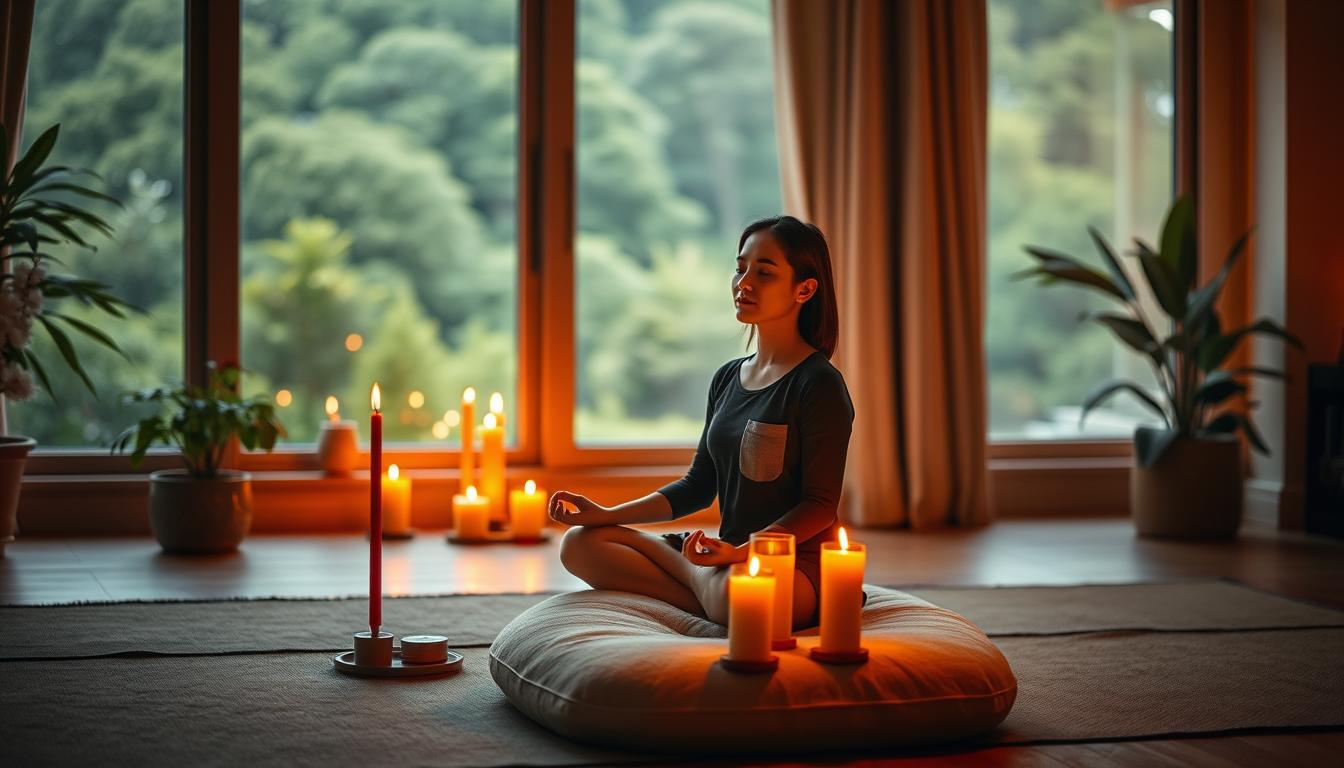
Meditation can transform your nightly routine by calming your mind and improving sleep quality. Research from the Cleveland Clinic shows that mindfulness meditation increases melatonin by 28%, helping you fall asleep faster and stay asleep longer. This simple practice can also reduce stress and improve your overall health.
How Meditation Prepares Your Mind for Sleep
Meditation helps quiet the mind and release tension, making it easier to transition into restful sleep. Techniques like the 4-7-8 breathing method reduce sleep latency by 9 minutes. This practice signals your body to relax, preparing you for a deeper, more restorative sleep.
Body scan meditation is another effective way to release physical tension. By focusing on each part of your body, you can identify and release stress, promoting a sense of calm. This technique is especially helpful for those who carry tension in their muscles.
Simple Meditation Techniques
Here are some easy methods to incorporate into your nightly routine:
- Guided vs. Silent Meditation: Guided meditation is ideal for beginners, while silent meditation offers more flexibility for experienced practitioners.
- Binaural Beats: Listening to frequencies between 1-4 Hz can enhance relaxation and improve sleep quality.
- Yoga Nidra: This deep relaxation protocol involves lying down and following a guided meditation, promoting restful sleep.
| Technique | Benefits |
|---|---|
| Guided Meditation | Helps beginners focus and relax |
| Body Scan | Releases physical tension |
| Binaural Beats | Enhances relaxation |
| Yoga Nidra | Promotes deep rest |
For beginners, start with 5-10 minutes of meditation and gradually increase the duration. Consistency is key to experiencing the full benefits. By making meditation a part of your nightly routine, you can improve your sleep and overall life.
“Meditation is a powerful tool for calming the mind and preparing the body for rest,”
says Dr. Rebecca Scott from NYU. Incorporate these techniques into your routine to experience better sleep and a more balanced way of living.
Reading a Book Before Bed
Reading before bed is a simple yet effective way to improve your sleep quality. It helps you disconnect from the day’s stress and prepares your mind for rest. According to the Sleep Foundation, just six minutes of reading reduces stress by 68%, making it an ideal activity for winding down.

Why Reading Helps You Sleep Better
Reading engages your mind in a way that promotes relaxation. Fiction readers, in fact, experience 27% faster sleep onset than nonfiction readers. This is because storytelling allows your brain to focus on a narrative, reducing anxiety and mental chatter.
Blue light from screens can disrupt your circadian rhythm, but paper books or e-ink readers minimize this effect. Choosing the right format ensures your sleep isn’t compromised by artificial light.
Choosing the Right Book for Bedtime
Selecting the right book can enhance your reading experience. Here are some tips to help you decide:
- Genre Matters: Fiction and poetry are ideal for relaxation, while nonfiction may stimulate your mind too much.
- Font Size and Lighting: Opt for larger fonts and soft lighting to reduce eye strain.
- Chapter Length: Aim for chapters that take 10-15 minutes to read, making it easy to stop when you feel sleepy.
| Book Type | Benefits |
|---|---|
| Traditional Books | No blue light, tactile experience |
| E-Ink Readers | Adjustable font size, portable |
By incorporating these tips, you can make reading a meaningful part of your nightly routine. It’s a small change that can lead to better sleep and a more peaceful night.
Listen to Calming Music
Listening to calming music before bed can transform your sleep experience and improve your overall well-being. Music has a powerful effect on your mind and body, helping you relax and prepare for a restful night. Whether it’s classical melodies or binaural beats, the right sounds can enhance your sleep quality and make falling asleep easier.
How Music Affects Sleep Quality
Music influences your brain waves, helping you transition into deeper sleep stages. Studies from the Journal of Sleep Research show that binaural beats at 3Hz increase deep sleep by 49%. This is because these frequencies align with your brain’s natural rhythms, promoting relaxation and reducing stress.
Classical music is another excellent choice. Research indicates that listeners report 35% better sleep maintenance. The soothing melodies slow your heart rate and lower cortisol levels, creating the perfect environment for rest.
Best Types of Music for Relaxation
Not all music is created equal when it comes to sleep. Here are some of the best options to consider:
- Binaural Beats: Frequencies between 1-4 Hz are ideal for deep sleep.
- Classical Music: Composers like Max Richter and Brian Eno create calming soundscapes.
- Nature Sounds: Rainforest or ocean waves mimic natural environments, promoting relaxation.
| Music Type | Benefits |
|---|---|
| Binaural Beats | Increases deep sleep by 49% |
| Classical Music | Improves sleep maintenance by 35% |
| Nature Sounds | Reduces stress and promotes calmness |
When creating a playlist, keep the volume low and limit the duration to 30-60 minutes. This ensures the music enhances your sleep without becoming a distraction. By incorporating these things into your routine, you can improve your sleep quality and wake up feeling refreshed.
Use Blackout Curtains
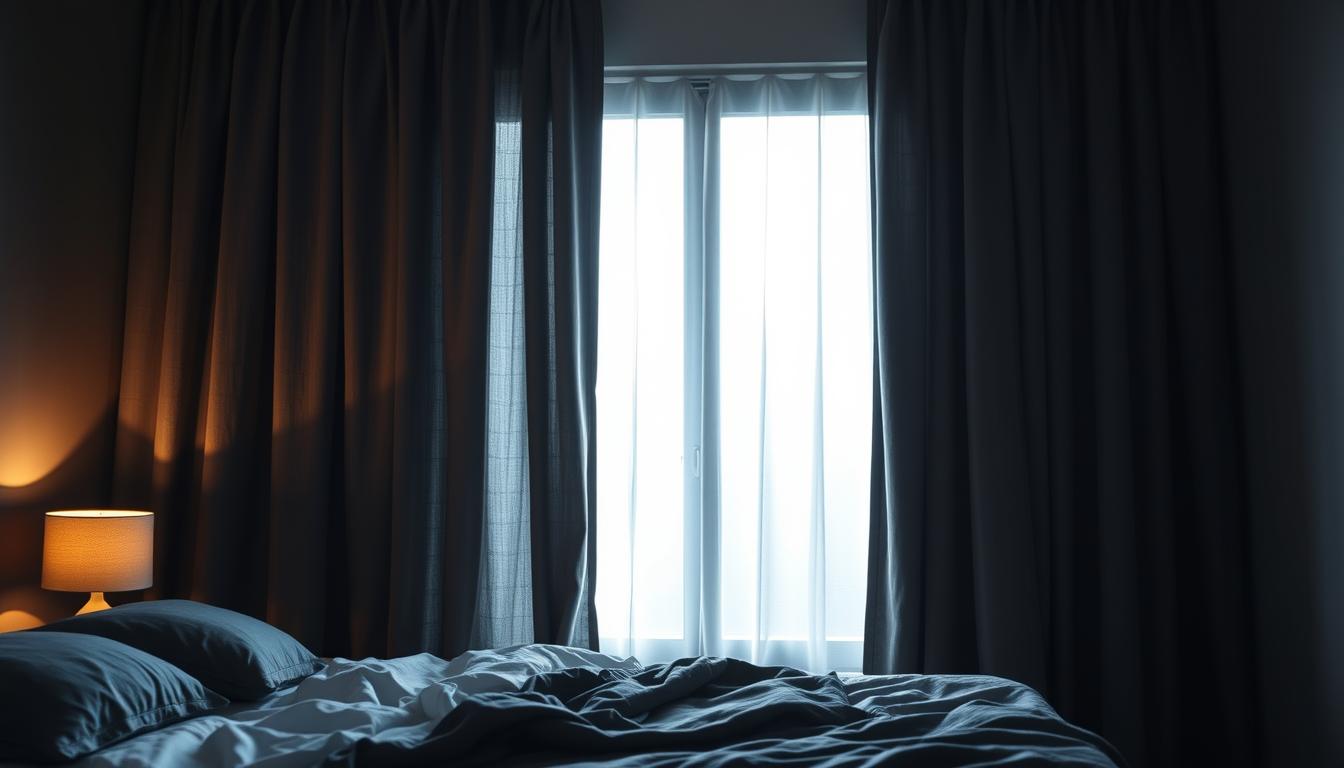
Light exposure during sleep can significantly impact your body’s ability to rest and recover. Even small amounts of light, like 50 lux, can reduce melatonin production by 50%, according to an Oxford study. This hormone is essential for regulating your sleep-wake cycle, making it crucial to create a dark environment for better sleep quality.
How Light Affects Your Sleep Cycle
Your circadian rhythm, or internal clock, relies on light cues to function properly. Exposure to artificial light at night can confuse this rhythm, delaying sleep onset and reducing deep sleep stages. Urban areas, with higher light pollution, often disrupt sleep more than rural environments.
Shift workers, for example, face unique challenges due to irregular schedules. Those using blackout curtains report 33% better sleep efficiency, highlighting the importance of light control for restful sleep.
Benefits of Blackout Curtains
Blackout curtains are a simple yet effective solution for improving sleep quality. They block external light, creating a dark environment that promotes melatonin production. Here are some key advantages:
- Improved Sleep Efficiency: Shift workers using blackout curtains experience better sleep maintenance.
- Light Pollution Reduction: Ideal for urban areas with high levels of artificial light.
- Energy Savings: Thick fabrics also provide insulation, reducing heating and cooling costs.
For renters, temporary solutions like tension rods or adhesive hooks can make installation hassle-free. Fabric density matters too—curtains with 3000+ denier offer the best light-blocking performance.
Complementary accessories, such as sleep masks or light-blocking blinds, can enhance the effectiveness of blackout curtains. While the initial cost may vary, the long-term benefits for your life and health make them a worthwhile investment.
Take a Warm Bath Before Bed
Taking a warm bath before bed is a simple yet effective way to prepare your body for rest. It helps relax your muscles, reduce stress, and improve your overall health. According to research, a 104°F bath 1-2 hours before bed can increase deep sleep by 15%.

The Science Behind the Warm Bath Effect
Warm baths work by raising your core body temperature. As your body cools down afterward, it signals to your brain that it’s time to sleep. This process mimics your natural circadian rhythm, making it easier to fall asleep and stay asleep.
Epsom salt baths are particularly beneficial. They boost magnesium absorption by 41%, which helps relax your muscles and reduce tension. Adding essential oils like lavender or bergamot can further enhance the calming effect.
How to Maximize the Benefits of a Warm Bath
To get the most out of your bath, follow these tips:
- Temperature and Duration: Aim for 104°F and soak for 15-20 minutes. Longer or hotter baths can be counterproductive.
- Essential Oils: Lavender promotes relaxation, while bergamot reduces stress. Add 5-10 drops to your bathwater.
- Post-Bath Cooling: Allow your body to cool naturally for 10-15 minutes before getting into bed.
For those with hypertension, avoid very hot baths, as they can raise blood pressure. Instead, opt for warm water and shorter durations.
Combining Epsom salts with essential oils creates a powerful blend for muscle recovery and relaxation. Try adding 1 cup of Epsom salts and 5 drops of lavender oil for a soothing experience.
Avoid Screens Before Bed
Screen time before bed can interfere with your ability to fall asleep quickly. The blue light emitted by devices like phones, tablets, and computers disrupts your body’s natural sleep cycle. This makes it harder to achieve restful sleep quality and can leave you feeling tired the next day.
How Blue Light Disrupts Sleep
Blue light suppresses melatonin production, the hormone responsible for regulating sleep. Studies show that even two hours of screen use before bed can delay sleep onset by 37%. This increases the risk of sleep deprivation and affects your overall health.
Amber lenses are a helpful solution, blocking 65% more blue light than standard filters. They reduce eye strain and help your body prepare for rest. Night mode on devices also minimizes blue light exposure, but it’s not as effective as avoiding screens altogether.
Tips for Reducing Screen Time
Here are some practical ways to cut down on screen use before bed:
- Set App Limits: Use built-in features on your phone to restrict social media usage after a certain time.
- Digital Detox Challenges: Start with 30 minutes of screen-free time before bed and gradually increase it.
- Alternative Activities: Try reading, journaling, or practicing the 20-20-20 rule—every 20 minutes, look at something 20 feet away for 20 seconds.
| Device Type | Blue Light Emission |
|---|---|
| Smartphones | High |
| Tablets | Moderate |
| Laptops | High |
| E-Readers | Low |
By adopting these habits, you can improve your sleep quality and wake up feeling more refreshed. Small changes in your nightly routine can lead to significant improvements in your overall well-being.
Be Consistent with Your Sleep Schedule
Maintaining a consistent sleep schedule is one of the most effective ways to improve your overall health. Your body thrives on regularity, and sticking to a set routine can enhance your energy, focus, and well-being. According to the CDC, seven days of consistency can boost sleep efficiency by 29%.
Inconsistent sleep patterns, like varying your bedtime on weekends, can disrupt your body’s internal clock. Research shows that weekend variance beyond 45 minutes increases the risk of diabetes by 13%. By aligning your sleep schedule with your body’s natural rhythm, you can achieve better rest and recovery.
Why Consistency is Key for Sleep Quality
Your circadian rhythm relies on consistent cues to function optimally. Irregular sleep times confuse this internal clock, making it harder to fall asleep and stay asleep. Over time, this can lead to fatigue, mood swings, and even long-term health issues.
Shift workers and frequent travelers face unique challenges. For them, gradual adjustments and melatonin supplements can help reset their sleep-wake cycle. Jet lag recovery, for example, benefits from precise melatonin timing and exposure to natural light.
How to Establish a Regular Sleep Routine
Creating a consistent routine doesn’t have to be complicated. Here are some practical tips to get started:
- Gradual Adjustments: Shift your bedtime by 15-minute increments until you reach your desired schedule.
- Alarm Clock Placement: Keep your alarm across the room to avoid hitting snooze and disrupting your routine.
- Sleep Tracking Devices: Use wearable tech to monitor your sleep patterns and identify areas for improvement.
- Shift Worker Strategies: Maintain a consistent sleep schedule even on days off to minimize disruptions.
By prioritizing consistency, you can improve your sleep quality and overall lifestyle. Small changes in your daily routine can lead to significant benefits for your health and well-being.
Conclusion
Small nightly changes create lasting results for your metabolism and well-being. By aligning routines with your body’s natural rhythms, you enhance fat-burning and recovery. Research shows it takes just 21 days to solidify a new habit—consistency is key.
Struggling to stay on track? Start with one change, like reducing screen time or adding protein-rich snacks. Over time, these adjustments compound, boosting your health and energy levels.
Tonight, pick one tip from this guide and take action. Your future self will thank you for investing in a healthier life.