Did you know it takes 250 pounds of lavender to produce just one pound of oil? These potent plant extracts pack a punch, shifting from ancient remedies to modern wellness staples. More than aromatic enhancers, they’re backed by science—but only when used correctly.
Experts like Dr. Yufang Lin praise their benefits while warning against misuse. Whether easing stress or boosting focus, knowing the facts matters. Some oils require dilution, while others interact with medications. Getting it right maximizes perks and minimizes risks.
This guide cuts through the hype. You’ll learn which uses have solid proof, which fall short, and how to blend them safely into routines. From sleep aids to skin care, separate truth from trend.
Key Takeaways
- Essential oils are highly concentrated—proper dilution is critical.
- Scientific studies support some benefits, like stress relief.
- Misuse can cause skin irritation or health risks.
- Quality varies; opt for pure, tested brands.
- Integrate them with traditional care for best results.
Introduction to Essential Oils
For centuries, civilizations have harnessed nature’s aromatic power through concentrated plant extracts. Known as essential oils, these liquids capture a plant’s “essence”—its scent, flavor, and therapeutic properties. Unlike synthetic fragrances, they’re extracted via steam distillation or cold pressing, preserving bioactive compounds.

Ancient Egyptians used oils like frankincense in rituals and medicine, while Mesopotamians blended them for healing. These traditions recognized what science now confirms: phytochemicals in plants, like linalool in lavender, offer real benefits essential for wellness.
Not all oils are alike. Essential oils are volatile and potent, while carrier oils (think coconut or jojoba) dilute them for safe use. Modern applications range from calming anxiety to soothing skin—but only when sourced from pure, tested brands.
The Science Behind Essential Oils
Ever wonder why a whiff of lavender instantly relaxes you? The answer lies in your limbic system, the brain’s emotional command center. Inhaled molecules travel from your nose to this region, triggering mood shifts and memory recall.

Studies back this up. *A 2017 trial* found lavender oil reduced anxiety in dental patients by 45%. Peppermint, rich in menthol, eased tension headaches in 80% of participants (*Journal of Pain Research*). But not all claims hold weight.
Anti-inflammatory and immune-boosting effects are debated. While some oils show promise in labs, human trials are scarce. Tea tree oil fights acne bacteria, but won’t cure infections. And despite myths, none replace cancer treatments.
| Oil | Proven Effect | Research Strength |
|---|---|---|
| Lavender | Calms stress, improves sleep | Strong (5+ human studies) |
| Peppermint | Relieves headaches | Moderate (3 studies) |
| Eucalyptus | Clears sinuses (short-term) | Limited (lab-only evidence) |
Long-term safety? Unknown. Most studies last weeks, not years. Always dilute oils for skin use, and consult a doctor if you’re pregnant or take medications. Science supports cautious, informed use—not miracle cures.
Top Essential Oils and Their Proven Benefits
Certain plant extracts stand out for their science-backed wellness perks. While many oils claim benefits, only a few have robust research supporting their uses. Below, explore five top performers—and how to harness them safely.
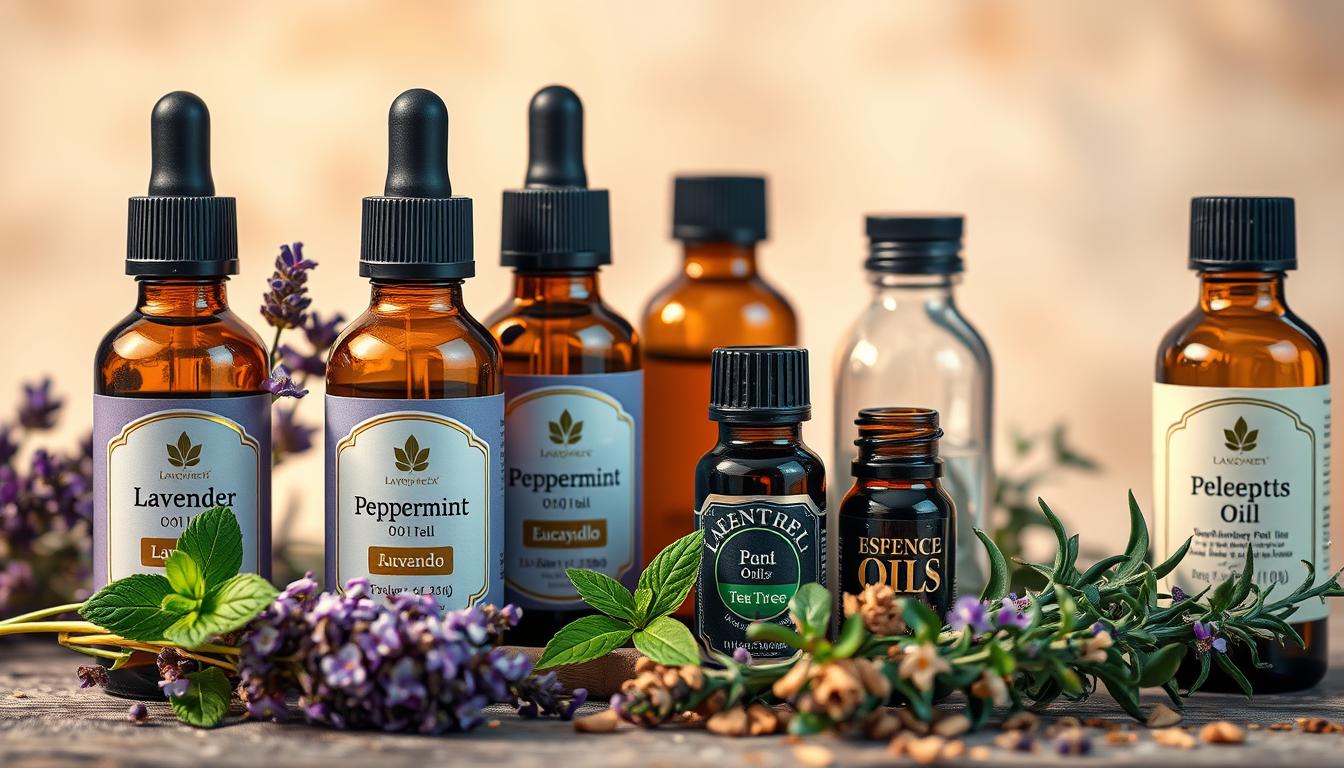
Lavender Oil
Lavender reigns supreme for stress relief and sleep support. A 2019 study in the *Journal of Alternative Medicine* found it reduced anxiety by 32% in ICU patients. Its calming scent also improves sleep quality, making it a bedtime staple.
Note: Avoid undiluted use on children due to potential hormonal effects. Dilute with coconut oil before topical application.
Tea Tree Oil
This skin-saving oil fights acne and fungal infections like athlete’s foot. Its antibacterial properties make it a spot-treatment hero. However, never diffuse it around pets—it’s neurotoxic to cats and dogs.
Peppermint Oil
Need headache relief? Peppermint oil’s menthol cools tension headaches fast. It also eases IBS symptoms when taken in enteric-coated capsules. Always dilute for topical use to prevent irritation.
Eucalyptus Oil
Stuffy noses meet their match. Eucalyptus clears sinuses during colds, thanks to its anti-inflammatory compounds. Never ingest it—even small amounts can be toxic.
Lemon Oil
Brighten your mood with lemon oil’s uplifting citrus scent. Emerging research links it to cognitive support in Alzheimer’s patients. Warning: It increases sun sensitivity—avoid sun exposure after use.
| Oil | Best For | Cautions |
|---|---|---|
| Lavender | Stress, sleep | Dilute for kids |
| Tea Tree | Acne, fungus | Toxic to pets |
| Peppermint | Headaches, IBS | Dilute topically |
| Eucalyptus | Congestion | Do not ingest |
| Lemon | Mood, focus | Causes sun sensitivity |
How to Use Essential Oils Safely and Effectively
Harnessing plant power requires knowing the right methods—missteps can turn benefits into risks. Whether you’re new to aromatherapy or a seasoned user, these guidelines ensure you use essential oils without compromising safety. Always prioritize quality brands and heed dilution rules.
Diffusion: Breathe Easy, But Wisely
A diffuser disperses oils into the air, uplifting moods or clearing sinuses. Add 3-5 drops to water—overdoing it may cause headaches. Avoid continuous use; limit sessions to 30 minutes. Caution: Eucalyptus and tea tree oils harm pets; skip diffusion if they’re nearby.
Topical Application: Dilution Is Non-Negotiable
Skin sensitivity varies, so always blend oils with a carrier like jojoba oil. A safe ratio: 2-3 drops per teaspoon of carrier. Patch-test first, especially for citrus oils that increase sun sensitivity. Exception: Tea tree oil can spot-treat acne undiluted—but rinse after 1-2 hours.
Ingestion: Rarely Recommended
Swallowing oils risks mouth burns or liver damage. Only ingest under professional supervision—like enteric-coated peppermint capsules for IBS. Even food-grade oils need extreme dilution (1 drop per cup of tea). Never consume wintergreen or camphor—they’re toxic.
- Children & Pregnancy: Avoid rosemary, eucalyptus, and clary sage—they may trigger seizures or contractions.
- “Neat” Application: Undiluted use causes irritation. Save exceptions (like lavender for minor burns) for rare cases.
- Rotation: Overuse dulls effects. Switch oils every 2-3 weeks to maintain potency.
Potential Risks and Side Effects of Essential Oils
While essential oils offer benefits, misuse can trigger serious reactions. From rashes to seizures, improper use turns these potent extracts into hazards. Know the risks before applying or diffusing them.
Skin irritation tops the list of common effects. Undiluted application causes redness, itching, or burns—especially with cinnamon or oregano oils. Always patch-test new blends on a small area first.
Respiratory issues may arise too. Asthma attacks can flare if strong scents overwhelm airways. Eucalyptus and peppermint are frequent culprits. Diffuse sparingly in well-ventilated spaces.
Parents, take note: Lavender and tea tree oils may disrupt hormones in prepubescent boys. A 2018 study linked them to abnormal breast growth. Avoid regular use on children under 10.
- Citrus oils (lemon, bergamot) cause photosensitivity. Sun exposure after use leads to severe burns. Wait 12+ hours before going outside.
- Pets face toxicity. Tea tree and eucalyptus trigger neurological damage in cats. Even diffused oils harm birds’ respiratory systems.
- Medication interactions occur. Blood thinners mix poorly with clove oil. Consult your doctor if you take prescriptions for anxiety or seizures.
Vulnerable people—pregnant women, seniors, and those with allergies—should exercise extra caution. When in doubt, skip DIY blends and opt for professionally formulated products.
Enhancing Other Therapies with Essential Oils
Pairing aromatics with energy work creates powerful synergy. Holistic practices like crystal healing and Reiki gain depth when combined with plant essences. These blends amplify intentions, making them a transformative way to elevate rituals.
Crystal Healing
Amethyst’s calming vibes pair perfectly with lavender oil. Place a drop on the stone before meditation to blend their soothing properties. This duo reduces stress faster than either alone.
Reiki and Meditation
Diffuse bergamot or sandalwood during sessions. Their scents quiet the mind, helping you reach deeper states. A 2020 study found citrus oils enhance focus during visualization by 40%.
Chakra Balancing
Match oils to energy centers:
- Root: Cedarwood for grounding.
- Heart: Rose oil to open emotional flow.
- Crown: Frankincense for spiritual connection.
“Scents act as bridges between physical and subtle bodies.”
Remember: Always cleanse crystals before applying oils. Use sparingly—their vibrational energy intensifies with plant essences.
Conclusion
Natural doesn’t always mean risk-free—especially with potent extracts like essential oils. Science backs their benefits for stress relief and sleep, but they’re not cure-alls. Skip trends claiming they replace medical treatments.
Quality matters. Choose brands listing botanical names and testing results. Always dilute for topical use essential oils safely, and consult experts if mixing with medications.
Respect their potency. Diffuse mindfully, patch-test new blends, and store them away from kids and pets. When used wisely, these plant extracts can enhance health routines—without the hype.