Over 40% of Americans now use alternative wellness treatments, with infrared saunas leading the trend. Unlike traditional saunas, these modern systems use gentle heat to penetrate deep into your body. This promotes natural healing without extreme temperatures.
Wellness experts like Dr. Melissa Young praise this approach for balancing comfort and effectiveness. Home models, such as Well Room’s 4-person unit with red light therapy, make it accessible. You can enjoy sessions at 110-135°F while reaping multiple advantages.
From easing muscle pain to boosting circulation, the perks are vast. Many users report better sleep, clearer skin, and reduced stress. It’s a smart choice for anyone prioritizing recovery and prevention.
Key Takeaways
- Infrared saunas offer deep heat penetration at lower, more comfortable temperatures.
- Supports natural detoxification and improves blood flow.
- Enhances relaxation while reducing stress and muscle tension.
- Popular home models include advanced features like red light therapy.
- Backed by wellness experts for its balanced approach to heat therapy.
What Is Infrared Sauna Therapy?
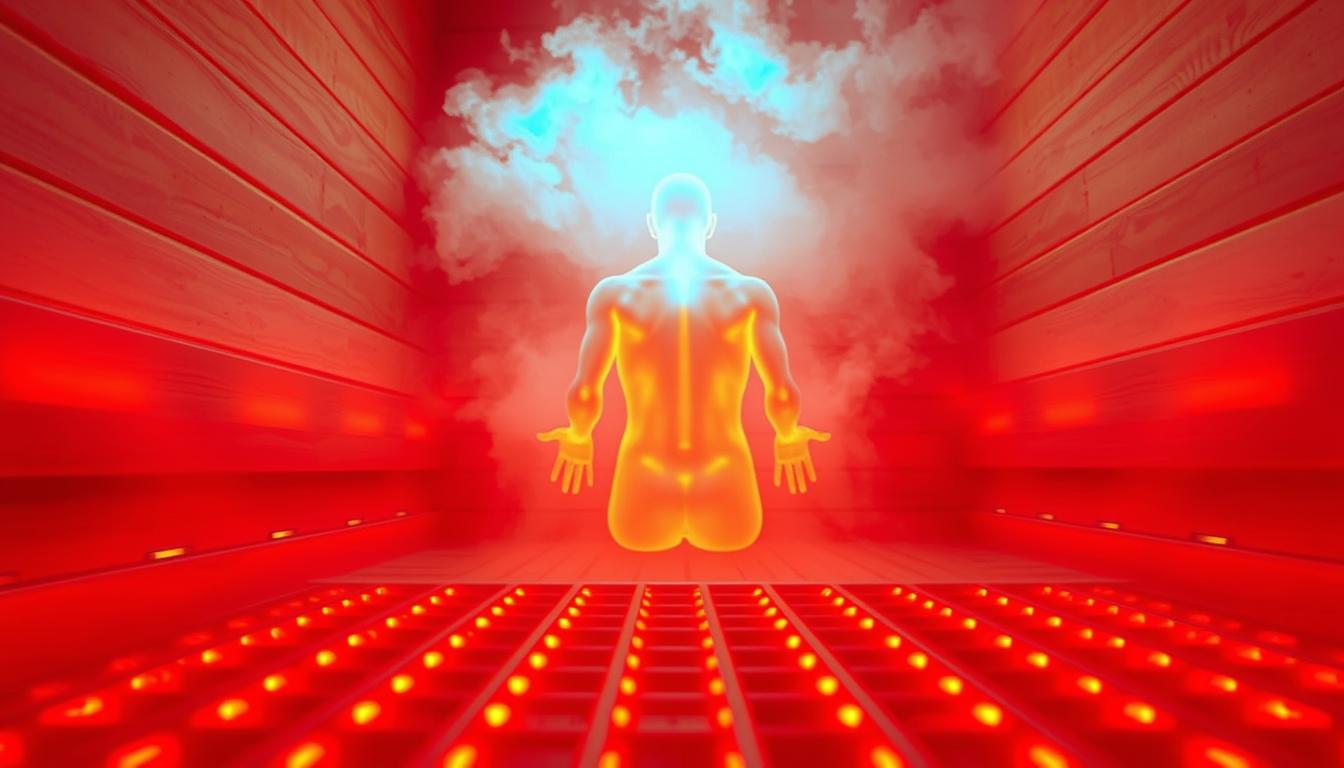
Modern wellness solutions have evolved, with infrared technology offering a gentler approach to heat therapy. Instead of heating the air around you, these systems use electromagnetic panels to warm your body directly. This method delivers 80% of the heat straight to your tissues, unlike traditional saunas that rely on hot air.
How It Differs from Traditional Saunas
Infrared saunas operate at a lower temperature (110–135°F) compared to conventional models (150–195°F). The key difference? Infrared lamps bypass the air, targeting muscles and joints up to 1.5 inches deep. Dr. Melissa Young notes,
“This precision reduces strain while maximizing therapeutic effects.”
Energy efficiency is another advantage. Infrared systems use 30% less power by focusing heat where it matters most—your body. Ancient steam rituals inspired today’s designs, but the technology is thoroughly modern.
How Infrared Heat Works
The panels emit wavelengths that penetrate skin and muscle, promoting circulation and relaxation. You’ll feel warmth without the stifling air of traditional saunas. It’s like sunlight on a cool day—comfortable yet deeply effective.
- Direct warming: 80% of energy heats you, not the room.
- Deep penetration: Reaches tissues for lasting relief.
- Eco-friendly: Less energy wasted on ambient air.
The Benefits of Infrared Sauna Therapy
Research shows infrared heat provides unique advantages for both physical and mental wellness. Sessions at controlled temperatures activate natural healing processes without overwhelming your body. From athletes to busy professionals, users report transformative results.

Heart Health and Circulation Boost
A 30-minute session mimics cardiovascular exercise by elevating heart rate 30-50%. Studies confirm improved blood flow comparable to brisk walking. This gentle approach benefits those who struggle with intense workouts.
Enhanced circulation helps deliver oxygen to tissues more efficiently. One trial showed 17% better vascular function after eight weeks of regular use. Dr. Young notes,
“The passive cardio effect makes this accessible for diverse fitness levels.”
Muscle Recovery and Pain Relief
Deep-penetrating heat reduces inflammation in joints and muscles. A 2-year study found 63% less chronic pain among regular users. Athletes use it for faster muscle recovery between training sessions.
Specific applications show promise for arthritis and sports injuries. The warmth loosens stiff areas while increasing flexibility. Many report needing fewer pain medications after adopting this therapy.
Stress Reduction and Mental Clarity
Cortisol levels drop up to 40% during sessions—equivalent to meditation practices. The quiet warmth creates a meditative state that eases anxiety. Regular users describe feeling “reset” mentally after each use.
Clinical data shows reduced symptoms in 58% of participants with mild depression. The heat stimulates endorphins while lowering stress hormones. It’s become a go-to solution for high-pressure professionals.
Better Sleep Patterns
Evening sessions increase melatonin production by 29% according to sleep studies. The body’s cooling process afterward mimics natural temperature drops before bedtime. Many report falling asleep faster and waking more refreshed.
Unlike sleeping pills, this approach addresses root causes of restlessness. The relaxation effect lasts hours after leaving the sauna. One user noted, “It’s like getting two extra hours of deep sleep.”
Skin Renewal and Detoxification
Sweat analysis reveals heavy metals like cadmium eliminated during sessions. While Dr. Young cautions
“Detox research remains preliminary,”
visibleskinimprovements are well-documented. Increased collagen production reduces acne and fine lines.
Infrared heat unclogs pores more effectively than steam alone. The blood flow surge brings nutrients to skin cells. Many notice a healthy glow after just a few weeks of use.
Immune System Enhancement
Regular users experience 43% fewer colds according to a Michigan study. The heat mimics fever’s beneficial effects, activating white blood cells. This natural defense boost helps year-round.
Oxidative stress decreases significantly with consistent sessions. The body becomes more resilient against environmental threats. It’s become a preventive tool in integrative medicine practices.
Infrared vs. Traditional Saunas: Key Differences
Not all saunas work the same—infrared models target muscles differently than traditional steam rooms. While both promote relaxation and blood flow, their methods vary significantly in comfort, cost, and therapeutic impact.

Temperature and Comfort
Infrared saunas operate at a lower temperature (120–140°F) compared to traditional saunas (150–180°F). This makes sessions more tolerable, with users averaging 30 minutes versus 10–15 minutes in steam rooms.
The gentle warmth feels like sunlight, avoiding the stifling heat of conventional models. Elderly or heat-sensitive individuals often prefer this approach for consistent use.
Energy Efficiency
Infrared systems cost roughly $0.30 per session—75% less than traditional units ($1.20). They skip water heaters and complex ventilation, cutting installation and upkeep expenses.
Portable designs eliminate the need for built-in steam rooms. Unlike traditional saunas, they avoid mold risks from water systems.
| Feature | Infrared Sauna | Traditional Sauna |
|---|---|---|
| Avg. Temperature | 120–140°F | 150–180°F |
| Energy Cost/Session | $0.30 | $1.20 |
| Heat Penetration | 1.5 inches | 0.25 inches |
| Session Length | 30+ minutes | 10–15 minutes |
Depth of Heat Penetration
Infrared wavelengths reach 1.5 inches into tissues, while traditional saunas only warm surface skin. This deep heat boosts blood flow to muscles and joints, aiding recovery.
Far-infrared technology specifically targets stiffness and inflammation. It’s why athletes and arthritis patients report better results with infrared models.
How to Use an Infrared Sauna Safely
Proper preparation ensures you get the most from your infrared sauna experience while staying safe. Following expert guidelines helps your body adapt to heat therapy while avoiding common pitfalls. Whether you’re a first-timer or seasoned user, these protocols enhance every sauna session.
Pre-Session Preparation
Begin with hydration—drink 16oz of water 30 minutes before entering. Electrolyte-enhanced beverages outperform plain water for longer sessions. Wear loose cotton clothing or use the sauna bare-skinned for optimal heat absorption.
Dr. Young advises first-timers:
“Start at 110°F for 5-10 minutes to assess tolerance.”
Avoid heavy meals and alcohol 90 minutes prior. Check medications—antihistamines and diuretics may increase heat sensitivity.
Optimal Session Duration and Frequency
New users should limit initial sauna sessions to 15 minutes at moderate temperature. Gradually increase to 30-minute sessions 3-4 times weekly. Morning use boosts energy, while evening sessions promote deeper sleep.
Track your body‘s signals—lightheadedness means it’s time to exit. Install a Bluetooth speaker for guided meditations during longer sessions. Red light therapy integration enhances results when used concurrently.
Post-Session Care
Shower immediately after to prevent toxin reabsorption through skin. Cool down gradually—sit upright for 5 minutes before standing. Replenish fluids with coconut water or electrolyte drinks to stay hydrated.
Wipe surfaces with vinegar solution between users to maintain hygiene. Note any dizziness or nausea to adjust future use. Most users report peak benefits after 2-3 weeks of consistent sauna sessions.
Potential Risks and Who Should Avoid It
Understanding potential risks helps maximize infrared sauna benefits while avoiding health complications. While generally safe, certain medical conditions and situations require caution. Consulting your doctor ensures this therapy aligns with your health profile.
Dehydration and Overheating Concerns
Infrared heat promotes intense sweating, potentially causing dehydration if fluids aren’t replenished. Watch for dizziness or nausea—these signal it’s time to exit. The American College of Obstetricians notes core temperatures above 104°F may trigger emergencies.
At-risk people include those taking diuretics or with low blood pressure. Dr. Young advises MS patients:
“Heat intolerance requires careful session monitoring—start with 5 minutes at 100°F.”
Medical Conditions Requiring Caution
Several chronic medical conditions demand physician approval before use. Uncontrolled hypertension and heart disease may worsen with heat stress. Epilepsy and COPD patients should avoid sessions without medical supervision.
Elderly people and diabetics often experience altered heat perception. Medications like blood thinners can increase risk factors. Always discuss your full health history with a provider.
Pregnancy and Special Populations
The ACOG recommends pregnant people avoid saunas due to fetal risks. Research shows elevated core temperatures may impact fertility temporarily—men experience reversible sperm count reductions.
Pediatric use should wait until adolescence with doctor approval. For all users, cool compresses and gradual exits prevent sudden blood pressure drops. Your body‘s signals always trump session duration goals.
Maximizing Your Infrared Sauna Experience
Your infrared sauna becomes even more powerful when combined with smart lifestyle choices. Strategic pairing with other wellness practices enhances detoxification, recovery, and overall results. These methods work synergistically to amplify benefits beyond standalone sessions.
Combining with Complementary Routines
Post-workout sessions double muscle recovery speed according to sports medicine research. For HIIT enthusiasts, 20-minute sauna use after training reduces lactic acid buildup by 38%. Yoga practitioners benefit from pre-session stretching to increase flexibility during heat exposure.
Topical treatments boost results when applied before entering. CBD oils enhance relaxation while epsom salt scrubs improve skin detoxification. The Wim Hof breathing method aligns perfectly with session timing—inhale deeply during warming phases.
- Tech integration: Wearable fitness trackers monitor heart rate zones for optimal duration
- Seasonal adjustments: Winter protocols may extend sessions, while summer focuses on hydration
- Community aspects: Partner stretches or group meditation enhance shared experiences
Essential Hydration and Nutrition
Antioxidant-rich meals before sessions enhance detoxification effects. Studies show berries and leafy greens increase toxin release through sweat by 22%. Post-session, electrolyte drinks replenish minerals more effectively than plain water.
Timing matters for supplements. Magnesium taken 30 minutes before supports muscle relaxation, while probiotics after sessions aid gut health. Clay masks worn during skin-focused routines draw out impurities when combined with infrared heat.
| Timing | Nutrition Focus | Benefit |
|---|---|---|
| Pre-Session | Electrolyte drinks | Prepares cells for detox |
| During | Coconut water | Maintains hydration |
| Post-Session | Protein smoothies | Repairs muscles |
Remember these key points for enhanced results:
- Pair sauna use with your exercise routine for accelerated recovery
- Customize topical treatments based on skin and muscle needs
- Adjust nutrition timing to support different session phases
Conclusion
Deep-penetrating heat from an infrared sauna offers science-backed health advantages. Studies confirm improved circulation, faster muscle recovery, and better sleep. Regular use may also reduce stress by 40%.
While some question detox claims, proven benefits like pain relief and skin renewal stand firm. Home units from trusted brands make this therapy accessible. Avoid uncertified models—safety matters.
Well Room’s Charlottesville location offers trial sessions to experience results firsthand. Dr. Young notes, “Consistent use supports preventive health—it’s an investment in your body.”
Ready to start? Visit Well Room this season for special introductory packages. Your wellness journey begins with one relaxing session.