Did you know your body starts burning fat for energy after just 12 hours without food? This natural process is why intermittent fasting has become a powerful tool for weight loss and overall wellness. Unlike strict diets, it focuses on timing rather than food restrictions.
People have practiced fasting for centuries, from religious traditions to survival. Modern science now confirms its benefits, like boosting metabolism and promoting cellular repair. The best part? You can adjust it to fit your daily routine.
Whether you want more energy or better digestion, this approach offers flexibility. You choose eating windows that work for you while reaping the rewards.
Key Takeaways
- Your body switches to fat burning after 12 hours without food
- Focuses on meal timing instead of strict food rules
- Rooted in ancient traditions and modern science
- Supports metabolism and cellular renewal
- Customizable to different lifestyles
What Is Intermittent Fasting?
Timing meals, not cutting calories, defines intermittent fasting. It’s an eating pattern that cycles between fasting periods and designated eating windows. Unlike traditional diets, it doesn’t restrict what you eat—just when you eat.

Definition and Basic Principles
This approach splits your day into two phases: fasting and feeding. A popular method is the 16/8 protocol—fast for 16 hours, eat within an 8-hour window. Your body shifts from glucose to fat burning during the fasting phase.
Key principles include:
- Flexibility: Choose windows that fit your lifestyle.
- No food bans: Focus on timing, not elimination.
- Metabolic switch: Enhances fat oxidation after 12+ hours without food.
Historical and Cultural Context
Humans evolved to thrive without constant meals. Hunter-gatherers fasted during food scarcity, while religions like Islam (Ramadan) and Christianity incorporate fasting for spiritual discipline.
| Era/Culture | Fasting Practice | Purpose |
|---|---|---|
| Prehistoric | Irregular eating | Survival |
| Islamic | Sunrise-to-sunset fasts | Spiritual purification |
| Modern | 24/7 food access | Convenience |
Today’s nonstop eating clashes with our biology. Intermittent fasting realigns us with ancestral rhythms for better health.
How Intermittent Fasting Works
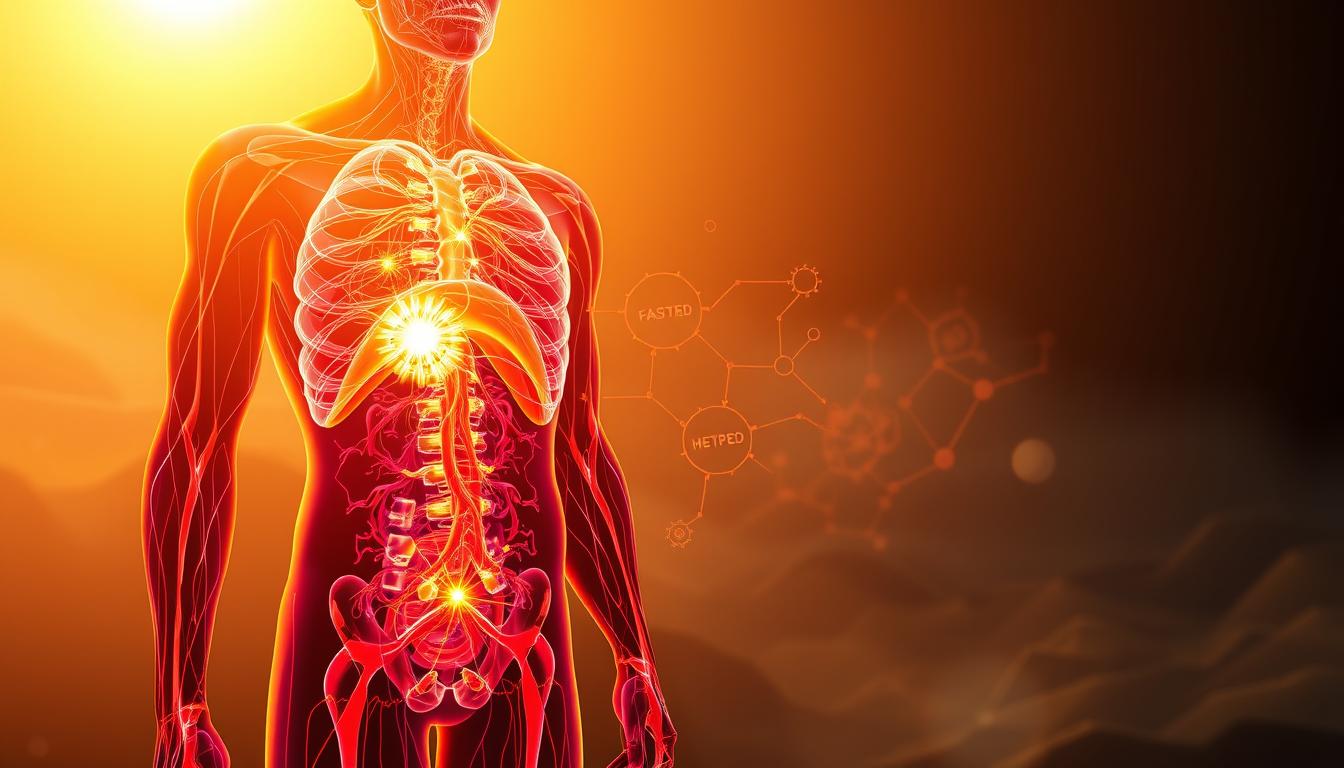
Skipping meals isn’t just about willpower—it triggers powerful biological shifts. When you fast, your body transitions from burning glucose to fat, a process called *metabolic switching*. This shift kicks in after 12+ hours without food, making stored fat your primary energy source.
The Science Behind Fasting and Metabolism
Your liver stores glucose as glycogen for quick energy. Once depleted, fasting forces your body to break down fat into ketones. Studies show this boosts metabolism by up to 14%, enhancing fat loss.
Another benefit? *Autophagy*—your cells recycle damaged components during fasting. This cleanup supports immunity and slows aging.
Key Hormones Affected by Fasting
Fasting reshapes critical hormones:
- HGH surges up to 5x, preserving muscle while burning fat.
- Insulin drops, halting fat storage and improving blood sugar control.
- Norepinephrine rises, breaking down fat for energy.
A 2020 study found participants lost 0.8%–13% of their weight using timed fasting. Lower insulin levels also reduced diabetes risk by improving sensitivity.
Popular Intermittent Fasting Methods
Different fasting methods offer unique benefits, but all share a common goal: optimizing your body’s natural rhythms. Whether you prefer daily fasting periods or weekly adjustments, each plan aligns with your lifestyle while promoting fat burning and metabolic health.

The 16/8 Method (Leangains Protocol)
Ideal for beginners, the 16/8 method involves fasting for 16 hours and eating within an 8-hour window. Most people skip breakfast and consume meals between noon and 8 PM. This syncs with circadian rhythms, making it sustainable long-term.
Studies show this approach reduces calorie intake by 20% without strict food rules. Your body enters fat-burning mode during the fasting window, enhancing weight loss.
Eat-Stop-Eat (24-Hour Fast)
This advanced method includes one or two 24-hour fasting periods per day/week. For example, you might finish dinner at 7 PM and fast until 7 PM the next day. Hydration is key, but solid foods are avoided.
Note: New fasters may experience fatigue. Ease into it by starting with 14–16 hours before attempting a full day.
The 5:2 Diet
Here, you eat normally for five days and restrict calories to 500–600 on two non-consecutive days. Unlike other methods, it focuses on partial fasting rather than timed windows.
Research suggests this reduces insulin resistance and inflammation. However, tracking calories carefully is essential to avoid overeating on non-fasting days.
| Method | Fasting Period | Caloric Reduction | Best For |
|---|---|---|---|
| 16/8 | 16 hours daily | ~20% | Beginners, busy schedules |
| Eat-Stop-Eat | 24 hours, 1–2x/week | Varies | Experienced fasters |
| 5:2 Diet | 2 days/week (500–600 cal) | ~25% weekly | Those who prefer flexibility |
Choose a method that fits your routine. The 16/8 approach is easiest to maintain, while the 5:2 plan offers more dietary freedom. Listen to your body and adjust as needed.
Health Benefits of Intermittent Fasting
Beyond weight management, fasting unlocks surprising benefits for your body and mind. Research shows timed eating patterns influence everything from cellular repair to mental clarity. These advantages make it more than a diet trend—it’s a metabolic reset.

Weight Loss and Fat Burning
Fasting triggers a dual weight loss mechanism. First, shorter eating windows naturally reduce calorie intake. Second, extended fasting periods force your body to burn stored fat for energy.
Studies demonstrate participants lose 3–8% of body weight over 3–24 weeks. The metabolic switch from glucose to fat oxidation explains these results. Unlike crash diets, this approach preserves muscle while targeting fat stores.
Improved Insulin Sensitivity
Fasting lowers blood glucose and insulin levels significantly. A 2018 study found fasting reduced insulin resistance by 20–31%. This helps prevent type 2 diabetes and metabolic syndrome.
When you fast, your cells become more responsive to insulin. This means better blood sugar control even after you resume eating. The effect is particularly strong in prediabetic individuals.
Enhanced Brain Function
Your brain thrives during fasting. Research links it to increased BDNF, a protein that supports neuron growth. Animal studies show 20–50% higher BDNF levels in fasting subjects.
This may explain why many report improved focus during fasts. Emerging evidence suggests potential protective effects against neurodegenerative diseases like Alzheimer’s.
Additional Health Advantages
- Heart health: Fasting lowers blood pressure, cholesterol, and inflammation markers
- Cellular repair: Autophagy removes damaged cells, slowing aging processes
- Longevity: Animal research indicates lifespan extension up to 30%
While human studies remain limited, current research confirms fasting offers whole-body benefits. Always consult your doctor before making significant dietary changes.
Intermittent Fasting and Weight Loss
Cutting calories isn’t the only way to achieve noticeable fat loss. Intermittent fasting reshapes your metabolism, helping you lose weight without strict food rules. Research shows it’s as effective as calorie restriction—but with fewer struggles.

How Fasting Promotes Fat Loss
Your body burns fat when hormones like HGH and norepinephrine surge during fasting. A 2020 review found these changes boost metabolism by up to 14%. Unlike traditional diets, fasting preserves muscle while targeting stored fat.
Key mechanisms include:
- Passive calorie reduction: Shorter eating windows naturally limit intake.
- Enhanced fat oxidation: After 12+ hours, your body switches to fat for fuel.
- Lower insulin: Reduced levels halt fat storage and improve blood sugar control.
Caloric Intake vs. Fasting Windows
Unlike counting calories, fasting focuses on timing. The Oslo University study found similar weight loss results between fasting and calorie restriction. However, fasting often feels easier because it avoids constant tracking.
Myth alert: Overeating during eating windows won’t ruin progress if you choose nutrient-dense meals. A 1-year study showed participants maintained results comparable to calorie counters.
For sustainable loss, prioritize proteins, fibers, and healthy fats in your fasting windows. This balances hormones and keeps hunger at bay.
Intermittent Fasting for Women
Women’s bodies respond differently to fasting due to hormonal complexity. While the same metabolic benefits apply, female physiology requires special consideration. Your menstrual cycle, fertility, and stress response all influence how you experience fasting periods.

Potential Hormonal Impacts
Your endocrine system is highly sensitive to energy availability. Research shows prolonged fasting may disrupt estrogen and leptin levels in some women. A 2023 study found average-weight females experienced more reproductive health risks than overweight participants.
Common signs of hormonal imbalance include:
- Irregular menstrual cycles
- Increased stress responses
- Changes in sleep patterns
Polycystic ovary syndrome (PCOS) patients often benefit though. Timed eating improves insulin sensitivity—a key factor in PCOS management. Many report better cycle regularity after 3-6 months.
Adapted Approaches for Females
Shorter fasting windows (14-16 hours) often work better for women’s bodies. This provides metabolic benefits without stressing your system. Consider these adjustments:
- Eat more during follicular phase (days 1-14)
- Reduce intensity during luteal phase
- Prioritize protein and healthy fats
“Women shouldn’t fear fasting—they should modify it. Listen to your body’s signals above all else.”
Always consult your healthcare provider before starting. Those with eating disorder history or hormonal conditions need personalized plans. With smart adaptations, fasting can safely support women’s health goals.
Safety and Side Effects
Your body may react differently when starting a fasting routine, so recognizing common side effects is crucial. Most adjustments are temporary as your metabolism adapts to new eating patterns. Staying informed helps you distinguish normal responses from warning signs.

Common Temporary Reactions
Initial fasting periods often bring mild discomfort. Hunger pangs typically peak on days 2-3 as ghrelin (hunger hormone) levels fluctuate. These usually subside within a week as your body adjusts.
Other expected side effects include:
- Mid-afternoon fatigue as energy sources shift
- Occasional headaches from electrolyte changes
- Temporary irritability during adaptation
Staying hydrated and adding pinch of salt to water often eases these symptoms. Most people adapt fully within 2-4 weeks.
Who Should Proceed With Caution?
While generally safe, some individuals should avoid fasting or seek medical supervision. Those with type 1 diabetes risk dangerous blood sugar drops without careful monitoring.
Other contraindications include:
- Pregnancy/breastfeeding (increased nutritional needs)
- History of eating disorders
- Underweight individuals (BMI
- Severe hypoglycemia
“Anyone with chronic conditions should consult their doctor before fasting. Medication timing often needs adjustment.”
Start gradually if you’re new to fasting. Begin with 12-hour overnight fasts, then slowly extend your window. This gentle approach minimizes discomfort while allowing metabolic adaptation.
What to Eat During Intermittent Fasting
Nutrition quality matters just as much as timing when practicing intermittent fasting. Your food choices directly affect energy levels, recovery, and results. Smart meal planning ensures you get maximum benefits from your eating windows.

Optimal Foods for Feeding Periods
Prioritize whole, nutrient-dense foods that sustain energy. The Mediterranean diet works exceptionally well, emphasizing:
- Protein-rich options: Grass-fed meats, wild fish, lentils
- Healthy fats: Avocados, olive oil, nuts and seeds
- Complex carbs: Quinoa, sweet potatoes, berries
Hydrating foods like cucumbers and leafy greens help maintain fluid balance. A sample meal might include grilled salmon with roasted Brussels sprouts and wild rice.
Items to Limit or Avoid
Certain foods can undermine your progress. Minimize these during eating windows:
- Sugary snacks and beverages
- Refined carbohydrates (white bread, pastries)
- Processed meats and trans fats
Even in fasting protocols, portion control matters. Overeating nutrient-poor meals can offset benefits. Focus on balanced plates with proper nutrition ratios.
| Food Category | Best Choices | Limit These |
|---|---|---|
| Proteins | Chicken, tofu, eggs | Processed deli meats |
| Fats | Avocado, nuts, olive oil | Margarine, fried foods |
| Carbohydrates | Quinoa, oats, vegetables | White bread, candy |
Remember that fasting isn’t license for poor eating habits. Quality meals during feeding periods enhance all benefits. Your body responds best when you fuel it properly between fasts.
Hydration and Intermittent Fasting
Staying hydrated becomes even more critical when practicing timed eating patterns. Your body relies on water to maintain energy levels and support metabolic processes during fasting periods. Proper fluid intake helps curb hunger signals and prevents common side effects.

Why Water Matters More
During fasting windows, you lose water through normal bodily functions without replenishment from food. Aim for 8-10 cups daily to:
- Reduce hunger pangs and headaches
- Support natural detoxification processes
- Maintain electrolyte balance
Check your urine color—pale yellow indicates proper hydration. Darker shades signal the need for more fluids.
Smart Beverage Choices
Not all drinks are equal during fasting periods. These options won’t break your fast:
- Black coffee (boosts energy and suppresses appetite)
- Herbal teas (provide antioxidants without calories)
- Sparkling water (adds variety without sweeteners)
Avoid diet sodas and artificial sweeteners. Research shows they may trigger insulin responses, disrupting fasting benefits.
| Beverage | Fasting-Friendly? | Best Time |
|---|---|---|
| Plain water | Yes | All day |
| Green tea | Yes | Morning/afternoon |
| Black coffee | Yes | Before noon |
| Diet soda | No | Avoid |
For flavor without calories, try adding lemon slices or fresh mint to your water. These enhance taste without impacting insulin levels. Remember—hydration supports every aspect of successful fasting.
Exercise and Intermittent Fasting
Your workout routine can make or break fasting results. Strategic timing preserves muscle while maximizing fat burn. Whether you prefer morning jogs or evening weight sessions, understanding your body‘s response is key.

Workout Timing for Optimal Results
Morning fasted workouts leverage glycogen depletion for enhanced fat burning. A 2021 study showed 20% greater fat oxidation during fasted cardio. However, save high-intensity sessions for fed states when you have more energy.
Key timing strategies:
- Resistance training: Schedule within 4 hours of your first meal for muscle protein synthesis
- Low-intensity cardio: Effective fasted (think brisk walks or light cycling)
- Post-workout nutrition: Prioritize protein within 30 minutes to aid recovery
Fasted vs. Fed-State Training
Fasted exercise boosts fat burning but may reduce performance. A Journal of Sports Science study found athletes lifted 8% less weight when fasted. For strength gains, train after eating.
Consider these comparisons:
| Fasted Training | Fed Training |
|---|---|
| Better fat oxidation | Higher intensity capacity |
| Preserves lean mass | Faster recovery |
| Morning-friendly | Evening performance peak |
“Fasted workouts work best for endurance, while fed training excels for power. Listen to your body—dizziness means you need fuel.”
Young men maintained muscle mass on 16-hour fasts in controlled trials. But always adjust intensity if you feel weak. Your energy levels will guide what works best for your routine.
Tips for Success with Intermittent Fasting
Small adjustments create lasting results when adopting a fasting lifestyle. Unlike crash diets, this approach rewards patience and self-awareness. Finding your ideal rhythm takes time, but the metabolic benefits make it worthwhile.
Easing Into Fasting
Start with 12-hour overnight fasts, then add one hour every few days. Within two weeks, you’ll comfortably reach the 16/8 method. This gradual plan prevents shock to your system.
Tracking apps like Zero help monitor progress during the first week. They provide reminders and motivation when adjusting to new eating windows. Consider these steps:
- Delay breakfast by 30 minutes daily
- Hydrate well during morning fasting hours
- Schedule social meals within your feeding window
Listening to Your Body
The best way to fast recognizes individual needs. Some thrive on strict schedules, while others prefer flexible plans. Notice energy dips or unusual hunger as signals to adjust.
True hunger feels different than boredom cravings. Try these distinction techniques:
- Drink water and wait 15 minutes
- Engage in light activity like walking
- Journal food triggers and energy patterns
“Your fasting rhythm should enhance your lifestyle, not control it. Adaptation beats perfection every time.”
Remember that social events or stressful periods may require temporary modifications. The flexibility of this approach makes it sustainable long-term.
Conclusion
Sustainable health changes begin with understanding your body’s natural rhythms. Intermittent fasting offers flexibility, from fat burning to cellular repair, rooted in both science and tradition. The key? Choose a method that fits your lifestyle.
For lasting results, pair fasting with balanced diet choices and regular exercise. Quick weight loss isn’t the goal—long-term wellness is. Consult a nutritionist to tailor the approach to your needs.
Remember, consistency beats perfection. Whether you prefer 16/8 or 5:2, the best plan is one you can maintain. Your body thrives when you honor its natural cycles.