Did you know over 36% of U.S. adults now use integrative therapies like acupuncture? This ancient practice has gained FDA approval and recognition in top medical centers, blending tradition with science-backed results.
Originally rooted in Chinese medicine, this technique uses fine needles to stimulate healing. Studies show it helps manage pain, stress, and chronic conditions—making it a preferred choice alongside western medicine.
Major institutions, including the Cleveland Clinic, now offer it as complementary care. Whether you seek relief or holistic wellness, this method adapts to modern needs without side effects.
Key Takeaways
- 36% of Americans use integrative health approaches like acupuncture.
- FDA-approved since 1996 for pain and nausea relief.
- Trusted by hospitals such as Cleveland Clinic.
- Supports stress reduction and chronic condition management.
- Combines ancient techniques with evidence-based results.
Introduction to Acupuncture and Traditional Chinese Medicine
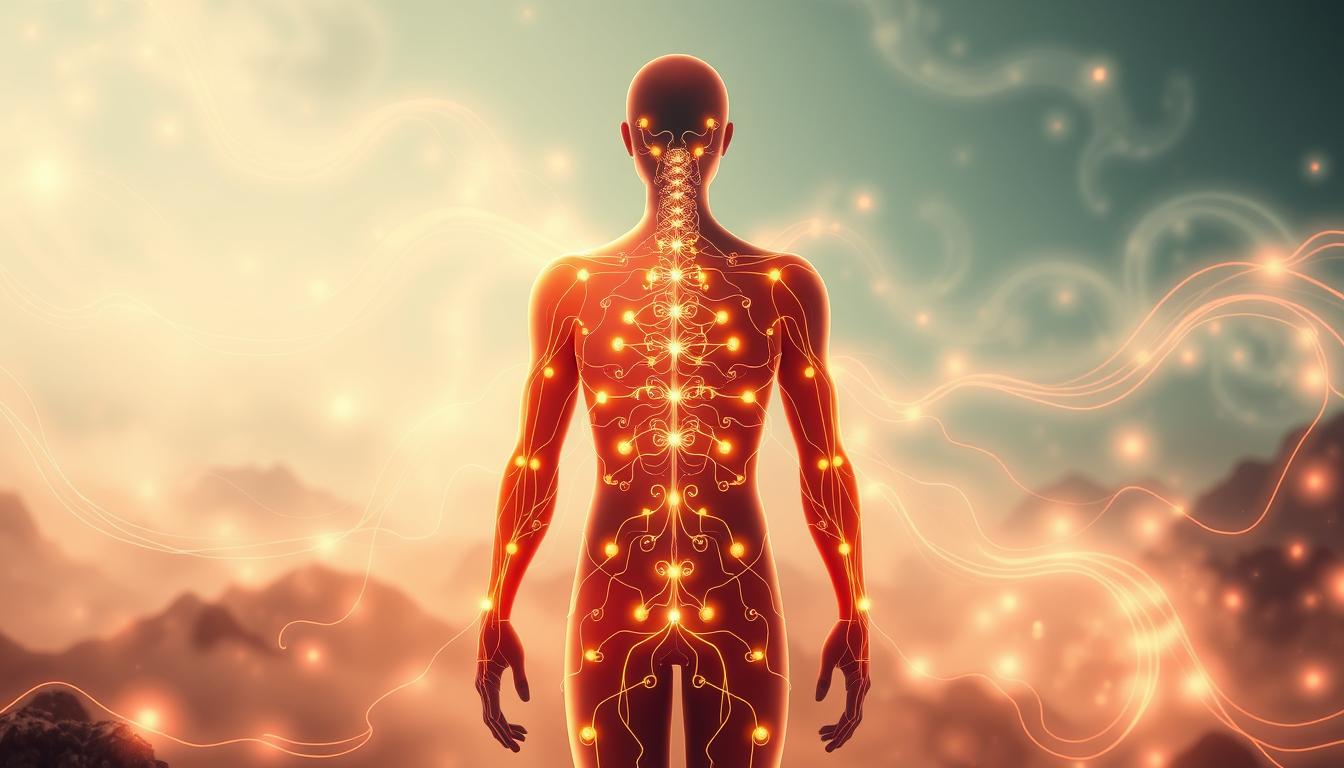
Balancing your body’s energy starts with understanding acupuncture’s ancient roots. This 3,000-year-old practice, rooted in traditional Chinese medicine, uses hair-thin needles to stimulate specific points. Over 2,000 acupuncture points connect via pathways called meridians, creating a map for holistic healing.
What Is Acupuncture?
Acupuncture restores flow by targeting qi (pronounced “chee”), the vital energy circulating through your body. According to NIH studies:
Disrupted qi manifests as physical or emotional illness, corrected through precise needle placement.
Modern sessions use FDA-regulated stainless steel needles (0.12–0.35mm thick)—sterile and single-use for safety.
The Foundations of Qi and Meridians
Twelve primary meridians correlate to organ systems, like highways for energy. For example:
- Liver meridian: Governs stress and detoxification.
- Heart meridian: Influences circulation and emotional balance.
Unlike Western medicine’s symptom focus,traditional Chinese medicinediagnoses imbalances in your entire system. It’s a partnership—needles guide yourbodytoward self-healing.
How Acupuncture Works: Science Meets Tradition
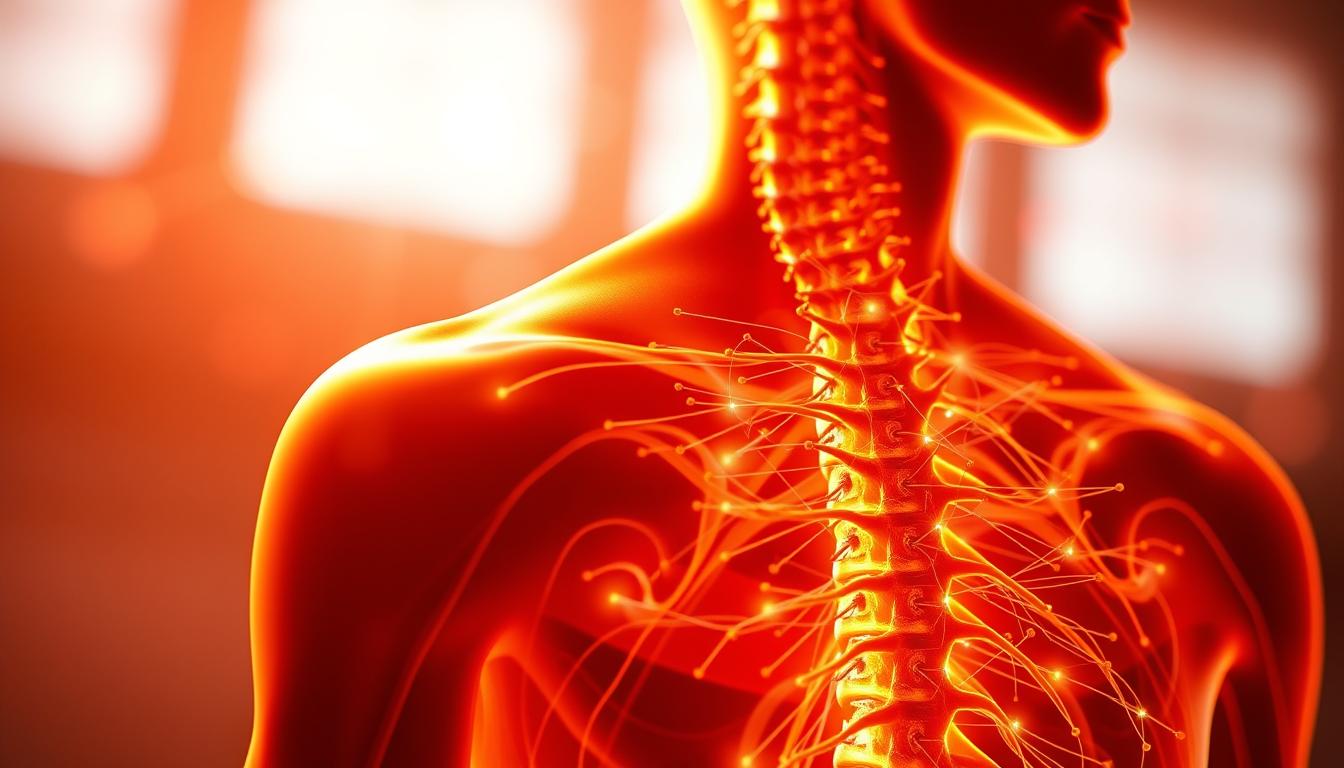
Modern science now reveals how acupuncture triggers your body’s natural healing mechanisms. By stimulating specific points, needles activate your central nervous system, releasing chemicals like endorphins and serotonin.
The Central Nervous System and Biochemical Responses
When needles target muscles and meridians, your brain responds. Studies using fMRI show increased activity in the hypothalamus, which regulates pain and stress. This triggers biochemical responses, including:
- Endogenous opioids: Natural painkillers like β-endorphins.
- Dopamine: Improves mood and motivation.
A 2018 JAMA study found a 50% reduction in chronic pain for acupuncture patients, compared to 29% in sham treatments.
Evidence-Based Benefits
The World Health Organization recognizes acupuncture for 28+ conditions, from migraines to osteoarthritis. It also:
- Deactivates myofascial trigger points, easing muscles tension.
- Reduces postoperative nausea by 55% (NCCIH trials).
Neuroimaging proves it modulates the central nervous system, offering benefits acupuncture advocates have trusted for millennia.
Conditions Treated by Acupuncture
Millions turn to acupuncture for relief from stubborn conditions. Clinics and hospitals now integrate it for ailments ranging from chronic pain to digestive issues. Research backs its efficacy, making it a trusted treatment for over 28 health concerns.

Pain Management: Back Pain, Migraines, and Arthritis
The American College of Physicians recommends acupuncture before opioids for chronic back pain. A 2020 Cochrane Review found 83% efficacy for tension headaches. Needles target myofascial trigger points, easing neck pain and arthritis stiffness.
- Lower back: Stimulates endorphins, reducing inflammation.
- Migraines: Blocks pain signals via the trigeminal nerve.
Mental Health and Stress Reduction
UCLA studies show a 25% cortisol drop in stressed patients. The PC6 (Neiguan) point calms anxiety by activating the vagus nerve. Auricular acupuncture also aids addiction recovery by curbing cravings.
“Patients report improved sleep and focus after 4–6 sessions,” notes a Johns Hopkins psychiatrist.
Digestive and Respiratory Disorders
For digestive disorders like IBS, a 6-week course reduces symptoms by 40%. The Zusanli (ST36) point alleviates nausea from chemo. A 2022 meta-analysis noted 60% better asthma control by targeting lung meridians.
- Respiratory disorders: Opens airways via LI4 and LU7 points.
- Bloating: Regulates stomach qi with CV12 needling.
The Acupuncture Experience: What to Expect
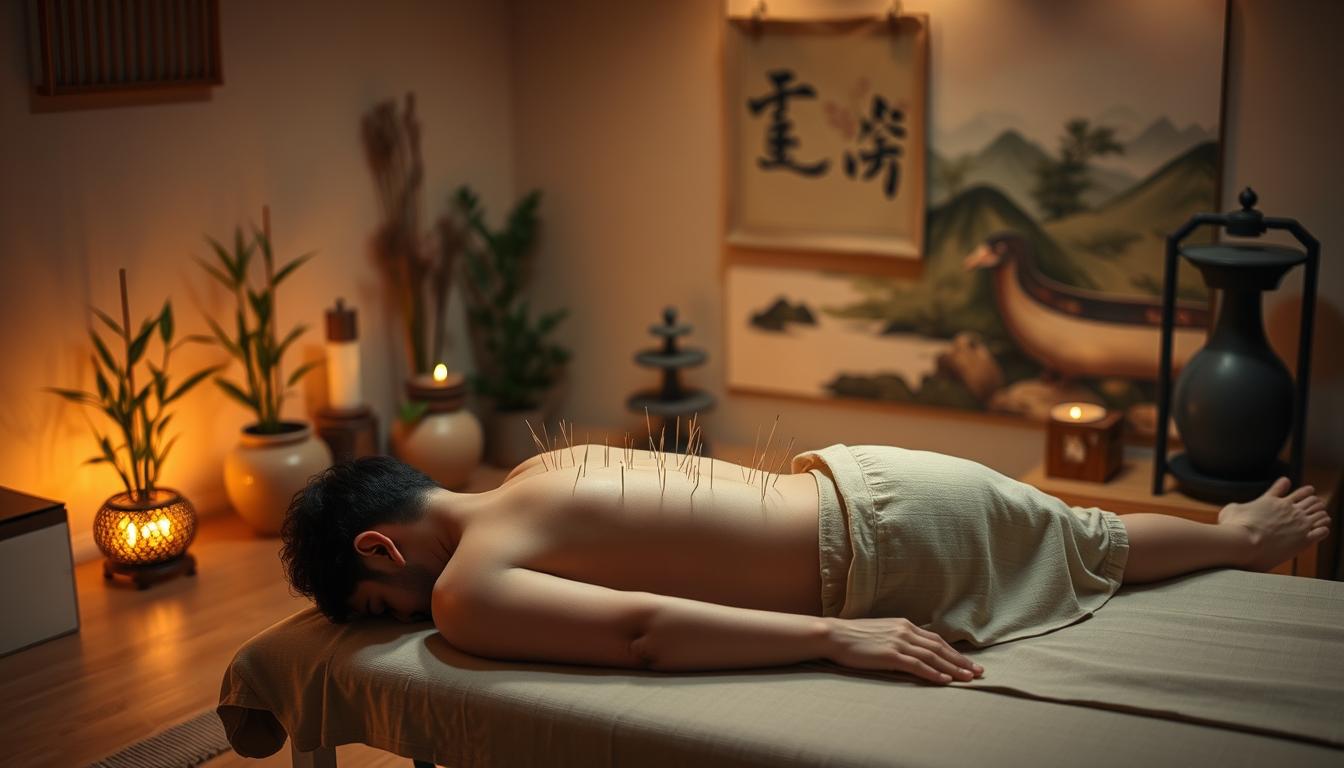
Curious about what happens during an acupuncture session? Your visit begins with a consultation where the acupuncturist assesses your needs. Then, you’ll lie comfortably while sterile needles are gently inserted.
Needle Sensation and Safety Protocols
You might feel a slight pinch, followed by warmth or heaviness—this is Deqi, a sign of proper needle placement. Unlike injections, needles are hair-thin (0.12–0.35mm) and rarely cause discomfort.
Strict safety protocols ensure hygiene:
- Single-use, autoclaved needles.
- Skin prepped with alcohol swabs.
- 0.2% adverse event rate (BMJ 2021).
Alternative Stimulation Techniques
Beyond needles, treatments like moxibustion and cupping enhance results. Moxibustion heats specific points (2–3°C for 15 minutes), often used for breech baby rotation (72% success rate).
Cupping creates 200–300mmHg pressure, leaving temporary marks from capillary release. These aren’t bruises—just signs of improved circulation.
“Dry needling targets muscles directly, while traditional acupuncture balances energy flow,” explains a licensed practitioner.
Safety and Considerations
Safety is a top priority when considering any treatment, and acupuncture is no exception. While generally low-risk, understanding protocols helps you make informed choices. Licensed acupuncturists follow strict guidelines to minimize health issues.

FDA Regulations and Sterilization
Since 1996, the FDA regulations classify acupuncture needles as Class II medical devices. They must meet sterilization standards under 21 CFR 880.5580—single-use, non-toxic, and labeled for safety.
Practitioners certified by the NCCAOM complete 1,800+ hours of training, including infection control. Needles are pre-sterilized and disposed of after each session. A 2021 BMJ study noted a 0.2% adverse event rate, mostly minor bruising.
Who Should Avoid Acupuncture?
Though rare, some health issues require caution. Those with severe neutropenia (3.5) risk bleeding. Electroacupuncture is avoided for pacemaker patients per AAMA guidelines.
Pregnant women should skip points like LI4 or SP6, which may stimulate contractions. Always disclose allergies or Deqi sensitivity to your practitioner.
“Informed consent covers metal allergies and bleeding disorders—key for personalized care,” advises a Johns Hopkins integrative specialist.
Acupuncture and Western Medicine: A Complementary Approach
Healthcare is evolving, with acupuncture bridging ancient wisdom and modern clinical practice. Nearly half of U.S. cancer centers now incorporate it alongside western medicine, per 2023 ASCO data. This synergy offers patients more options with fewer side effects.
Integrating Acupuncture with Conventional Treatments
The VA Health System’s Battlefield Acupuncture program treats veterans’ pain without opioids. Tiny needles placed in the ear provide relief within minutes—a proven therapy for PTSD and chronic pain.
At MD Anderson, integrating acupuncture reduces chemo-induced neuropathy by 40%. Protocols combine conventional treatments with weekly sessions to protect nerve function.
- NIH’s SPARC project maps how acupoints like ST36 connect to neural pathways.
- fMRI scans show modulation of the default mode network during sessions.
Research Gaps and Ongoing Studies
While evidence grows, research gaps remain. A 2025 NIH grant (RFA-AT-25-001) funds mechanistic studies on acupoint biology. Standardizing sham controls is critical—a challenge noted in JAMA reviews.
“Dual-trained practitioners optimize outcomes by tailoring needle placement to MRI findings,” explains a Stanford neurologist.
Current studies explore acupuncture’s role in post-stroke rehab and autoimmune therapy, signaling a new era of collaborative care.
Conclusion: Embracing Acupuncture for Holistic Health
More Americans are choosing acupuncture as a cost-effective treatment. Studies show it saves up to $6,000 yearly compared to opioid use for chronic pain. With 300% more insurance plans covering it since 2010, access keeps growing.
Collaborative care models work best. Primary care providers often refer patients to NCCAOM-certified practitioners. This ensures safe, effective sessions tailored to your body’s needs.
Consider acupuncture a key part of value-based care. It blends ancient wisdom with modern health practices, offering relief without side effects. Start with a consultation to explore its benefits for you.