Did you know 1 in 4 adults skip exercise due to joint pain? Low-impact activities offer a smarter way to stay active without straining your body. These routines protect knees, hips, and back while boosting endurance and strength.
Doctors often recommend swimming, cycling, or yoga to manage arthritis and prevent injuries. Research shows these exercises improve heart health and muscle tone over time. Even better—they adapt easily to different fitness levels.
Forget the myth that gentle workouts don’t deliver results. A 2019 study proved cycling reshapes body composition without strict diets. Pair that with walking or Pilates, and you’ve got a complete routine for sustainable wellness.
Key Takeaways
- Joint-friendly exercises reduce injury risks while improving fitness
- Activities like swimming and yoga meet CDC guidelines for arthritis management
- Regular low-impact movement lowers chances of chronic diseases
- Adaptable for all ages and recovery needs
- Combines cardio benefits with strength training
Why Low-Impact Workouts Are Essential for Your Health
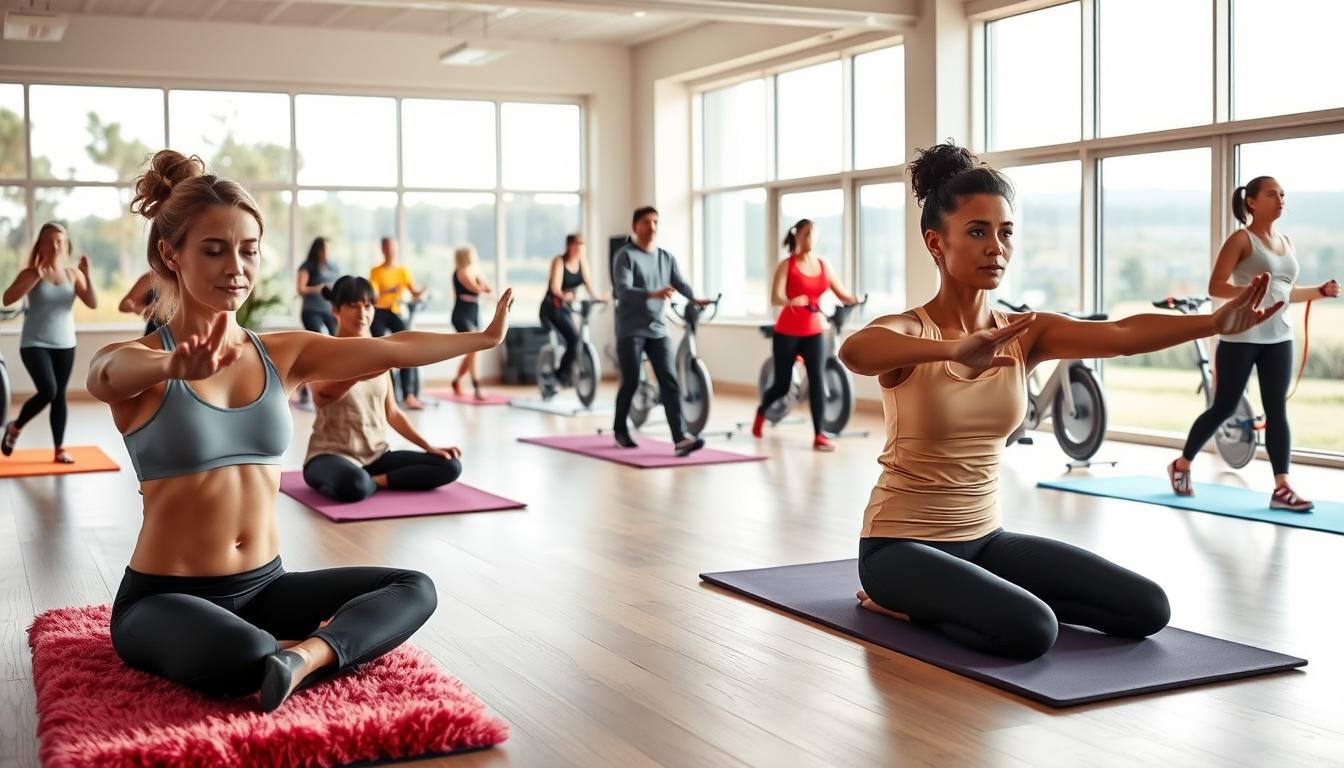
Joint-friendly fitness routines aren’t just gentle—they’re scientifically proven to prevent long-term damage. Water buoyancy in swimming reduces joint stress by 50%, while recumbent bikes distribute weight evenly to protect knees. Even the CDC confirms these methods slash injury risks by 30% compared to running or jumping.
High-impact activities strain joints with forces up to 5x your body weight. In contrast, low impact exercises preserve cartilage and synovial fluid, critical for arthritis patients. A 2022 study found cyclists maintained better knee health over decades than runners.
Calorie burn surprises many: Rowing torches 400+ calories hourly—matching tennis but with zero joint pounding. For seniors or pregnant women, these workouts adapt seamlessly. No pain, no gain is outdated; the RPE scale (Rate of Perceived Exertion) lets you track intensity safely.
Post-surgery? Therapists use aquatic therapy to rebuild mobility without reinjury. Chronic inflammation drops too—research links regular swimming to lower CRP markers in arthritis sufferers. Your body thrives when movement respects its limits.
The Best Low-Impact Workouts for Long-Term Health
Rowing machines engage 85% of your muscles without stressing vulnerable joints. Whether recovering from injury or seeking sustainable routines, these six options deliver cardio, strength, and flexibility benefits.
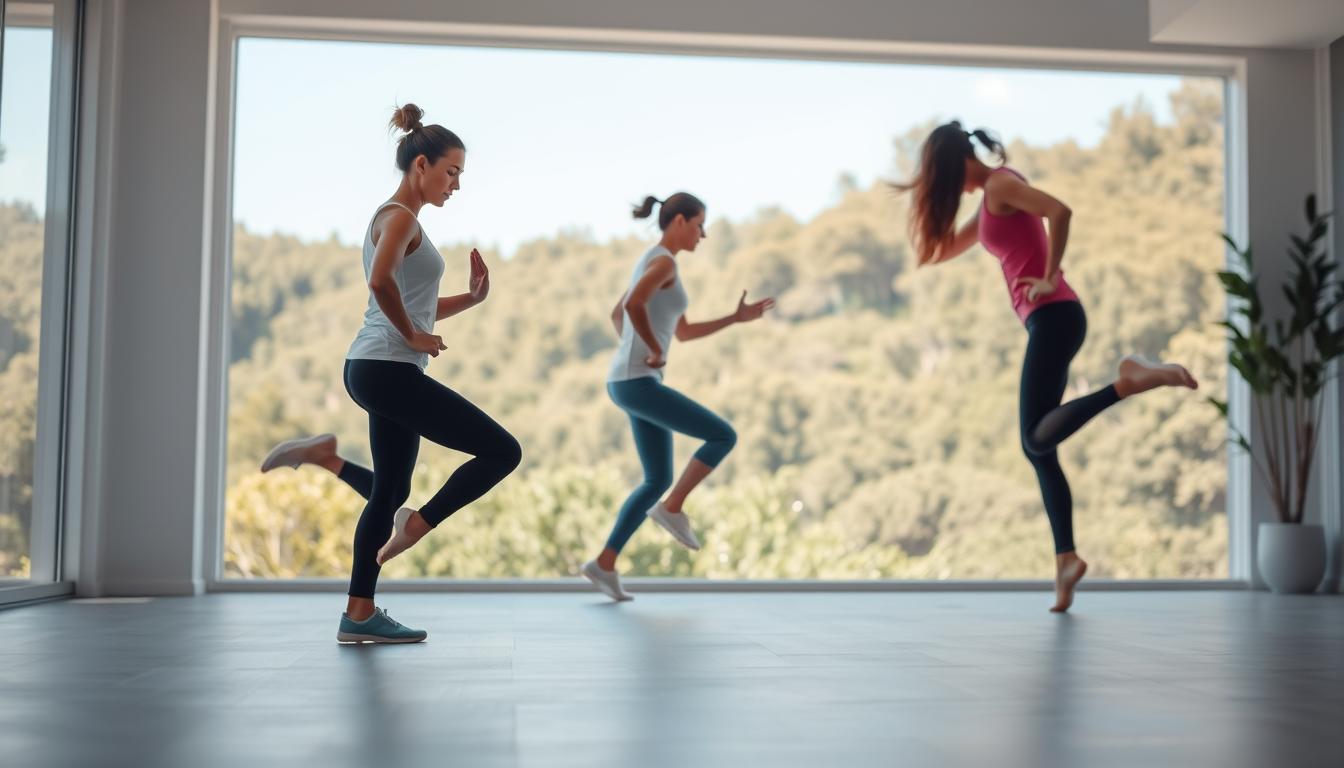
Swimming: Full-Body Cardio with Zero Joint Stress
Freestyle stroke mechanics activate shoulders, triceps, and quads simultaneously. Water resistance tones muscles while burning calories:
| Stroke | Calories/Hour | Primary Muscles Worked |
|---|---|---|
| Freestyle | 200 | Shoulders, core, legs |
| Butterfly | 300 | Pecs, glutes, lower back |
| Breaststroke | 250 | Inner thighs, chest |
“Aquatic therapy reduces arthritis pain by 40% in clinical trials.”
Walking: Simple, Effective, and Accessible
Power your stride from hips and legs, keeping core engaged. Just 30 minutes daily meets CDC guidelines for cardio health.
Cycling: Joint-Friendly Endurance Builder
Adjust seat height so knees align with pedals. This prevents strain while building endurance—ideal for all fitness levels.
Rowing: Total-Body Strength and Cardio
Maintain a straight back and bent knees at the start. Rowing boosts strength in legs, arms, and back with minimal joint impact.
Yoga: Flexibility and Stress Relief
Hold poses like Downward Dog to stretch hamstrings and calm the mind. Studies link yoga to 20% lower cortisol levels.
Pilates: Core Strength and Posture Improvement
Focus on controlled movements like the Hundred. Pilates enhances posture by strengthening deep abdominal muscles.
Key Benefits of Low-Impact Exercise
Gentle movement isn’t just easier on your body—it unlocks lasting health perks. From stronger bones to a calmer mind, these routines deliver results without strain. Here’s how they enhance your well-being.
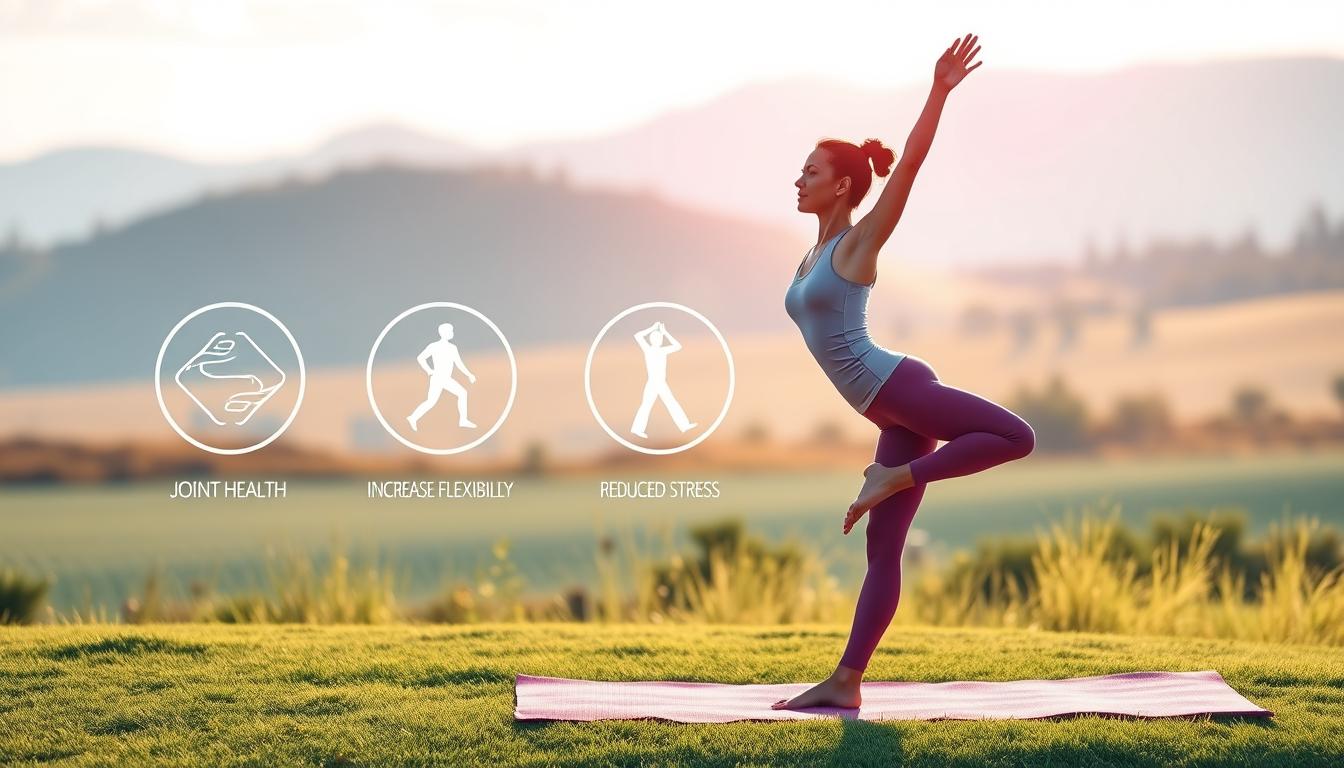
Improved Joint and Bone Health
Low-impact activities stimulate synovial fluid, keeping joints lubricated. This reduces stiffness and slows cartilage breakdown, critical for arthritis prevention. NIH studies show regular swimmers maintain 15% higher bone density than sedentary adults.
For seniors, these workouts cut fall risk by 40%. Movements like yoga poses or cycling strengthen ligaments without pounding. Even better—they’re safe for osteoporosis patients rebuilding bone strength.
Enhanced Cardiovascular Fitness
Your heart thrives on steady effort. Swimming and rowing elevate your heart rate safely, improving circulation. Research notes an 11% drop in blood pressure after 12 weeks of regular activity.
Unlike sprinting, moderate-paced workouts sustain cardiovascular gains long-term. They balance intensity so you avoid spikes in stress hormones. Pair this with weight management for full-body wellness.
Mental Health and Stress Reduction
Movement triggers endorphins—your brain’s natural mood boosters. Yoga and Pilates lower cortisol by 20%, easing anxiety. The rhythmic nature of walking or cycling also promotes mindfulness.
For chronic stress, stress reduction techniques in these workouts reset your nervous system. A 30-minute swim can feel like a meditation session, blending physical and mental health benefits seamlessly.
How to Optimize Your Low-Impact Routine
Smart adjustments to your fitness routine can boost results while keeping joints safe. Whether you swim, cycle, or practice yoga, fine-tuning intensity and variety ensures long-term success. Here’s how to elevate your workouts without compromising safety.
Monitoring Intensity and Progress
Use the RPE (Rate of Perceived Exertion) scale to gauge effort. Aim for level 4–6 (moderate) during cardio sessions. Tools to track progress:
- Heart rate reserve: Calculate your max HR (220 minus age) and aim for 50–70% of this range.
- Talk test: You should speak short sentences comfortably during exercise.
- Wearable tech: Devices like Fitbit measure steps, heart rate, and calories burned.
A 15-minute recumbent bike protocol helps assess baseline endurance. Increase resistance gradually each week.
Combining Workouts for Variety
Cross-training prevents boredom and overuse injuries. Alternate activities like this:
- Monday: Swimming (cardio)
- Wednesday: Yoga (flexibility)
- Friday: Rowing (strength)
Mixing workouts engages different muscle groups. For example, pair cycling with Pilates to balance movement patterns.
Safety Tips for Injury Prevention
Follow AHA cool-down guidelines: Stretch for 5–10 minutes post-workout. Key injury prevention strategies:
- Warm up with dynamic stretches (e.g., leg swings).
- Use proper form—keep knees aligned during squats or lunges.
- Hydrate and rest 1–2 days weekly to recover.
“Consistent, moderate effort outperforms sporadic high-intensity sessions for joint health.”
Conclusion
Consistency beats intensity when prioritizing long-term health. Stick to the six-pillar framework—swimming, walking, cycling, rowing, yoga, and Pilates—for balanced fitness.
ADA’s 150-minute weekly goal is manageable with these low impact exercises. New trends like aqua yoga or VR cycling add fresh twists to your routine.
Always consult a doctor to tailor movements to your needs. Your journey to sustainable health starts with one gentle step today.