Did you know that over 60% of calories in the average American diet come from ultra-processed items? These convenience foods dominate grocery shelves, promising quick meals but often delivering hidden health risks. From packaged snacks to frozen dinners, they’re engineered for taste—not nutrition.
Studies link heavy consumption of these products to higher risks of obesity, diabetes, and heart disease. The NOVA classification system helps identify processing levels, revealing how far many items stray from whole, natural ingredients. Understanding this can empower you to make better choices.
Small changes, like swapping pre-packaged meals for fresh alternatives, can significantly impact your well-being. This article explores the dangers and offers practical steps to reclaim control of your diet.
Key Takeaways
- Ultra-processed items make up most calories in U.S. diets.
- Regular intake is tied to chronic health conditions.
- The NOVA system categorizes food by processing level.
- Minimizing these products supports long-term wellness.
- Simple swaps can reduce reliance on convenience foods.
Introduction: Understanding Processed Foods
Walk into any grocery store, and you’ll find aisles packed with altered food products. The USDA defines these as any raw agricultural commodity changed by washing, cutting, or packaging. Even fresh-looking items often undergo hidden modifications.

Over 90% of supermarket items are processed to some degree. While many view them as time-savers, scientists warn of long-term health trade-offs. Pre-cut veggies or roasted nuts retain nutrients, but ultra-processed snacks often strip them away.
Dietary guidelines have shifted focus from fat reduction to sugar awareness. This reflects growing evidence that heavily modified foods displace essential vitamins and fiber. Your diet might seem convenient, but at what cost?
The concept of nutrient displacement explains how additives crowd out wholesome ingredients. Later sections will explore economic and health impacts, but first, let’s clarify what makes food “processed.”
What Are Processed Foods? A Detailed Definition
Not all modified items are created equal—some retain nutrients while others strip them away. The term “processed foods” spans a broad spectrum, from pre-washed spinach to neon-colored snacks. To navigate this complexity, scientists use frameworks like the NOVA classification system.

The NOVA Classification System
NOVA divides items into four groups based on processing intensity:
- Unprocessed: Fresh apples, raw nuts, or whole grains.
- Processed culinary ingredients: Olive oil, salt, or maple syrup.
- Processed foods: Canned beans, cheese, or smoked fish.
- Ultra-processed: Flavored chips, frozen pizza, or soda.
Steel-cut oats (minimally processed) retain fiber, while instant oatmeal packets often contain additives. The line between preservation and alteration matters—pasteurizing milk kills bacteria without harming nutrients.
Unprocessed vs. Minimally Processed Foods
Minimal processing includes freezing, drying, or fermenting. These methods extend shelf life without synthetic additives. For example:
- Fresh kale (unprocessed) vs. bagged kale (washed and cut).
- Homemade soup (controlled ingredients) vs. canned soup (stabilizers).
Industrial methods often prioritize profit over nutrition, adding sugars or preservatives. Yet, not all altered food is harmful—choose wisely based on ingredient integrity.
Why Processed Foods Are Sabotaging Your Health
Modern diets often rely on convenience, but the long-term costs might surprise you. Research reveals startling connections between heavily altered items and chronic conditions. A 15-year Australian study found a 39% higher hypertension risk among frequent consumers of ultra-processed options.
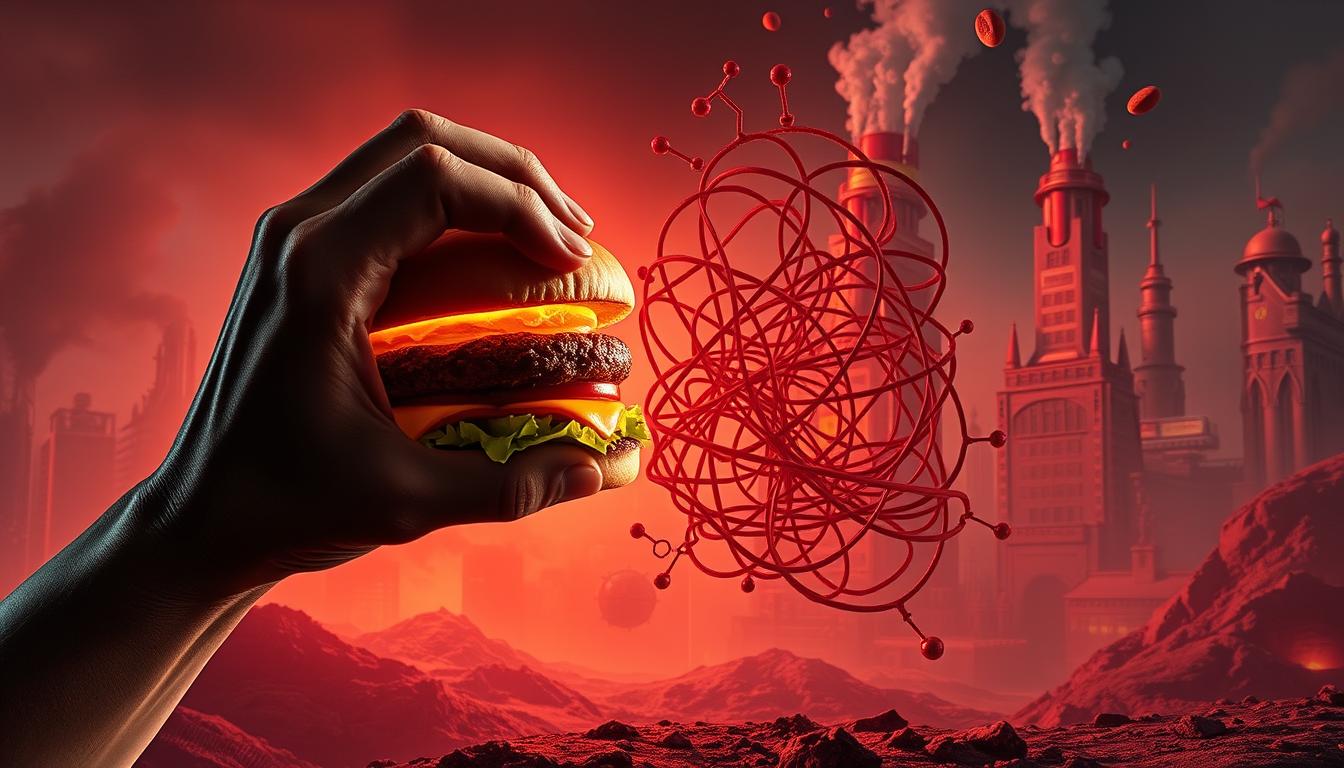
Processing frequently strips away natural nutrients like fiber and vitamins. In their place, manufacturers add empty calories—sugars, fats, and synthetic additives. This swap leaves your diet energy-dense but nutritionally poor.
Hyper-palatability plays a key role. Engineered flavors and textures trigger overeating by hijacking brain reward pathways. One bite of a chip or cookie can spiral into mindless snacking.
How Additives Disrupt Your Body
Emulsifiers like carboxymethylcellulose are common in ultra-processed items. Studies link these to intestinal inflammation and gut microbiome imbalances. Your digestive system struggles to recognize these artificial compounds.
| Food Type | Health Risk | Study Findings |
|---|---|---|
| Minimally processed | Low | Retains natural nutrients |
| Ultra-processed | High | 62% higher mortality risk (Spanish study) |
The economic paradox is stark. While these items seem affordable upfront, they may lead to higher healthcare costs later. Investing in whole foods now can save both your wallet and well-being.
Types of Processed Foods: From Minimal to Ultra-Processed
From farm-fresh produce to lab-engineered snacks, foods vary widely in their level of alteration. The NOVA system helps categorize them based on how much they deviate from their natural state. Knowing these differences empowers you to navigate grocery aisles with confidence.
Minimally Processed Foods
These retain most of their original nutrients and structure. Common examples include:
- Frozen vegetables (flash-frozen at peak freshness)
- Roasted nuts (no added oils or salts)
- Pre-cut fruit (washed and packaged)
Minimal methods like freezing or drying preserve nutrient bioavailability, making them nearly as wholesome as fresh picks.
Processed Culinary Ingredients
These are building blocks for cooking, not standalone items. Shelf-stable olive oil—pressed and filtered—is a prime example. Contrast this with ultra-processed salad dressings, which often contain emulsifiers and high-fructose corn syrup.
Other ingredients in this category:
- Pure maple syrup (boiled sap, no additives)
- Unrefined sea salt (minimally extracted)
Ultra-Processed Foods
Industrial methods dominate here, using extrusion and hydrogenation to create hyper-palatable textures. Chicken nuggets, for instance, combine mechanically separated meat with stabilizers and fillers.
| Food | Key Additives | Glycemic Impact |
|---|---|---|
| Block cheddar | None | Low |
| Processed cheese slices | Whey, sodium citrate | Moderate |
Even seemingly healthy choices—like fruit-flavored yogurts—often hide artificial sweeteners. Mass-produced breads and plant-based meats also fall into this category, despite their “natural” marketing.
The Hidden Ingredients in Ultra-Processed Foods
Behind the colorful packaging of many supermarket staples lies a cocktail of hidden ingredients. While convenient, these products often contain substances your body wasn’t designed to process. Learning to spot them empowers you to make informed choices.

Added Sugars and Sweeteners
The average American consumes 17 teaspoons of added sugar daily—mostly from ultra-processed items. Manufacturers use over 56 different names for sweeteners, making them hard to identify. Common disguises include:
- Barley malt (sounds wholesome but spikes blood sugar)
- Dextrose (chemically identical to glucose)
- Evaporated cane juice (marketing term for sugar)
These contribute empty calories without nutrients. A 2021 study linked high intake to increased diabetes risk, regardless of weight.
Artificial Additives and Preservatives
Many artificial additives serve industrial purposes rather than nutritional needs. Emulsifiers like soy lecithin and carrageenan maintain texture but may disrupt gut bacteria balance. Common concerns include:
| Additive | Purpose | Potential Effect |
|---|---|---|
| Sodium benzoate | Preservative | May trigger metabolic issues |
| BPA (in packaging) | Plasticizer | Endocrine disruptor |
Regulatory standards vary widely—the EU bans 13 preservatives permitted in U.S. food. Always check labels for these hidden components. As nutritionist Marion Nestle notes:
“If your great-grandmother wouldn’t recognize it as food, think twice before eating it.”
Health Risks of Ultra-Processed Foods
Many people overlook the hidden dangers lurking in everyday convenience meals. Research shows a direct link between heavily altered foods and serious health risks. Just a 10% increase in consumption raises heart disease likelihood by 6%.

Obesity and Weight Gain
Liquid calories in sodas and juices bypass your body’s natural fullness signals. Unlike whole fruits, these drinks don’t trigger satiety, leading to overconsumption. Processed seed oils, high in inflammatory omega-6 fats, worsen metabolic imbalances.
Studies reveal that ultra-processed items contribute to 90% of added sugar intake in the U.S. This excess sugar converts to fat storage, escalating obesity rates. Hyper-palatable textures also encourage mindless eating beyond calorie needs.
Heart Disease and Hypertension
Processed carbs spike blood sugar rapidly, straining your cardiovascular system. Refined grains lack fiber, causing insulin surges that damage arteries over time. Increased risk of hypertension ties directly to excessive sodium—70% comes from packaged foods.
Industrial seed oils like soybean and corn oil promote inflammation. Chronic inflammation is a key driver of plaque buildup, raising heart disease potential. Compare this to Mediterranean diets rich in olive oil, which show 30% lower cardiac issues.
Diabetes and Metabolic Disorders
High-glycemic processed foods overwhelm your pancreas, leading to insulin resistance. Frequent blood sugar crashes from these items can precede Type 2 diabetes. Artificial sweeteners like aspartame may disrupt glucose metabolism further.
Gut microbiome imbalances from emulsifiers worsen metabolic health. These additives alter bacteria crucial for nutrient absorption. Over time, this disruption elevates increased risk for metabolic syndrome and related disorders.
| Diet Type | Diabetes Risk | Key Factor |
|---|---|---|
| Whole-food based | Low | High fiber, slow digestion |
| Ultra-processed heavy | High | Added sugars, refined carbs |
The Science Behind Processed Foods and Health
Emerging studies reveal how certain dietary choices influence your body at a cellular level. Rigorous research now connects ultra-processed items to measurable biological changes, from calorie absorption to microbial balance.

Recent Research Findings
A landmark NIH study by Hall et al. (2019) showed startling results. Participants consumed 500+ extra calories daily when eating ultra-processed meals compared to whole-food diets. This occurred despite matched macronutrients and meal timing.
Food matrix alteration plays a key role. Whole almonds deliver 20% fewer calories than almond butter due to incomplete digestion. Industrial processing breaks down cell walls, increasing calorie bioavailability.
| Study | Key Finding | Duration |
|---|---|---|
| NIH Clinical Trial | +508 kcal/day intake | 4 weeks |
| Spanish SUN Cohort | 62% higher mortality | 15 years |
Gut Microbiome and Processed Foods
Your intestinal bacteria thrive on fiber but suffer from emulsifiers. High consumers of ultra-processed items show 40% lower microbial diversity. This reduction includes Akkermansia muciniphila, a strain linked to metabolic health.
Common additives like polysorbate-80 may:
- Thin the protective gut mucus layer
- Trigger low-grade inflammation
- Reduce short-chain fatty acid production
Current studies face limitations—most are observational rather than randomized trials. However, fiber interventions show promise in reversing some health effects. Psyllium husk supplementation, for example, can partially restore microbial balance.
“The dose makes the poison—occasional processed foods won’t destroy your gut microbiome, but daily reliance creates cumulative damage.”
How Processed Foods Affect Different Demographics
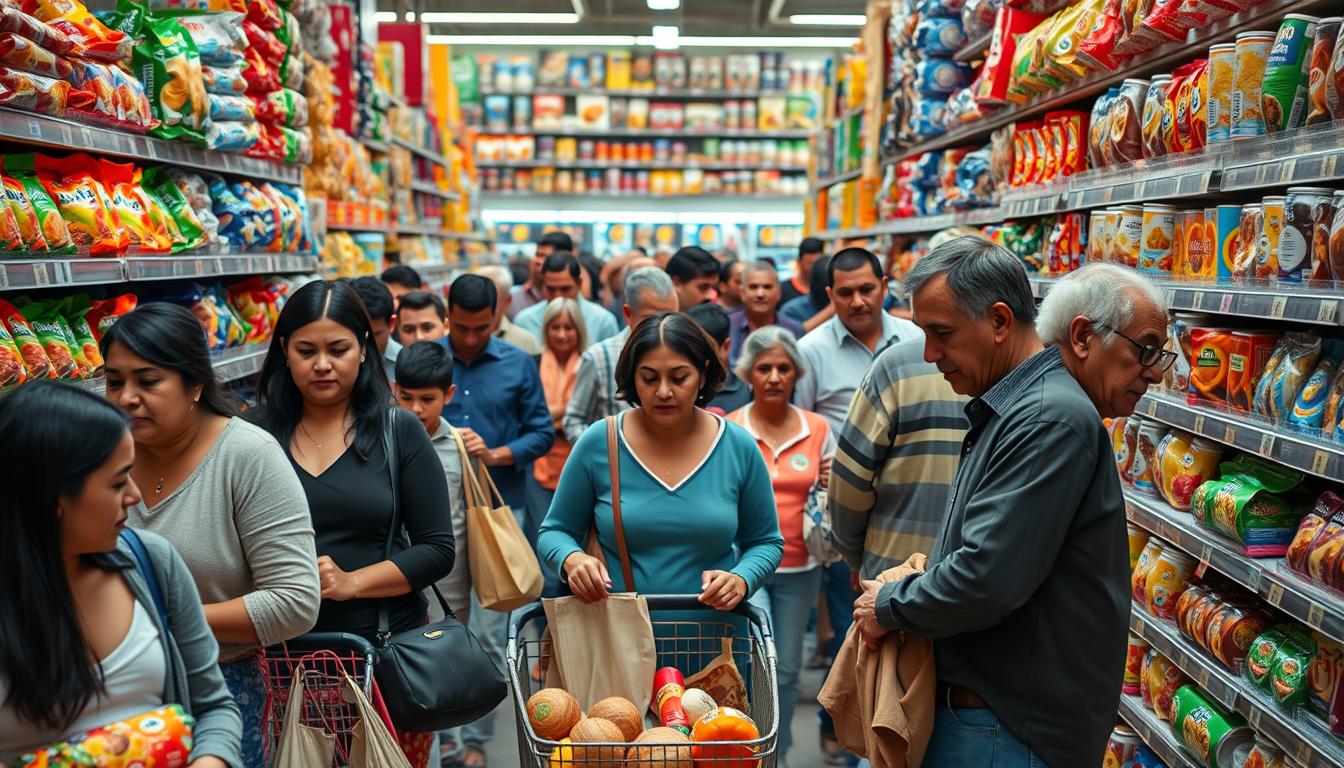
Age plays a critical role in how your body responds to modified food products. While convenient, these items impact people differently across life stages—from developing children to aging seniors. Understanding these variations helps tailor smarter dietary choices.
Children and Adolescents
Kids today get 67% of their calories from ultra-processed items—triple the recommended limit. School cafeterias often serve reheated chicken patties and pizza, loaded with preservatives. These meals lack the nutrients young brains need for optimal development.
Emerging research connects certain additives to behavioral issues:
- Artificial dyes may worsen ADHD symptoms by 30%
- High-fructose corn syrup disrupts leptin signaling (hunger regulation)
- Emulsifiers alter gut bacteria linked to mood stability
A 2022 study found teens consuming these products had higher anxiety rates. Their still-developing bodies struggle to process synthetic ingredients efficiently.
Adults and Seniors
Metabolic changes with age reduce tolerance for heavily altered foods. Seniors relying on them show 28% faster cognitive decline compared to whole-food eaters. Muscle loss accelerates when protein comes from processed meats instead of quality sources.
Key concerns for older adults include:
| Food Type | Risk Factor | Alternative |
|---|---|---|
| Frozen dinners | High sodium (1,500mg+/meal) | Batch-cooked soups |
| Meal replacement shakes | Lack of chewing stimulation | Greek yogurt with nuts |
Socioeconomic factors complicate access to better options. Food deserts—areas lacking fresh markets—force many to depend on packaged goods. Yet generational shifts show promise—millennials cook 24% more from scratch than baby boomers did at their age.
“Nutrition isn’t one-size-fits-all. A child’s growing brain and a senior’s aging metabolism demand tailored approaches.”
Comparing U.S. and European Food Standards
Regulatory approaches to food safety vary dramatically across the Atlantic. While the EU bans 132 additives permitted in American products, the U.S. operates under a “generally recognized as safe” (GRAS) loophole. This allows 1,000+ chemicals without formal FDA review.

Europe follows the precautionary principle—removing substances until proven harmless. America uses post-market regulation, addressing risks only after health issues emerge. Tartrazine (Yellow 5), banned in Norway for hyperactivity links, remains common in U.S. snacks.
Trade agreements highlight these divides. The failed TTIP negotiations stalled over chlorine-washed chicken—a U.S. practice banned in Europe. Such conflicts reveal deeper dietary philosophy gaps.
Labeling Transparency
European shoppers see traffic-light nutrition labels (red/yellow/green). Americans decode percentage daily values. The EU requires clearer ingredients lists—no “natural flavors” loopholes.
| Standard | European Union | United States |
|---|---|---|
| Banned Additives | 132+ (titanium dioxide, BHA) | 0 (GRAS self-certification) |
| Labeling | Color-coded, E-numbers | %DV, vague terms allowed |
| Meat Processing | No chlorine washes | Permitted with rinsing |
Economic pressures differ too. EU manufacturers prioritize shorter ingredient lists, while U.S. firms optimize cost efficiency. This explains why American bread often contains dough conditioners absent abroad.
“A Mars bar in London contains 7 ingredients; in Chicago, it’s 17—including PGPR emulsifier.”
These standards directly impact fats quality and additive exposure. While neither system is perfect, understanding the differences helps you make informed choices.
How to Identify Processed Foods in Your Diet
Navigating grocery aisles requires detective-level label scrutiny. Many products wear health halos while hiding harmful additives. Start by mastering the art of reading between the lines—literally.

Reading Food Labels Like a Pro
Ingredients lists follow a hierarchy: the first item is the largest by weight. If sugar or refined flour tops the list, reconsider. “Low-fat” options often compensate with added sweeteners or salt.
Watch for these sneaky aliases:
- Barley malt (sounds wholesome but spikes glucose)
- Evaporated cane juice (fancy term for sugar)
- Natural flavors (unregulated and often synthetic)
Common Misconceptions Debunked
“Gluten-free” doesn’t equal healthy—many alternatives use starchy fillers. Similarly, “organic” snacks can still be ultra-processed. Apps like Yuka or Fig scan barcodes to reveal hidden risks.
Red flags in products include:
- More than 5 ingredients
- Unpronounceable chemicals (e.g., sodium benzoate)
- Claims like “fortified” (often masking poor quality)
“Labels are marketing tools first. Your health isn’t their priority—yours should be.”
Practical Steps to Reduce Processed Food Intake
Transitioning away from convenience foods doesn’t require a complete diet overhaul. Start with strategic swaps that maintain flavor while boosting nutrition. These gradual changes create sustainable habits rather than short-term restrictions.

Smart Substitutions for Everyday Items
Replace common processed picks with whole-food alternatives that satisfy cravings:
- Cauliflower rice instead of instant noodles (saves 200 calories per serving)
- Plain Greek yogurt with fresh berries versus flavored varieties (cuts 19g sugar)
- Roasted nuts and seeds over commercial trail mixes (avoids hidden sweeteners)
Focus on adding vegetables rather than eliminating favorites. Spiralized zucchini brings texture to pasta dishes while doubling fiber intake. Keep pre-cut options on hand for busy days.
Streamlined Meal Preparation
Batch cooking saves 3+ hours weekly compared to daily prep. Try these efficient strategies:
- Dedicate 2 hours weekly to cook staples like quinoa and roasted veggies
- Portion soups/stews into freezer-safe containers for grab-and-go meals
- Prep 5-ingredient marinades for proteins (olive oil + lemon + garlic + herbs + salt)
| Store-Bought | Homemade | Weekly Savings |
|---|---|---|
| Granola bars ($4/box) | Oat clusters ($1.50/batch) | $10 |
| Frozen pizza ($8) | Flatbread with toppings ($3) | $20 |
“Progress beats perfection—replacing just three processed meals weekly makes a measurable difference.”
Use a “level-up” system: Week 1 swaps snacks, Week 2 tackles breakfasts, and so on. This phased approach prevents diet burnout while building lasting change.
The Role of Policy and Industry in Food Processing
Corporate influence shapes what lands on your plate more than you might realize. While 70% of U.S. food ads promote ultra-processed products, only 1% market vegetables. This imbalance stems from systemic policy choices favoring convenience over nutrition.
Agricultural subsidies reveal stark priorities. The Farm Bill directs just 2% of funds to fruit and vegetable production. Meanwhile, commodity crops like corn and soy—key ingredients in processed foods—receive billions annually.
Lobbying power perpetuates this system. Snack food associations spend $50 million yearly to influence dietary guidelines. Their efforts create loopholes, like counting pizza sauce as a vegetable in school lunches.
| Policy Area | Current Status | Proposed Change |
|---|---|---|
| Additive Regulation | GRAS self-certification | CA SB 418 bans 4 harmful additives |
| Marketing Standards | 70% UPF ads | 1:1 healthy food ad mandate |
Emerging research supports policy shifts. Public-private partnerships show promise—some manufacturers voluntarily reduce sodium when given tax incentives. Healthier reformulations can work when economics align.
The types of fats in our food supply trace back to subsidy decisions. Until policies value nutrition equally with yield, real change remains challenging. As nutrition policy expert Marion Nestle observes:
“The food industry isn’t evil—it’s just doing what capitalism rewards. We need policies that make healthy choices profitable.”
Your shopping cart reflects decades of policy decisions. Understanding these connections empowers you to advocate for systemic changes that make healthy eating easier for everyone.
Conclusion: Taking Control of Your Diet
Your daily choices shape long-term wellness—start with simple swaps today. Mastering label literacy and batch cooking cuts processed foods intake without sacrificing convenience.
Aim for the 80/20 rule: prioritize whole ingredients but allow flexibility. Resources like the NOVA guide or EWG’s Dirty Dozen help navigate grocery aisles wisely.
Support local farmers and vote with your dollars to drive systemic change. Every meal is a step toward better health—progress, not perfection, fuels lasting results.