Did you know that beliefs about food can alter metabolism? A British study found that labeling a milkshake as “indulgent” versus “healthy” changed participants’ hunger hormones—even when the shakes were identical. This reveals how deeply mindset influences digestion.
Dr. Susan Albers from Cleveland Clinic explains: “Focusing on how and why you eat is as important as what you eat.” Negative self-talk like “This will make me fat” triggers stress responses, disrupting nutrient absorption.
Your relationship with food isn’t just about calories. Emotional patterns, cultural conditioning, and even subconscious cues steer choices. Recognizing these mental triggers helps break cycles of guilt or restrictive eating.
Key Takeaways
- Thoughts directly impact food choices and metabolic responses
- Stress from negative self-talk hinders proper digestion
- Mindful eating practices improve mental health and nutrition
- Cultural and emotional factors shape dietary habits
- Cognitive awareness helps transform unhealthy patterns
Introduction: Why Your Thoughts About Food Matter
What if your thoughts could change how food affects your body? Research shows beliefs trigger real physiological responses. In one study, 74% of chemotherapy patients lost hair—but so did 31% of the placebo group, proving expectation alters biology.

Dr. Susan Albers warns: “Guilt-driven eating amplifies health risks, turning meals into stressors.” Many people overlook how mindset fuels unhealthy eating habits. For example, 67% of over-the-counter medications rely on placebo effects—evidence that perception shapes reality.
Your limbic system links emotions to hunger. Stress or joy can hijack cravings, making food a coping tool. As Rumi wrote: “The same wine can be poison or nectar, depending on who drinks it.” This mirrors how food acts as medicine or poison based on your mental state.
Negative body image often starts this cycle. Instead of nourishment, meals become battlegrounds. Recognizing these patterns is the first step to transforming your life through mindful choices.
The Science Behind Food Psychology
Hunger isn’t just about an empty stomach—it’s controlled by your brain. The hypothalamus acts like a command center, turning emotions into physical hunger signals. Feeling guilty? It might slow digestion. Joyful? Your body absorbs nutrients better.
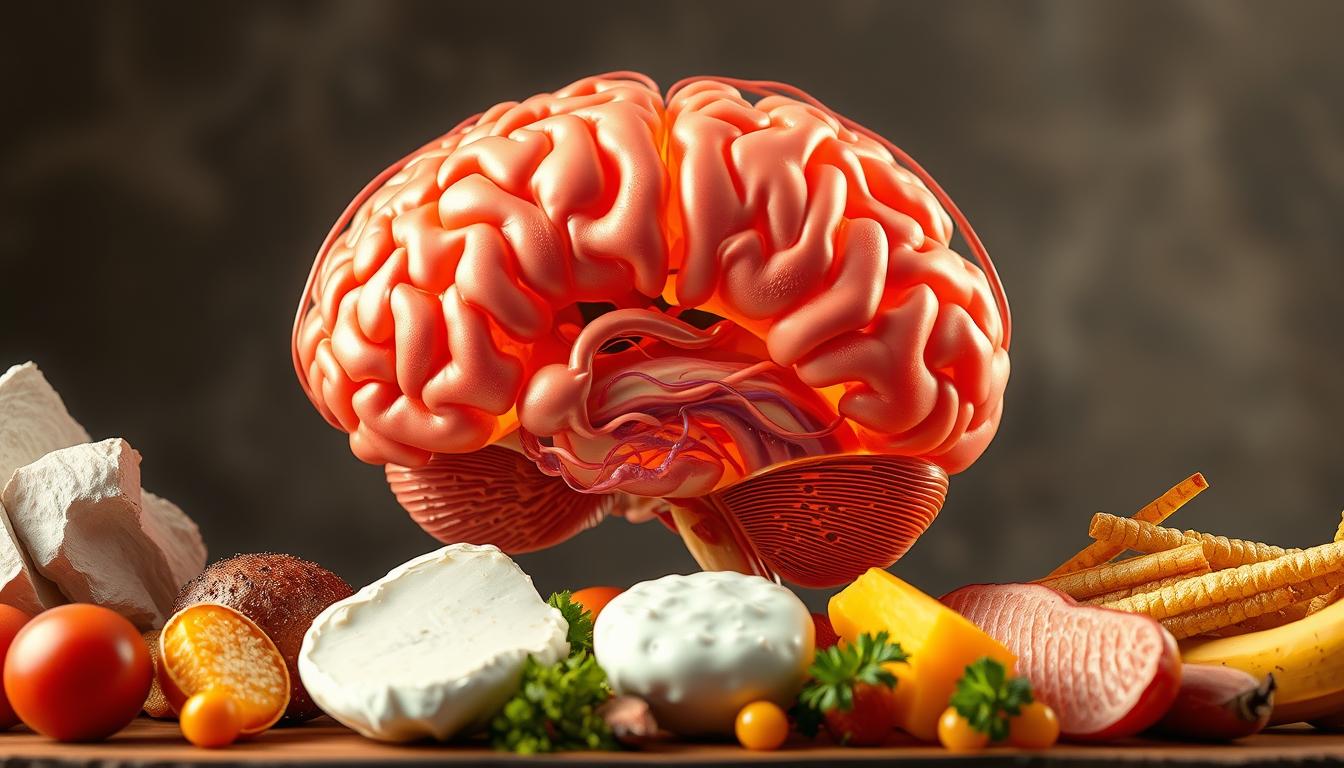
How Your Brain Controls Hunger and Cravings
Your limbic system craves rewards, often from calorie-dense foods. Professor Klotter notes: “Stress spikes cortisol, making sugary snacks irresistible.” This explains why tough days lead to ice cream binges.
Cortisol doesn’t just increase hunger—it narrows cravings to fats and sugars. A 2022 study found stressed participants ate 34% more candy than relaxed peers.
| Emotion | Impact on Hunger | Common Cravings |
|---|---|---|
| Stress | High cortisol → intense cravings | Chocolate, chips |
| Joy | Balanced hormones → mindful eating | Fruits, whole grains |
The Placebo Effect: How Beliefs Alter Metabolism
Labeling a smoothie as a power food boosts its perceived benefits. In a Harvard experiment, participants digesting identical shakes had different ghrelin levels based on descriptions.
Your brain can turn expectations into biology. Think “this salad will energize me,” and your body responds accordingly. Placebos aren’t fake—they’re proof mindset shapes reality.
Emotional Eating: When Feelings Dictate Your Diet
Ever reached for a snack when stressed, even if you weren’t hungry? You’re not alone. Research shows 31% of people eat for emotional relief rather than physical hunger, turning to foods eat as a coping mechanism.
Stress, Boredom, and Comfort Food
Dr. Susan Albers notes that stress and boredom are top triggers for mindless snacking. Chronic stress fuels a “frustration eating” cycle—your brain craves quick dopamine hits from sugary or fatty foods.

“Replace guilt with curiosity,” advises Dr. Albers. Ask: “Am I hungry or bored?” Distraction techniques like a 10-minute walk can reset cravings.
Breaking the Cycle of Guilt and Shame
Self-defeating thoughts like “I ruined my diet” often follow emotional eating. Nutritionist Nora Havlinova suggests: “A balanced diet allows occasional indulgences—deprivation backfires.”
Try these steps to manage feelings:
- Pause before eating—identify the emotion driving the craving.
- Swap guilt with self-compassion. One snack won’t define your health.
- Keep nutrient-dense snacks handy to redirect cravings.
By recognizing emotional triggers, you can transform emotional eating into mindful nourishment.
Cognitive Behavioral Strategies for Healthier Eating
Small shifts in thinking lead to lasting changes in eating behaviors. Fixating on weight goals often backfires, but reframing thoughts fosters sustainable habits. Start by spotting self-sabotaging patterns like “I’ve already failed” after one treat.

Identifying Self-Defeating Thoughts
Negative beliefs fuel unhealthy cycles. For example, thinking “This is too hard” triggers stress eating. Dr. Susan Albers suggests swapping it with “I can create a plan.” Build awareness by noting when guilt or perfectionism drives choices.
Common mental traps include:
- Black-and-white thinking: “I ruined my diet, so I might as well binge.”
- Comparison: “Others eat whatever they want—why can’t I?”
- Fear of hunger: Overeating to avoid future cravings.
Practical Tools for Mindful Eating
Plan meals ahead to curb impulsive choices. Apps like MyFitnessPal track habits, revealing hidden triggers. Dr. Albers notes: “Self-monitoring fosters long-term progress.”
Try these steps:
- Pause before eating. Ask: “Am I hungry or stressed?”
- Use coping statements: “I’ll wait 10 minutes—this craving may pass.”
- Focus on nourishment, not punishment. A balanced diet includes treats.
These cognitive behavioral strategies turn meals into mindful acts, not emotional battlegrounds.
The Role of Habits and Environment in Your Diet
Your daily meals are shaped by more than just hunger—habits and surroundings play a huge role. Whether dining with friends or grabbing a snack mid-game, external cues often override internal signals.

How Social and Cultural Factors Shape Choices
Prof. Klotter notes: “Diet defines cultural and social connections more than health.” Shared meals bond communities, but they also encourage overeating. Studies show people consume 30% more calories in groups.
Evolution wired us to crave calorie-dense foods—a survival tactic now clashing with modern abundance. Celebrations often center on rich dishes, blending culture with indulgence.
Creating a Supportive Food Environment
Small tweaks to your space curb mindless eating. Keep fruit on counters and chips out of sight. Dr. Albers advises: “Designate eating zones to break the ‘snack anywhere’ cycle.”
Athletes optimize performance through tailored diets. Marathoners prioritize carbs, while weightlifters focus on protein. Your environment should match your goals—stock fuels that align with your lifestyle.
- Plan ahead: Prep healthy snacks to avoid impulsive buys.
- Use smaller plates to control portions effortlessly.
- Eat away from screens to stay mindful.
How Stress and Mental Health Impact Nutrition
Stress doesn’t just weigh on your mind—it reshapes your plate. Chronic strain triggers cravings for sugary, fatty foods, undermining even the best diet plans. Research shows stressed individuals are 34% more likely to choose ice cream over fruit, proving mental health directly influences meals.

Cortisol and Cravings: The Stress-Eating Connection
When pressure spikes, so does cortisol. This hormone signals your brain to seek quick energy, often from junk food. A 2022 study found it also slows digestion by 40%, making nutrients harder to absorb.
“Nutritional discipline supports performance and well-being,” says dietitian Nora Havlinova. Hydration helps too—thirst often masquerades as hunger. Drink water before snacking to check if cravings fade.
| State | Food Choices | Body Response |
|---|---|---|
| Stressed | Chips, candy | Fat storage ↑, digestion ↓ |
| Balanced | Fruits, whole grains | Steady energy, focus ↑ |
Eating for Energy vs. Emotional Relief
Athletes fuel workouts with carbs for energy—a tactical choice. Emotional eaters grab cookies to soothe stress. The difference? Intentionality. Plan meals like a sports pro: prioritize nutrients that sustain you.
Next time stress hits, pause. Ask: “Is this hunger or anxiety?” Swap guilt for curiosity. Small shifts break the cycle, turning meals into tools for resilience, not regret.
Practical Tips to Transform Your Relationship with Food
Transforming your eating habits starts with small, actionable steps backed by science. Instead of drastic changes, focus on sustainable adjustments that align with your lifestyle. Research shows consistency—not perfection—builds lasting results.
Meal Planning and Portion Control
Structured meal times stabilize blood sugar, reducing impulsive snacking. Dr. Susan Albers emphasizes: “Skipping meals triggers overeating later—planning prevents this cycle.” Try the “plate method”: fill 50% with veggies, 25% protein, and 25% whole grains.
Digital tools like MyFitnessPal simplify tracking. A 2022 study found users who logged meals ate 20% fewer processed foods. Pair this with portion control—smaller plates trick your brain into feeling satisfied with less.
Healthy Alternatives to Emotional Eating
When stress sparks cravings, swap guilt for action. Protein-rich snacks like almonds or Greek yogurt curb hunger longer than sugary options. “Hydration is key,” notes dietitian Nora Havlinova. Drink water first—thirst often mimics hunger.
Replace emotional eating with activities:
- A 10-minute walk resets cravings by boosting endorphins.
- Journaling identifies triggers behind mindless snacking.
- Chew slowly—it takes 20 minutes for fullness signals to reach your brain.
These healthy alternatives turn meals into mindful choices, not reactions to stress.
Conclusion: Embracing a Mindful Approach to Eating
True health begins with awareness, not just ingredients. Beliefs shape nutritional outcomes—studies prove labels alter digestion. Your mindset turns meals into sources of vitality or stress.
Dr. Susan Albers reminds us: “A mindful relationship with food reveals true nourishing.” Track food thoughts in a journal. Spot patterns linking emotions to cravings.
Improved habits boost energy and body confidence. Small steps, like pausing before eating, foster lasting lifestyle change. Replace guilt with curiosity.
Ready to transform your plate? Explore mindful eating workshops or cognitive behavioral therapy. Every choice is a step toward empowerment.