Did you know that 19% of U.S. adults experience an anxiety disorder each year? With 84% of Americans reporting prolonged stress symptoms, mental health concerns are more common than ever. While professional treatment is essential, certain lifestyle changes may help manage these challenges.
Chronic stress doesn’t just affect your mood—it can impact your physical health too. Research shows that small, consistent adjustments to daily habits can make a difference. From exercise to herbal supplements, evidence-backed approaches exist to support well-being.
This guide explores 12 science-backed methods, including the CDC’s recommended 150 minutes of weekly activity and findings on CBD oil’s potential benefits. Remember, these solutions work best alongside medical advice, not as a replacement.
Key Takeaways
- Nearly 1 in 5 U.S. adults faces anxiety yearly.
- Chronic stress affects both mental and physical health.
- Lifestyle changes complement professional treatment.
- Exercise and herbal options show promising results.
- Always consult a doctor before trying new approaches.
Understanding Anxiety and Stress
Your body reacts to stress in ways you might not expect. When faced with a threat, your brain triggers the fight-or-flight response, flooding your system with cortisol and adrenaline. This primal reaction *may save you in emergencies*, but chronic activation harms your health.
How Stress Affects Your Body
Short-term stress boosts alertness, but prolonged exposure leads to physical symptoms: racing heart, chest tightness, and muscle tension. Over time, elevated cortisol weakens immune function and increases risks for heart disease and depression.
Thyroid imbalances *may mimic anxiety*, complicating diagnosis. The MSD Manual classifies anxiety disorders by specific criteria, like persistent worry or panic attacks lasting months.
When to Seek Professional Help
Occasional stress is normal, but symptoms lasting over six months signal a disorder. The ADA reports a 40% improvement rate with cognitive behavioral therapy (CBT).
Avoid self-diagnosis—conditions like hyperthyroidism require medical testing. If daily life feels unmanageable, consult a specialist for tailored care.
Top Natural Remedies for Anxiety & Stress Relief

The National Institutes of Health endorses several accessible ways to manage daily pressures. Among 12 studied methods, 8 qualify as Complementary Health Approaches with measurable health benefits.
A 2018 behavioral study found 73% greater improvement when combining movement with mindfulness practices. Aerobic exercise alone showed significant cortisol reduction within 6 weeks at just 30 minutes daily.
For sustainable stress relief, lifestyle changes often outperform supplements. The NCCIH classifies yoga and meditation as top-tier mind-body practices with cumulative effects.
Herbal options may also help, but require caution. The FDA doesn’t regulate supplements as strictly as medications, and some interact dangerously with prescriptions.
Those managing anxiety depression should prioritize cost-effective options first. Journaling and breathing exercises require no special equipment, while forest bathing offers free access to nature’s calming effects.
“Integrating three or more evidence-based methods creates synergy—the combined effect often exceeds individual benefits.”
Always consult your doctor before starting new regimens, especially if taking medications. Tracking progress helps identify which natural remedies work best for your unique needs.
1. Exercise: Boost Endorphins and Mood
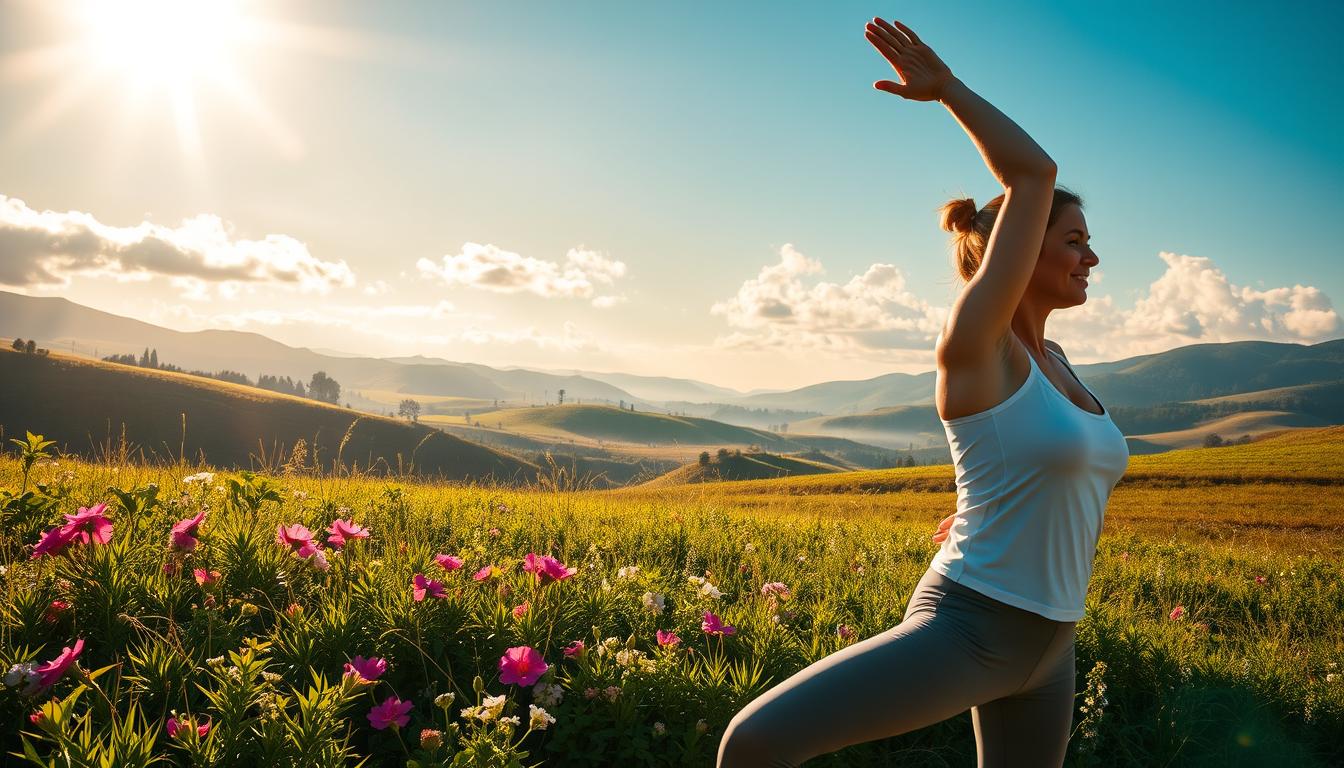
Physical activity isn’t just about fitness—it’s a proven mood booster with science-backed benefits. When you exercise, your brain releases endorphins, natural chemicals that act like painkillers and euphoria triggers. A 2022 Harvard meta-analysis found these biochemical changes may reduce stress markers by up to 26%.
Best Exercises for Stress Reduction
High-intensity interval training (HIIT) outperforms steady-state cardio by 23%, per a 2016 study. But consistency matters more than intensity—swimming, dance, or cycling sessions also lower cortisol levels effectively. Choose activities you enjoy to sustain long-term habits.
For busy schedules, try “exercise snacks”: three 10-minute bursts of activity daily. A CDC report links 150 weekly minutes of movement to 40% fewer anxiety symptoms.
How Often Should You Exercise?
Aim for 3-5 sessions weekly, alternating intensities. The ACSM recommends staying within 50-85% of your max heart rate (220 minus your age). Overtraining spikes cortisol, so include recovery days with stretching or yoga.
“Movement teaches the nervous system to reset—it’s not just calorie burn, but neural rewiring.”
Post-workout, hydrate and refuel with protein to stabilize energy. Track progress with a journal to identify which routines best reduce stress for your body.
2. Meditation for Mindfulness and Calm
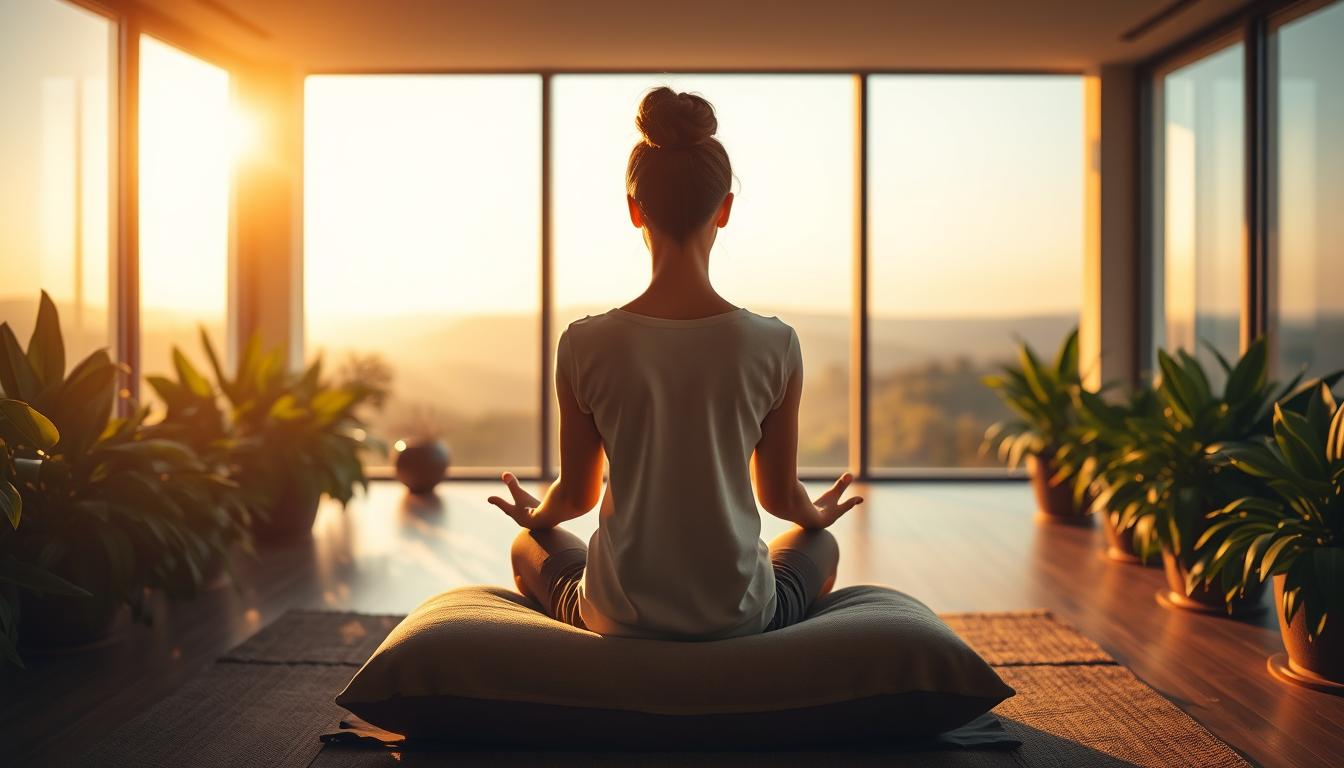
A Johns Hopkins study confirms meditation reduces anxiety by 39% in just 8 weeks. This ancient practice trains your brain to respond calmly to stressors. Even 12 minutes daily lowers inflammatory markers, per 2020 research.
Guided vs. Silent Meditation
Guided sessions (via apps like Headspace or Calm) ease beginners into focusing on breath or body scans. Silent meditation, like open-monitoring styles, teaches you to observe thoughts without reaction.
UCLA’s Mindful Awareness Research Center found both methods strengthen the prefrontal cortex—the area governing emotional control. Start with 5-minute sessions, gradually increasing duration.
“Neuroplasticity changes begin within weeks—regular meditators show thicker gray matter in stress-regulation areas.”
Quick Meditation Techniques for Busy Days
Try the 4-4-4 box breath: Inhale for 4 counts, hold for 4, exhale for 4. Repeat 3 times. For instant grounding, name one thing you hear, see, and feel.
Sit upright but relaxed—slouching dulls focus. *May feel uncomfortable initially*, but discomfort fades with practice. Even corporate teams report 28% higher focus after group sessions.
- Apps to try: Insight Timer (free), Calm (sleep stories), Headspace (beginners).
- Posture tip: Rest hands on knees, chin slightly tucked.
- Advanced option: Silent retreats deepen focus (e.g., 1-day local workshops).
3. Yoga: Combine Movement and Breathwork
More than stretching, yoga teaches your body and mind to work in harmony. This 5,000-year-old practice blends poses with controlled breathing to lower stress responses. Studies show it’s as effective as some medications for calming the nervous system.
Beginner-Friendly Poses
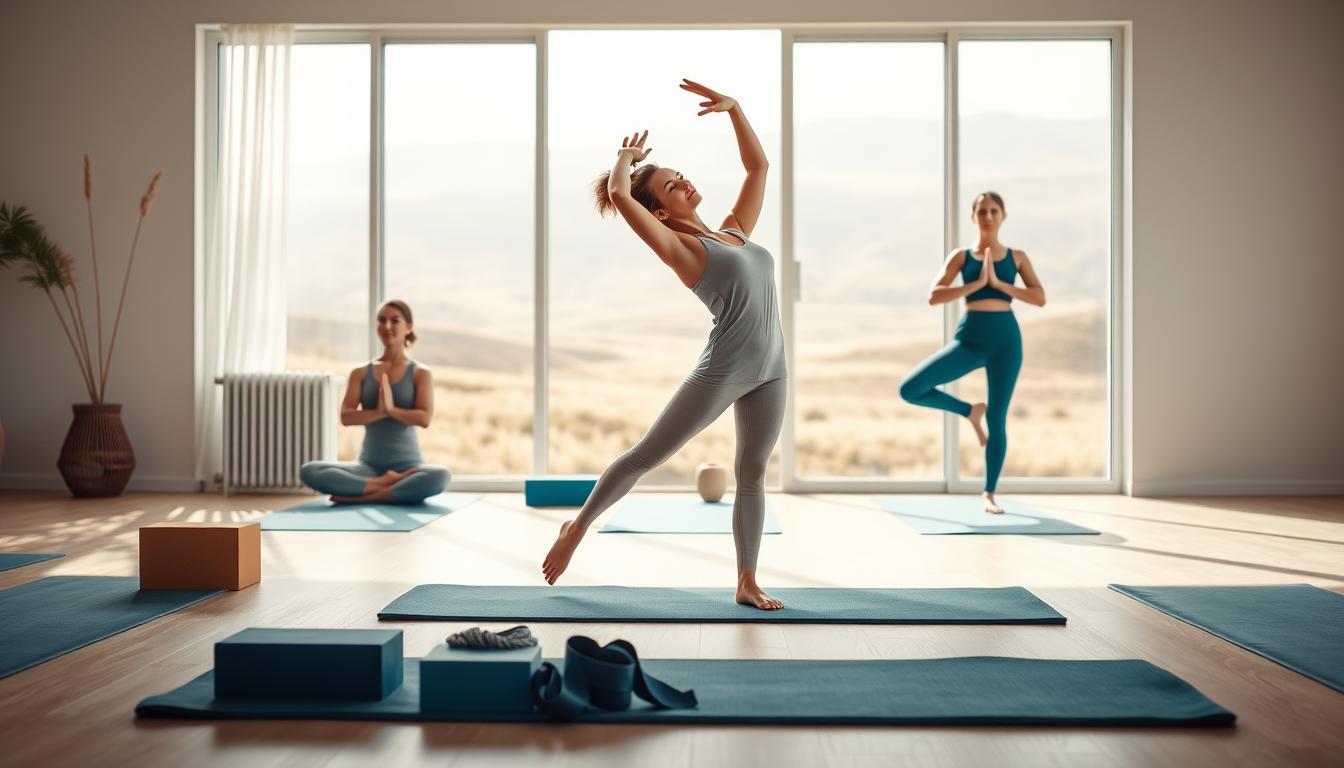
Start with foundational postures to build confidence. Cat-Cow loosens the spine, while Child’s Pose gently stretches the back. Legs-Up-the-Wall reverses blood flow, easing tension.
Use props like blocks or straps for support. Trauma-informed instructors modify poses for comfort—look for IAYT-certified teachers if needed.
Yoga’s Impact on Cortisol Levels
Mayo Clinic research found 30-minute sessions three times weekly reduce cortisol by 14%. Restorative styles boost GABA, a calming neurotransmitter, by 27% (Boston University). Slow, rhythmic breathing stimulates the vagus nerve, signaling safety to the brain.
“Yoga doesn’t just change how we move—it changes how we respond to life’s pressures.”
- Style comparison: Hatha (slow-paced) suits beginners; Vinyasa flows match cardio lovers; Yin targets deep connective tissues.
- Home vs. studio: Online classes offer flexibility, but studios provide alignment corrections.
- Precautions: Avoid inversions with high blood pressure; consult a doctor for injuries.
4. Journaling to Process Emotions
Putting pen to paper can be a powerful way to untangle your thoughts and ease tension. The American Psychological Association found just 15 minutes daily reduces intrusive thoughts by 28%. This practice creates space between you and overwhelming feelings.

Gratitude Journaling vs. Free Writing
Structured gratitude lists boost serotonin 23% (UC Davis), while stream-of-consciousness writing helps process complex emotions. The Five Minute Journal combines both approaches with daily prompts.
Pennebaker’s expressive writing protocol suggests 20-minute sessions about challenging experiences. This may help reframe memories through cognitive defusion—observing thoughts without attachment.
Prompts to Get Started
Try these anxiety-specific starters:
- What physical sensations accompany my worry?
- What evidence contradicts my fearful thoughts?
- Which coping strategies worked yesterday?
Art journaling offers nonverbal expression—sketch colors representing your mood. Apps like Day One provide digital options with reminder features.
“Destruction rituals—safely shredding or burning pages—can symbolize releasing negative patterns.”
Set a consistent time each day, like morning coffee or bedtime. Notice cumulative effects over weeks—many report better sleep and sharper focus.
5. Aromatherapy with Essential Oils
Scents have a direct pathway to your emotional center, with research showing rapid effects on mood regulation. When inhaled, essential oil molecules stimulate the olfactory nerves, sending signals directly to the brain‘s limbic system within seconds. This explains why certain aromas can instantly evoke memories or alter emotional states.
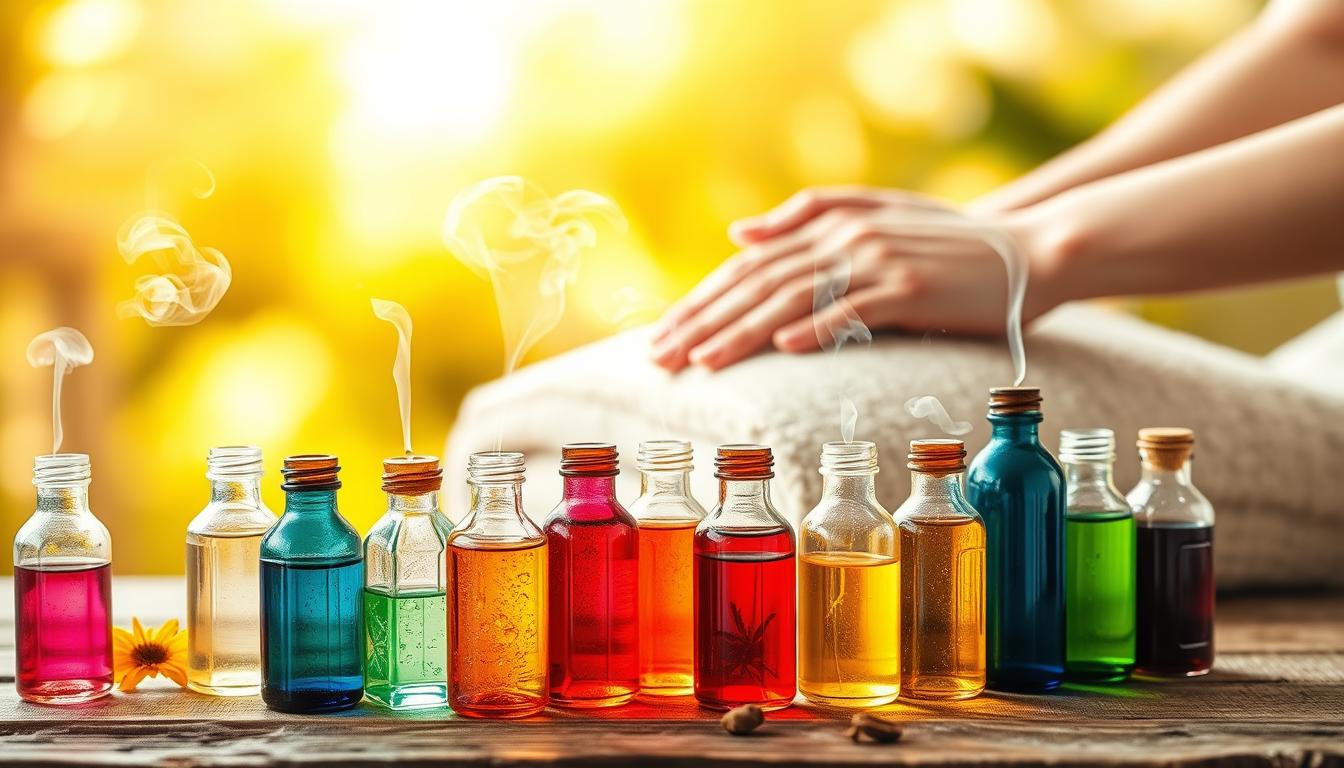
Most Effective Scents for Stress
Clinical evidence highlights lavender as particularly potent—an NIH study found it reduces anxiety scores by 45% compared to placebo. Bergamot essential oil demonstrates similar benefits, lowering cortisol 18% in just 15 minutes according to a 2019 randomized controlled trial.
Other research-backed options include:
• Frankincense: Slows breathing rate by 22% (Journal of Alternative Medicine)
• Vetiver: Reduces nervous system hyperactivity in PTSD patients
• Clary sage: Balances cortisol levels during hormonal fluctuations
Diffuser vs. Topical Application
Inhalation provides faster relief than oral supplements, with effects noticeable within minutes. For topical use, always dilute with carrier oils—the Tisserand Institute recommends these ratios:
“For adults, 2% dilution (12 drops per ounce of carrier oil) is generally safe for daily use. Perform a patch test first, especially with citrus oils that may cause phototoxicity.”
Pulse point application (wrists, temples) enhances absorption. Avoid these common mistakes:
• Using undiluted oils directly on skin
• Diffusing for more than 30 minutes continuously
• Combining multiple oils without checking interactions
For beginners, try this calming blend:
• 3 drops lavender
• 2 drops sweet orange
• 1 drop frankincense
• Mixed in 1 tbsp jojoba oil
Look for NAHA-certified oils to ensure purity. While generally safe, discontinue use if you experience headaches or skin irritation—about 5% of people have scent sensitivities that may worsen anxiety symptoms.
6. Herbal Teas and Supplements
Modern research confirms what traditional healers knew about botanicals. Certain plants contain compounds that interact with your nervous system, offering gentle support. Unlike pharmaceuticals, these options work gradually to restore balance.
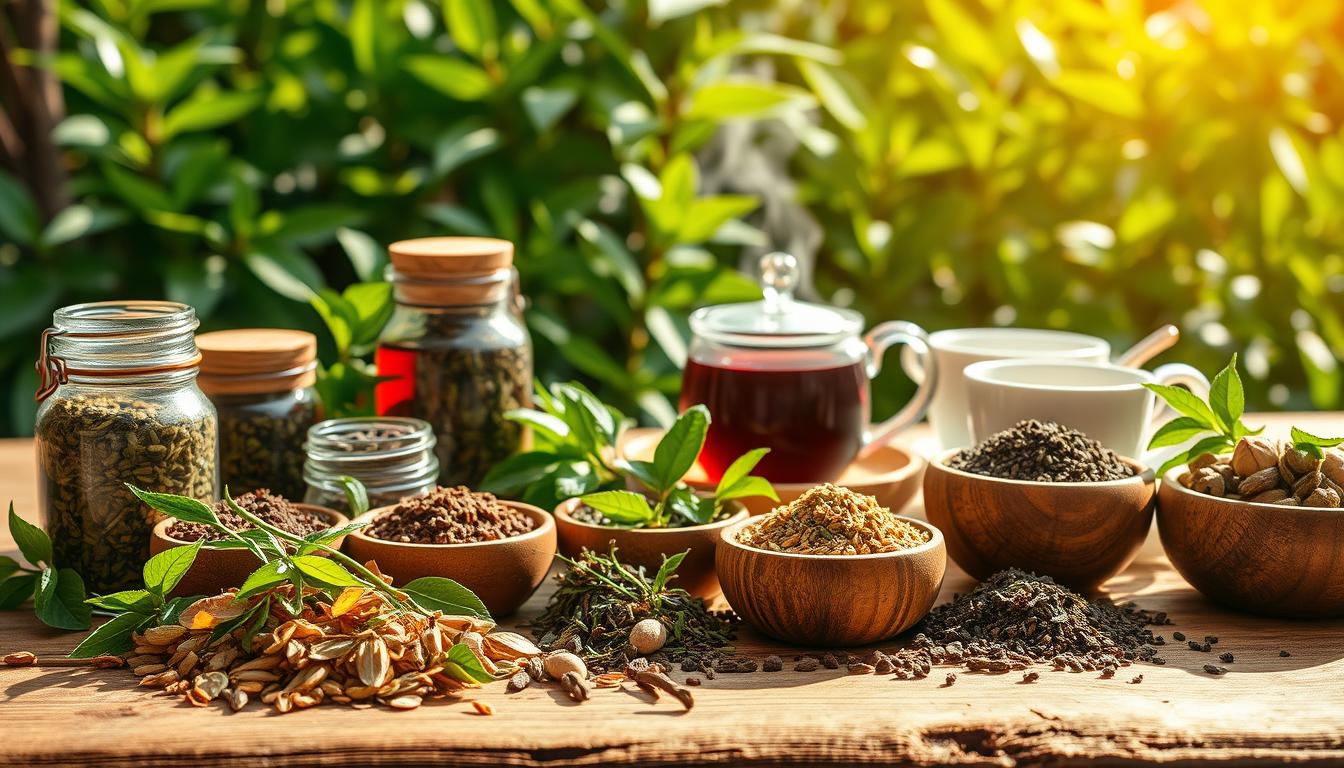
Chamomile, Lavender, and Ashwagandha
Chamomile tea acts as a mild sedative, with NIH research showing three daily cups lower anxiety markers. Its apigenin compound binds to GABA receptors, similar to some medications but without addictive effects.
Lavender works through linalool, reducing nervous system excitability. Clinical trials demonstrate 80mg capsules daily improve sleep quality by 31%. For topical use, dilute 2-3 drops in carrier oil.
Ashwagandha stands out among adaptogens. A 2019 study found 300mg twice daily lowered stress hormones 44% in eight weeks. Look for Sensoril or KSM-66 standardized extracts for consistent potency.
Dosage and Safety Tips
Start low and go slow with herbal supplements. Many interact with medications through the cytochrome P450 system. St. John’s Wort, for example, reduces effectiveness of birth control and antidepressants.
“NSF-certified brands undergo rigorous testing for heavy metals and adulterants—consumers should prioritize these verified options.”
Integrate herbs thoughtfully into your diet. Morning adaptogens like rhodiola pair well with breakfast, while evening nervines (passionflower, lemon balm) support relaxation. Always consult an herbalist or doctor before combining multiple supplements.
- Tea blending tip: Mix 1 part chamomile, ½ part lavender, pinch of orange peel
- Quality markers: USDA organic, COA available, AHPA member brands
- Red flags: “Proprietary blends” with undisclosed amounts
7. Time in Nature for Grounding
Science confirms what your intuition already knows—nature heals. Just 20 minutes outdoors lowers cortisol by 21%, according to Frontiers in Psychology. This stress relief method requires no special equipment, just your willingness to unplug.
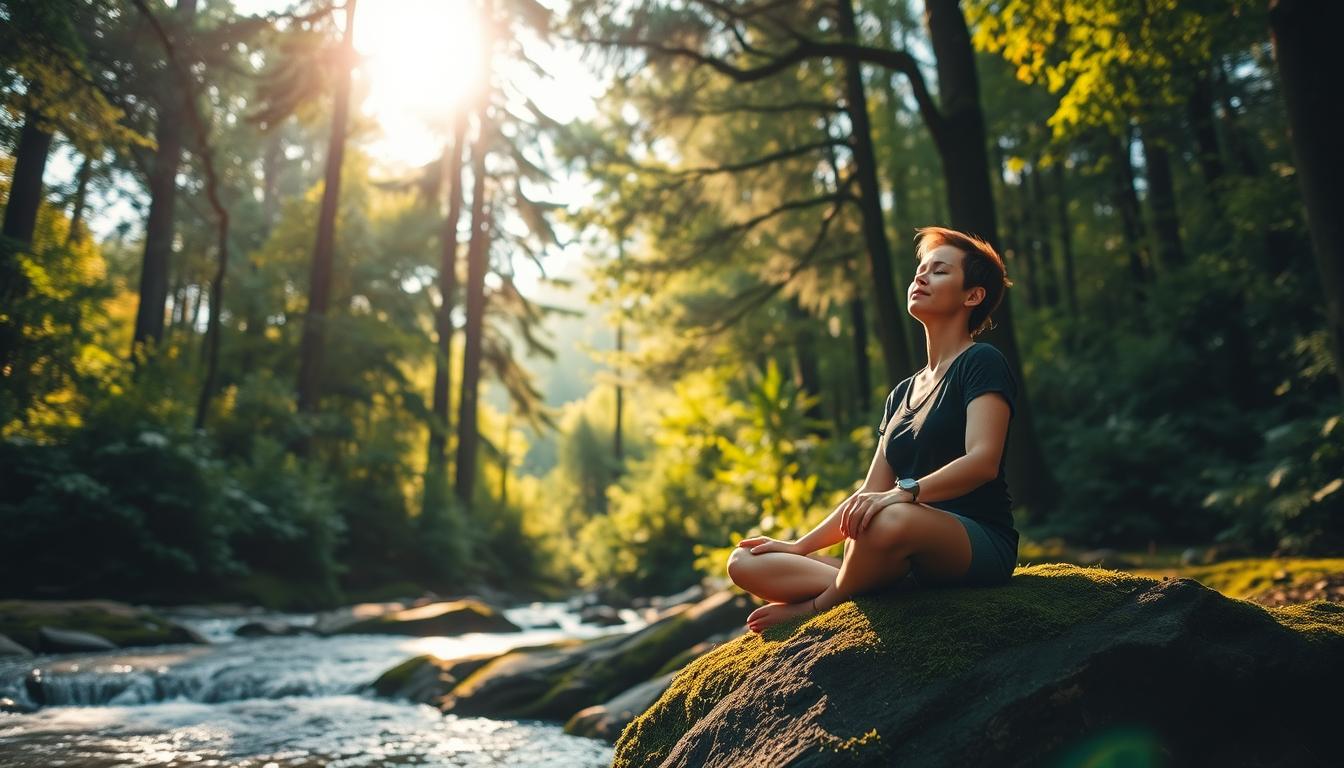
Forest Bathing (Shinrin-Yoku)
The Japanese practice of mindful nature immersion taps into phytoncides—protective compounds released by trees. Cedar, pine, and oak forests contain the highest concentrations of these mood-boosting chemicals.
Try this 5-4-3-2-1 grounding technique:
• 5 deep breaths matching tree sway
• 4 textures touched (bark, moss)
• 3 natural sounds identified
• 2 scents noticed
• 1 minute observing light patterns
Urban Nature Alternatives
City dwellers can still reap the benefits. Environmental Health studies show urban park visits improve mood 64%. Even small interventions work:
- Window gardens: Herbs like basil purify air while providing sensory engagement
- Nature soundscapes: Rain recordings outperform white noise for relaxation
- Community plots: 30 minutes weekly gardening lowers stress markers
“Daily exposure to greenery isn’t a luxury—it’s a biological necessity that regulates our circadian rhythms and nervous systems.”
For those with limited mobility, light therapy lamps mimicking dawn/dusk cycles offer similar way to regulate sleep-wake patterns. The key is consistency—brief daily time outdoors proves more effective than occasional long excursions.
8. Deep Breathing Techniques
Your breath holds more power than you might realize—it’s a direct line to calming your nervous system. When you consciously control your breathing, you send signals to your body to slow your heart rate and lower blood pressure. Harvard researchers found these techniques can reduce anxiety symptoms in as little as 60 seconds.
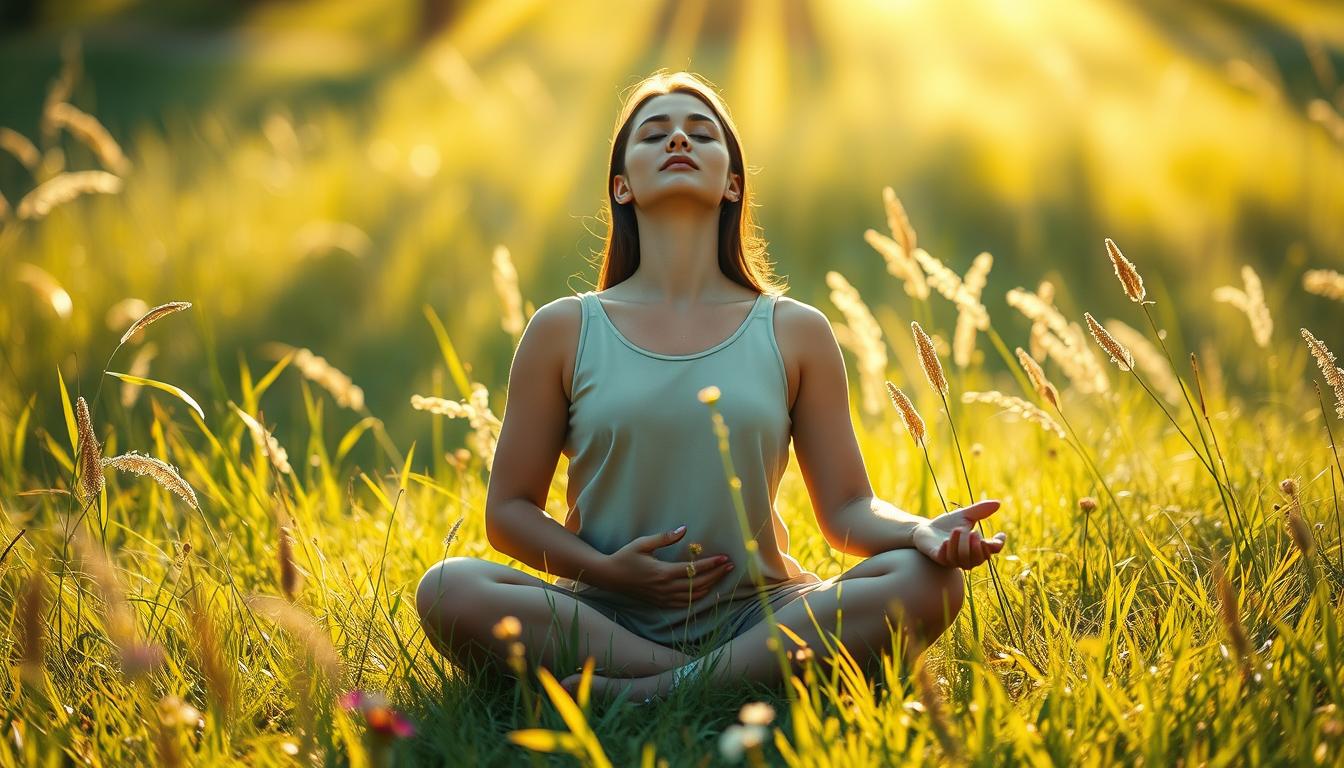
The Box Breathing Method
Used by Navy SEALs in high-stress situations, this practice follows a 4-4-4-4 pattern:
- Inhale deeply through your nose for 4 seconds
- Hold the breath for 4 seconds
- Exhale slowly for 4 seconds
- Pause for 4 seconds before repeating
This method increases oxygen saturation while stimulating the vagus nerve—your body’s natural relaxation pathway. For best results, sit upright with shoulders relaxed.
4-7-8 Breathing for Instant Calm
Developed by Dr. Andrew Weil, this technique resets your respiratory system:
“The extended exhale triggers a parasympathetic response, reducing systolic blood pressure by an average of 10 points within three cycles.”
Try this sequence:
1. Empty your lungs completely
2. Inhale quietly for 4 seconds
3. Hold for 7 seconds
4. Exhale forcefully for 8 seconds
Those with COPD or asthma should modify by shortening holds. Biofeedback devices like Spire Stone can help track progress. Remember—consistent practice makes these techniques more effective over time.
9. Dietary Adjustments for Mental Health
What you eat directly impacts how you feel. Research shows certain foods can calm your nervous system, while others may trigger tension. A JAMA study found the Mediterranean diet reduces anxiety symptoms by 68% compared to standard Western eating patterns.
Stress-Reducing Nutrients
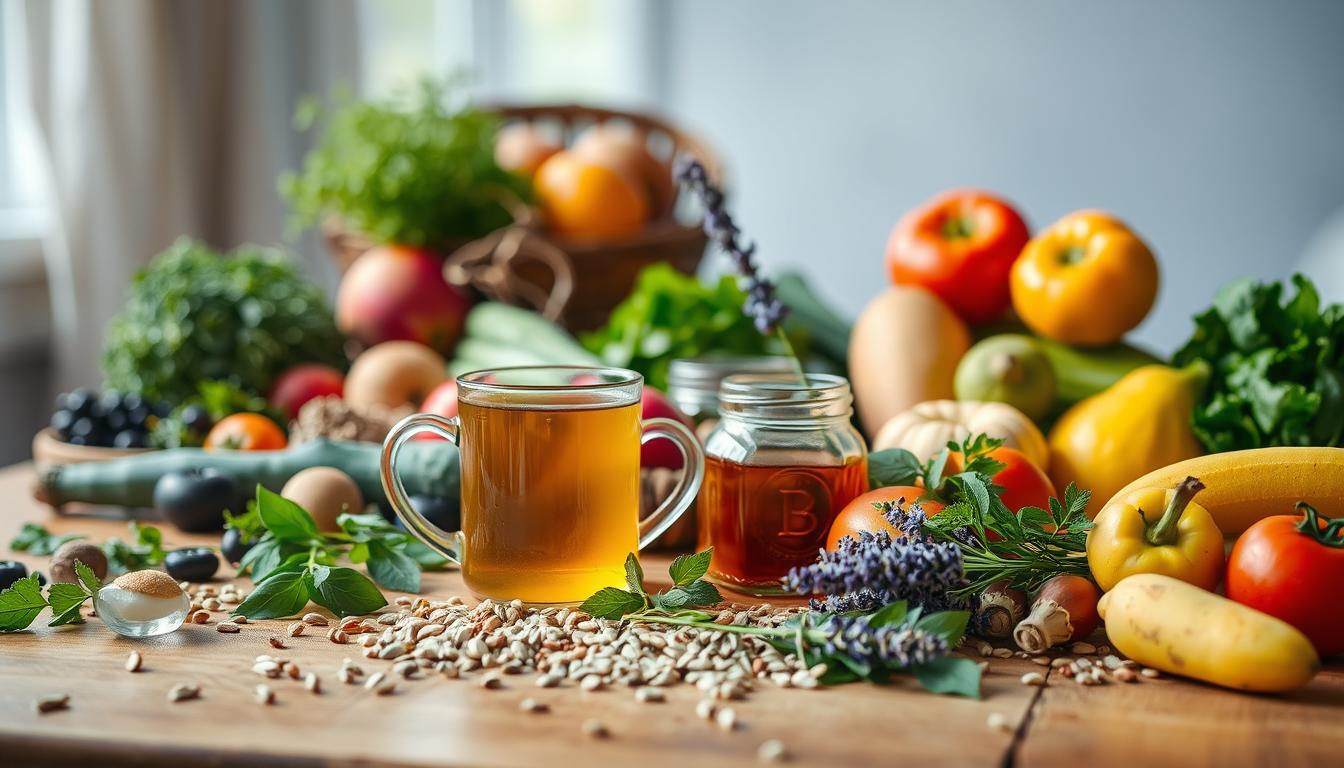
Magnesium acts as nature’s relaxant. Just ½ cup of pumpkin seeds provides 50% of your daily needs. Spinach, almonds, and black beans are other excellent sources.
Omega-3 fatty acids support brain function. Algae oil offers plant-based EPA/DHA, while fatty fish like salmon provide direct sources. Aim for 1,000mg combined EPA/DHA daily.
“The gut-brain axis communicates bidirectionally—what feeds your microbiome also feeds your mood.”
Foods That May Worsen Tension
Refined sugar causes blood sugar spikes, increasing cortisol by 34%. Check labels for hidden sugars ending in -ose or syrups. The Nutrition Journal recommends tapering gradually rather than quitting cold turkey.
Caffeine stays in your system for 6 hours. Try this tapering schedule:
- Week 1: Reduce by 25%
- Week 2: Switch to half-caff
- Week 3: Limit to morning only
Artificial sweeteners like aspartame may disrupt neurotransmitters. Opt for small amounts of raw honey or maple syrup instead.
Practical Eating Strategies
Batch cooking ensures you always have healthy options. The DASH diet emphasizes:
- 4-5 vegetable servings daily
- 2-3 fruit portions
- Whole grains over refined
For sensitive digestive systems, low-FODMAP foods may help. The USDA MyPlate guidelines suggest filling half your plate with colorful produce at each meal.
10. CBD Oil and Adaptogens
The endocannabinoid system plays a crucial role in emotional regulation. This network of receptors throughout your brain and body responds to plant compounds like CBD. Clinical research shows these interactions may produce calming effects without intoxication.
Understanding CBD’s Mechanism
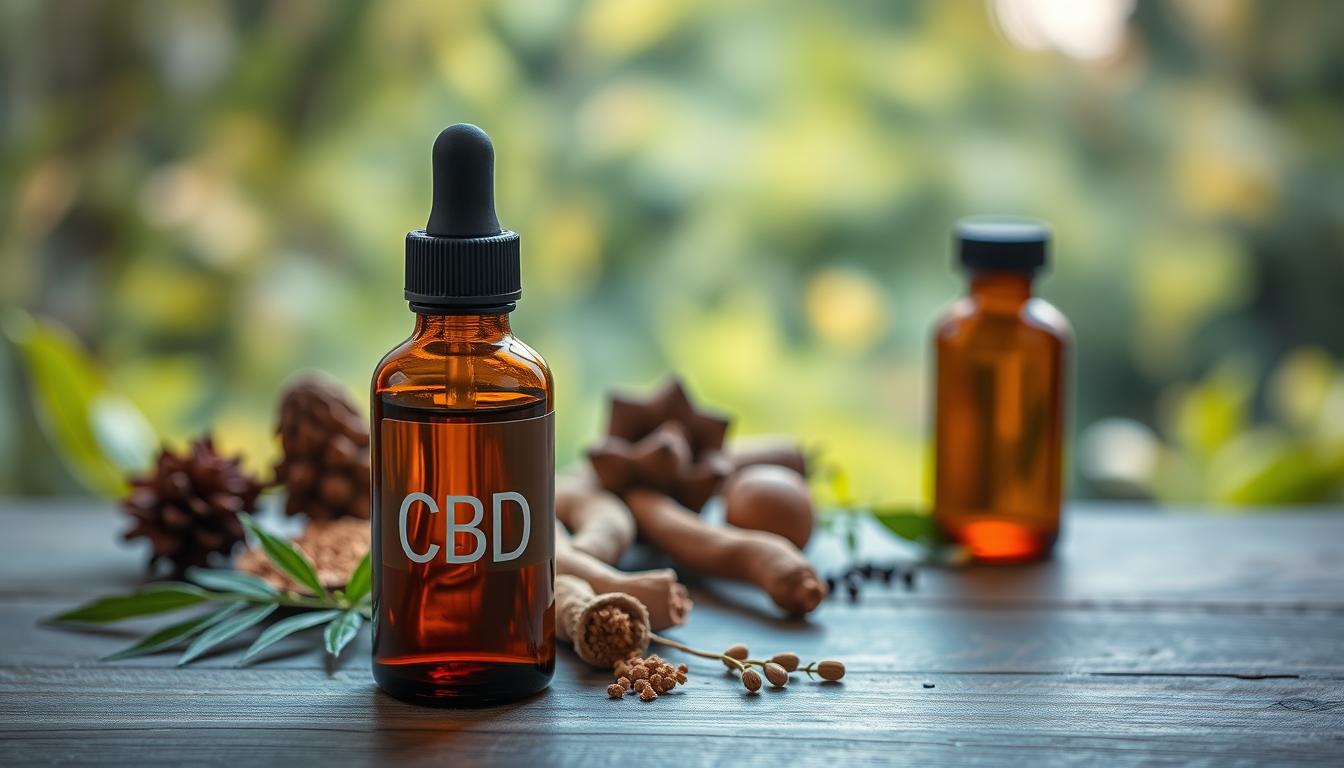
A 2015 study in Neurotherapeutics found 25mg of CBD reduced social anxiety by 32%. The compound works indirectly on serotonin receptors and the amygdala. Unlike THC, it doesn’t cause euphoria but may promote balance.
Key delivery methods differ in absorption rates:
| Method | Onset Time | Duration | Best For |
|---|---|---|---|
| Sublingual tinctures | 15-30 minutes | 4-6 hours | Systemic relief |
| Capsules | 45-90 minutes | 6-8 hours | Consistent dosing |
| Topicals | 5-20 minutes | 2-4 hours | Localized tension |
“Full-spectrum extracts containing multiple cannabinoids demonstrate greater efficacy than isolates due to the entourage effect—components working synergistically.”
Selecting Quality Products
Look for these verification markers when choosing supplements:
- NSF or USP certification for purity
- Batch-specific COAs (Certificate of Analysis)
- Organic hemp source
- Clear dosage instructions
Adaptogens like ashwagandha complement CBD by modulating cortisol. Start with low doses (10-15mg CBD) and increase gradually. Always check state regulations—laws vary on THC content.
Potential drug interactions require caution. CBD affects cytochrome P450 enzymes that metabolize many medications. Consult your doctor if taking:
- Blood thinners
- Antidepressants
- Anti-seizure drugs
11. Digital Detox and Social Media Boundaries
Your phone habits might be sabotaging your mental well-being without you realizing it. The Sleep Foundation found reducing screen time by just one hour improves sleep quality by 43%. Cyberpsychology research shows week-long social media breaks decrease anxiety symptoms by 57%.
Smart Screen Time Management
Start with these practical adjustments:
- Enable grayscale mode to make screens less stimulating
- Use app blockers like Freedom or StayFocusd during work hours
- Schedule “phone-free” zones (bedroom, dinner table)
- Turn off non-essential notifications
Blue light filters help but don’t solve the core issue. A 2022 Stanford study found nighttime device use delays melatonin production by 90 minutes, disrupting circadian rhythms.
“Digital minimalism isn’t about deprivation—it’s about reclaiming attention for what truly matters in your life.”
Rewiring Your Scroll Habits
Replace mindless browsing with these stress-reducing alternatives:
- Analog hobbies: Adult coloring books, puzzle boxes, or nature sketching
- Dopamine fasting: Designate tech-free Sundays
- Family media contracts with agreed-upon usage rules
Combat FOMO by remembering social media showcases highlight reels, not real life. Keep a “joy journal” to track offline moments that boost your mood naturally.
Conclusion
Managing daily pressures becomes easier with the right tools. Mayo Clinic research shows an 89% improvement when combining approaches like exercise, deep breathing, and nature therapy. These methods offer proven health benefits without side effects.
Remember, what works varies by person. Track your progress with a simple journal. Note which techniques help most in your daily life.
While these strategies support stress relief, professional treatment remains essential for persistent symptoms. The NIMH provides free resources to find qualified specialists.
Start small—even 10 minutes daily makes a difference. With consistency, you’ll build resilience that lasts.