Did you know that just 5-minute bursts of movement throughout the day can improve your well-being as effectively as longer workouts? Research from Nature Medicine reveals that brief, frequent activity sessions reduce health risks by up to 52%.
Busy schedules make it hard to stick to long exercise routines. Experts from Hinge Health suggest integrating small, intentional movements—like stretching or walking—into daily life. Their studies show a 68% reduction in discomfort for participants within 12 weeks.
These quick actions, backed by the Journal of Applied Physiology, match the benefits of gym sessions. They enhance energy, focus, and overall fitness without demanding extra time.
Key Takeaways
- Short activity breaks improve health as effectively as long workouts.
- Just 5 minutes of movement can lower health risks significantly.
- Experts confirm these methods reduce discomfort by 68%.
- Research supports their effectiveness in boosting energy and focus.
- They fit easily into busy schedules without extra time commitments.
What Are Movement Snacks and Why Do They Work?
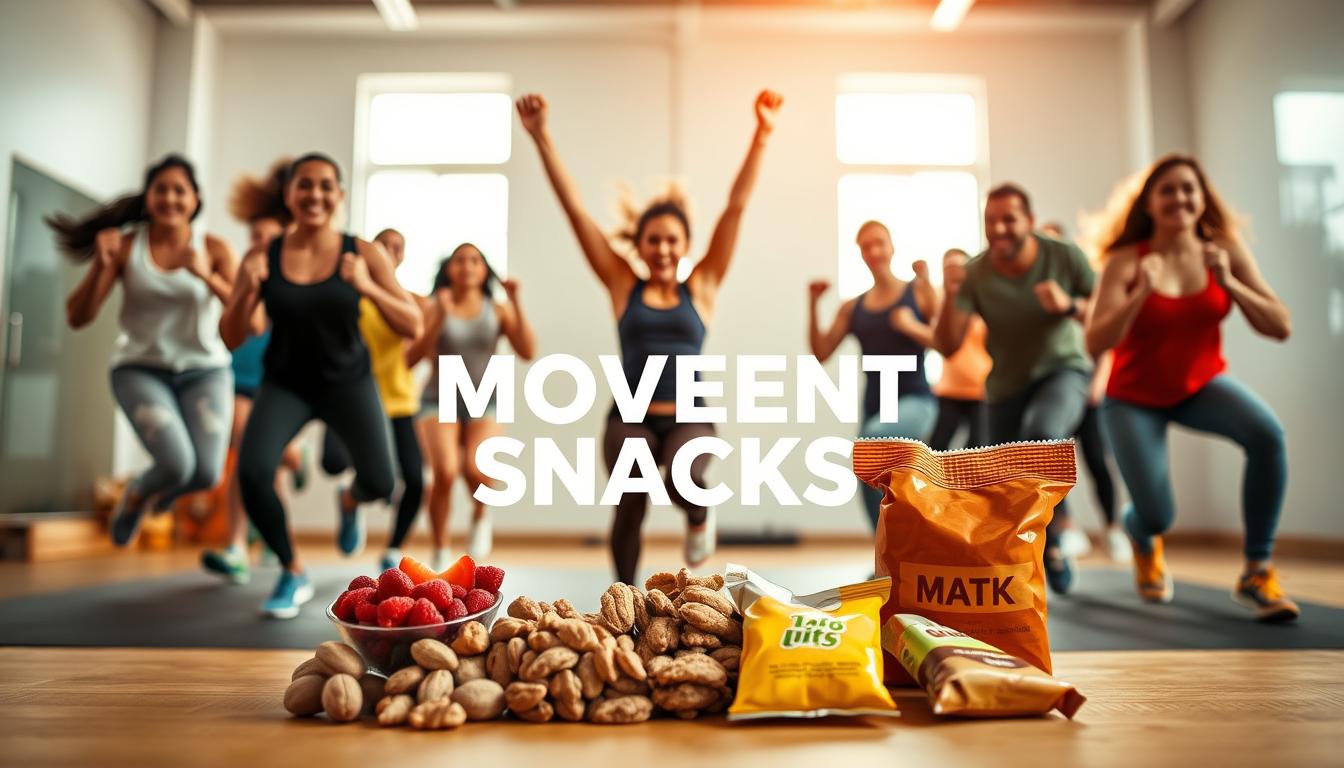
Ever felt too busy for exercise but still want to stay active? Enter movement snacks—bite-sized bursts of physical activity woven into your day. Dylan Peterson from Hinge Health compares them to “small meals between big ones”, keeping your body fueled without overwhelming it.
Defining Movement Snacks
Unlike hour-long workouts, these micro-sessions last just 1–5 minutes. Think stretching while waiting for coffee or taking the stairs instead of the elevator. ACE Fitness notes they’re not replacements but complements to structured exercise.
Key Benefits Over Traditional Workouts
Why choose mini-movements? Research reveals five standout advantages:
- Improved circulation: Counteracts sedentary stiffness.
- Boosted energy: A UBC study found 71% prefer stair-climbing over intense HIIT for quick revitalization.
- Sharper focus: Hinge Health data shows 30-second breaks reduce anxiety by triggering endorphins.
“Small, frequent activity is like hitting your body’s reset button—it’s sustainable and effective.”
No gym bag or extra time needed. Just move throughout your day, and let science handle the rest.
The Science Behind Movement Snacks
Science proves small bursts of activity deliver big results. A 2022 Nature Medicine study found that short bouts of movement reduce cardiovascular risks as effectively as traditional workouts. Your body thrives on frequent, brief challenges.
Research on Short Bouts of Activity
The Journal of Applied Physiology highlights how walking or squatting triggers muscle protein synthesis. Even 20-second stair climbs (McMaster University, 2019) boost glucose metabolism by demanding rapid ATP production. Your cells adapt faster than you’d expect.
ACE Fitness explains sedentary risks: sitting slows ATP turnover, but micro-movements reignite energy cycles. UBC research adds that 5-minute breaks improve vascular function—key for heart health.
Physiological and Psychological Impacts
Short activity bursts lower cortisol within 30 seconds, cutting anxiety. A PLOS ONE review found they spike productivity by 23%. Blood flow surges, feeding muscles and sharpening focus.
- Heart health: 3x weekly mini-sessions match gym benefits.
- Muscle activation: Protein synthesis peaks post-micro-workout.
- Pain relief: Frequent movement reduces stiffness by 40%.
“The body responds to consistency, not duration. Tiny doses of exercise create lasting change.”
Types of Movement Snacks to Try
Boost your energy and mobility with these simple, effective exercises. Whether you’re at your desk or short on time, these mini-workouts deliver results in just a few minutes.
Stretching and Mobility Breaks
Improve joint mobility with quick stretches. Try seated torso twists or doorframe stretches if you have limited space. For office workers, Hinge Health recommends this 3-step sequence:
- Seated leg raises: Lift knees alternately while typing.
- Chair dips: Use your desk edge to tone triceps.
- Wall push-ups: Perfect for a midday energy boost.
Cardio Boosters
Get your heart pumping in under 2 minutes. UBC’s research highlights jumping jacks or a 20-second stair sprint for rapid calorie burn. Other options:
- Calf raises during phone calls.
- Standing desk mountain climbers.
Strength-Building Mini-Workouts
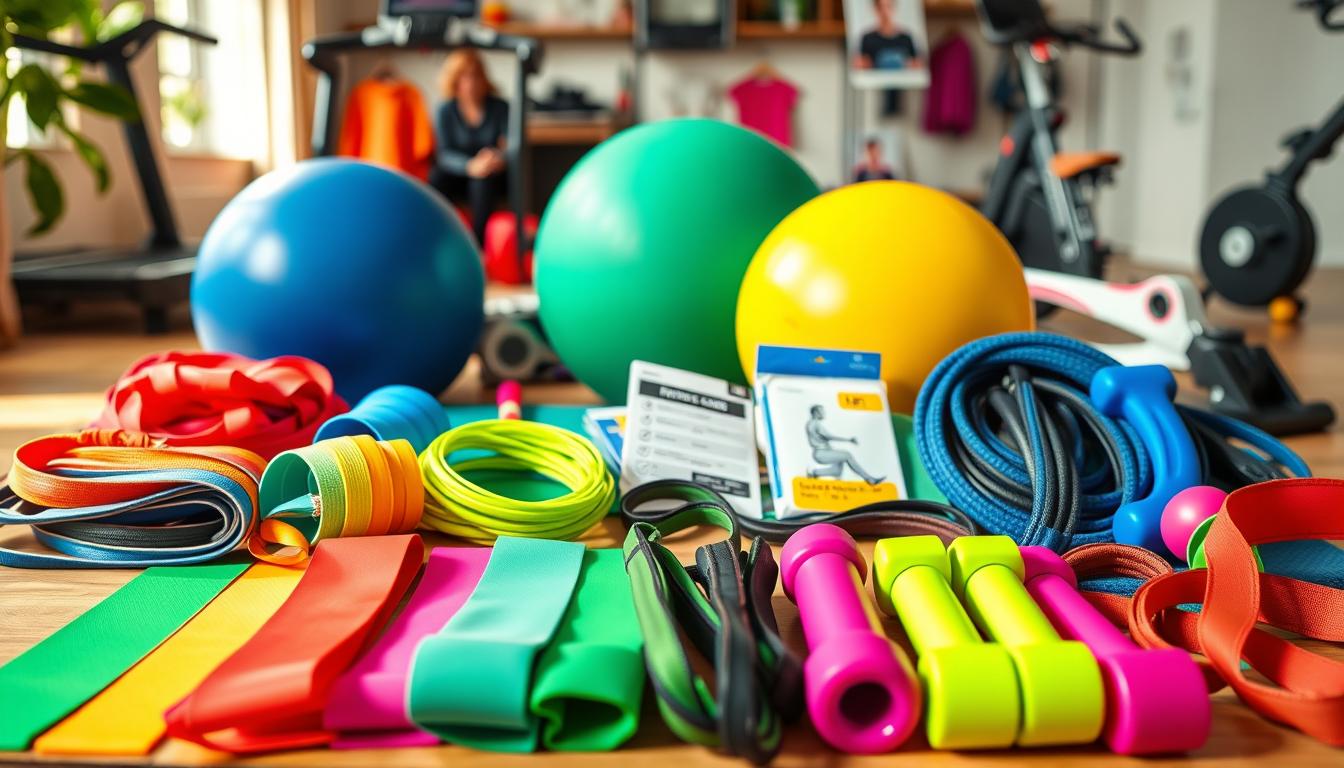
No weights? No problem. Use household items like milk jugs (per UBC’s hack) or resistance bands for squats and lunges. Pair with yoga poses like downward dog for full-body engagement.
“Micro-movements reinforce muscle memory. Consistency trumps intensity every time.”
How to Incorporate Movement Snacks Into Your Day
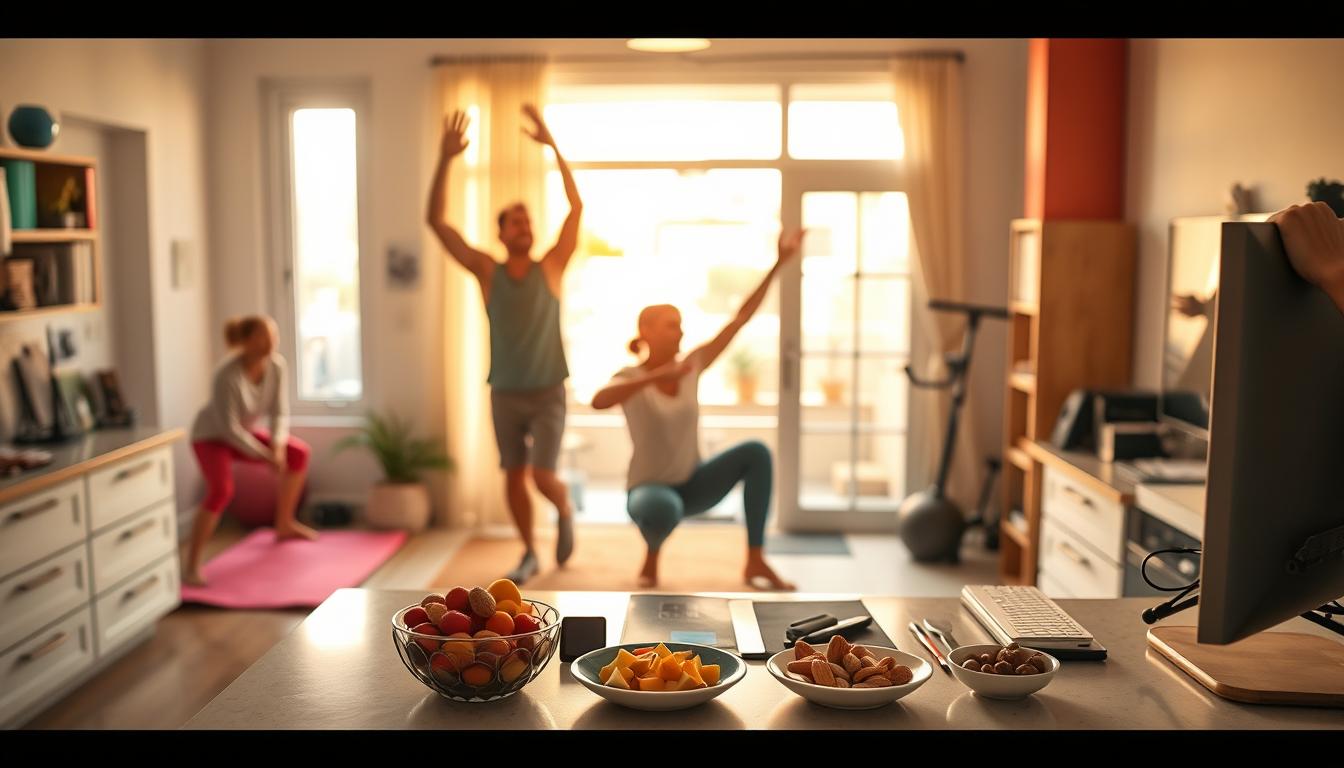
Your daily habits hold the key to consistent activity—no gym required. With strategic tweaks, you can weave mini-workouts into existing routines. Here’s how to make it effortless.
Smart Reminders for Busy Schedules
Tech tools eliminate guesswork. ACE’s Stand Up! The Work Break Timer nudges you hourly. UBC’s platform sends custom exercise alerts. Sync these with:
- Apple Watch stand alerts for posture checks
- Chrome break extensions to pause screen time
Habit Stacking for Lasting Change
Pair movements with daily tasks. Try this 5-minute routine:
- Bed stretches upon waking
- Kitchen calf raises while brewing coffee
- Bathroom balance exercises (stand on one foot brushing teeth)
“Anchor new actions to existing habits. The brain craves patterns—use them.”
Solutions for Sedentary Jobs
Desk-bound? The Meeting Sandwich method adds 2-minute movements before/after calls. Parents can do laundry basket lunges. Remote workers compensate for lost commutes with a walk around the block.
| Tool | Best For | Frequency |
|---|---|---|
| ACE Break Timer | Office workers | Every 50 minutes |
| UBC Exercise Notifier | Home routines | Custom intervals |
Take the stairs, pace during calls, or stash resistance bands in your desk. Tiny actions compound into big results.
How Movement Snacks Can Replace Long Gym Sessions
Breaking a sweat doesn’t require marathon sessions—just smart timing. Research shows that spreading short bursts of activity throughout your day can match the fitness benefits of traditional workouts in a fraction of the time.
Time Efficiency and Accessibility
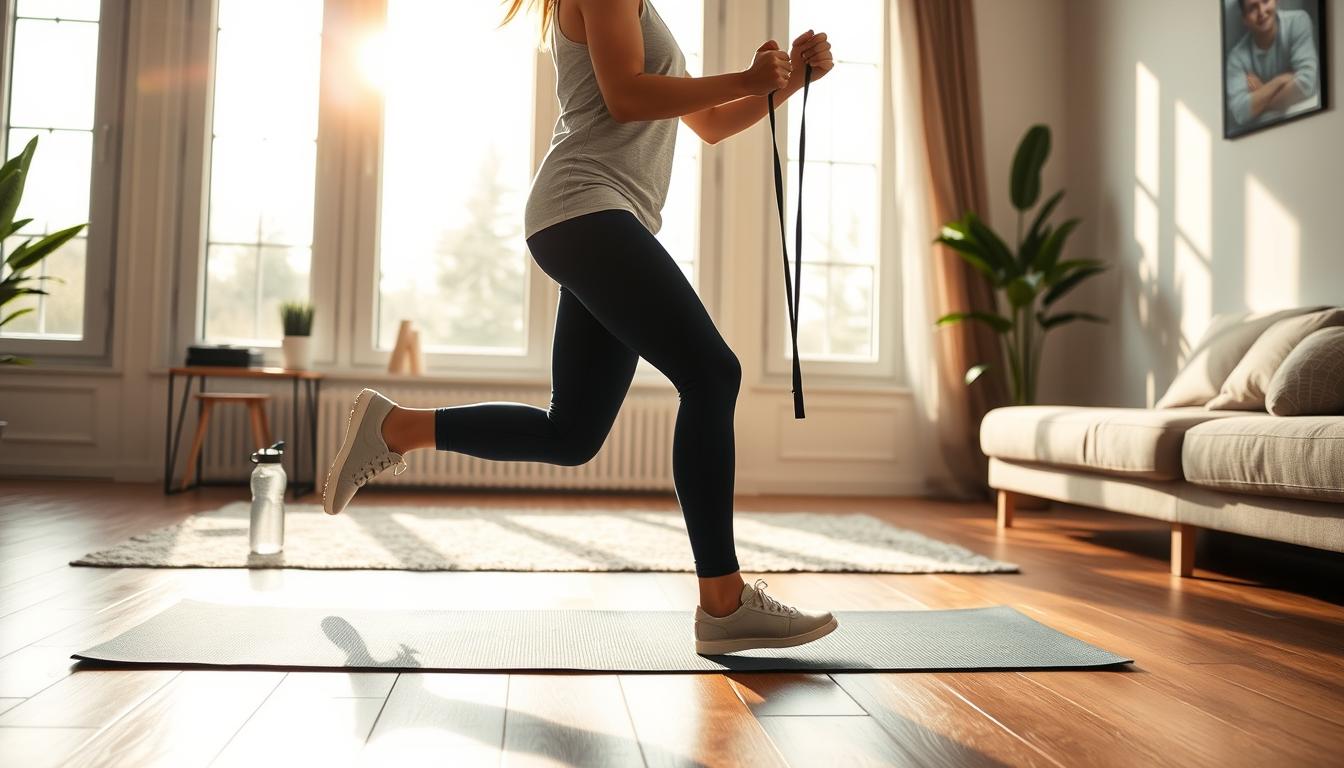
Compare 56 hours at the gym annually to just 7 hours with movement snacks: Eight 5-minute daily sessions add up to equal one hour-long workout. A Journal of Applied Physiology study found participants achieved identical VO2 max improvements after 6 weeks, whether they exercised in concentrated or distributed chunks.
Even brief efforts compound. Three minutes of stair climbing matches the metabolic impact of a 30-minute walk, per McMaster University. The ADA confirms these micro-sessions count toward their 150-minute weekly exercise goal.
Cumulative Health Benefits
Hinge Health’s data reveals a 68% reduction in discomfort among users who swapped gym visits for frequent mini-movements. The secret? Consistency triggers muscle protein synthesis and glucose metabolism more effectively than sporadic, intense workouts.
Try these equipment-free alternatives to maximize benefits:
- Water bottle weights for arm curls
- Towel resistance bands for squats
- Desk push-ups for upper-body strength
“Frequent, low-dose activity is the unsung hero of sustainable fitness—it’s how the body adapts best.”
Your path to better fitness isn’t about finding more time—it’s about using the minutes you already have.
Overcoming Common Barriers
Struggling to stay active? You’re not alone—common barriers like time constraints or physical limitations often hold people back. The good news? Research-backed strategies make it easier to move, no matter your schedule or health status.
Debunking “Not Enough Time” Myths
ACE Fitness reveals a stark contrast: the average person spends 12 hours sedentary but only 3 hours exercising weekly. Yet, just 5-minute breaks can bridge this gap. Here’s how to rethink time:
- Myth 1: “Need special clothes.” Truth: Stretch in work attire during calls.
- Myth 2: “Requires equipment.” Use chairs for tricep dips or walls for push-ups.
- Myth 3: “Must sweat.” Light movements like calf raises count too.
Adapting for Pain or Mobility Issues
Chronic conditions demand creative solutions. Hinge Health’s seated tension protocol helps those with arthritis or injuries stay active:
- Pool noodle stretches: Gentle resistance for stiff joints.
- Seated marching: Boosts circulation without strain.
- 30-second increments: Micro-habits reduce flare-ups.
“Movement snacks are scalable. Start where you are, and let your body guide progress.”
For workplace needs, UBC’s app offers diabetes-friendly routines. Need accommodations? Try scripts like: “Can we discuss standing breaks during long meetings?”
Avoiding Mistakes with Movement Snacks
Even small activity bursts require strategy—here’s how to optimize them. The ACE Mover Method™ reveals that blending intensity levels prevents plateaus while avoiding strain. Western Colorado University’s study found a 42% higher adherence rate when participants used a buddy system for accountability.
Intensity Scale for Balanced Activity
Not all movement snacks are equal. Use this 3-tier system to diversify effort:
- Green: Gentle exercise like desk stretches or walking.
- Yellow: Bodyweight moves (chair squats, wall push-ups).
- Red: Short HIIT bursts (20-second stair sprints).
Weekly Hybrid Planning
Pair structured workouts with micro-sessions for full-body results. Try this template:
- 3 gym days: Focus on strength training or cardio.
- 4 snacks-only days: Spread 5–8 movement snacks evenly.
“HRV tracking shows micro-workouts need 50% less recovery than gym sessions—but consistency is key.”
Avoid compensation eating post-activity. A 2023 Appetite journal study linked mini-workouts to unnecessary calorie intake if not mindful. Track heart rate variability (HRV) to gauge recovery needs.
For hybrid approaches, consult a PT quarterly. They’ll adjust ratios based on your progress, ensuring snacks complement—not compete with—your training.
Conclusion
Small, consistent actions create lasting change. Hinge Health’s research confirms that frequent activity reduces discomfort by 68%, proving its clinical value. UBC’s workplace studies also show a 23% productivity boost from brief movement breaks.
Ready to start? Take the 7-day challenge: pledge to complete three mini-workouts before lunch. Pair this with Hinge Health’s app for guided routines and pain management tips.
Remember, your employer may offer 24/7 access to virtual PTs—use this perk to refine your approach. Every step counts toward better health.