Did you know that just 30 minutes of daily movement can slash your risk of chronic disease by 40%? According to the British Journal of Sports Medicine, even small actions like walking while on calls or gardening count toward better health. You don’t need a gym to stay active—your everyday routine holds hidden opportunities.
Modern lifestyles have reduced natural movement, but non-exercise physical activity (NEPA) bridges the gap. From busy parents to seniors, adding steps to your day improves energy and longevity. This guide reveals practical strategies tailored to your schedule.
Key Takeaways
- Daily movement counts as much as structured workouts for health benefits.
- NEPA fits seamlessly into work, parenting, or retirement routines.
- Social options like walking groups make staying active enjoyable.
- Local programs (e.g., Henrico County) support age-friendly activity.
- Consistency matters more than intensity for long-term results.
1. Why Simple Ways to Increase Physical Activity Without Exercise Work
Research reveals how minor daily actions create major health improvements. Unlike intense workouts, these movements integrate seamlessly into your routine, offering sustained benefits for your body and mind.
The Science Behind Incidental Movement
NEAT (Non-Exercise Activity Thermogenesis) refers to calories burned through daily tasks like standing or fidgeting. A 2018 British Journal of Sports Medicine study found:
“Any physical activity, regardless of intensity, reduces chronic disease risk by enhancing metabolic health.”

Even posture maintenance engages core muscles, burning 50+ extra calories hourly. For example, taking stairs for 5 minutes daily accumulates 35 minutes of moderate activity weekly—equivalent to a gym session.
How Small Actions Add Up
Everyday tasks have measurable MET (Metabolic Equivalent) values. Gardening (3.5 METs) rivals treadmill walking (4 METs) over time. Here’s how they compare per 30 minutes:
| Activity | Calories Burned* | Muscles Engaged |
|---|---|---|
| Gardening | 150–200 | Core, arms, legs |
| Treadmill (3 mph) | 180–220 | Legs, glutes |
*For a 155-pound adult. Source: NIH MET database
Frequent movement breaks also trigger dopamine release, improving focus. Programs like Sheltering Arms’ Adaptive Exercise show how tailored plans make activity accessible for all ages.
As NIH guidelines emphasize: consistency matters more than intensity. Your body thrives on motion—no gym required.
2. Turn Household Chores Into Mini Workouts
Your daily chores hold untapped potential to boost fitness—no gym membership required. By tweaking how you vacuum, garden, or mow, you engage major muscles and burn calories. The CDC confirms that 150 minutes of such activities weekly meets their physical activity guidelines.

Vacuuming for Core Engagement
Push your vacuum in a lunge position to activate glutes and core. A 30-minute session burns ~150 calories—equivalent to a brisk walk. Sheltering Arms Institute recommends this adaptive way to build strength while cleaning.
Gardening for Flexibility and Strength
Digging and weeding work your arms, back, and legs. According to NIH data, 30 minutes of gardening burns:
| Activity | Calories Burned* | Muscles Worked |
|---|---|---|
| Planting | 120–160 | Shoulders, core |
| Mowing (push) | 250–350 | Legs, arms |
*For a 155-pound adult. Push mowing engages 20% more muscles than riding mowers.
For safety, bend at the knees when lifting laundry baskets. A Richmond Parks program participant shared:
“Turning chores into workouts helped me lose 15 pounds in 3 months.”
Your home is a fitness studio in disguise. Stand tall while folding clothes to engage your core, or scrub floors in intervals—5 minutes vigorous, 2 minutes moderate. Every movement counts.
3. Redesign Your Workspace for Movement
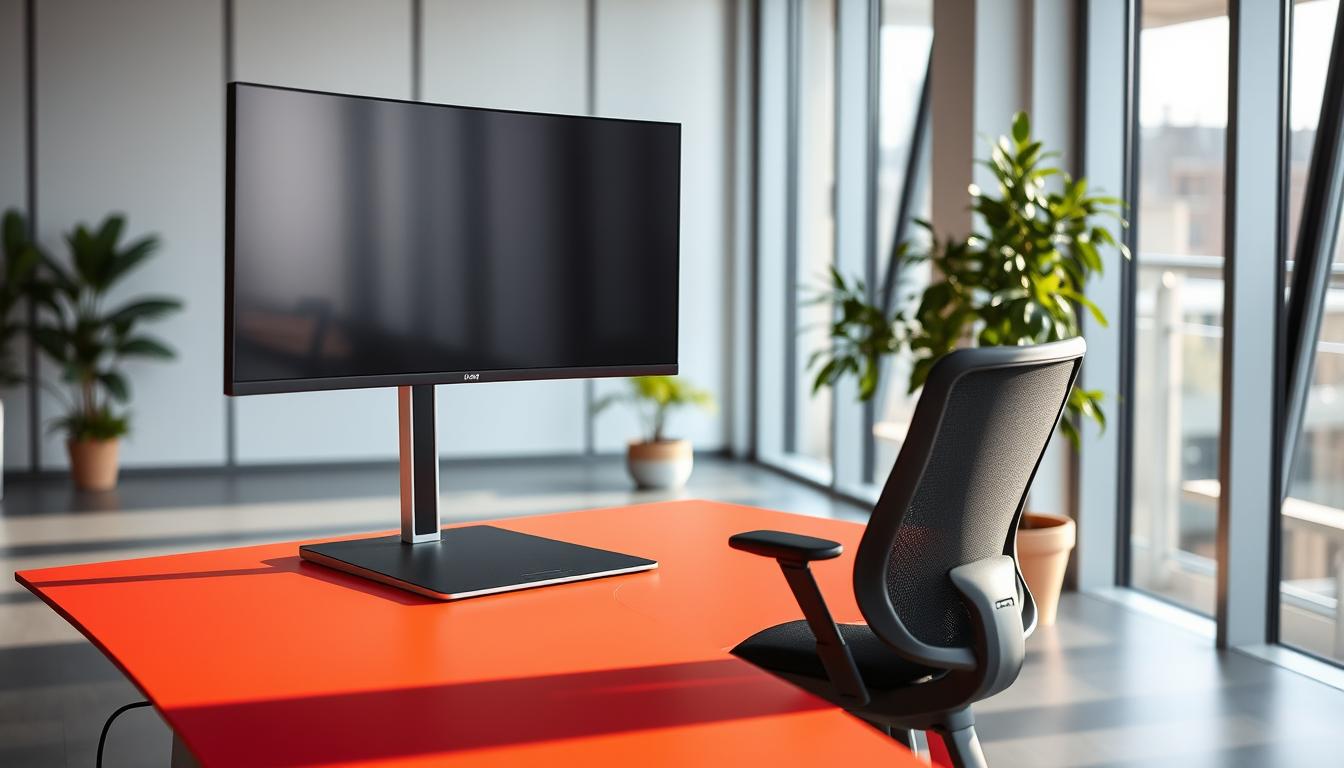
Sedentary jobs don’t have to chain you to a chair all day. The CDC confirms standing desks reduce sitting time by 40%, lowering risks for back pain and poor circulation. Small changes to your work environment keep your body engaged while maintaining productivity.
Standing Desk Advantages
Alternating between sitting and standing burns 30% more calories hourly. Consider these options:
- Converters: Affordable models like FlexiSpot ($129) attach to existing desks
- Full desks: Uplift V2 offers height presets for shared workspaces
NYC Surgical Associates recommends starting with 15-minute standing intervals every hour. This gradual approach prevents fatigue while activating your core.
Stability Ball Benefits
Replacing your chair with a 55cm ball engages stabilizing muscles. Try these subtle moves:
- Mini bounces during phone calls
- Pelvic tilts to strengthen lower back
“Proper alignment on a ball reduces spinal compression by 25%.”
Sheltering Arms’ corporate wellness programs report 62% fewer back pain complaints after implementing movement-friendly setups. Pair these changes with hourly “desk marches” (lifting knees while seated) for added circulation.
4. Walk More in Everyday Situations
Your feet are natural fitness tools, ready to boost energy and longevity. A PLoS Medicine study found step tracking maintains movement habits for 4+ years—proving small changes create lasting health benefits.
Stair-Climbing Advantages
Choosing stairs burns 5x more calories than elevator rides. A 6-flight climb spikes heart rates to fat-burning zones (110–140 bpm). In high-rises, stairs often save time—tests show they’re faster for trips under 8 floors.
Local programs like Chesterfield County’s adult trails mark distances between benches. Use this way to track progress:
- 1 flight = ~10 steps = 0.05 miles
- 20 flights weekly = 1 mile gained
Strategic Parking
Parking farther adds purposeful movement to your day. A 300-step walk from the lot’s edge equals:
| Distance | Steps Added Daily* |
|---|---|
| 100 yards | 600+ |
| 200 yards | 1,200+ |
*Based on average stride length
Mall walking programs offer climate-controlled routes for seniors. As Sheltering Arms notes:
“Walking meetings boost creativity while adding 1,500 steps per 30 minutes.”
Pair these tactics with pedometers like Omron HJ325 ($29) or Fitbit Inspire 3 ($49). Supportive shoes (e.g., Brooks Ghost) reduce joint impact for long-term consistency.
Every step reshapes your life—whether pacing during calls or exploring park exercise stations. Motion compounds like interest in a health savings account.
5. Make TV Time Active
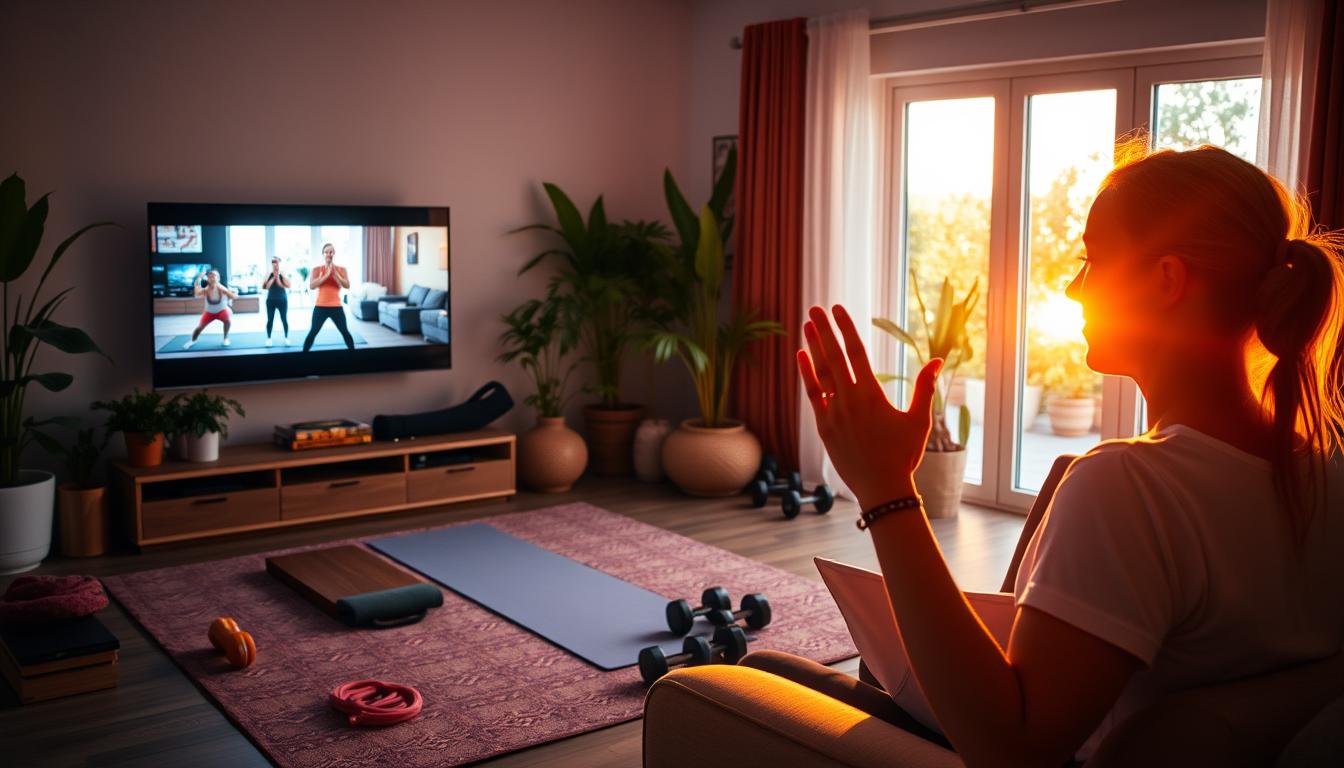
Screen time doesn’t have to mean sedentary time—discover active viewing. Sheltering Arms Institute confirms commercial break exercise burns 150 calories/hour. Turn your couch into a mini gym with these strategies.
Commercial Break Challenges
Use ad breaks for quick workout bursts. Try this 30-minute plan:
- First break: 10 chair squats (works glutes)
- Second break: Arm circles (tones shoulders)
- Third break: Seated marches (engages leg muscles)
Genre-Specific Moves
Match activities to your show’s intensity. Reality TV? Try standing balance challenges. Compare calorie burn:
| Show Type | Activity | Calories/30 Min* |
|---|---|---|
| Dramas | Isometric holds (plank on couch) | 90–120 |
| Sports | Shadow boxing | 150–180 |
| News | Resistance band rows | 80–100 |
*155-pound adult
For family nights, dance during theme songs. A Sheltering Arms participant shared:
“TV workouts added 4,000 steps daily—I lost 12 pounds in 4 months.”
Top picks for couch exercise gear:
- TheraBand loops ($12, Amazon)
- Yoga socks with grips ($15, Target)
Consistency is key. Just 20 minutes of active viewing per day burns 36,500 calories yearly—equal to 10 lbs of fat!
6. Optimize Your Shopping Routine
Your weekly grocery run can double as a fitness session with simple tweaks. According to DiabetesStrong.com, carrying baskets instead of carts burns 100+ calories every 15 minutes—engaging your core, arms, and legs. Small changes turn errands into a health-boosting habit.

Smart Basket Strategies
Ditch the cart for a handheld basket to activate muscles. Use the farmer’s carry technique: hold bags at your sides with shoulders back to improve posture and strength. Bonus: Studies show basket users make 20% fewer impulse purchases.
Store Walking Workouts
Walk laps around the perimeter first—produce and dairy sections add natural resistance. For seniors, early-hour shopping combines quieter aisles with movement. Track progress with store apps like Walmart’s floor plan maps.
| Activity | Calories Burned* | Muscles Engaged |
|---|---|---|
| Carrying bags (10 lbs) | 120–150/hr | Arms, shoulders |
| Walking (brisk pace) | 180–220/hr | Legs, glutes |
*For a 155-pound adult. Source: DiabetesStrong.com
For extra intensity, wear a weighted vest or challenge yourself to scan barcodes while balancing on one leg. A Sheltering Arms participant noted:
“Shopping workouts added 3,000 weekly steps—my grip strength improved in 6 weeks.”
Parking farther away is another efficient way to move more. Just 200 extra yards per trip adds 1,200+ steps daily. Your body thrives on these micro-workouts—no gym required.
7. Improve Posture for Core Activation
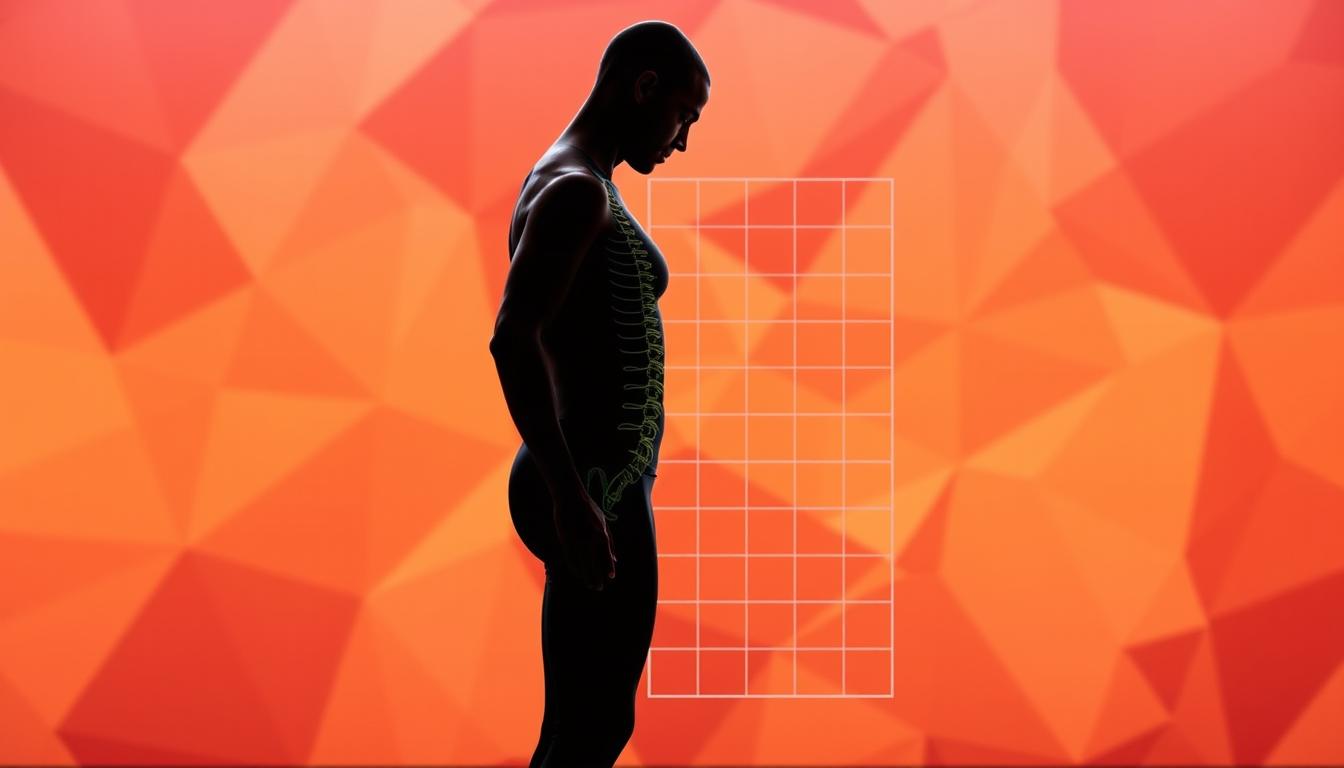
Your spine’s alignment directly impacts your energy levels and calorie burn. Research shows proper posture engages 20% more core muscles than slouching, while burning 50+ extra calories hourly. Club Pilates confirms these micro-workouts accumulate to significant health benefits over time.
Seated Alignment Strategies
Transform chair time into muscle engagement with these techniques:
- Pelvic tilts: Rock hips forward/backward every 15 minutes to activate lower muscles
- Desk yoga: Try seated cat-cow stretches during loading screens
- Breath work: Diaphragmatic breathing strengthens transverse abdominals
Ergonomic alternatives boost effectiveness:
- Kneeling chairs (improves spinal alignment)
- Balance discs (engages stabilizers)
Standing Engagement Techniques
Phone calls become posture workouts when you:
| Position | Muscles Activated | Calorie Burn/Hour* |
|---|---|---|
| Leaning wall | Shoulders, glutes | 90–110 |
| Weight shifts | Core, calves | 120–140 |
*155-pound adult. Source: Alexander Technique research
Physical therapist Dr. Ellen Smith recommends:
“Two-minute posture checks every hour prevent muscle fatigue while building endurance.”
Apps like Posture Reminder (free) prompt alignment adjustments. Over a year, proper posture can burn 18,000+ extra calories—equivalent to 5 pounds of fat. Your body thrives when alignment becomes second nature.
8. Turn Errands Into Activity Breaks
Active commuting turns wasted travel time into calorie-burning sessions. Citi Bike reports show 23% fitness improvements among regular users—proof that daily tasks can enhance your health. Whether walking or cycling, these micro-workouts accumulate significant benefits.

Strategic Walking Routes
Map 15-minute neighborhood zones for foot-powered errands. Urban planners confirm walking often matches car speeds for trips under 1 mile when parking is factored in. Try this comparison for common stops:
| Destination | Car Time | Walk Time |
|---|---|---|
| Post Office (0.8mi) | 12 min | 15 min |
| Pharmacy (0.5mi) | 8 min | 10 min |
Richmond’s Safe Routes program recommends reflective vests for evening walks. Their data shows 40% fewer pedestrian incidents when using high-visibility gear.
Biking for Efficiency
Cycling errands burns 400+ calories/hour while covering more ground. For grocery trips, consider these cargo bike options:
- RadPower RadWagon (400lb capacity)
- Tern GSD (compact folding design)
Pannier bags should limit loads to 20% of body weight for safety. A local bike coalition member shared:
“Biking to meetings saves $85 monthly on gas—I arrive energized and clear-headed.”
These activities reshape your day while building endurance. Your life gains movement without requiring dedicated exercise time—just smarter approaches to necessary tasks.
9. Use Technology to Stay Accountable
Your smartphone holds untapped potential to transform idle moments into movement opportunities. Studies show pedometer users average 2,500+ extra steps daily—proof that tracking creates awareness. From vibration alerts to social challenges, tech provides the nudge many need for consistent health gains.

Smart Movement Reminders
Programmable alerts turn passive time into active breaks. Try these setups:
- Phone settings: iOS Health or Google Fit hourly stand alerts
- Apps: StandUp! schedules walks based on calendar gaps
- Wearables: Fitbit’s “Reminder to Move” adapts to your routine
Sheltering Arms’ telehealth tools demonstrate how customized notifications improve adherence by 38%. One participant shared:
“Vibration alerts helped me break my 4pm energy slump with 5-minute stair climbs—now it’s automatic.”
Precision Step Tracking
Modern devices measure more than just steps. Compare popular activity trackers under $100:
| Model | Accuracy | Unique Feature | Battery Life |
|---|---|---|---|
| Fitbit Inspire 3 | ±3% steps | Active Zone Minutes | 10 days |
| Garmin Vívofit 4 | ±5% steps | Move Bar reminder | 1 year |
| Amazfit Band 7 | ±7% steps | SpO2 monitoring | 18 days |
For workplaces, step challenges boost participation. Try these ideas:
- Department vs. department competitions
- Charity pledges per 10,000 steps
- “Walktober” month-long events
Privacy-focused options exist too. The Omron HJ325 stores data locally rather than in the cloud. Over a year, daily alerts can add 91,000+ movement minutes—equivalent to 45 extra workout sessions.
Technology makes consistency effortless. Whether through ADA-compliant voice trackers or Strava’s social groups, finding your way to stay accountable has never been easier. Your health journey gains a digital ally in every pocket.
10. Get Creative With Playtime
Playful movement transforms routine moments into calorie-burning opportunities. The CDC confirms intergenerational activities boost health for all ages while strengthening family bonds. Your home becomes a gym when you rethink ordinary interactions.
Kitchen Dance Parties
Turn meal prep into a workout by curating high-energy playlists. Twenty minutes of dancing while cooking burns 150+ calories—engaging your muscles more than standing still. Try these moves:
- Stove-side stretches: Reach upward while stirring to engage your core
- Counter push-ups: Lean against surfaces during simmer breaks
Multigenerational Games
Active play with kids or pets builds endurance without feeling like exercise. Compare calorie burn per 30 minutes:
| Activity | Calories Burned* |
|---|---|
| Backyard tag | 180–220 |
| Fetch with dog | 150–190 |
| Obstacle courses | 200–250 |
*155-pound adult. Source: CDC activity database
Sheltering Arms’ pediatric programs recommend ADA modifications like:
“Rubber mulch surfaces allow wheelchair access while cushioning falls during play.”
Local community centers often provide inclusive equipment. Annual family play can burn 36,000+ calories—a fun way to invest in your body and relationships. Movement becomes a lifestyle when it sparks joy.
Conclusion
Every day brings new chances to boost your health through movement. Small actions like parking farther or dancing while cooking add up—burning 100+ extra calories daily. Over a year, that’s equal to losing 10 pounds without stepping into a gym.
Sheltering Arms’ programs prove consistency matters most. Their adaptive plans show how anyone can build strength through daily routines. Local senior centers offer walking groups and chair yoga for steady progress.
Print our free activity checklist to track wins. Research confirms non-exercise movement lowers disease risks as effectively as structured workouts. Your life gains energy when motion becomes second nature.
Start today: stand during phone calls or take the scenic route home. Your body thrives on these small changes—no equipment required.