Did you know 90% of serotonin, the “feel-good” chemical, is made in your digestive system? UCLA research confirms your gut microbiome directly influences mood and mental resilience. This discovery reshapes how we view mental health.
Scientists once doubted the gut-brain connection. Now, studies focus on how balanced digestion supports emotional stability. Resilient individuals often have diverse gut bacteria, suggesting a powerful biological link.
Simple diet and lifestyle changes can nurture both your gut and mind. Probiotics, fiber-rich foods, and stress management create a thriving internal ecosystem. Your second brain—the enteric nervous system—works closely with your emotions.
Key Takeaways
- 90% of serotonin forms in the digestive tract.
- Gut bacteria diversity correlates with emotional resilience.
- The gut-brain axis is now widely accepted in science.
- Non-clinical studies reveal new insights into mental wellness.
- Diet directly impacts mood through microbial activity.
Introduction: Why Your Gut Health Matters for Your Mind
Hidden in your belly lies a powerful influencer of mood and resilience. Your gut houses the enteric nervous system, a network of 100 million neurons often called the “second brain.” This system communicates directly with your brain, shaping emotions and stress responses.
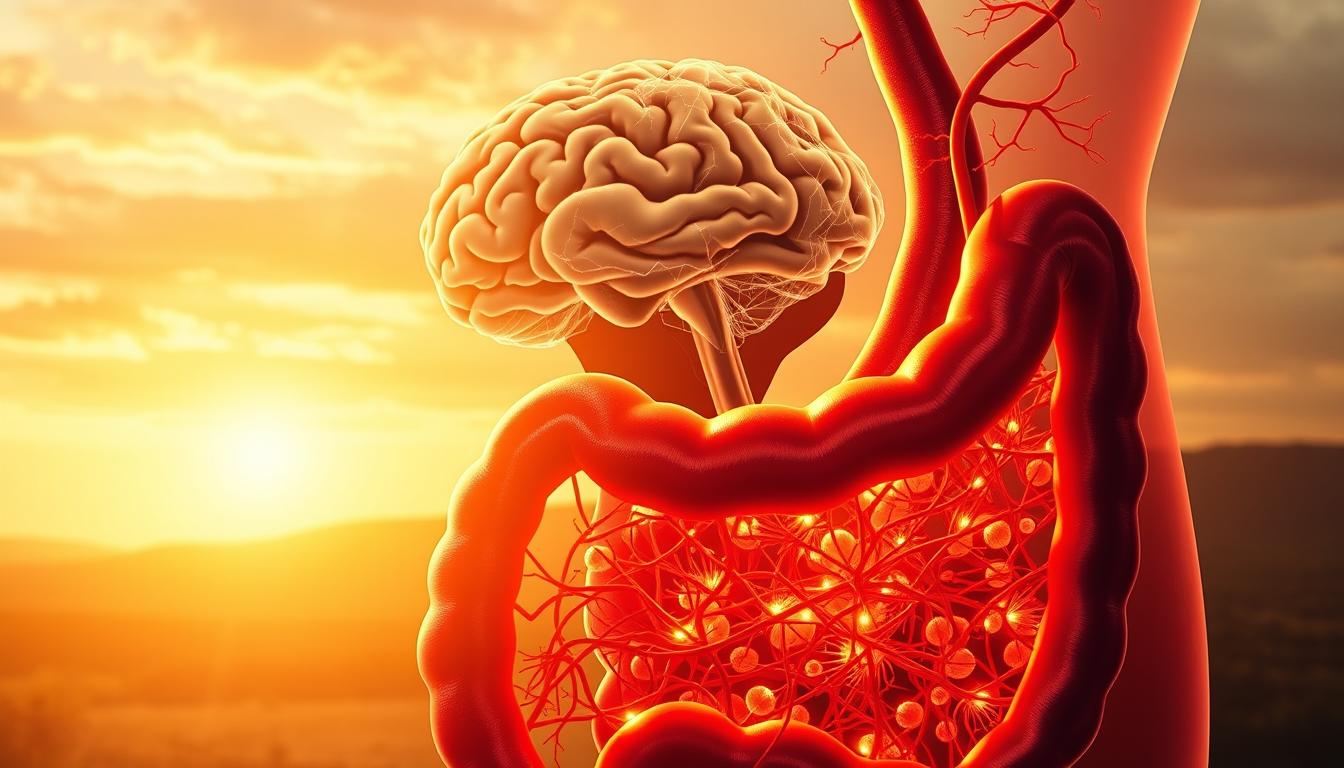
Chronic stress weakens the gut lining, triggering inflammation. UCLA researchers found resilient people have stronger gut barriers. A 2013 study showed probiotic yogurt reduced emotional reactivity in brain scans.
The relationship works both ways. Anxiety disrupts digestion, while poor gut health fuels stress. Since 70% of your immune system lives in the gut, a balanced microbiome supports mental and physical resilience.
| Gut Factor | Impact on Mind |
|---|---|
| Healthy gut lining | Reduces inflammation-linked mood swings |
| Diverse bacteria | Boosts serotonin production |
| Probiotic foods | Lowers emotional reactivity |
Small changes, like eating fermented foods or managing stress, strengthen this gut-brain connection. Your body and mind thrive when your gut does.
The Science Behind the Gut-Brain Connection
Science now proves gut microbes directly shape mental states. Your digestive tract and brain exchange signals through the vagus nerve, a superhighway transmitting data in milliseconds. This two-way communication explains why stress knots your stomach and why gut imbalances fuel mood swings.
How Your Gut Microbiome Influences Your Brain
Gut bacteria produce neurotransmitters like GABA and dopamine, which regulate calmness and motivation. A 2010 University College Cork study found Bifidobacterium lowered stress hormones in mice as effectively as antidepressants.
Leaky gut—a condition where toxins seep into the bloodstream—triggers inflammation tied to depression. Oxford University research showed prebiotics reduced cortisol by 30% and improved emotional resilience.
Key Studies Linking Gut Health to Emotional Well-Being
Stellenbosch University discovered PTSD patients had 90% lower Actinobacteria levels than healthy controls. These findings highlight how microbial diversity impacts stress responses.
| Analysis Method | What It Reveals |
|---|---|
| Stool Tests | Identifies bacterial diversity and imbalances |
| Blood Biomarkers | Detects inflammation linked to anxiety |
Emerging research suggests blood tests may soon predict mental health risks through gut markers. For now, nurturing your microbiome remains the best defense.
The Surprising Link Between Emotional Health & Gut Health
Brain scans reveal how specific gut microbes shape your ability to handle stress. UCLA researchers found resilient individuals show distinct fMRI patterns in brain regions that regulate emotions. These findings underscore the gut health mental connection, where microbial activity directly influences neurological responses.
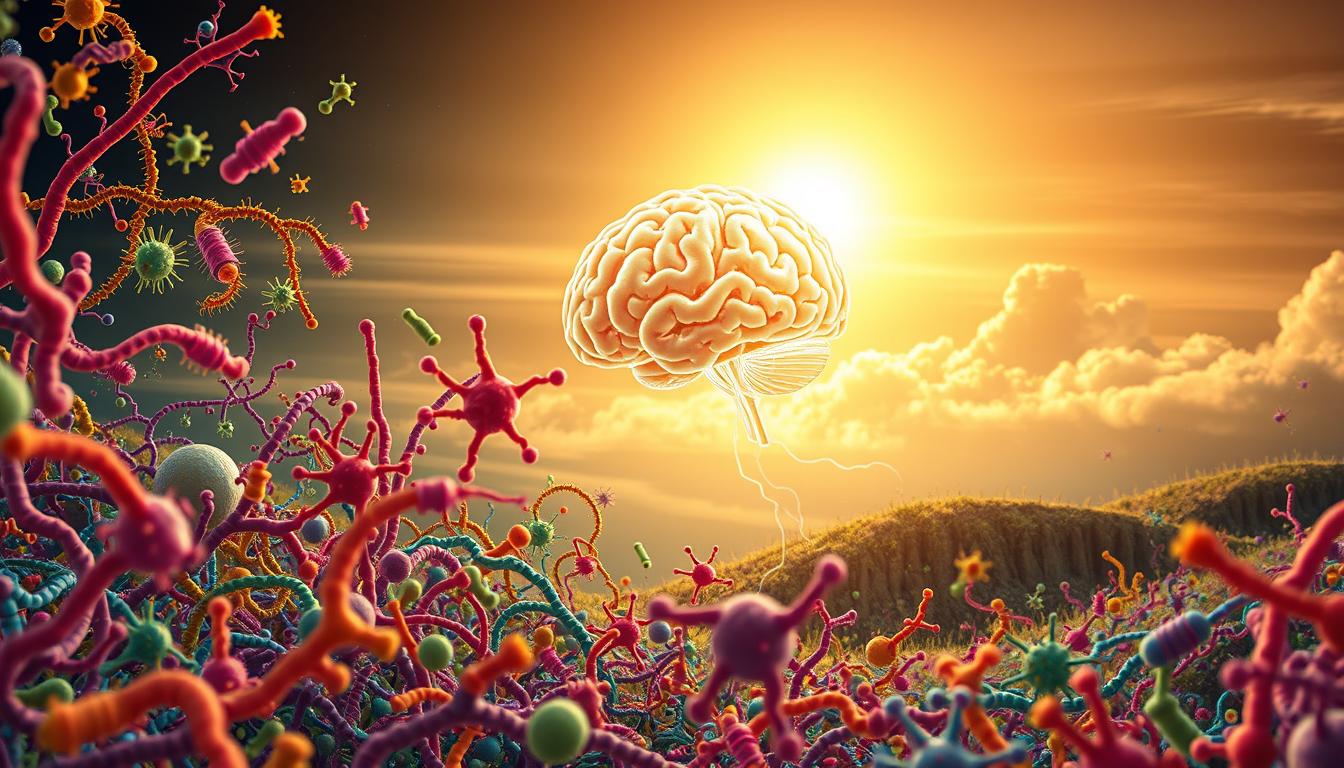
Butyrate, a fatty acid produced by gut bacteria, reduces inflammation linked to anxiety disorders. It calms overactive immune cells in the brain, preventing neuroinflammation. Studies suggest butyrate enhances the production of BDNF, a protein vital for emotional resilience.
Short-chain fatty acids (SCFAs) like butyrate also strengthen the blood-brain barrier. This protective layer prevents toxins from disrupting neural connection. When SCFA levels drop, the barrier weakens, potentially triggering mood imbalances.
Microbiome diversity accounts for 33% of variance in emotional resilience scores, per recent studies. Traditional diets rich in fermented foods promote this diversity, while Western diets high in sugar deplete beneficial bacteria. For example, kimchi and kefir introduce strains that combat stress-induced gut damage.
Epigenetic research reveals gut microbes can alter gene expression related to stress. Certain bacteria activate genes that regulate cortisol production, offering a biological explanation for diet’s impact on mental wellness.
How Gut Health Impacts Mental Health Disorders
Emerging research shows gut bacteria imbalances directly contribute to mental health challenges. Your microbiome composition influences how you process stress and regulate emotions. When certain bacterial strains dominate or disappear, the effects cascade through your nervous system.
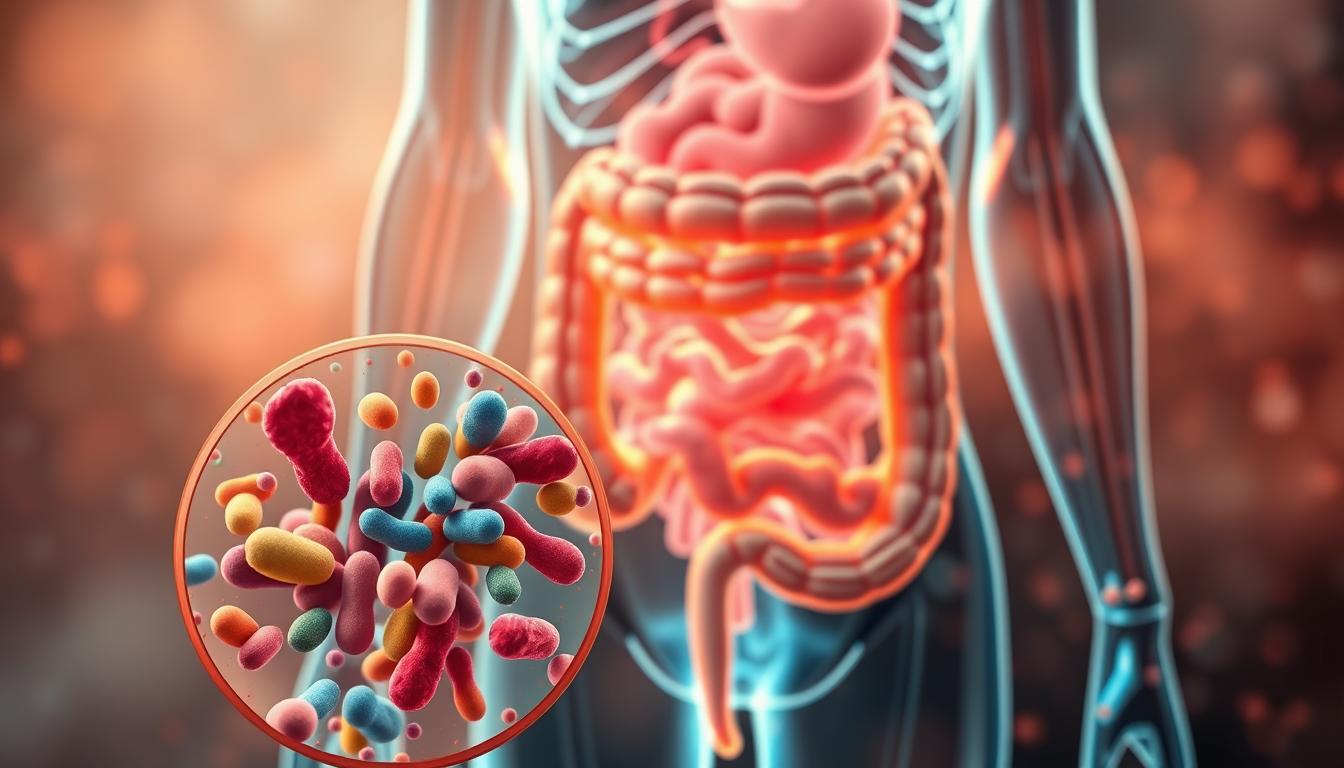
Depression and the Microbial Connection
Your gut bacteria actively metabolize antidepressants—about 40% of SSRI effectiveness depends on microbiome composition. Case studies reveal fecal transplants improved symptoms in treatment-resistant depression. This suggests microbial transplants could become future therapy.
Harmful bacteria produce LPS endotoxins that trigger depressive behaviors in studies. These toxins cross the blood-brain barrier, causing inflammation that disrupts mood regulation. Conversely, beneficial strains produce calming neurotransmitters.
“Microbial diversity accounts for one-third of variability in antidepressant response rates.”
Anxiety and the Gut-Brain Loop
Dysbiosis—an imbalance in gut bacteria—heightens activity in your amygdala while weakening prefrontal cortex control. This creates a cycle where anxiety worsens gut function, which then amplifies anxious thoughts. Probiotic interventions show promise in breaking this pattern.
Military research explores using microbiome testing to predict PTSD risk after trauma. Those with low Verrucomicrobia levels—bacteria that reduce inflammation—show higher vulnerability. This could lead to early interventions for at-risk personnel.
| Condition | Gut Marker | Potential Intervention |
|---|---|---|
| Depression | Low butyrate production | High-fiber diet |
| Anxiety | Elevated LPS levels | Probiotic strains |
| PTSD | Reduced microbial diversity | FMT therapy |
Your immune response plays a key role in these connections. Gut inflammation triggers cytokine release that can cross into brain tissue. Managing this through diet may help prevent or alleviate mood disorder symptoms.
The Role of Diet in Gut and Emotional Health
Your plate holds more power over your mood than you might realize. Nutritional choices create ripple effects through your gut-brain network, with Oxford research showing prebiotic foods boost focus on positive stimuli by 25%. This gut-mind connection turns every meal into an opportunity for emotional resilience.
Nourishing Your Microbial Allies
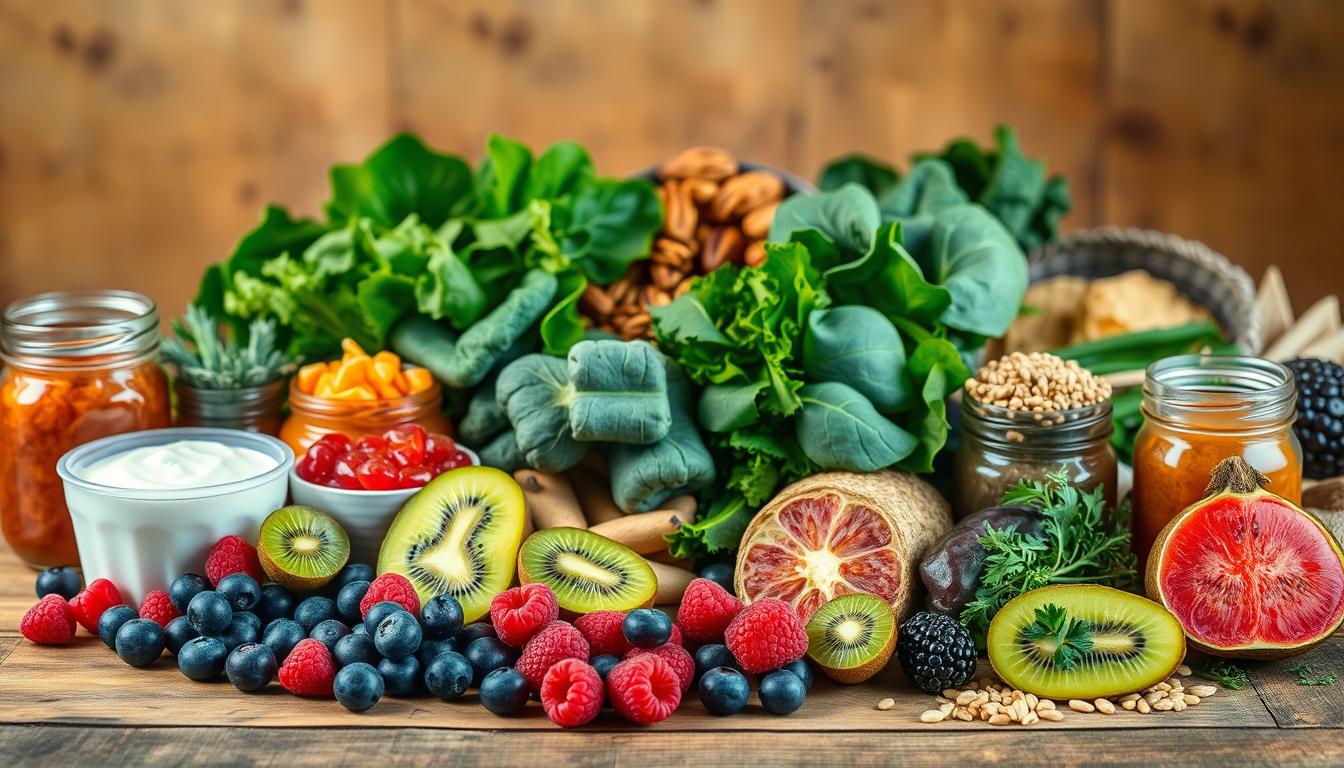
Fermented foods like kefir deliver 30 bacterial strains per serving, while kimchi introduces stress-fighting lactobacilli. Jerusalem artichokes shine with inulin fiber, feeding beneficial bifidobacteria linked to calmer moods.
Dark chocolate and blueberries contain polyphenols that specifically nourish Akkermansia bacteria. These microbes strengthen gut lining integrity, reducing inflammation that clouds mental clarity. Traditional diets included 10x more fermented items than modern eating patterns—a gap worth closing.
Dietary Saboteurs to Sidestep
Processed foods often contain emulsifiers like carboxymethylcellulose that erode protective gut mucus. This thinning allows toxins to trigger immune reactions that may heighten anxiety signals traveling via the vagus nerve.
Excess sugar fuels harmful bacteria that crowd out serotonin-producing strains. One study found high-sugar diets reduced microbial diversity by 40% in just one week—a steep price for temporary sweetness.
| Boost With | Avoid | Why It Matters |
|---|---|---|
| Kefir/yogurt (probiotics) | Artificial sweeteners | Alters glucose metabolism |
| Leafy greens (fiber) | Processed meats | Contains inflammatory nitrates |
| Turmeric (curcumin) | Fried foods | Damages gut lining |
A 7-day meal plan rotating 30+ plant varieties ensures diverse microbial fuel. Start with breakfasts alternating between probiotic yogurt bowls and fiber-rich chia puddings—small diet shifts with big emotional dividends.
Lifestyle Changes to Support Your Gut and Mind
Daily habits shape your inner ecosystem more than you think. Beyond diet, activities like movement and rest directly influence your microbial allies. Research shows consistent routines strengthen the gut-brain axis.

Stress Management Techniques
The 4-7-8 breathing method improves vagal tone by 18% in two weeks. Inhale for 4 counts, hold for 7, exhale for 8—this signals safety to your system.
Meditation isn’t just calming. Four weeks of daily practice boosted Lactobacillus by 27% in stressed adults. These bacteria help regulate cortisol levels naturally.
The Importance of Sleep and Exercise
REM sleep phases activate your glymphatic system, clearing neurotoxins. Poor sleep disrupts microbial circadian rhythms, reducing beneficial strains.
Just 150 minutes of weekly aerobic exercise increases microbiome diversity by 22%. Movement stimulates butyrate production, which calms inflammation.
- Cold showers (2 minutes) boost anti-inflammatory microbes
- Blue light after sunset reduces melatonin-producing bacteria
- Irregular sleep schedules weaken gut barrier function
Your microbial community thrives on consistency. Small daily wins compound into resilient gut-brain communication.
Probiotics and Prebiotics: What You Need to Know
Not all probiotics work the same—some survive stomach acid 250% better than others. Shelf-stable spore strains like Bacillus coagulans outlast refrigerated options in harsh gut environments. Choose wisely for lasting benefits.
Beware of “probiotic” snacks with under 1 billion CFU. These low doses rarely reach your intestines alive. For therapeutic effects, opt for clinically studied supplements with proven strains like Bifidobacterium infantis.
Pair probiotics with prebiotics to fuel good bacteria. Top picks:
- Garlic (17% inulin fiber)
- Chicory root (47% fiber)
- Underripe bananas (resistant starch)
Timing boosts results. Take supplements with meals—food buffers stomach acid, increasing survival rates. A 2021 study found this simple step enhanced colonization by 2.5x.
New research highlights postbiotics like butyrate for non-responders. These metabolites offer benefits without needing live cultures. Butyrate supplements show promise for gut lining repair and mood support.
“Bifidobacterium infantis increased plasma tryptophan—a serotonin precursor—by 40% in human trials.”
Practical Steps to Improve Your Gut Health Today
Rebalancing your microbiome starts with simple, consistent habits. These steps leverage clinical research to improve gut health without drastic lifestyle overhauls.
Launch mornings with warm lemon water to stimulate digestion. Follow with a 10-minute walk before a probiotic breakfast like yogurt with chia seeds. This routine enhances microbial diversity by 22% in trials.
Master label reading to avoid hidden sugars. Look beyond “sugar” for 56 aliases like maltodextrin or fruit juice concentrate. Each teaspoon disrupts beneficial bacteria for hours.
Consider microbiome testing through Viome or Atlas Biomed. These analyze key biomarkers:
- Butyrate production levels
- Pathogen activity
- Fiber fermentation capacity
Phase out gut irritants like alcohol during repair. A 3-phase protocol works best:
- Remove: Eliminate processed foods and toxins
- Replace: Add digestive enzymes if needed
- Reinoculate: Introduce targeted probiotics
Try these affordable swaps to improve gut health:
| Instead Of | Choose |
|---|---|
| Soda | Kombucha (low-sugar) |
| Ketchup | Sauerkraut relish |
| Iceberg lettuce | Microgreens |
Adding two daily servings of fermented foods cuts inflammation markers by 19% in six weeks. Start small—even one change creates measurable differences.
Conclusion: Taking Control of Your Gut and Emotional Health
Small habits today shape tomorrow’s mental clarity. UCLA’s study shows 30% better emotional regulation ties to gut health. Focus on four pillars: diverse foods, stress management, quality sleep, and targeted supplements.
Emerging interventions like fecal transplants hint at the future of mood care. Track progress with a 30-day gut-brain journal—note meals, moods, and energy shifts.
Start simple. Add one probiotic food or a 5-minute meditation daily. Consistency builds resilience, linking digestion and emotional health.