Did you know that 6.5 million deaths each year are linked to poor air conditions? According to the NIH, pollution harms more than just the environment—it directly impacts your well-being. From respiratory issues to heart disease, long-term exposure can have serious consequences.
Climate change is making things worse. Wildfires and longer pollen seasons increase harmful particles in the atmosphere. If you live in a city or near industrial areas, risks multiply. But there’s hope—simple steps can reduce your exposure and protect your health.
Children, older adults, and outdoor workers face higher dangers. The EPA and WHO confirm that cleaner air leads to fewer diseases. Understanding the problem is the first step toward solutions.
Key Takeaways
- Poor air conditions contribute to millions of deaths yearly.
- Climate change intensifies pollution risks like wildfires and pollen.
- Urban and industrial zones have higher contamination levels.
- Vulnerable groups need extra protection from polluted environments.
- Proactive measures can significantly lower health threats.
Understanding Air Pollution and Its Health Risks
Two major pollutants dominate the air you breathe: ozone and particulate matter. Both trigger severe health issues, but they work differently. Ozone forms on sunny days, while PM2.5 particles linger year-round.
Key Pollutants: Ozone and Particulate Matter
Ground-level ozone isn’t emitted directly. It’s created when sunlight reacts with car exhaust or factory fumes. The EPA calls it “sunburn for lungs” because it irritates airways.
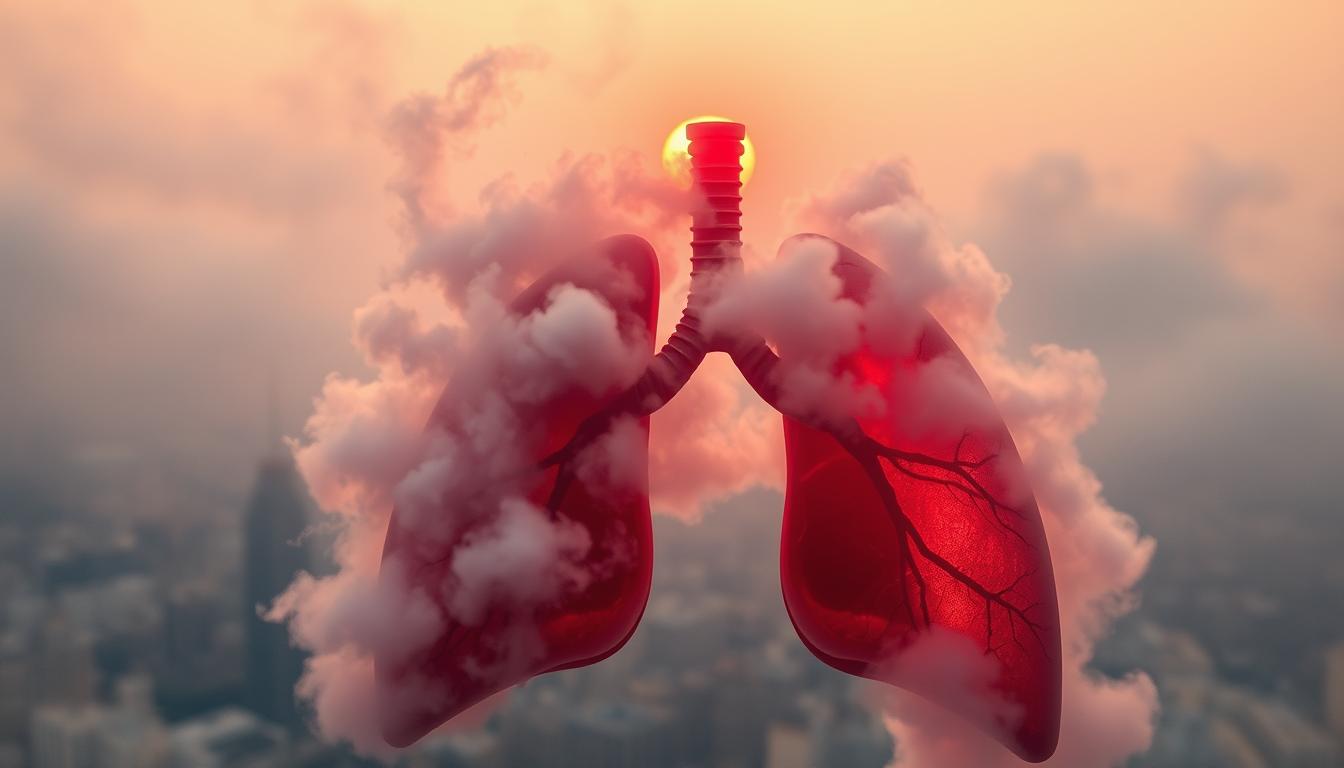
Particulate matter (PM2.5) includes microscopic soot from wildfires or diesel engines. These particles are 30x smaller than a human hair, slipping deep into lungs.
| Pollutant | Source | Health Impact |
|---|---|---|
| Ozone | Sunlight + vehicle emissions | Lung irritation, worsened asthma |
| PM2.5 | Wildfires, industrial smoke | Heart disease, lung cancer |
How Pollutants Enter Your Body and Cause Damage
PM2.5 bypasses nasal filters, reaching tiny lung sacs called alveoli. From there, particles enter your bloodstream, causing inflammation. Ozone damages lung tissue on contact, reducing oxygen absorption.
Short-Term vs. Long-Term Health Effects
Short-term: Coughing, eye irritation, or asthma attacks within hours. The CDC links these to high ozone days.
Long-term: NIH studies tie PM2.5 to chronic conditions like COPD and lymphoma. WHO data shows 1 in 9 deaths stem from pollution-related diseases.
Who Is Most Vulnerable to Poor Air Quality?
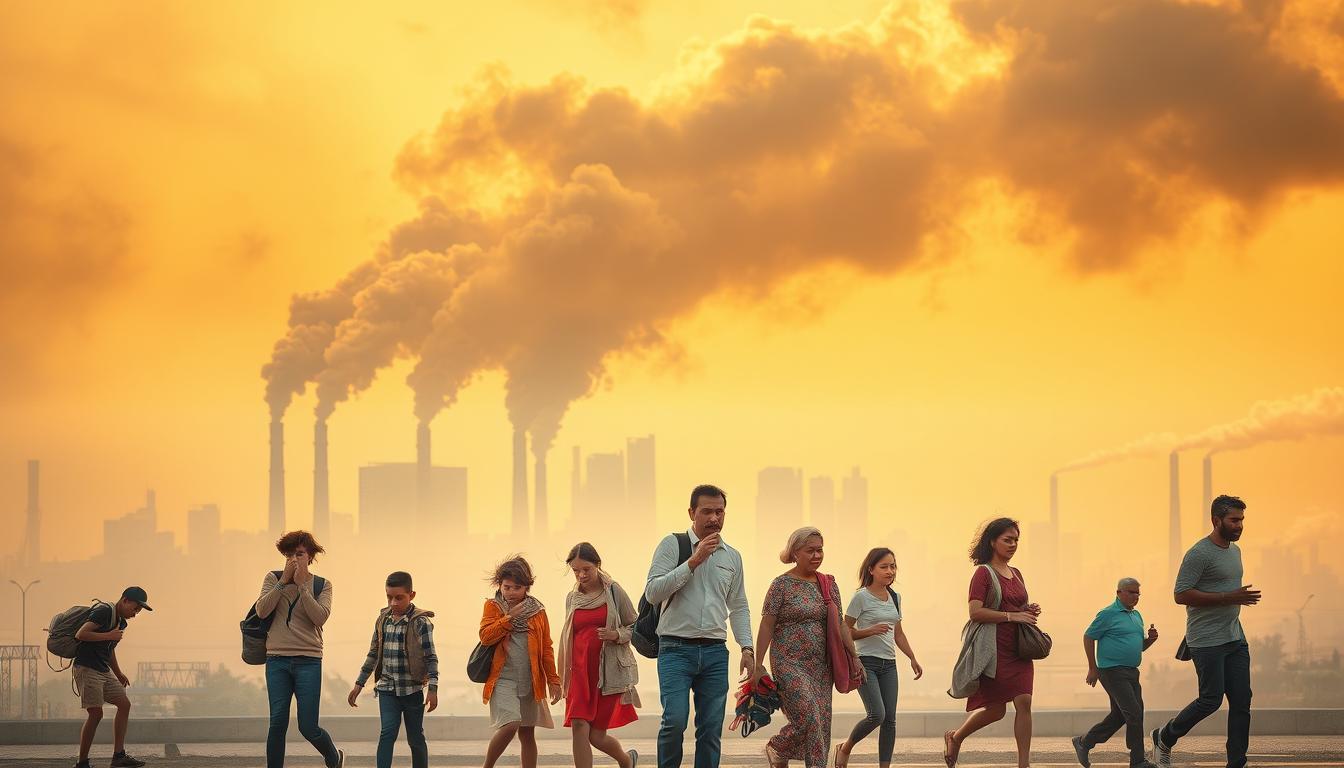
Not everyone faces equal risks when pollution levels rise—some groups are far more susceptible. Children, seniors, and outdoor workers often experience severe health effects even at lower contamination levels. Understanding these vulnerabilities helps prioritize protection efforts.
Children and Developing Lungs
Kids inhale 50% more air per pound than adults, according to the Wisconsin DNR. Their developing lungs and tendency to breathe through mouths (bypassing nasal filters) make them prone to damage from PM2.5. Urban children with high exposure face a 25% higher ADHD risk.
Pregnant women also risk complications. Studies link pollution to premature births and low birth weight, as particles cross the placental barrier.
Older Adults and Pre-Existing Conditions
Seniors aged 65+ are 3x more likely to be hospitalized during smoke events. Reduced lung capacity and common conditions like heart disease or COPD amplify their sensitivity. Even short-term exposure can worsen symptoms.
Outdoor Workers and Active Individuals
Construction crews and farmers face a 15% higher lung cancer risk (WHO) due to prolonged exposure. Athletes exercising outdoors inhale deeper, drawing pollutants further into their airways.
| Group | Key Risk Factors | Protection Tips |
|---|---|---|
| Children | Developing lungs, mouth breathing | Limit outdoor play on high AQI days |
| Older Adults | Chronic conditions, weakened immunity | Use HEPA filters indoors |
| Outdoor Workers | Extended exposure, heavy exertion | Wear N95 masks during advisories |
Low-income communities often face double the asthma rates due to proximity to highways or factories. Addressing these disparities requires policy changes and targeted health education.
Recognizing Symptoms of Air Pollution Exposure
Your body sends clear signals when air contaminants take a toll. Unlike seasonal allergies, pollution-related symptoms often persist without obvious triggers. Tracking these signs helps you act before damage escalates.
Respiratory Warning Signs
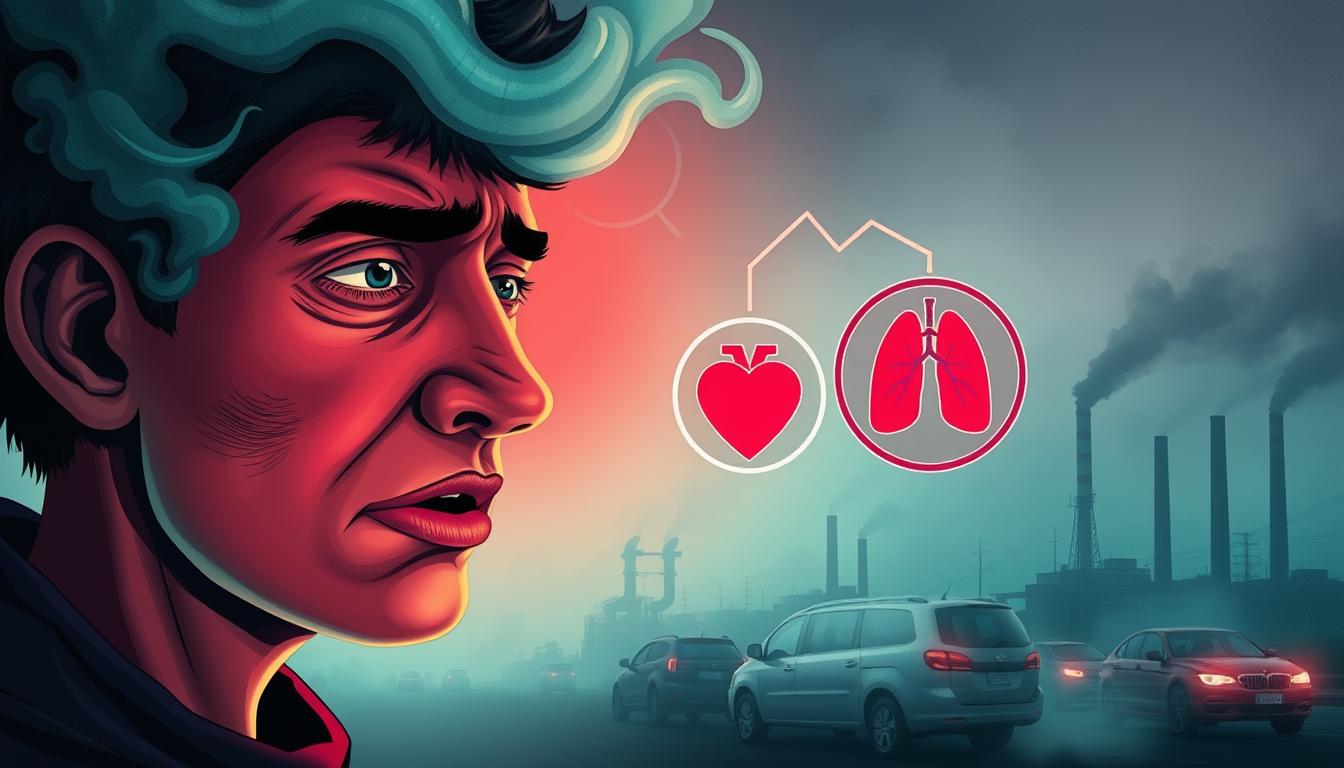
A dry cough or wheezing that lingers for weeks may signal ozone irritation. PM2.5 particles deepen the harm, causing tightness in your chest. Asthma sufferers often experience more frequent attacks during high-pollution days.
Cardiovascular Red Flags
Pollution doesn’t just harm lungs—it strains your heart. Sudden fatigue or irregular heartbeats can indicate PM2.5-induced blood viscosity changes. Studies link heart disease flare-ups to spikes in particulate matter.
| Symptom | Pollutant Link | Action Step |
|---|---|---|
| Persistent dry cough | Ozone irritation | Use indoor air purifiers |
| Chest pain | PM2.5 inflammation | Monitor AQI forecasts |
| Morning headaches | CO2 buildup overnight | Ventilate bedrooms |
When to Seek Emergency Care
Immediate medical help is vital if you notice:
- Blue lips or nails (SpO2 below 90%)
- Confusion or dizziness (oxygen deprivation)
- Severe shortness of breath (airway constriction)
WHO data shows PM2.5 raises stroke risk by 34% within 24 hours. Beta-blocker users face higher dangers during ozone peaks—keep medications updated.
How to Protect Yourself When Air Quality Is Poor
When pollution levels spike, knowing how to shield yourself becomes critical. Proactive steps—from monitoring real-time data to optimizing your indoor environment—can slash exposure risks. Here’s how to adapt when the air quality index signals danger.
Using the Air Quality Index (AQI) as Your Guide
The EPA’s color-coded air quality index ranges from green (safe) to maroon (hazardous). Red zones (AQI 151–200) mean sensitive groups should avoid outdoor exertion. Purple? Everyone should stay indoors.
Check apps like AirNow for hourly updates. Wildfire smoke often spikes PM2.5 levels overnight—close windows before bedtime if AQI exceeds 100.
| AQI Range | Activity Guidance |
|---|---|
| 0–50 (Green) | Ideal for outdoor exercise |
| 101–150 (Orange) | Limit prolonged exertion |
| 201+ (Red/Purple) | Postpone outdoor activities |
Creating a Clean Indoor Environment
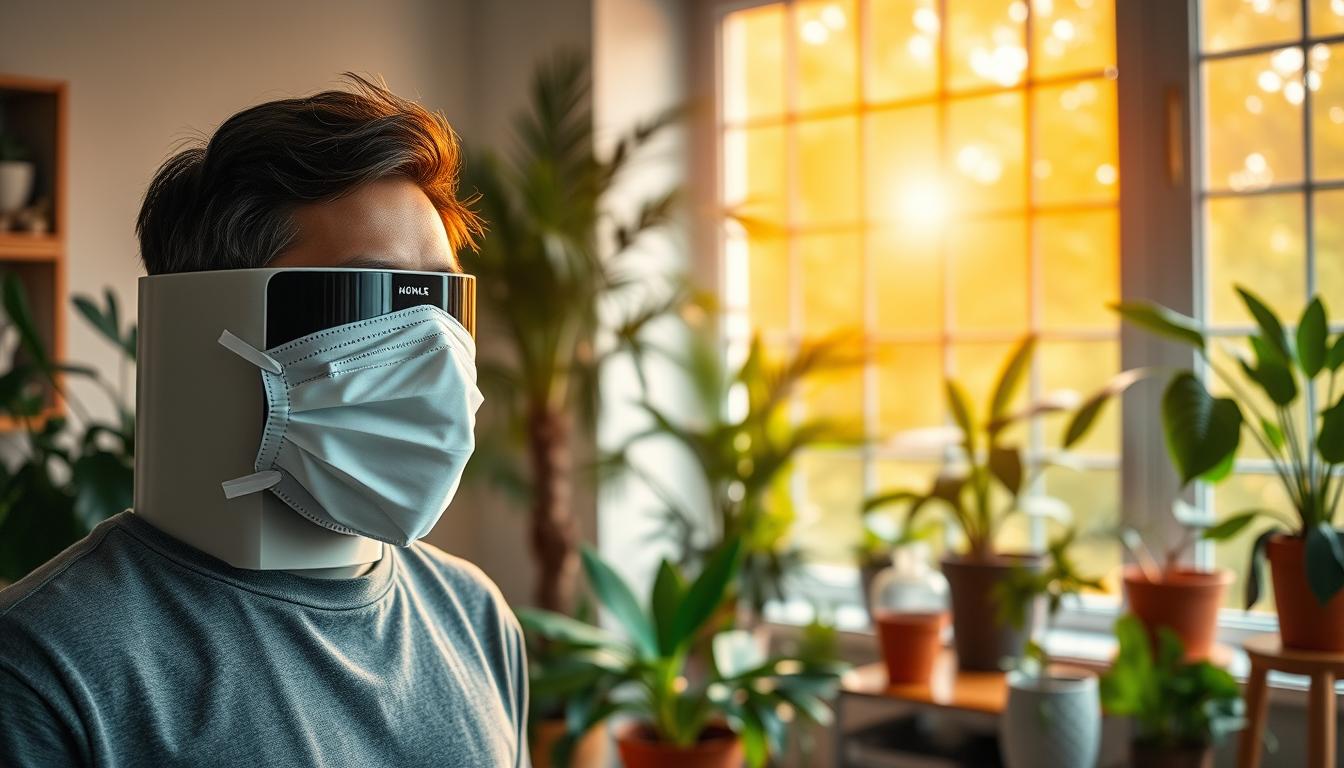
Your home can be a sanctuary with the right filters. MERV 13 HVAC filters trap 90% of PM2.5—run systems on recirculate mode for 20-minute cycles hourly.
For cost-effective purification, DIY Corsi-Rosenthal boxes (4 filters + a box fan) match HEPA performance at 60% lower cost. Avoid hidden pollutants like gas stoves—use exhaust fans during cooking.
Choosing the Right Masks for Outdoor Use
Not all masks block pollutants. NIOSH-approved N95 respirators filter 95% of 0.3-micron particles—crucial for wildfire smoke. Perform a seal check: cup hands over the mask and exhale sharply. Leaks mean poor fit.
After exposure, shower with lukewarm water and rinse nasal passages to remove trapped particles. Store masks in paper bags to prevent contamination.
Community Actions to Improve Air Quality
Local initiatives can dramatically reduce environmental hazards in your neighborhood. When communities unite, they achieve what individuals cannot—systemic change that benefits everyone. From transportation reforms to emergency planning, collective action creates lasting protection against pollution threats.
Cutting Down Vehicle Emissions
Transportation causes 28% of U.S. emissions (EPA), but solutions exist. Electric vehicle adoption prevents 150,000 asthma ER visits annually. Many states offer stacked incentives:
- $7,500 federal tax credit + local rebates (up to $5,000 in California)
- School districts can access $5 billion in EPA grants for electric buses
- Carpool lanes reduce idling, which produces double the emissions of moving traffic
Pushing for Clean Energy Policies
Advocacy shifts local energy landscapes. Attend town halls with prepared scripts demanding:
- Solar panel mandates for new constructions
- Wind farm subsidies in rural areas
- Energy efficiency upgrades for public buildings
The Department of Energy funds citizen-led air monitoring projects—apply for grants to track neighborhood pollution hotspots.
Preparing for Wildfire Risks
Wildfire preparedness saves lives and lungs. The U.S. Forest Service confirms prescribed burns lower fire severity by 76%. Protect your home with Firewise tactics:
- Clear flammable vegetation within 30 feet of structures
- Install ember-resistant vents
- Store 10-day medical supplies and portable HEPA filters
| Action | Impact | Resources |
|---|---|---|
| EV carpool programs | Lowers PM2.5 by 41% near schools | DOT Clean School Bus Program |
| Community solar | Cuts neighborhood NOx emissions | EPA Solar for All grants |
| Firewise landscaping | Reduces property loss by 80% | FEMA preparedness guides |
These strategies prove that communities drive real change. Start small—organize a neighborhood EV test drive event or petition for cleaner energy sources. Every effort compounds into healthier air for all.
Conclusion: Taking Control of Your Air Quality Health
Protecting yourself from pollution starts with simple daily choices. Use personal protection like N95 masks during high AQI days. Upgrade your home with MERV 13 filters to trap harmful particles.
Community efforts amplify results. Advocating for cleaner energy and transportation cuts health risks linked to chronic obstructive pulmonary diseases. Studies show these changes could prevent premature death for thousands annually.
Current technology can improve air quality by 40%. The EPA’s AirNow platform helps track real-time data. Your actions today shape tomorrow’s cleaner environment—breathe easier by staying informed.